Bali Jungle Travel Guide
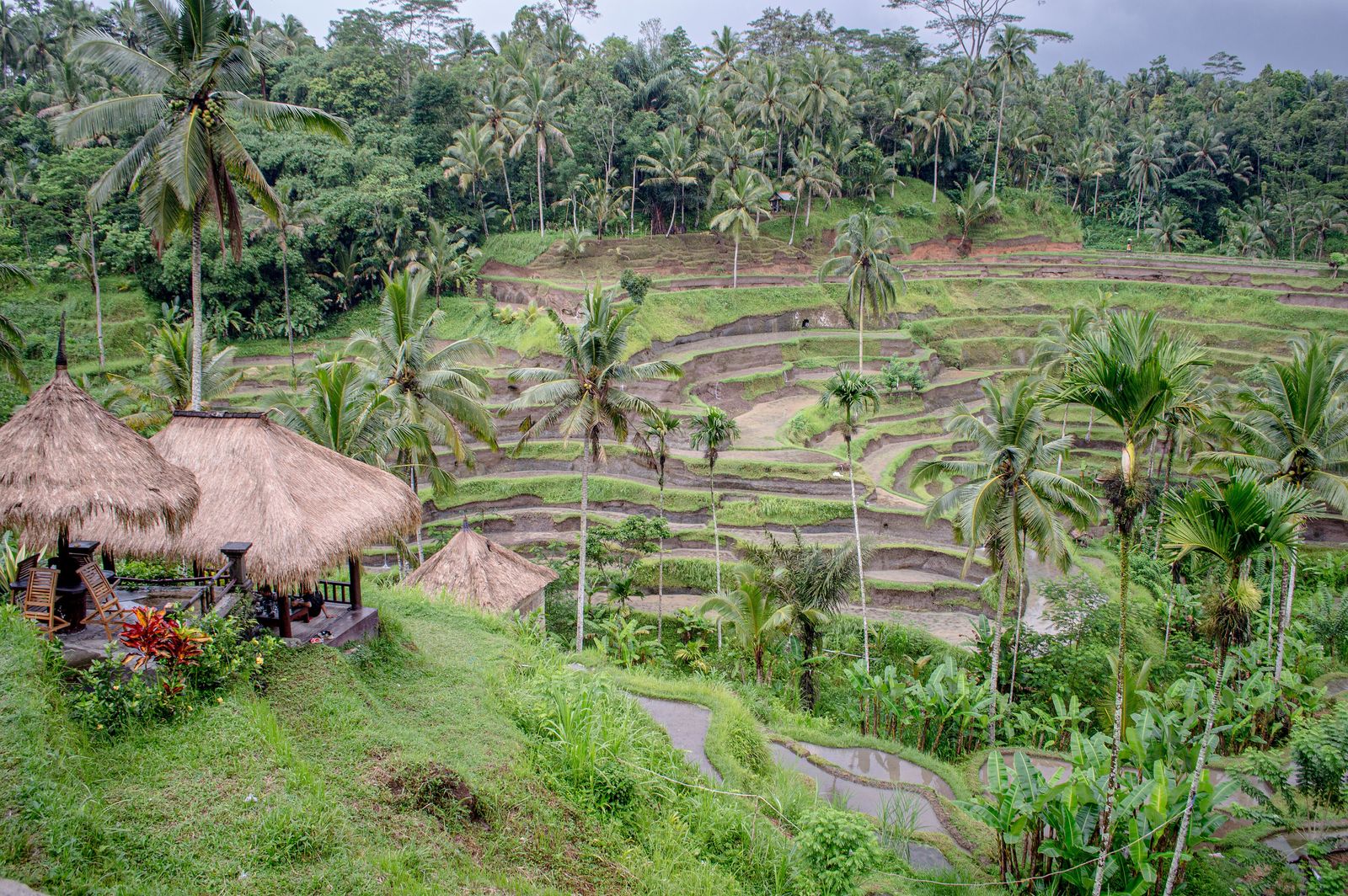
Bali's coastline gets the postcards, but the interior is where the island still feels like an island: a spine of volcanoes wrapped in rainforest, rice terraces cut so precisely they look engineered (they were, eleven centuries ago), and highland villages where the loudest sound after dark is a river. This is a guide to that other Bali — Ubud's jungle ravines, the quiet valley of Sidemen, and the misty coffee country of the north — with real logistics for getting there, where to stay, and what you're actually going to see.
Bali's jungle, honestly
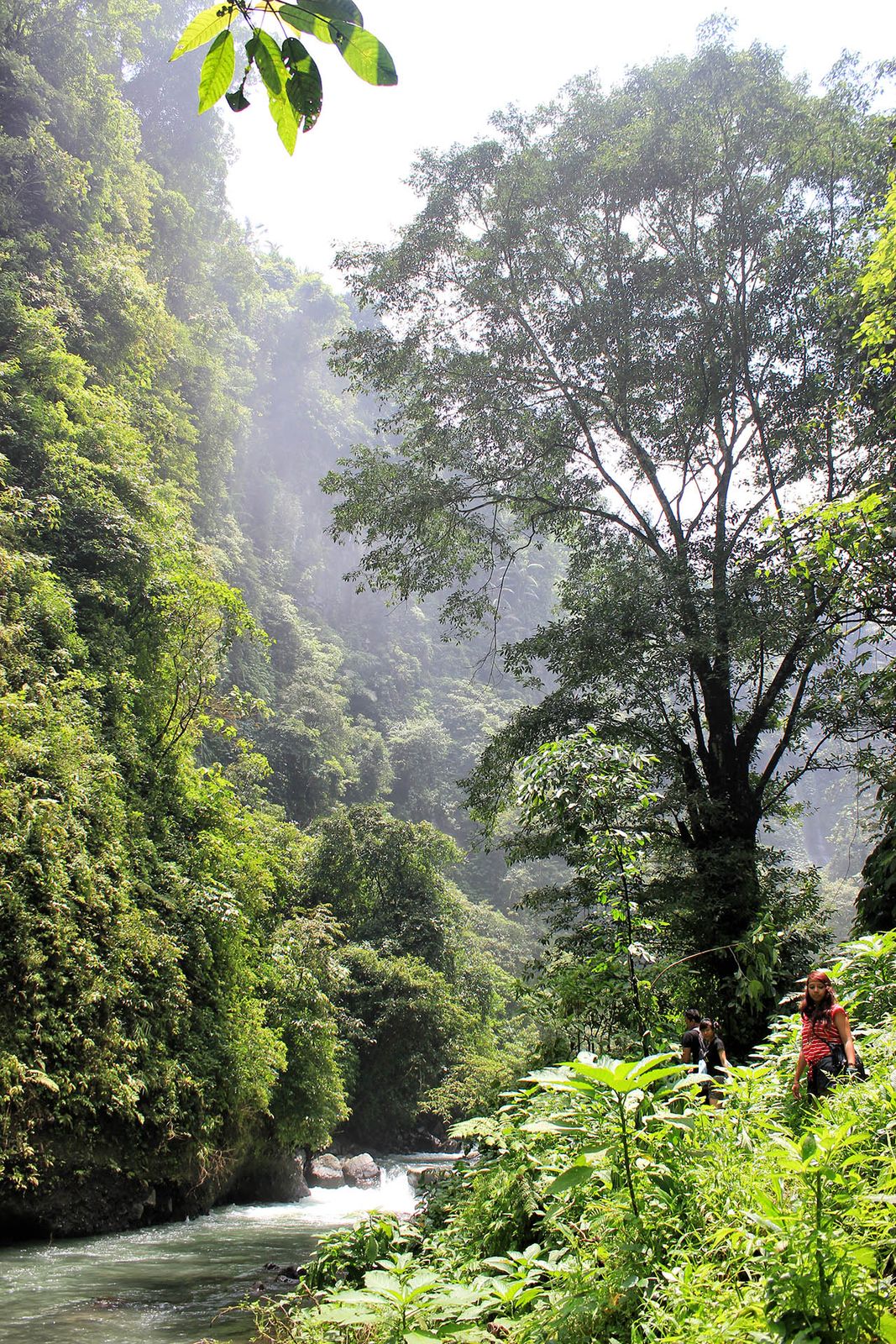
Say "jungle" and most people picture the Amazon: an unbroken green ceiling stretching to the horizon. Bali isn't that, and it's worth saying so before you book anything. The island is small — you can drive across it in a few hours — and most of its interior has been farmed for centuries. What you get instead is a working landscape where forest and agriculture are laced together: rice terraces stepping down volcanic slopes, coffee and clove smallholdings under a loose forest canopy, and ravines and river gorges where the vegetation gets properly dense and jungle-green. There is exactly one block of true, contiguous rainforest left on the island with any real depth to it — West Bali National Park — and it's worth building a trip around if wildlife and genuine forest are what you're after.
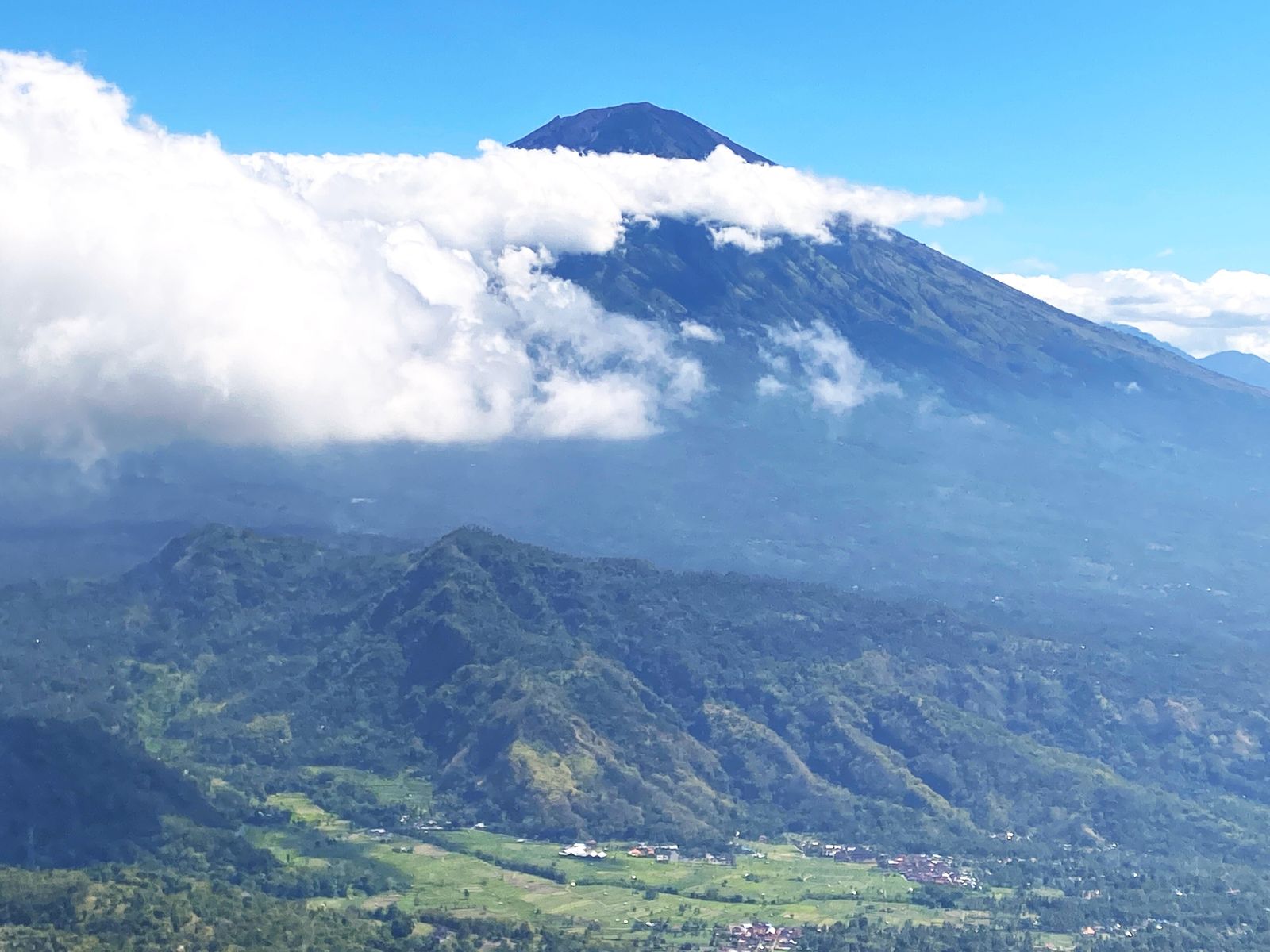
That's not a knock on the rest of it. The Bali interior most travelers fall for — Ubud's river gorges, Sidemen's rice-terrace valley, the cloud-cooled hills around Munduk — is a different kind of beautiful: cultivated, inhabited, and threaded with temples that have sat in the same clearings for hundreds of years. A spine of volcanoes runs roughly through the middle of the island, with Gunung Agung (3,031 meters, still active and considered the most sacred mountain in Balinese cosmology) presiding over the east and Gunung Batukaru anchoring the west-central highlands. Everything you'll read about below sits somewhere on the slopes of one of these mountains.
The honest pitch, then, is this: come to Bali's interior for rice-terrace walking, river gorges, waterfall chasing, highland coffee country and one real pocket of rainforest with wildlife worth seeing — not for a week of disappearing into unbroken wilderness. Come for the right thing and it delivers completely.
The regions, and how they differ
"Bali's jungle" isn't one place. Four areas do the heavy lifting, and they're different enough in character, altitude and crowd level that picking the right mix matters more than picking the right hotel.
Ubud
Ubud is the cultural core of the island and the easiest jungle fix to reach — it's also the most visited by a wide margin. The town itself sits on a plateau cut through by river gorges, so even central Ubud has genuine ravine-and-canopy views from certain streets, and the neighborhoods along the Sayan and Campuhan ridges look straight down into forest. The Sacred Monkey Forest Sanctuary, home to more than a thousand long-tailed macaques and three working temples, sits inside the town rather than outside it. The famous Tegalalang rice terraces are a short drive north. Ubud is where you go for convenience, food, art and a genuinely walkable jungle-adjacent town — and where you accept that you'll be sharing the view.
Sidemen
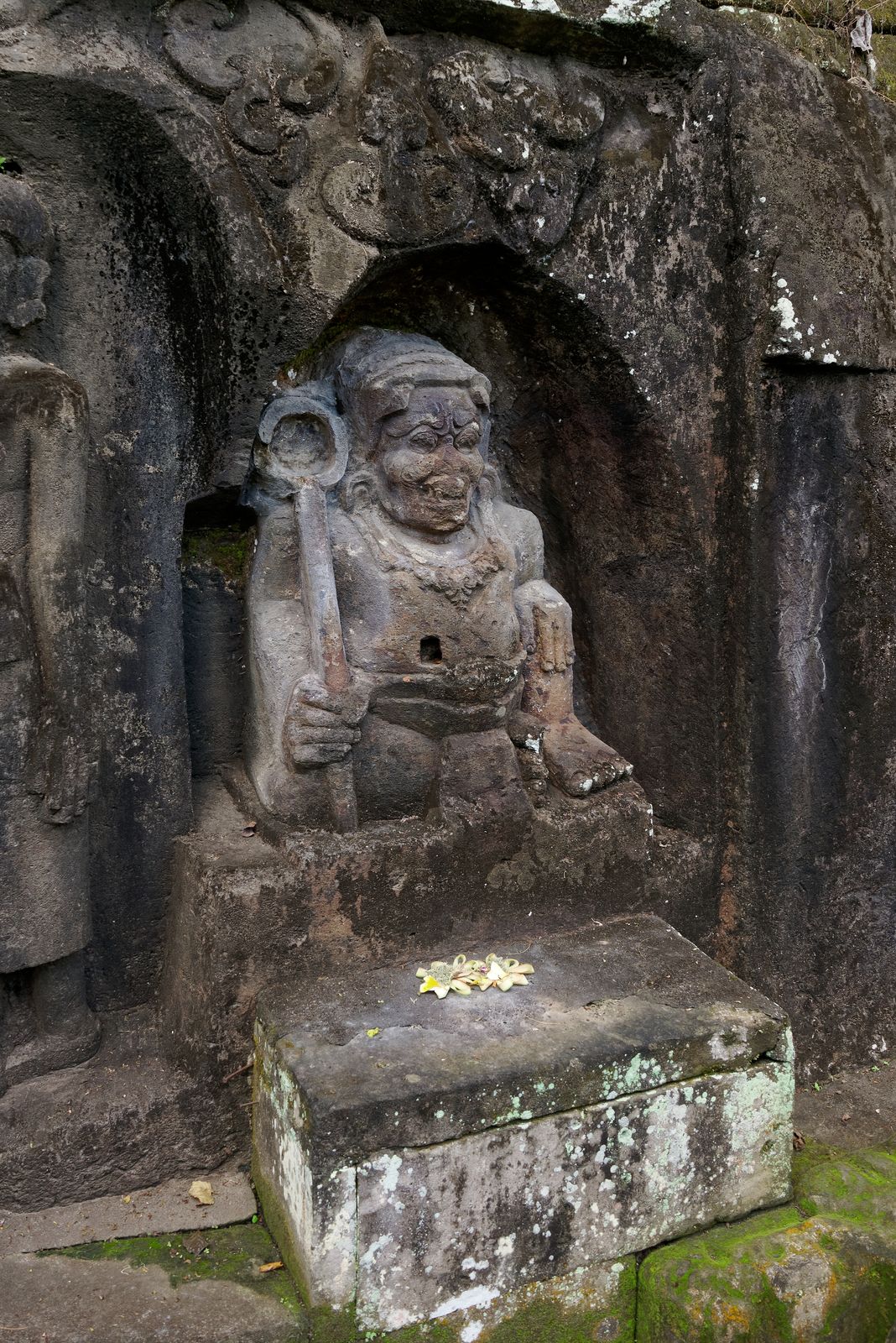
An hour and a half to two hours east of Ubud, in Karangasem Regency, Sidemen is what people mean when they say Ubud used to be quieter. It's a working valley of rice terraces at the foot of Gunung Agung, with the volcano visible from much of it on a clear day. There's less to "do" in the checklist sense — no big sanctuary, no marquee waterfall circuit — and that's the point. Trekking routes here move through rice terraces into genuine forest and across small rivers, and the Gembleng waterfall trek ends at a set of natural rock pools with a view down the valley. Sidemen is where you go to slow down.
The northern highlands
North Bali, centered on the village of Munduk in Buleleng Regency, sits around 700 to 800 meters up on a cool, mist-wrapped ridge surrounded by coffee and clove plantations and denser forest than you'll find further south. This is volcano-crater country: Lake Buyan and Lake Tamblingan, the so-called Twin Lakes, sit in old calderas, and the Ulun Danu Tamblingan temple appears to float on the water when levels are high. The region's waterfalls are the main draw — Munduk Waterfall itself is a short, easy walk from the village, while Sekumpul, about an hour further east, is routinely called Bali's most beautiful: seven separate cascades dropping through dense jungle into a single gorge. Expect a full day trip from Ubud, or better, a night or two based locally so you're not rushing it.
West Bali National Park
Taman Nasional Bali Barat, in the island's far northwest, is the outlier on this list and the one true wilderness block. Established in 1941 and covering roughly 190 square kilometers of savanna, monsoon forest, mangrove and coral reef, it's the only place on the island with a real chance of seeing Bali's rarest wildlife — more on that below — plus Menjangan Island just offshore, a boat ride away, known for snorkeling and diving rather than jungle. It's the furthest of the four regions from Ubud and the least visited, which for a lot of travelers is exactly the appeal.
When to go
Bali runs on two seasons, not four, and the split is straightforward: dry season roughly April through October, wet season November through March. Within that, the rhythm is worth knowing in more detail than "go in the dry season."
- April–May: the dry season is settling in, rice terraces are often at their greenest after planting, and crowds haven't hit peak yet. A genuinely good window.
- June: reliably dry, warm without being punishing, and still ahead of the July–August crowd surge. Widely considered one of the best months to be here.
- July–August: the driest, sunniest stretch of the year — and also the peak of peak season, coinciding with Northern Hemisphere summer holidays. Ubud and the north's waterfall car parks get genuinely busy.
- September: still dry, noticeably quieter than August, and generally regarded as the sweet spot of the whole calendar.
- October: the shoulder into wet season. Usually still good, with rain becoming more likely toward the end of the month.
- November–March: the wet season proper. January is typically the wettest month. This doesn't mean constant rain — downpours are often short, heavy, and concentrated overnight or in the early morning, leaving clear afternoons — but trails in Sidemen and the north can get slick, and waterfalls run fuller and more dramatic. It's also cheaper and markedly less crowded.
Wildlife-watching in West Bali National Park is best in the drier months, when animals concentrate around remaining water sources and trails are easier going; birdlife, including the Bali starling, is active year-round. If you want to see the rice terraces at their most photogenic emerald green, aim for shortly after planting — timing varies by valley since Bali's subak irrigation system staggers planting across different watersheds, so no single calendar month guarantees it everywhere at once.
Good to know
Bali's dry season overlaps closely with much of mainland Southeast Asia's wet season, which is why serious jungle travelers sometimes pair a Bali trip with the opposite window somewhere else — our Thailand guide and Sri Lanka guide both cover when to time those against Bali if you're stitching a longer Asia-Pacific jungle trip together.
Getting there and getting around
Every international arrival lands at Ngurah Rai International Airport (DPS) in Denpasar, on the south coast, which means every jungle trip starts with a drive inland. Ubud sits about 35 to 40 kilometers north, and the drive takes 60 to 90 minutes in light traffic — but Bali's south-coast roads jam badly during the morning and late-afternoon commute windows, and a bad-timing airport run can stretch to two or three hours. If your flight lands in the early evening, budget accordingly.
For the transfer itself, official airport taxis and metered cabs run roughly IDR 300,000–500,000 (about $20–35), private transfer services with meet-and-greet run a bit more, and ride-hailing apps like Grab and Gojek are usually the cheapest at IDR 300,000–450,000, with a dedicated Grab pickup point inside the airport. There's no convenient direct public bus to Ubud yet — Bali's Trans Metro Dewata network doesn't reach it, and the budget Kura-Kura shuttle is slow and indirect. For a first-timer, a pre-booked private transfer or an app-hailed car is the practical choice.
Once you're inland, getting between regions — Ubud to Sidemen, Ubud to Munduk, either to West Bali National Park — really means hiring a car with a driver for the day or self-driving a scooter. A driver for a full day of temple-and-waterfall hopping is the standard, low-stress way to see Sidemen or the north without navigating Bali's narrow, sharply switchbacked highland roads yourself. Scooters are cheap to rent and genuinely useful for short hops around Ubud, but the roads north and east get steep, wet and poorly lit after dark, and you'll want an International Driving Permit alongside your home license — more on why in the safety section below.
Where to stay
Where you base yourself should follow the region you're prioritizing, not the other way around. Ubud has by far the largest concentration of jungle-adjacent stays, from simple guesthouses to river-gorge villas along the Sayan and Penestanan ridges, and it's the easiest place to combine jungle views with restaurants, yoga studios and a walkable town center. Sidemen has a smaller but growing set of homestays and villas built directly into the rice-terrace hillsides, generally simpler and quieter than Ubud, with volcano views as the main draw. Munduk and the surrounding highland villages have a handful of guesthouses and small lodges built for the cooler climate — think wood interiors, working fireplaces in some cases, and coffee grown on the property. West Bali National Park has the least accommodation of the four, mostly simple lodges near the park entrance or on the coast near Menjangan.
For an actual shortlist of vetted stays across all four regions — the places that deliver on the jungle-view promise rather than just claiming it — see our Bali destination page, and the wider directory if you're comparing Bali against other jungle destinations before you commit.
The Bali interior most travelers fall for isn't wilderness. It's a landscape people have lived in and farmed for a thousand years, and that's exactly why it's worth seeing.
The best things to do
The activity list here skews toward walking, water and temples rather than adrenaline, and that's true to the place.
- Walk the Campuhan Ridge: a roughly two-kilometer, easy ridge trail on the edge of central Ubud with open views down into the river gorge on both sides — the single best low-effort way to see what makes Ubud's setting distinctive.
- Visit the Sacred Monkey Forest Sanctuary: go in the morning when it's cooler and the macaques are more active, and keep sunglasses and loose items zipped away — the resident troop is famously light-fingered.
- Walk the Tegalalang and Jatiluwih rice terraces: Tegalalang, just north of Ubud, is the convenient, well-photographed option. Jatiluwih, further west in the foothills of Gunung Batukaru, is Bali's largest terraced landscape and a UNESCO World Heritage site as part of the island's Subak Cultural Landscape — the same communal irrigation system that's been shaping these hillsides since roughly the 11th century. It's a longer drive and gets a fraction of Tegalalang's crowds.
- Trek to a waterfall in Sidemen or the north: the Gembleng trek near Sidemen mixes rice terrace, forest and river crossings on the way to a set of natural pools. In the north, string together Munduk Waterfall (an easy 300-meter walk from the road) with Sekumpul, about an hour further on, where seven cascades drop through jungle into one gorge — widely considered the most dramatic waterfall on the island.
- Visit a working coffee plantation in Munduk: the cool highland climate around Munduk and Buleleng is genuine coffee and clove country, and small-holder plantations offer tastings and walk-throughs. If kopi luwak (civet coffee) is on offer, ask how the animals are kept — the ethical versions exist, but so do the ones that don't, and it's worth a direct question rather than an assumption.
- See Lake Tamblingan and the floating-looking temple: Ulun Danu Tamblingan sits at the water's edge in an old volcanic caldera, with the temple appearing to rise straight out of the lake when water levels are high.
- Raft or tube the Ayung River: the closest thing Ubud has to an adrenaline activity, running through a genuinely jungled gorge on the town's edge.
- Dive or snorkel off Menjangan Island: a roughly 30-minute boat ride from West Bali National Park's mainland, with some of the clearest water and healthiest reef on the island — worth the detour if you're already up there for the wildlife.
The wildlife you'll actually see
Set expectations here honestly, because Bali gets marketed with more wildlife promise than it delivers in most places. There are no tigers left — the Bali tiger, a distinct subspecies, was hunted and habitat-lost to extinction by the mid-20th century — and outside West Bali National Park, most of what you'll encounter is birdlife, macaques and whatever moves through cultivated land at dusk.
In Ubud, that mostly means the long-tailed macaques of the Monkey Forest and the birdlife that comes with any garden or ravine — sunbirds, kingfishers and black-naped orioles are common if you're paying attention. Sidemen and the northern highlands are quieter on the wildlife front; you're there for landscape and forest, not animal encounters, though birdwatching along the forest edges around Munduk is genuinely good.
West Bali National Park is where the real wildlife is. It's the last stronghold of the Bali starling, a small white bird with a blue eye-patch that is one of the most critically endangered birds on Earth — the wild population dropped to roughly six individuals by the early 2000s before conservation breeding programs began pulling it back from the brink. The park's savanna and monsoon forest also hold wild boar, banteng (Bali's native wild cattle), mouse deer, elusive leopard cats, Indian muntjac, and a long list of waterbirds including milky storks and Java sparrows. Around Menjangan Island, expect hawksbill turtles, water monitors sunning on the shoreline, and reef life offshore rather than jungle animals. If genuine wildlife-watching is a priority for your trip, this park — not Ubud — is where to build your itinerary around.
Costs and budgeting
Bali's interior is inexpensive relative to most Western jungle or beach destinations, though prices have crept up in Ubud specifically over the past several years as it's gotten more popular. A few fixed costs apply to everyone regardless of budget: most nationalities need a paid Visa on Arrival or e-VOA, currently around IDR 500,000 (roughly $35), extendable once for another 30 days at the same cost. On top of that, Bali charges a one-time provincial tourist levy of IDR 150,000 (about $10) per person, paid online in advance or on arrival, which funds environmental and cultural conservation work across the island.
Beyond that, day-to-day costs scale with how you travel. A simple warung meal runs a few dollars; a sit-down restaurant meal in Ubud runs somewhere in the $8–15 range, more at the higher end. Accommodation spans an enormous range — a basic homestay in Sidemen or the north can run well under $30 a night, a comfortable mid-range villa in Ubud with a jungle or rice-terrace view typically lands somewhere between $50 and $120, and the high end of jungle-view villas climbs well past that. Scooter rental is cheap, generally in the $5–7 a day range; hiring a driver for a full day of temple-and-waterfall touring usually costs somewhere in the $40–60 range, split easily between a small group. Entrance fees at individual sites — the Monkey Forest, Tegalalang, Jatiluwih — are each modest, typically a few dollars, though Tegalalang in particular has a habit of informal "parking" and photo-spot fees along the road that add up if you're not expecting them.
The general rule: Ubud costs the most of the four regions because it has the most infrastructure and the most demand; Sidemen and the north are noticeably cheaper for equivalent comfort; West Bali National Park is cheap to visit but has the fewest options if you want anything beyond simple.
Health, safety and practical tips
None of this is exotic, but a few things trip up first-time visitors specifically because Bali feels so easy and familiar that people let their guard down.
Water: tap water isn't safe to drink anywhere on the island. Stick to bottled or filtered water, and be a little cautious with ice outside reputable restaurants and hotels, which generally use properly filtered ice. "Bali belly" is common enough that most repeat visitors carry basic rehydration salts and something for stomach upset as a matter of course.
Insurance and medical care: get real travel insurance before you go. Indonesian hospitals frequently ask for payment upfront before treating foreign visitors, and serious injuries or illness can mean a costly medical evacuation to Singapore or Australia if local facilities aren't equipped to handle it. This matters more in the interior than on the coast, since Ubud, Sidemen and the north are all further from major hospitals than the south-coast tourist strip.
Scooters: road accidents involving rented scooters are the most common serious mishap for travelers in Bali, and it's worth taking seriously rather than treating as a formality. You're legally required to carry an International Driving Permit alongside a valid motorcycle license from home; without both, you risk fines at checkpoints and, more importantly, a voided travel insurance policy if you're in an accident. Highland roads around Sidemen and Munduk are narrow, wet more often than the south coast, and prone to mist — a rented car with a driver is the lower-stress choice for those routes.
Temple etiquette: a sarong and sash are required at active temples, including Ulun Danu Tamblingan and Pura Luhur Batukaru, and are usually available to rent or borrow at the entrance if you don't bring your own. Shoulders and knees covered, and menstruating visitors are traditionally asked not to enter — a rule that surprises some travelers but is worth respecting rather than arguing with.
The monkeys, specifically: at the Sacred Monkey Forest Sanctuary and anywhere else macaques are used to tourists, they will grab sunglasses, water bottles, phones and food with real speed and confidence. Don't carry loose valuables in outer pockets, and don't try to wrestle anything back once it's taken — staff can sometimes negotiate a trade for a snack, you generally can't.
Volcanic activity: Gunung Agung has erupted within living memory, most recently with a period of unrest and eruptions in 2017–2019, and it remains an active, monitored volcano. It's very unlikely to affect a typical trip, but if you're planning to trek near it or spend extended time in Sidemen, it's worth a quick check of current alert status before you go rather than assuming the mountain is dormant.
A suggested route
Ten to twelve days is enough to see all four regions properly without feeling rushed; a week is enough to do Ubud and one other region well.
- Days 1–2: arrive at Ngurah Rai, transfer to Ubud, and use the first day to adjust — walk the Campuhan Ridge in the cool of early morning and get oriented.
- Days 3–4: Ubud in depth. Sacred Monkey Forest Sanctuary, Tegalalang, an Ayung River rafting run, and time in town.
- Days 5–6: relocate to Sidemen. Slow down deliberately — a rice-terrace trek to the Gembleng waterfall, views of Gunung Agung, and no fixed schedule.
- Days 7–8: up to Munduk and the northern highlands. Twin Lakes, a coffee plantation visit, Munduk Waterfall and the full push to Sekumpul.
- Day 9: Jatiluwih and Pura Luhur Batukaru en route back south, or as a detour from the north if your route allows it.
- Days 10–11 (optional extension): West Bali National Park and Menjangan Island — the furthest add-on, but the only place on this route with real wildlife and reef.
- Day 12: return south for departure, or extend onto the coast if beach time is part of the trip.
If you're combining Bali with another jungle destination on the same trip — several JungleBnB readers pair it with Thailand's northern hills or stretch a longer Asia loop through Sri Lanka's hill country — book Bali for its dry-season window and let the other leg's calendar follow from there rather than the reverse.
Common questions
Is Bali's jungle actually jungle, or is that marketing?
Partly marketing. Most of Bali's interior is a farmed landscape — rice terraces, coffee and clove smallholdings — laced with forest along ravines and rivers, which is genuinely beautiful but isn't unbroken wilderness. West Bali National Park is the one place on the island with real, contiguous rainforest and the wildlife to match.
How many days do you need for the interior?
A week covers Ubud plus one other region comfortably. Ten to twelve days lets you do all four — Ubud, Sidemen, the northern highlands and West Bali National Park — without rushing between them.
Do I need a visa to visit Bali?
Most nationalities need a paid Visa on Arrival or e-VOA, currently around IDR 500,000 (about $35), plus a separate one-time provincial tourist levy of IDR 150,000 (about $10). Apply for the e-VOA online in advance to skip the airport queue.
Is Ubud too crowded to be worth it?
Central Ubud gets busy, especially July through September, but it's still the easiest, most walkable way to combine jungle scenery with a real town. If crowds bother you, treat Ubud as your base for a couple of days and spend the rest of the trip in Sidemen or the north, both of which are far quieter.
Can you actually see wildlife in Bali, or is it mostly monkeys?
Outside the Monkey Forest's macaques and everyday garden birdlife, most of Bali's interior is light on wildlife. West Bali National Park is the exception — it's the last wild home of the critically endangered Bali starling, plus banteng, mouse deer, leopard cats and a long list of waterbirds, with good reef life around Menjangan Island offshore.
Is it safe to rent a scooter in the highlands?
It's legal and common, but road accidents involving rented scooters are the most frequent serious mishap travelers have in Bali, and highland roads around Sidemen and Munduk are narrower, wetter and mistier than the south coast. Carry an International Driving Permit with your home license, wear a proper helmet, and consider a car with a driver for the highland legs if you're not an experienced rider.
Where to go from here
Bali's interior rewards picking two or three regions and giving each of them real time rather than trying to see all four on a tight loop. Start with our Bali destination page for a shortlist of vetted jungle-adjacent stays across Ubud, Sidemen and the north, or browse the full directory if you're still deciding between Bali and somewhere else. If you're building a longer trip around this style of travel, our guides to Thailand's jungle and Sri Lanka's rainforest and hill country cover the two destinations most often paired with Bali on the same itinerary, and our roundup of the best jungle Airbnbs in the world is a good next stop if you're comparing regions before you commit to one.
- Bali.com — Bali Weather & Climate — dry/wet season timing and month-by-month rhythm.
- Bali.com — Jatiluwih Rice Terraces & Subak Irrigation System — UNESCO status, scale and the Subak system's history.
- Wikivoyage — West Bali National Park — park size, habitats, and wildlife including the Bali starling and Menjangan Island.
- Bali.com — Visa on Arrival (VOA / e-VOA) — current visa cost and application process.
- Bali.com — Bali Tourist Tax / Levy — the provincial tourist levy amount and how it's paid.
- Monkey Forest Ubud — official site — Sacred Monkey Forest Sanctuary details, temple names and visiting hours.
- Qantas Travel Insider — What to know before you go to Bali — health, water safety and travel insurance guidance.
- Wise — Bali Airport to Ubud Transfer Guide — airport-to-Ubud distance, drive times and transport costs.
More from the Journal.
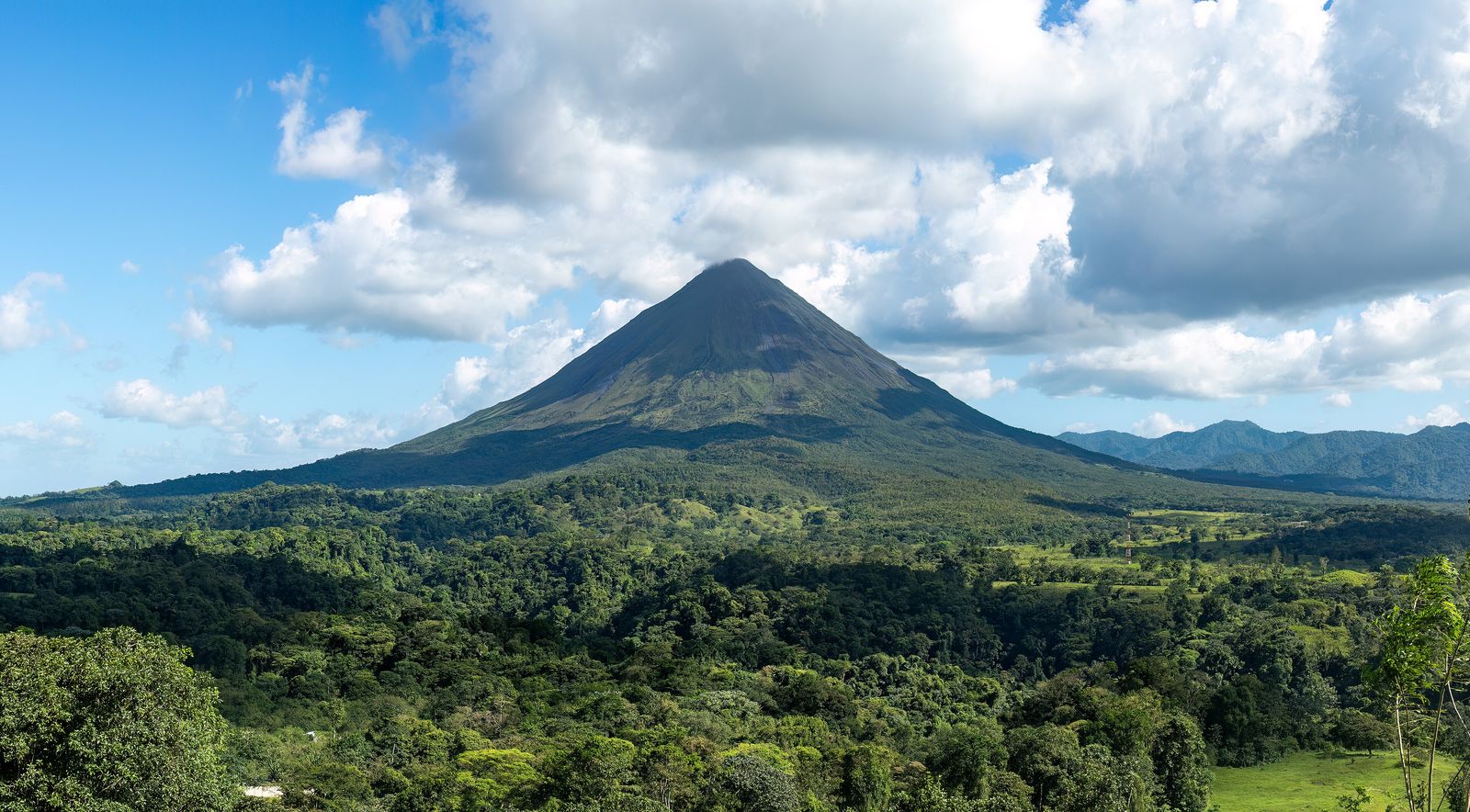 Photo: Rhododendrites, CC BY-SA 4.0
Costa Rica Rainforest Travel Guide
The definitive guide to Costa Rica's rainforests — cloud forest, Pacific lowlands and the wild Osa Peninsula — with where to stay and when to go.
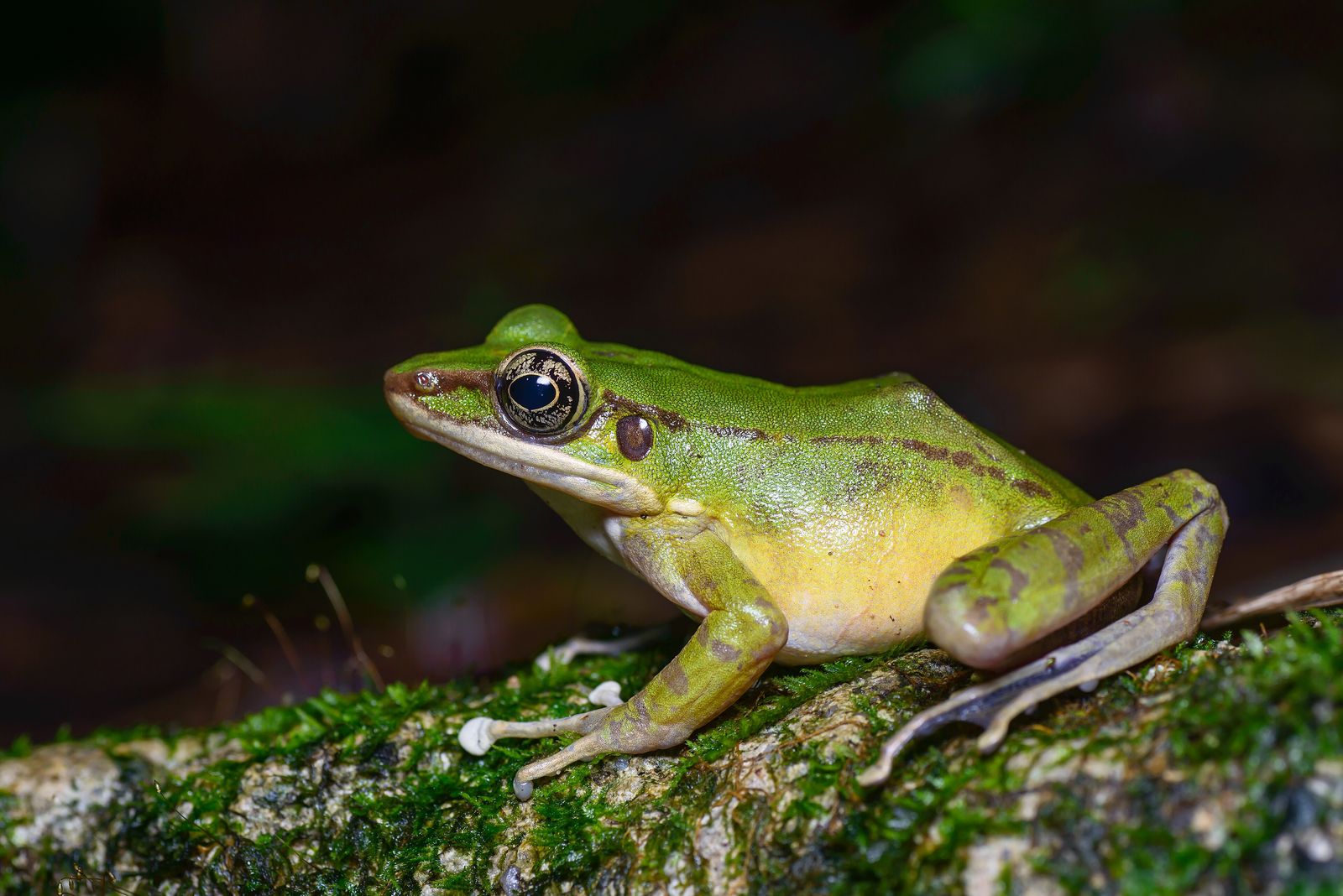 Photo: Rushenb, CC BY-SA 4.0
Thailand Jungle Travel Guide
Beyond the beaches: Khao Sok's ancient rainforest, the northern hills around Chiang Mai and the karst jungle of the south.
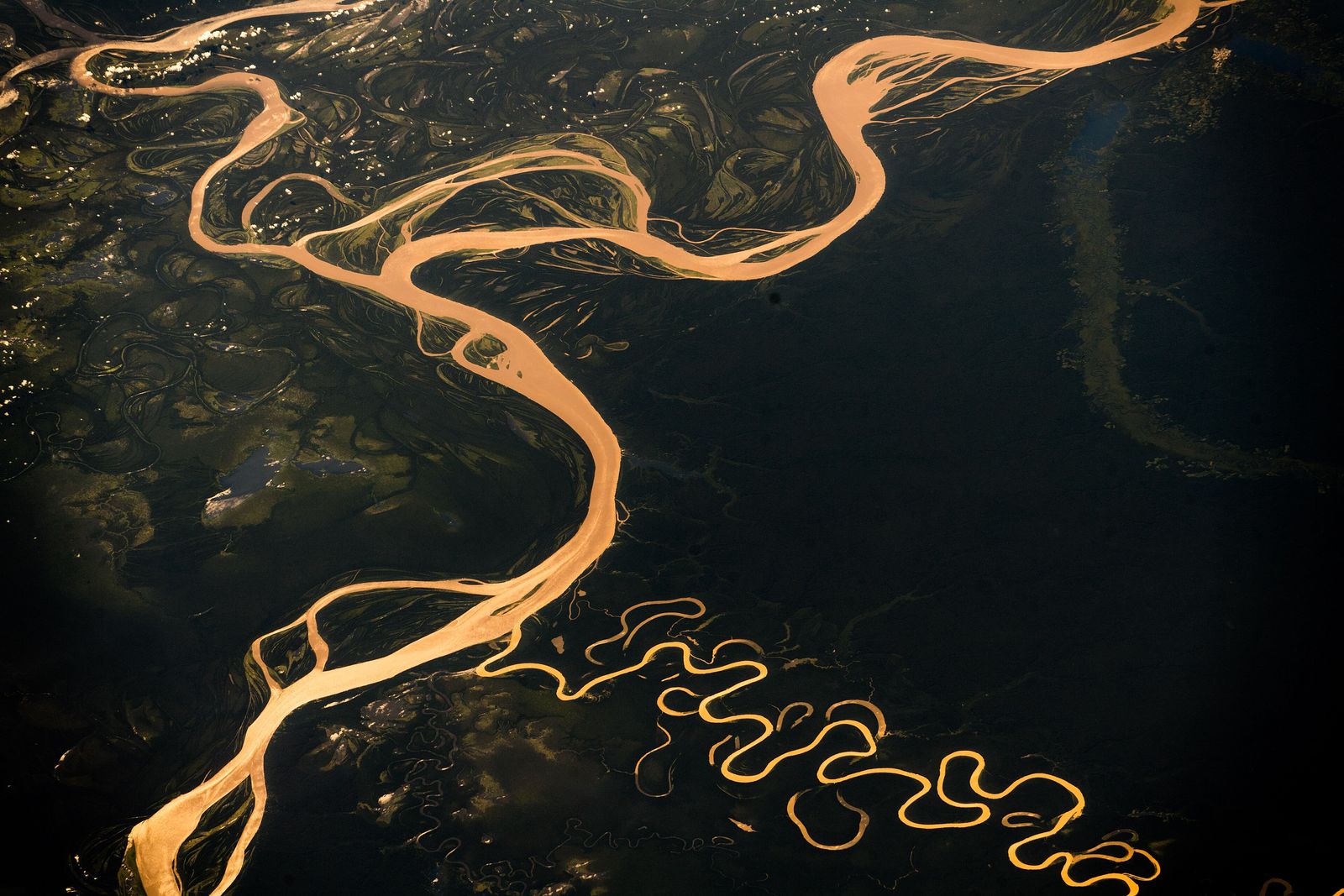 Photo: Alexander Gerst, CC BY-SA 2.0
The Amazon Rainforest: A Traveler's Guide
How to actually visit the Amazon — Brazil, Peru, Ecuador and Colombia — which gateway city, which lodge, and what a trip into the world's largest rainforest is really like.
 Photo: Derek Ramsey (Ram-Man), CC BY-SA 4.0
Find your own piece of the canopy.
Treehouses, bamboo houses and rainforest villas across 17 destinations — found, vetted and written up honestly.
Browse all destinations