Belize Jungle Travel Guide
Belize gets filed under "beach and reef" more often than it gets filed under "jungle," and that's a mistake. Behind the cayes and the barrier reef sits a country that's more than half forested, cut through by the Maya Mountains, holding one of the highest concentrations of jaguars anywhere on Earth and Maya ruins that still poke up through unbroken canopy rather than sitting in a manicured park. English is the official language, which makes it an unusually easy country to navigate for a first Central American jungle trip, and it's small enough that a two-week loop can genuinely cover caves, ruins, rivers and rainforest without feeling rushed. This is a working guide to Belize's jungle country — the Cayo District and Mountain Pine Ridge, the Cockscomb Basin jaguar preserve, the wetter south around Toledo, and the Maya sites hidden in the north — with honest advice on when to go, how to get around, and where to base yourself.
Belize's jungle, honestly
Belize is tiny — smaller than New Hampshire, with a population under half a million — and yet it holds a disproportionate share of Central America's remaining forest. Roughly a third to a half of the country carries some form of protected status, depending how you count reserves, sanctuaries and private conservation land, and the interior is dominated by the Maya Mountains, a granite spine running through the Cayo and Toledo districts that never gets much higher than about 1,100 meters but is steep and wet enough to hold real cloud-forest pockets at elevation.
What makes Belize distinct from its neighbors isn't scale, it's continuity. Belize was British Honduras until independence in 1981, and that colonial history left it as the only English-speaking country in Central America — a genuinely useful thing when you're trying to ask a park ranger about trail conditions rather than mime it. It also left a lighter population footprint than most of the region: Belize never industrialized its interior the way Guatemala or Honduras did, and large blocks of forest, particularly along the Guatemalan border, have stayed intact simply because nobody cleared them. The Chiquibul Forest alone, straddling that border, is one of the largest tracts of broadleaf forest left in Central America.
The honest caveat: Belize's jungle reputation gets built on the back of its reef reputation, and a lot of visitors never leave the cayes. That's their loss and your opportunity — the interior sees a fraction of the tourist traffic that Ambergris Caye and Caye Caulker do, which means Maya ruins you can have largely to yourself, jaguar habitat that's still genuinely wild, and rivers where a howler troop overhead is a daily event rather than a rare sighting. It's also not one uniform jungle. The Cayo District in the west runs drier and includes actual pine forest at elevation in Mountain Pine Ridge — a genuine oddity, since it burned in past decades and looks more like the American Southwest than tropical Belize for a few kilometers. Toledo District in the deep south is the wettest place in the country by a wide margin and the closest thing to true unbroken rainforest. The north, around Orange Walk, is flatter, lower and drier, with Maya sites tucked into forest reached by boat rather than road. Treat those as different trips within one small country, and Belize stops feeling like a reef destination with a jungle attached, and starts feeling like what it actually is.
The regions, and how they differ
Belize's interior breaks into four areas worth knowing apart, and — because the whole country is small — combining two or three of them in a single trip is realistic in a way it wouldn't be in a larger country.
The Cayo District and Mountain Pine Ridge
Cayo, in the west along the Guatemalan border, is where most first-time visitors base themselves, and for good reason: it holds the largest concentration of jungle lodges, the country's most-visited Maya sites, and its best-known caves. San Ignacio is the working hub — a real town, not a resort strip, with a market, guesthouses and outfitters rather than an airport of its own. From there, the land rises into the Mountain Pine Ridge Forest Reserve, a genuinely strange landscape of Caribbean pine, granite outcrops and a noticeably cooler climate than the lowlands, cut through with waterfalls like Big Rock Falls and swimming holes at Rio On Pools. Caracol, Belize's largest Maya site, sits deep inside the Chiquibul Forest near the Guatemalan border, its tallest temple still the tallest structure in the country. Closer to San Ignacio, Xunantunich rises on a ridge above the Mopan River, reachable by a hand-cranked ferry crossing that's part of the experience.
The Cockscomb Basin and the Stann Creek coast
South of Belize City, the Southern Highway runs past Dangriga and Hopkins toward Placencia, and just inland of that road sits the Cockscomb Basin Wildlife Sanctuary — established in 1986 as the world's first protected area created specifically for jaguar conservation. It covers more than 128,000 acres ringed by the Maya Mountains, with Victoria Peak rising above it, and is regarded as one of the most important jaguar strongholds anywhere. Entry runs through Maya Center, a traditional village at the reserve's edge where local guides operate. This region pairs jungle with coast more naturally than anywhere else in Belize — Hopkins and Placencia give you a Garifuna or laid-back beach base within an hour or so of real rainforest trails.
Toledo District and the deep south
Toledo, Belize's southernmost district, gets the country's heaviest rainfall — parts of the south see well over double what the north receives in a given year — and it shows in the forest, which stays lush and green even in the driest months elsewhere. Punta Gorda is the district's small hub town, and the surrounding area holds Mopan and Q'eqchi' Maya villages where community-based tourism, rather than resort development, is the norm. It's the least-visited of Belize's jungle regions and the one with the fewest paved roads, which is both the drawback and the appeal — this is where the country feels least edited for tourism.
Orange Walk and the north
North of Belize City, the terrain flattens out and dries somewhat, but the Rio Bravo Conservation and Management Area — a large private reserve run by the Programme for Belize — protects a substantial block of forest along the Guatemalan border, known for birding and jaguar research. The better-known draw up here is Lamanai, a Maya site on the New River Lagoon reached by a boat trip through jungle waterway rather than a road, with howler monkeys reliably heard, and often seen, along the way. It's a full-day trip from most Cayo bases rather than a place people typically sleep, but it's worth the day.
When to go
Belize runs on a straightforward two-season calendar: dry season roughly late November through May, wet season June through November. It's not a hard switch — the shoulder months blur — but the pattern is consistent enough to plan around.
- Late November–January: the dry season settling in, the landscape still green from the tail of the rains, and overlapping with the holidays — the busiest and priciest stretch at Cayo lodges and on the cayes alike. Book well ahead for Christmas and New Year's.
- February–April: the driest, sunniest run of the year, with the easiest hiking and caving conditions and the best odds of clear river crossings. Also the peak crowd window at Caracol, Xunantunich and ATM Cave.
- May: still generally dry and often the hottest month, with rains typically returning toward the end of it.
- June–August: the wet season arrives, but travel stays entirely workable — rain tends to fall in afternoon bursts rather than settling in for the day, the forest turns a deeper green, and lodge rates start dropping. This overlaps with the start of Atlantic hurricane season, worth watching but rarely a reason on its own to avoid these months.
- September–November: the wettest stretch, and also peak Atlantic hurricane season, running officially June through November with September and October historically the highest-risk window regionally. Some rural roads in Toledo become harder going, but this is also when rates fall furthest and the forest and rivers are at their fullest.
Toledo District doesn't really have a dry season in the way Cayo does — it's the wettest part of the country year-round, and travelers heading there should pack for rain regardless of month. The Cayo District and the pine forest at elevation in Mountain Pine Ridge feel the seasonal swing most clearly, including noticeably cooler mornings and evenings at elevation from roughly December through February.
Good to know
Belize's dry season lines up reasonably well with Costa Rica's Pacific dry season and with the driest months across much of the wider Caribbean and Central American jungle circuit — useful if you're stitching Belize into a longer trip. Our Tulum and the Maya Jungle guide covers the Yucatán side of the same Maya world just across the border, and runs on a broadly similar calendar.
Getting there and getting around
Nearly everyone arrives through Philip Goldson International Airport (BZE), just outside Belize City, Belize's only international gateway. From there, two domestic carriers — Tropic Air and Maya Island Air — run frequent short hops to regional airstrips at Placencia, Dangriga, Punta Gorda and the cayes, which makes flying a genuinely practical way to skip long drives if your trip includes the south or the coast. San Ignacio and the Cayo District, by contrast, have no commercial airport — the standard route is a road transfer of roughly two to two and a half hours west from Belize City, either by shuttle, private transfer or the country's public bus network, which is inexpensive and reaches most main towns along the Western Highway.
Belize's road network is smaller and simpler than most of its neighbors': a handful of named highways — Western, Northern, Southern, Hummingbird — connect the main towns, and English-language signage makes self-driving considerably less stressful here than almost anywhere else in the region. That said, secondary roads into places like Mountain Pine Ridge, parts of Toledo, and some reserve entrances are unpaved and can be rough, especially in wet season, and a 4x4 is worth the extra cost if your itinerary includes them. Fuel and rental cars both run more expensive than in the U.S., which is worth factoring into a self-drive budget.
Reaching Toledo District specifically deserves its own note: it's the most remote of Belize's mainland regions, and while the Southern Highway now reaches Punta Gorda in reasonable condition, side roads to Maya villages and reserve entrances thin out fast, and a local guide or tour operator is the more reliable way in for a first visit. Reaching Caracol, deep in the Chiquibul Forest near the Guatemalan border, typically requires either a guided tour or a genuinely capable vehicle, given the reserve's remoteness and periodic security patrols along that stretch of border.
Where to stay
Where you base yourself should follow the region, and Belize's jungle lodge scene is concentrated overwhelmingly in and around the Cayo District. San Ignacio and the surrounding foothills of the Maya Mountains hold the country's widest range — from simple in-town guesthouses to riverside eco-lodges like Mariposa Jungle Lodge, roughly twenty minutes outside town on forty acres at the edge of the mountains, and Gaia Riverlodge, set above a forested river valley. Higher up, inside Mountain Pine Ridge itself, Blancaneaux Lodge — owned by filmmaker Francis Ford Coppola — occupies a genuinely remote pocket of pine forest and waterfalls, a different climate and feel from the lowland lodges closer to San Ignacio.
Around Hopkins and the Stann Creek coast, stays lean toward a mix of beachfront and jungle-adjacent lodges within easy reach of the Cockscomb Basin Wildlife Sanctuary, letting you pair a jaguar-country hike with an afternoon back on the sand — a combination that's harder to pull off anywhere else on this list. In Toledo, options thin out and skew smaller and more community-run, often in or near Maya villages, which suits travelers looking for a genuinely local, unpolished version of southern Belize over a resort-style stay. The north, around Orange Walk and Lamanai, is more often a day trip from Cayo than an overnight base, though a small number of lodges sit directly on the New River Lagoon for travelers who want to linger.
For a shortlist of vetted jungle stays across these regions, see our Belize destination page, and the wider directory if you're still weighing Belize against another jungle destination before booking anything.
Belize doesn't ask you to choose between the reef and the rainforest the way its size suggests it should. It's small enough to have both in the same two-week trip, and the jungle side gets a fraction of the visitors the cayes do — which is exactly why it's worth the detour inland.
The best things to do
Belize's best jungle experiences skew toward caves, rivers and ruins that ask something of you physically, rather than a checklist of drive-up attractions, and the list below reflects that.
- Go into Actun Tunichil Muknal (ATM Cave) with a licensed guide: a combination hike, river crossing and cave exploration ending at a chamber holding Maya ceremonial remains — genuinely one of the more remarkable single experiences in Central America, and access is guide-only and tightly regulated to protect the site.
- Climb Caroline's temple at Caracol: Belize's largest Maya site, its tallest structure still the tallest building in the country, set deep inside the Chiquibul Forest with the tree canopy running unbroken to the horizon from the top.
- Cross the hand-cranked ferry to Xunantunich: a smaller, more accessible Maya site above the Mopan River near San Ignacio, doable as a half-day trip and a good introduction before a longer haul to Caracol.
- Cool off at Rio On Pools and Big Rock Falls: natural granite pools and a waterfall inside Mountain Pine Ridge, a genuinely different landscape from the lowland jungle a short drive away.
- Hike the Cockscomb Basin's trails: the world's first jaguar preserve, with a network of trails suited to a few hours or a full day, and honest odds of jaguar sign — tracks, scat — rather than the animal itself.
- Take a river or lagoon trip to Lamanai: reached by a boat ride through jungle waterway from Orange Walk, with a real chance of howler monkeys along the banks before you even reach the ruins.
- Tube or cave-tube the rivers around San Ignacio: Barton Creek Cave and several nearby operations combine an underground river paddle with the same limestone cave systems that made this region sacred to the ancient Maya.
- Spend a half-day in a Maya village in Toledo: community-run tours around Punta Gorda offer a version of Belize that has nothing to do with resorts — chocolate-making, traditional cooking, a genuinely different pace.
The wildlife you'll actually see
Belize's wildlife reputation centers on the jaguar, and it's earned — the country holds one of the highest-density jaguar populations left in the world, with the Cockscomb Basin alone estimated to support a substantial resident population, the largest concentration anywhere according to the sanctuary's own research history. That said, actually seeing a jaguar on a standard visit is genuinely rare; camera-trap photos, tracks and scat from a guide are the realistic version of a cat story here, much as in Costa Rica's wilder corners.
What you will see, reliably, is the black howler monkey — locally called the baboon, despite not being a baboon at all — whose call carries for a considerable distance through the canopy and is one of the defining sounds of Belize's forest, heard at dawn and dusk around San Ignacio, Lamanai and the Cockscomb Basin alike. Belize's national animal, Baird's tapir, lives in the same forest blocks as the jaguar and is similarly hard to spot but not impossible, especially with a guide who knows current trails and feeding sign.
Birdlife is a genuine highlight and doesn't require the same patience as the mammals. The keel-billed toucan — Belize's national bird — is common and unmistakable in lowland forest, and the country's list runs to several hundred species thanks to its position on major migratory routes, with the Cockscomb Basin alone recording close to three hundred. Scarlet macaws turn up in the Chiquibul Forest near Caracol, one of their last strongholds in the country. Smaller cats — ocelot, margay, puma and jaguarundi — share the same protected forest as the jaguar, and while sightings of any of them are uncommon, they're part of what makes a guided night walk worth doing at least once.
The cave systems around San Ignacio add their own wildlife layer: several bat species roost in the larger caverns, and a good guide will point them out without turning the visit into a wildlife tour at the expense of the archaeology. As in any jungle destination, an untrained eye misses most of what's actually there — a local guide with real trail knowledge is consistently the difference between a walk and a wildlife encounter.
Costs and budgeting
Belize sits in the middle of the Central American cost spectrum — pricier than Guatemala or Honduras, generally cheaper than a comparable trip in Costa Rica, though jungle lodges at the higher end can run close to Costa Rican rates. The Belize dollar is pegged at two to one against the U.S. dollar, and both currencies circulate interchangeably in tourist areas, which makes mental math easy but also makes it worth double-checking which currency a price is quoted in.
A backpacker-style budget runs roughly $40 to $80 a day: hostel dorms or basic guesthouses in the $15 to $30 range, simple meals at a local café for a few dollars, and public buses that are inexpensive by regional standards. A mid-range budget lands between $80 and $180 a day, covering a comfortable jungle lodge room, restaurant meals, and a guided activity or two. Specific guided experiences carry their own separate costs worth budgeting outside the daily average — ATM Cave tours, Caracol day trips and multi-activity Cockscomb Basin excursions commonly run somewhere in the range of $80 to $150 per person once transport, guide and park fees are bundled in, though exact pricing varies by operator and season.
Domestic flights with Tropic Air or Maya Island Air add up quickly if you're hopping between the cayes, Placencia and Punta Gorda, but they're often worth it against the time a long drive would otherwise cost on a short trip. Park and reserve entrance fees are generally modest, and most of the country's significant Maya sites and reserves charge a per-person fee well under what comparable sites cost elsewhere in the region. Tipping in restaurants and for guides follows a roughly similar pattern to the U.S. — modest but genuinely appreciated, and worth budgeting for separately if a tour operator hasn't already built in a service charge.
Health, safety and practical tips
Belize is generally considered one of the safer countries in Central America for travelers sticking to established tourist routes, though the usual precautions around petty theft in Belize City apply, and most visitors pass straight through the city rather than lingering.
Water and food: tap water is treated in Belize City and most tourist lodges, but bottled or filtered water is the safer default in rural Cayo and especially in Toledo, where infrastructure thins out.
Mosquito-borne illness: dengue and other mosquito-borne illnesses are present, particularly in warmer lowland and coastal areas, and a DEET-based repellent along with covering up at dawn and dusk is standard practice. Malaria risk exists in some rural areas, most notably parts of Toledo District, and it's worth discussing antimalarial options with a travel clinic if your itinerary includes the deep south.
Vaccinations: nothing is required for entry from most countries, but hepatitis A and typhoid are commonly recommended for travel here, and a pre-trip visit to a travel clinic is the right move if your plans include rural or remote areas.
Cave and jungle safety: ATM Cave and similar sites require a licensed guide by law, both for visitor safety and to protect the archaeology inside — don't attempt these independently, and be wary of any operator offering to skip the guide requirement. River crossings and jungle trails can be more physically demanding than they look on a tour description; ask an operator directly about fitness level before booking.
Hurricane season: runs officially June through November, with the highest regional risk typically in September and October. It rarely disrupts a well-timed trip, but it's worth checking forecasts if traveling during the peak months and buying travel insurance that covers weather disruption.
Sun and heat: the tropical sun here is stronger than it feels, including under cloud cover, and reef-safe sunscreen matters if any part of the trip includes time on the water.
Language: English is the official language, alongside Belizean Kriol, Spanish, Garifuna and several Maya languages including Mopan and Q'eqchi'. English gets you through virtually any tourism interaction in the country, a genuine convenience compared with the rest of the region.
A suggested route
Belize's small size makes it realistic to cover several distinct jungle regions without the constant repacking a larger country demands. Seven to ten days is enough for a solid loop; two weeks lets you add the far south properly.
- Days 1–2: land at Philip Goldson International near Belize City and transfer directly to San Ignacio and the Cayo District, roughly two to two and a half hours by road. Settle into a jungle lodge and use the first full day for Xunantunich, an easy introduction to Belize's Maya sites.
- Days 3–4: go deeper — ATM Cave with a licensed guide one day, a full-day trip to Caracol through the Chiquibul Forest the next, or swap the second day for a half-day in Mountain Pine Ridge if caving and ruins in back-to-back days feels like too much.
- Day 5: travel south to Hopkins or Placencia along the Southern Highway, either self-driving or via a domestic flight from Belize City if you'd rather skip the road time.
- Day 6: a full day in the Cockscomb Basin Wildlife Sanctuary, entering through Maya Center, with trails suited to whatever level of hiking the group wants.
- Days 7–9 (optional extension): continue south to Punta Gorda and Toledo District for a slower, community-based few days among Maya villages, the wettest and least-visited stretch of the trip.
- Final days: return north, with a day trip to Lamanai from Orange Walk if time allows before flying out of Belize City, or finish instead with a few days on the cayes if the reef is part of the plan.
This route deliberately keeps the Cayo District as the anchor, since it holds the highest concentration of lodges, ruins and caves within reach of each other. A tighter week drops either Toledo or the Lamanai day trip rather than compressing everything; Belize rewards a realistic pace over a packed one, same as everywhere else on this list. If Belize is one leg of a longer trip, it pairs naturally with the Yucatán just across the border — our guide to Tulum and the Maya Jungle covers the northern half of the same Maya world.
Common questions
Is Belize's jungle as good as Costa Rica's?
They're different trips rather than directly comparable. Belize is smaller and easier to navigate — English-speaking, simpler roads — with a genuinely strong jaguar and Maya-ruins draw, but it doesn't have Costa Rica's density of eco-tourism infrastructure or its cloud-forest highlands. Travelers who want ruins and caves alongside their jungle often prefer Belize; those chasing the widest range of ecosystems in one country often lean toward Costa Rica.
How many days do I need for Belize's jungle interior?
A week covers the Cayo District properly — ruins, caves, Mountain Pine Ridge — with a day or two to spare. Ten days to two weeks lets you add Cockscomb Basin, Toledo District or a Lamanai day trip without the pace feeling rushed.
Do I need a guide for the caves and Caracol?
For ATM Cave, yes — it's legally required, both for safety and to protect the Maya remains inside. Caracol doesn't strictly require a guide, but its remote location near the Guatemalan border makes a guided tour the more practical and common way to visit for most travelers.
Will I see a jaguar?
Almost certainly not, and it shouldn't be the expectation. Belize, and the Cockscomb Basin specifically, holds a genuinely important jaguar population, but the animals are elusive by nature. Tracks, scat and camera-trap sightings from a guide are the realistic version of a jaguar story here.
Is Belize expensive compared to its neighbors?
It runs pricier than Guatemala or Honduras and generally more affordable than Costa Rica, though top-end jungle lodges can approach Costa Rican rates. A backpacker budget runs roughly $40 to $80 a day, a comfortable mid-range trip $80 to $180 a day.
When should I avoid visiting?
There's no month that rules out a trip entirely, but September and October combine the wettest weather with the highest regional hurricane risk, and travelers with flexible dates often prefer to plan around that stretch, or at minimum buy travel insurance that covers weather disruption if visiting then.
Where to go from here
Belize rewards anchoring a trip in the Cayo District and adding one or two other regions — Cockscomb Basin, Toledo, or a Lamanai day trip — rather than trying to cover the whole country on a tight loop. Start with our Belize destination page for a shortlist of vetted jungle stays, or browse the full directory if you're still weighing Belize against somewhere else. If you're building a longer Maya-world trip, our guide to Tulum and the Maya Jungle covers the Yucatán side of the same ruins-and-rainforest territory, and our roundup of the best jungle Airbnbs in the world is a good next stop if you're still comparing destinations before booking anything.
- Wikipedia — Cockscomb Basin Wildlife Sanctuary — founding year, acreage, jaguar preserve status and resident species.
- Lonely Planet — The best times to visit Belize — dry/wet season timing and regional weather variation.
- Audley Travel — Best Time to Visit Belize — Toledo vs. Cayo climate differences and shoulder-season notes.
- Travel Belize — Cockscomb Basin Wildlife Sanctuary — access via Maya Center, trail and wildlife details.
- Tripadvisor — Mountain Pine Ridge Forest Reserve — Rio On Pools, Big Rock Falls and pine-forest landscape.
- Mariposa Jungle Lodge — real Cayo District jungle lodge, location and acreage near San Ignacio.
- Hamanasi — Cockscomb Basin Wildlife Sanctuary & Jaguar Preserve — Stann Creek coast access to Cockscomb Basin.
- Belize Hub — Rainforest Lodges in Belize Worth Booking in 2026 — Blancaneaux Lodge, Gaia Riverlodge and Cayo lodge landscape.
More from the Journal.
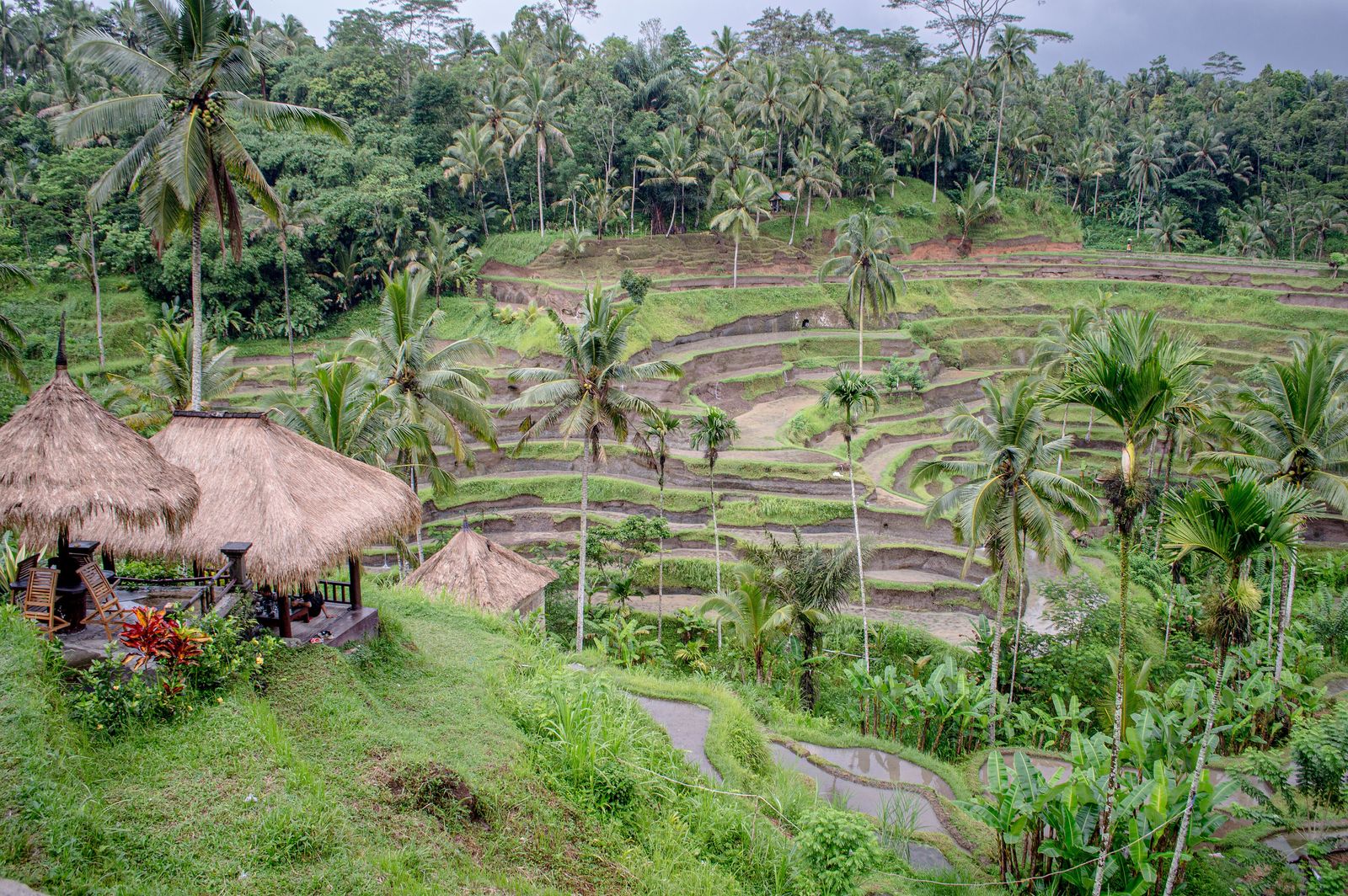 Photo: Philip Nalangan, CC BY 4.0
Bali Jungle Travel Guide
Everything you need to plan the interior of Bali — Ubud, Sidemen and the northern highlands — where to stay in the jungle, when to go and what it actually costs.
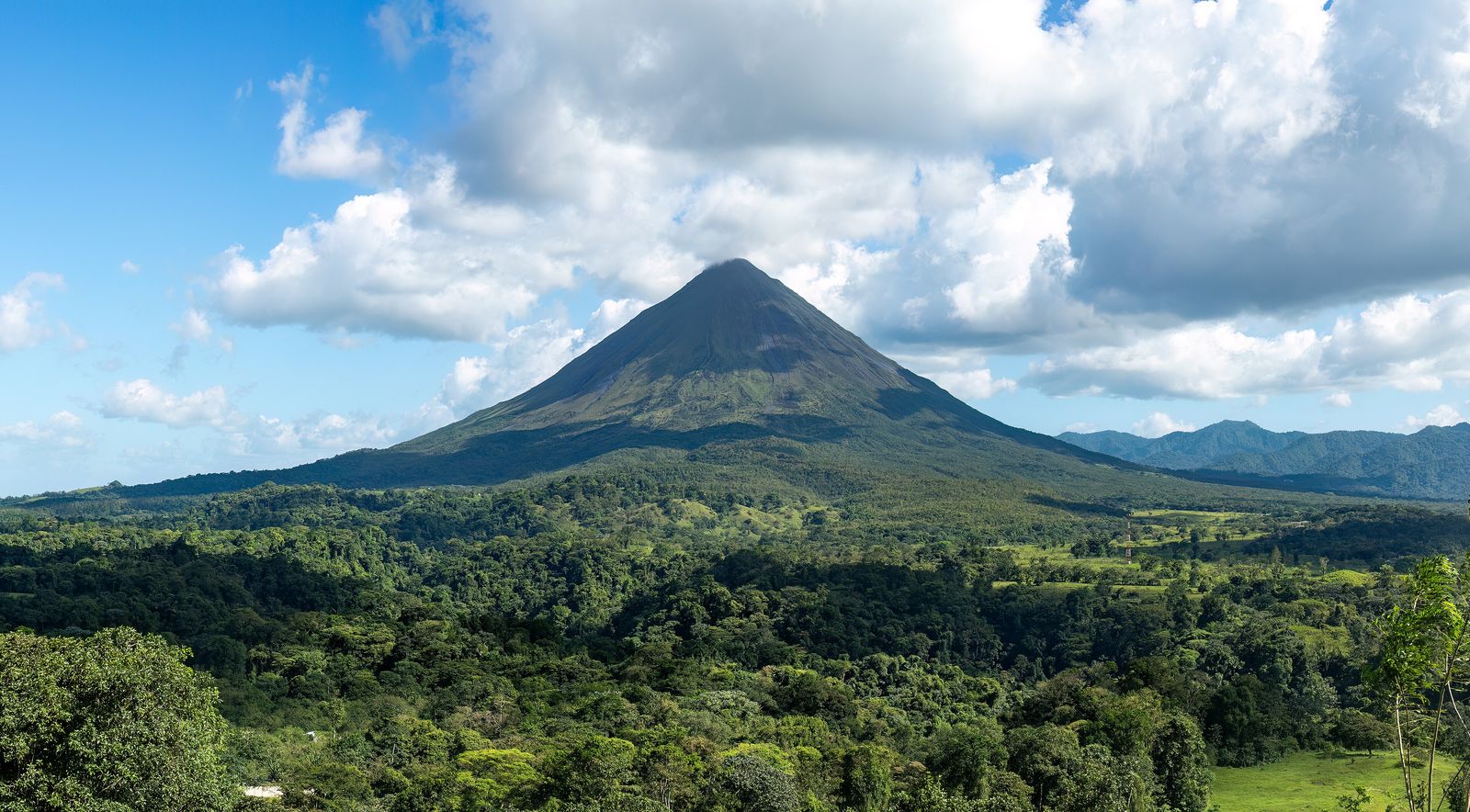 Photo: Rhododendrites, CC BY-SA 4.0
Costa Rica Rainforest Travel Guide
The definitive guide to Costa Rica's rainforests — cloud forest, Pacific lowlands and the wild Osa Peninsula — with where to stay and when to go.
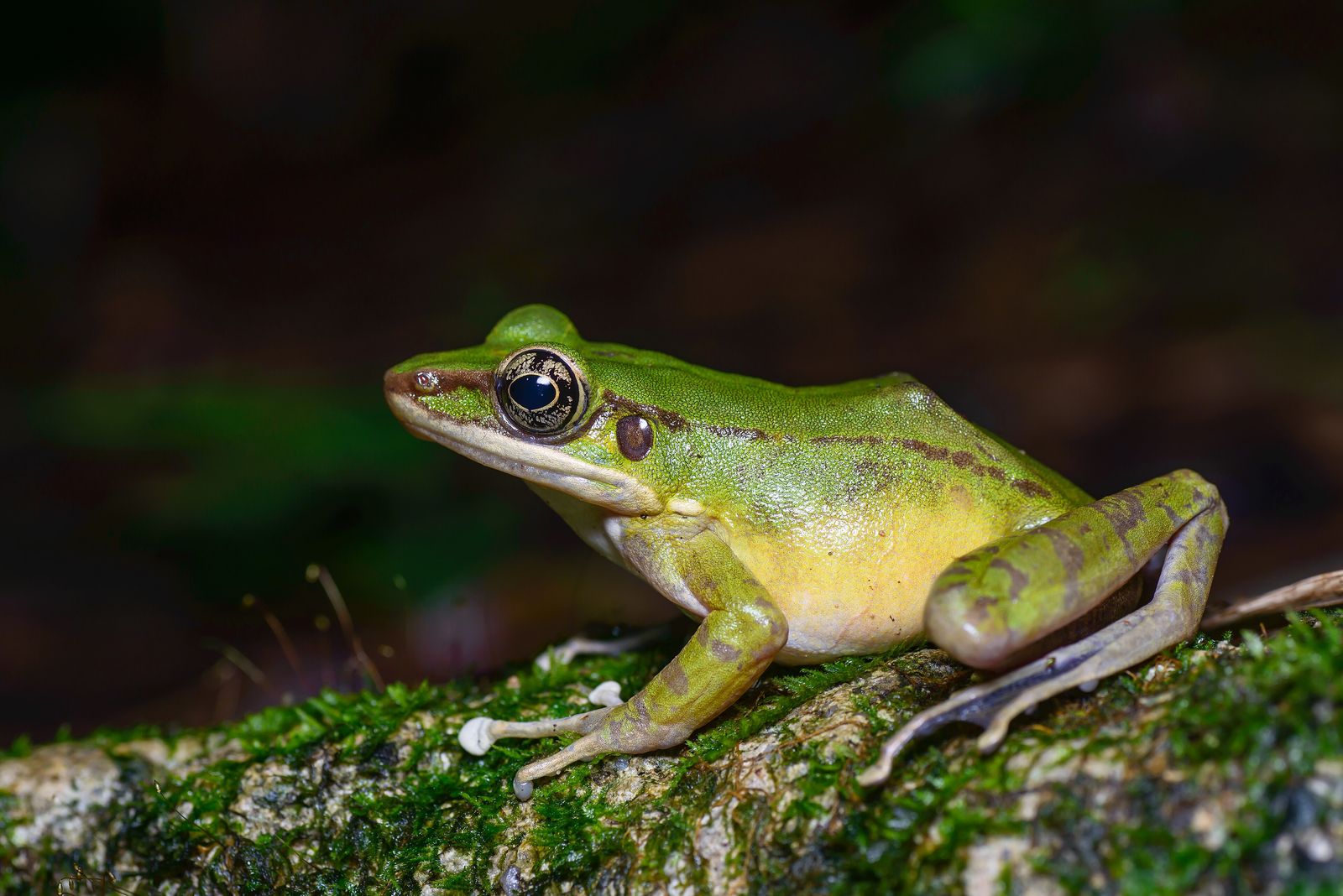 Photo: Rushenb, CC BY-SA 4.0
Thailand Jungle Travel Guide
Beyond the beaches: Khao Sok's ancient rainforest, the northern hills around Chiang Mai and the karst jungle of the south.
 Photo: Derek Ramsey (Ram-Man), CC BY-SA 4.0
Find your own piece of the canopy.
Treehouses, bamboo houses and rainforest villas across 17 destinations — found, vetted and written up honestly.
Browse all destinations