Borneo & Malaysia Rainforest Guide
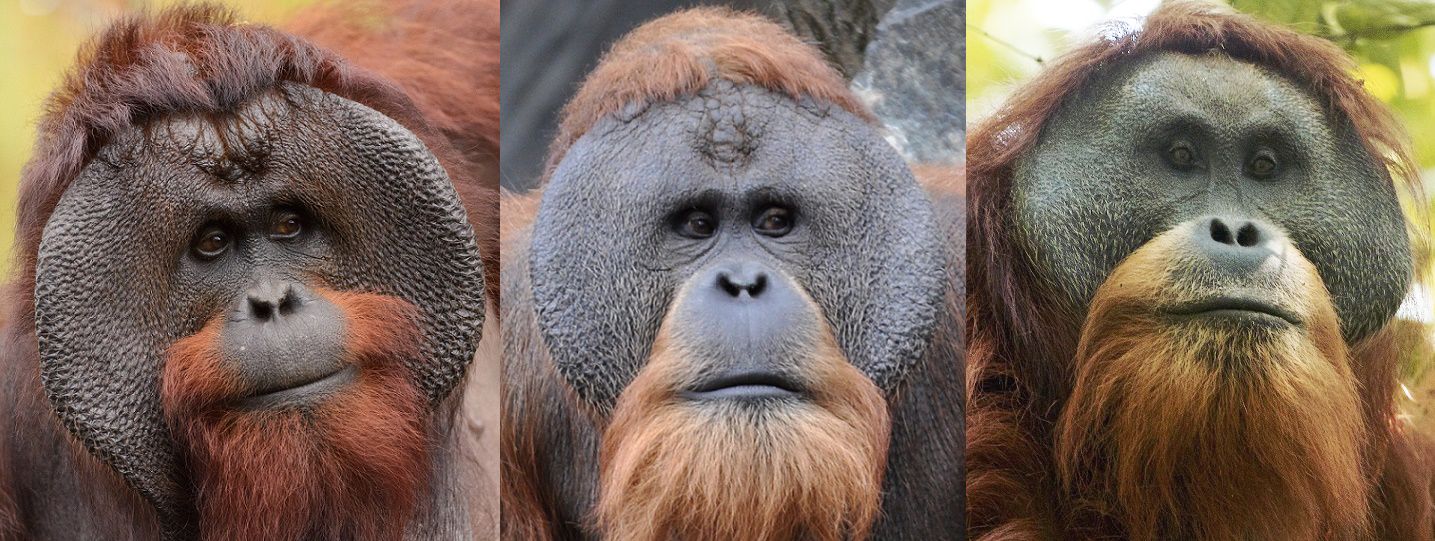
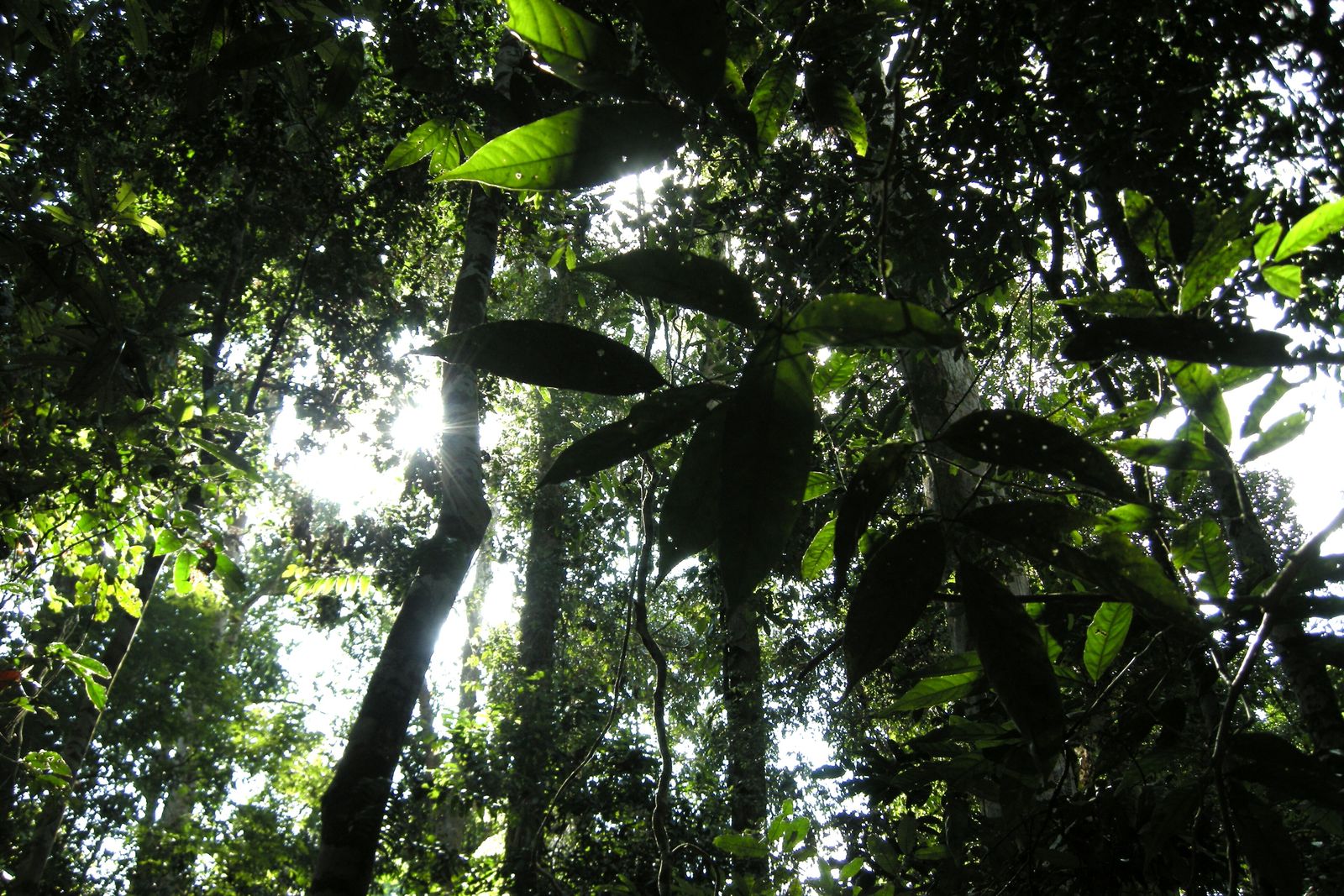
Borneo is the island where "rainforest" stops being a marketing word and starts being a fact you can feel — humid air, a wall of dipterocarp trees rising sixty meters, and a real chance of watching a wild orangutan move through the canopy above a river you're floating down in a small boat. Malaysia splits its share of that island into two states, Sabah and Sarawak, and adds a third jungle entirely on the peninsula: Taman Negara, often described as one of the oldest rainforests on Earth. This guide covers all three, honestly, with the logistics you actually need to plan a trip.
Borneo and Malaysia's jungle, honestly
Start with the geography, because it trips people up. Borneo is the world's third-largest island, split between three countries — Indonesia holds the largest share in the south (Kalimantan), tiny Brunei sits on the north coast, and Malaysia holds the two states in between: Sabah in the northeast and Sarawak stretching along the northwest coast. When people say they're "going to Borneo" for orangutans and rainforest, they usually mean one or both of these two Malaysian states, and that's what most of this guide covers. But Malaysia has a second, entirely separate rainforest worth knowing about, on the peninsula rather than the island: Taman Negara National Park, a few hours inland from Kuala Lumpur, which is frequently cited as one of the oldest rainforests in the world, with an estimated age often put at around 130 million years. That figure gets repeated a lot and is worth treating as a rough, widely cited estimate rather than a precise scientific fact — what's not in dispute is that this forest predates the last ice age and has never been glaciated, logged at any real scale, or otherwise reset the way most temperate forests have.
The honest version of this trip has two very different characters. Sabah and Sarawak are where you go for wildlife — this is where wild orangutans actually live, along with pygmy elephants, proboscis monkeys and hornbills, in landscapes that range from river floodplains to some of the last stands of primary lowland dipterocarp forest anywhere in Southeast Asia. Taman Negara, on the peninsula, is where you go for the forest itself: ancient, dense, criss-crossed by well-marked trails and one of the longest canopy walkways in the world, with less big-mammal wildlife but an equally serious claim to being a genuine, old-growth rainforest experience within a day's drive of a major international airport. Plenty of travelers do just one of the three regions and leave satisfied. Doing all three in a single trip is possible but ambitious — more on that in the suggested route below.
What Borneo and Malaysia don't deliver, and it's worth saying up front, is convenience on the same level as somewhere like Bali. Wildlife-watching here means early mornings, boat rides, and real patience — sightings are excellent by global standards but never guaranteed outside a couple of specific, managed locations. If you want a rainforest trip that rewards genuine effort with genuine wilderness, this is one of the best on the planet for it.
The regions, and how they differ
Three distinct areas do the work here, and they don't overlap much — picking the right one (or two) matters more than picking the right lodge.
Sabah
Sabah, in Borneo's northeast corner, is the single best place on Earth to see wild orangutans, and it knows it. The state's tourism infrastructure is built around a corridor running from Sandakan on the east coast inland and south: the Sepilok Orangutan Rehabilitation Centre, the Kinabatangan River floodplain, and the primary rainforest of Danum Valley and Tabin further south. Add Mount Kinabalu — at 4,095 meters the highest peak between the Himalayas and New Guinea, and the centerpiece of a UNESCO World Heritage-listed park — and Sabah covers everything from river wildlife cruises to a genuine, permit-required mountain climb. Kota Kinabalu, the state capital on the west coast, is the main international gateway.
Sarawak
Sarawak, the larger of the two states, runs along Borneo's northwest coast and leans harder into caves, old-growth forest and indigenous culture than Sabah's wildlife-first pitch. Kuching, the state capital, sits close to Bako National Park — Sarawak's oldest, established in 1957 — where proboscis monkeys are genuinely easy to see. Further northeast, Gunung Mulu National Park is a UNESCO World Heritage Site built around one of the most significant cave systems on the planet, including Deer Cave, one of the largest cave passages in the world, and the Sarawak Chamber, believed to be the largest known cave chamber by floor area anywhere. Sarawak is also the easiest place in Malaysian Borneo to visit an Iban longhouse community, particularly along the rivers south of Kuching.
Taman Negara and Peninsular Malaysia
Taman Negara sits inland in Pahang state, on the Malay Peninsula rather than the island of Borneo, roughly three to four hours from Kuala Lumpur by road and river. It's a different kind of jungle experience — dense, ancient lowland rainforest with excellent trails, a long-running canopy walkway strung high above the forest floor, and multi-day trekking routes up to Gunung Tahan, the peninsula's highest mountain. Big mammals are shyer and harder to see here than in Sabah, but the forest itself, and the sheer age of it, is the draw. It pairs naturally with a Kuala Lumpur stopover, which makes it the easiest of the three regions to bolt onto a wider Southeast Asia trip.
When to go
Borneo and Peninsular Malaysia don't run on the same calendar, and it's worth planning around whichever region is your priority rather than treating "Malaysia" as one weather system.
Sabah and Sarawak both sit close to the equator and are warm and humid year-round, but there's a real dry-season window: roughly March through October is the more reliable stretch, with the northeast monsoon bringing heavier, more consistent rain from around November through February. Within that dry window, September tends to be one of the wetter months of the bunch, so if you're choosing a single month, April through August is typically the safer bet for both wildlife cruises on the Kinabatangan and diving or caving trips in Sarawak. None of this means it won't rain in the "dry" months — this is equatorial rainforest, and short, heavy afternoon downpours happen year-round — it just means multi-day dry stretches are more likely.
Taman Negara runs on a different, wetter rhythm, since Peninsular Malaysia's rainfall isn't governed by the same monsoon system as Borneo. Roughly February through September is the more dependable window for trekking; the park can and sometimes does close parts of its trail network for stretches during the wettest weeks around the turn of the year, when river levels rise sharply, so if you're planning a visit for November through January, check current conditions before booking transport and accommodation.
Wildlife timing is worth its own note. On the Kinabatangan, dawn and late afternoon are consistently the best windows for river cruises, when orangutans, proboscis monkeys and hornbills are most active near the water's edge; this holds true throughout the year, though drier months make river access and boat operations more predictable. At Sepilok and Semenggoh, orangutan feeding sessions run to a fixed daily schedule regardless of season, which is part of why they're such a reliable sighting.
Good to know
If you're stitching Borneo into a longer Southeast Asia jungle trip, our Thailand jungle guide covers a destination on a broadly similar dry-season calendar, which makes back-to-back timing easier than pairing Borneo with somewhere in the opposite hemisphere's wet season.
Getting there and getting around
Malaysia has three separate gateways worth knowing, and which one you fly into depends entirely on which region you're prioritizing.
For Sabah, Kota Kinabalu International Airport (BKI) is the main hub, with direct international connections from several regional Asian cities as well as domestic flights from Kuala Lumpur and other Malaysian cities. From Kota Kinabalu, most of the wildlife circuit — Sepilok, the Kinabatangan River, Danum Valley — is actually based out of Sandakan, on the east coast, reachable by a short domestic flight into Sandakan Airport (SDK) or by a road journey of several hours across the state. Sepilok itself sits close to Sandakan, with the Kinabatangan River floodplain another one to two hours further by road, typically arranged as part of an organized lodge stay since public transport doesn't run the full route conveniently.
For Sarawak, Kuching International Airport (KCH) is the gateway, with direct flights from Kuala Lumpur, Singapore, and other regional hubs, plus a domestic connection to Kota Kinabalu if you're combining both Bornean states in one trip. Bako National Park is a short taxi or bus ride from Kuching to Bako Jetty, followed by a roughly twenty-minute boat transfer into the park — no roads reach the park itself. Gunung Mulu National Park, being remote even by Bornean standards, is realistically reached by air: MASwings operates short domestic flights to Mulu Airport from Kuching, Miri, and Kota Kinabalu, and flying is genuinely the practical option rather than a luxury, since overland access is a multi-day undertaking.
For Taman Negara, the starting point is Kuala Lumpur International Airport (KUL), Malaysia's main international hub. From KL, the classic route to the park's main gateway village, Kuala Tahan, runs by road to the town of Jerantut in Pahang, then either directly on by road or via a boat transfer up the Tembeling River, for a total journey of roughly three to four hours door to door. A short, one-minute water-taxi crossing over the river gets you from Kuala Tahan into the park itself, where the trailhead to the famous canopy walkway is a well-marked walk of about half an hour from park headquarters.
Once inside any of these regions, expect boats and short domestic flights to do more of the work than road driving — this is a landscape where rivers and, in Sarawak's case, small aircraft are still the practical way to reach genuinely remote forest, and that's part of what keeps it wild.
Where to stay
Base yourself by region rather than trying to commute between them daily — distances and boat/flight schedules make that impractical. In Sabah, Sandakan and the Sepilok area have the widest range of accommodation and the easiest access to the orangutan centre, with a smaller, more remote set of options directly on the Kinabatangan River in and around Sukau village, and a genuinely limited number of stays inside Danum Valley itself, since access there is more tightly controlled to protect the primary forest. Kota Kinabalu, on the west coast, works well as an arrival base with easy access to Kinabalu Park for a mountain climb or the shorter Poring Hot Springs trails.
In Sarawak, Kuching is the practical base for Bako National Park (a day trip, or an overnight inside the park itself if you want early wildlife access before the day-trippers arrive) and for visiting Semenggoh's semi-wild orangutans. Mulu has a small cluster of accommodation right by the park entrance, since almost everyone flying in stays for at least two or three nights to see the caves and the Pinnacles properly.
In Taman Negara, Kuala Tahan is the village where nearly everyone stays, with options ranging from simple hostels to riverside lodges looking straight across the Tembeling River into the park.
For an actual shortlist of vetted stays across all three regions, see our destination directory, which is the place to start comparing specific properties rather than picking blind off a search engine.
This isn't a jungle you drop into for an afternoon between beach days. It's a jungle you plan a trip around, and it pays you back for the planning.
The best things to do
- Watch the feeding at Sepilok Orangutan Rehabilitation Centre: established in 1964 near Sandakan, Sepilok rehabilitates orphaned and displaced orangutans for release back into the forest, and the public feeding platforms — held twice daily — draw semi-wild individuals down from the canopy with near-certain reliability. It's the single easiest guaranteed orangutan sighting in Borneo.
- Visit the Bornean Sun Bear Conservation Centre, next door to Sepilok: the world's smallest bear species, rescued from captivity and the pet trade, viewable from an elevated boardwalk through the forest canopy — a genuinely worthwhile add-on to a Sepilok visit and usually far less crowded.
- Take a dawn or dusk boat cruise on the Kinabatangan River: this is Borneo's wildlife-watching centerpiece — a slow float along Malaysia's longest river past a floodplain forest that holds one of the highest concentrations of orangutans left anywhere, along with proboscis monkeys, Bornean pygmy elephants, saltwater crocodiles and a serious list of hornbill species.
- Trek in Danum Valley Conservation Area: one of the last substantial stands of undisturbed primary lowland rainforest in Southeast Asia, with a research field centre and guided trails through forest that has never been commercially logged — the closest thing Sabah has to true old-growth wilderness.
- Climb, or day-hike, Mount Kinabalu: Malaysia's highest peak and the centerpiece of a UNESCO World Heritage park; the full summit climb is a permitted, guided two-day trek, but the park's lower trails and the nearby Poring Hot Springs canopy walkway are worthwhile even without attempting the summit.
- See proboscis monkeys at Bako National Park: Sarawak's oldest park, established in 1957, packs mangrove, dipterocarp forest and dramatic sea cliffs into a small area near Kuching, and is one of the most reliable places in Borneo to see the large-nosed, pot-bellied proboscis monkey in the wild.
- Explore the caves of Gunung Mulu National Park: a UNESCO World Heritage Site built around one of the largest cave systems on Earth — Deer Cave alone is among the biggest cave passages in the world, and its nightly exodus of millions of bats streaming out at dusk is one of the great wildlife spectacles in Southeast Asia, weather permitting.
- Visit an Iban longhouse in Sarawak: communities along rivers south of Kuching still live in traditional longhouses, and a number of them welcome respectful visitors through organized, community-run tours — a genuine cultural counterpart to the wildlife-heavy itinerary further north.
- Walk the Taman Negara canopy walkway: strung roughly 45 meters above the forest floor and among the longest canopy walkways in the world, it's a short, well-marked walk from Kuala Tahan and the single best way to see this ancient forest from the inside of its own canopy.
- Trek to Gunung Tahan: for serious hikers, the multi-day trek to the summit of Peninsular Malaysia's highest mountain, deep inside Taman Negara, is one of the most demanding and rewarding treks in the country.
The wildlife you'll actually see
Set expectations by region, because Sabah, Sarawak and Taman Negara deliver genuinely different wildlife experiences.
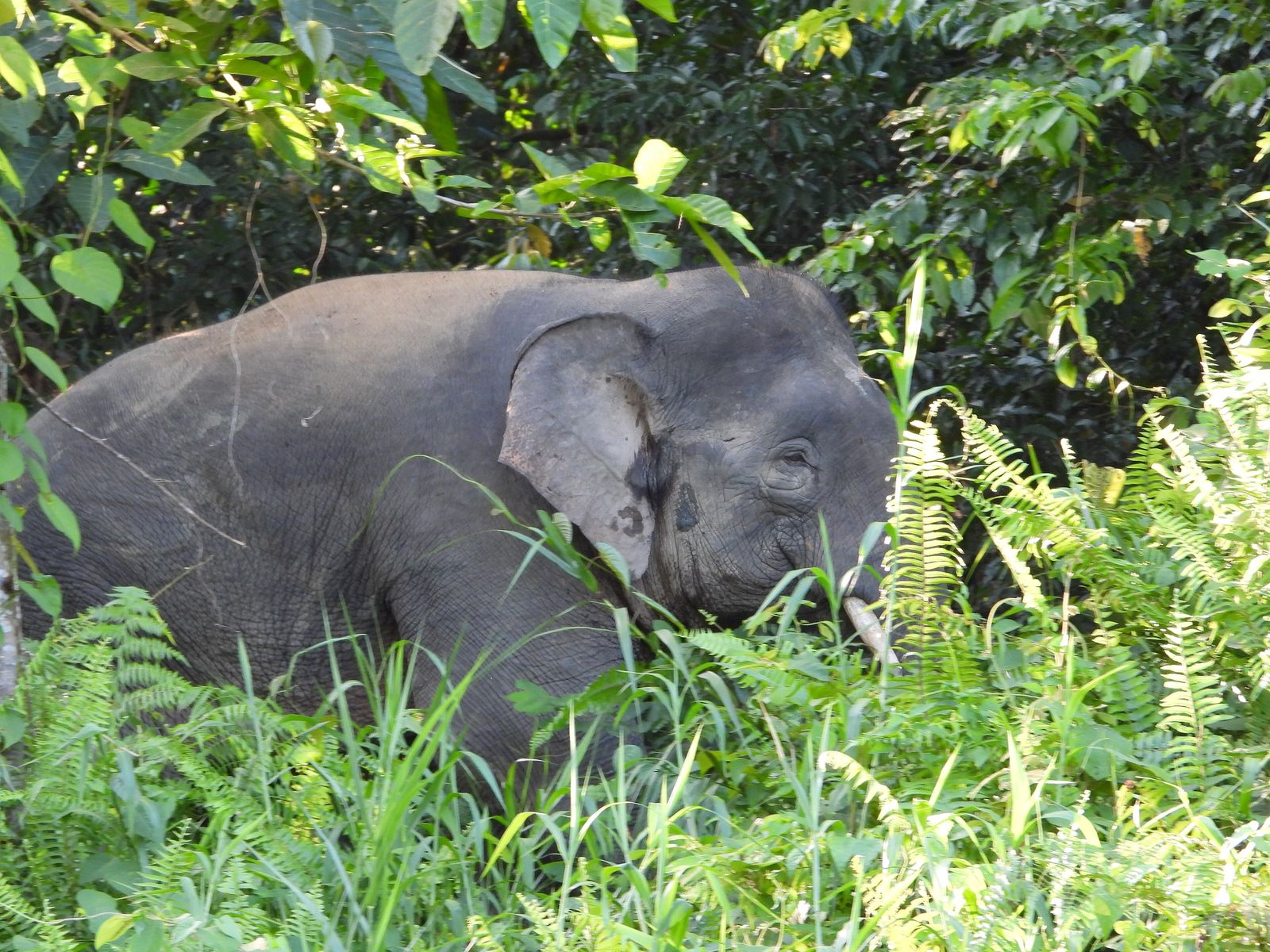
Sabah is the wildlife headline act. Wild orangutans are the draw, and the Kinabatangan River corridor is thought to hold on the order of a thousand or more individuals, making it one of the best places on the planet to see them outside a rehabilitation centre. Alongside them, expect proboscis monkeys — endemic to Borneo and unmistakable with their pendulous noses and pot bellies — long-tailed and pig-tailed macaques, silvered langurs, and, with real luck on a river cruise, the Bornean pygmy elephant, a genetically distinct, notably smaller subspecies found mainly in Sabah's eastern forests. Saltwater crocodiles patrol the Kinabatangan's banks, and the birdlife is exceptional: Borneo is home to eight species of hornbill, and the rhinoceros hornbill's improbable, honking flight overhead is one of the signature sounds of a river cruise. If you're very lucky and visiting at the right, unpredictable moment, you might encounter a blooming Rafflesia, the world's largest individual flower, which grows as a parasite on forest vines and can appear with almost no warning in reserves around Sabah.
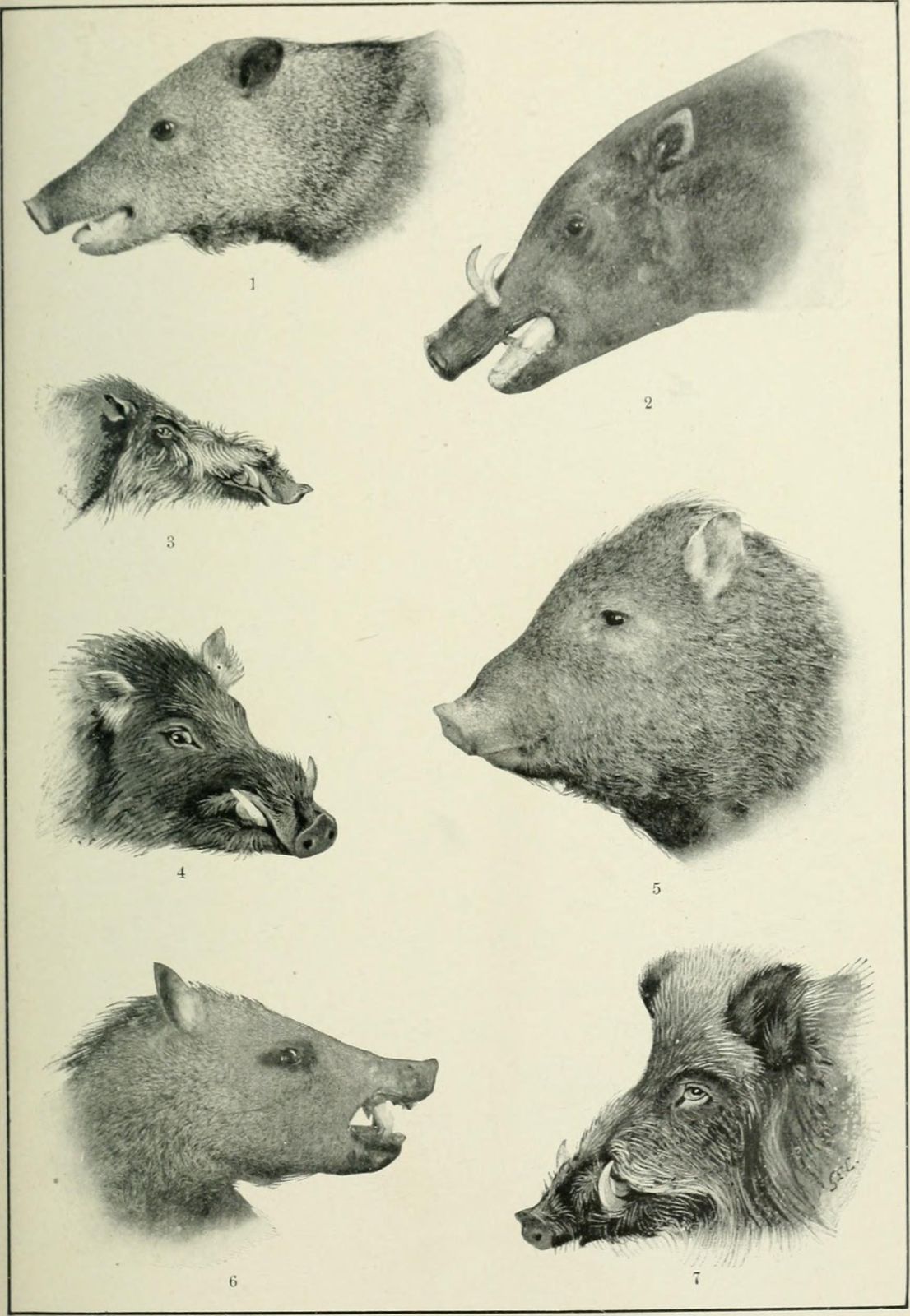
Sarawak's wildlife is quieter but distinctive. Bako's proboscis monkeys and bearded pigs are reliably seen along the park's trails, and its carnivorous pitcher plants are a genuine highlight for anyone interested in the forest's stranger corners. Semenggoh Wildlife Centre, close to Kuching, runs feeding sessions for semi-wild orangutans released back into the surrounding forest reserve, functioning as Sarawak's answer to Sepilok, though sightings there are somewhat less predictable since the population is genuinely freer-ranging. Mulu's wildlife highlight isn't a mammal at all — it's the bat exodus from Deer Cave, when several million wrinkle-lipped bats spiral out of the cave mouth at dusk to feed, a sight that draws visitors on its own merits.
Taman Negara is the shyest of the three on big mammals — tigers, Asian elephants and Malayan tapirs all technically live within the park, but sightings of any of them are rare, and most visitors shouldn't plan a trip around expecting one. What you will reliably get is birdlife, insect life and the forest itself: the canopy walkway puts you at eye level with the upper story, and night walks with a guide reveal a level of insect and small-reptile activity that's easy to miss during the day.
Costs and budgeting
Malaysia overall is inexpensive by international standards, and most Western passport holders (including the US, UK, EU countries, Australia and Canada) can enter visa-free for tourism, which keeps entry costs low relative to many other rainforest destinations. Where the money actually goes is guiding and access, not the destination itself.
National park entrance fees across Sabah, Sarawak and Taman Negara are modest — typically a few dollars per person — but most of the meaningful wildlife-watching here is done through guided activities rather than independent exploration, and that's where budgets diverge. A Kinabatangan River cruise, a Danum Valley stay, or a multi-day Mulu caving and trekking package are usually sold as packages that bundle accommodation, meals, guiding and river or park transfers together, and prices scale sharply with how remote and exclusive the lodge or reserve is: a simple Sepilok-area guesthouse with a bolt-on river cruise sits at the budget end, while a stay inside Danum Valley's more tightly controlled primary forest, with dedicated naturalist guides, sits considerably higher.
Domestic flights are a real, recurring cost if you're covering more than one region — Kota Kinabalu to Kuching, or either city to Mulu — and are worth budgeting for as a fixed line item rather than an afterthought, since overland alternatives in Borneo are often impractically slow. Food and simple accommodation in gateway towns like Sandakan, Kuching and Kuala Tahan are cheap by Western standards; it's the guided wilderness component, not day-to-day living, that sets the overall cost of a Borneo and Malaysia jungle trip.
Gunung Kinabalu's summit climb carries its own separate cost structure, since it requires a permit, a mandatory guide, and typically an overnight stay at a mountain hut partway up — treat it as a distinct budget line if you're planning to attempt it, on top of your general Sabah costs.
Health, safety and practical tips
Malaria and dengue: malaria risk in Malaysia is low and concentrated in a small number of rural, forested areas, but it isn't zero in parts of Borneo, and dengue fever, spread by day-biting mosquitoes, is present across the country including in cities. Talk to a travel health provider before you go about antimalarial medication for remote jungle stays, and pack a strong DEET-based repellent regardless — it's your best defense against both.
Leeches: genuinely common on rainforest treks in all three regions, especially after rain, and mostly a nuisance rather than a danger. Long trousers tucked into socks, and leech socks if you're doing a serious multi-day trek in Taman Negara or Danum Valley, make the experience much less irritating.
Water and food: tap water isn't reliably safe to drink outside major hotels with their own filtration; stick to bottled or properly filtered water, which is sold everywhere. Street and market food is generally very good and very safe if it's freshly cooked and popular with locals — a busy stall is usually a safer bet than an empty one.
Guides are not optional in most of this landscape: unlike a lot of national parks elsewhere, wandering Danum Valley, Mulu's deep cave system or Taman Negara's backcountry trails without a licensed guide isn't realistic or, in some cases, permitted — the terrain, the wildlife, and simple navigation all argue for it even where it isn't formally required. Budget guiding in as a cost of doing this trip properly, not an upsell.
Sun, heat and humidity: this is equatorial rainforest, and the combination of heat and near-total humidity is more physically taxing than the temperature alone suggests. Pace treks conservatively, especially on the Kinabalu summit climb, and carry more water than feels necessary.
Respecting indigenous communities: if you visit an Iban longhouse in Sarawak or interact with other indigenous communities in either state, go through an organized, community-endorsed tour rather than showing up independently — it's both more respectful and, practically, the only way most communities are set up to receive visitors.
Travel insurance: get real coverage before you go, ideally one that explicitly covers activities like jungle trekking and mountain climbing, since a Kinabalu summit attempt or a Mulu caving trip sits outside what some basic policies cover by default.
A suggested route
Two weeks is a realistic minimum to properly cover Sabah and Sarawak together, given the flights and boat transfers between sites. Ten days is enough for a focused trip to just one Bornean state. Adding Taman Negara to the same trip isn't realistic without extra time, since it sits on the peninsula, a separate flight and several hours' drive from either Bornean state.
- Days 1–2: arrive in Kota Kinabalu, adjust, and use a day for Kinabalu Park's lower trails or the Poring Hot Springs canopy walkway if you're not attempting the summit.
- Days 3–5: fly or drive to Sandakan. Visit Sepilok Orangutan Rehabilitation Centre and the adjacent Sun Bear Conservation Centre, then relocate to a lodge on the Kinabatangan River for two nights of dawn and dusk wildlife cruises.
- Days 6–8: Danum Valley for primary-forest trekking, if your budget and schedule allow — this is the highlight for serious wildlife and forest enthusiasts, and worth the extra cost and remoteness.
- Days 9–10: fly to Kuching. Day trip or overnight at Bako National Park for proboscis monkeys and coastal forest, plus a visit to Semenggoh's semi-wild orangutans.
- Days 11–13: fly to Mulu for the cave systems, the Pinnacles trek if you have the fitness and time for it, and the nightly bat exodus from Deer Cave.
- Day 14: fly back to Kuala Lumpur or your onward destination.
If Taman Negara is the priority instead of, or in addition to, Borneo, treat it as its own three-to-four day add-on around a Kuala Lumpur stopover: two nights based in Kuala Tahan is enough for the canopy walkway, a night jungle walk, and a shorter day hike, with an extra night or two if you want to attempt a longer trek toward Gunung Tahan. It's an efficient way to add genuine old-growth rainforest to a trip that might otherwise be mostly city and beach, without the flights and logistics that a full Sabah-and-Sarawak itinerary requires.
Common questions
Is Sabah or Sarawak better for seeing orangutans?
Sabah, decisively. The Kinabatangan River floodplain and Sepilok Orangutan Rehabilitation Centre near Sandakan give Sabah the highest concentration of both wild and rehabilitated orangutans in Borneo. Sarawak's Semenggoh Wildlife Centre offers a similar semi-wild feeding experience near Kuching, but Sabah's river corridor is the stronger wildlife destination overall.
How many days do I need in Borneo?
A week is enough to do Sabah's core circuit — Sepilok, the Kinabatangan River, and either Kinabalu Park or Danum Valley — properly. Two weeks lets you add Sarawak's Bako National Park and the Mulu cave systems without rushing the flights and boat transfers between sites.
Is Taman Negara worth visiting if I'm not going to Borneo?
Yes. It's a genuinely different, ancient rainforest a few hours from Kuala Lumpur, with one of the longest canopy walkways in the world and serious trekking, including the multi-day route up Gunung Tahan. It has far less big-mammal wildlife than Sabah, so go for the forest and the trekking rather than expecting orangutan-level sightings.
Do I need a visa to visit Malaysia?
Most Western passport holders, including from the US, UK, EU countries, Australia and Canada, can enter Malaysia visa-free for tourism. Requirements do vary by nationality, so check current rules for your specific passport before booking.
Is it safe to trek in Borneo's rainforest?
Yes, with a licensed guide, which is standard practice — and often effectively required — in places like Danum Valley, Mulu and Taman Negara's backcountry. Leeches, heat and humidity are the main day-to-day annoyances rather than serious dangers; malaria risk is low but present in some rural areas, so speak to a travel health provider before a remote jungle stay.
Can I see wild orangutans, or only rehabilitated ones?
Both. Sepilok and Semenggoh are rehabilitation centres where formerly captive or displaced orangutans are fed on a schedule and often approach close to viewing platforms, which gives near-certain sightings. A Kinabatangan River cruise, by contrast, is genuinely wild orangutan territory — sightings are excellent by global standards but not guaranteed on any single cruise, which is part of what makes them feel earned.
Where to go from here
Borneo and Malaysia reward picking a clear priority — wildlife in Sabah, caves and culture in Sarawak, or ancient forest at Taman Negara — rather than trying to rush all three into one trip. Start with our destination directory for a shortlist of vetted jungle stays, or browse two other Southeast Asian jungles worth comparing this trip against: our Thailand jungle guide and Bali jungle guide, both of which sit on a similar dry-season calendar and pair naturally with a Borneo leg. If you're weighing rainforest destinations further afield, our guides to the Amazon and Sri Lanka's rainforest and hill country are useful points of comparison, and our roundup of the best jungle Airbnbs in the world is worth a look before you commit to a specific stay.
- On My Canvas — Stalking Wild Orangutans on Kinabatangan River — orangutan population estimate in the Kinabatangan corridor and wildlife-viewing timing.
- We Seek Travel — Where & How to See Orangutans in Sabah — Sepilok distance from Sandakan and feeding schedule details.
- Responsible Travel — Best Time to See Orangutans — Sabah dry-season timing and seasonal wildlife-viewing guidance.
- Malaysia Uncovered — Taman Negara Canopy Walk — canopy walkway length, height, and access from Kuala Tahan.
- Off to Get Lost — Complete Guide to Taman Negara National Park — route from Kuala Lumpur via Jerantut to Kuala Tahan.
- Travel Nation — Exploring Sarawak: Kuching, Mulu Caves & Bako National Park — Kuching as gateway, Bako access, and Mulu cave features.
- Wonderful Malaysia — Bako National Park — Bako's 1957 founding, size and ecosystem range.
- Remarkable Borneo — How to Plan a Trip to Sarawak: Kuching, Bako and Mulu — MASwings flight access to Mulu Airport from Kuching, Miri and Kota Kinabalu.
More from the Journal.
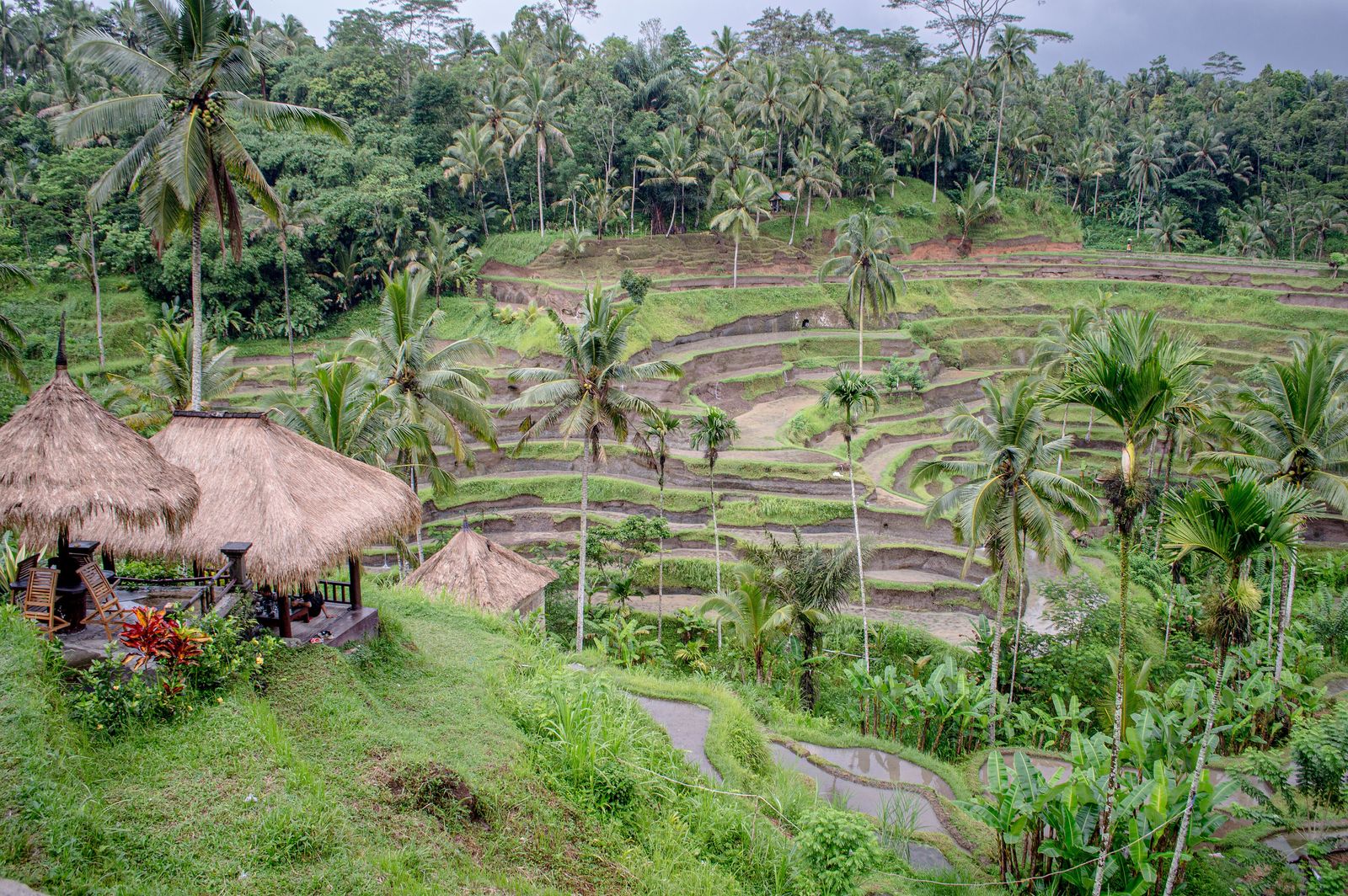 Photo: Philip Nalangan, CC BY 4.0
Bali Jungle Travel Guide
Everything you need to plan the interior of Bali — Ubud, Sidemen and the northern highlands — where to stay in the jungle, when to go and what it actually costs.
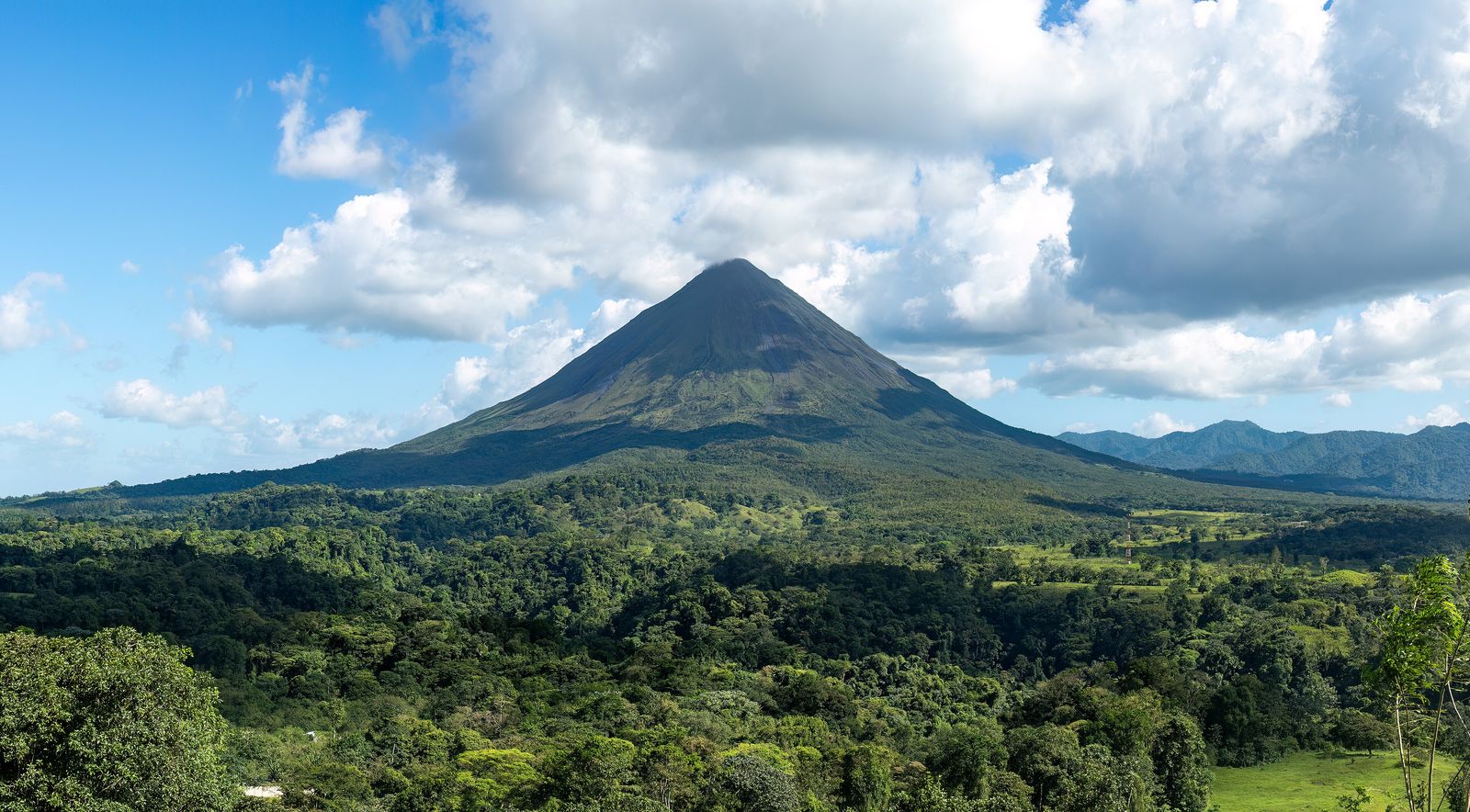 Photo: Rhododendrites, CC BY-SA 4.0
Costa Rica Rainforest Travel Guide
The definitive guide to Costa Rica's rainforests — cloud forest, Pacific lowlands and the wild Osa Peninsula — with where to stay and when to go.
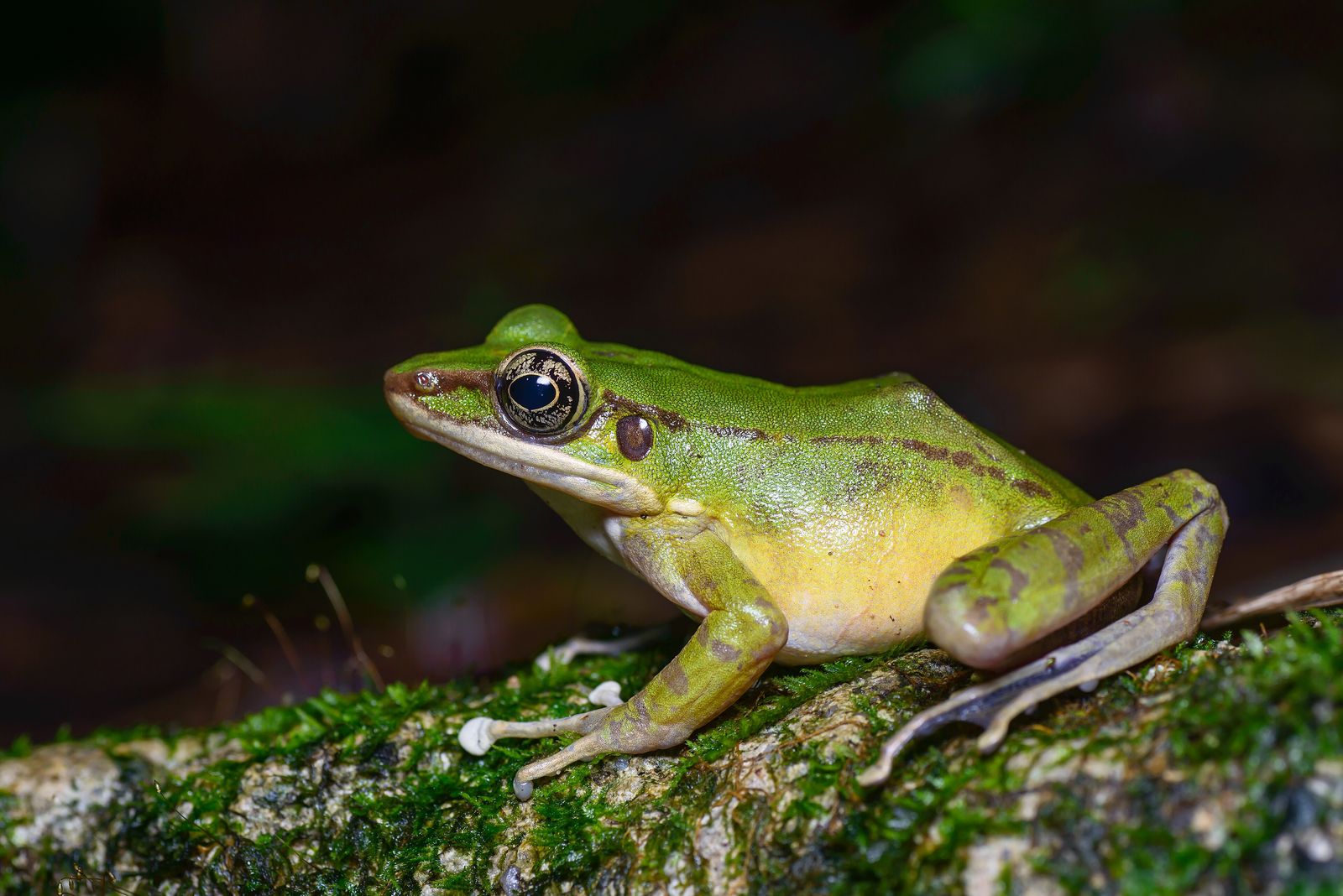 Photo: Rushenb, CC BY-SA 4.0
Thailand Jungle Travel Guide
Beyond the beaches: Khao Sok's ancient rainforest, the northern hills around Chiang Mai and the karst jungle of the south.
 Photo: Derek Ramsey (Ram-Man), CC BY-SA 4.0
Find your own piece of the canopy.
Treehouses, bamboo houses and rainforest villas across 17 destinations — found, vetted and written up honestly.
Browse all destinations