Brazil Amazon Travel Guide
Most Amazon trips are sold out of Peru, and there's a reason for that: better-developed lodge circuits, easier flights, a shorter hop from Cusco. Brazil gets skipped over more often than its size should allow, which is strange, because Brazil holds most of the actual forest. This is a guide to the Brazilian side specifically — Manaus as the gateway, the blackwater Rio Negro and its archipelago of islands, and a small set of real lodges built with enough thought about materials and setting that "design" is a fair word for them, not a marketing one. It's also a guide to the parts of a Brazilian Amazon trip that don't show up in the brochure photos: which flights actually connect, what the water level does to your itinerary, and why the river you're staying on changes almost everything about the trip.
The Brazilian Amazon, honestly
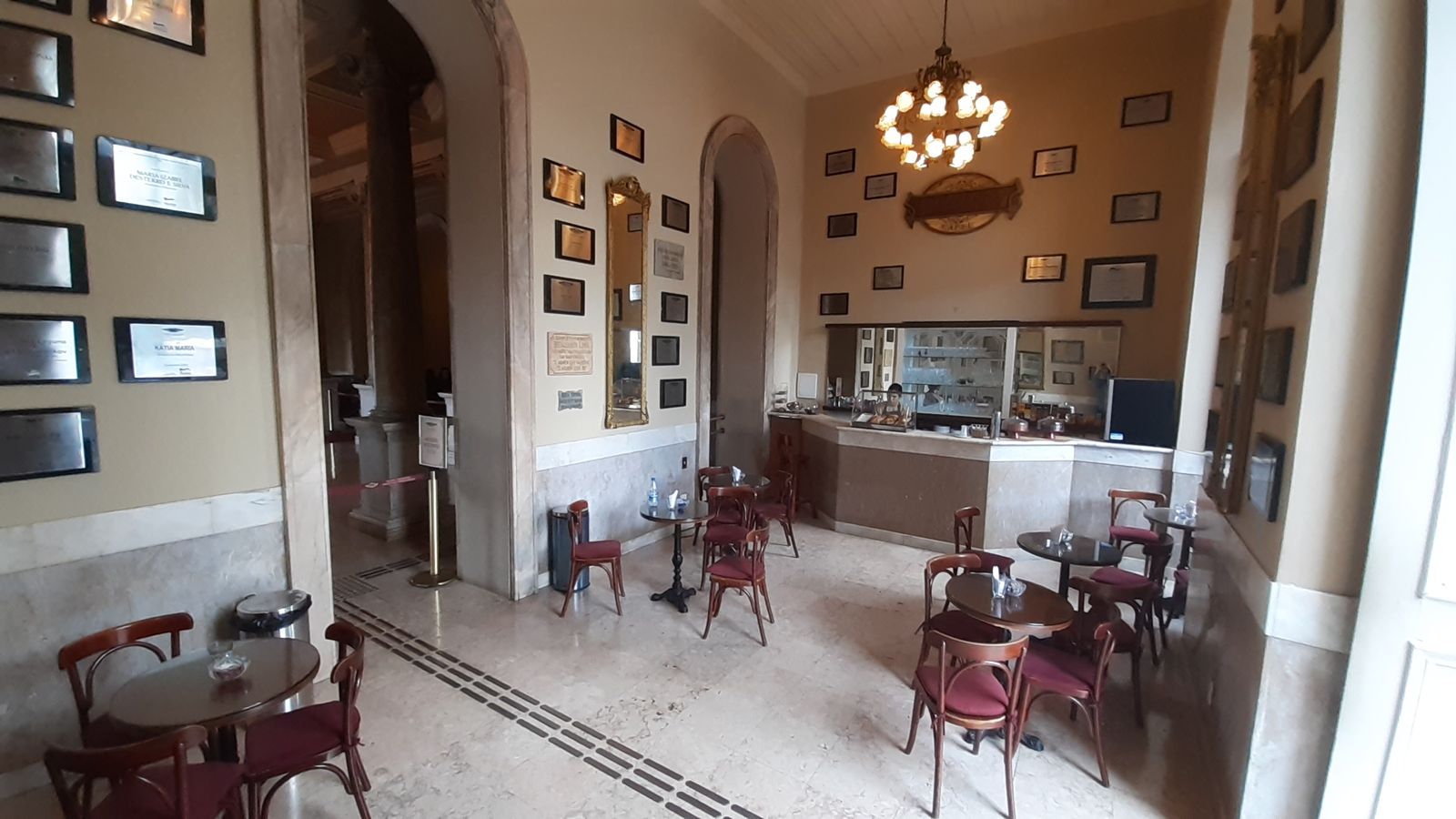
Brazil holds most of the Amazon basin, and Manaus is where nearly every Brazilian trip into it begins. It's not a jungle outpost — it's a real city of over two million people, sitting more than a thousand kilometers up the Rio Negro from the Atlantic, with container ships, a free-trade manufacturing zone that's employed the region since the 1960s, and an opera house, the Teatro Amazonas, built by rubber barons at the height of the rubber boom over a century ago. You fly into a working city, not a trailhead, and the actual forest starts once you leave it, usually by road and then by boat.
That's the part worth setting straight before anything else: this isn't a place you drive between attractions the way you might in Costa Rica. The Amazonas is Brazil's largest state, mostly covered in forest with almost no road network connecting its interior, and getting anywhere beyond Manaus's immediate surroundings means a boat, sometimes for an hour, sometimes for most of a day. The upside of that inconvenience is real: less of the Brazilian Amazon is set up for mass tourism than the Peruvian circuit around Iquitos or Puerto Maldonado, and the lodges that do exist tend to be smaller, more remote, and built by people who clearly thought hard about how a structure should sit inside a rainforest rather than merely occupy a clearing in one.
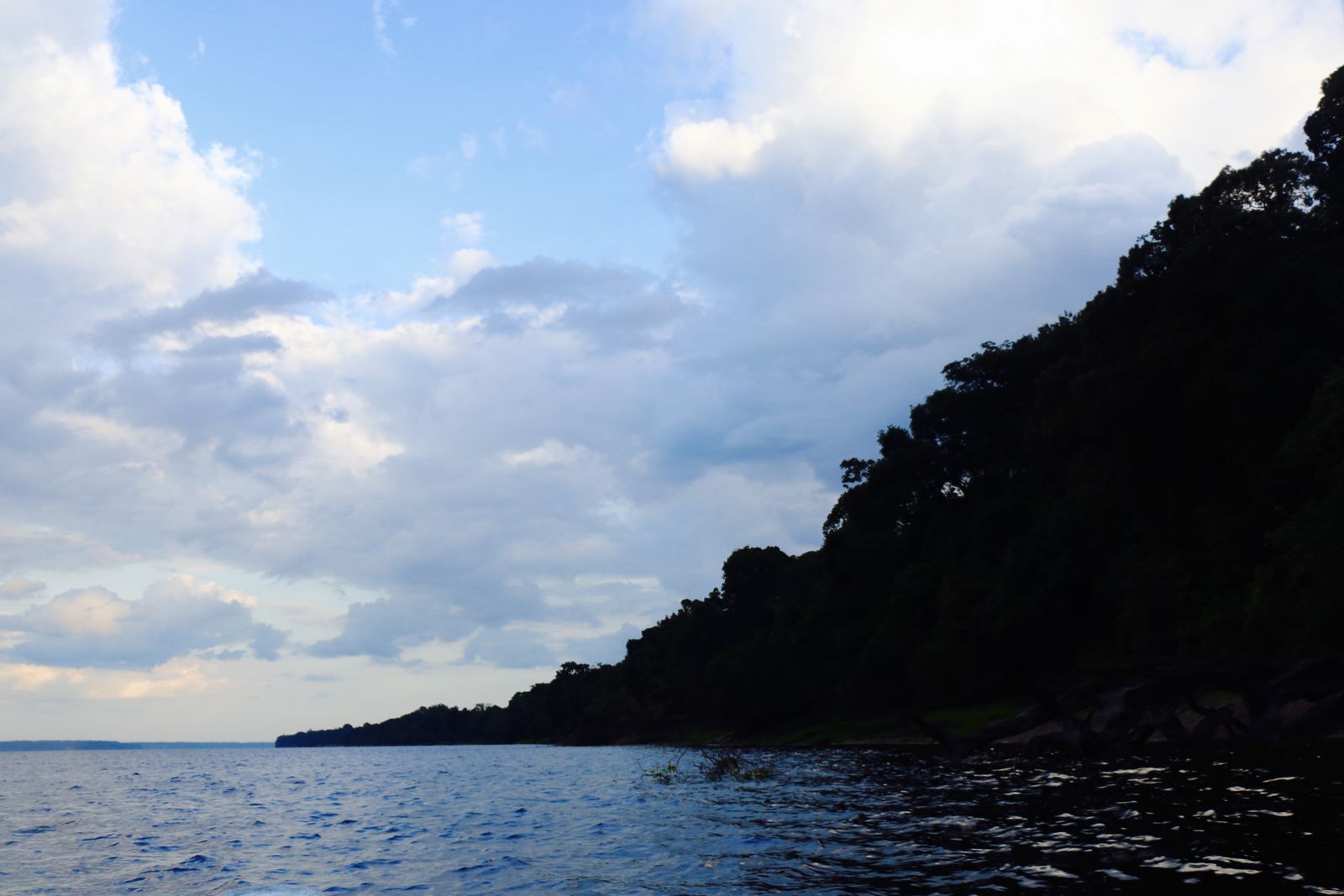
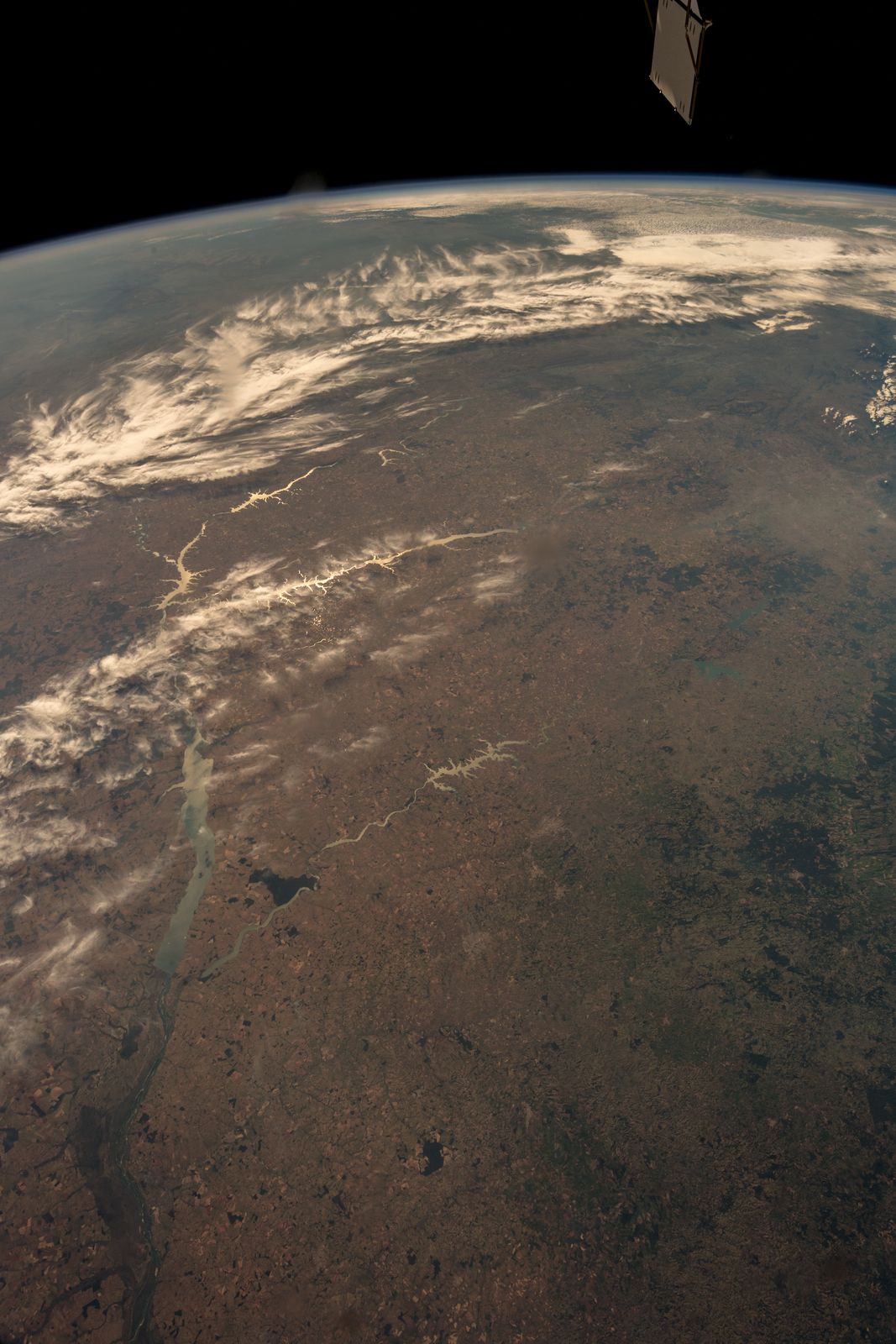
The other thing worth knowing going in: Manaus sits at a genuine confluence, and the two rivers that meet there aren't the same river with two names. The Rio Negro, which the city fronts, is a blackwater river — tea-dark, warm, acidic, low in sediment and (a real practical upside) noticeably lighter on mosquitoes than the whitewater rivers nearby. A short boat ride downstream, it meets the Rio Solimões, the muddy, cold, fast-moving upper stretch of the Amazon itself, at a spot known as the Encontro das Águas, the meeting of the waters, where the two run side by side for kilometers without blending because of differences in temperature, speed and density. Which river a lodge sits on says a lot about what your trip will actually feel like, and it's the single most useful piece of orientation for planning a Brazilian Amazon trip.
The regions, and how they differ
"The Brazilian Amazon" isn't one region any more than "the Amazon" is one country. Four areas, reachable from two different gateway cities, cover most of what travelers actually book.
Manaus and the Rio Negro's edge
Manaus itself is worth a day or two, not just an airport stop. The Meeting of the Waters is a short boat trip from the city center, Ponta Negra is Manaus's own riverside beach and promenade where locals actually spend their evenings, and the Teatro Amazonas anchors a historic center still shaped by the rubber-boom money that built it. INPA, Brazil's national Amazon research institute, runs a public forest reserve near the city where a network of trails and, at the nearby MUSA park, a canopy tower give a preview of the rainforest without leaving town. None of this replaces time in the actual forest, but it's a useful way to spend the arrival and departure days most itineraries otherwise waste.
Anavilhanas and Novo Airão
Anavilhanas National Park protects the Anavilhanas archipelago, a stretch of the Rio Negro made up of more than 400 islands — the second-largest river archipelago on Earth — and it's the single best reason to base a Brazilian Amazon trip on the Rio Negro rather than anywhere else. The islands submerge and re-emerge with the seasonal flood cycle, and paddling or motoring between them, with white sand beaches showing at low water and flooded forest opening up at high water, is a genuinely different experience from a standard jungle hike. Novo Airão, on the western bank of the Rio Negro roughly two and a half hours from Manaus by road, is the small town that serves as the practical base, and it's also known locally for a spot where wild pink river dolphins have grown used to being fed by hand under supervision — worth treating with the same caution as any close wildlife encounter, however memorable.
South of Manaus: Juma and the interior reserves
A different set of lodges sits south and southeast of the city, reached by a drive and then a boat into quieter, more remote reserve land away from the Rio Negro's main channel. This is a wetter, denser stretch of forest with less river traffic and a slower, more interior feel than the archipelago to the north — the region built to reward travelers who want several unhurried days at one property rather than a lot of moving between sights.
Mamirauá and Tefé
Further west, reached by a short flight from Manaus to the town of Tefé and then a boat transfer, the Mamirauá Sustainable Development Reserve protects one of the largest expanses of flooded forest, or várzea, anywhere in the basin, at the point where the Japurá and Solimões rivers meet. Mamirauá was Brazil's pioneering model for reserves managed jointly by scientists and the riverside communities who live inside them, and it's the most reliable place in the Brazilian Amazon to see the white uacari, a red-faced, white-furred monkey found almost nowhere else. It's also the most logistically involved of the four regions here, which keeps visitor numbers modest and the reserve feeling genuinely wild.
Tapajós and Alter do Chão, a different gateway entirely
Worth knowing even if it's outside the scope of a Manaus-based trip: Santarém, roughly midway down the Amazon between Manaus and the river's mouth, sits at the confluence of the clearwater Rio Tapajós and the muddy Amazon proper, and the nearby village of Alter do Chão is known for river beaches with startlingly clear, pale water that shows up in photos more often than most people expect from the Amazon. It's a separate trip logistically, flying into Santarém rather than Manaus, and better thought of as a second Brazilian Amazon destination than an add-on to a Rio Negro itinerary.
When to go
The Brazilian Amazon runs on a flood cycle rather than a simple rainy-and-dry split, and which half of that cycle you visit in changes the entire shape of the trip, not just the weather.
- December–May, the high-water months: rain is heaviest through this stretch, river levels climb, and by peak flood the forest floor across large areas is genuinely underwater. This is when canoeing directly among the trunks and lower branches of the flooded forest, the igapó, becomes possible in a way it isn't the rest of the year — a distinctly Amazon experience that few other rainforests can offer at all.
- June, the turn of the season: rains are easing but water levels are often still high, which some repeat visitors consider the sweet spot — green, full rivers, and the flooded-forest paddling still on offer before the water drops.
- Late June, Parintins: if the dates line up, the Boi-Bumbá festival in Parintins, a few hours downriver by boat or a short flight from Manaus, is one of the largest folkloric festivals in Brazil, built around a rivalry between two ox-themed performance troupes. It's a genuine cultural event worth building a trip around rather than a footnote, though it also fills flights and hotels for the dates involved.
- July–September, the driest stretch: water levels drop toward their lowest point, exposing sandy beaches on the Rio Negro and around Anavilhanas that are underwater the rest of the year, and forest trails that are impassable at high water become walkable. Wildlife concentrates more predictably around remaining water sources, which tends to make sightings easier.
- October–November, the water starts rising again: a genuine shoulder window — lower prices and fewer other travelers than the July–September peak, with rivers still low enough for good hiking and beaches, before the rains properly return.
Broadly: July through roughly November is the more forgiving window for a first trip, since low water opens up beaches and trails and makes wildlife easier to find. December through May trades that convenience for the flooded-forest canoeing that's genuinely unique to this ecosystem, plus a noticeably quieter, greener landscape. Neither season is a wrong answer, and unlike some rainforest destinations, a heavy shower here rarely ruins a whole day — expect a downpour that lasts an hour or two, then clear skies again.
Good to know
The Rio Negro's blackwater is naturally more acidic and lower in nutrients than the sediment-rich Solimões and Amazon proper, which is also why it breeds noticeably fewer mosquitoes. If bug pressure is a real concern, a Rio Negro-based lodge — Anavilhanas included — is generally a more comfortable choice than a whitewater-river property further south.
Getting there and getting around
Manaus's Eduardo Gomes International Airport (MAO) is the gateway for nearly every Brazilian Amazon trip covered here. There's no direct flight from North America or Europe, so the standard routing connects through a major Brazilian hub — São Paulo or Brasília are the most common — before the final domestic leg into Manaus; a handful of seasonal direct routes to Miami, Panama City and cities in Colombia exist but aren't something to plan around without checking current schedules. Domestic connections from Manaus reach a modest set of destinations, Parintins among the more useful ones if a Boi-Bumbá trip is on the itinerary.
From Manaus, the route to your actual lodge depends entirely on the region. Anavilhanas and Novo Airão are reached by a paved road, roughly two and a half hours by car, followed by a short boat transfer to the lodge itself — genuinely more convenient than most Amazon gateways anywhere in the basin. Lodges south and southeast of the city, Juma among them, combine a drive with a longer boat leg into quieter reserve land. Mamirauá is the most involved of the four: a roughly one-hour domestic flight from Manaus to Tefé, followed by a boat transfer of a few hours to reach the reserve and Uakari Lodge. None of these legs are something to book independently and stitch together yourself; every lodge in this region handles transfers as part of the package, meeting guests at the airport or the Novo Airão dock and running the boat journey itself.
Within Manaus, taxis and ride-hailing apps cover the city reliably, and a rental car is only worth considering if you're staying local — there's no road network connecting Manaus to the wider region in any direction that matters for a jungle trip. Once you're at a lodge, you go where the boat and the guide take you; independent exploration isn't really part of how this region works, both for safety and because the surrounding land is often reserve or community territory rather than open access.
Where to stay
The lodges worth booking here share a trait that isn't universal across Amazon tourism: real thought given to how the building sits inside the forest, not just where the beds go. On the Rio Negro, inside Anavilhanas National Park itself, Anavilhanas Jungle Lodge combines thatched-roof bungalows with a run of forest cottages, all with electricity and hot water, positioned to put guests inside the archipelago rather than looking at it from a dock — canoeing, trekking and community visits are all run from the property. South of Manaus, Juma Amazon Lodge takes a different architectural approach: a small property, twenty bungalows total, built on stilts and integrated directly into the surrounding forest rather than cleared ground, in one of the more remote reserve areas reachable from the city. At Mamirauá, Uakari Lodge goes further still — a genuinely floating structure on the Solimões and Japurá confluence, five bungalows each split into two suites, built and staffed in direct partnership with the Mamirauá Institute and the riverside communities whose reserve it sits inside, with lodge income funding the conservation work around it.
What ties these together is scale: none of them are large resorts, all of them bundle meals and guiding into the nightly rate because there's genuinely nowhere else nearby to eat or explore independently, and all of them were built by people who had to solve the same problem — how do you put a comfortable building on land that floods for half the year — with genuinely different answers. For an actual shortlist of vetted stays across the wider region, see our Brazil destination page, and the full directory if you're still weighing Brazil against Peru or Colombia before booking.
A lodge built on stilts or floating on a river isn't a design flourish here. It's the only way to build something that survives a flood season that can raise the water outside your window by several meters — and the best of these properties turn that constraint into the best part of staying there.
The best things to do
Activities in the Brazilian Amazon rotate around a guided schedule more than a fixed list of attractions, and the best of them are timed to when the forest and the river are actually active — early morning and after dark, not the middle of the day.
- Take a boat out to the Meeting of the Waters: a short trip from central Manaus, and worth doing even on a tight schedule — the dark Rio Negro and the pale Solimões run side by side for kilometers before finally mixing, a striking, easy-to-see result of the two rivers' different temperature, speed and sediment load.
- Paddle among the Anavilhanas islands: a canoe puts you closer to the archipelago's channels and igapó than any motorized tour, and the mix of open river and flooded forest changes meaningfully with the season and the water level.
- Go out on a night canoe or boat ride: caimans show up by eyeshine, and a good guide will find tree frogs, nightjars and, with luck, a sleeping bird or monkey that daylight tours miss entirely.
- Visit a riverside or reserve community, where a lodge arranges it: Uakari Lodge in particular is run in direct partnership with the communities inside the Mamirauá reserve, and a visit arranged through the lodge is a meaningfully different experience from a generic cultural stop.
- Walk a forest trail in the dry months: July through November, when water levels drop, opens up trails that spend the rest of the year underwater — a genuinely different way to see the same forest than a canoe trip offers.
- Fish for piranha, then ask your guide about swimming: a standard, low-drama activity at most lodges, and local guides know exactly which stretches of water are calm enough for it.
- Look for pink and grey river dolphins: both species surface regularly along the Rio Negro and its channels, and a slow boat ride at the right hour has decent odds without any special effort. If you visit a site where dolphins have been habituated to being fed by hand, keep the encounter brief and let the lodge's guides set the terms.
- Spend an evening in Manaus itself: the Teatro Amazonas, Ponta Negra's riverfront and the central market are worth an evening on either end of the trip, and a genuinely different register from anything upriver.
- Time a trip around Boi-Bumbá in Parintins, if the dates work: late June, and one of the largest folkloric festivals in the country, built around a decades-old rivalry between two performance troupes.
The wildlife you'll actually see
Set realistic expectations and the Brazilian Amazon delivers consistently; expect a wildlife documentary compressed into three days and you'll likely be disappointed. A trained guide does most of the actual finding — dense forest and a mostly nocturnal cast of animals both work against an untrained eye, and the difference a good guide makes here is larger than in almost any other rainforest destination.
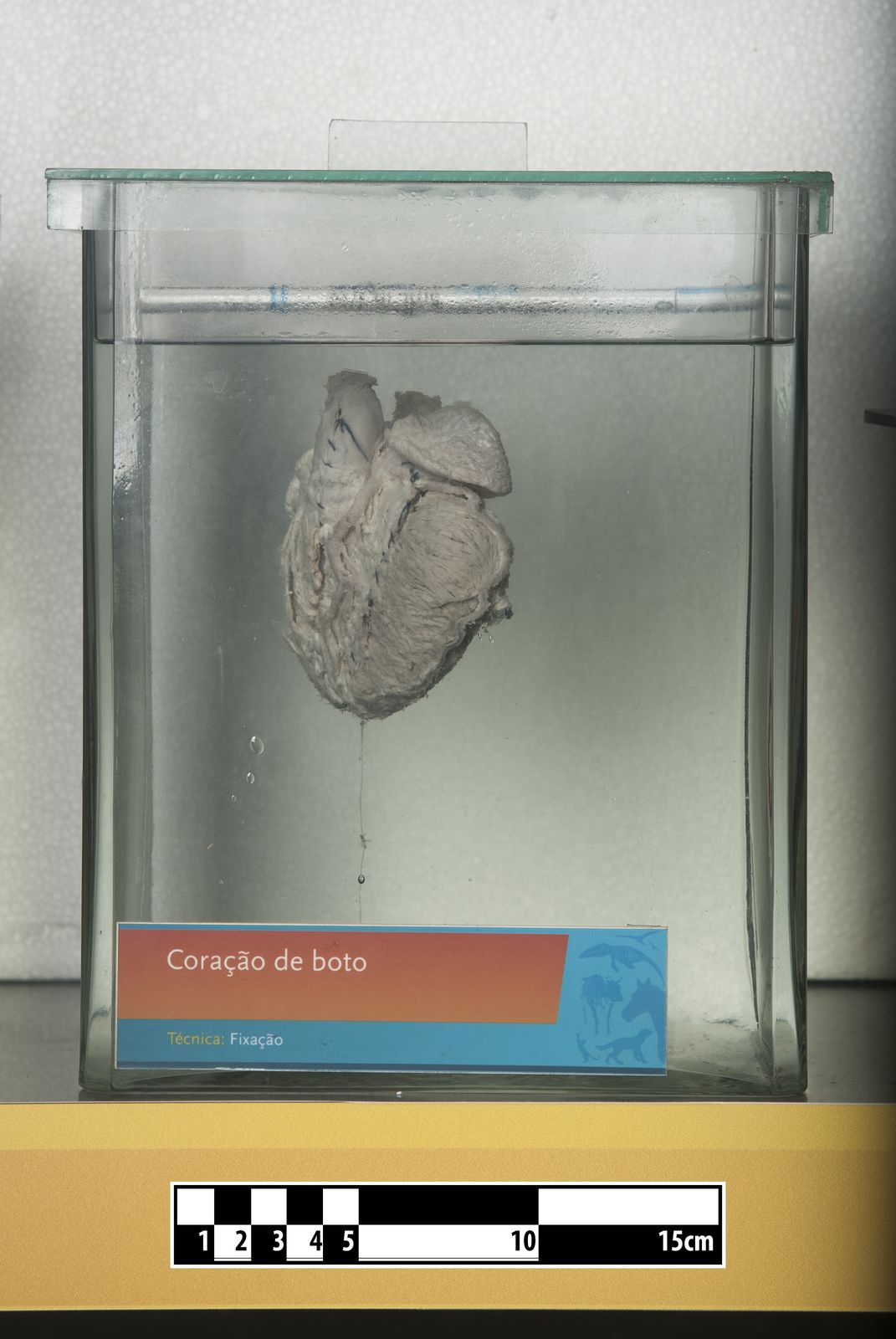
River wildlife is the genuine specialty of this region. Pink river dolphins, known locally as boto, and the smaller grey river dolphin both surface regularly in the wider channels of the Rio Negro and around Anavilhanas, and a realistic multi-day trip has good odds of both without much effort. Caimans of several sizes are common on night boat rides, found by eyeshine long before you'd spot one by daylight, and giant otters turn up in quieter stretches away from heavy boat traffic. Manatees are present in the region but genuinely elusive, more often reported than reliably seen.
Primates vary meaningfully by where you stay. Squirrel monkeys and capuchins are common and relatively bold across most lodges; howler monkeys are heard far more often than seen, their calls carrying across the forest at dawn; and the white uacari, a striking red-faced, white-coated monkey, is the signature primate of the Mamirauá reserve specifically, rarely found in numbers anywhere else. Sloths live here too but are genuinely harder to spot than in Central America — a guide who found one recently is usually your best lead on finding it again nearby.
Birdlife rewards patience: toucans, macaws and a long list of smaller forest and river birds turn up on most guided outings, and a dawn canopy walk or tower, where a lodge or nearby reserve has one, is consistently the best single activity for birds on a Brazilian Amazon trip. Big cats — jaguar above all — genuinely live throughout the region, but seeing one is rare even on a well-guided multi-day stay; fresh tracks or a guide's account of a recent sighting is the realistic version of a cat story here, much as it is anywhere else in the Amazon basin. Treat any lodge promising guaranteed close encounters with real skepticism — the sightings worth traveling for are the wild, unscripted ones.
Costs and budgeting
Like the rest of the Amazon basin, Brazilian jungle lodges are priced as multi-night, all-inclusive packages — meals, guiding and transfers bundled together — rather than the pay-as-you-go model common in cities, since there's genuinely nowhere else nearby to eat or book activities independently. That makes a Brazilian Amazon trip more predictable to budget than a typical city-and-beach itinerary, but it also means there's less room to trim costs once you've committed to a lodge.
Mid-range lodges around the Rio Negro and Anavilhanas, where most first-time visitors book, generally run in the low hundreds of U.S. dollars per person per night, inclusive of meals and a full guided-activity schedule; simpler properties further from Manaus, or shorter stays booked as add-ons, can come in lower. More remote, more involved bookings — Mamirauá and Uakari Lodge in particular, given the added domestic flight and longer boat transfer — tend to sit at the higher end of the regional range once transport is factored in. Most packages are sold in three- to five-night blocks rather than priced per single night, since one night barely covers the transfer time in and out.
Add the getting-there costs on top: domestic flights within Brazil to and from Manaus, and any short hop to Tefé for Mamirauá, are worth pricing separately rather than folding into the lodge budget, and the international flight into a Brazilian hub before connecting to Manaus is typically the single largest expense of the whole trip. Manaus itself, for a night or two on either end, is inexpensive by South American city standards for food and local transport.
The currency is the Brazilian real, and while lodges catering to international travelers often quote in U.S. dollars, cash and card use inside Manaus runs on reais — worth having some on hand for markets, taxis and smaller restaurants where card machines aren't guaranteed. Tipping guides and boat drivers at lodges is customary and appreciated, though it's worth checking whether a specific property already folds a service charge into its rates before tipping on top of it.
Health, safety and practical tips
The realistic risk profile of a Brazilian Amazon trip is health and logistics, not crime. Manaus has the normal urban precautions of any Brazilian city its size, and once you're at a lodge, the remoteness itself removes most of the risk that concerns city travelers.
Yellow fever: vaccination is recommended, and in many cases required, for travel to the Amazonas region, including Manaus and the surrounding reserves. Get this sorted with a travel clinic well ahead of departure — the vaccine needs time to become effective, and some connecting countries or onward destinations check proof of vaccination at the border.
Malaria and other mosquito-borne illness: malaria risk exists in parts of the Amazonas interior, and dengue and zika are both present regionally. A DEET-based repellent, long sleeves at dawn and dusk, and a conversation with a travel clinic about antimalarial medication for your specific itinerary are all standard precautions — worth noting that a Rio Negro-based stay genuinely sees fewer mosquitoes than a whitewater-river property, thanks to the blackwater's chemistry.
Water and food: stick to bottled or filtered water throughout your trip; lodges routinely provide this as a matter of course, and it's worth maintaining the habit in Manaus itself outside established restaurants and hotels.
Sun and humidity: the equatorial sun is stronger than it feels under cloud cover, and humidity sits in the 80–90 percent range for most of the year. Lightweight, quick-dry clothing works far better here than heavier technical gear built for temperate climates.
Boat safety: life jackets should be offered and worn on longer transfers, particularly on faster boats or wider stretches of river — ask if none are provided.
Connectivity: expect little to no cell signal or wifi once you leave Manaus. Most lodges run limited generator power and correspondingly limited internet access, if any. Tell people back home in advance rather than expecting to check in daily.
Insurance: genuine travel insurance with medical evacuation coverage matters more here than in most destinations, given how far the more remote lodges — Mamirauá especially — sit from the nearest hospital.
Language: Portuguese is the national language, and it's a meaningfully different language from the Spanish spoken across the rest of South America's Amazon — don't assume Spanish will get you far outside a Manaus hotel lobby. English is spoken at most established lodges and by their guides, but far less so in Manaus generally and almost not at all in smaller river communities.
A suggested route
Most Brazilian Amazon trips run five to eight days once flights and transfers are factored in, and the region rewards picking one or two lodges rather than trying to cover the Rio Negro, the southern reserves and Mamirauá on a single trip — the distances and boat transfers between them add up fast.
- Days 1–2: fly into Manaus via a Brazilian hub, and spend your arrival day or two in the city itself — the Meeting of the Waters, Teatro Amazonas, Ponta Negra and, if timing allows, the INPA forest reserve or MUSA canopy tower.
- Days 2–5: transfer to a Rio Negro or Anavilhanas lodge, the most convenient and best-suited base for a first trip, for three to four nights of guided canoeing, night boat rides and forest trekking through the archipelago.
- Days 6–8 (optional extension): for a longer or repeat trip, add Mamirauá and Uakari Lodge via the flight to Tefé, trading convenience for a genuinely different reserve, the white uacari monkey, and a deeper sense of how the flooded-forest ecosystem actually works.
- Alternative: if the dates land in late June, build the whole trip around Boi-Bumbá in Parintins, pairing a few days downriver for the festival with a shorter Rio Negro lodge stay on either end.
If Brazil is one stop on a longer Amazon-focused trip, it pairs naturally with comparisons further north: our guides to Colombia's jungle and the wider Amazon rainforest across all four countries cover the gateways — Iquitos, Puerto Maldonado, Leticia — most often weighed against a Manaus-based trip before travelers commit to one country.
Common questions
Is Brazil or Peru better for a first Amazon trip?
Peru's circuit, out of Iquitos and Puerto Maldonado, is more developed and easier to combine with Machu Picchu, which is why it's the more common first choice. Brazil's advantage is scale and quiet: fewer other travelers, a genuinely striking archipelago in Anavilhanas, and lodges built with real architectural thought. Neither is wrong — it depends on whether convenience or a less-visited experience matters more to you.
How many days do you need in the Brazilian Amazon?
Three nights at a lodge is the practical minimum to make the transfer worthwhile, and five to seven days total, including a day or two in Manaus itself, is a comfortable, realistic length for a first trip. Add Mamirauá only if you have eight or more days to work with, given the extra flight and boat transfer involved.
What's the difference between the Rio Negro and the Solimões?
The Rio Negro is a blackwater river — dark, warm, low in sediment and nutrients, and noticeably lighter on mosquitoes. The Solimões is whitewater — pale, cold and sediment-rich, becoming the Amazon proper downstream. They meet just outside Manaus at the Meeting of the Waters and run side by side for kilometers before finally blending.
Do I need a yellow fever vaccination to visit the Brazilian Amazon?
It's recommended, and often required, for travel to the Amazonas region, Manaus included. Check current, specific guidance with a travel clinic well ahead of departure, since the vaccine needs time to take effect and some onward destinations check for proof of it.
Will I see a jaguar?
Probably not, and it's worth going in with that expectation. Jaguars genuinely live throughout the region, but sightings are rare even on well-guided multi-day trips; fresh tracks or a guide's recent account is the realistic version of a cat story here. Treat any operator promising a guaranteed sighting with skepticism.
What's the best time to see pink river dolphins?
They're a near-year-round sighting along the Rio Negro and around Anavilhanas, with no single best season. Timing your trip around water levels — dry months for beaches and trails, high-water months for flooded-forest canoeing — matters more for the overall experience than it does specifically for dolphin sightings.
Where to go from here
The Brazilian Amazon rewards picking Manaus and one or two lodges rather than trying to see the whole basin in a single trip — the distances are real, and the value is in slowing down at a well-built lodge rather than covering ground. Start with our Brazil destination page for a shortlist of vetted stays, or browse the full directory if you're still weighing Brazil against Peru or Colombia. If you're building a longer South American trip, our guides to the Amazon rainforest across all four gateway countries and Colombia's jungle are good next stops before committing to a single itinerary, and our roundup of the best jungle Airbnbs in the world is worth a look if you're still comparing regions entirely.
- Danae Explore — Guide to Visiting the Brazilian Amazon: Manaus, Novo Airão & Anavilhanas — Novo Airão access, Anavilhanas archipelago details and regional orientation.
- Rainforest Cruises — Best Time of Year to Visit Manaus, Brazil — dry/wet season rhythm and monthly temperature and rainfall patterns.
- PlanetaEXO — When Is the Best Time to Visit the Amazon Rainforest in Brazil — seasonal water-level cycle and igapó flooded-forest access.
- Anavilhanas Jungle Lodge — official site — lodge structure, bungalow and cottage details, activities offered.
- Juma Amazon Lodge — official site — lodge size, stilt construction and location southeast of Manaus.
- PlanetaEXO — Best Amazon Jungle Lodges in Brazil — Uakari Lodge and Mamirauá Sustainable Development Reserve details.
- FlightsFrom.com — Direct Flights from Manaus, Eduardo Gomes (MAO) — Manaus airport routes and connecting hubs.
- PlanetaEXO — How to Visit Manaus, Brazil Travel Guide — Manaus city orientation, Meeting of the Waters and practical logistics.
More from the Journal.
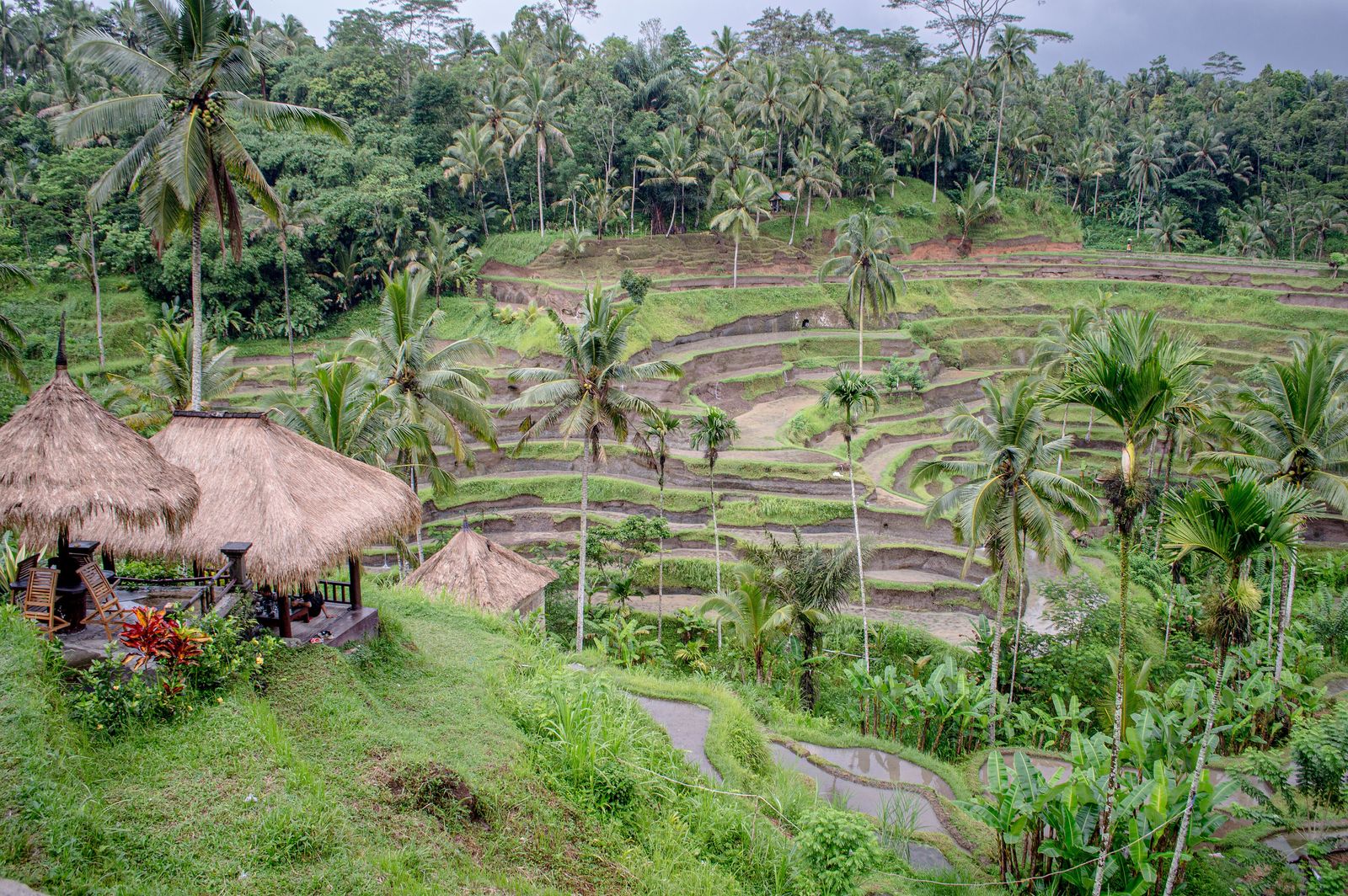 Photo: Philip Nalangan, CC BY 4.0
Bali Jungle Travel Guide
Everything you need to plan the interior of Bali — Ubud, Sidemen and the northern highlands — where to stay in the jungle, when to go and what it actually costs.
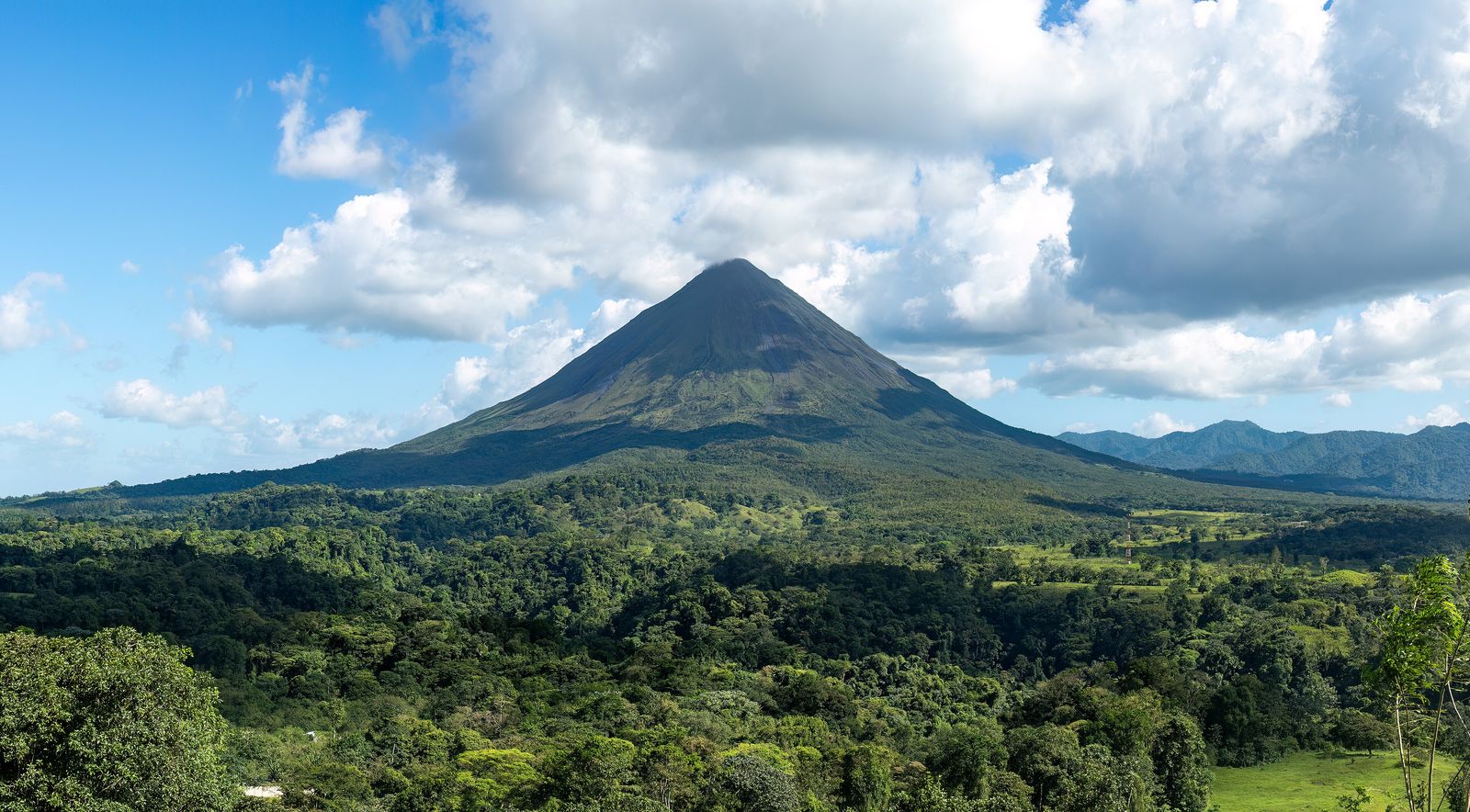 Photo: Rhododendrites, CC BY-SA 4.0
Costa Rica Rainforest Travel Guide
The definitive guide to Costa Rica's rainforests — cloud forest, Pacific lowlands and the wild Osa Peninsula — with where to stay and when to go.
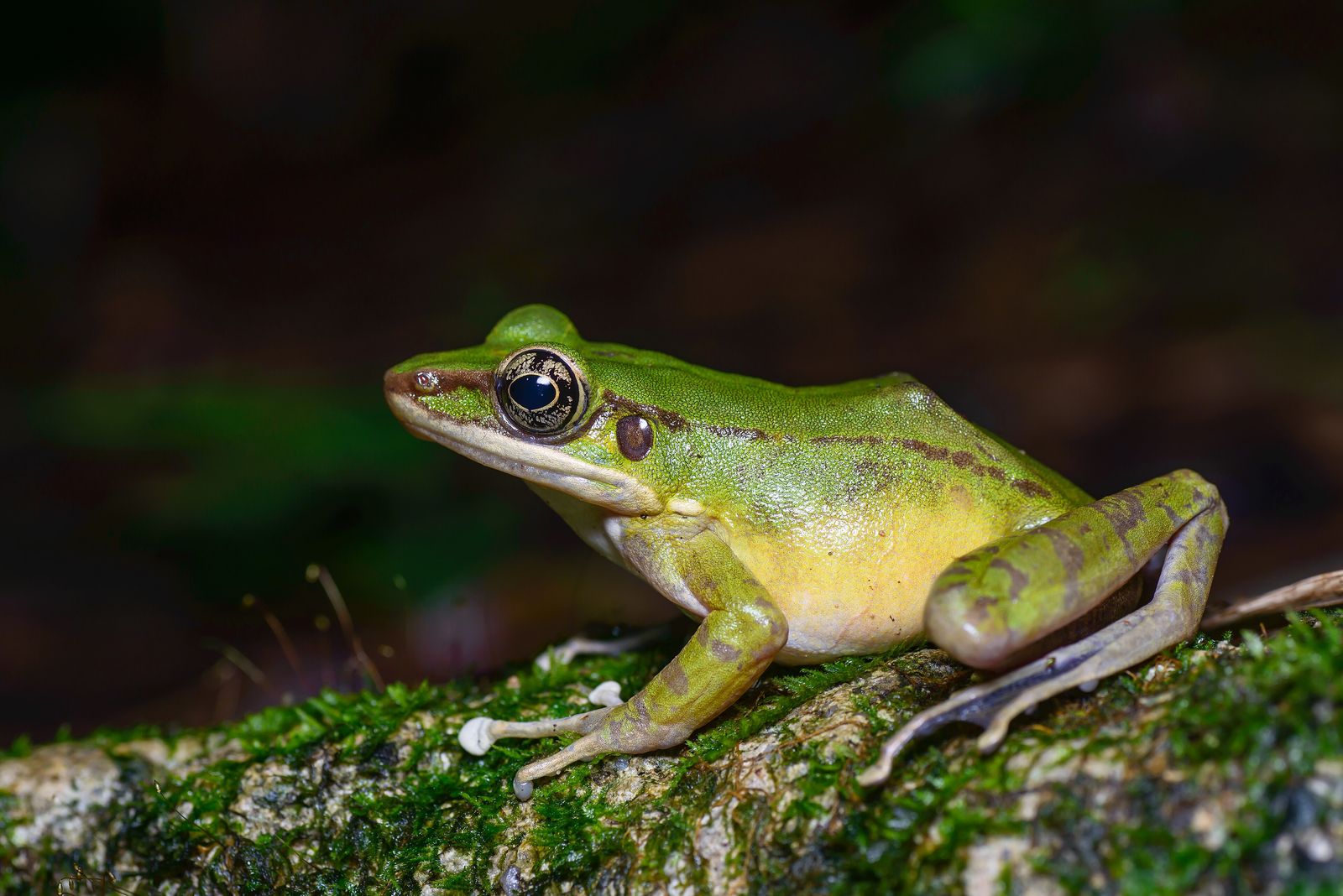 Photo: Rushenb, CC BY-SA 4.0
Thailand Jungle Travel Guide
Beyond the beaches: Khao Sok's ancient rainforest, the northern hills around Chiang Mai and the karst jungle of the south.
 Photo: Derek Ramsey (Ram-Man), CC BY-SA 4.0
Find your own piece of the canopy.
Treehouses, bamboo houses and rainforest villas across 17 destinations — found, vetted and written up honestly.
Browse all destinations