
Ecuador Amazon & Cloud Forest Guide
Ecuador is a small country doing an unreasonable amount of ecological work. It's roughly the size of Nevada, and inside that footprint it holds a slice of the Amazon basin, a run of cloud forest draped over the western Andes, active volcanoes, and the Galápagos out in the Pacific for good measure. This guide covers the two mainland jungles specifically — the lowland Amazon around Yasuní and Cuyabeno, and the cloud forest around Mindo — because they're both reachable from Quito inside a single trip, and because they're different enough from each other that lumping them together does neither one justice. One is hot, flat and river-run. The other is cool, steep and dripping with moss. Ecuador is one of the few places on earth where you can genuinely do both without a long-haul flight in between.
Ecuador's jungle, honestly
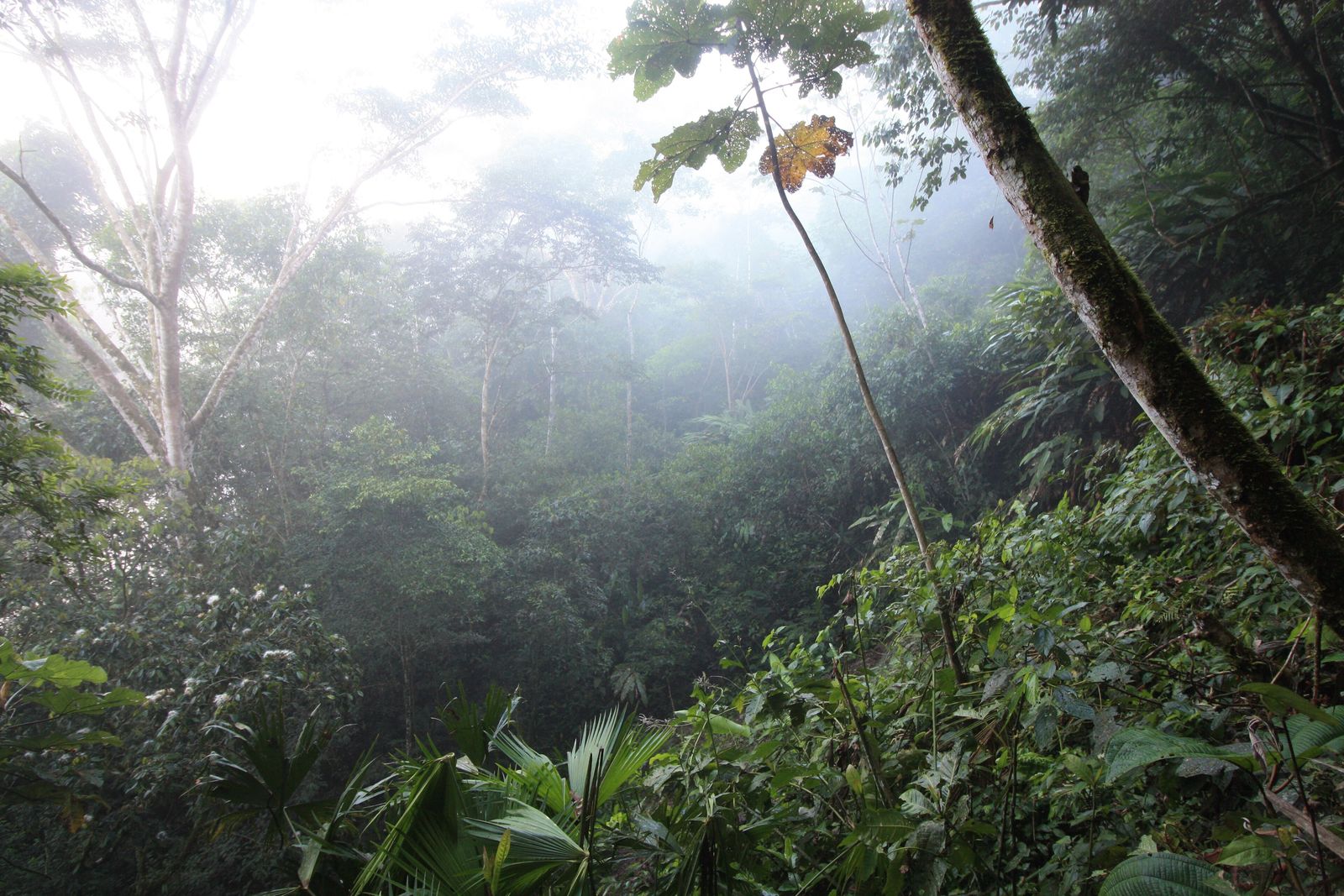
The number that gets repeated about Ecuador is that it's one of the most biodiverse countries on the planet relative to its size, and unlike a lot of travel-brochure statistics, this one holds up. The reason isn't mysterious: the Andes run straight through the middle of the country, splitting it into distinct climate zones stacked close together, and on either side of that spine sit two rainforests that share almost nothing except the word "jungle." East of the mountains, the land drops into the Amazon basin — hot, humid, at a few hundred feet of elevation, laced with slow brown rivers and black-water lagoons. West of Quito, the Andes' outer slopes catch moisture rolling in off the Pacific and hold it as a near-permanent mist, and that mist is what builds a cloud forest: cooler, steeper, quieter, and strung with orchids and moss in a way lowland rainforest never quite manages.
What makes Ecuador worth a dedicated trip, rather than a stop tacked onto a Peru or Colombia itinerary, is how close these two systems sit to each other and to the capital. Quito's airport is a genuine hub for both halves of this guide — a short flight gets you into the Oriente, Ecuador's word for its Amazon region, and a couple of hours by road gets you into the cloud forest. Neither the Peruvian nor the Brazilian Amazon offers anything comparable within reach of a single gateway city. That said, this isn't a "quick jungle stop" kind of country. The Amazon lodges here run on the same multi-night, all-inclusive logic as anywhere else in the basin, and the cloud forest rewards slow mornings with a pair of binoculars over any kind of rushed itinerary. Budget the time, or skip one half and do the other properly.
It's also worth saying plainly what this guide is not: it's not a Galápagos guide. The islands are a separate trip logistically and ecologically, reached by their own flights from Quito or Guayaquil, and folding them into a jungle itinerary usually means shortchanging both. If wildlife-dense island travel is the goal, that's its own research project. This one stays on the mainland, in the two rainforests that most people don't realize sit inside the same small country.
Two rainforests, and how they differ
"The Ecuadorian jungle" isn't one place, and treating it as one is the most common planning mistake. Here's what you're actually choosing between.
The Ecuadorian Amazon (the Oriente)
East of the Andes, the Oriente holds Ecuador's share of the Amazon basin, and within it two protected areas do most of the work for travelers: Yasuní National Park and the Cuyabeno Wildlife Reserve. Yasuní is a UNESCO-designated biosphere reserve, and researchers have repeatedly pointed to sections of it as holding some of the highest concentrations of tree, insect and amphibian species recorded anywhere on the planet — a genuinely different claim from generic "biodiverse rainforest" marketing, and one that's been documented in peer-reviewed surveys, not just tourism copy. Cuyabeno, further north and reached through a different gateway town, is built around a flooded-forest lagoon system that changes shape with the water level and is known for dense concentrations of caimans, monkeys and river dolphins in a comparatively compact area. Both sit deep enough in the basin that reaching them means a flight followed by a boat — there's no road shortcut into either.
The cloud forest (the Chocó Andino)
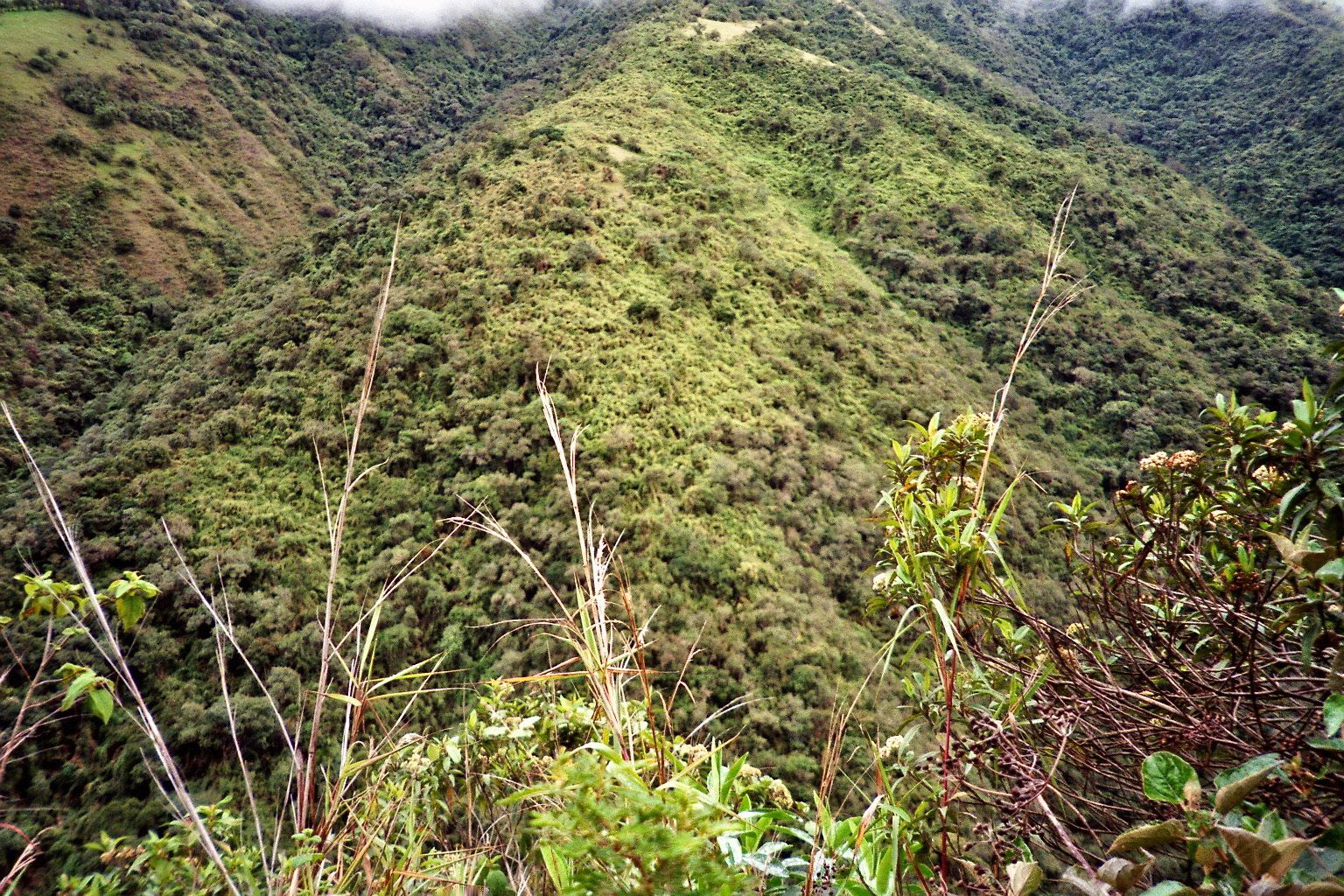
West of Quito, dropping off the Andes toward the Pacific lowlands, sits the Chocó Andino — a biosphere reserve in its own right, and UNESCO-recognized separately from Yasuní. Mindo is the small town that anchors it for travelers: a place built almost entirely around birdwatching, with private reserves, hummingbird gardens and waterfall trails radiating out from a main street that still feels more like a farming town than a resort. This isn't rainforest in the Amazon sense — there's no flat canopy stretching to the horizon, no river system to travel by boat. It's steep, forested mountainside wrapped in cloud for a good part of most days, and the biodiversity here shows up overwhelmingly in the bird list rather than in mammals or reptiles.
What they share, and what they don't
Both regions are legitimately wild, both are protected, and both are within a day's travel of Quito. Past that, the overlap mostly ends. The Amazon side is warm year-round, runs on river logistics, and delivers the primates-and-river-wildlife experience most people picture when they hear "jungle." The cloud forest is cool, sometimes genuinely cold after dark, reached by road, and built around birds rather than big mammals. Travelers expecting one to feel like a slightly different version of the other are usually surprised by how little they resemble each other — which is exactly the point of doing both.
When to go
Ecuador's two jungles don't share a calendar. Plan them separately, and know that "dry season" is a relative term in both places — this isn't a destination where you can count on guaranteed sun.
The Amazon (Yasuní and Cuyabeno)
- August through December, the general sweet spot: rainfall eases from the wetter months earlier in the year, river levels stay high enough for boats to reach lodges comfortably, and forest trails are usually walkable without being submerged.
- December through February, the driest stretch: the least rain and the lowest water levels of the year, which is good for hiking and can be good for bird watching, but low water can shrink some of Cuyabeno's lagoon system — Laguna Grande, around which several lodges are built, has been known to shrink dramatically in the driest years.
- March through June, the wettest months: April and May typically bring the heaviest rain and the highest water. This is also, counterintuitively, prime time in Cuyabeno specifically — the flooded forest opens up for canoe travel deep among the trees, and aquatic wildlife, pink river dolphins included, tends to be easier to find as habitats expand with the rising water.
There's no genuinely bad month to visit the Ecuadorian Amazon; the seasons trade one kind of access for another rather than opening and closing the door entirely. A downpour here rarely lasts the whole day, and lodges run their guided schedule regardless of weather.
The cloud forest (Mindo)
- June through September, the relatively drier window: more consistent daylight and easier hiking, generally considered the more comfortable stretch for visitors who want mist rather than steady rain.
- November through May, the wetter, birdier season: heavier rain overall, but this is when migratory species pass through the region, which serious birders treat as reason enough to visit despite the wet gear it demands.
Because Mindo sits on the Andes' Pacific-facing slope, mist and light rain are a near-daily fact of life whatever month you pick — that's what makes it a cloud forest rather than an ordinary forest. Pack for it regardless of season.
Good to know
Ecuador sits on the equator — hence the name — so day length barely changes across the year and there's no true winter-to-summer temperature swing to plan around. What changes season to season is rainfall and, in the Amazon, river level. Temperature in the Oriente stays warm and humid essentially year-round; temperature in Mindo stays cool and mild essentially year-round. Pick your dates around rain and water, not heat.
Getting there and getting around
Quito's Mariscal Sucre International Airport (UIO) is the gateway for both halves of this trip, and it's worth budgeting a day or two in the capital regardless — the airport sits at over 9,000 feet, and arriving there straight from sea level and then pushing on immediately can leave some travelers with a rough first day or two of altitude adjustment before they've even reached the jungle.
Getting to the Amazon side means a short domestic flight followed by a boat. For Yasuní, that's a roughly 30–40 minute flight from Quito to Coca — officially Francisco de Orellana, airport code OCC — followed by a motorized canoe ride down the Napo River that runs anywhere from under an hour to a few hours depending on which lodge you're headed to. For Cuyabeno, the standard route is a flight or a long bus ride to Lago Agrio (also called Nueva Loja), followed by a couple of hours by road and then a couple of hours by canoe into the reserve's lagoon system. Neither route is something to improvise: every Amazon lodge in this region builds transfers into its package and meets guests at the airport or dock directly.
Getting to Mindo is far simpler — it's a road trip, not an expedition. From Quito, the drive takes roughly two to two-and-a-half hours via the Calacalí–La Independencia highway, and a slower, older route through the village of Nono is popular with birders willing to trade time for a scenic, wildlife-rich drive. Regular buses run from Quito's main bus terminals directly to Mindo, and it's an easy, well-signed drive for anyone renting a car. Once you're in the cloud forest, most reserves and lodges are reachable by a short taxi or by the pickup trucks locals use as informal shuttles between town and the trailheads.
Within Quito, taxis and ride-hailing apps cover the city reliably, and the historic center is walkable in daylight. Once you're at an Amazon lodge, independent exploration mostly isn't the model — you go where the guide and the canoe take you, both for safety and because the surrounding land is often reserve or community territory. In Mindo, by contrast, you can walk the town itself and reach several reserves on foot or by a short ride, which gives the cloud forest half of this trip a noticeably more independent, self-paced feel.
Where to stay
The two regions call for different kinds of stays, and the directory has vetted options across both — see our full destinations page for the broader picture, and browse comparable Amazon-basin stays in Peru and Colombia, Ecuador's neighbors on either side.
In the Amazon
Inside Yasuní itself, Napo Wildlife Center is the best-known option — owned and operated by the Añangu Kichwa community, sitting on a black-water lagoon well within the national park's boundaries, with a canopy tower used for the property's guided birding program. The same community also runs Napo Cultural Center nearby, a simpler, more affordable property aimed at travelers who want the Yasuní setting without the top-tier price point. Further along the Napo River, Sacha Lodge sits on its own private reserve around the Pilchicocha lagoon and is known for a suspended canopy walkway that puts guests above the forest canopy rather than under it. La Selva Lodge, also on the Napo, is another long-established option in the same stretch of river. In Cuyabeno, lodges are smaller and more numerous, mostly clustered around Laguna Grande and run in partnership with local communities — a genuinely different, more intimate scale of operation than the larger Yasuní-area lodges.
In the cloud forest
Mashpi Lodge, inside a private reserve of several thousand acres in the Chocó Andino, is the most architecturally ambitious option in the region — a modern glass-and-steel building set into the forest, built and run by the Ecuadorian tour operator Metropolitan Touring, with its own research station and a gondola-style "sky bike" that carries guests through the canopy. Bellavista Cloud Forest Reserve, closer to Mindo itself, began as a research station and still runs as one alongside its lodge rooms, with trails through primary cloud forest and a strong reputation among serious birders. Closer to Mindo town, El Monte Sustainable Lodge is a smaller, simpler riverside property built around a handful of cabins, popular with travelers who want a quieter, less resort-scaled base for day hikes and birding walks.
Nobody plans a trip to Ecuador expecting to spend a morning in a canoe watching macaws at a clay lick and an afternoon three days later standing under a cloud forest waterfall with a hummingbird species you can't name yet. That's the actual pitch for this country — not one exceptional rainforest, but two, close enough together to do both properly.
The best things to do
What's worth doing splits cleanly along the same line as everything else in this guide — river and canopy in the Amazon, trails and feeders in the cloud forest.
In the Amazon
- Visit a clay lick (saladero): parrots and macaws gather at exposed river-clay banks in the Yasuní area to eat mineral-rich soil, and a well-timed early-morning visit can put dozens of birds in view at once — one of the more reliably spectacular sights in the region.
- Climb a canopy tower or walkway: Sacha Lodge's suspended walkway and Napo Wildlife Center's canopy tower both put you above the forest rather than looking up into it, which changes what you see entirely — birds, monkeys and the sheer scale of the treetops all read differently from above.
- Take a night canoe ride: caimans show up by eyeshine along the calmer channels and lagoons, and a good guide will find tree frogs and nightjars that daylight tours miss.
- Visit an Añangu or other Kichwa community: several Amazon lodges, Napo Wildlife Center and Napo Cultural Center among them, are community-owned outright, and a visit arranged through the lodge is a meaningfully different experience from a generic cultural stop tacked onto a tour.
- Paddle Cuyabeno's flooded forest: during high water, canoeing directly among tree trunks and low branches is a distinctly Amazon experience, and Cuyabeno's compact lagoon system makes it especially accessible.
- Fish for piranha, then ask your guide about swimming: a standard low-drama activity at most lodges; guides know which stretches of water are calm enough for it.
In the cloud forest
- Watch the hummingbird feeders: multiple properties around Mindo run feeder gardens where a dozen or more species can show up within an hour — genuinely one of the best low-effort wildlife experiences anywhere in South America.
- Look for Andean cock-of-the-rock at a lek: at dawn, males of this startlingly orange bird gather at traditional display sites to compete for attention, and several local guides run early-morning visits to known leks near Mindo.
- Ride the tarabita and hike the waterfall trail: a cable car crosses a canyon into the Nambillo area, where a network of trails links a run of waterfalls — a full morning of hiking with swimming holes along the way.
- Tour a small cacao or chocolate operation: the Mindo area grows cacao, and several small producers run tastings and short farm tours that pair naturally with a morning of birding.
- Go tubing on the Mindo River: a straightforward, low-cost way to spend an afternoon, popular with the town's younger, more budget-minded visitors.
- Visit a butterfly farm or orchid garden: several small operations around town focus on the cloud forest's insect and orchid life specifically, a good complement to a bird-heavy itinerary.
The wildlife you'll actually see
Set expectations by region, because the two halves of this trip deliver genuinely different wildlife, and neither is a lesser version of the other.
Amazon wildlife
Primates are the most reliable Amazon sighting: squirrel monkeys and capuchins are common and often bold, howler monkeys are heard far more than seen with their calls carrying at dawn, and woolly monkeys turn up in less-disturbed stretches of forest. River wildlife is a genuine specialty of the region — pink and grey river dolphins surface in the wider channels and lagoons, caimans of several sizes are common on night rides, and giant otters appear in Cuyabeno's quieter waterways. Macaws, parrots and toucans are a regular sight, especially at clay licks, and the wider bird list runs into the hundreds of species across a multi-day stay. Sloths, anacondas and jaguar all live in the region, but treat these as genuine long shots rather than expectations — a guide's account of a recent track or sighting is the realistic version of these stories, much as it is anywhere else in the Amazon basin.
Cloud forest wildlife
This is a birding destination first, and the numbers back that up: the wider Chocó Andino region and Mindo specifically are consistently cited among the most bird-rich areas on earth for their size, with well over 500 recorded species and a hummingbird count alone that runs past 130. The Andean cock-of-the-rock, toucan barbet, golden-headed quetzal and a long list of tanagers and motmots are realistic targets with a decent guide and an early start. Mammals are a smaller part of the story here than in the Amazon — spectacled bears and various small cats live in the wider cloud forest zone but are rarely encountered — and the real draw is the sheer density and color of the bird life, best appreciated slowly, over several mornings, rather than rushed through in an afternoon.
The throughline in both regions: a trained local guide does most of the actual finding. Dense forest and a mostly quiet or camouflaged cast of animals both work against an untrained eye, and the gap between a self-guided walk and a guided one is larger here than in almost any other kind of travel.
Costs and budgeting
Ecuador uses the US dollar as its official currency, which removes one layer of guesswork that trips up travelers in most of South America — prices quoted in dollars are exactly that, no exchange-rate math required.
Amazon lodges follow the same multi-night, all-inclusive model used across the rest of the basin: meals, guiding and river transfers bundled into a single package, usually sold in three- to five-night blocks rather than priced per single night, since one night barely covers the transfer time in and out. Rates vary meaningfully by lodge tier — community-run and Cuyabeno-area properties tend to sit toward the lower end of the regional range, while the more established Yasuní lodges and properties with amenities like canopy walkways or towers command a noticeable premium. Domestic flights to Coca or ground transport to Lago Agrio are usually priced separately from the lodge package and worth budgeting on top.
The cloud forest runs on a far more flexible, pay-as-you-go model. Mindo itself has a wide range of guesthouses and small hotels at modest nightly rates, day tours and reserve entries are typically priced individually rather than bundled, and a budget-conscious traveler can piece together several days of excellent birding without committing to an all-inclusive package. At the other end, Mashpi Lodge is priced as a genuine high-end, all-inclusive stay, closer in structure and cost to the premium end of the Amazon lodges than to anything else in Mindo. Bellavista and El Monte sit in between — meals and guiding typically included, but at a noticeably gentler price point than Mashpi.
Add Quito itself to the budget: a night or two in the capital on either end of the trip is inexpensive by regional standards for food and local transport, and it's worth building in deliberately rather than treating as a pure layover, both for the altitude adjustment and because the historic center is genuinely worth a day of its own.
Health, safety and practical tips
Altitude: Quito sits above 9,000 feet, high enough for genuine altitude effects — headache, fatigue, shortness of breath — in travelers arriving from sea level. Take the first day or two easy, drink more water than usual, and go light on alcohol until you've adjusted.
Yellow fever: vaccination is commonly recommended, and in some cases required, for travel to Ecuador's Amazon region specifically. Sort this out with a travel clinic well ahead of departure — the vaccine needs time to take effect, and some onward countries check proof of vaccination at the border.
Malaria and mosquito-borne illness: malaria risk exists in parts of the Amazon lowlands, and dengue and zika are both present regionally. A DEET-based repellent, long sleeves at dawn and dusk, and a conversation with a travel clinic about antimalarial medication for your specific route are all standard precautions. The cloud forest's cooler elevation carries meaningfully lower mosquito-borne disease risk than the Amazon lowlands.
Water and food: stick to bottled or filtered water throughout the trip; lodges in both regions routinely provide this, and it's worth maintaining the habit in Quito and Mindo outside established restaurants.
Weather and clothing: pack for two different climates in one bag — lightweight, quick-dry layers and rain protection for the humid Amazon, and a warmer layer plus a proper rain jacket for the cloud forest, which is genuinely cool and often damp after dark.
Connectivity: expect little to no cell signal at Amazon lodges once you leave the gateway towns; most run on generator power with limited or no internet. Mindo has considerably better connectivity, since it's a short drive from Quito rather than a flight and a boat away.
Insurance: genuine travel insurance with medical evacuation coverage matters more here than in most destinations, given how far the Amazon lodges sit from the nearest hospital.
Safety and border areas: Quito's historic center warrants normal city precautions around petty theft, and once at a lodge in either region, remoteness itself removes most of the risk that concerns city travelers. Cuyabeno is reached through Lago Agrio, a town near Ecuador's border with Colombia that has, at times, carried government travel advisories tied to the wider border region — worth checking current official guidance before booking a Cuyabeno trip specifically, separate from the general safety picture for Yasuní or Mindo.
Language: Spanish is the national language, and English is spoken reliably at established lodges and by their guides, less so in smaller towns and river communities. A handful of Spanish phrases go a long way in Mindo especially, where you'll spend more time in town than the Amazon lodges' more self-contained model requires.
A suggested route
Ten to twelve days is a realistic minimum for covering both regions properly once flights, transfers and a couple of Quito days are factored in — trying to compress it further usually means shortchanging one half of the trip.
- Days 1–2, Quito: acclimatize to the altitude, see the historic center, and use the extra day as a buffer against any flight delays before the harder-to-reschedule Amazon leg.
- Days 3–4, travel to Mindo: the easy road trip first, while you're still adjusting — two to three nights is enough for the hummingbird gardens, a waterfall hike and a dawn birding walk without rushing.
- Day 5, back to Quito: a short driving day, with time to reorganize gear before the flight leg.
- Days 6–9, the Amazon: fly to Coca and take the boat transfer into a Yasuní-area lodge, or route through Lago Agrio for Cuyabeno instead — four nights is close to the minimum most lodges recommend to make the flight-and-boat transfer worthwhile.
- Days 10–12, return and depart: fly back to Quito with a buffer day before an international departure, since domestic Amazon flights are occasionally weather-delayed.
Travelers with less time are usually better served picking one region and doing it properly rather than rushing both — either the Amazon on its own (a week is comfortable) or a shorter three- or four-day Mindo trip paired with a couple of days in Quito. For a wider Amazon-basin comparison before deciding how much time to spend on that half of the trip, our Amazon Rainforest traveler's guide covers the ecosystem across all the countries that share it, and our Colombia jungle guide covers Ecuador's northern neighbor for anyone weighing the two against each other.
Common questions
Is the Ecuadorian Amazon safe to visit?
Yes, for the areas covered by established lodges. The realistic risk profile is health and logistics — vaccinations, mosquito precautions, remoteness from medical care — rather than crime. The one area worth a specific check is the Lago Agrio border region used to reach Cuyabeno, where it's worth confirming current government travel guidance before booking.
Can I combine this trip with the Galápagos?
Logistically yes — both are reached through Quito or Guayaquil — but it's a genuinely separate trip in cost and planning, not a quick add-on. Most travelers either build a longer combined itinerary deliberately or treat the two as different trips entirely.
Do I need a visa to visit Ecuador?
Requirements vary by nationality and change over time, so check current guidance from Ecuador's government or your nearest consulate before booking rather than relying on general travel advice.
Which region should a first-time visitor pick if there's only time for one?
If you want the classic Amazon experience — rivers, primates, macaws — pick Yasuní or Cuyabeno. If birdwatching specifically is the draw, or if a shorter, less logistically involved trip matters more, Mindo delivers an outsized amount of wildlife for a much simpler two-hour drive from Quito.
What vaccinations do I actually need?
Yellow fever vaccination is commonly recommended for the Amazon region specifically; routine vaccinations should be current regardless. Confirm current requirements with a travel clinic well ahead of your trip, since recommendations can change and the vaccine needs lead time to take effect.
Is the cloud forest worth it if I'm not a serious birder?
Yes — the hummingbird feeders alone are a genuine spectacle for casual travelers, and the waterfall hikes, chocolate tours and cable car give the region plenty to do beyond a bird list. Serious birders simply get more out of it than everyone else does.
Ecuador's case for itself isn't subtle once you've actually seen both halves of it: a river-cut Amazon lodge and a misted cloud forest ridge, a few hours' flight and a short drive apart, inside one small country. For more on how the wider Amazon basin compares across the countries that share it, see the Amazon Rainforest traveler's guide; for a different Andes-to-jungle combination next door, the Colombia jungle guide covers similar ground on the other side of the border. And if you're still weighing Ecuador against other rainforest destinations entirely, our Costa Rica rainforest guide is a useful point of comparison, or browse the full JungleBnB directory to see what's vetted across every region we cover.
- Yasuní National Park – A Visitor's Guide, HappyGringo — Yasuní's UNESCO biosphere status, access via Coca and boat transfer, and Napo Wildlife Center / Napo Cultural Center as community-run lodges.
- Ways to Reach Yasuní and Cuyabeno, Ecuador Lodges — flight and boat logistics for reaching Amazon lodges from Quito via Coca and Lago Agrio.
- Cuyabeno Reserve Ecuador – A Complete Guide, HappyGringo — Cuyabeno Wildlife Reserve's flooded-forest lagoon system and Laguna Grande.
- Climate in Cuyabeno Ecuador, Jamu Lodge — seasonal water-level and rainfall patterns used for the Amazon when-to-go section.
- Best Time to Visit the Ecuadorian Amazon, Adventure Life — month-by-month rainfall and river-level guidance for Yasuní and the wider Oriente.
- Mindo Ecuador – The Ultimate Guide, HappyGringo — Mindo's cloud forest setting, access from Quito, and core activities.
- Bird Watching Guide and Seasons for Mindo Cloud Forest, BestTime2Travel — Mindo's bird and hummingbird species counts and rainy-season birding timing.
- Cloudforest Ecolodge Mindo Ecuador, El Monte Sustainable Lodge — El Monte as a cloud forest lodge near Mindo town.
More from the Journal.
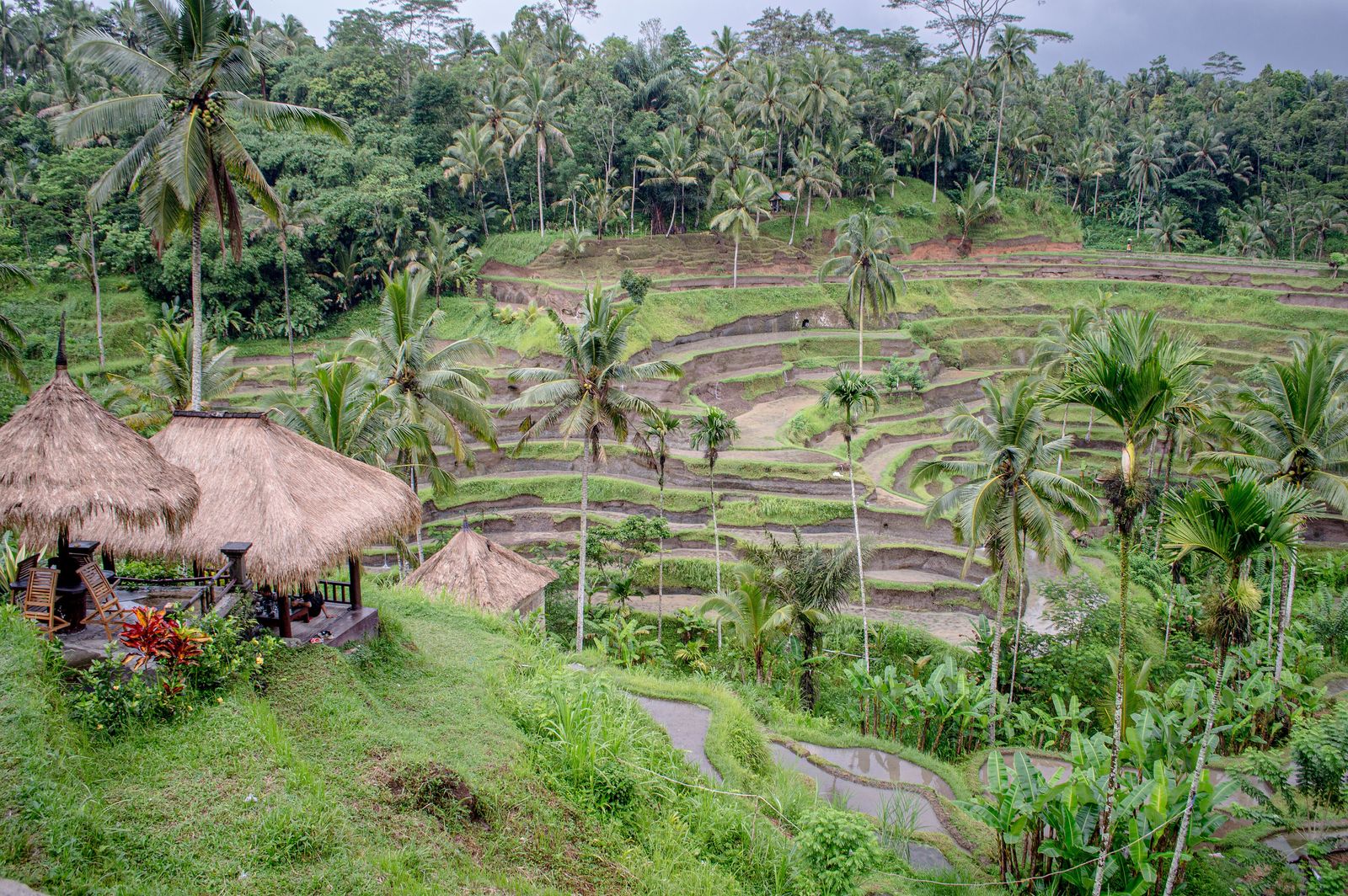 Photo: Philip Nalangan, CC BY 4.0
Bali Jungle Travel Guide
Everything you need to plan the interior of Bali — Ubud, Sidemen and the northern highlands — where to stay in the jungle, when to go and what it actually costs.
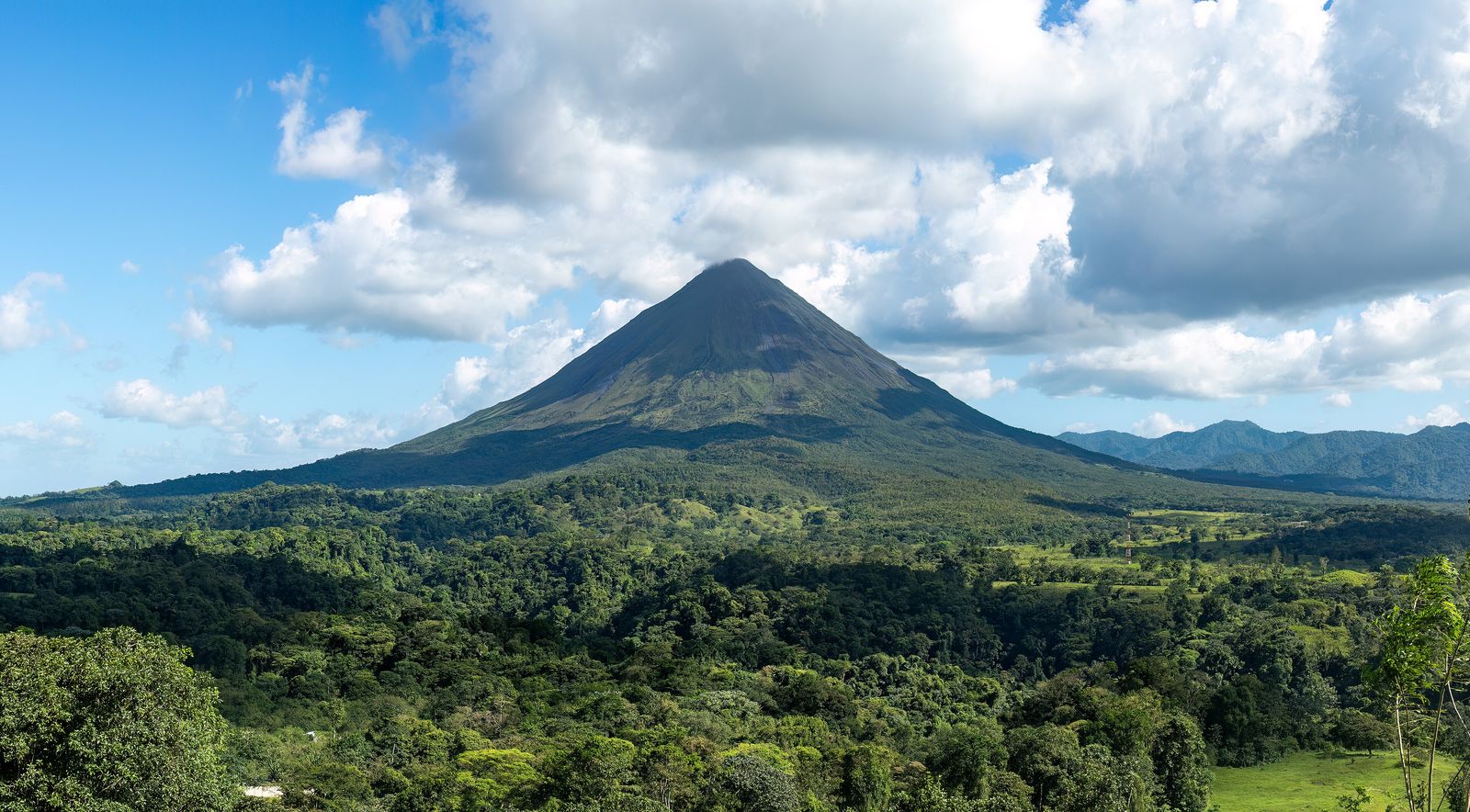 Photo: Rhododendrites, CC BY-SA 4.0
Costa Rica Rainforest Travel Guide
The definitive guide to Costa Rica's rainforests — cloud forest, Pacific lowlands and the wild Osa Peninsula — with where to stay and when to go.
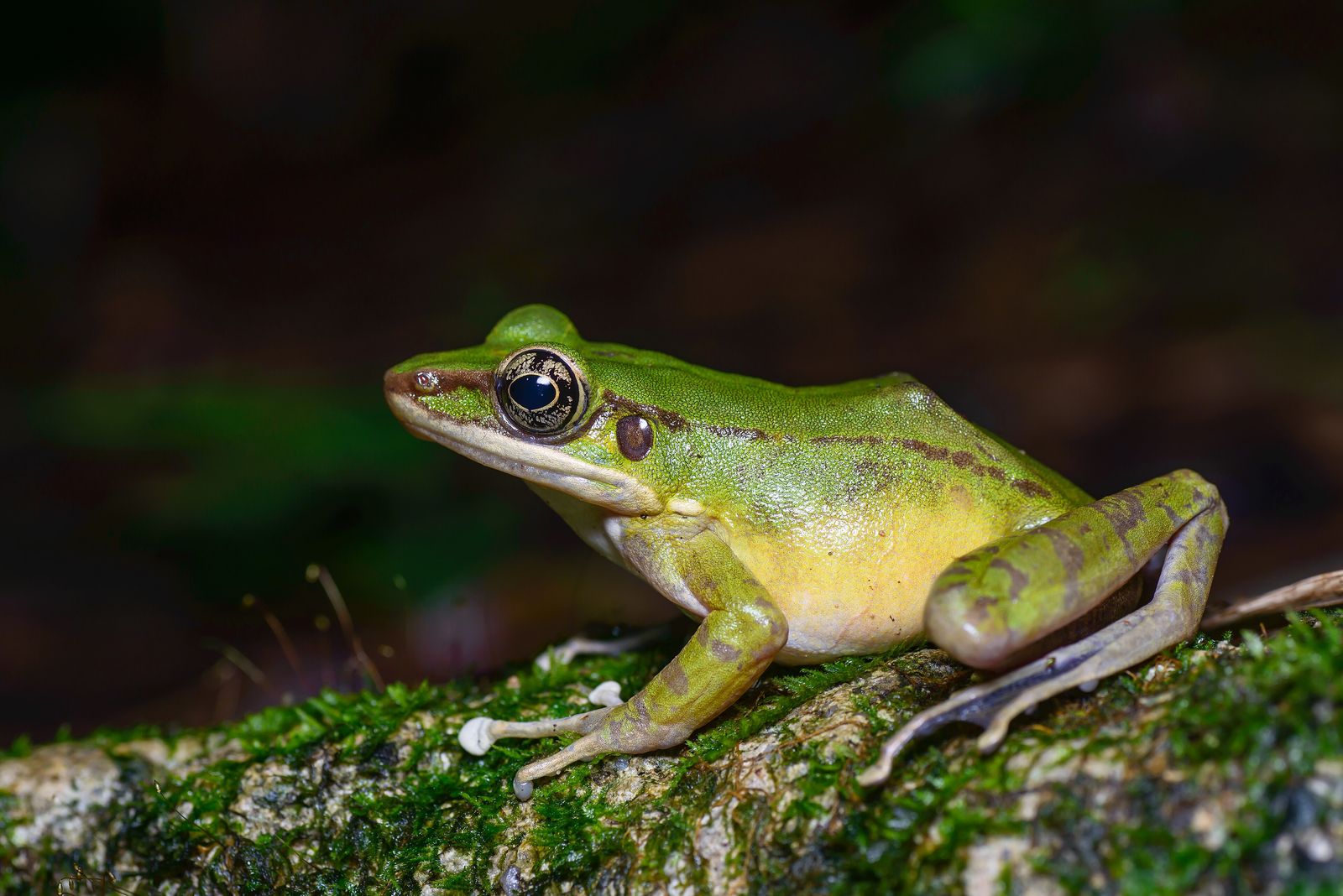 Photo: Rushenb, CC BY-SA 4.0
Thailand Jungle Travel Guide
Beyond the beaches: Khao Sok's ancient rainforest, the northern hills around Chiang Mai and the karst jungle of the south.
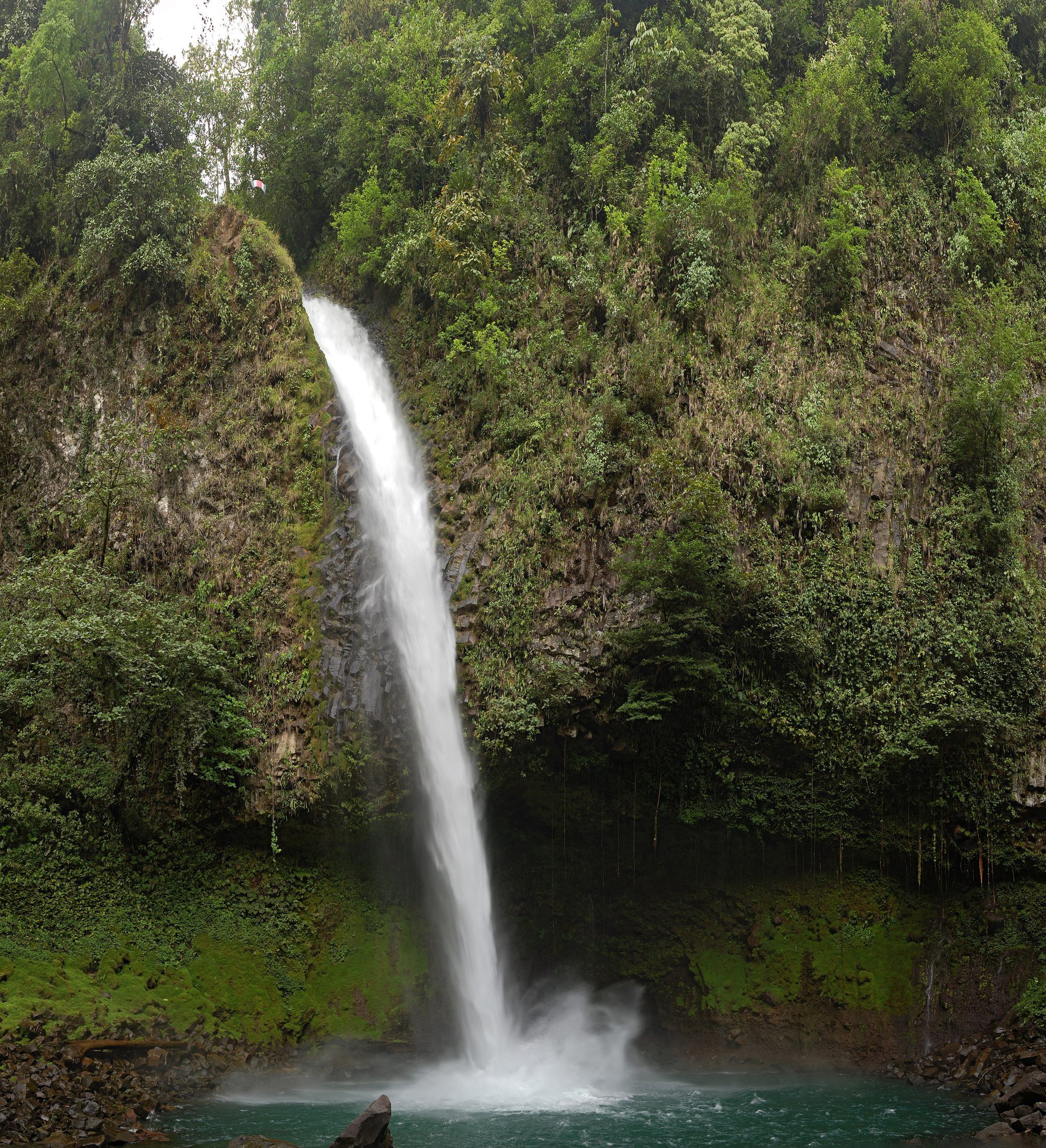 Photo: Derek Ramsey (Ram-Man), CC BY-SA 4.0
Find your own piece of the canopy.
Treehouses, bamboo houses and rainforest villas across 17 destinations — found, vetted and written up honestly.
Browse all destinations