India's Western Ghats & Kerala Jungle Guide
The Western Ghats run down India's west coast for roughly 1,600 kilometers, a mountain wall older than the Himalayas and, in its wetter southern stretches, greener than almost anywhere on the planet. In Kerala, that range narrows into a compressed strip of rainforest, tea and cardamom hills, tiger reserves and backwater plains, all reachable inside a week without a domestic flight. This guide covers the honest version of that trip: the real regions, the real seasons, the parks where the wildlife actually shows up, and the practical detail — airports, permits, monsoon timing — that separates a well-planned Kerala jungle trip from a soggy, over-ambitious one.
The Western Ghats and Kerala's jungle, honestly
Start with the geology, because it explains everything else. The Western Ghats formed roughly 150 million years ago, when the landmass that would become India rifted away from the rest of Gondwana — a process that predates the Himalayas by more than 100 million years, since the Himalayas only began rising around 40 to 50 million years ago when the Indian plate collided with Asia. That age shows. The Ghats aren't jagged and new; they're worn, folded, and blanketed in some of the oldest continuous tropical forest in the country. UNESCO recognized the range as a World Heritage Site in 2012, listing it as one of the world's eight "hottest hotspots" of biological diversity, and the reasoning is straightforward: the range's north-south orientation and its position facing the Arabian Sea wring an enormous amount of monsoon rain out of the sky before it ever reaches the Deccan plateau on the other side, and that rainfall, sustained over tens of millions of years, built a rainforest ecosystem with an extraordinary rate of endemism — species found here and nowhere else.
Kerala sits on the wet, western-facing slope of the southern Ghats, which is the main reason it's the state most associated with "jungle" in the popular imagination, even though the range also runs through Karnataka, Tamil Nadu, Goa, Maharashtra and Gujarat further north. The honest complication is that Kerala's jungle isn't one thing. The hill stations — Munnar chief among them — sit at elevation in what was, before the 19th-century plantation era, montane forest and grassland (locally called shola), now largely replaced by tea. The tiger reserves — Periyar above all — hold denser, lower-elevation evergreen and moist deciduous forest, genuinely wild in a way the tea hills no longer are. And a handful of protected pockets, Silent Valley foremost among them, preserve tracts of old-growth tropical rainforest that were never logged or converted at all, which is rare enough in this part of the world to be the whole point of visiting.
None of this is undiscovered. Kerala has run an organized, fairly sophisticated wildlife-tourism industry for decades, branded for years around the "God's Own Country" tourism campaign, and it shows in the infrastructure: marked trekking routes, licensed guides, boat safaris on managed reservoirs, and a spice-and-plantation economy that's been welcoming visitors since the colonial era. That's a genuine advantage over less-developed jungle destinations — permits, guides and transport are easy to arrange — but it also means the popular spots get crowded in peak season, and a trip that only hits Munnar and a single Periyar boat ride will miss most of what makes the Western Ghats worth the flight.
The regions, and how they differ
Four areas anchor a Kerala jungle trip, each doing something the others don't.
Munnar and the cardamom-and-tea highlands
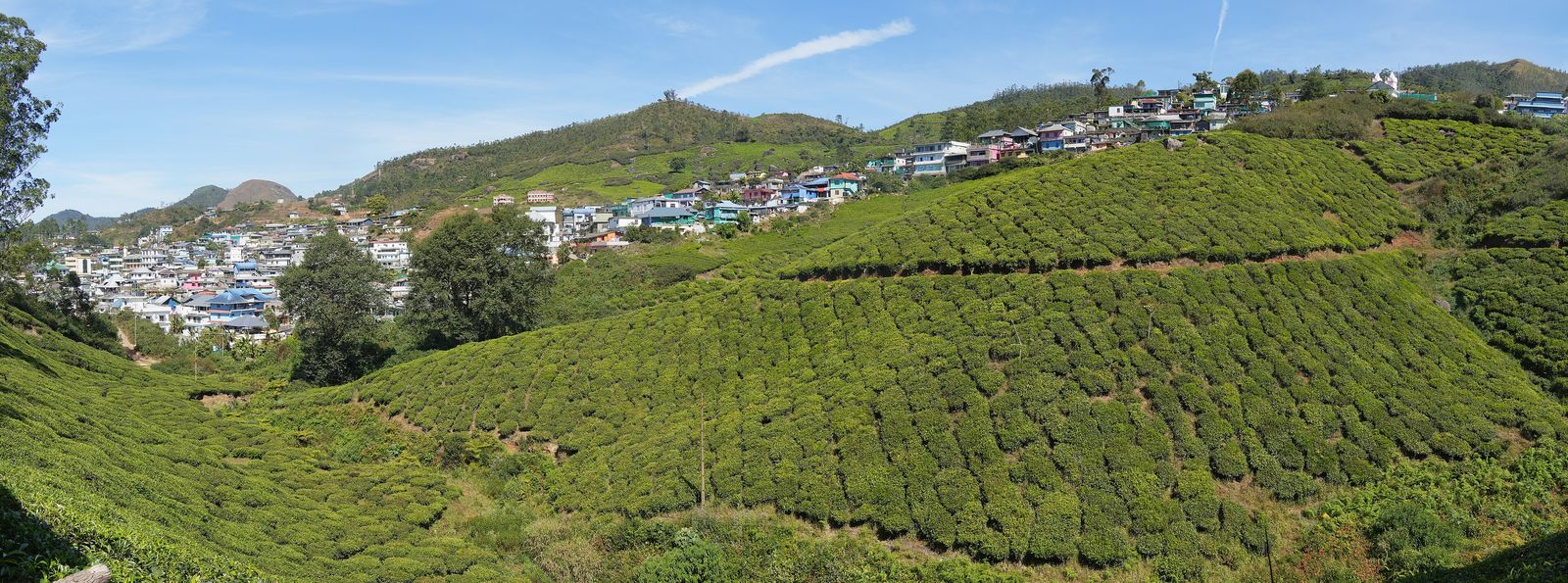
Munnar sits at roughly 1,600 meters in Idukki district, at the confluence of three mountain streams, and it's the most visited hill station in Kerala for a reason: the views. Rolling tea estates, planted by British colonists starting in the late 19th century, now cover most of the slopes that were once shola-grassland mosaic, and the remaining fragments of that original habitat survive mainly inside Eravikulam National Park, just outside town, home to the largest surviving population of the Nilgiri tahr — a mountain goat found only in the higher reaches of the southern Western Ghats. Anamudi, inside the park's core zone, is the highest peak south of the Himalayas at just over 2,600 meters. Munnar itself is unmistakably a plantation landscape rather than untouched jungle, and it's worth going in with that expectation rather than picturing dense rainforest; the appeal here is the scale and the light on the tea rows at dawn, plus the pockets of genuine highland forest at Eravikulam and around Top Station on the Tamil Nadu border.
Periyar and Thekkady
Periyar Tiger Reserve, entered through the town of Thekkady near Kumily, is the closest thing Kerala has to a classic Indian tiger-reserve experience, built around Periyar Lake, an artificial reservoir created by a 19th-century British-era dam. Boat safaris on the lake are the main way visitors see wildlife here — elephants and gaur (Indian bison) come down to the water's edge, especially in the drier months — and it's genuinely one of the few tiger reserves in India that stays open through the monsoon, which makes it a useful anchor for a trip timed around the rains elsewhere. Kumily, just outside the reserve boundary, sits in Kerala's cardamom-and-pepper growing country, and spice-garden visits are a legitimate, low-key add-on rather than a tourist-trap detour — this region has been part of the international spice trade for centuries.
Wayanad and the Nilgiri Biosphere Reserve
Wayanad, in Kerala's northeast, feels different from the moment the road climbs out of the coastal plain — cooler, wetter, and covered in a patchwork of coffee, pepper and cardamom plantations threaded between genuine forest rather than tea monoculture. It sits inside the Nilgiri Biosphere Reserve, India's first biosphere reserve, designated in 1986 and spanning roughly 5,500 square kilometers across Kerala, Tamil Nadu and Karnataka. Wayanad Wildlife Sanctuary connects directly to Karnataka's Bandipur and Nagarhole national parks and Tamil Nadu's Mudumalai Tiger Reserve, forming one of the largest contiguous protected tiger-and-elephant landscapes anywhere in India — genuine cross-border wildlife corridor rather than an isolated park. Wayanad is also where the Western Ghats' cultural layer shows up most clearly, with megalithic sites and the Edakkal petroglyphs, some of the oldest known rock art in India, cut into a natural cave on Ambukuthi hill.
Silent Valley and the southern rainforest core
Silent Valley National Park, in Palakkad district, is the region's purest old-growth argument: one of the last remaining tracts of undisturbed tropical evergreen rainforest in the southern Western Ghats, spared from a hydroelectric dam project in the 1970s and 80s after a sustained conservation campaign that became a landmark moment in Indian environmental politics. There's no permanent settlement or road cutting through the core zone, entry is tightly controlled through a single trekking route from Mukkali, and visitor numbers are capped daily — it is, deliberately, the least accessible and least crowded of the region's major protected areas. It's also the best single place in Kerala to have a real shot at the lion-tailed macaque, an endangered primate found only in the Western Ghats' rainforest canopy and virtually nowhere else on Earth.
Athirappilly and the Vazhachal forest belt
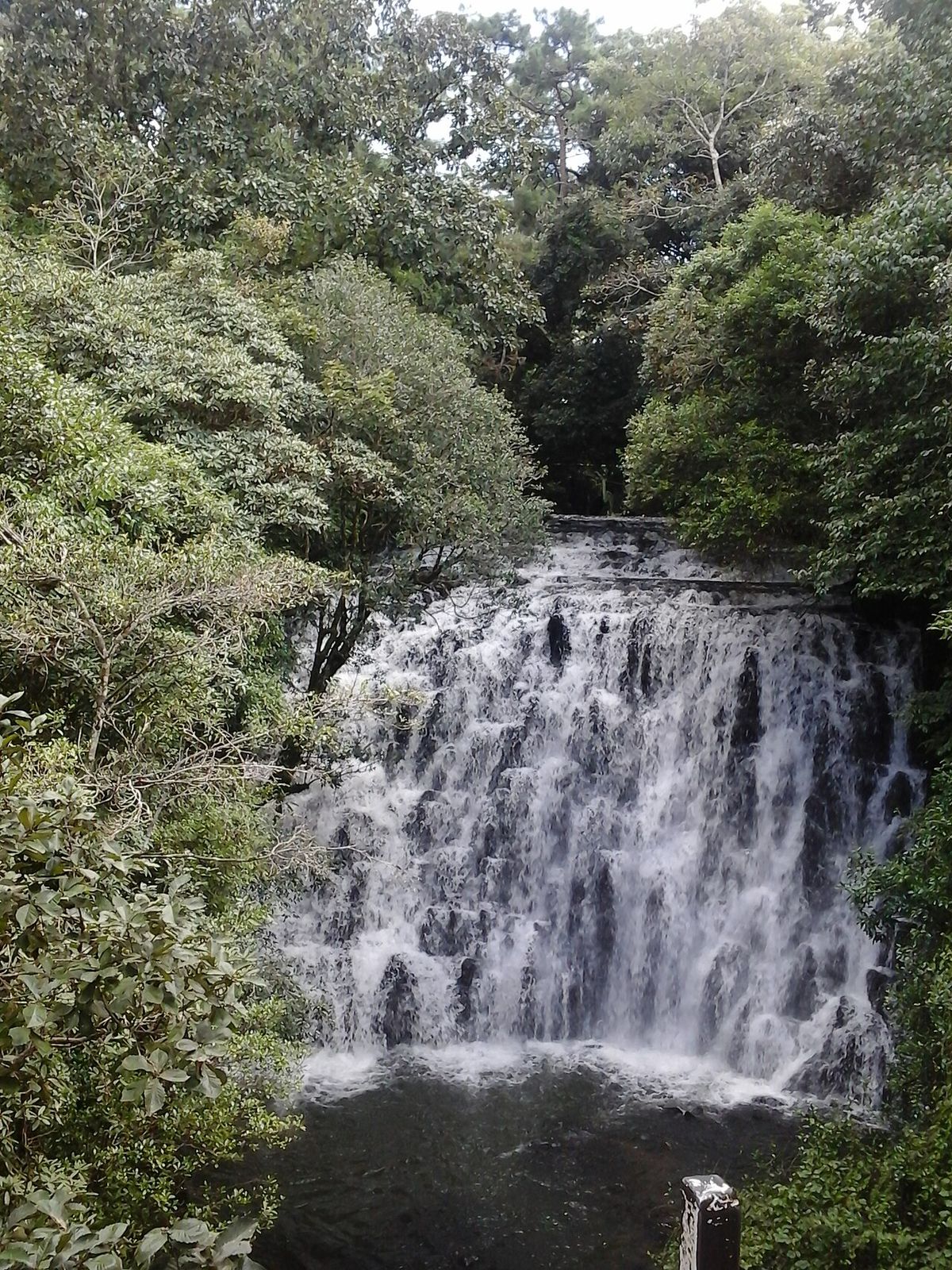
Closer to the coast, near Thrissur, the Vazhachal forest division holds Athirappilly Falls, often described as Kerala's largest waterfall, dropping through evergreen forest along the Chalakudy river. It's a shorter, easier add-on than the other four regions — doable as a half-day trip rather than a dedicated multi-night stay — but it sits inside a genuine forest corridor connecting toward the Anamalai hills, and the surrounding Vazhachal and Sholayar forest tracts hold hornbills and other wildlife worth a slower look if the falls themselves feel too much like a tour-bus stop.
When to go
Kerala's calendar runs on two monsoons, and getting the timing right matters more here than in most jungle destinations, because the wettest months genuinely close off parts of the region rather than just adding rain to the itinerary.
- June–September (southwest monsoon): the defining season, dumping the bulk of Kerala's annual rainfall on the western-facing Ghats. Trekking routes in Wayanad and Silent Valley become difficult or close outright, waterfalls run at their most dramatic, and the landscape turns a color of green that doesn't happen the rest of the year. Periyar Tiger Reserve is the one major wildlife destination that stays open and, honestly, worth targeting if this is the only window available — boat safaris continue, and the reserve is markedly quieter than in peak season.
- October–November (retreating monsoon / shoulder season): rain tapers off unevenly, trails begin reopening, and the hills are at their most lush without the heaviest downpours. A reasonable, less-crowded alternative to peak season for travelers willing to accept a chance of rain.
- December–February: the sweet spot most Kerala itineraries are built around — dry, comfortably cool at elevation in Munnar and Wayanad, and the best stretch for wildlife viewing generally, since drier ground and lower water levels concentrate animals around remaining waterholes and the Periyar reservoir. It's also peak tourist season, so book accommodation in Munnar and Thekkady well ahead.
- March–May: hot and increasingly humid in the lowlands as the pre-monsoon builds, though the hill stations stay markedly cooler than the coast and remain workable. Wildlife sightings can actually improve toward the end of this window as water sources shrink further, right before the monsoon breaks and resets the cycle.
Bird migration adds a secondary calendar worth knowing about if birding is part of the draw: winter migrants arrive from around October through March, making that window doubly useful for anyone splitting time between mammal-focused safaris and serious birdwatching in Wayanad or around Periyar's lake margins.
Good to know
Periyar's status as one of the only tiger reserves in India that stays open through the monsoon makes it a genuinely useful anchor for a rain-season trip — most of India's other major tiger reserves close for several months during the wettest stretch. If June through September is the only window you have, build the trip around Thekkady rather than assuming the whole region is a washout.
Getting there and getting around
Cochin International Airport (COK), near Kochi, is the primary gateway for a Western Ghats jungle trip in Kerala — it's the state's busiest airport, notable as the world's first fully solar-powered airport, and it sits within reasonable striking distance of all four inland regions in this guide. From COK, Munnar is roughly 110 to 130 kilometers and about four hours by road; Thekkady/Periyar is roughly 140 to 160 kilometers; and the backwater towns of Alleppey and Kumarakom are considerably closer, at around 80 and 75 kilometers respectively, making a Kochi–backwaters leg easy to bolt onto either end of a longer trip.
Wayanad is better reached from a different airport: Kozhikode (Calicut) International Airport (CCJ), roughly two to three hours from the Wayanad hill towns, is the shorter approach compared with routing back through Kochi. Travelers combining Wayanad with the Karnataka side of the Nilgiri Biosphere Reserve — Bandipur or Nagarhole — sometimes route through Bengaluru or Mysuru instead, since those parks sit closer to the Karnataka border crossing than to any Kerala airport. Silent Valley, being the most remote of the four, is most practically reached via Coimbatore in Tamil Nadu or via Palakkad by road from Kochi, with the final approach to the park's Mukkali gate requiring a dedicated drive regardless of arrival airport.
Kerala's road network is generally decent by Indian standards, but hill roads into Munnar and Wayanad are narrow, switchbacked, and slower than the map distance suggests — treat four hours from Kochi to Munnar as a realistic minimum, not a worst case. Hiring a car with driver for the inland legs is the standard, low-stress choice for most visitors rather than self-driving, and it's what most tour operators and homestays arrange by default. Kerala also has a functional rail network connecting the coastal cities, but the hill regions and reserves themselves are not rail-served, so a train only gets you as far as Kochi, Kozhikode or Coimbatore before a road transfer takes over. Within Periyar and the other reserves, movement inside the park is on foot with a guide, by park-operated boat, or in a shared jeep — private vehicles generally aren't permitted into the core zones.
Where to stay
Basing decisions should follow the itinerary's regions rather than the other way around. Munnar has the widest range of accommodation of any town on this list, from simple estate-adjacent guesthouses to plantation bungalows with views over the tea rows, and it's the easiest region to book last-minute outside of peak season. Thekkady and the town of Kumily just outside Periyar's boundary offer a similar spread, with the advantage of proximity to both the tiger reserve entrance and the spice-garden circuit. Wayanad's stays lean toward homestays and smaller plantation properties spread across a more rural district than Munnar's concentrated town center, which suits travelers wanting a quieter, less resort-driven base. Around Silent Valley, options are deliberately limited — Mukkali, the trekking gateway, has basic forest-department and small independent lodging rather than a resort scene, which is consistent with how tightly the park itself controls visitor numbers.
For an actual shortlist of vetted jungle stays across these regions, browse the JungleBnB directory. If you're weighing Kerala against another rainforest-and-hill-country destination before committing, our Sri Lanka destination guide covers a strikingly similar mix of tea country, rainforest and dry-zone wildlife on a smaller, more compressed island.
The Western Ghats don't ask you to pick one kind of green. In the same week you can stand in a tea row planted by British colonists, ride a boat past wild elephants on an artificial lake, and walk a rainforest trail so tightly controlled that only a fixed number of people are allowed in each day — three genuinely different relationships with the same mountain range.
The best things to do
- Take a boat safari on Periyar Lake: the default way to see wildlife at Periyar Tiger Reserve — elephants and gaur along the shoreline are common, tigers far less predictable, and early-morning departures generally deliver more activity than midday ones.
- Trek Eravikulam National Park for the Nilgiri tahr: a short, well-marked walk from the park entrance near Munnar reaches viewpoints where the tahr — found only in this stretch of the southern Ghats — graze in the open, often at close range.
- Walk a working tea or spice plantation: Munnar's tea estates and Kumily's cardamom-and-pepper gardens both run guided walks that explain the plantation economy honestly rather than just posing for photos among the rows — useful context for understanding how much of the "jungle" here has actually been replaced by agriculture.
- Get the daily trekking permit to Silent Valley: arranged through the Mukkali forest station, and worth the paperwork — this is the closest thing in Kerala to walking through rainforest that was never logged.
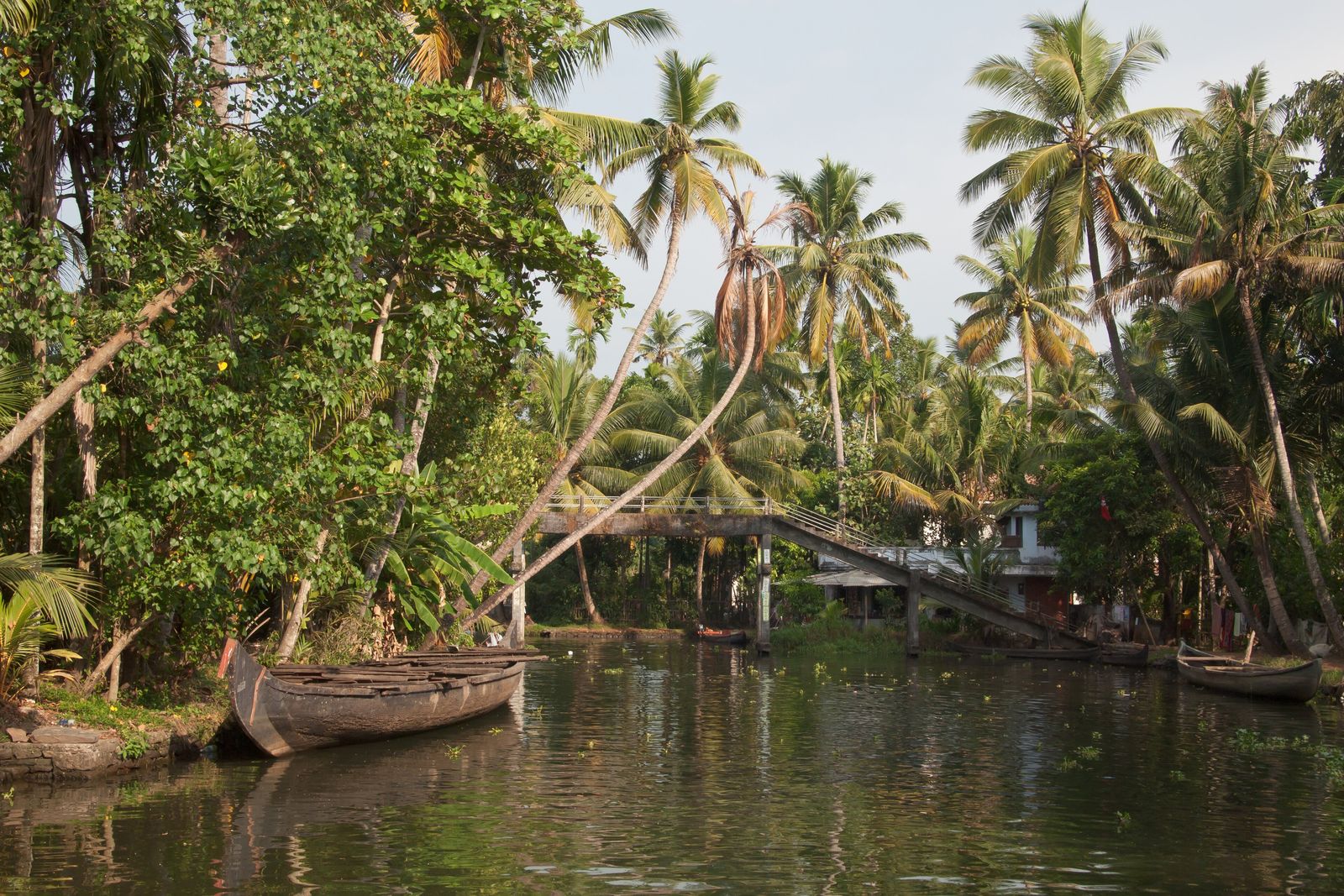
- Spend a slow day or two on the backwaters: a houseboat out of Alleppey or Kumarakom is a legitimately different ecosystem from the inland hills — mangrove-lined canals, paddy fields below sea level, and village life along the water — and pairs naturally with a Kochi arrival or departure.
- Bird Wayanad's forest edges and plantation margins: the mix of coffee shade-trees, sanctuary forest and wetland here draws both resident Western Ghats endemics and winter migrants, and it's a genuinely rewarding region for anyone who takes birding seriously.
- See Athirappilly Falls, then keep going into Vazhachal forest: the falls themselves get crowded, especially post-monsoon when the flow is highest, but the surrounding forest division is worth a slower look if hornbills or a quieter walk are the goal.
- Visit the Edakkal Caves petroglyphs in Wayanad: a short, moderately steep climb to a natural cleft in the rock holding some of the oldest known rock art in India, with views back over the Wayanad plateau from the top.
The wildlife you'll actually see
What shows up depends heavily on which of the four regions you're in, and it's worth calibrating expectations region by region rather than hoping for one universal "safari."
Periyar's boat safaris are built around elephants and gaur, both regularly seen along the lake's shoreline, especially in the drier months when animals concentrate near reliable water. Tigers are present — Periyar is a designated tiger reserve, part of Project Tiger — but they're shy and rarely seen from the lake itself; treat a tiger sighting here as a genuine bonus rather than the expected outcome, and go in valuing the elephants, gaur, and birdlife around the water's edge instead. Sambar deer and, with real luck, a sloth bear round out the reserve's larger mammals.
The Nilgiri Biosphere Reserve complex that Wayanad connects into — spanning Wayanad Wildlife Sanctuary and the adjoining Bandipur, Nagarhole and Mudumalai reserves across the Karnataka and Tamil Nadu borders — holds one of the largest contiguous tiger-and-elephant landscapes in India, and it's a legitimate wildlife-corridor destination if the itinerary stretches across state lines rather than staying inside Kerala alone. Within Wayanad itself, wild elephants are the most reliably encountered large mammal, sometimes visible from the road as well as inside the sanctuary.
Munnar's headline species is the Nilgiri tahr, a stocky mountain goat endemic to the higher-elevation grasslands of the southern Western Ghats and easily seen at Eravikulam National Park, where a habituated population grazes close to the visitor trail. The Nilgiri langur and Malabar giant squirrel — a strikingly large, multicolored squirrel found across the Western Ghats' forest belt — turn up in the estate-adjacent forest fragments as well.
Silent Valley's draw is smaller and quieter but arguably rarer: the lion-tailed macaque, an endangered primate with a distinctive silver-grey mane, found only in fragmented pockets of Western Ghats rainforest and considered one of the more difficult primates in the world to see reliably. The park's undisturbed canopy also holds a strong population of the Great hornbill and Malabar pied hornbill, along with king cobras in the deeper forest — present, rarely encountered, and not something to go looking for without a guide.
Across all four regions, the Western Ghats' broader claim to fame is amphibian and reptile endemism rather than headline mammals alone — this is one of the richest regions on Earth for frog and reptile species found nowhere else, a detail that matters more to specialist naturalists than casual visitors but is part of why the range carries UNESCO recognition in the first place.
Costs and budgeting
Kerala sits toward the affordable end of Indian travel overall, though the organized, tourism-savvy infrastructure in Munnar and Thekkady pushes costs somewhat higher than in less-visited parts of the country. A budget traveler can expect to get by on a modest daily figure covering simple guesthouse rooms, local meals and shared transport; a mid-range budget that adds a private driver, better plantation-view accommodation and restaurant meals runs meaningfully higher, and it's worth budgeting park fees and safari costs as a separate line item rather than folding them into a daily average, since boat safaris at Periyar and guided treks at Silent Valley carry their own entrance, guide and equipment fees on top of general costs.
The currency is the Indian rupee (INR); cards are widely accepted at hotels and larger restaurants in Munnar and Thekkady, but cash remains the norm at homestays, spice-garden shops, local transport and rural Wayanad, so carrying enough rupees before heading into the hills is a sensible habit. Most foreign visitors need a visa, and India's e-Visa system covers tourism for a large number of nationalities — apply online well ahead of the trip rather than assuming it can be sorted on arrival, and confirm current requirements for your specific nationality before booking flights, since visa policy and eligible-country lists do shift.
Health, safety and practical tips
Kerala is generally a comfortable, well-organized place to travel, with road conditions and heat rather than crime the more realistic day-to-day concerns.
Malaria and dengue: both are present in parts of India, including some low-lying areas of Kerala, though risk is generally lower in the cooler hill regions like Munnar and Wayanad than in the coastal lowlands. A DEET-based repellent, covering up at dawn and dusk, and a pre-trip check with a travel clinic on current antimalarial recommendations for your specific itinerary are all worth doing rather than skipping.
Leeches: a near-certainty on forest treks during and just after the monsoon, particularly around Silent Valley and Wayanad's wetter trails. They're unpleasant rather than dangerous — leech socks, available locally, make the whole thing a minor annoyance instead of a real problem.
Water: stick to bottled or properly filtered water outside established hotels, especially in rural areas around Wayanad and the reserve gateway towns.
Alcohol rules: Kerala's alcohol policy has shifted over the years and varies by establishment — some licensed bars and most higher-end hotels serve alcohol, but availability is more restricted than in many other parts of India, and it's worth checking a specific property's policy rather than assuming.
Roads: hill roads into Munnar, Wayanad and toward Silent Valley are narrow, switchbacked and slower than they look on a map — a private driver, rather than self-driving, is the easier and more common choice for visitors unfamiliar with Indian hill-road conditions and left-hand-side driving norms.
Permits: Silent Valley requires a trekking permit arranged in advance through the Mukkali forest station, with daily visitor numbers capped — this is not a park you can simply show up to and expect to enter same-day, particularly in peak season.
Vaccinations: nothing is required for entry from most countries, but hepatitis A and typhoid are commonly recommended for India generally, and it's worth a travel-clinic visit a few weeks ahead of departure to confirm what applies to your specific route and season.
Insurance: genuine travel insurance with evacuation coverage is worth having anywhere in this region, and particularly so for Silent Valley and the more remote stretches of Wayanad, where medical logistics are slower than in Kochi or Munnar town.
Language: Malayalam is Kerala's primary language, and English is widely spoken in tourism infrastructure across all four regions in this guide — hotels, guides and drivers in Munnar, Thekkady and Wayanad generally communicate comfortably in English, less so in smaller villages off the main circuit.
A suggested route
Seven to ten days is enough to cover a genuine cross-section of Kerala's Western Ghats without feeling rushed; a shorter trip should drop a region rather than compress all four into fewer days.
- Days 1–2: land at Cochin International Airport (COK) and either spend a day in Kochi's old fort district before heading inland, or continue straight toward Munnar if time is tighter.
- Days 3–4: base in Munnar for tea-estate walks, a morning at Eravikulam National Park for the Nilgiri tahr, and, if time allows, the climb to Top Station on the Tamil Nadu border for the view back down into the valley.
- Days 5–6: drive to Thekkady (roughly three hours from Munnar) for a Periyar Lake boat safari and a spice-garden walk around Kumily.
- Days 7–8: head to the backwaters — Alleppey or Kumarakom — for a slower-paced houseboat stretch, a genuine change of pace and ecosystem after the hills.
- Days 9–10 (optional extension): fly into Kozhikode instead of, or in addition to, Kochi and add Wayanad for the Nilgiri Biosphere Reserve's wildlife corridor and the Edakkal Caves, or route toward Silent Valley via Palakkad for the region's most rewarding old-growth rainforest trek, permit permitting.
This route trades a little backtracking for a genuine sample of hill tea country, tiger-reserve wildlife and backwater lowland in one trip. A tighter version keeps Munnar and Thekkady together and saves Wayanad and Silent Valley for a return visit — both regions reward more time than a rushed add-on allows. If the Western Ghats are one leg of a longer Asia itinerary, they pair naturally with other tea-and-rainforest destinations in the region; our guides to Sri Lanka and Thailand cover two of the more commonly combined add-ons.
Common questions
Are the Western Ghats really older than the Himalayas?
Yes. The Western Ghats formed roughly 150 million years ago as the Indian landmass rifted from Gondwana, while the Himalayas began rising around 40 to 50 million years ago when the Indian plate collided with Asia — a difference of over 100 million years.
What's the difference between Munnar and Periyar?
Munnar is tea-and-cardamom hill country — a plantation landscape with fragments of original highland forest preserved mainly at Eravikulam National Park. Periyar, entered through Thekkady, is a tiger reserve built around an artificial lake, with boat safaris as the main way to see elephants, gaur and, rarely, tigers. They're a few hours' drive apart and most itineraries combine both.
When is the best time to visit Kerala's Western Ghats?
December through February is generally the best window — dry, cool at elevation, and the strongest stretch for wildlife viewing. The June-to-September monsoon soaks the region and closes some trekking routes, but Periyar Tiger Reserve stays open through the rains and is a reasonable anchor if that's the only window available.
Do I need a permit to visit Silent Valley National Park?
Yes — a trekking permit, arranged in advance through the Mukkali forest station, with daily visitor numbers capped. It isn't a park you can walk into without prior arrangement, particularly during peak season.
Will I see a tiger at Periyar?
Possibly, but don't plan the trip around it. Tigers are present in the reserve but shy and rarely seen from the lake boat safaris that most visitors take. Elephants and gaur are the more reliable sightings; a tiger is a genuine bonus.
How many days do I need for a proper Kerala jungle trip?
A week covers Munnar, Periyar and the backwaters comfortably. Ten days allows either Wayanad or Silent Valley to be added without rushing the rest of the itinerary — both regions reward slower, dedicated time rather than a same-day detour.
Where to go from here
Kerala's stretch of the Western Ghats rewards picking a handful of its genuinely different landscapes — tea hills, a tiger reserve, old-growth rainforest, backwater plains — and giving each real time rather than treating the whole state as one green blur. Browse the JungleBnB directory for a shortlist of vetted jungle stays worldwide, or start with our Sri Lanka destination guide if you're weighing a similar tea-and-rainforest combination on a smaller island. For further reading on jungle travel elsewhere in Asia, see our guides to Sri Lanka's rainforest and hill country, Thailand's jungle, and Bali's jungle, or our roundup of the best jungle Airbnbs in the world if you're still comparing regions before committing to one.
- Wikipedia — Western Ghats — geological formation, age relative to the Himalayas, and UNESCO World Heritage designation.
- Wikipedia — Nilgiri Biosphere Reserve — protected areas included, 1986 designation, and area spanning Kerala, Tamil Nadu and Karnataka.
- Periyar National Park Online — Periyar Tiger Reserve boat safaris, Thekkady/Kumily gateway, and monsoon-season access.
- Kerala Tourism — Wayanad Wildlife Sanctuary — Wayanad's role within the Nilgiri Biosphere Reserve.
- StayVista — Kochi to Munnar Distance Guide — road distance and travel time from Cochin International Airport to Munnar.
- Munnar Info — Cochin Airport to Munnar Distance — airport-to-hill-station distances used for the getting-around section.
- Anantam IAS — Nilgiri Biosphere Reserve — tiger and elephant population figures and the Nagarhole–Bandipur–Mudumalai–Wayanad corridor.
- Wikipedia — Silent Valley National Park — old-growth rainforest status, the 1970s–80s conservation campaign, and lion-tailed macaque habitat.
More from the Journal.
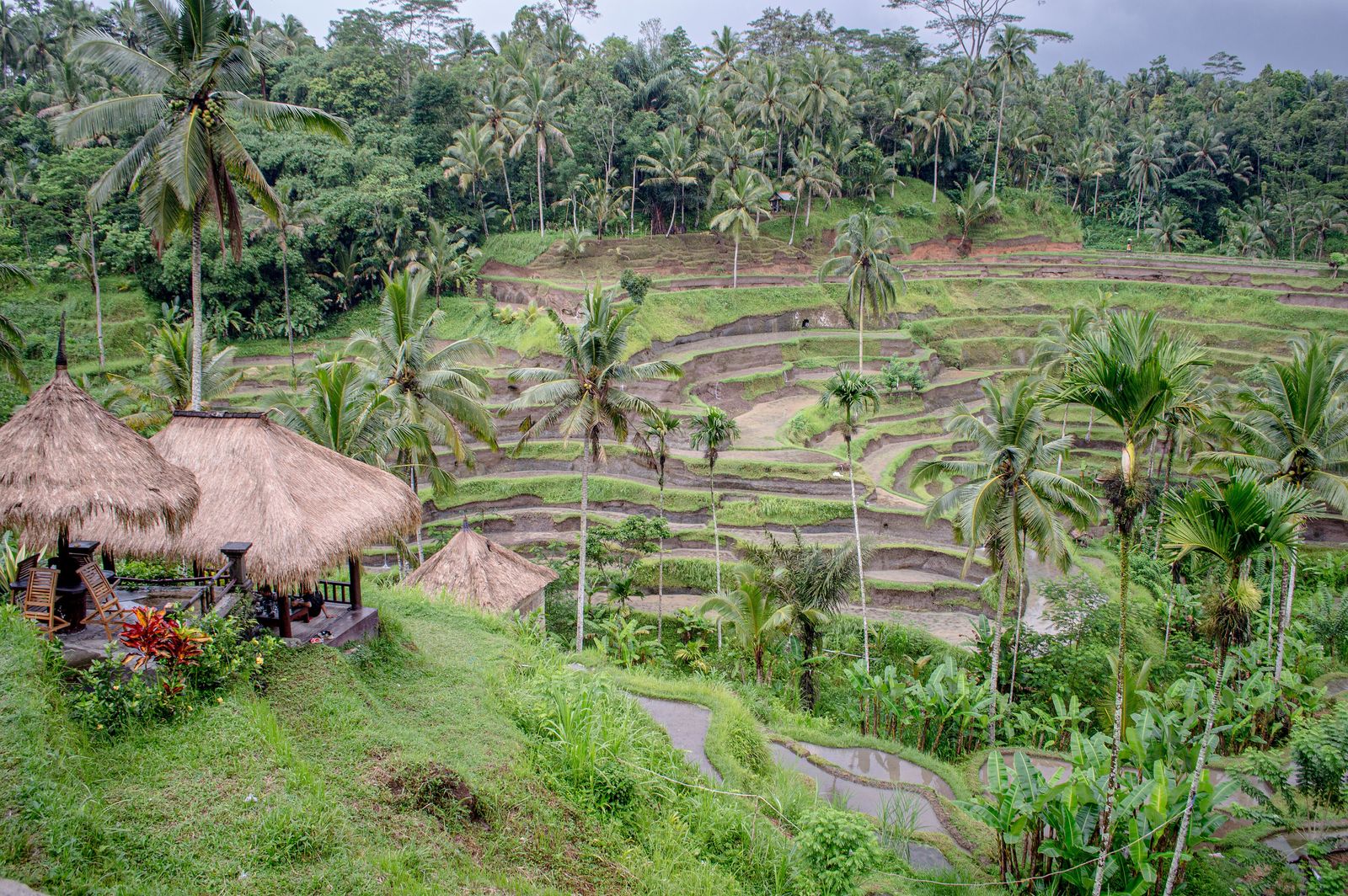 Photo: Philip Nalangan, CC BY 4.0
Bali Jungle Travel Guide
Everything you need to plan the interior of Bali — Ubud, Sidemen and the northern highlands — where to stay in the jungle, when to go and what it actually costs.
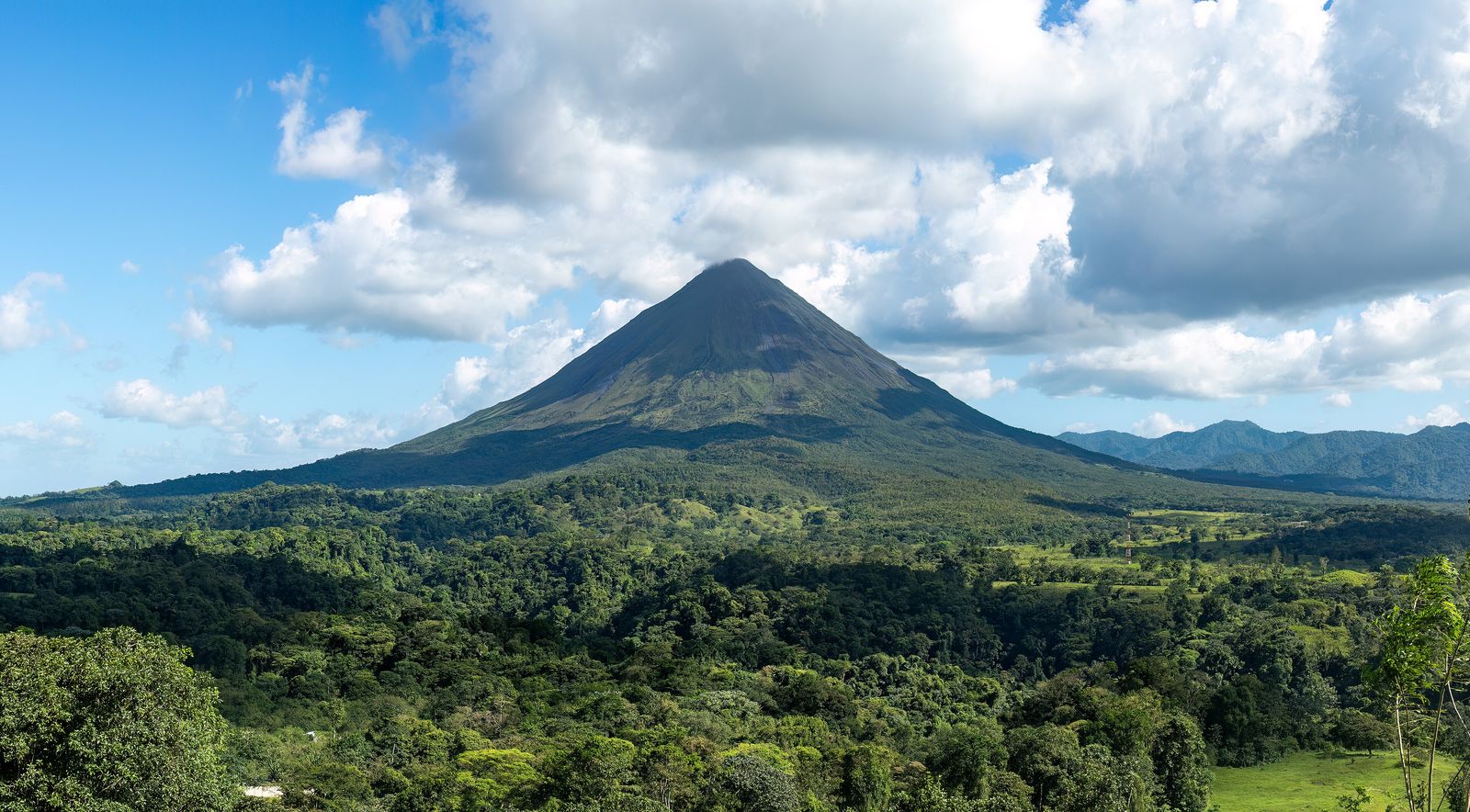 Photo: Rhododendrites, CC BY-SA 4.0
Costa Rica Rainforest Travel Guide
The definitive guide to Costa Rica's rainforests — cloud forest, Pacific lowlands and the wild Osa Peninsula — with where to stay and when to go.
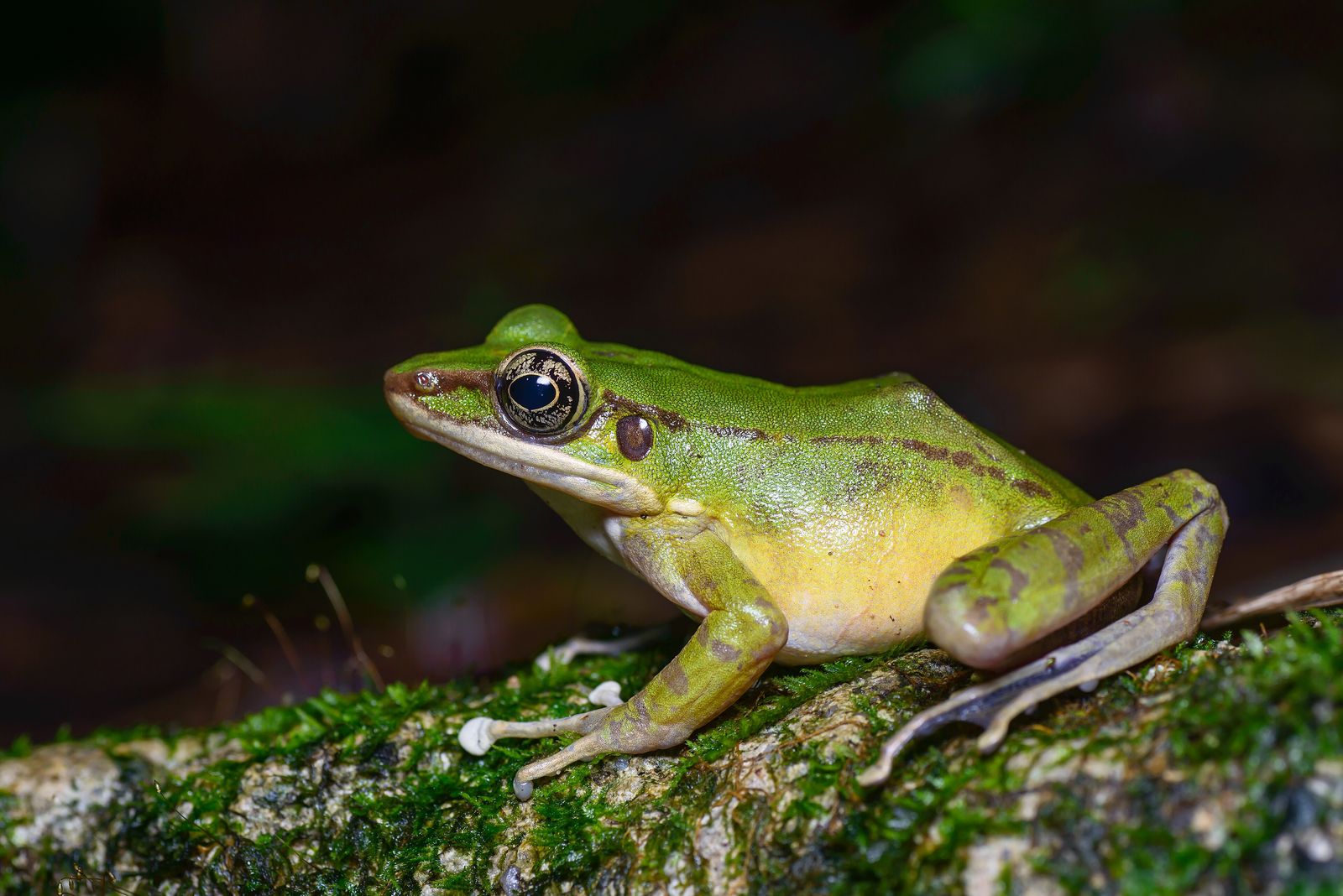 Photo: Rushenb, CC BY-SA 4.0
Thailand Jungle Travel Guide
Beyond the beaches: Khao Sok's ancient rainforest, the northern hills around Chiang Mai and the karst jungle of the south.
 Photo: Derek Ramsey (Ram-Man), CC BY-SA 4.0
Find your own piece of the canopy.
Treehouses, bamboo houses and rainforest villas across 17 destinations — found, vetted and written up honestly.
Browse all destinations