
Indonesia Beyond Bali: Jungle Guide
Bali is one island out of more than seventeen thousand, and it isn't even the jungle-rich one. Head west to Sumatra and you're in the last place on Earth where orangutans, tigers, rhinos and elephants still share the same forest. Head across the equator to Borneo and the trail is a river, followed by boat, into peat swamp forest where a research station has spent half a century easing rehabilitated orangutans back into the wild. Keep going east, past Sulawesi's tarsiers, and the islands thin out into the Coral Triangle, where birds of paradise still do their courtship dances in rainforest canopy that most of the world has never heard of. This is a guide to that Indonesia — the one beyond the beach clubs and rice terraces — with real logistics for getting there, where to stay, and what you're actually going to see.
Indonesia's jungle, honestly
Most travelers who've done Bali assume they've done Indonesia's jungle. They haven't. Bali's interior is beautiful, but it's mostly a cultivated landscape — rice terraces and coffee smallholdings — with one real pocket of rainforest tucked into its far west. The rest of the country is a different scale of thing entirely. Indonesia is the world's largest archipelago and holds the third-largest stretch of tropical rainforest left on the planet, after the Amazon and the Congo Basin, spread across five main islands and thousands of smaller ones straddling the equator between the Indian and Pacific Oceans.
That geography matters more here than almost anywhere else in this guide series, because Indonesia isn't one ecosystem — it's several, split by a line biologists actually draw on the map. The Wallace Line runs through the strait between Bali and Lombok and again between Borneo and Sulawesi, marking where Asian megafauna gives way to a stranger, more marsupial-leaning fauna influenced by nearby Australia and New Guinea. West of that line, in Sumatra and Borneo, you're in genuinely Asian rainforest: orangutans, tigers, elephants, hornbills. East of it, in Sulawesi and beyond, the forest starts producing animals that look like nowhere else on Earth — tarsiers the size of a fist, black macaques with punk-rock crests, and eventually, out toward Papua, birds of paradise.
The honest framing, then: come to Indonesia beyond Bali for the real thing — contiguous, ancient rainforest with wildlife most travelers only see in documentaries — but understand that "Indonesia's jungle" isn't a single trip. It's at least three very different ones, on three or four different islands, connected by domestic flights and, in the wild east, by boat. Pick one region and do it properly rather than trying to stitch together too many islands on a single visit.
The regions, and how they differ
Four regions do the heavy lifting for anyone chasing real jungle beyond Bali, and they're different enough in wildlife, access and character that the choice matters more than the choice of any single hotel.
Sumatra — Gunung Leuser and the orangutan forest
Gunung Leuser National Park straddles the border of Aceh and North Sumatra provinces and is the anchor of the UNESCO-listed Tropical Rainforest Heritage of Sumatra. It's the single most biodiverse patch of forest in this guide and, more famously, the last place on the planet where orangutans, Sumatran tigers, Sumatran rhinos and Sumatran elephants are all still confirmed to live wild in the same ecosystem — a claim conservationists routinely back up and one worth taking at face value rather than as marketing. The park runs to more than 10,000 plant species, close to 600 bird species and around 200 mammal species across its lowland and montane forest. The gateway is Bukit Lawang, a small village on the Bohorok River about three to four hours by road from Medan, where jungle trekking with certified local guides is the whole point of showing up.
Kalimantan — Borneo's river interior
Indonesian Borneo is called Kalimantan, and the part most travelers come for is Tanjung Puting National Park, on the southern coast of Central Kalimantan. This is a different kind of jungle experience from Sumatra — flatter, wetter, built around peat swamp and heath forest laced with blackwater rivers rather than trekking trails. The park began as a game reserve in 1935 and became a national park in 1982, and it's internationally known as the home of Camp Leakey, the research station Dr. Birute Galdikas founded as the world's first orangutan rehabilitation and reintroduction center. Visitors here don't hike so much as float: a multi-day trip aboard a klotok, a traditional wooden riverboat, up the Sekonyer River is the standard and by far the best way to see the park.
Sulawesi — the tarsier forests of the north
Sulawesi sits on the far side of the Wallace Line, and it shows the moment you arrive. This is where Asian rainforest wildlife gives way to something odder and more endemic: the world's smallest primates, crested black macaques found nowhere else, and hornbills and kingfishers in colors that don't show up further west. The main draw for jungle travelers is Tangkoko Nature Reserve on the northern tip of the island, a compact reserve of lowland and coastal rainforest reachable from the city of Manado. It's a smaller, more manageable trip than Sumatra or Kalimantan — a good add-on rather than a standalone destination — but genuinely rewarding for anyone who wants Indonesia's strangest wildlife rather than its most famous.
The wild islands east — Raja Ampat and Halmahera
Keep going east past Sulawesi and the country stops being about primates and starts being about birds and reefs. Raja Ampat, an archipelago of more than 1,500 islands off the western tip of Papua, sits at the heart of the Coral Triangle and holds the highest recorded marine biodiversity on the planet — the diving and snorkeling here are a different article entirely — but its forested islands also hold two birds found nowhere else on Earth: the Red Bird-of-Paradise and Wilson's Bird-of-Paradise, the latter confined to just two islands, Waigeo and Batanta. Further north, Halmahera in the Maluku Islands has its own endemic, the Wallace's standardwing, named for the naturalist Alfred Russel Wallace, who described much of this region's wildlife from these very forests in the 1850s and 60s. This is the most logistically demanding region in the guide and the most rewarding for anyone willing to put in the travel time.
When to go
Indonesia straddles the equator, and that has a real, practical consequence for trip planning most first-timers miss: the dry and wet seasons don't line up the same way across the whole country. Western and central Indonesia — Sumatra, Kalimantan, Sulawesi, and Bali — broadly follow the same rhythm as the rest of maritime Southeast Asia, with a dry season roughly May through September and a wetter stretch from October through April, heaviest around December and January. Far eastern Indonesia — Raja Ampat and the Maluku islands, including Halmahera — runs closer to the opposite pattern, with calmer seas and better visibility, both underwater and for canopy birding, roughly October through April, and rougher, wetter conditions in the middle of the year.
What that means in practice, region by region:
- Sumatra (Bukit Lawang / Gunung Leuser): May to September is the accepted dry-season window, with June through August the busiest and driest. Trekking is still possible year-round — orangutans are seen on treks in every season — but trails get slick and river crossings riskier in the wet months, and heavy rain can occasionally cancel a trek altogether.
- Kalimantan (Tanjung Puting): the dry season, roughly June through September, keeps river levels more predictable and reduces the chance of a klotok cruise being disrupted by flooding, though the swamp forest stays humid and green year-round regardless.
- Sulawesi (Tangkoko): sits close enough to the equator that seasonality is milder than further south; the driest stretch generally runs June through September, but tarsiers and macaques are active on a daily rhythm rather than a seasonal one, so timing matters less here than anywhere else in this guide.
- Raja Ampat and Halmahera: October through April is the better window, with December through March generally the calmest seas for island-hopping and boat travel. The middle of the year brings stronger winds and swell that can complicate small-boat transfers between islands.
If you're trying to combine two regions on one trip — Sumatra and Kalimantan, say — the good news is their seasons broadly agree, since both sit on the western side of the Wallace Line. Combining western Indonesia with Raja Ampat on the same calendar trip is harder, since their best windows don't fully overlap; if that's the plan, aim for the shoulder months of April or October, when both regions are at least workable even if neither is at its peak.
Good to know
Orangutan sightings in both Sumatra and Kalimantan aren't seasonal in the way, say, wildebeest migrations are — these are resident, semi-solitary apes, not migratory animals, so a good guide and a full day on the trail matter more than the calendar month. Multi-day treks around Bukit Lawang and Ketambe report sighting rates in the 85–95% range for travelers who commit to at least a full day in the forest.
Getting there and getting around
There's no single gateway to "Indonesia's jungle" the way Ngurah Rai serves Bali — each region has its own airport, and getting between regions usually means routing back through Jakarta or another domestic hub. Plan your itinerary around one or two regions rather than trying to hit all four on a single trip; the flight logistics alone will eat days you'd rather spend in the forest.
Sumatra
Fly into Kualanamu International Airport (KNO) in Medan, North Sumatra's main hub, reachable directly from several regional Asian cities as well as Jakarta. From Medan, Bukit Lawang is a three-to-four-hour road transfer, usually arranged as a private car or shared shuttle; there's no need to rent a vehicle yourself, since the village and its treks are compact and walkable once you arrive.
Kalimantan
Tanjung Puting is reached via Pangkalan Bun, a small city served by Iskandar Airport, with domestic connections from Jakarta. From the airport, it's a short transfer to the town of Kumai, where klotok boats depart directly from the dock — the boat itself becomes both your transport and your accommodation for the multi-day river trip into the park.
Sulawesi
Manado's Sam Ratulangi International Airport (MDC) has domestic connections from Jakarta and other Indonesian hubs, plus some direct regional international routes. Tangkoko is roughly two to three hours by road from the airport, through smaller towns and coastal villages before the reserve itself.
Raja Ampat and Halmahera
This is the long way round. Fly into Jakarta or Manado and connect to Sorong, on the western tip of Papua, via Domine Eduard Osok Airport (DEO) — expect at least one, often two, connecting flights from most starting points. From Sorong, Raja Ampat's main hub, Waisai, is reached by public ferry or a faster speedboat transfer across the strait; onward island-hopping within the archipelago is almost entirely by boat, whether a liveaboard, a chartered speedboat, or local ferries between the larger islands. Halmahera is a further flight or boat connection beyond Sorong via the Maluku hub of Ternate, and realistically only worth adding if you have ten days or more to give the region.
Where to stay
Accommodation in Indonesia's jungle regions runs a much wider range than Bali's, from simple guesthouses to the boat itself serving as your lodging. In Bukit Lawang, jungle-view guesthouses and small eco-lodges line the river on the edge of the village, most within easy walking distance of the trekking trailheads — this is the most developed and comfortable base of the four regions. In Kalimantan, the klotok boat is the accommodation for most of a Tanjung Puting trip, with an open-air sleeping deck strung with mosquito netting; a small number of lodges near the park entrance offer a land-based alternative for travelers who'd rather not sleep on the water. Around Tangkoko in Sulawesi, options are simpler still — a handful of guesthouses in the village of Batuputih at the reserve's edge, built for early starts rather than luxury. In Raja Ampat, homestays on stilts over the water are the classic option on islands like Kri and Arborek, alongside a smaller number of dive resorts; Waisai itself has more conventional guesthouse options for a one-night stopover.
For a shortlist of vetted jungle and jungle-adjacent stays across these regions, see the JungleBnB destination directory — a good starting point before you commit to flights, since availability in Bukit Lawang and Raja Ampat in particular tightens up fast in each region's peak window.
Bali's interior is a landscape people have farmed for a thousand years. The forests beyond it are the opposite — some of the last places on the planet where the wild original is still standing.
The best things to do
- Trek Gunung Leuser from Bukit Lawang: a one- or two-day guided trek is the standard way in, with certified local guides required by park rules — solo trekking isn't permitted. A two-day-one-night trek with a jungle camp overnight gives the best odds of a real orangutan encounter, alongside gibbons, Thomas's leaf monkeys and, for the very lucky, a glimpse of the park's famously shy Sumatran tiger population, which almost no visitor actually sees but which is part of why this forest matters.
- Ride a klotok up the Sekonyer River: the core Tanjung Puting experience. Multi-day cruises stop at feeding platforms where rehabilitated and semi-wild orangutans come in for fruit set out by park rangers, typically once or twice a day, and pass through forest where proboscis monkeys — Borneo's odd, big-nosed native primate — gather in the trees along the riverbank toward evening.
- Visit Camp Leakey: the research station at the heart of Tanjung Puting, still an active study site for wild and rehabilitated orangutans, with a boardwalk trail leading in from the riverbank and a small interpretive center on Birute Galdikas's decades of work here.
- Go night walking for tarsiers in Tangkoko: spectral tarsiers, some of the smallest primates on Earth, emerge from tree hollows at dusk, and a guided evening walk timed to that emergence is the highlight of a Sulawesi jungle stop. Daytime walks turn up crested black macaques, hornbills and the reserve's famously vivid kingfishers.
- Watch a bird of paradise display in Raja Ampat or Halmahera: pre-dawn hide visits to known display trees — arranged through local guides, since these birds have specific, well-scouted lek sites — are the way to see the Red or Wilson's Bird-of-Paradise perform their courtship display, one of the more genuinely remarkable wildlife sights in this entire guide.
- Island-hop by boat in Raja Ampat: beyond the wildlife, the archipelago's limestone karst islands and lagoons are worth a day of slow travel by boat between homestays, even if diving isn't the priority.
- Spend an evening on the water in Bukit Lawang: tubing the Bohorok River back into the village after a trek is the low-key, locally-run way to end a day here, and it's the kind of thing that costs almost nothing and delivers completely.
The wildlife you'll actually see
This is the section that separates Indonesia beyond Bali from almost every other destination in this guide series, so it's worth being specific rather than general.
In Sumatra, Gunung Leuser is genuinely the last forest on Earth holding wild orangutans, tigers, elephants and rhinos together. Orangutans are what most trekkers actually see, and sightings on a full-day or multi-day trek run high — commonly cited in the 85–95% range for guided multi-day treks around Bukit Lawang and Ketambe. Alongside them expect Thomas's leaf monkeys (a strikingly marked, mohawk-crested langur found only in this part of Sumatra), white-handed gibbons calling through the canopy at dawn, and hornbills overhead. Sumatran tigers, rhinos and elephants are all present in the wider park but are elusive enough that seeing one is closer to luck than expectation — treat their presence as part of what makes the forest matter, not as a checklist item.
In Kalimantan, Tanjung Puting is built around its orangutan population, both wild and the rehabilitated individuals that pass through or remain near Camp Leakey, and the feeding-platform stops on a klotok cruise are the most reliable close-up sightings in this entire guide. Beyond orangutans, expect proboscis monkeys in numbers along the riverbanks, long-tailed and pig-tailed macaques, gibbons calling from the forest interior, and — for the patient and lucky — a clouded leopard, sambar deer, or one of the park's many hornbill species. Riverine birdlife is excellent throughout.
In Sulawesi, the wildlife shifts entirely. Tangkoko is the most reliable place in the world to see the spectral tarsier, along with crested black macaques (critically endangered and found only in this corner of the island), Sulawesi hornbills, and the knobbed hornbill's distinctive whooshing wingbeat overhead. This is Wallace's transition zone in action — familiar Asian mammal groups thinning out, replaced by species that evolved in relative isolation.
In Raja Ampat and Halmahera, the headline wildlife is avian rather than mammalian: the Red Bird-of-Paradise and Wilson's Bird-of-Paradise in Raja Ampat's forests, the Wallace's standardwing in Halmahera, plus a long list of parrots, kingfishers, the Western Crowned Pigeon and Palm Cockatoo moving through the canopy. Offshore, though most travelers come here for the reef rather than the rainforest, hawksbill turtles and monitor lizards are common along the shoreline where forest meets water.
Costs and budgeting
Indonesia remains inexpensive by global standards, though costs vary meaningfully by region — Sumatra and Sulawesi are the most budget-friendly of the four, Raja Ampat the most expensive given its remoteness and the logistics of boat-based travel. A few costs apply nationwide regardless of region: most nationalities need a paid Visa on Arrival or e-VOA, currently around $35 (roughly IDR 500,000), extendable once for another 30 days at the same cost. Domestic flights connecting the islands typically run somewhere in the $40–150 range depending on route and how far ahead you book, and are usually the single biggest line item on a multi-region itinerary.
Within each region, a guided multi-day jungle trek in Bukit Lawang — including a local guide, porters, food and camping gear — generally runs in the low hundreds of dollars per person for two days, with per-day costs coming down for longer treks. A multi-day klotok cruise in Tanjung Puting, inclusive of boat, crew, guide, meals and park fees, typically runs somewhere in the low-to-mid hundreds of dollars per person for a standard three-day, two-night trip, with the exact figure depending on group size and boat standard. Tangkoko is comparatively cheap — guesthouse stays, guided night walks and reserve entry fees are all modest, generally in the tens rather than hundreds of dollars per activity. Raja Ampat is the outlier: the park itself charges a conservation entry fee that funds local marine and forest protection, homestay accommodation is inexpensive by international standards but boat charters for island-hopping and wildlife viewing add up quickly, and the region overall should be budgeted as the most expensive stop on any Indonesia jungle itinerary.
The general pattern: Sumatra and Sulawesi are affordable enough to be genuinely backpacker-friendly, Kalimantan sits in the middle once you account for the multi-day boat charter, and Raja Ampat requires the biggest budget of the four but delivers wildlife and scenery found nowhere else on the list.
Health, safety and practical tips
Malaria and other mosquito-borne illness: parts of Sumatra, Kalimantan, and especially Papua and the eastern islands carry a real malaria risk, unlike Bali, which is essentially malaria-free. Talk to a travel clinic well before departure about antimalarial medication for these specific regions, and pack proper repellent and long sleeves for dawn and dusk, when mosquitoes are most active — the same hours you'll likely be out for wildlife viewing.
Water and food: as everywhere in Indonesia, tap water isn't safe to drink; stick to bottled or filtered water throughout, including on klotok boats, where drinking water is typically supplied separately from river water used for washing.
Travel insurance and remoteness: get real travel insurance that covers medical evacuation before this kind of trip, and take the remoteness seriously — Bukit Lawang, Tanjung Puting and especially Raja Ampat are all genuinely far from major hospitals, and a medical evacuation from the eastern islands in particular can mean a long boat transfer before any flight is even possible. This isn't a reason to skip the trip, just a reason to plan for it.
Guides are not optional: trekking in Gunung Leuser without a certified local guide isn't permitted, and for good reason — orangutans, while generally shy, can behave unpredictably around humans, and a good guide knows how to keep distance, read the forest, and get you home before dark. The same logic applies on klotok cruises and Tangkoko night walks: local guides know the trails, the animals' patterns, and the water conditions far better than any app or guidebook will.
Flight buffers: domestic Indonesian flights, especially to smaller regional airports like Pangkalan Bun or Sorong, are more prone to schedule changes and cancellations than routes through major hubs. Build at least a one-day buffer around any regional flight connection, particularly if it's the leg getting you to an international departure.
Respect the rehabilitation program: Camp Leakey and Bukit Lawang's trekking rules exist because orangutans that become too comfortable around humans can lose the wariness that keeps them safe from poachers and conflict with local communities. Keep the recommended distance your guide sets, don't offer food, and don't be disappointed if an encounter is more distant than you hoped — that distance is the point.
A suggested route
Two weeks is enough to do Sumatra and Kalimantan properly, or Sumatra and a short Sulawesi add-on. Raja Ampat is worth treating as its own trip, or bolted on only if you have three weeks or more, given how far east it sits from the other three regions.
- Days 1–2: arrive in Medan via Kualanamu, transfer to Bukit Lawang, and settle in ahead of the trek.
- Days 3–4: a two-day, one-night jungle trek into Gunung Leuser with a certified guide, camping overnight in the forest.
- Day 5: recover in Bukit Lawang — a Bohorok River tube float and a slow morning after two demanding trekking days.
- Day 6: transfer back to Medan and fly to Jakarta, then on to Pangkalan Bun (Kalimantan), or fly direct if the connection allows.
- Days 7–9: a three-day, two-night klotok cruise into Tanjung Puting, including Camp Leakey and the river's feeding platforms.
- Day 10: fly from Pangkalan Bun back through Jakarta.
- Days 11–13 (optional Sulawesi add-on): fly to Manado, transfer to Tangkoko for night tarsier walks and daytime macaque and hornbill viewing.
- Day 14: return flight home via Jakarta.
For travelers building a longer Asia-Pacific jungle trip rather than an Indonesia-only one, this itinerary pairs naturally with a separate leg in Thailand or a slower island-hopping stretch afterward in Bali proper. If Raja Ampat is on your list, give it its own dedicated trip of ten days or more rather than squeezing it onto the end of a Sumatra-Kalimantan itinerary — the flight time alone from Jakarta to Sorong and onward by boat deserves more than a rushed few days.
Common questions
Is Sumatra or Kalimantan better for seeing orangutans?
Both deliver strong sightings, but the experience is different. Sumatra's Bukit Lawang is trekking-based, on foot through hilly rainforest, with sighting rates commonly cited in the 85–95% range on a full multi-day trek. Kalimantan's Tanjung Puting is boat-based, with reliable close-up sightings at Camp Leakey's feeding platforms alongside a broader mix of river wildlife like proboscis monkeys. If you want to walk the forest, choose Sumatra; if you want a slower, river-based trip with the widest range of species in one visit, choose Kalimantan.
Do I need a visa for Indonesia's jungle regions?
Yes — the same nationwide rules apply as in Bali. Most nationalities need a paid Visa on Arrival or e-VOA, currently around $35, extendable once for another 30 days at the same cost. It's the same visa regardless of which island you're visiting.
Is it safe to trek in Gunung Leuser National Park?
Yes, with a certified local guide, which is required by park rules and not optional. Guides manage distance from wildlife, read trail and weather conditions, and know the route — solo trekking is not permitted and wouldn't be a good idea even if it were.
How many days should I budget for Tanjung Puting?
Three days and two nights aboard a klotok is the standard and the best way to see the park properly, covering the boat journey up the Sekonyer River, Camp Leakey, and multiple feeding-platform stops. Shorter day trips exist but cover far less ground and see fewer feeding sessions.
Can I combine Bali with Indonesia's other jungle regions on one trip?
Yes, and many travelers do — Bali's international airport is a common entry and exit point, with domestic connections onward to Medan, Pangkalan Bun, Manado or Sorong. Just budget real time for each leg; Indonesia's islands are far larger and further apart than they look on a map, and domestic flight schedules to smaller regional airports aren't always frequent.
Is Raja Ampat worth the extra travel time for a rainforest trip, given it's mostly known for diving?
If birds of paradise are a priority, yes — Raja Ampat and Halmahera hold species found nowhere else on the planet, and a pre-dawn hide visit to a display tree is a genuine wildlife highlight. But it's the most remote and expensive region in this guide, and travelers purely after primates and big mammals are better served spending that time in Sumatra or Kalimantan instead.
Where to go from here
Indonesia beyond Bali rewards picking one region and committing to it rather than trying to cover the whole archipelago in a single trip. Start with the JungleBnB directory for vetted jungle and jungle-adjacent stays, or read our Bali destination page if you're weighing Bali's cultivated interior against the wilder forests further afield covered here. If you're building a longer Southeast Asian jungle itinerary, our Thailand jungle travel guide covers the region most often paired with an Indonesia trip on the same calendar, and our roundup of the best jungle Airbnbs in the world is a good next stop for comparing regions before you commit to flights.
- UNESCO World Heritage Centre — Tropical Rainforest Heritage of Sumatra — Gunung Leuser's UNESCO status, biodiversity figures and the co-occurrence of orangutans, tigers, rhinos and elephants.
- Sumatra Orangutan Explore — Bukit Lawang trekking logistics, guide requirements and orangutan sighting rates.
- The World Travel Guy — How to Visit Tanjung Puting National Park — klotok boat travel, park history and access via Pangkalan Bun.
- Horizon Guides — Tanjung Puting National Park Travel Guide — Camp Leakey history, wildlife list and typical trip length.
- Stay Raja Ampat — Birding in Raja Ampat — endemic birds of paradise, seasonal timing for eastern Indonesia.
- Raja Ampat Biodiversity Eco Resort — The Birds of Paradise — Red and Wilson's Bird-of-Paradise, island endemism in Raja Ampat.
- Bali.com — Visa on Arrival (VOA / e-VOA) — nationwide Indonesian visa cost and extension rules.
- Wikipedia — Tangkoko Nature Reserve — location, access from Manado, and resident wildlife including spectral tarsiers and crested black macaques.
More from the Journal.
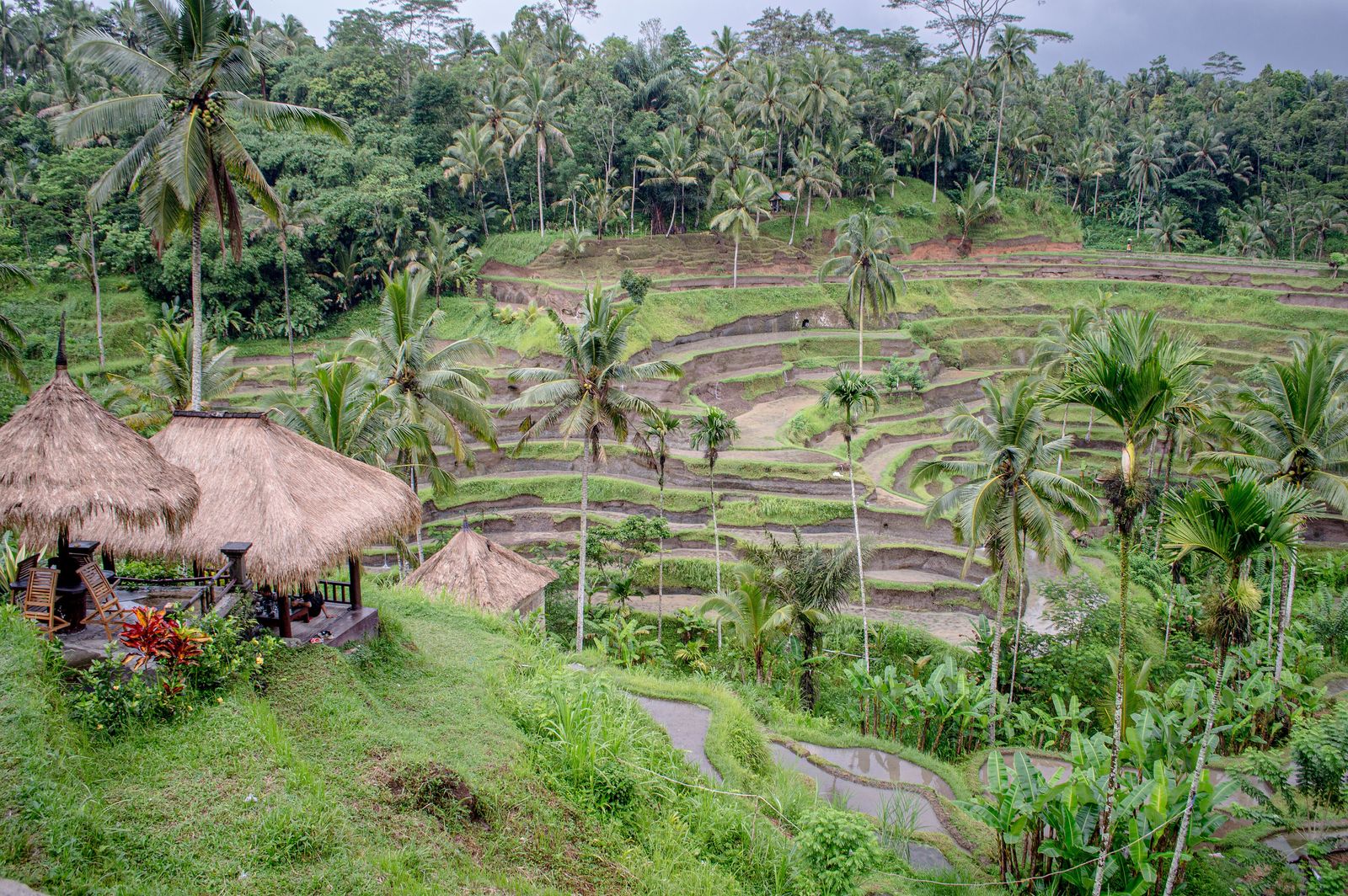 Photo: Philip Nalangan, CC BY 4.0
Bali Jungle Travel Guide
Everything you need to plan the interior of Bali — Ubud, Sidemen and the northern highlands — where to stay in the jungle, when to go and what it actually costs.
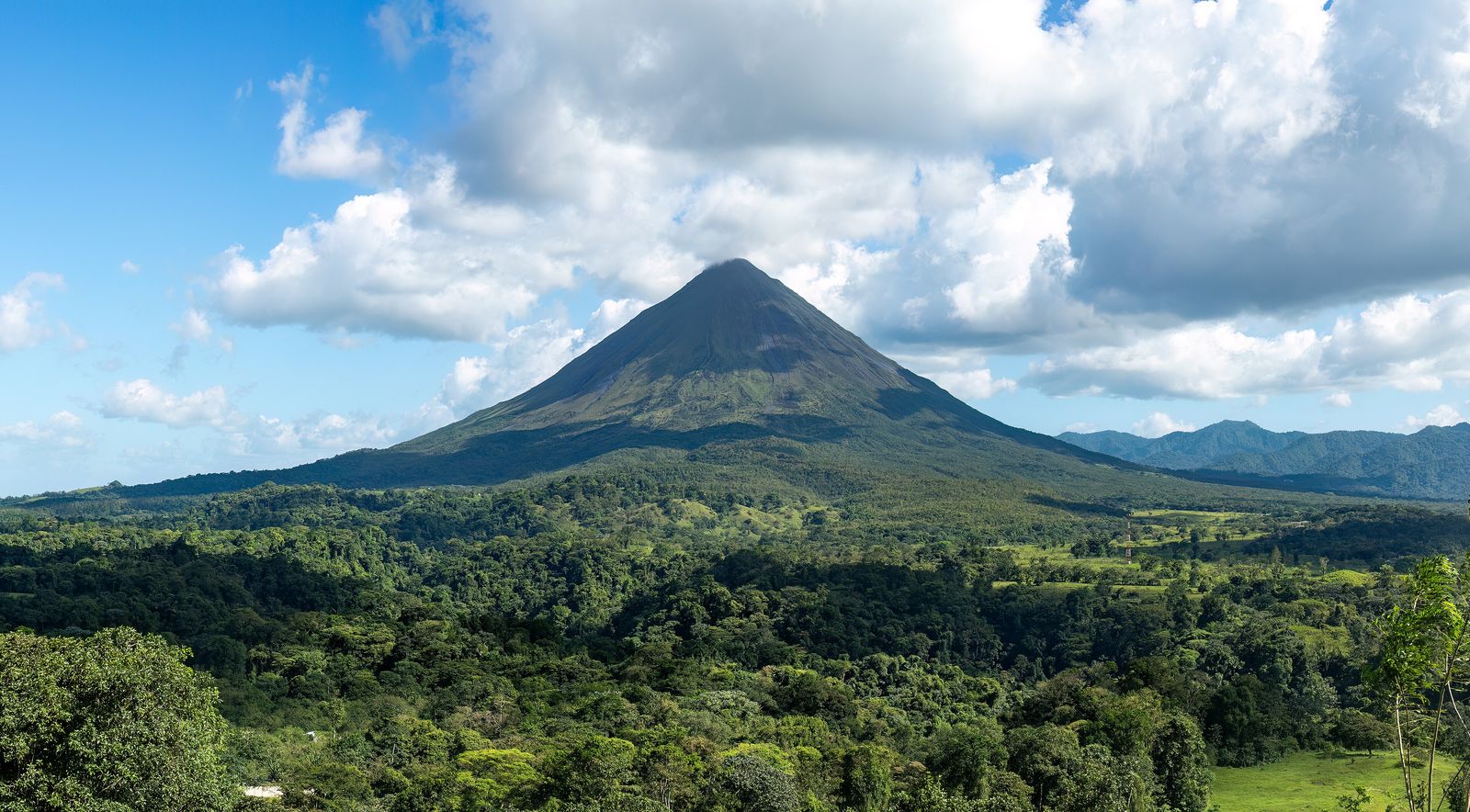 Photo: Rhododendrites, CC BY-SA 4.0
Costa Rica Rainforest Travel Guide
The definitive guide to Costa Rica's rainforests — cloud forest, Pacific lowlands and the wild Osa Peninsula — with where to stay and when to go.
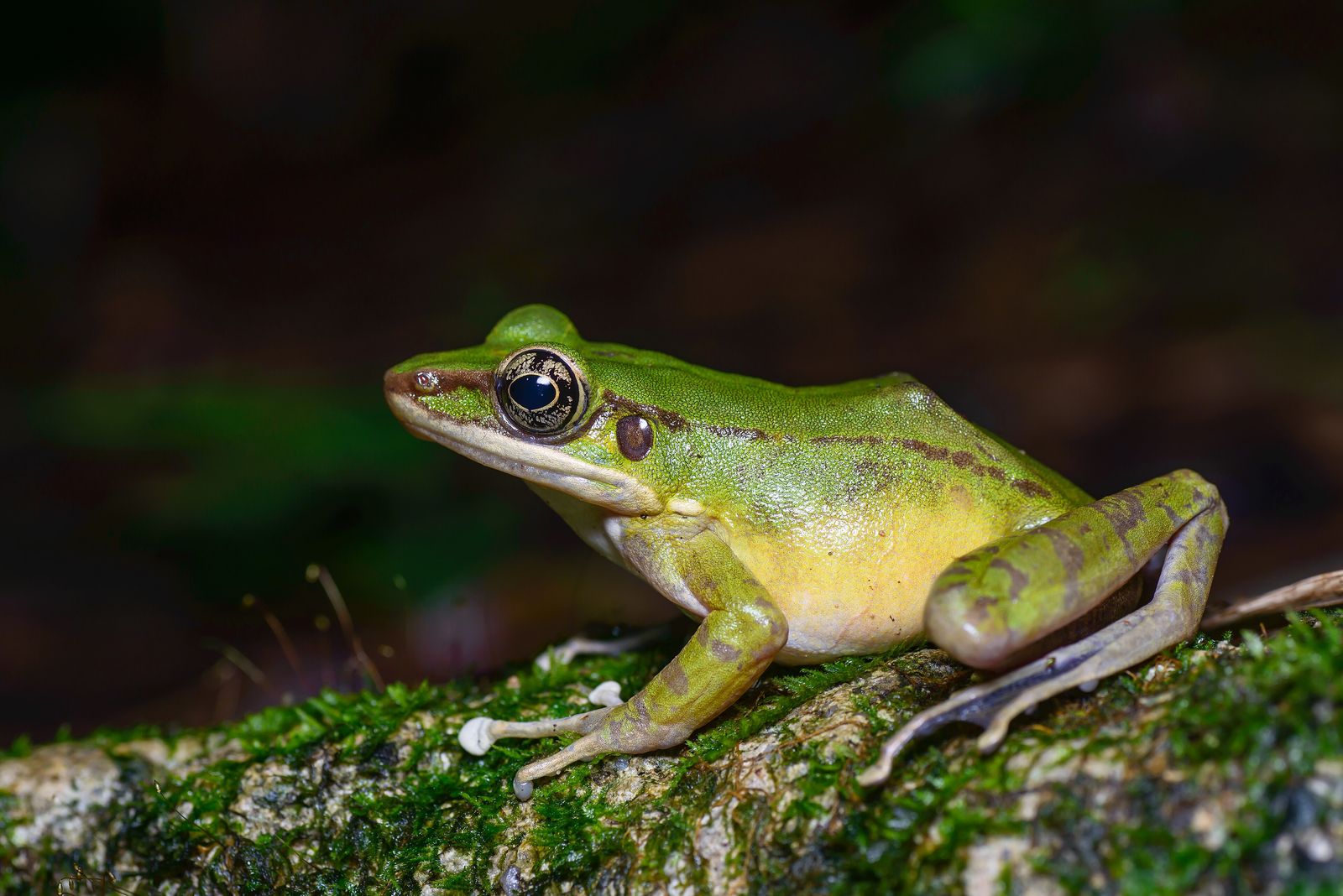 Photo: Rushenb, CC BY-SA 4.0
Thailand Jungle Travel Guide
Beyond the beaches: Khao Sok's ancient rainforest, the northern hills around Chiang Mai and the karst jungle of the south.
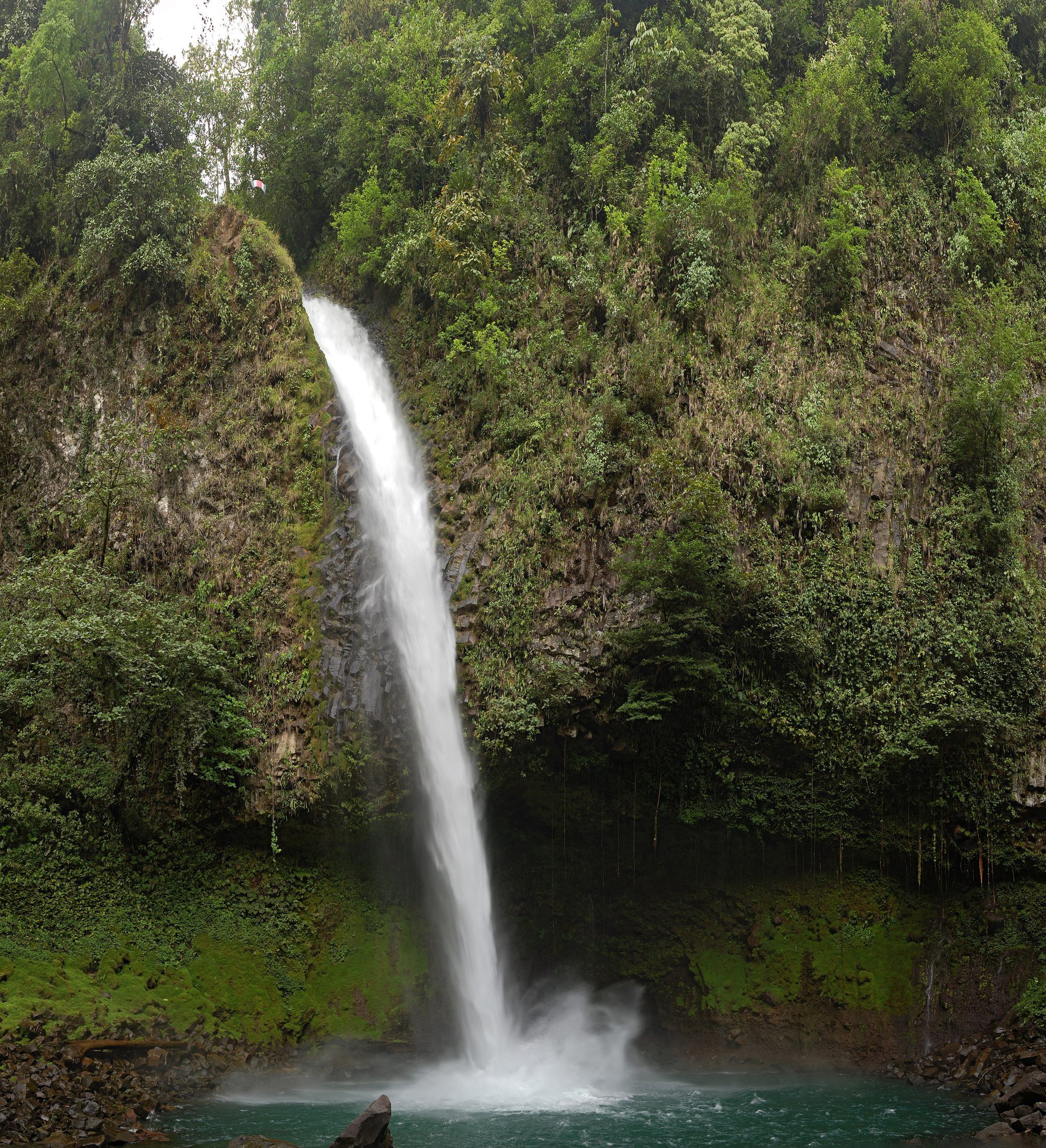 Photo: Derek Ramsey (Ram-Man), CC BY-SA 4.0
Find your own piece of the canopy.
Treehouses, bamboo houses and rainforest villas across 17 destinations — found, vetted and written up honestly.
Browse all destinations