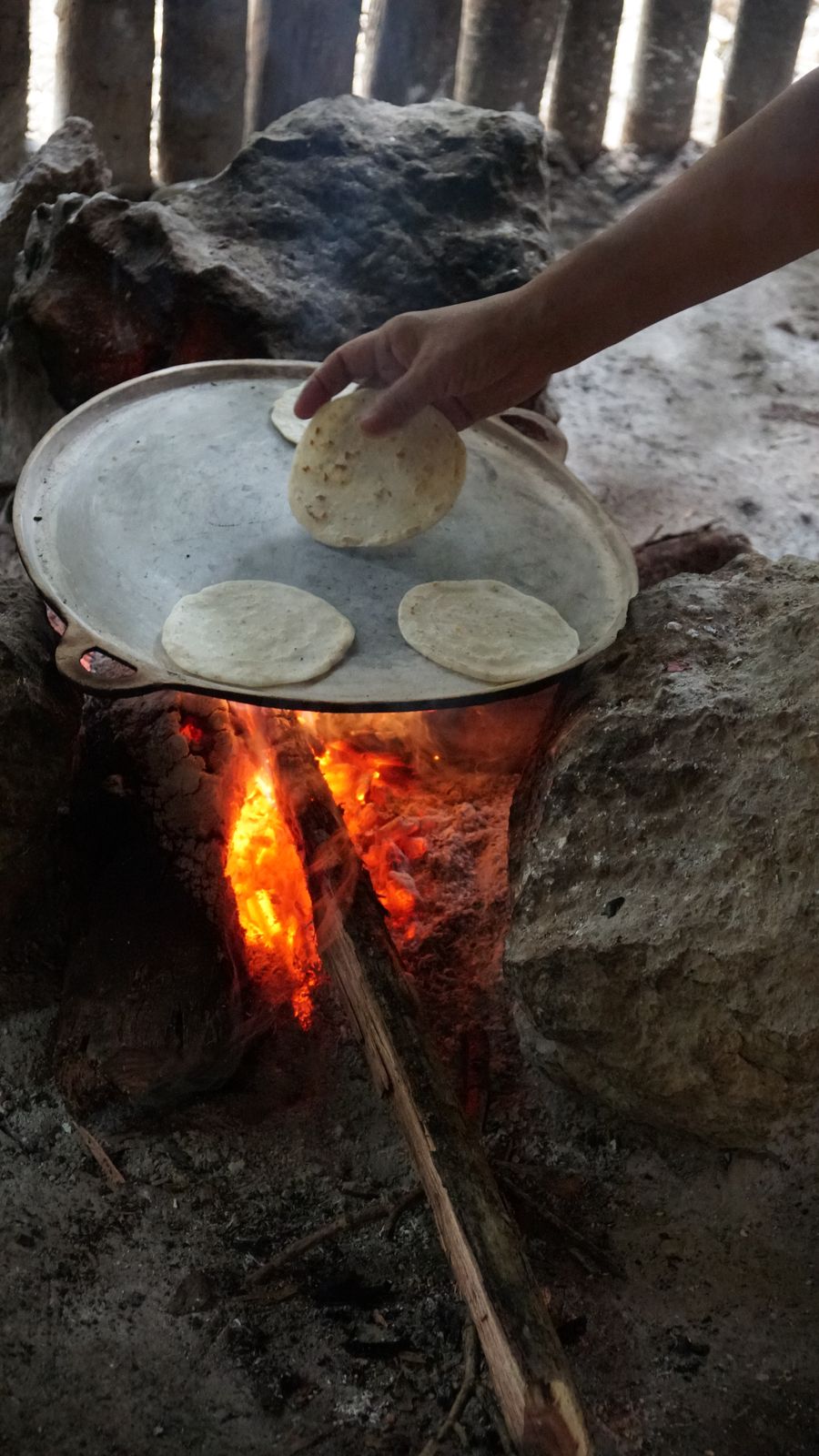
Mexico Jungle Travel Guide
Most people plan a Mexico trip around a beach chair and never look past it. That's a shame, because inland from the Caribbean sand and cutting a green swath across the entire southeast of the country is one of the least understood jungle landscapes in the hemisphere — cenotes flooding limestone caverns under the Yucatán, a rainforest in Chiapas that biologists sometimes call "the other Amazon," and ancient cities that the forest swallowed so completely they weren't rediscovered for centuries. This is a guide to that side of Mexico: the regions, the real logistics of getting between them, where to actually sleep, and what you'll see once you're there.
Mexico's jungle, honestly
Say "Mexico" to most travelers and they picture Cancún's hotel zone, or maybe Mexico City's murals and mezcal bars. Say "jungle" and almost nobody pictures Mexico at all — the mental map skips straight to Costa Rica or the Amazon. That's a genuine gap, and it's worth closing before you book anything, because Mexico's southeast holds a real rainforest belt: the tail end of the Selva Maya, the second-largest contiguous tropical forest in the Americas after the Amazon basin, spread across the Yucatán Peninsula, Chiapas, Campeche, Tabasco, and into Belize and Guatemala.
What makes it different from Costa Rica's or the Amazon's jungle is the limestone underneath it. The Yucatán Peninsula sits on a vast, flat karst shelf with almost no surface rivers — instead, rainwater dissolves the porous rock and drains into a network of underground rivers and caverns, some open to the sky as cenotes, some still fully enclosed. That geology is why this jungle looks and feels different from anywhere else on this list: flat, dense, riddled with sinkholes, and threaded with Maya ruins that used those cenotes as water sources a thousand years before anyone called them a tourist attraction.
Further south and inland, in Chiapas, the terrain changes. The land rises into highlands around San Cristóbal de las Casas, then drops back down into the Lacandon jungle, a genuinely wild, hilly, river-cut rainforest that shares more in common with the upper Amazon than with the flat Yucatán. This is where Mexico's rainforest gets its "other Amazon" reputation — thick canopy, real elevation change, rivers you travel by boat rather than road, and wildlife lists that read like a checklist from further south: jaguar, tapir, scarlet macaw.
The honest pitch: Mexico's jungle rewards travelers who want ancient cities still half-buried in forest, freshwater diving unlike anything else on earth, and — if you make the effort to get to Chiapas or Campeche's deep interior — a real shot at spotting animals that have vanished from most of the rest of the country. It does not deliver a week of untouched wilderness reachable in twenty minutes from a resort. You have to go looking for it, and this guide is about exactly where to look.
The regions, and how they differ
"Mexico's jungle" is really four distinct landscapes, spread across four states, with different terrain, different wildlife, and — critically — different amounts of effort required to reach them. Picking the right mix matters more than picking the right hotel.
The Yucatán cenote belt
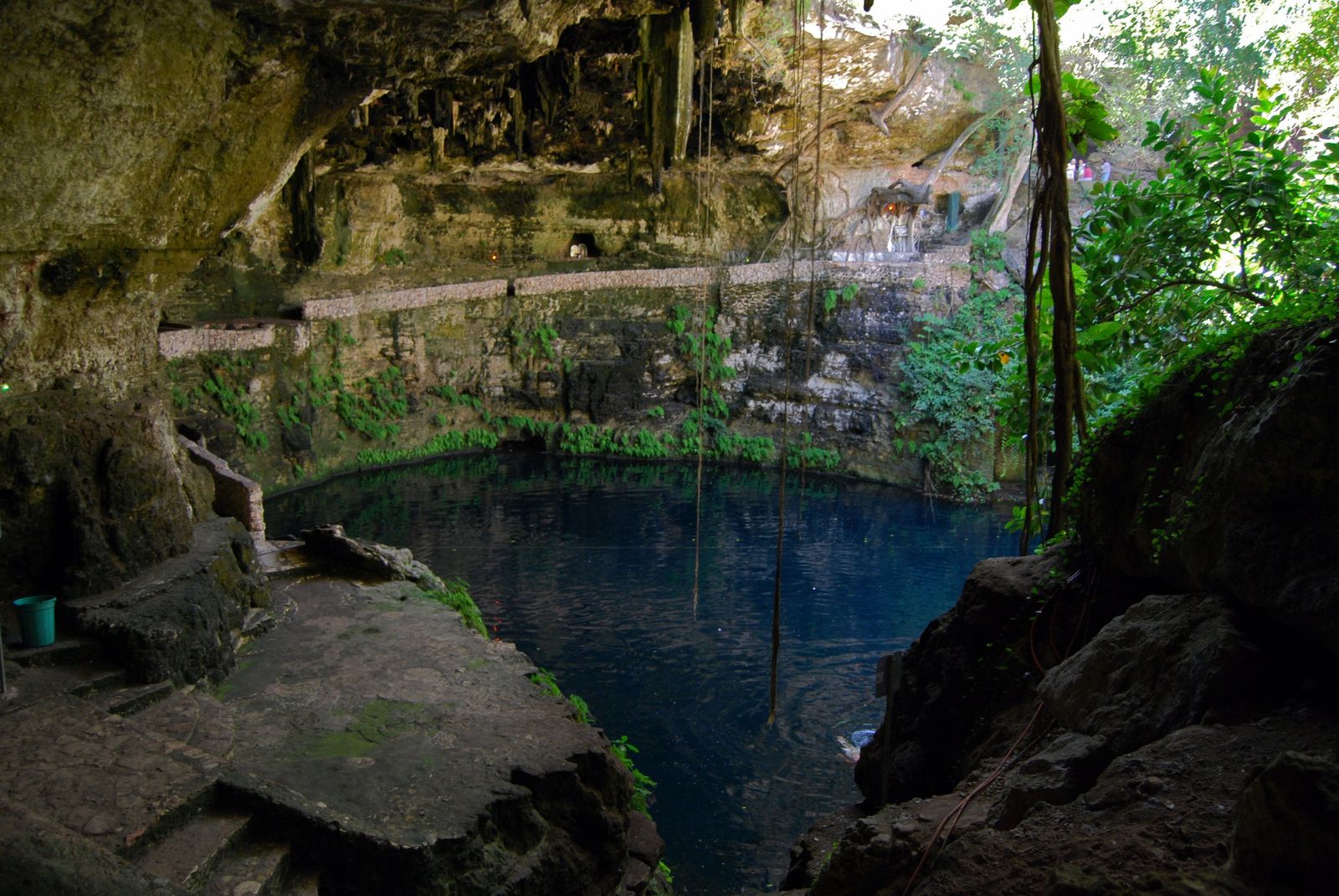
This is the jungle most visitors actually see, whether they mean to or not. Inland from Tulum, Playa del Carmen and Valladolid, the flat scrubby forest of the northern Yucatán is pocked with thousands of cenotes — some roadside and developed with ladders and platforms, some accessible only by a walk through the bush and a rope. Towns like Valladolid and Homún have built entire micro-economies around cenote-hopping. Inland a bit further, the ruins at Cobá sit genuinely inside the forest rather than beside it, with troops of spider monkeys still working the canopy above the site. This region is the easiest jungle fix in the country to combine with a beach trip, and also the most developed and most visited by a wide margin.
Sian Ka'an and the coastal wetlands
South of Tulum, the character changes fast. The Sian Ka'an Biosphere Reserve covers roughly 1.3 million acres of tropical forest, mangrove and marsh along the Caribbean coast, plus a stretch of the Mesoamerican Reef offshore. It was declared a UNESCO World Heritage Site in 1987 and is still one of the least built-up coastlines left in the Mexican Caribbean. The Muyil entrance, about twenty minutes south of Tulum, gives access to a chain of freshwater lagoons connected by narrow channels the ancient Maya dug by hand — you drift or paddle through them past mangroves thick with birdlife, with a real chance of spotting manatees, crocodiles and hundreds of resident and migratory bird species. It's Yucatán jungle, but wetter, wilder and considerably less crowded than the cenote towns to the north.
The Lacandon jungle, Chiapas
This is the deep end. The Lacandon Jungle stretches from southeastern Chiapas into northern Guatemala, with its core protected inside the Montes Azules Biosphere Reserve near the Guatemalan border. It holds an outsized share of the country's biodiversity — around a third of all Mexican bird species and a quarter of all Mexican animal species live here, alongside some of the last stable populations of jaguar, Central American tapir, white-lipped peccary and scarlet macaw left in the country. The ruins of Palenque sit right at its edge, half-reclaimed by forest, and deeper in — reachable mainly by river — are Yaxchilán and Bonampak, both still genuinely remote. Waterfalls like Agua Azul and Misol-Há, and the highland base of San Cristóbal de las Casas, round out a region that rewards travelers willing to spend real time and take real transport to get around.
Calakmul and the Campeche interior
The quietest of the four. Deep in the state of Campeche near the Guatemalan border, the Calakmul Biosphere Reserve protects one of the largest tracts of tropical forest left in the country, wrapped around the ruins of the ancient Maya city of the same name — a city that once rivaled Tikal and now sits so far inside unbroken canopy that howler monkeys are often the loudest thing on site. Very few travelers make it out here relative to the Yucatán coast, which is exactly the draw: genuine forest, real wildlife density, and none of the crowds.
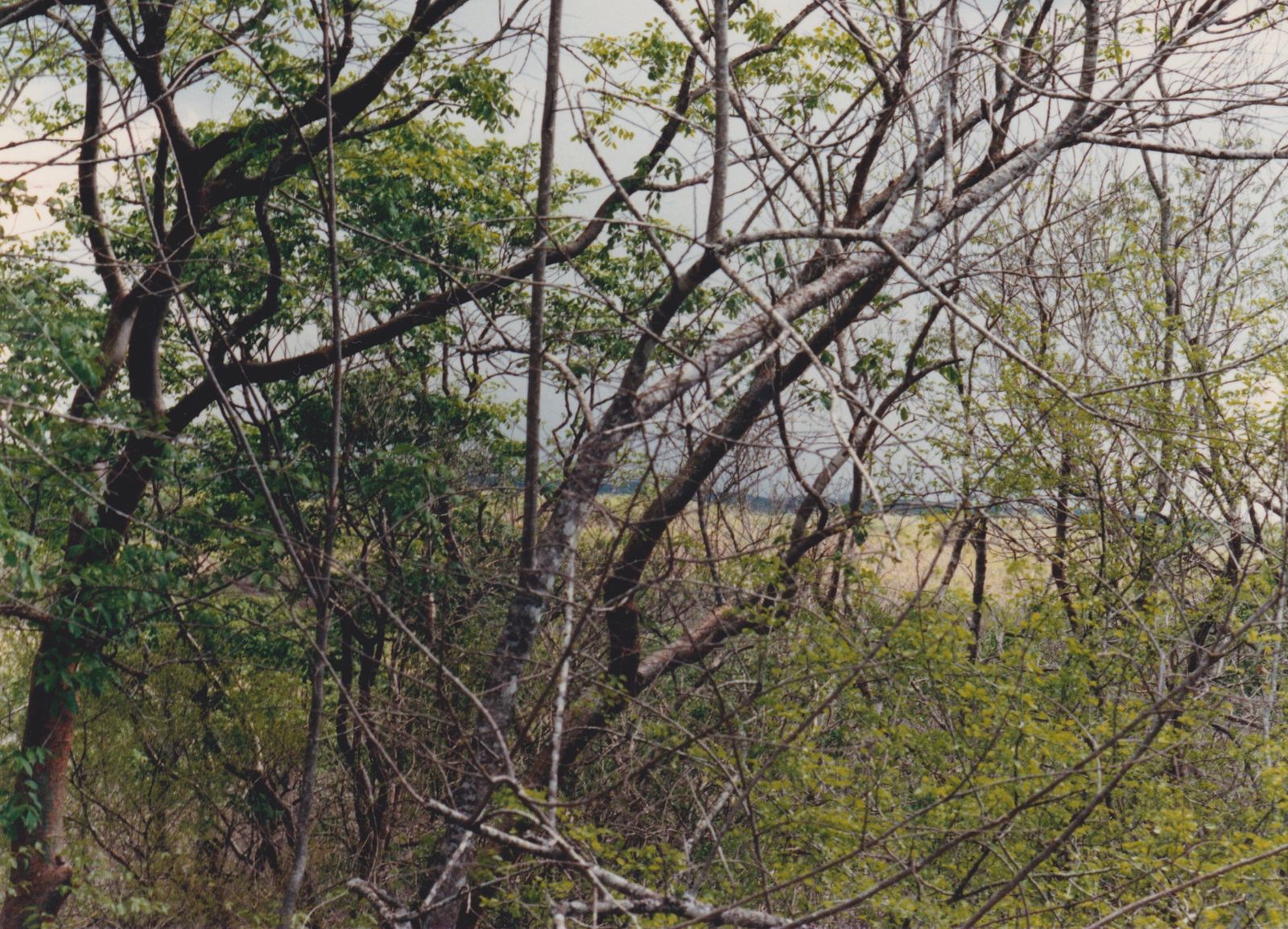
Most trips end up combining two of these: a few days in the cenote belt or Sian Ka'an paired with the Caribbean coast, or a longer inland loop through Chiapas and Campeche for travelers who want the ruins and the wildlife more than the beach. Either way, our Mexico destination page is a good place to see vetted jungle-adjacent stays across these regions before you commit to an itinerary, and if you're weighing Mexico against other rainforest countries, the full JungleBnB directory covers everywhere else on this list.
When to go
Southern Mexico runs on a dry season and a wet season, same as most of tropical Central America, but the calendar has an extra wrinkle worth knowing about: hurricane season.
- December–April: the dry season proper, and the best all-round window for both regions covered here. Rainfall is at its lowest, humidity is more bearable, and trails in Chiapas and Campeche are at their driest. This is also peak tourist season on the Caribbean coast, so cenotes and ruins near Tulum and Valladolid get busy, especially around the winter holidays and spring break.
- May–June: a shoulder window. The rains are building but haven't fully arrived, the landscape is greening up after the dry months, and crowds on the coast thin out noticeably before the summer holiday surge.
- July–August: hot, increasingly wet, and — because it overlaps with North American summer break — busy again on the coast despite the weather. Inland in Chiapas and Campeche, this is when the forest is at its most lush and loud with birdlife, if you don't mind afternoon downpours.
- September–October: the wettest months and the heart of Atlantic hurricane season, which affects the Yucatán and the Gulf coast (Tabasco, Campeche) far more directly than the Chiapas highlands. Storms don't hit every year, but this is the highest-risk window for weather disruption on the coast, and some cenote and lagoon tours reduce or suspend operations after heavy rain.
- November: the wet season tapering off, hurricane risk dropping, and crowds still thin. A genuinely good and underrated month to be in the region.
Wildlife viewing skews slightly differently by region. In the Lacandon and Calakmul, the tail end of the dry season (roughly February through April) tends to concentrate animals around remaining water sources, which can make sightings easier, while birdlife stays active through the wetter months when the forest is at its greenest. In Sian Ka'an, migratory bird numbers peak in winter. None of this is a guarantee — jungle wildlife runs on its own schedule everywhere — but if wildlife is the priority over dodging rain, don't over-optimize for the driest months at the expense of everything else.
Good to know
Hurricane season officially runs June through November across the Atlantic basin, and the Yucatán and Gulf coasts are the parts of this itinerary actually exposed to it. Chiapas's interior, being both inland and higher in elevation, sees far less direct impact. If you're traveling September or October, keep half an eye on the tropical outlook and build a little slack into a coastal itinerary.
Getting there and getting around
The two halves of this guide — the Yucatán/Caribbean side and the Chiapas/Campeche interior — are served by different airports, and treating them as one trip takes real planning.
For the Yucatán, cenote belt and Sian Ka'an: Cancún International Airport (CUN) is the main gateway, with by far the most international flight options in the region. From Cancún it's a drive of roughly two to two and a half hours to Tulum, with Valladolid and the cenote towns in between. A rental car gives the most flexibility for cenote-hopping, since many of the best ones sit down unpaved side roads with no public transport. Renting is straightforward at the airport, though driving after dark on rural roads is worth avoiding. Buses run by ADO, the dominant long-distance carrier in southern Mexico, connect Cancún, Playa del Carmen, Tulum and Valladolid reliably and cheaply if you'd rather not drive.
For Chiapas and the Lacandon jungle: this side takes more effort. The nearest airport to Palenque is in Villahermosa, Tabasco (VSA) — about a two-hour drive or bus ride away. Tuxtla Gutiérrez (TGZ) in Chiapas is the other regional option, useful if you're routing through San Cristóbal de las Casas first, but it's a longer haul to Palenque from there, generally four to six-plus hours by road or bus. ADO buses connect Villahermosa, Palenque, San Cristóbal and Tuxtla, and are the standard way to move around if you're not driving. Once you're near Palenque, day trips or overnight stays out to Yaxchilán and Bonampak typically run through organized tours that combine a drive with a river crossing by boat, since both sites sit right on or near the Usumacinta River that forms the border with Guatemala.
For Calakmul: the most common approach is via Campeche city or Chetumal, both a genuine half-day's drive from the reserve entrance, with the last stretch on a long, slow access road through the forest itself. This is not a spontaneous side trip — it takes planning, ideally an overnight stay near the reserve, and most travelers combine it with Bacalar or the southern Yucatán rather than trying to bolt it onto a Tulum-based trip.
Connecting the two halves of the country in one trip means either flying between the two airport hubs (Cancún and Villahermosa or Tuxtla both have connections through Mexico City) or committing to a long overland leg — realistically a full day of driving or bus travel each way. Most travelers with under two weeks pick one side rather than both.
Where to stay
Where you base yourself does more to shape a Mexico jungle trip than almost any other decision, because the regions are spread far enough apart that you're realistically choosing a home base per region rather than one hotel for the whole trip.
Tulum and the cenote belt
Tulum itself has grown into a genuine resort town, with everything from beach clubs to jungle-set eco-hotels along the road south toward Sian Ka'an. For a quieter, more forest-immersed stay with easier access to inland cenotes, Valladolid makes a good alternative base — smaller, more local, and closer to Cobá and the lesser-visited cenotes around Homún.
Bacalar
Further south toward the Belize border, Bacalar sits on a freshwater lagoon known locally as the "lagoon of seven colors" for the gradient of blues visible from the shore, framed by forest rather than the open Caribbean. It's grown quickly in popularity but is still calmer than Tulum, and it doubles as the most practical overnight base if you're heading on to Calakmul.
Palenque and the Chiapas interior
The town of Palenque itself is unglamorous, but a cluster of jungle-set lodges along the road toward the ruins puts you inside the forest canopy with howler monkeys for a wake-up call. San Cristóbal de las Casas, up in the highlands, makes a better base if you want colonial architecture and cooler nights alongside your jungle days, at the cost of more driving to reach the Lacandon proper.
Across all of these, browse the vetted jungle-adjacent listings on our Mexico destination page rather than booking blind — the difference between a stay that's genuinely inside the forest and one that's merely near it matters more here than almost anywhere else on this list.
The jungle in Mexico isn't background scenery for the ruins — in places like Yaxchilán, the forest is actively still winning the argument.
The best things to do
Cenote diving and snorkeling top most lists for good reason — nowhere else on earth has this particular combination of clear freshwater, submerged cave systems and easy access. Some cenotes are open-air pools you swim across in twenty minutes; others are cavern dives that require certification and a guide. Either way, going with a local operator who knows the specific cenote's layout is worth the modest cost, especially for anything beyond a simple open swim.
Exploring Maya ruins still half-inside the forest is the other headline activity, and the experience varies enormously by site. Chichén Itzá and Tulum's clifftop ruins are the famous, crowded ones — worth seeing once, best visited at opening time. Cobá, reached partly by bike or bicycle-taxi along forest paths, feels more like discovery. Palenque, with its temples still emerging from tree cover, is the most atmospheric of the well-known sites. And Yaxchilán, accessible only by boat along the Usumacinta River, is about as close as this region gets to the sensation of finding a lost city.
Boat trips through Sian Ka'an's mangrove channels are worth building a full day around, combining wildlife spotting with a current-assisted float through the Maya-dug canals near Muyil. Waterfall stops at Agua Azul and Misol-Há break up the drive between San Cristóbal and Palenque and are worth the short detour on their own. And for travelers with the time and interest, a guided multi-day trek or river journey into the Lacandon's more remote reaches, often arranged through Lacandon Maya community-run operators, is the most direct way to experience the jungle as something other than a backdrop.
The wildlife you'll actually see
Set expectations honestly: this is dense lowland forest, and most of its wildlife is shy, well-camouflaged, or genuinely rare. What you're likely to see day to day is different from what's technically present.
Around Cobá and other ruin sites in the Yucatán, spider monkeys and sometimes howler monkeys are a near-certain sighting, along with iguanas sunning themselves on the stonework and a steady rotation of tropical birds. In Sian Ka'an's lagoons, crocodiles are commonly spotted from the boat, manatees less predictably but genuinely possible, and the bird list is long — herons, egrets, cormorants and, for early risers, a real chance at spoonbills or flamingos depending on the season.
In the Lacandon and around Palenque, howler monkeys are the wildlife encounter almost every visitor gets, whether they're looking for it or not — their calls carry for miles and are often the first jungle sound anyone hears at a lodge near the ruins. Toucans and scarlet macaws turn up with some regularity around Palenque and in reintroduction areas along the Riviera Maya. Jaguar, tapir and the more elusive cats are present in the Lacandon and Calakmul reserves but are genuinely difficult to see without a dedicated, patient, guided effort — think camera-trap footage more than a chance roadside encounter. Treat any jaguar sighting as a stroke of luck rather than an expectation, and you won't leave disappointed.
Costs and budgeting
Mexico remains genuinely affordable by North American or European standards, though the Caribbean coast has gotten noticeably pricier over the last several years and the interior has not kept pace with it.
On the coast, budget travelers can find hostel dorms and basic guesthouses cheaply, while a comfortable mid-range hotel or eco-lodge runs a moderate nightly rate that's still well below equivalent Caribbean beach destinations. Jungle-set boutique stays and higher-end eco-lodges push well above that, particularly in Tulum, where prices have climbed close to those of established international resort towns. Inland in Chiapas and Campeche, the same tier of accommodation typically costs noticeably less, reflecting the smaller tourist volume.
Transport costs vary by how much you drive versus bus. As a real reference point, a taxi from Villahermosa's airport to Palenque runs in the neighborhood of $13 to $20, while the ADO bus covering the same route costs less, in the high teens to mid-twenties, with the trip taking a little over two hours either way. Longer hauls, like Tuxtla Gutiérrez to Palenque, cost more and take considerably longer by bus than by car. Car rental is often the best value per day if you're covering multiple sites, once you factor in the flexibility it buys around cenote access roads and early ruin visits.
Guided activities — cenote dives, boat tours in Sian Ka'an, multi-day treks into the Lacandon — add up quickly if you're doing several, and prices vary a lot by operator and group size. It's worth booking the specialized ones (cave diving, Yaxchilán by river, community-run Lacandon treks) through reputable local operators rather than the cheapest option you find, since guide quality and safety standards vary more than the price tag suggests.
Health, safety and practical tips
Tap water isn't potable anywhere in this region — stick to bottled or filtered water, including for brushing your teeth if you want to be careful. Mosquito-borne illness, including dengue, is present in tropical Mexico, so repellent and covering up at dawn and dusk are worth the minor inconvenience, particularly around standing water near cenotes and lagoons. Sun protection matters more than people expect even under jungle canopy, since a lot of time on this itinerary is spent in open ruin complexes or on boats with no shade at all.
On safety more broadly: the tourist corridors covered here — the Riviera Maya, Palenque, San Cristóbal, Calakmul — see a heavy, steady flow of travelers and are treated as safe, well-trodden routes by tour operators and locals alike. That said, security conditions in parts of Mexico, including some areas of Chiapas away from the standard tourist routes, can shift, so it's worth checking current government travel advisories for the specific states you're visiting before finalizing plans, rather than relying on a general sense of the country.
A few practical notes: most cenotes require you to shower before entering and ask you to skip sunscreen or use only biodegradable versions, to protect the water. Cash is still preferred over cards at smaller cenotes, family-run lodges and rural bus stations, so carry pesos rather than assuming card acceptance. And if you're heading into the Lacandon's more remote sites like Yaxchilán or Bonampak, build in a buffer day — river levels and weather can shift boat schedules with little notice.
A suggested route
For travelers with seven to ten days who want the highlights without over-packing the schedule, a route built around the Yucatán and Sian Ka'an works well: fly into Cancún, spend two or three nights around Tulum with day trips to nearby cenotes and the Tulum ruins, move to Valladolid for a night to explore Cobá and the quieter inland cenotes, then finish with two or three nights in Sian Ka'an or Bacalar for the lagoon and mangrove side of the trip before flying home from Cancún.
For a longer trip, or one built more around ruins and rainforest than beach and cenotes, a Chiapas-and-Campeche loop of ten to fourteen days makes more sense: fly into Villahermosa or Tuxtla Gutiérrez, spend a few days around Palenque with the ruins, Agua Azul and Misol-Há, push further in for Yaxchilán and Bonampak if time and river conditions allow, then head east toward Calakmul via Bacalar, finishing on the Yucatán coast before flying out of Cancún. It's a lot of driving, but it's also the version of this trip that delivers the deepest, quietest forest and the best odds of real wildlife.
Trying to do both halves properly in under two weeks is possible but rushed — most travelers are better served picking one region to go deep on and saving the other for a return trip.
Common questions
Is Mexico's jungle safe to visit?
The main tourist routes through the Yucatán, Palenque and Calakmul see steady, established tourism and are treated as safe by operators and travelers alike. As with any large country, conditions vary by state and by season, so it's worth checking current government travel advisories for the specific areas on your itinerary, particularly if you're routing through parts of Chiapas off the standard tourist path.
Do I need to be a certified diver to see the cenotes?
No. Most cenotes are open for snorkeling or simple swimming with no certification required, and plenty are shallow, well-lit and easy to access on your own or with a guide. Cave diving into the fully submerged tunnel systems is a different activity that does require certification and a specialized guide.
Can I see a jaguar in the wild?
It's possible but genuinely rare. Jaguars are present in the Lacandon and Calakmul reserves, but they're elusive, mostly nocturnal, and present in low densities even where healthy populations exist. Go for the forest, the ruins and the birdlife, and treat any cat sighting as a bonus.
How do I get between the Yucatán and Chiapas?
Either fly, connecting through Mexico City or another regional hub between Cancún and Villahermosa or Tuxtla Gutiérrez, or commit to a long overland leg by bus or car, which realistically takes a full day. Most travelers with limited time pick one region rather than attempting both in a single loop.
What's the best single base for a first visit?
For most first-time visitors, Tulum or Valladolid gives the best mix of easy cenote access, nearby ruins at Cobá and Tulum, and reasonable proximity to Sian Ka'an, without the long overland travel that the Chiapas side requires.
Is hurricane season worth avoiding entirely?
Not entirely — many September and October trips go off without any disruption — but it's the highest-risk window for weather on the Caribbean coast specifically. If you're traveling then, keep an eye on the tropical outlook and consider building slack into a coastal itinerary. Chiapas's interior is far less exposed to it.
Where to go from here
Mexico's jungle rewards picking a region and giving it real time rather than trying to skim the whole southeast in one loop. Start with our Mexico destination page for vetted jungle-adjacent stays across the Yucatán, Sian Ka'an and Chiapas, or browse the full directory if you're still weighing Mexico against somewhere else. If you're drawn to the Lacandon's "other Amazon" character, our guide to the Amazon Rainforest is a natural next stop, and our Costa Rica Rainforest Travel Guide covers the destination most often compared to Mexico's jungle for wildlife density and eco-lodge culture. For a broader shortlist before you commit to one country, our roundup of the best jungle Airbnbs in the world is worth a look, and Central America's other classic rainforest destination, Costa Rica, along with South America's Peru, are both worth comparing if you're building a longer trip around this style of travel.
- Visit Sian Ka'an — official reserve site — Sian Ka'an's size, UNESCO status, and the Muyil entrance near Tulum.
- Mexico News Daily — Guide to the Yucatán's Sian Ka'an — mangrove channel boat trips, wildlife and access details.
- Wikipedia — Lacandon Jungle — geography, biodiversity figures, and the archaeological sites of Palenque, Yaxchilán and Bonampak.
- Adventure.com — A guide to the Lacandon jungle, Mexico — the region's character and comparison to the Amazon.
- Carlos Slim Foundation — Conservation of the Lacandon Jungle in Chiapas — Montes Azules Biosphere Reserve and conservation context.
- National Geographic — Exploring Mexico's Lacandón — trekking and travel context for the Lacandon interior.
- SAT Mexico Tours — How to arrive at Palenque — Villahermosa and Tuxtla Gutiérrez airport access to Palenque.
- Rome2Rio — Villahermosa Airport to Palenque — real transport costs and travel times used for the budgeting section.
More from the Journal.
 Photo: Philip Nalangan, CC BY 4.0
Bali Jungle Travel Guide
Everything you need to plan the interior of Bali — Ubud, Sidemen and the northern highlands — where to stay in the jungle, when to go and what it actually costs.
 Photo: Rhododendrites, CC BY-SA 4.0
Costa Rica Rainforest Travel Guide
The definitive guide to Costa Rica's rainforests — cloud forest, Pacific lowlands and the wild Osa Peninsula — with where to stay and when to go.
 Photo: Rushenb, CC BY-SA 4.0
Thailand Jungle Travel Guide
Beyond the beaches: Khao Sok's ancient rainforest, the northern hills around Chiang Mai and the karst jungle of the south.
 Photo: Derek Ramsey (Ram-Man), CC BY-SA 4.0
Find your own piece of the canopy.
Treehouses, bamboo houses and rainforest villas across 17 destinations — found, vetted and written up honestly.
Browse all destinations