Philippines Jungle Travel Guide
Most people who fly into Manila treat the Philippines as a beach country with more than 7,000 islands to pick from, and see the green interior only in passing — a rice-terrace photo stop, a quick duck into a cave. That undersells the place. The Philippines' jungle isn't one continuous block of forest; it's scattered across islands that sit on different pieces of the map entirely, which means an underground river in Palawan, terraced highlands carved by hand in northern Luzon, forest reserves in the Visayas built around a shy nocturnal primate, and old-growth rainforest in Mindanao that still shelters one of the rarest eagles on Earth are four genuinely different trips, not variations on one theme. This is a guide to treating the interior as the destination rather than the layover.
The Philippines' jungle, honestly
The Philippines is an archipelago of more than 7,000 islands spread across three main island groups — Luzon in the north, the Visayas in the middle, and Mindanao in the south — and that geography matters more here than in almost any other jungle destination on this site. In a country like Costa Rica or Thailand, you can drive between forest regions in a day. In the Philippines, the regions worth visiting for jungle sit on different islands entirely, often reachable only by domestic flight, and each one developed its own relationship between forest, water and people largely independent of the others.
Palawan, out to the west, is biologically closer to Borneo than to the rest of the Philippines — it sat on a different tectonic fragment for long enough that its plants and animals evolved along their own line, which is why guides there talk about "Palawan endemics" as a category distinct from Philippine wildlife generally. Northern Luzon's Cordillera mountains hold something rarer still: rainforest that indigenous communities have actively farmed and maintained for roughly two thousand years, using forest itself as part of the irrigation system. The Visayas, low on dramatic peaks, built its reputation on smaller-scale wonders — a hill formation, a river, a forest reserve protecting a single startling little primate. And Mindanao, the least visited of the four for reasons that have more to do with old headlines than current reality, holds the largest remaining tracts of primary rainforest left in the country, plus the national bird.
None of this is untouched wilderness — the Philippines has lost a large share of its original forest cover to logging and agricultural conversion over the past century, a fact most tour operators here are refreshingly upfront about rather than glossing over. What's left is concentrated in national parks, protected landscapes and community-managed forest, often under active stewardship by the same indigenous and local groups who depended on it in the first place. That's the honest starting point: this isn't a country where you stumble into endless forest by accident. You go to specific, well-defined places, and the payoff is real.
The regions, and how they differ
Four areas make up the core of a Philippines jungle trip, and they don't overlap much — plan around picking two or three rather than assuming you can string all four together in one loop.
Palawan
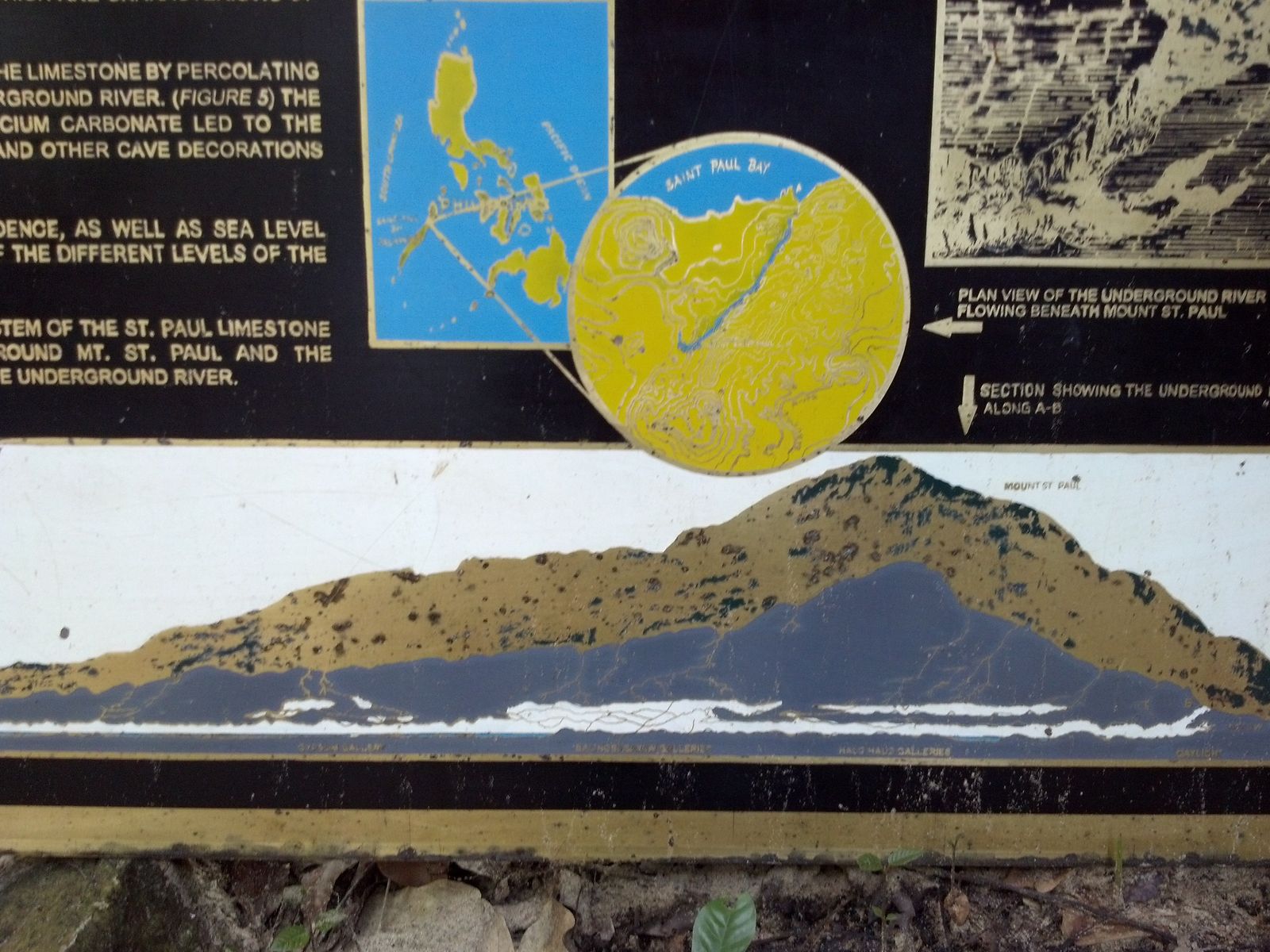
Palawan is the long, narrow island province running southwest from the rest of the archipelago, and its headline attraction is the Puerto Princesa Subterranean River National Park, a UNESCO World Heritage Site protecting an underground river that cuts roughly 8.2 kilometers through limestone karst before reaching the sea. Visitors paddle a stretch of it by boat from the park's entrance near Sabang, gliding under a cave ceiling hung with stalactites and, depending on the season, sizeable colonies of bats and swiftlets. The river and the karst mountains around it are wrapped in rainforest that's genuinely distinct from the rest of the Philippines — Palawan's long isolation from the main archipelago gave it its own suite of endemic species, and the forest here reads more like an outlying arm of Borneo's ecosystem than a typical Philippine jungle. Further north, El Nido's limestone islands and lagoons get most of the marketing attention, and while that area leans more toward beach and boat than deep forest, the karst peaks there carry their own patches of dry forest worth a detour if you have time.
Luzon: the Cordillera and the Sierra Madre
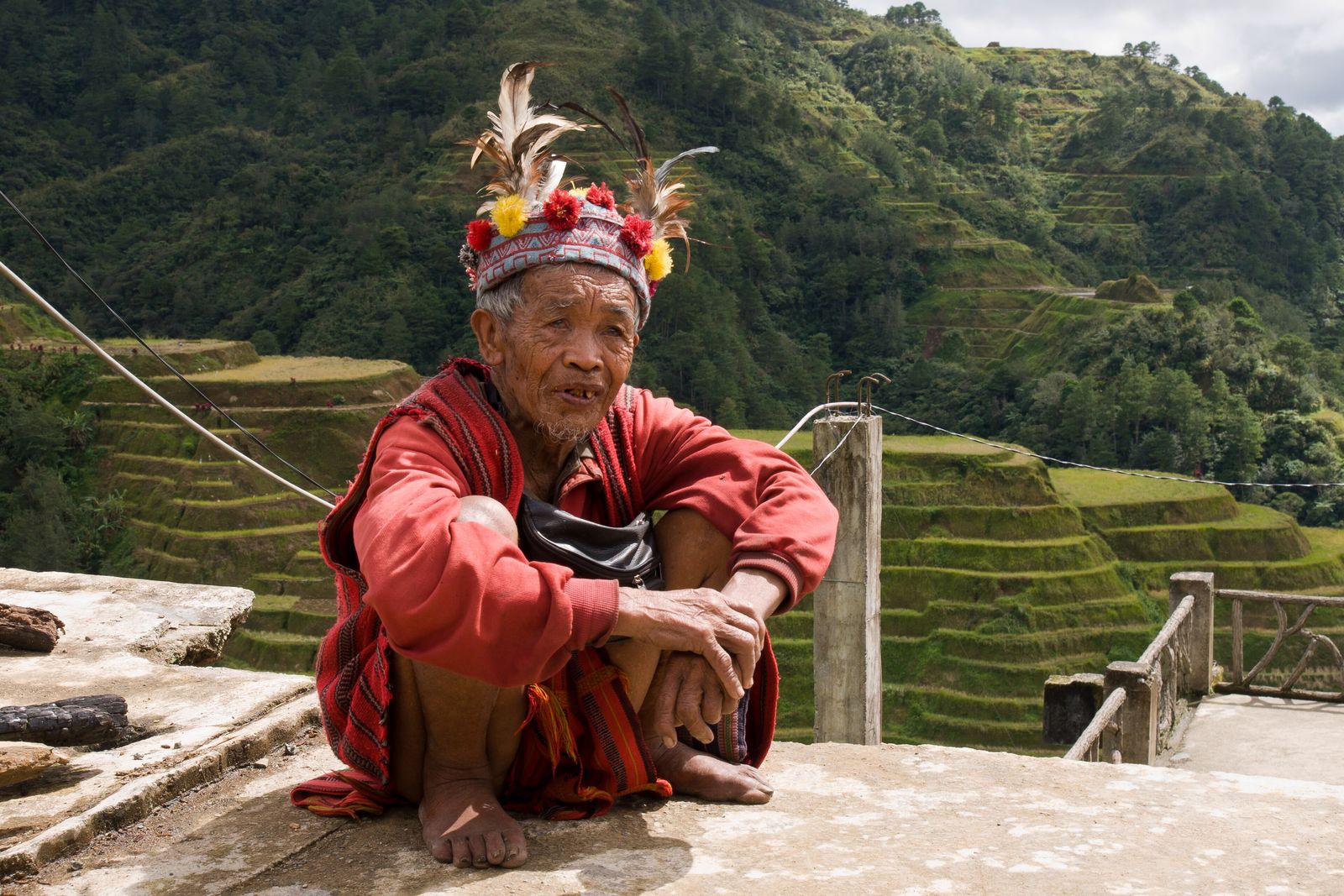
Northern Luzon's Cordillera range holds the Rice Terraces of the Philippine Cordilleras, a UNESCO World Heritage Site made up of several terrace clusters carved into the mountainsides around Banaue and Batad by the Ifugao people, using hand tools, over a span estimated at roughly two thousand years. What makes this a jungle story and not just an agricultural one is the muyong system: patches of forest the Ifugao deliberately preserved at the top of each terrace cluster, managed as private woodlots that catch and hold rainwater, feeding it down through the terraces via a network of channels that still works today. It's one of the more genuine examples anywhere of forest as farming infrastructure rather than something farming replaced. Batad itself, the most photographed of the terrace clusters, sits in an amphitheater-shaped valley reachable only on foot — no road reaches the village, which is exactly why it still looks the way it does in photographs from decades ago. On Luzon's eastern side, the Sierra Madre is the country's longest mountain range, and the Northern Sierra Madre Natural Park protects the largest remaining block of contiguous rainforest in the Philippines — considerably less visited than the terraces, and correspondingly wilder.
The Visayas: Bohol
Bohol, in the central Visayas, doesn't have Palawan's biodiversity or Luzon's altitude, but it packs a lot into a small, easy-to-cover island. The Chocolate Hills — more than a thousand near-symmetrical, grass-covered mounds that turn brown in the dry season, giving the formation its name — are the geological headline. The jungle interest is smaller in scale but no less real: the Loboc River cuts through dense riverside forest inland from Tagbilaran, and the town of Corella is home to the Philippine Tarsier Sanctuary, a forest reserve set up specifically to give the Philippine tarsier — one of the smallest primates in the world — a semi-wild habitat where it isn't handled or photographed with flash. Inland forest reserves like the Rajah Sikatuna Protected Landscape round out Bohol's greener side, away from the beach resorts on Panglao Island just offshore.
Mindanao
Mindanao is the least visited of the four regions by international travelers, largely because of dated perceptions of the island rather than current conditions in the areas travelers actually go — more on that in the safety section. It's also, ecologically, the most rewarding for anyone serious about rainforest. Mount Apo, the country's highest peak at roughly 2,954 meters, anchors Mount Apo Natural Park, a large protected area spanning Davao City, Davao del Sur and North Cotabato. Near Davao City, the Philippine Eagle Center — set in the foothills of Mount Apo within the Malagos Watershed — is the best place in the country to reliably see a Philippine eagle, the national bird and one of the largest eagles in the world, now critically endangered with only a small population left in the wild. Further inland, Bukidnon province's Mount Kitanglad Range Natural Park protects highland forest that's ancestral territory for the Talaandig and other indigenous groups, and is one of the last strongholds where Philippine eagles still nest in the wild.
When to go
The Philippines runs on three loose seasons — a hot dry stretch, a wet season that overlaps with typhoon season, and a cooler dry stretch driven by the northeast monsoon — but they don't land the same way on every island, and that's the single biggest planning variable for a multi-region trip.
- Palawan: the dry season, roughly November through May, is the reliable window for the Underground River and for Palawan generally, with December through April the busiest and clearest. June through October brings heavier rain, and rough water can occasionally suspend boat access into the cave — worth building flexibility into a trip timed for those months.
- Luzon (Banaue and Batad): similarly, November through April is the more comfortable trekking window, with clearer mountain views and drier trail conditions. The wet season, roughly June through October, is also typhoon season across northern and central Luzon, which can affect roads into the Cordillera with little notice — this is the region where checking a short-term forecast before you commit to travel dates matters most.
- Bohol and the Visayas: broadly similar to Luzon, with a drier window from roughly December through May and a wetter, more typhoon-exposed stretch from June through November. The Chocolate Hills are, unsurprisingly, at their most "chocolate" — brown and dormant — in the dry season, and greener and less photogenic-by-name in the wet months.
- Mindanao: sits far enough south to be largely outside the Philippines' main typhoon belt, which makes it the most weather-forgiving of the four regions and reasonably visitable across most of the year, though the wetter months still bring more rain to Mount Apo and Bukidnon's highland forest.
Zoomed out, the Philippines as a whole averages roughly twenty tropical storms and typhoons a year, with the heaviest activity from July through October concentrated on Luzon and the Visayas. That makes December through May the closest thing to a single dependable window if your itinerary spans several regions — and it's also, not coincidentally, the busiest and most expensive stretch to book flights and permits.
Good to know
Wildlife timing here is less about migratory seasons than about park access and water levels — the Underground River and Loboc River are both best experienced when water is calm rather than swollen, which again points back toward the dry months. If you're weighing the Philippines against other Southeast Asian jungle trips, our Bali and Thailand guides cover seasons that don't always line up with the Philippines', worth checking before you lock in a regional itinerary.
Getting there and getting around
Ninoy Aquino International Airport (NAIA) in Manila is the country's main international gateway, with Mactan-Cebu International Airport (CEB) serving as a genuinely useful second entry point for anyone starting a trip in the Visayas or Mindanao rather than routing everything through the capital.
For Palawan: Puerto Princesa International Airport (PPS) has frequent domestic flights from both Manila and Cebu, putting you within a roughly 45-minute to hour-long drive of Sabang and the Underground River park entrance. El Nido has its own smaller airport with more limited service if that's your priority instead.
For Banaue and Batad: there's no airport near the Cordillera terraces — the standard route is an overnight bus from Manila, typically departing the city in the evening and arriving in Banaue roughly nine to ten hours later. From Banaue town, jeepneys and habal-habal (motorcycle taxis) cover the final stretch to the Batad saddle, from which the village itself is reachable only on foot, generally a thirty- to forty-five-minute descent.
For Bohol: Bohol-Panglao International Airport (TAG), on Panglao Island just off Tagbilaran, has direct domestic flights from Manila and Cebu and a growing number of regional connections. From the airport, the Chocolate Hills, Loboc River and Corella's tarsier sanctuary are all reachable inland by car or organized day tour, generally within an hour or two of Panglao.
For Mindanao: Francisco Bangoy International Airport in Davao City (DVO) is the main gateway, with direct flights from Manila and Cebu. The Philippine Eagle Center in Malagos is a manageable drive from the city; reaching Mount Kitanglad in Bukidnon or attempting Mount Apo itself involves considerably more logistics, typically arranged through a local trekking outfit given the permits, guides and multi-day commitment both require.
Within any single region, jeepneys — the Philippines' iconic, endlessly customized shared minibuses — tricycles for short local hops, and habal-habal motorcycle taxis for rougher terrain are the everyday transport, cheap and genuinely part of the experience rather than just a way to get around. Moving between regions almost always means a domestic flight; inter-island ferries exist but are slow enough that most travelers reserve them for shorter hops rather than the long jumps between Palawan, Luzon, the Visayas and Mindanao.
Where to stay
Basing yourself well in the Philippines means picking your town as carefully as your region, since distances within an island can still eat a surprising amount of a day. In Palawan, Sabang puts you right at the Underground River park entrance and has a growing cluster of jungle-adjacent lodges and guesthouses, while Puerto Princesa city itself is the more practical base if you're also planning day trips elsewhere on the island; El Nido, further north, is worth a separate stay rather than a rushed add-on. In the Cordillera, Banaue town has the widest range of guesthouses and easiest logistics, while an overnight in a family-run homestay in Batad village itself — arranged through a local guide, since there's no other way in — is the more immersive option and arguably the better way to actually understand how the terraces are farmed. On Bohol, Panglao Island is where most beach-and-resort travelers base themselves, but staying inland near Loboc or Corella for even one night puts the tarsier sanctuary, river and Chocolate Hills within easy reach without the daily commute. In Mindanao, Davao City is the practical base for the Eagle Center and has a full range of accommodation; travelers heading further into Bukidnon for Mount Kitanglad typically arrange lodging through their trekking outfit given how remote the range is.
For a shortlist of vetted jungle-adjacent stays, see our directory — the Philippines spans enough distinct regions that it's worth comparing options island by island rather than assuming one listing covers the whole country.
The Philippines isn't a jungle country the way Costa Rica or Borneo is. It's four small, specific green worlds scattered across a few thousand islands — and the trip only works once you accept you're visiting several different countries' worth of forest, not one.
The best things to do
- Paddle the Puerto Princesa Underground River: a guided boat trip through the cave system is the single most distinctive experience in Palawan, and permits are limited daily, so book ahead rather than showing up and hoping for a slot.
- Trek to Batad and Tappiya Falls: the walk in from the saddle point, the amphitheater view of the terraces, and the further hike out to Tappiya Falls make for one of the better full days of walking anywhere in this guide — a local guide is genuinely necessary here, not just recommended.
- Visit the Philippine Tarsier Sanctuary in Corella: go early, keep your voice down, and leave the flash photography at home — tarsiers are genuinely stressed by both noise and bright light, and the sanctuary's whole point is letting them behave naturally in a semi-wild forest enclosure.
- Cruise the Loboc River: a slower, greener counterpoint to the Chocolate Hills, winding through riverside forest with a decent shot at spotting birdlife along the banks.
- See the Chocolate Hills: best in the dry season when the grass has actually turned brown; the viewpoint near Carmen gives the classic overlook across more than a thousand hills.
- Meet a Philippine eagle at the Eagle Center in Malagos: this is realistically the only dependable way to see the national bird up close — wild sightings, covered in the next section, are a different proposition entirely.
- Take on Mount Apo, if you have the days: a multi-day trek up the country's highest peak, arranged through a licensed guide and permit system, through forest that shifts noticeably as you climb.
- Add El Nido if your Palawan leg has room: less about deep jungle and more about limestone islands and lagoons, but the karst-and-forest scenery pairs naturally with a Sabang-based trip.
The wildlife you'll actually see
Set expectations by region and by species, because the Philippines' most famous animals are also, not coincidentally, its rarest.
The Philippine eagle is the headline: a critically endangered raptor, and the national bird, with a wild population now confined to a handful of forest strongholds including the mountains around Mount Apo and Mount Kitanglad. Genuine wild sightings are rare even for experienced local guides, which is exactly why the Philippine Eagle Center in Malagos exists — a conservation and breeding facility where you can reliably see the birds up close, alongside other birds of prey and native wildlife, in a setting deliberately built to resemble their natural habitat. Treat a center visit as the realistic goal and a wild sighting as a genuine bonus rather than the plan.
The Philippine tarsier, by contrast, is far more reliably seen — not in the wild exactly, but in the semi-wild forest enclosure at the Corella sanctuary, where the animals aren't caged but are free to move through a protected patch of forest while staying within view of a boardwalk. They're nocturnal and most active at dusk and dawn, which is part of why the sanctuary asks visitors to stay quiet and skip the flash: a stressed, sleep-deprived tarsier is a genuine welfare concern, not just a bad photo.
Palawan's wildlife runs distinct from the rest of the country thanks to its separate biogeographic history — keep an eye out for the Palawan hornbill, a species found nowhere else, along with monitor lizards along riverbanks and, with real luck, the Palawan bearded pig rooting through the forest floor near the Underground River park. Around Bohol and the Visayas more broadly, expect birdlife along the Loboc River, plus the tarsiers as the clear highlight. In the Cordillera around Batad, wildlife takes a back seat to the terraces and the muyong forest system themselves, though birdwatchers will find the highland forest patches worth a slower look. Mindanao's forests, beyond the eagle, hold some of the country's richest general biodiversity, though much of it — hornbills, flying lemurs, various endemic birds — takes real patience and a good local guide to actually see.
Costs and budgeting
The Philippines remains inexpensive by international standards, priced in Philippine pesos, though jungle-specific activities carry their own line items worth budgeting for separately from everyday costs. A simple local meal — rice with a grilled or stewed dish — commonly runs just a couple of dollars equivalent; a sit-down restaurant meal for a visitor is more typically in the $4–10 range. Basic guesthouses can run well under $30 a night; a comfortable mid-range lodge or resort room is commonly somewhere in the $40–100 range depending on the region, with El Nido and Panglao's beach resorts sitting at the higher end of that.
The Puerto Princesa Underground River operates on a permit system with a capped number of daily visitors, and independent travelers generally need to book a slot in advance rather than arrange everything on arrival — factor that into your Palawan planning window specifically. A guided trek to Batad, including the mandatory local guide, is typically a modest fixed fee per person plus whatever you arrange for a homestay or guesthouse; Tappiya Falls is usually included in the same guided day. Bohol's countryside tour circuit — Chocolate Hills, Loboc River cruise and the tarsier sanctuary — is commonly sold as a bundled day tour and tends to be reasonable value against arranging each stop independently. The Philippine Eagle Center charges a straightforward entrance fee; a multi-day Mount Apo trek, by contrast, involves permit fees, a required guide, and porter costs that add up closer to a proper expedition budget than a day-trip one. Domestic flights between the regions are usually the better investment of both time and money compared to ferries once you're moving between islands rather than within one.
Health, safety and practical tips
The Philippines is a genuinely welcoming, easy country to travel in, and most of the real risks are the same practical ones that show up across tropical Southeast Asia.
Water and food: tap water isn't generally considered safe to drink; bottled or filtered water is sold everywhere and cheap. Street and market food is widely enjoyed and generally safe if you follow the usual rule of eating where there's steady local turnover.
Mosquito-borne illness: dengue fever is present across the Philippines, including in rural and forested areas, and there's no vaccine broadly recommended for typical travelers, so repellent and covering up around dawn and dusk are worth the minor inconvenience. It's worth a direct conversation with a travel clinic about your specific itinerary, particularly if you're spending extended time in rural Mindanao or the Cordillera.
Typhoons: the Philippines is one of the most typhoon-exposed countries in the world, averaging roughly twenty tropical storms and typhoons a year, concentrated from July through October and affecting Luzon and the Visayas more than Mindanao or, to a lesser extent, Palawan. Travel insurance that explicitly covers trip interruption and evacuation is worth having if you're traveling in or near that window, and it's worth checking a short-range forecast before committing to travel dates for the Cordillera specifically, since roads there can be affected with little warning.
Guides: local guides are mandatory, not optional, for the Batad trek and effectively required for the Underground River boat trip and any Mount Apo attempt — this isn't bureaucracy for its own sake, it reflects genuinely difficult terrain, unmarked trails and, in the case of the terraces, land that belongs to and is farmed by local families.
Mindanao specifically: the island's reputation among some international travelers still lags several years behind current conditions. Davao City, the Philippine Eagle Center and Bukidnon's Mount Kitanglad area are established, regularly visited tourist routes with no particular pattern of incidents affecting travelers. That said, some more remote areas of western and central Mindanao have carried travel advisories from various governments in recent years, and the honest approach is to check your own government's current advisory for the specific province you're routing through before finalizing plans, rather than either avoiding the island altogether or assuming every part of it carries the same profile.
Leeches and trail conditions: a minor, harmless annoyance on wet-season treks in Luzon and Mindanao alike — long socks tucked into boots handle it. Trails around Batad in particular involve genuine elevation change on uneven, sometimes slippery terraced paths, so decent footwear matters more than it might look like it should from photos.
Visas: the Philippines allows visa-free entry for many nationalities for stays of up to 30 days, extendable through the Bureau of Immigration for travelers who want to stay longer, but requirements vary by nationality and do change — check the official Bureau of Immigration guidance for your passport shortly before you travel rather than relying on older sources.
A suggested route
Covering all four regions properly is realistically a two-and-a-half to three-week trip, given the domestic flights required to move between islands; ten to twelve days is comfortable if you pick two of the four.
- Days 1–2: arrive in Manila, adjust, and if timing allows, head straight for the overnight bus toward Banaue rather than spending a full day in the capital.
- Days 3–5: base in Banaue, trek down into Batad, stay a night in a village homestay, and hike out to Tappiya Falls before returning to Banaue and busing back to Manila.
- Days 6–8: fly from Manila to Puerto Princesa, base in Sabang, and spend a full day on the Underground River, with time for the surrounding karst forest and, if your schedule stretches, a detour north to El Nido.
- Days 9–10: fly from Puerto Princesa back through Manila or Cebu to Bohol, and spend a couple of days across the Chocolate Hills, Loboc River and the Corella tarsier sanctuary, based on Panglao or inland.
- Days 11–13: fly to Davao, visit the Philippine Eagle Center, and — if you have the extra days and the interest in a genuine trekking expedition — arrange a multi-day Mount Apo climb or a visit into Bukidnon's Mount Kitanglad range.
- Day 14 onward: fly back through Manila or Cebu for your international departure.
If you're building a longer Southeast Asia jungle itinerary around this trip, several JungleBnB readers pair the Philippines with Thailand or Bali on the same regional loop, or with Sri Lanka's hill country on a longer swing through South and Southeast Asia — worth checking each destination's own seasonal rhythm before you lock in flights, since none of the three run on quite the same calendar as the Philippines.
Common questions
Do I need a visa to visit the Philippines?
Many nationalities can enter visa-free for stays of up to 30 days, extendable through the Bureau of Immigration. Requirements vary by passport and can change, so check the official Bureau of Immigration guidance for your nationality shortly before you travel.
Do I need to book the Puerto Princesa Underground River in advance?
Yes, generally. The park operates on a permit system with a capped number of daily visitors, so booking ahead — either directly or through a tour operator — is the safer approach rather than arriving and hoping for a same-day slot, especially in the busier dry-season months.
Can you combine Palawan, Banaue, Bohol and Mindanao in one trip?
Yes, but budget at least two to three weeks given the domestic flights needed to connect them — these are separate islands, not a single drivable loop. Picking two of the four regions makes for a far more comfortable ten- to twelve-day trip.
Will I actually see a Philippine eagle in the wild?
It's unlikely — the species is critically endangered and genuinely rare to spot even for experienced guides in Mindanao's forests. The Philippine Eagle Center near Davao is the realistic way to see one reliably, in a conservation setting rather than the wild.
Is it safe to travel to Mindanao?
The established tourist routes — Davao City, the Philippine Eagle Center, and Bukidnon's Mount Kitanglad area — are regularly visited without particular incident. Some more remote provinces elsewhere on the island have carried travel advisories in recent years, so check your government's current guidance for the specific route you're planning rather than treating the whole island as one risk profile.
What's the best single region if I only have a week?
Palawan if you want one unmistakable natural wonder and don't mind a beach-adjacent trip; Banaue and Batad if you want the most distinctive forest-and-culture combination; Bohol if you're traveling with family or want an easy, low-logistics introduction; Mindanao if wildlife, specifically the Philippine eagle, is the actual point of your trip.
Where to go from here
The Philippines rewards picking two or three of its jungle regions and giving each real time, rather than trying to force an underground river, a two-thousand-year-old terrace system, a tarsier sanctuary and a highland eagle reserve into one rushed loop. Start with the full directory if you're still comparing the Philippines against other Southeast Asian jungle trips, or look at our guides to Thailand's jungle regions and Bali's jungle, two destinations often paired with the Philippines on a longer regional itinerary. If you're deciding between Southeast Asia and South Asia entirely, our Sri Lanka rainforest and hill country guide is worth a read, and our roundup of the best jungle Airbnbs in the world is a good next stop for comparing regions before you commit.
- Guide to the Philippines — Puerto Princesa Underground River — UNESCO status, cave length, and boat tour details for the Palawan underground river.
- Time Travel Turtle — Puerto Princesa Underground River Tour — New7Wonders of Nature status and permit/booking process.
- Journey Philippines — Banaue & Batad Rice Terraces, Ifugao, Luzon — terrace history, Ifugao construction, and Batad access on foot.
- Laidback Trip — Comprehensive Guide to Banaue and Batad Rice Terraces — trekking logistics and Tappiya Falls route.
- Guide to the Philippines — Philippine Eagle Center — Malagos location, Mount Apo foothills setting, and conservation role.
- Guide to the Philippines — Philippine Tarsier Sanctuary — Corella, Bohol sanctuary setup and visitor guidelines.
- Flora Fauna Fun — Rare Animals in the Philippines — Philippine eagle and tarsier conservation status and range.
More from the Journal.
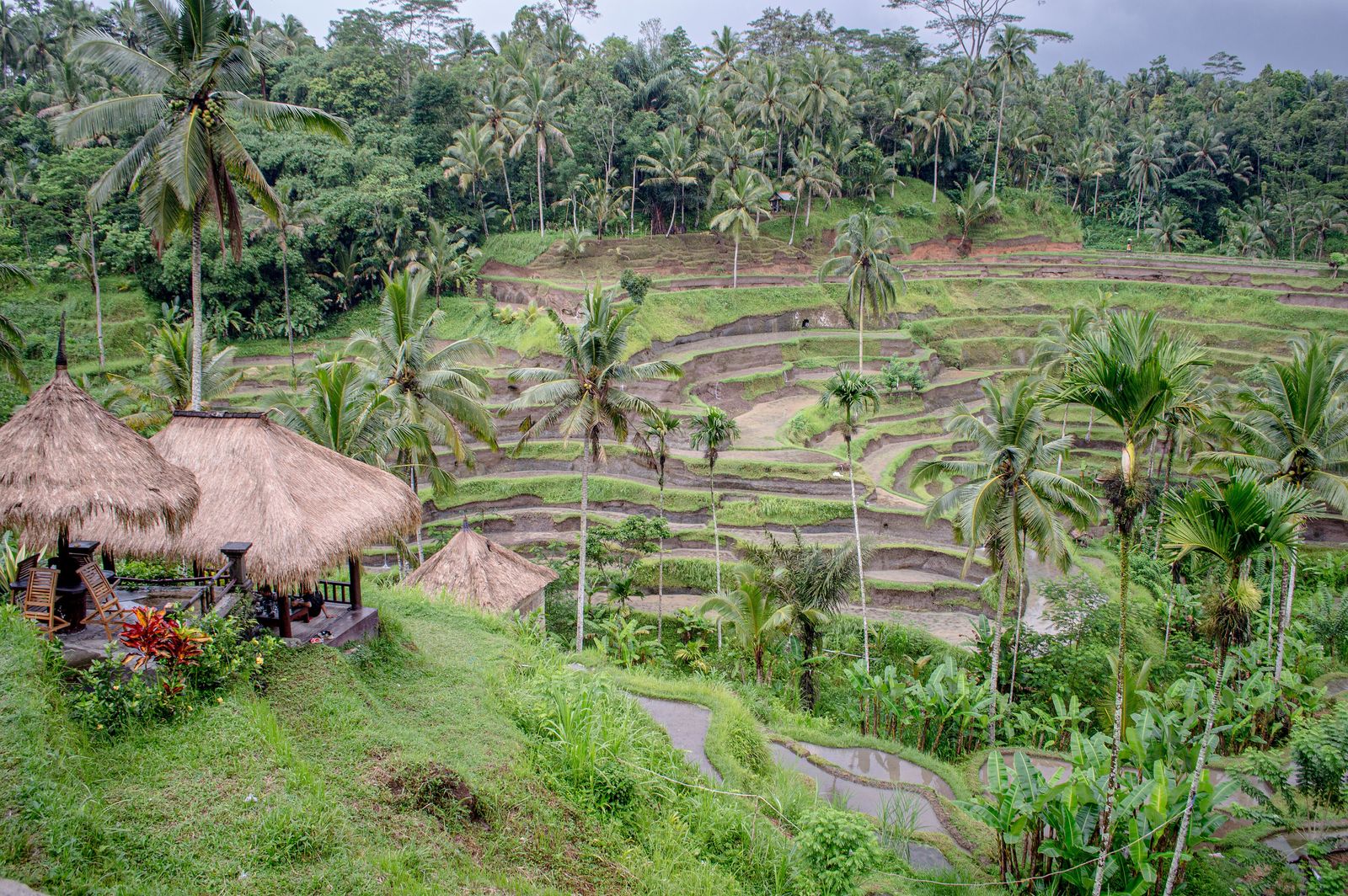 Photo: Philip Nalangan, CC BY 4.0
Bali Jungle Travel Guide
Everything you need to plan the interior of Bali — Ubud, Sidemen and the northern highlands — where to stay in the jungle, when to go and what it actually costs.
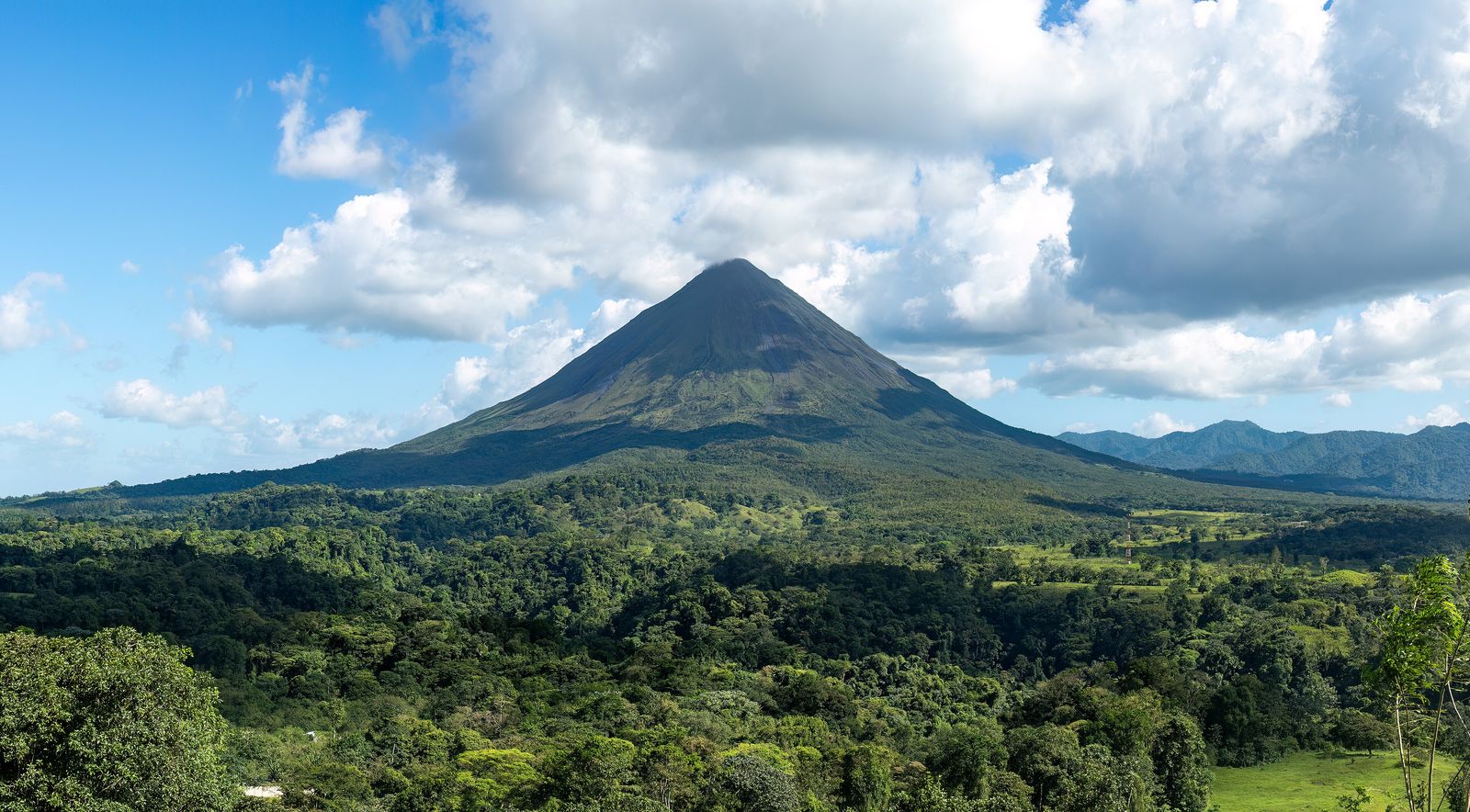 Photo: Rhododendrites, CC BY-SA 4.0
Costa Rica Rainforest Travel Guide
The definitive guide to Costa Rica's rainforests — cloud forest, Pacific lowlands and the wild Osa Peninsula — with where to stay and when to go.
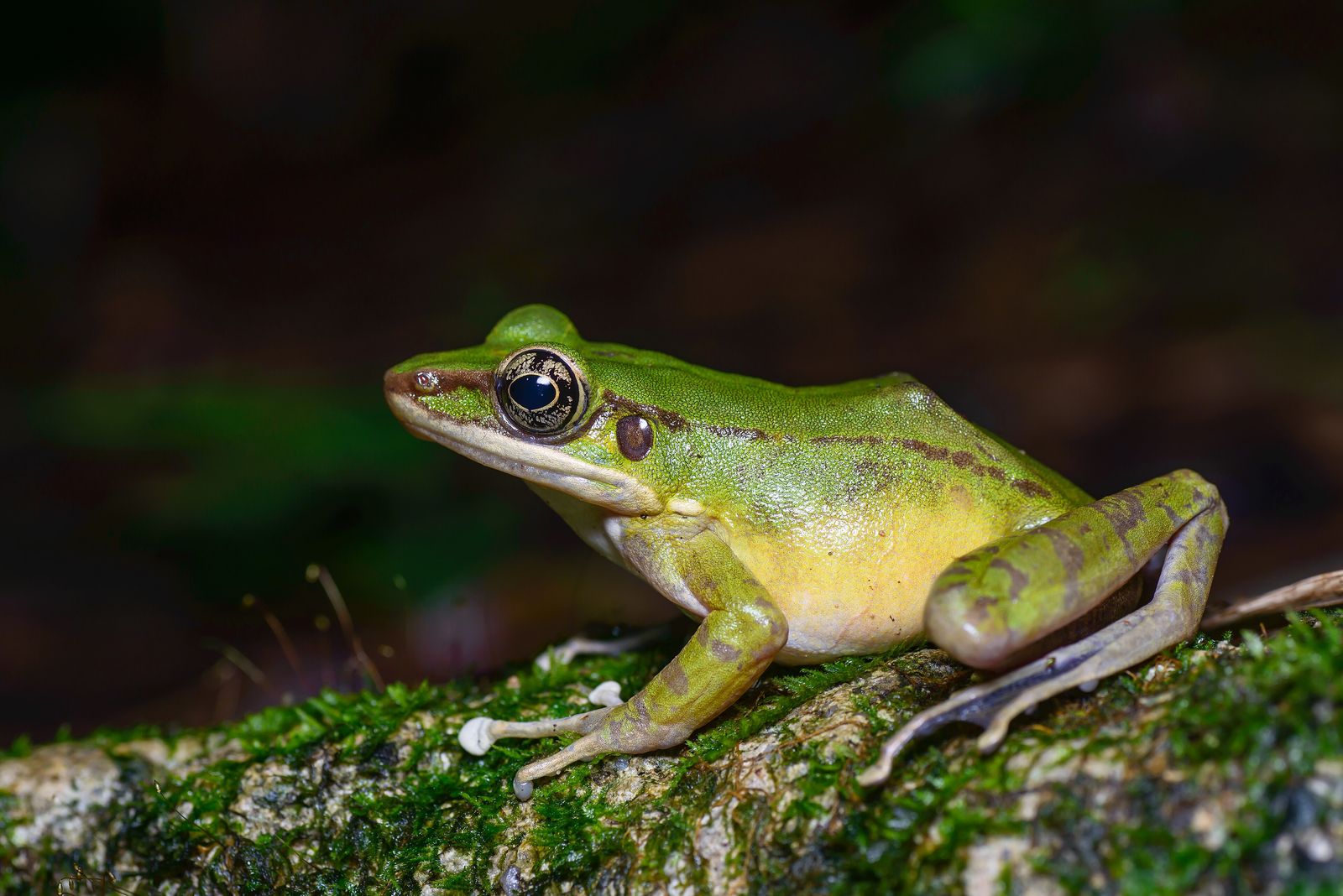 Photo: Rushenb, CC BY-SA 4.0
Thailand Jungle Travel Guide
Beyond the beaches: Khao Sok's ancient rainforest, the northern hills around Chiang Mai and the karst jungle of the south.
 Photo: Derek Ramsey (Ram-Man), CC BY-SA 4.0
Find your own piece of the canopy.
Treehouses, bamboo houses and rainforest villas across 17 destinations — found, vetted and written up honestly.
Browse all destinations