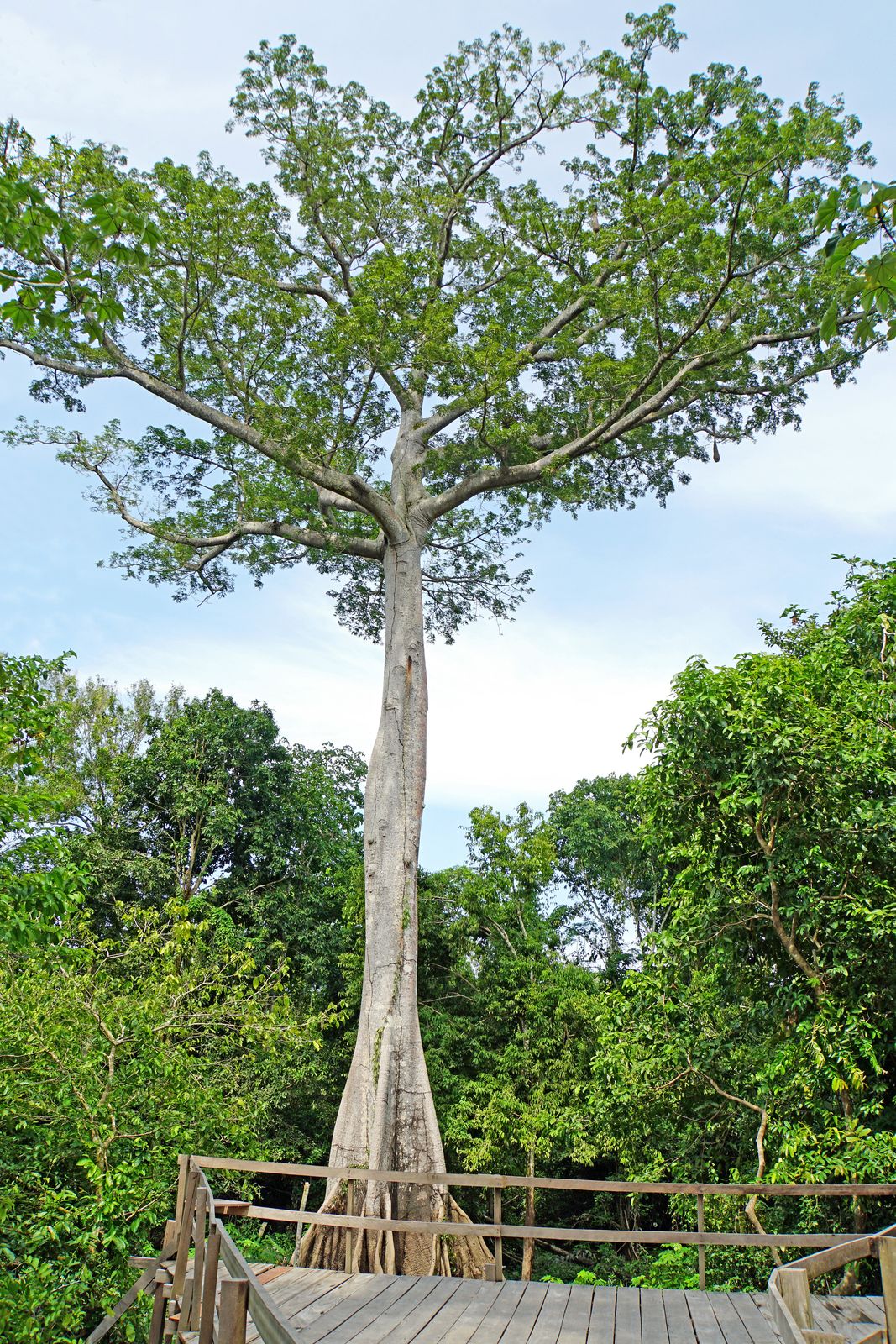
Rainforest Plants & Jungle Medicine
Somewhere between a quarter and a third of the pharmaceuticals in a Western hospital's dispensary owe something to a plant compound first identified in a rainforest, and the honest version of that story is stranger and slower than the "miracle cure in the jungle" headlines suggest. It runs through Quechua bark chewers in the Andes, arrow poison recipes kept by Amazonian hunters, a pink flowering shrub from Madagascar that changed childhood cancer survival rates, and decades of unglamorous chemistry done in labs thousands of miles from where the plant grew. This is a guide to how that story actually works — the real plants, the real drugs, the real places you can go see where it started, and the real, messy ethics of visiting them.
What "rainforest medicine" actually means
It's worth being precise about the claim before getting into examples, because "the rainforest holds the cure for cancer" is the kind of line that gets repeated until it stops meaning anything. The more careful version, and the one that holds up, is this: tropical forests are extraordinarily good at producing chemically active plant compounds, because plants that can't run from a threat have spent tens of millions of years evolving toxins, deterrents and defenses instead — and a meaningful share of those compounds turn out to do something useful in a human body, at the right dose, once chemists isolate and refine them. The U.S. National Cancer Institute identified roughly 3,000 plants with anti-cancer potential, and around 70 percent of those are native to rainforest. That's not folklore; it's a screening result from an institution that spent decades testing plant extracts against cancer cell lines.
The gap between "this plant has an active compound" and "this is now a drug you can be prescribed" is enormous, and it's where most of the popular retellings of this story get sloppy. A compound has to be isolated, its structure identified, its safety and dosage established through controlled trials, and then it has to clear a regulatory approval process that can take a decade or more and fail at any stage. Most rainforest-derived compounds never make it that far. The ones that do — quinine, vincristine, tubocurarine, pilocarpine, and a shorter list of others — are worth taking seriously precisely because they survived that filter, not because a healer somewhere said a leaf helped with a headache. Traditional use is frequently the starting clue that sends a researcher looking in the first place; it is not, on its own, proof that something works or is safe to self-administer.
Ethnobotany — the formal study of how human cultures use plants — sits at the center of this. Indigenous communities across the Amazon, Central America, Southeast Asia and Central Africa have accumulated, tested and passed down plant knowledge over centuries, often through oral tradition, and a real share of modern pharmacology's rainforest discoveries trace back to a researcher asking a local healer or hunter what a particular plant was used for. That intellectual debt matters, and it's a live, unresolved issue in the industry: several rainforest-derived drugs were commercialized for decades before the communities whose knowledge pointed researchers there saw any benefit-sharing agreement at all. Keep that thread in mind — it comes back later in this guide, because it directly affects how you should think about visiting an ethnobotanical garden or buying a "jungle remedy" as a souvenir.
The trees that hold the whole system up
Before any of the specific medicine stories, it's worth understanding the plant that makes the whole pharmacy possible: the rainforest canopy itself, and the structural trees that hold it together long enough for everything else to grow, flower, and be studied. Few trees illustrate that better than the strangler fig.
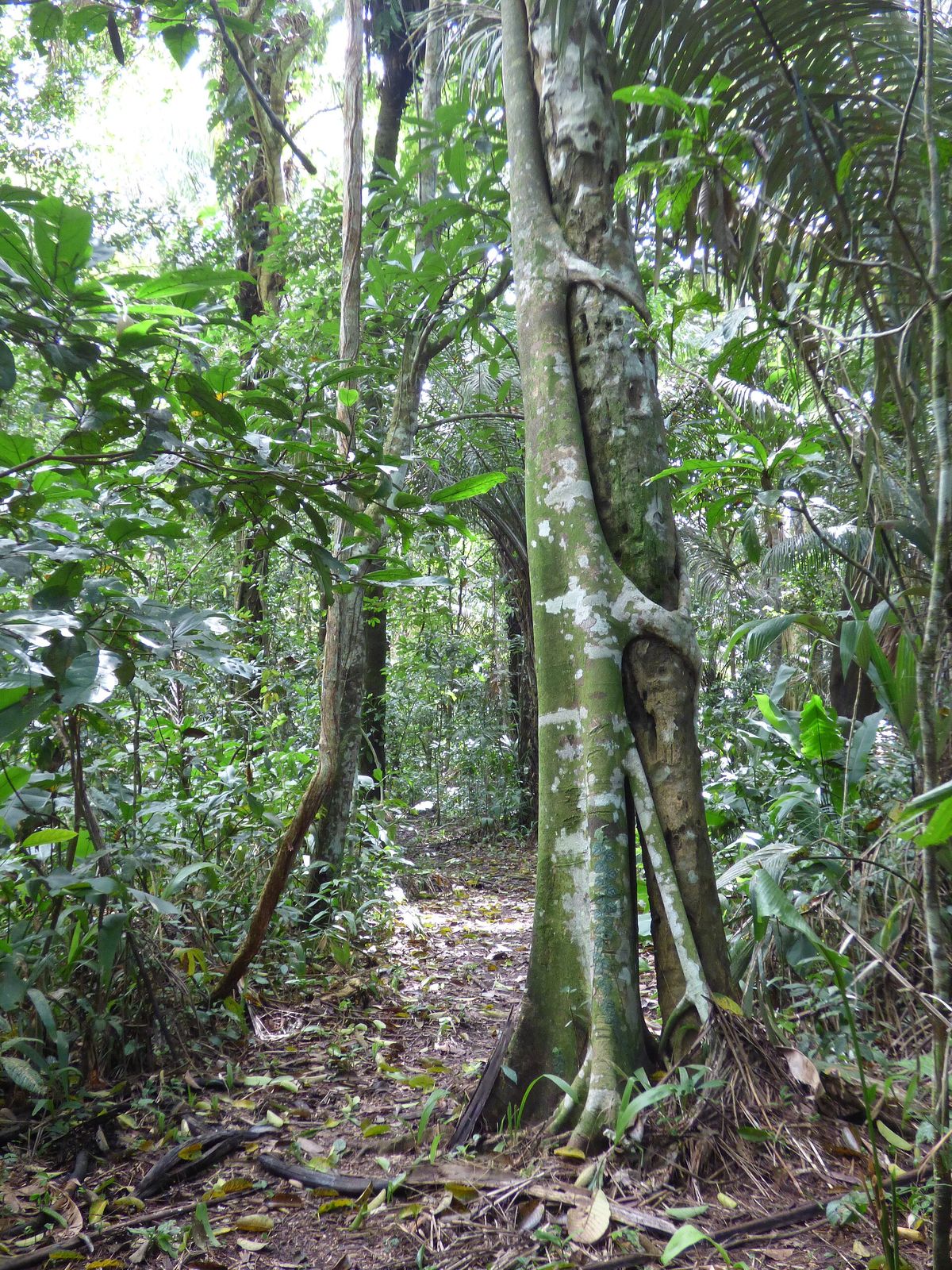
A strangler fig doesn't start life in the ground. A bird or bat deposits a fig seed high in the canopy, in the crook of a host tree, and the seedling grows downward, sending roots snaking around the host trunk toward the soil while its own crown climbs upward to compete for light. Over years or decades, those roots fuse into a lattice-like lattice of woody tissue that can eventually encase the host tree's entire trunk. The host often dies — starved of light from above, girdled by the fig's roots below — and rots away, leaving the strangler fig standing as a hollow, cathedral-like column of interlaced roots with an open, chimney-like gap of air at the center, where the original trunk used to be. It sounds brutal described that way, and biologically it is a real act of competition, but the strangler fig that results is one of the rainforest's great architectural feats and one of its most important habitat trees: the wide, fissured trunk supports epiphytes, orchids, ferns and moss gardens; the hollow interior shelters bats and birds; and the fig's fruit is a keystone food source for a disproportionate share of a rainforest's mammals and birds, especially in seasons when other fruiting trees have gone quiet.
That last point is the one ecologists tend to emphasize. Because strangler figs in a given patch of forest don't all fruit on the same schedule, and because a single tree can produce a huge crop at once, fig trees function as a reliable, staggered food source year-round — which is why they're often called a keystone species. Remove the figs from a forest, and the knock-on effect on everything that depends on that fruit, from howler monkeys to hornbills, is disproportionate to how few individual trees you've lost. It's a useful reminder before getting into the specific medicinal plants below: the "pharmacy" framing can make it sound like a rainforest's value is a list of individually useful compounds, but the actual value is the intact, interdependent system that keeps producing new ones — which is also the argument conservationists lean on hardest when they talk about why an unlogged forest is worth more standing than cleared.
Bark, bitterness and malaria: cinchona and quinine
The oldest and, in terms of lives affected, probably the single most consequential story in this guide starts with the bark of the cinchona tree, a genus native to the humid forests of the Andean foothills in Peru, Ecuador, Bolivia and Colombia. The Quechua people of the Andes had long used ground cinchona bark, extremely bitter, to treat fevers, and that traditional use eventually reached European physicians in the 17th century, who found it worked specifically against the fevers of malaria in a way nothing else available at the time did.
It took another two centuries before chemists isolated the actual active compound — quinine — from the bark in the 1820s, which let doctors move from "chew this bitter bark and hope for the right dose" to a measured, standardized treatment. For the better part of a century afterward, quinine was the only effective malaria treatment in the world, and control of cinchona supply became a genuine strategic asset for colonial powers moving through malarial regions of Africa and Asia. Synthetic antimalarials eventually replaced quinine as the frontline treatment for most cases, and resistance has complicated its use further, but quinine and its close derivatives are still used today, including for certain severe and drug-resistant forms of malaria — a nearly two-hundred-year run for a compound that started as bark chewed by people who never got a say in what it would become worth.
Good to know
Tonic water's bitterness is a direct, if diluted, descendant of this story — it was originally quinine tonic, mixed to make the bitter antimalarial more palatable for British colonial officials in malarial regions, and gin was added mostly to make the tonic more drinkable still. Modern tonic water contains only a trace of quinine, nowhere near a therapeutic dose, but the flavor is the one part of this whole story you've probably already tasted.
The pink flower that rewrote childhood cancer
If cinchona is the oldest story here, the Madagascar periwinkle — Catharanthus roseus, a small, pink- or white-flowered shrub native to the rainforests and dry forests of Madagascar — is probably the most dramatic. Traditional healers on Madagascar and in the Caribbean, where the plant had also spread, used it for a range of ailments, and in the 1950s researchers working independently in Canada and at Eli Lilly in the United States began investigating its traditional use as a treatment for diabetes. It turned out not to do much for blood sugar. What it did instead was stop cell division, and that unexpected discovery led researchers to two alkaloids from the plant — vincristine and vinblastine — that would go on to become two of the most important chemotherapy drugs ever developed.
Vincristine is now a standard component of treatment for childhood acute lymphoblastic leukemia, and the scale of what that has meant is hard to overstate: before these drugs, survival for childhood leukemia was somewhere around 10 percent; with vincristine as part of modern combination chemotherapy protocols, survival rates for that disease now run as high as 90 percent. Vinblastine, the companion compound, is used primarily against Hodgkin's lymphoma and several other cancers. Neither drug can be synthesized cheaply from scratch at scale — the plant-derived alkaloids, or closely related semi-synthetic pathways built on them, remain central to how these medicines are actually produced today.
A plant investigated for diabetes, that didn't work for diabetes, turned out instead to help push childhood leukemia survival from roughly one in ten to nine in ten. That's the rainforest-medicine story in miniature: the discovery you're looking for is rarely the one you find.
It's worth being precise about geography here too: Madagascar's rainforest is not the Amazon, and this guide otherwise leans heavily on the Americas, but the periwinkle's story belongs in any honest account of jungle medicine — and it's a useful check on the instinct to think of "the rainforest" as one interchangeable place. Different rainforests, on different continents, with different plant lineages entirely, have each independently produced compounds that changed modern medicine.
From arrow poison to operating table
Curare
Curare is not one single recipe but a family of arrow and dart poisons developed independently by numerous Indigenous groups across the Amazon basin, brewed from the bark and stems of several plant genera — most notably vines in the genus Chondrodendron and Strychnos. Hunters used curare-tipped darts, often fired from blowguns, because the poison causes muscle paralysis; prey stop being able to move, including the muscles that control breathing, and die of asphyxiation, while the meat itself remains safe to eat because curare has to enter the bloodstream directly to work — it's harmless if swallowed.
European explorers and scientists documented curare from the 16th century onward, but it took until the 1930s and 1940s for chemists to isolate its primary active compound, d-tubocurarine, and for anesthesiologists to realize that a controlled, carefully dosed muscle relaxant was exactly what modern surgery needed. Before tubocurarine and the synthetic muscle relaxants developed from studying it, surgeons achieved muscle relaxation for operations largely by using very deep, riskier levels of general anesthesia. A precisely dosed paralytic let anesthesiologists relax a patient's muscles independently of how deeply they were sedated — safer, more controllable surgery, built directly on a hunting poison refined over generations by people the original 16th-century explorers dismissed as having nothing to teach them.
Jaborandi and pilocarpine
A less famous but still active example: Pilocarpus species, shrubs native to Brazil's rainforest known locally as jaborandi, whose leaves Indigenous and traditional Brazilian communities used to induce sweating and salivation. Chemists isolated the responsible compound, pilocarpine, in the 19th century, and it remains in real clinical use today for two specific purposes: as eye drops to treat glaucoma, by constricting the pupil and improving the drainage of fluid that builds up pressure inside the eye, and, in oral form, to treat severe dry mouth caused by radiation therapy or Sjögren's syndrome. Brazil remains a major source of jaborandi leaf for pharmaceutical extraction, and unlike a lot of the plants in this guide, wild jaborandi harvesting is an ongoing, regulated part of Brazil's rainforest economy today rather than a historical footnote.
The traditional pharmacy still in daily use
Not everything in this category has cleared the full path to a pharmacy-shelf pharmaceutical, and it's worth being honest about that distinction rather than blurring it — these are plants with a long, documented history of traditional use, some with real pharmacological research behind specific compounds, that you're likely to actually encounter, be offered, or see growing if you spend real time in Amazon rainforest communities.
Dragon's blood
Several Croton tree species, most notably Croton lechleri, produce a deep red latex when the bark is cut — "dragon's blood" — which Amazonian communities have used for generations to treat wounds, stop bleeding and settle digestive complaints. It has drawn serious pharmaceutical interest: a purified extract of the latex was developed into crofelemer, a prescription drug approved in the United States specifically for a narrow, defined use — diarrhea associated with HIV antiretroviral therapy — which makes it one of the more recent, well-documented examples of a rainforest folk remedy reaching an actual FDA-approved medicine, even though its approved use is far narrower than the broad traditional applications the latex is used for locally.
Cat's claw and copaiba
Uncaria tomentosa, cat's claw, is a woody Amazonian vine named for the small, curved thorns along its stem, used traditionally for inflammation and as a general tonic; it's widely sold today as a dietary supplement, though it hasn't gone through the same rigorous approval pathway as vincristine or pilocarpine. Copaiba, an oleoresin tapped from Copaifera trees much the way rubber is tapped, has an equally long history of traditional use on cuts and skin irritation and turns up today in cosmetics and topical products across Brazil. Both are genuinely rooted in real rainforest ethnobotany — neither is a substitute for seeing a doctor, and neither should be presented to a traveler as one.
Ipecac
Carapichea ipecacuanha, native to Brazil's Atlantic and Amazon forests, gave its name to ipecac syrup, historically used to induce vomiting after poisoning — a use now considered outdated and actively discouraged by modern toxicology, which favors other treatments. It's included here less as a recommendation and more as a reminder that "traditional rainforest medicine" isn't a static, always-correct body of knowledge; some of it, like some of Western medicine's own historical practices, has been superseded as better options were developed.
Ayahuasca, and the plants under the microscope right now
No honest guide to rainforest plant medicine can skip ayahuasca, and none should oversell it either. Ayahuasca is a brew, not a single plant — traditionally made by combining the Banisteriopsis caapi vine with a DMT-containing plant, most commonly chacruna (Psychotria viridis). Indigenous groups across the Amazon basin, spanning Peru, Ecuador, Colombia and Brazil, have used it for generations in structured ceremonial contexts led by trained practitioners, for purposes ranging from healing to divination to community ritual. The vine alone contains harmala alkaloids that act as monoamine oxidase inhibitors, which is the chemistry that allows the DMT in the second plant to become orally active at all — a genuinely sophisticated pairing that traditional practitioners worked out long before anyone had the word "pharmacology" for what they were doing.
In the last two decades, ayahuasca and its component compounds have become a real subject of clinical research interest, particularly around treatment-resistant depression, alongside a broader wave of research interest in other plant- and fungus-derived psychoactive compounds. That research is genuinely ongoing, conducted through institutional review and controlled trials — it is not the same thing as a tourist ceremony at a jungle lodge, and conflating the two is where a lot of ayahuasca tourism goes wrong. Retreat centers around Iquitos, Peru in particular have built an entire, mixed-quality industry around ayahuasca tourism, and the honest advice is the cautious one: this is not a casual jungle activity to add to an itinerary on a whim. The physiological effects are real, there are genuine drug interactions and health risks — particularly for anyone on antidepressants or with certain heart or psychiatric conditions — and outcomes depend enormously on the skill, training and honesty of the practitioner running the ceremony. If you're seriously considering it, that decision deserves real medical consultation beforehand and a retreat center with a verifiable, reputable track record, not a same-day booking made because it was offered at your lodge.
Where to actually see this working forest
You don't need to fly to a research station to see rainforest ethnobotany in action — a genuine, well-run medicinal plant walk is one of the more interesting half-days you can add to a jungle trip, and a few places do it properly.
Peru's Amazon: the ReNuPeRu Ethnobotanical Garden
Along a tributary of the Napo River, upriver from Iquitos, the ReNuPeRu Ethnobotanical Garden sits inside a large private rainforest reserve and is tended full-time by resident shamans who maintain a working collection of around 245 medicinal plant species, walking visitors through what each one treats and how it's traditionally prepared. It's one of the more legitimate, long-running examples of an ethnobotanical garden built with and for the practitioners who actually hold the knowledge, rather than a roadside stall selling bottled tinctures. A Peru Amazon trip built around Iquitos and the Napo River tributaries is the most direct route to this specific kind of experience.
Costa Rica: La Selva and guided medicine walks
La Selva Biological Station, run by the Organization for Tropical Studies in Costa Rica's Sarapiquí region, protects roughly 1,600 hectares of old-growth and secondary rainforest holding more than 400 tree species and over 2,000 plant varieties, with trained naturalist guides leading daily walks along an extensive, well-maintained trail network — a research station first, but one genuinely open to visitors who want a scientifically grounded introduction to rainforest plant diversity rather than a purely tourist-facing one. On the Osa Peninsula, lodges including Lapa Rios run dedicated local medicine walks with guides drawing on regional traditional plant knowledge, a smaller-scale but accessible version of the same idea. Either is a solid anchor for a Costa Rica itinerary built partly around this topic.
Brazil's Amazon
Brazil is home to more of this story than almost anywhere else — jaborandi, dragon's blood, copaiba and ipecac are all native to Brazilian rainforest, and Amazon lodges and river cruises out of Manaus frequently include an ethnobotanical or medicinal-plant component in their guided walks, run by guides drawing on regional caboclo and Indigenous plant knowledge. A Brazil Amazon trip is the broadest single way to encounter this whole list of plants in the forest where most of them actually grow.
Beyond the Amazon and Central America
This guide leans heavily on the Americas because that's where most of the best-documented, most visitable examples sit, but the pattern repeats wherever there's intact rainforest and an intact traditional-knowledge system alongside it — in the dipterocarp forests of Borneo, the rainforests of Bali and wider Indonesia, and Sri Lanka's wet-zone forests, all of which carry their own long, distinct ethnobotanical traditions worth researching specifically if that's the region your trip is centered on.
Seeing it responsibly
The single most important thing to internalize before booking a medicinal plant walk, an ayahuasca ceremony or a shopping stop for "jungle remedies" is that this entire field carries a real, unresolved history of extraction — researchers and companies profiting from traditional knowledge without meaningfully compensating or crediting the communities that knowledge came from, a pattern serious enough that it has its own name in policy circles: biopiracy. Choosing where to spend your time and money here isn't just a consumer preference; it has a direct bearing on whether that history keeps repeating.
A few practical rules make this manageable rather than paralyzing. Favor operators and gardens, like ReNuPeRu, that are run by or employ the actual practitioners holding the knowledge, rather than businesses reselling a generic "jungle medicine" experience with no connection to a specific community. Don't buy wildlife or plant products of uncertain origin — bark, resin or dried plant material sold roadside with no clear sourcing may be harvested unsustainably, and in some cases illegally, from protected species or protected areas. Never treat a traditional medicine walk as a substitute for actual medical care, and be openly skeptical of anyone — in the rainforest or anywhere else — who claims a plant "cures" a serious illness; legitimate practitioners and guides are generally the first to be honest about the limits of what they're showing you. And if a ceremony, retreat or experience is being pitched to you with high-pressure sales tactics or unrealistic promises, that's a reliable signal to walk away, regardless of how it's marketed.
None of this should discourage genuine curiosity. A well-run ethnobotanical walk, led by someone with real, community-rooted knowledge, is one of the more substantive things you can do on a jungle trip — it's a direct look at where a meaningful share of modern medicine actually came from, and a chance to hear that history from people whose families have carried it for generations, rather than from a pharmacology textbook.
Common questions
Is it true that a quarter of modern medicines come from rainforest plants?
The commonly cited figure is that roughly a quarter of pharmaceutical products trace back to compounds first identified in plants, a meaningful share of them tropical or rainforest in origin, and separately that around 70 percent of the 3,000 plants the U.S. National Cancer Institute identified with anti-cancer potential are native to rainforests. Both numbers are widely repeated in conservation and pharmacology literature, though "traces back to" covers a long chain from a wild plant to an approved drug, and most rainforest species have still never been screened for medicinal compounds at all.
What's the most important rainforest-derived medicine, historically?
Quinine, from cinchona bark, has the strongest claim by sheer scale and duration of impact — it was the only effective malaria treatment available for roughly a century and shaped the history of human movement through malarial regions worldwide. In terms of a single, more recent breakthrough, vincristine and vinblastine from the Madagascar periwinkle, which helped push childhood leukemia survival from around 10 percent to around 90 percent, are hard to match.
Can I safely try traditional plant remedies while visiting the rainforest?
Treat this with real caution. A guided walk that shows and explains plants is safe and educational; actually ingesting an unfamiliar plant preparation, including in a ceremonial context like ayahuasca, carries genuine health risks, drug interaction risks and quality-control risks depending entirely on the practitioner. Consult a doctor beforehand if you're considering anything beyond observation, particularly if you take any regular medication.
Is it ethical to buy plant-based remedies as souvenirs?
It depends entirely on sourcing. Buying directly from a reputable, community-run operation that can tell you where and how a product was harvested is very different from buying unlabeled bark or resin from a roadside stand with no traceability. When in doubt, ask questions about sourcing before you buy, or simply don't.
Where's the best single place to see rainforest medicinal plants in a guided setting?
For a genuinely knowledge-rooted experience, the ReNuPeRu Ethnobotanical Garden on Peru's Napo River, tended by resident shamans, is one of the most established. For a more research-station, naturalist-led introduction, La Selva Biological Station in Costa Rica is hard to beat, and Osa Peninsula lodges like Lapa Rios offer accessible local medicine walks for visitors who want a shorter, lodge-based version of the same idea.
Are these plants only found in the Amazon?
No — this guide is Amazon- and Central America-heavy because that's where the best-documented, most visitable examples sit, but the Madagascar periwinkle is a reminder that other rainforests, on other continents, have produced their own significant medicinal discoveries entirely independently. Southeast Asia's rainforests, including those of Bali, Sri Lanka and Borneo, carry their own long ethnobotanical traditions worth exploring on their own terms.
If this pulled you toward planning an actual trip, it pairs naturally with a few other guides on this Journal. The monkeys of the rainforest and toucans and the tropical birds you'll see round out the wildlife you're likely to spot on the same walks where these plants grow, and our explainer on cloud forests is useful background if your trip stacks a highland stop onto a lowland Amazon leg. Browse vetted stays by country on our full destinations directory, or go straight to Peru, Costa Rica or Brazil if one of those is already anchoring your plans. JungleBnB doesn't hold inventory or take payment for placement, so what you'll find there is the same shortlist we'd hand a friend planning the same trip.
- Rainforest Trust — Owed to Nature: Medicines from Tropical Forests — the National Cancer Institute's 3,000-plant anti-cancer screening and the 70 percent rainforest-origin figure.
- The Living Rainforest — Rosy Periwinkle — vincristine, vinblastine, and the rise in childhood leukemia survival from roughly 10 to 90 percent.
- Duke Lemur Center — Milestone Research on Madagascar Periwinkle — background on Catharanthus roseus and its cancer-fighting alkaloids.
- Forest Stewardship Council — Forest Medicines — cinchona and quinine, curare and tubocurarine, and jaborandi and pilocarpine.
- Global Citizen — 4 Known Medicines With Roots in the Amazon Rainforest — supporting detail on Amazon-derived pharmaceutical compounds.
- Explorama — ReNuPeRu Ethnobotanical Garden — the shaman-tended medicinal plant garden on Peru's Napo River, near Iquitos.
- Organization for Tropical Studies — La Selva Biological Station — trail network, tree and plant diversity, and guided naturalist walks in Costa Rica.
- Lapa Rios Lodge — Local Medicine Tour — a lodge-based traditional medicine walk on Costa Rica's Osa Peninsula.
More from the Journal.
 Photo: shankar s. from Dubai, united arab emirates, CC BY 2.0
Where to See Sloths in the Wild
The internet's favourite animal is real, wild and findable — where to reliably see sloths, how to spot them, and the stays that put you closest.
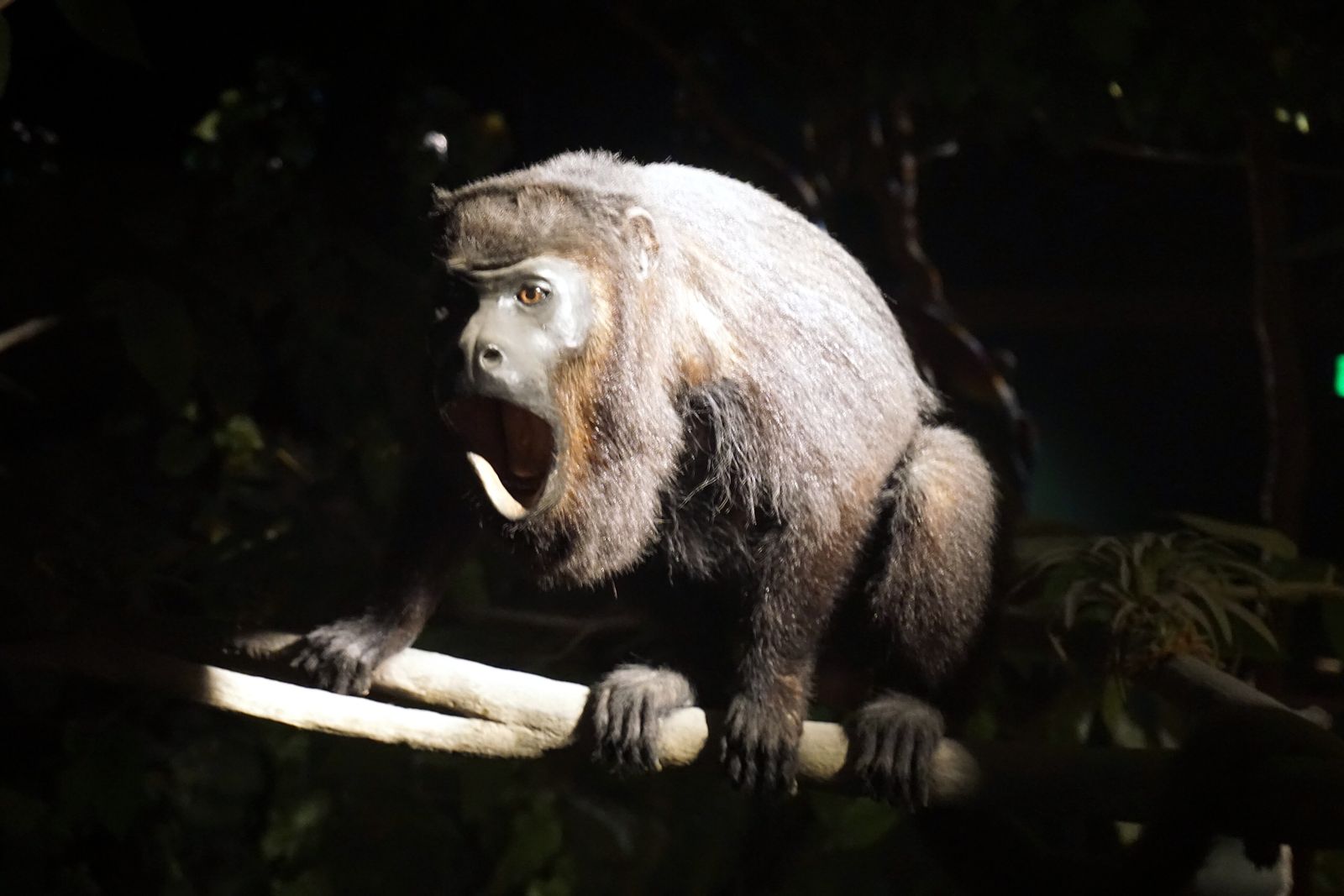 Photo: Michael Barera, CC BY-SA 4.0
The Monkeys of the Rainforest
Howlers waking you at dawn, capuchins raiding the deck — a field guide to the primates you will meet on a jungle stay, and where to meet which.
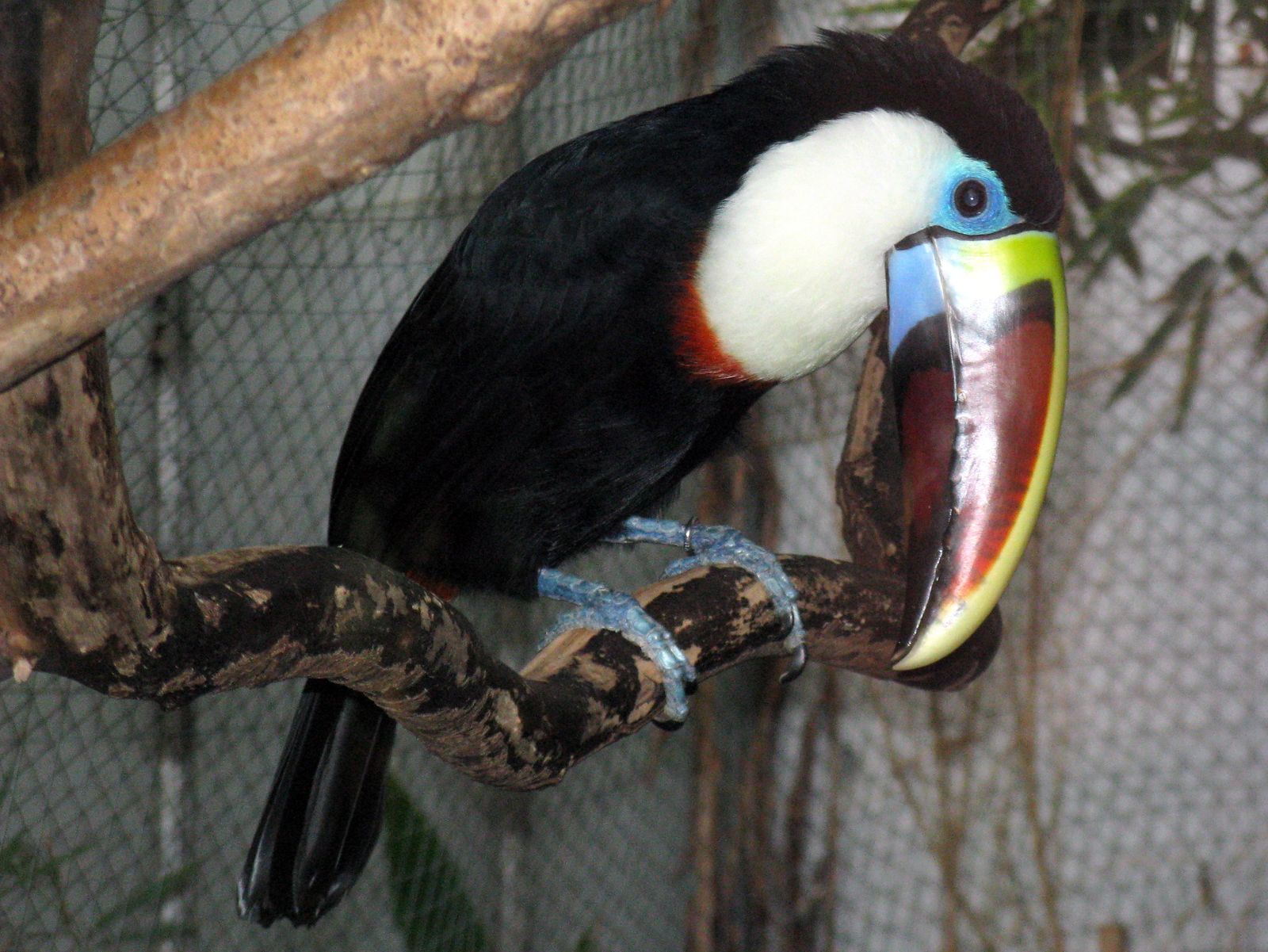 Photo: Charles Miller from Basingstoke, United Kingdom, CC BY 2.0
Toucans & the Tropical Birds You'll See
The rainforest is the richest bird habitat on earth. Toucans, macaws, quetzals and hummingbirds — what to look for, and the best places to look.
 Photo: Derek Ramsey (Ram-Man), CC BY-SA 4.0
Find your own piece of the canopy.
Treehouses, bamboo houses and rainforest villas across 17 destinations — found, vetted and written up honestly.
Browse all destinations