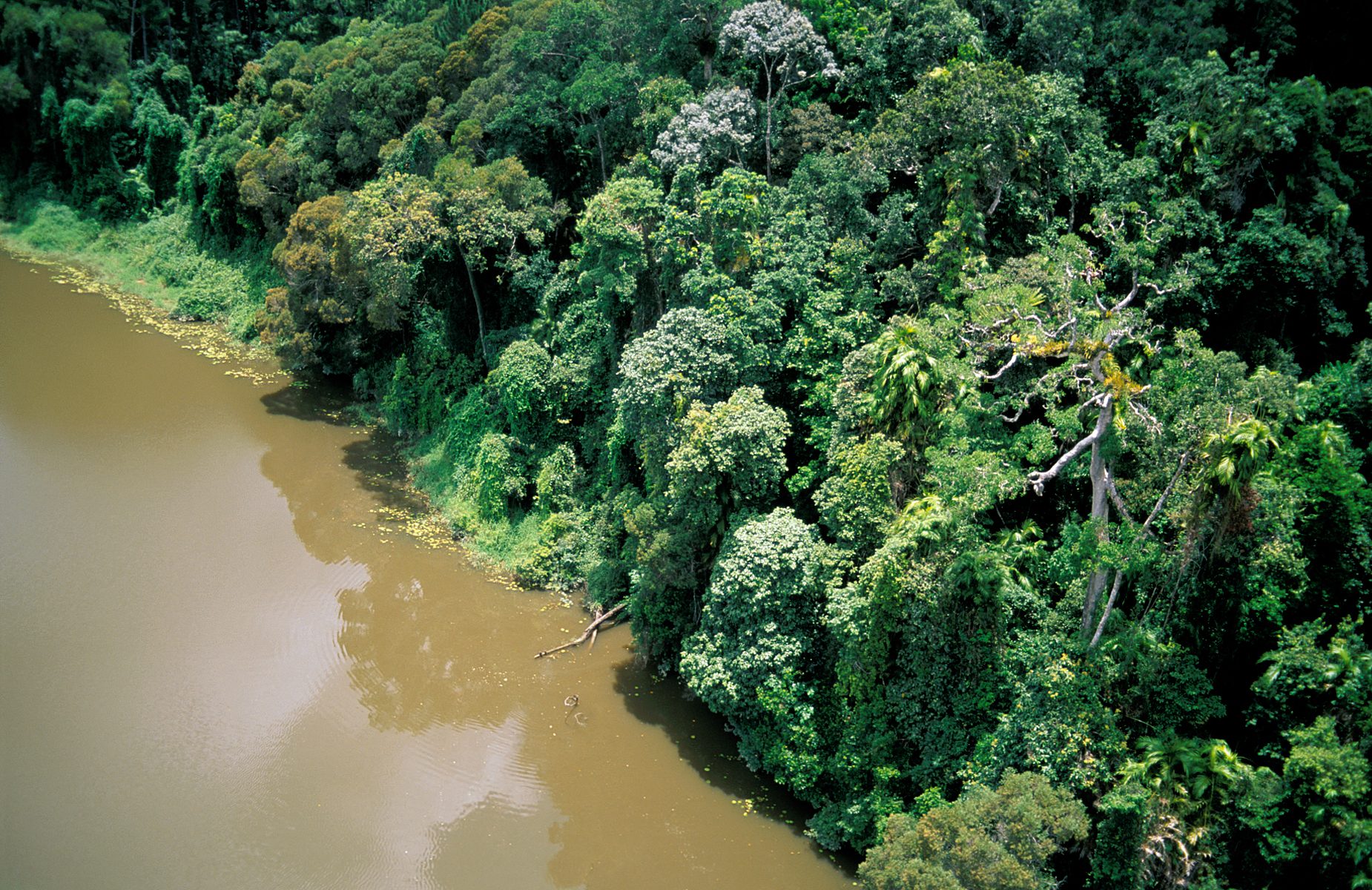
Why Jungle Stays Are Booming
A decade ago, a treehouse on Airbnb was a novelty. Today it's one of the most wished-for things on the platform, booked a year ahead and priced like a luxury hotel. That isn't an accident — it's the visible edge of three of the biggest shifts in modern travel converging on the same place: the forest.
We track this for a living, and the data has gotten hard to ignore. Here's what's actually driving the boom in jungle and nature stays — and why it looks structural, not faddish.
1. The "unique stay" went mainstream
The clearest signal comes from Airbnb itself. The company has reported that 55 of its 100 most-wishlisted homes worldwide were unique properties — treehouses, cabins, tiny homes — and that searches for these categories exploded, with some unique types up over a thousand percent year-on-year. Hosts of unique stays earned close to a billion dollars in a single year. What was once a quirky corner of the market is now its most desirable shelf. The treehouse-specific glamping segment alone is worth several hundred million dollars and growing steadily toward 2030.
2. Burnout turned "nature" into the product
People aren't booking forests for the trees — they're booking them for what the trees do to a nervous system. Hilton's 2026 research found that "rest and recharge" is now travelers' number-one motivation for a trip, and that two-thirds want nature-immersion retreats and silence. Expedia found 62% of travelers say cozy, secluded "JOMO" stays reduce their stress and anxiety. Wellness tourism, the broader category this sits inside, is projected by the Global Wellness Institute to more than double to $1.4 trillion by 2027. A jungle stay is, functionally, a stress-reduction device with a roof.
People aren't booking the forest for the trees. They're booking it for what the trees do to a nervous system that hasn't been quiet in years.
3. Remote work untethered the long stay
The arrival of fast, cheap satellite internet quietly rewrote the economics of remote stays. With an estimated 40 million digital nomads worldwide — US numbers up more than 150% since 2019 — there's now a large, well-paid audience that can work from anywhere with a connection. Starlink put that connection in the middle of the rainforest. The result: jungle stays that used to sell two-night escapes now sell month-long "workations," and a stay with reliable wifi can fill its calendar in a way it never could before. "No signal" went from a selling point to a dealbreaker in about five years.
4. Sustainability stopped being a niche
The travelers driving this boom care, measurably, about impact — and increasingly vote with their wallets. Three-quarters of global travelers say they want to travel more sustainably, and for the first time a majority say they're conscious of tourism's impact and want to avoid overcrowded destinations. The whole ecotourism market has grown to roughly $279 billion and is forecast to approach $500 billion by 2029. An off-grid, low-impact forest stay isn't just morally tidy — it's exactly what a growing slice of the market is actively shopping for.
What it means
Stack those four shifts and the boom stops looking like a trend and starts looking like a destination the whole industry is moving toward: small, distinctive, nature-immersed, low-impact, and well-connected. That's good news whether you want to book one of these places or build one. If it's the former, our directory is the shortcut past the ten thousand listings that just call themselves "jungle." If it's the latter, we wrote the field manual: how to start a jungle Airbnb.
- Airbnb Newsroom — unique stays, unique-stay earnings. Grand View — treehouse glamping market.
- Hilton — 2026 Hushpitality & 2026 trends. Expedia — Unpack '25. Skift — wellness tourism to $1.4T.
- MBO Partners — 2025 digital nomads. Starlink — Roam.
- Booking.com — sustainable travel data & 2025 impact research. Radical Storage — ecotourism statistics 2025.
More from the Journal.
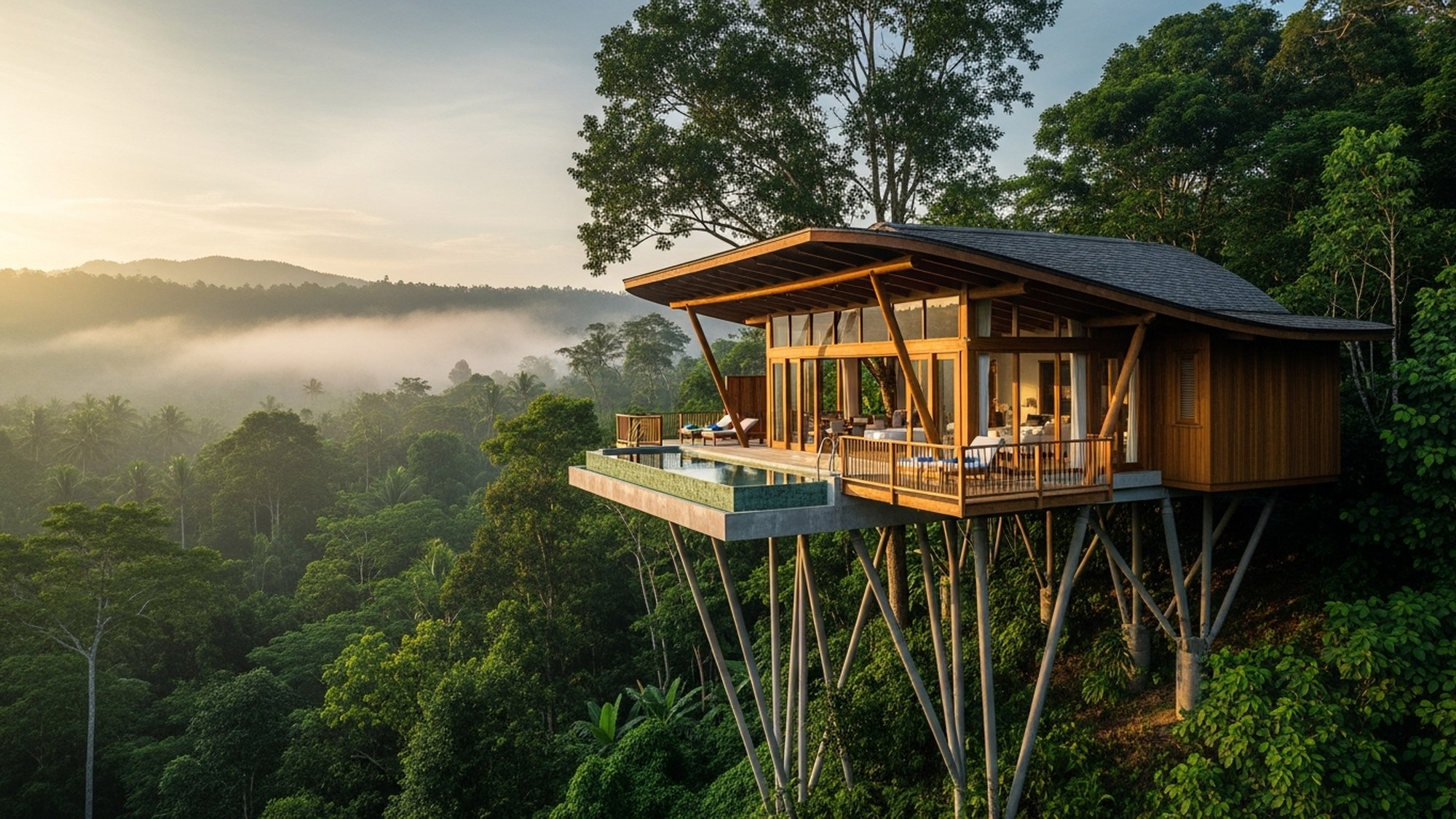
How to Start a Jungle Airbnb
The complete, honest guide to building and running a treehouse, bamboo house or rainforest villa — from choosing a country and the land laws to off-grid systems, budgets, and getting booked.
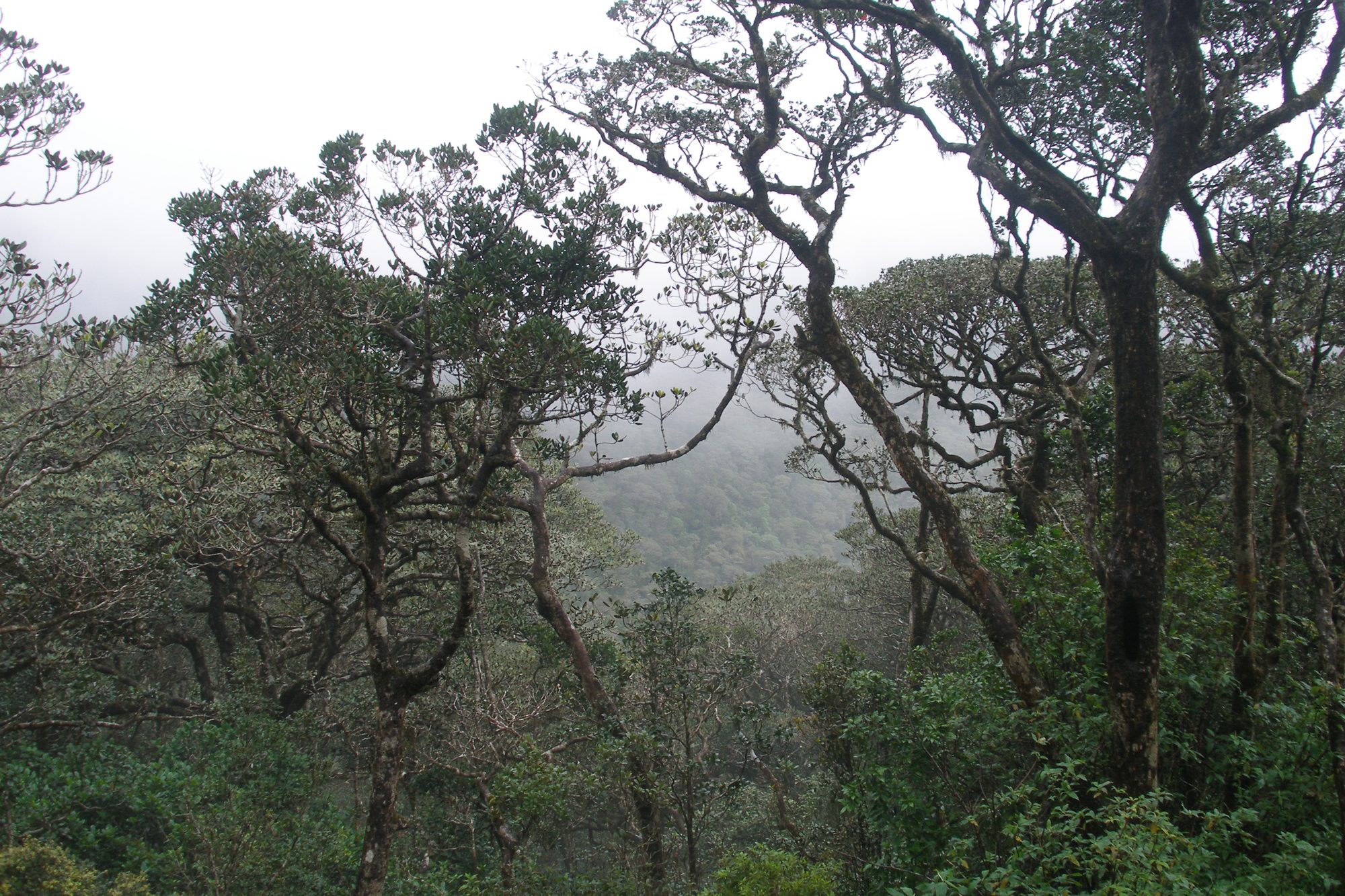
When to Visit the Jungle: A Season-by-Season Guide
There's no single best time to visit 'the jungle' — because it isn't one place. Here's when to go, region by region, with a month-by-month cheat sheet.
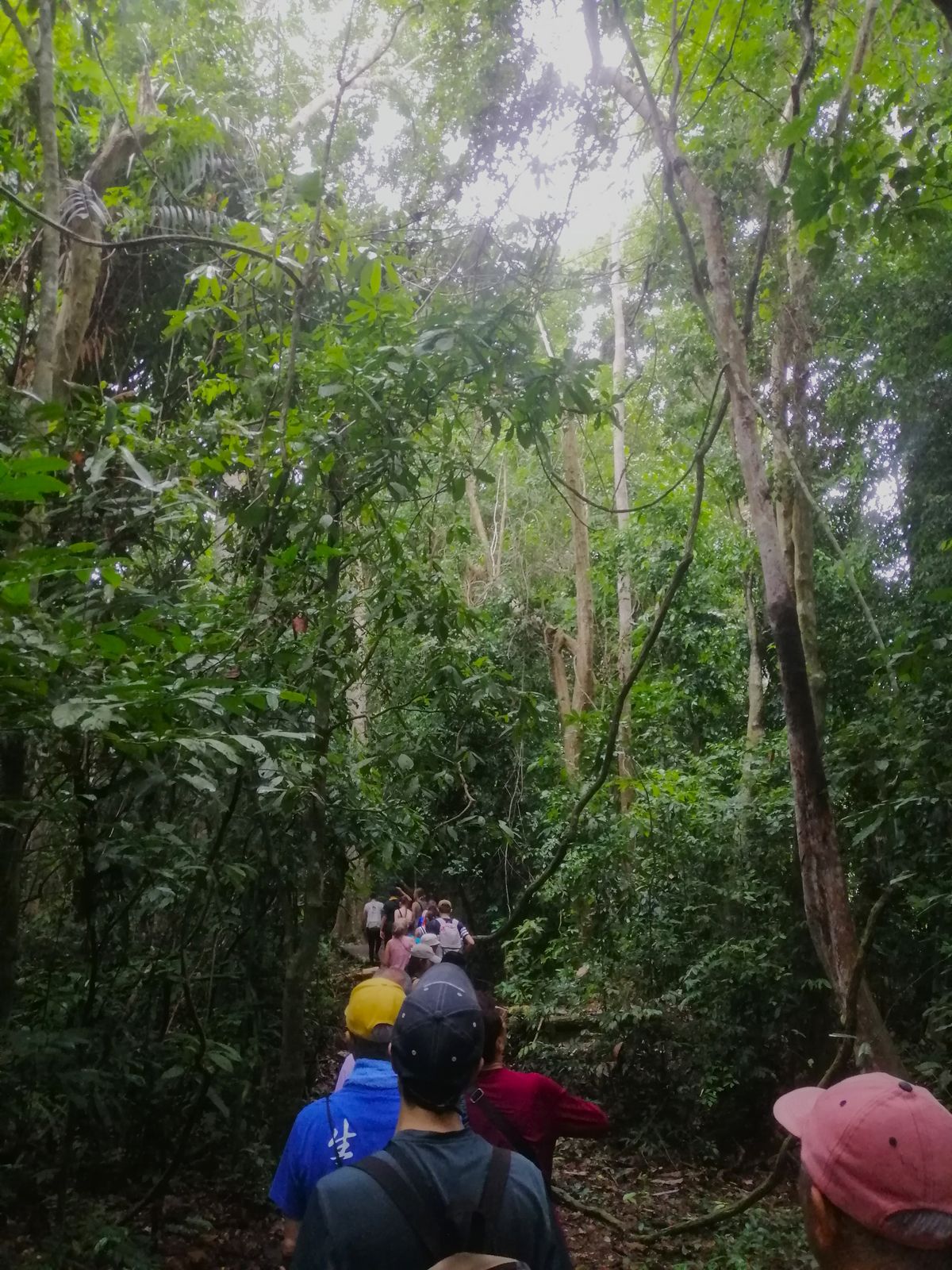
What to Pack for a Jungle Trip
The complete jungle packing list from people who have made every mistake — what actually matters, what to leave home and what nobody tells you.
Find your own piece of the canopy.
Treehouses, bamboo houses and rainforest villas across 17 destinations — found, vetted and written up honestly.
Browse all destinations