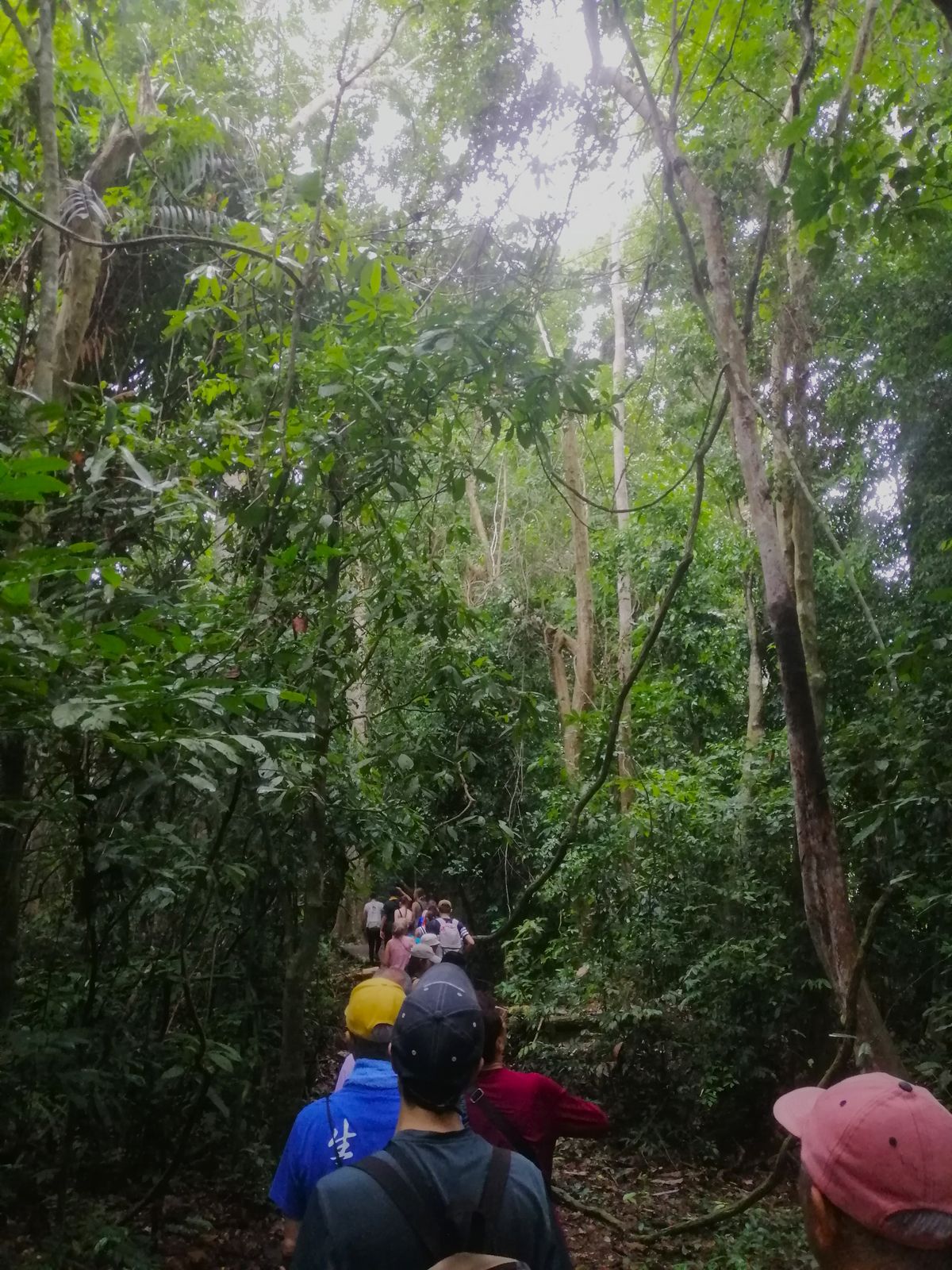
What to Pack for a Jungle Trip
Every jungle packing list on the internet tells you to bring bug spray and a poncho. Fine, but that's not what actually goes wrong. What goes wrong is the cotton shirt that never dries, the headlamp with dead batteries on the one night you needed it, the boots that were perfect in the shop and useless in mud, and the "waterproof" bag that wasn't. This is the list built from those mistakes — ours and the ones we've watched other people make — with the reasoning behind each item so you can adapt it instead of copying it blindly.
Why jungle packing is its own category
Most travel packing advice assumes you'll be dry within a few hours of getting wet, and that "wet" means rain rather than a permanent condition. Neither is true in the jungle. Humidity in a tropical rainforest routinely sits at 80–100%, which means fabric that would air-dry in an afternoon anywhere else can stay damp for two or three days. Add near-daily rain in many regions — even in the "dry" season — and you're not really packing for a trip, you're packing for a climate that actively resists your clothes drying, your electronics staying dry, and your feet staying comfortable.
That reframes almost every packing decision. It's why quick-dry synthetic fabric beats cotton every time, why a dry bag is not optional gear but a basic requirement, why gaiters and the right boots matter more than they would on a European city break, and why "just bring extra" is the wrong instinct — extra clothes in the jungle just means more damp clothes in your bag. The goal isn't to pack for every contingency. It's to pack a small, deliberate kit that handles heat, rain, mud and insects without you needing to do laundry every day or carry more than you can comfortably manage getting in and out of boats, vans and forest trails.
This guide assumes a fairly typical jungle stay: a lodge or jungle Airbnb as your base, day hikes or guided treks into the forest, maybe a canoe or river excursion, and warm temperatures year-round with a wetter and drier season rather than four seasons. If you're headed somewhere with a genuine cold season at altitude — cloud forest in the Andes, for instance — add a warm layer to everything below. And if you haven't settled on a destination yet, our full destination directory is a reasonable place to start before you build a packing list around somewhere specific.
The wet kit / dry kit system
The single most useful mental model for jungle packing is the one working guides actually use: split your clothes into a "wet kit" and a "dry kit," and defend the line between them like it matters, because it does.
Your wet kit is what you hike, boat and sweat in. It gets soaked — by rain, by the river, by your own sweat in 90% humidity — and it stays damp for most of the trip. You wear the same one or two sets of wet-kit clothing repeatedly rather than trying to keep a fresh outfit for every outing, because a fresh outfit just becomes another damp outfit within the hour. Your dry kit is what you change into at the lodge in the evening: it lives in a dry bag or the innermost, most protected part of your pack, it never touches the trail, and it's what lets you feel human again after a day of being wet.
In practice, that means: two to three quick-dry shirts and two pairs of quick-dry trousers or hiking pants for the wet kit, worn on rotation and rinsed rather than fully laundered (full laundering in high humidity often means the item doesn't dry before you need it again); one or two comfortable, breathable outfits — a lightweight cotton or linen shirt is genuinely fine here since it never leaves the dry side of the line — kept sealed away for evenings; and a strict rule that the dry kit does not come out of its bag until the wet kit is off. Guides at lodges across the Amazon, Costa Rica and Southeast Asia converge on some version of this system independently, which is a reasonable sign it works.
Good to know
Merino wool has a devoted following for jungle travel because it resists odor far longer than synthetics even when worn multiple days running — useful when you're limited to two or three wet-kit shirts for a week. It's more expensive and dries slightly slower than pure synthetic blends, so it's a tradeoff, not a universal upgrade.
Footwear: the decision that matters most
If you get one thing right, make it your feet. Bad footwear is the single most common reason people have a miserable time in the jungle, and it's also the mistake people make most confidently — because boots that feel great in an air-conditioned shop can be completely wrong for ankle-deep mud and river crossings.
Rubber boots versus hiking boots
For genuinely muddy, low-lying rainforest — much of the Amazon basin, mangrove areas, anywhere trails cross streams regularly — knee-high rubber boots (often called wellingtons or, in Spanish-speaking countries, botas de hule) are what local guides wear, and for good reason: they're waterproof to the knee, they're cheap and easy to hose off, and they don't stay wet the way a fabric hiking boot does once water gets in. Many Amazon lodges provide them as loaner gear specifically because guests' own hiking boots aren't suited to the terrain — worth checking before you buy a pair of your own.
For drier, hillier terrain — cloud forest, Costa Rica's Monteverde-style trails, most of Bali's interior, day hikes on maintained paths — a proper pair of waterproof hiking boots with good ankle support and already broken in works better than rubber boots, which aren't built for distance walking or uneven footing. The rule of thumb: if you're told there will be significant mud or river crossings, ask whether boots are provided at your lodge before packing your own; if not, buy rubber boots a size larger than usual to leave room for a thick sock, and never wear a brand-new pair on day one.
Gaiters and the leech question
Low gaiters, roughly six to eight inches, keep mud, small stones and — in leech territory, which includes parts of Southeast Asia and Sri Lanka's wet zone — leeches from getting into your boots over the top. They're light, cheap, and one of the few items on this list that has essentially no downside. If leeches genuinely worry you, look for socks marketed as leech-proof (a tight weave that a leech can't get purchase on) rather than relying on repellent alone, which has limited effect against them. Leeches are unpleasant but not dangerous — the bite is painless and the main issue is a bit of blood and a mild itch afterward, not infection risk in most cases.
Socks
Skip cotton socks entirely — they hold moisture against your skin and are the direct cause of most jungle blisters. Bring more socks than you think you need (four to six pairs for a week-long trip is reasonable) in a moisture-wicking synthetic or wool blend, and consider wearing a thin liner sock under a slightly thicker hiking sock; the two layers slide against each other instead of your skin sliding against the sock, which meaningfully cuts blister risk on long, sweaty days.
Bugs: what actually works
Insect protection in the jungle isn't about comfort — mosquito-borne illness is a real consideration in many tropical destinations, which is why it's worth doing properly rather than relying on whatever repellent is in the drugstore travel-size aisle. For the full health picture, including which vaccines and medications to discuss with a travel clinic before you go, see our separate guide on malaria, vaccines and health for jungle travel; this section covers the packing side specifically.
Repellent on skin
The U.S. Centers for Disease Control and Prevention recommends EPA-registered repellents containing DEET, picaridin, IR3535, oil of lemon eucalyptus, para-menthane-diol, or 2-undecanone for all exposed skin. DEET remains the most studied and, at around 20–35% concentration, gives a good balance of duration and tolerability for most travelers (higher concentrations like 50% extend protection time but don't work meaningfully better — they just last longer between reapplications). Picaridin at 20% is considered comparably effective against both the mosquito species that carry malaria and the ones that carry dengue and Zika, and many travelers prefer it because it's less likely to degrade plastics, synthetics or sunscreen the way DEET can. Bring a small bottle rather than counting on finding your preferred formulation locally — availability varies a lot by country.
Permethrin on clothing, not skin
This is the step people skip and shouldn't. Permethrin is an insecticide, not a repellent, and it's applied to clothing and gear rather than skin — treated fabric kills or incapacitates mosquitoes and ticks on contact and remains effective through several washes (roughly six weeks or a handful of washes, depending on the product). You can buy pre-treated clothing, or treat your own with a spray-on permethrin product a few days before you leave, giving it time to dry fully. Treating your hiking pants, socks, and the shirt you'll actually be hiking in adds a real second layer of protection on top of skin repellent, and it's genuinely one of the best-value items on this whole list for the cost.
Physical barriers still matter
Repellent chemistry is only part of the picture. Long sleeves and long pants in a lightweight, breathable fabric — worn especially at dawn and dusk, when mosquito activity peaks in most jungle regions — cut exposed skin dramatically without needing to reapply anything. A head net sounds excessive until the one evening the insects are bad enough that you're glad you packed it; it weighs almost nothing and takes up no real space. And if you're staying somewhere without reliable window screens or air conditioning, a compact mosquito net for the bed — many budget jungle lodges provide one, but not all — is worth checking on before you arrive rather than assuming.
Permethrin on your clothes and repellent on your skin is not overkill. It's the two-layer system that actually works, and most travelers only ever do one of the two.
Rain, humidity and keeping things dry
Rain in the jungle is rarely the gentle, all-day drizzle people picture. It's usually intense, short, and comes on fast — a genuine downpour that can start with almost no warning and pass within an hour, sometimes concentrated overnight or in the early morning depending on the region and season. That pattern shapes what rain gear actually earns its space in your bag.
What to bring
A packable poncho that covers both you and your daypack is the single most useful rain item for jungle travel — cheap, tiny when rolled up, and it solves the actual problem, which is your pack's contents getting soaked, not just your shoulders. A separate lightweight, hooded rain jacket is worth adding if you run cold or want something more wearable for cooler early-morning boat rides, but for pure practicality in a downpour, the poncho wins. Full rain pants are usually unnecessary for day hikes in genuinely hot jungle climates — you'll overheat inside them faster than the rain would have soaked you — though they earn their place in cooler cloud forest or high-altitude jungle at the edges of Peru's Amazon basin or similar terrain.
Dry bags aren't optional
Pack at least one or two dry bags, in the 5–20 liter range depending on what you're protecting — one for electronics and documents, one for a spare set of clothes if you're doing a boat excursion or river crossing where a dunking is a real possibility. A day pack with a rain cover helps, but a rain cover doesn't protect against the pack getting fully submerged during a canoe tip or a slip crossing a stream, which is exactly the scenario a dry bag is built for. Heavy-duty ziplock bags are a reasonable low-cost substitute for smaller items like a phone or passport, and worth throwing in even if you also have proper dry bags, since you'll find uses for more of them than you expect.
Living with humidity
Beyond active rain, ambient humidity is the quieter problem. Anything that gets damp — a towel, a swimsuit, hand-washed clothing — may simply not dry fully before you need it again, which is part of why the wet kit / dry kit split above matters so much. A microfiber travel towel dries faster than cotton and packs smaller. Silica gel packets or a small container of desiccant in your electronics bag helps prevent the fogging and occasional malfunction that constant humidity can cause in cameras and phones left in a pack all day. And it's worth accepting upfront that some level of persistent dampness is part of the experience rather than a sign you packed wrong — even careful travelers end most jungle trips with at least one perpetually damp item.

Health and the small medical kit
This isn't a substitute for a proper pre-trip visit to a travel clinic — for the vaccine and prophylaxis side of things, again, see our dedicated health guide — but a compact kit covers the small, likely problems rather than the rare, serious ones your travel insurance and a clinic visit are for.
- Rehydration salts: heat and exertion in high humidity dehydrate you faster than you'll notice, and a stomach bug on top of that can be genuinely debilitating. Oral rehydration sachets are light, cheap, and worth having even if you never need them.
- Basic stomach medication: something for diarrhea and something for nausea. Food and water safety vary a lot by lodge and region, and even careful travelers sometimes get an upset stomach from a change in diet alone.
- Blister care: moleskin or blister plasters, applied at the first hot spot rather than after a blister has formed. This matters more in the jungle than almost anywhere else, because wet feet blister faster than dry ones.
- Antihistamine and hydrocortisone cream: for insect bites, plant contact rashes, and the general itchiness that comes with sweating in close contact with vegetation all day.
- A basic wound kit: antiseptic wipes, adhesive bandages, and a small roll of gauze. Cuts and scrapes are common on overgrown trails and are more prone to infecting in a hot, humid climate if left untreated, so clean and cover them promptly.
- Any personal prescriptions, carried in original packaging with enough supply for delays, plus a printed copy of prescriptions in case you need a refill abroad.
- Sun protection: a reef-safe sunscreen if you'll be near water, and a hat with a brim — the jungle canopy blocks a lot of direct sun on trails, but boat rides and lodge grounds often don't.
Travel insurance that covers medical evacuation is worth having for any jungle trip that takes you meaningfully far from a hospital, which describes most genuine jungle lodges by definition. It's cheap relative to the cost of a serious problem, and it's not a category of packing you can substitute for with gear.
Electronics, money and documents
Keep this section short on purpose — the jungle is not the place for a heavy electronics kit, and every extra device is one more thing to keep dry and charged with unreliable power.
- Headlamp, not a flashlight. Many jungle lodges run on generator power for only part of the evening, or none at all, and you'll want both hands free for a night walk, a bathroom trip, or navigating a dark lodge path. Pack spare batteries — humidity and heat run them down faster than you'd expect, and you may not be able to buy the right size locally.
- A dry bag or waterproof case for your phone and camera, per the rain section above, plus a portable power bank if you're headed somewhere with limited outlet access — some remote lodges run power for only a few hours a day.
- Universal power adapter, checked against the specific country's plug type and voltage before you go, since this varies widely across jungle destinations.
- Photocopies or photos of your passport and any visas, stored separately from the originals, plus a small amount of local cash — many remote lodges and local guides don't take cards, and ATMs can be a long way from where you're staying.
- A dry notebook and pen sounds old-fashioned, but it's the one piece of "electronics" that never dies, never gets waterlogged in a way that matters, and works when everything else is charging or bagged away.
Region-by-region notes
The core list above holds everywhere, but a few regional differences are worth knowing before you finalize what you bring.
Amazon basin — Peru, Brazil, Ecuador
Expect the muddiest, wettest conditions on this list and pack accordingly: rubber boots (check first whether your lodge provides them), the full wet kit / dry kit split, and a genuine dry bag rather than just a rain cover, since river excursions by canoe are a standard part of most itineraries. Heat and humidity are both at the high end here. See our guides to Brazil and Peru for destination-specific detail.
Costa Rica and the Maya jungle — Mexico, Belize
More variable terrain than the Amazon, with genuine hill hiking as well as lowland rainforest, so a proper hiking boot earns its place alongside or instead of rubber boots depending on where exactly you're headed. Costa Rica in particular swings between distinct wet and dry seasons, so check the calendar for your specific region before assuming either extreme. See our guides to Costa Rica and Tulum and the Maya jungle.
Southeast Asia — Bali, Thailand
Leeches are more of a live concern in Southeast Asia's wet-zone forests than in the Americas, which makes gaiters and leech socks worth prioritizing if you're doing serious trail hiking rather than lodge-based day trips. Humidity is comparable to the Amazon; terrain is often more varied, mixing cultivated land with forest, especially in Bali's interior. See also our Thailand guide and our piece on the best time to visit the Southeast Asia jungle before locking in your season.
The Caribbean and Hawai'i
Generally the gentlest version of "jungle" on this list — shorter, well-maintained trails are common, and full expedition gear is often overkill. A lighter version of this packing list works fine: quick-dry clothing and decent rain protection matter, but rubber boots and permethrin-treated everything are usually unnecessary. See our guides to Puerto Rico, Florida and Hawai'i.
Sri Lanka and Colombia
Both mix genuine rainforest with hill country and, in Sri Lanka's case, tea estate terrain at higher elevation where a light warm layer for evenings is worth packing alongside the standard jungle kit. See our Sri Lanka and Colombia guides for more.
The full checklist
Everything above, consolidated. Adjust quantities for trip length, and treat the region-specific notes as overrides to the defaults here.
Clothing
- 2–3 quick-dry, long-sleeve shirts (wet kit)
- 2 pairs quick-dry hiking pants or trousers (wet kit)
- 1–2 comfortable evening outfits, sealed in the dry kit
- 4–6 pairs moisture-wicking socks (no cotton)
- Underwear in a quick-dry fabric
- A light, breathable hat with a brim
- Swimsuit, if a river, lake or lodge pool is part of the trip
- A light warm layer, only if your destination includes altitude or cool evenings
Footwear
- Rubber boots (Amazon-type terrain) or broken-in waterproof hiking boots (drier, hilly terrain) — check whether your lodge provides loaners first
- Low gaiters, six to eight inches
- Comfortable sandals or camp shoes for the lodge in the evening
Bugs and sun
- DEET (20–35%) or picaridin (20%) repellent for skin
- Permethrin spray, or pre-treated clothing
- Head net
- Sunscreen, reef-safe if near water
Rain and dry storage
- Packable poncho that covers you and your daypack
- Lightweight rain jacket, optional depending on region
- 1–2 dry bags, 5–20 liters
- Heavy-duty ziplock bags, several
- Microfiber travel towel
Health
- Oral rehydration salts
- Basic stomach medication
- Blister care (moleskin or plasters)
- Antihistamine and hydrocortisone cream
- Small wound kit
- Personal prescriptions in original packaging
- Travel insurance confirmation, including evacuation coverage
Electronics and documents
- Headlamp plus spare batteries
- Portable power bank
- Universal power adapter
- Waterproof phone/camera case
- Passport and visa copies, stored separately from originals
- Local cash
Good to know
If you're staying at a place found through JungleBnB or a similar independent directory rather than a large tour operator, it's worth emailing ahead to ask specifically what gear is provided — boots, ponchos, mosquito nets — before you buy anything. Smaller, independently run stays vary enormously on this, and a two-line email can save you from carrying gear you didn't need. Our guide on how to book a jungle Airbnb covers what else is worth confirming before you arrive.
What to leave home
Almost as important as what to bring is what to leave behind, because jungle travel punishes overpacking more than most trip types — you're the one hauling your own bag through mud, onto boats and up unpaved lodge paths, often more than once a day.
- Cotton anything you plan to wear actively. It's the single most common packing mistake on this whole list. A wet cotton T-shirt can take two to three days to fully dry in high humidity — long enough to outlast most trips.
- A hard-shell rolling suitcase. Wheels are useless on dirt trails, boat docks and lodge stairs, and a rigid case doesn't compress the way a soft duffel or backpack does when you're trying to fit it into a small boat or 4x4.
- Excess "just in case" clothing. With the wet kit / dry kit system, you genuinely don't need a fresh outfit for every day — you need two or three items you're willing to wear on repeat and rinse rather than fully launder.
- Heavy, non-waterproof camera gear unless you have a real plan for keeping it dry every single day, not just "when it looks like rain." Regret here comes fast and is expensive.
- New, unbroken-in boots. Whatever footwear you bring, wear it enough beforehand that day one of the trip isn't also day one of the boots.
- A full pharmacy. The small kit above covers the likely problems; anything beyond that is weight you're carrying for a scenario your travel insurance and a hospital, not your backpack, should be handling.
Common questions
Do I really need rubber boots, or will hiking boots work?
It depends entirely on terrain. In low-lying, frequently flooded rainforest — much of the Amazon basin — rubber boots beat hiking boots because they're fully waterproof to the knee and easy to clean. On drier, hillier trails, a good waterproof hiking boot with ankle support is the better choice. Ask your lodge which is standard for your specific location, and check whether boots are provided before buying a pair just for the trip.
Is DEET safe to use, or should I use a "natural" repellent instead?
The CDC considers DEET safe when used as directed, including for most travelers, and it remains one of the most effective and best-studied repellents available. Plant-based alternatives like citronella are far less effective at preventing mosquito-borne illness and generally aren't recommended as your primary protection in a region where that's a real risk. Picaridin is a reasonable, comparably effective alternative if you want to avoid DEET specifically for personal preference reasons.
How many clothes do I actually need for a week-long jungle trip?
Fewer than you'd think. Two to three wet-kit outfits worn on rotation, one or two dry-kit evening outfits kept sealed away, and enough socks and underwear to avoid daily laundry (four to six pairs of each) covers most week-long trips. The wet kit / dry kit system, not a large wardrobe, is what actually keeps you comfortable.
What's the single most important thing to bring?
Footwear suited to the specific terrain you're visiting, broken in before you arrive. More trips are derailed by bad or wrong footwear than by any other single packing mistake — everything else on this list is a comfort or convenience upgrade by comparison.
Will my phone and camera survive the humidity?
Generally yes, if you keep them in a dry bag or waterproof case when not actively in use and avoid leaving them exposed overnight in very humid, unconditioned rooms. Silica gel packets in your electronics bag help. Problems tend to come from sudden dunking — a boat splash, a stumble crossing a stream — rather than ambient humidity alone, which is why the dry bag matters more than any specific phone case.
Can I buy gear locally instead of packing it all?
Often, yes, for basics like ponchos, rubber boots and repellent, especially near larger gateway towns to major jungle regions. It's riskier for anything with a specific fit requirement, like hiking boots, or a specific formulation, like a particular repellent brand, so pack those from home and treat local shops as backup for consumables rather than your primary plan.
Where to go from here
A good packing list only matters if the trip underneath it is sound. If you're still deciding where to go, our full destination directory covers jungle stays across a dozen regions, and our honest look at whether the jungle is actually safe is a useful companion piece to this one — it covers the real risk picture behind a lot of the gear decisions above. If this is your first time booking an independent jungle stay rather than a packaged tour, how to book a jungle Airbnb walks through what to check before you commit, and how much a jungle trip costs is worth reading alongside your packing list while you're still budgeting gear purchases against everything else.
- CDC Travelers' Health — Avoid Bug Bites — recommended repellent active ingredients, DEET and picaridin concentrations, and permethrin clothing treatment guidance.
- CDC — Preventing Mosquito Bites While Traveling — application guidance and the case for combining skin repellent with treated clothing.
- CDC Yellow Book — Mosquitoes, Ticks, and Other Arthropods — background on repellent efficacy and permethrin's residual protection through multiple washes.
- REI Expert Advice — Insect Repellent Guide: DEET vs. Picaridin — practical comparison of repellent types and use cases.
- Rainforest Cruises — Jungle Packing List — quick-dry clothing, dry bag and rubber boot recommendations for Amazon travel.
- Adventure Life — Amazon Packing List — wet-weather gear and footwear guidance for Amazon rainforest trips.
- Natural Habitat Adventures — Costa Rica Packing List — moisture-wicking sock guidance and humidity considerations for Central American rainforest hiking.
- Costa Rica Waterfall Tours — How to Pack for a Costa Rica Rainforest Hike — gaiter height, leech protection and the wet kit / dry kit packing approach.
More from the Journal.
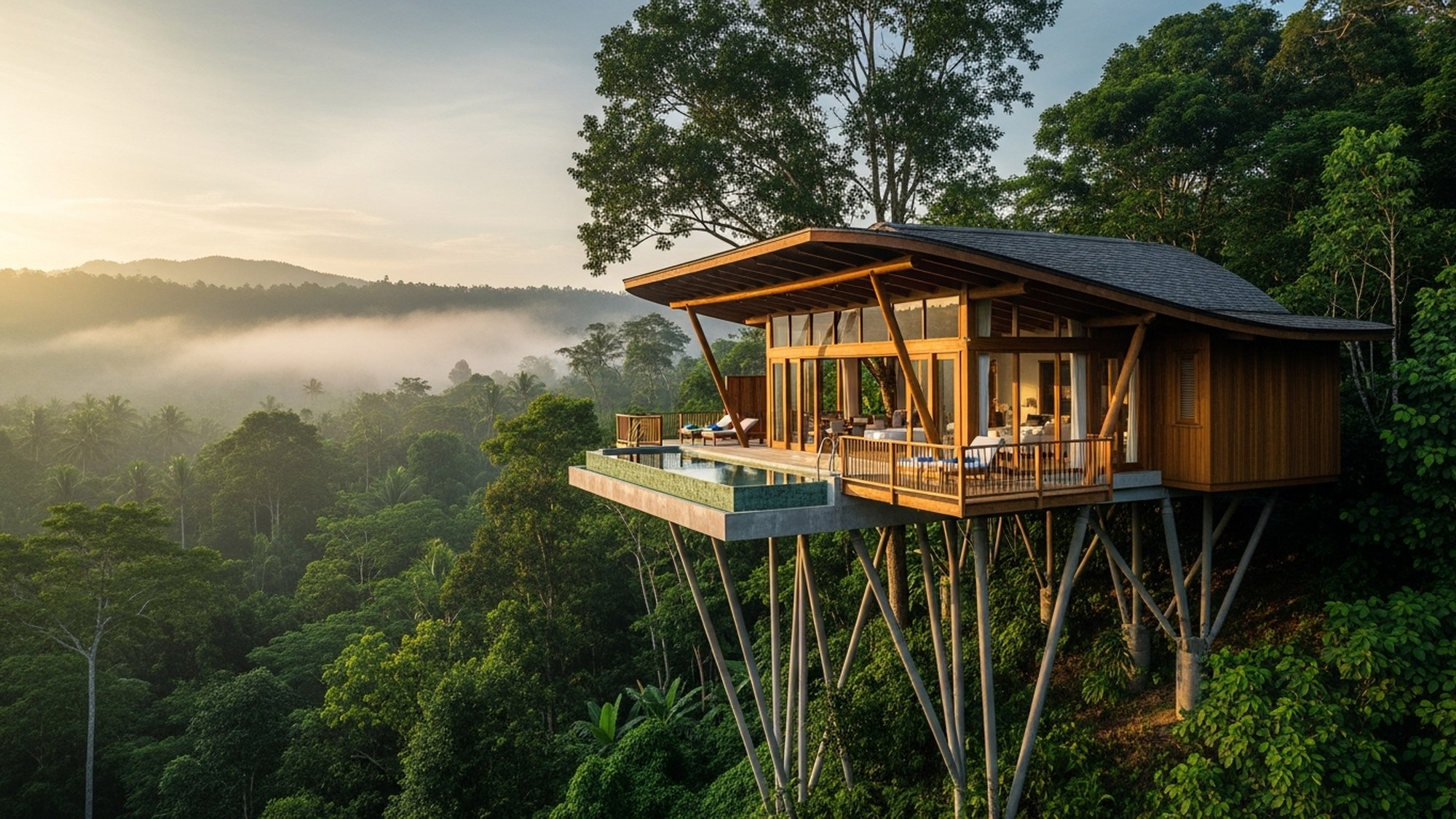
How to Start a Jungle Airbnb
The complete, honest guide to building and running a treehouse, bamboo house or rainforest villa — from choosing a country and the land laws to off-grid systems, budgets, and getting booked.
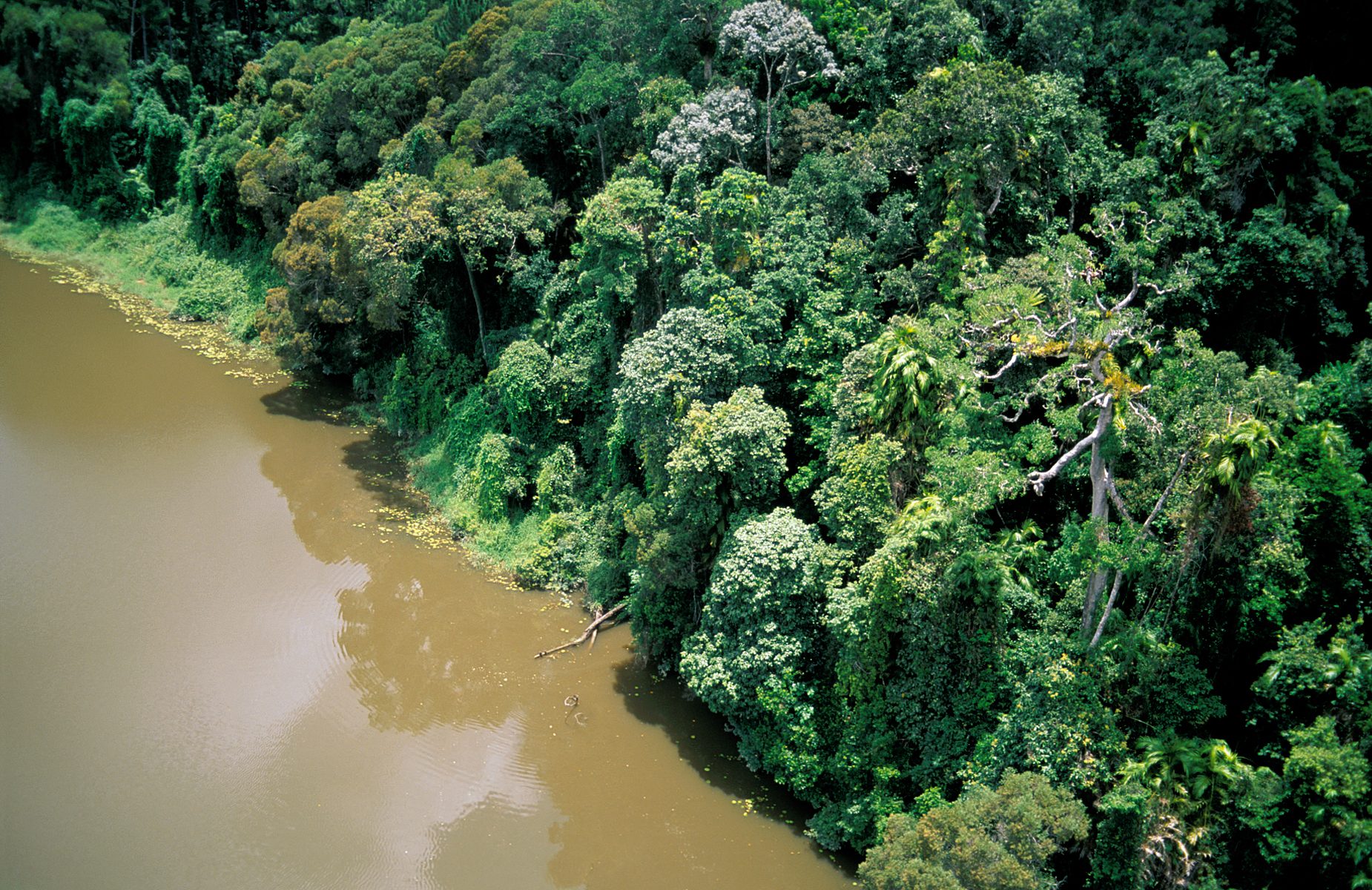 Photo: Gregory Heath, CSIRO, CC BY 3.0
Why Jungle Stays Are Booming
The data behind the treehouse boom: four shifts in how the world travels are all converging on the forest — and it looks structural, not a fad.
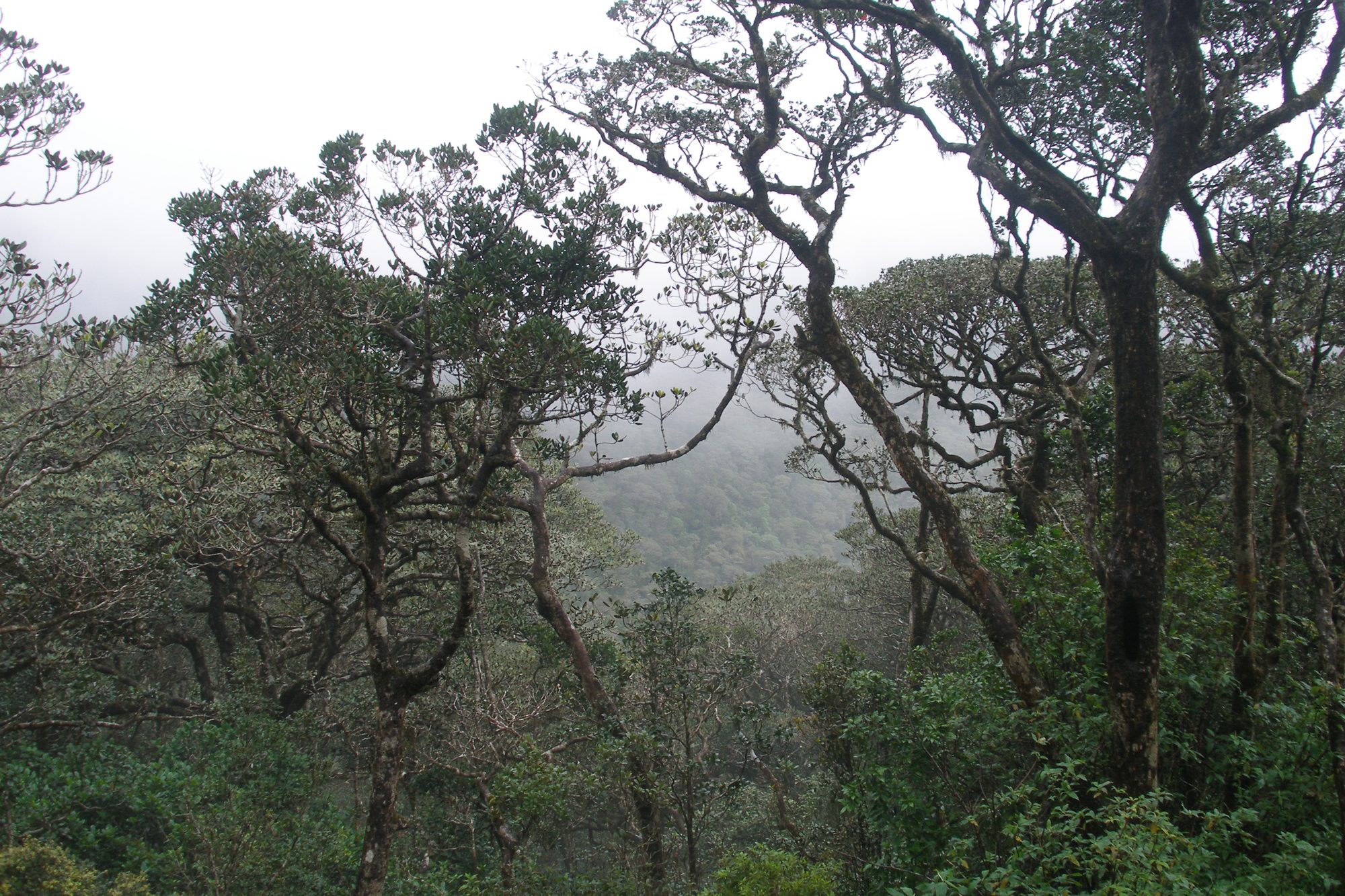 Photo: Vyacheslav Argenberg, CC BY 4.0
When to Visit the Jungle: A Season-by-Season Guide
There's no single best time to visit 'the jungle' — because it isn't one place. Here's when to go, region by region, with a month-by-month cheat sheet.
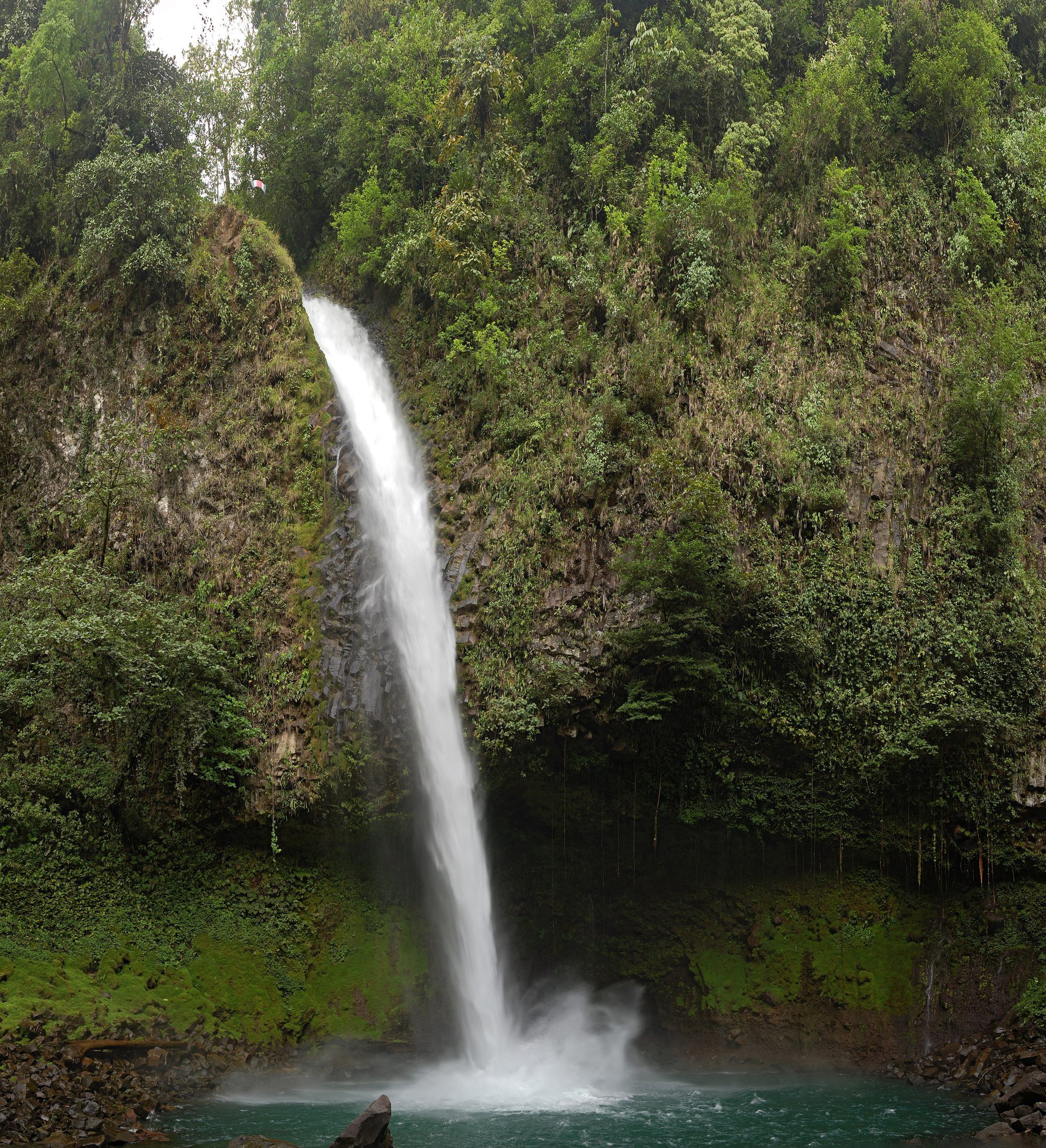 Photo: Derek Ramsey (Ram-Man), CC BY-SA 4.0
Find your own piece of the canopy.
Treehouses, bamboo houses and rainforest villas across 17 destinations — found, vetted and written up honestly.
Browse all destinations