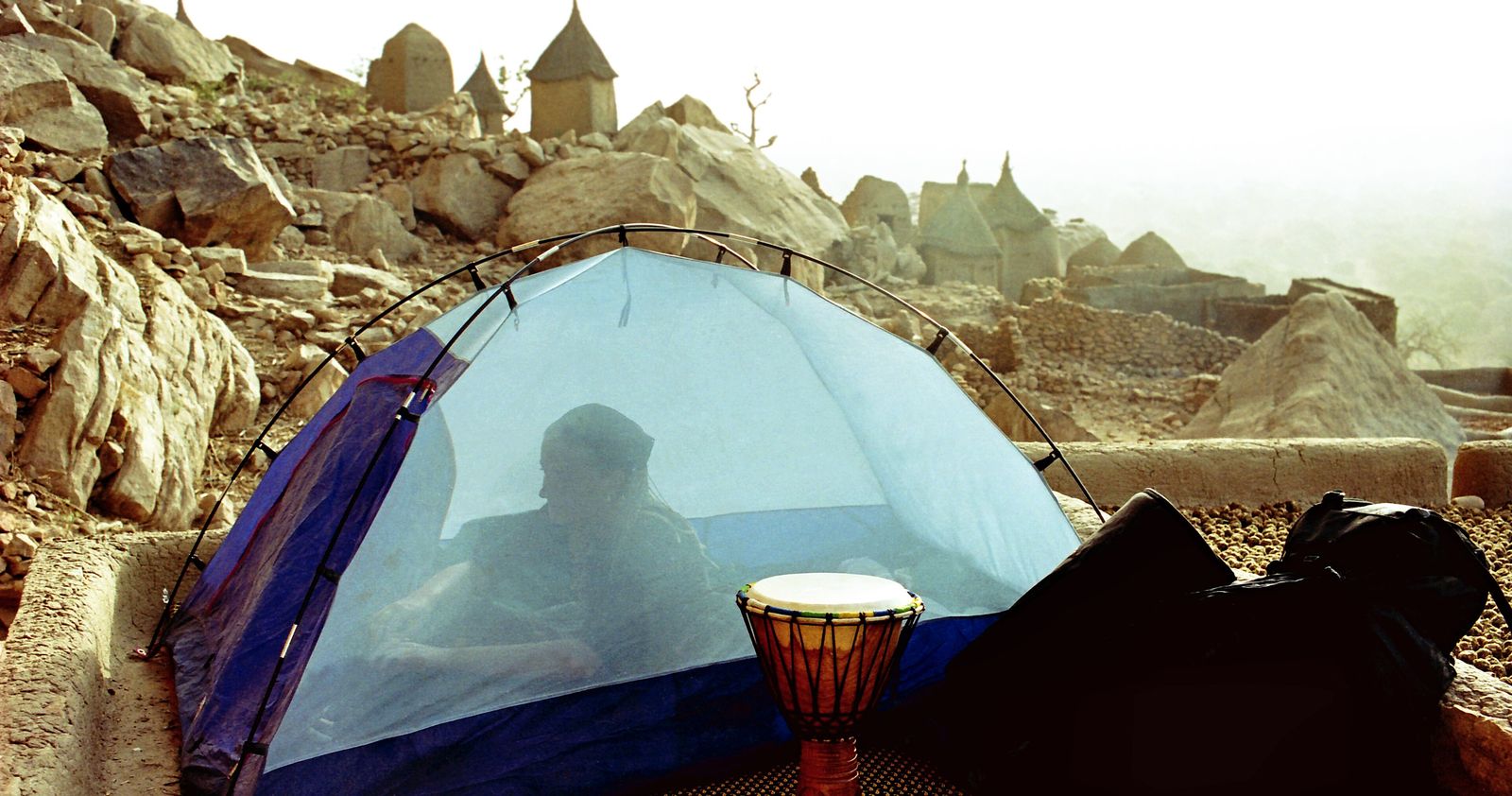
Malaria, Vaccines & Health for Jungle Travel
Every jungle trip generates the same three questions, usually asked in a panic a week before departure: do I need a malaria vaccine, what shots am I actually required to get, and am I going to get sick. The honest answers are more specific than most packing lists let on — there is no single malaria vaccine you can walk into a pharmacy and get before a trip, yellow fever requirements vary by country and sometimes by state or region within a country, and the mosquito-borne disease that worries most travelers isn't always the one that should. This is a plain guide to what's actually required, what's genuinely worth doing, and what you can skip.
Why jungle health planning is different
Most travel health advice is generic enough to apply to any trip abroad — wash your hands, don't drink the tap water, keep your travel insurance card somewhere you can find it. Jungle travel adds a genuinely different layer on top of that, because rainforest regions are where several mosquito-borne diseases actually live, at real transmission levels, not as a theoretical footnote in a travel clinic pamphlet. Malaria, yellow fever, dengue, Zika and chikungunya are all diseases you can plausibly encounter on a trip to the Amazon, coastal Thailand, or inland Bali in a way you simply can't on a city break to Lisbon.
That doesn't make jungle travel dangerous in the way people sometimes assume. Millions of people visit rainforest regions every year, stay in lodges deep in genuinely wild forest, and come home with nothing worse than a mosquito bite or two. But it does mean the planning stage matters more than it does for other trips, and it means "I'll figure it out when I get there" is a worse strategy here than almost anywhere else. Vaccines need lead time, some malaria pills need to start before you leave home, and yellow fever certificates have a legal waiting period before they're valid for border crossings — none of which you can sort out at the airport.
The good news is that the actual list of things worth doing is short, specific, and mostly boring: a couple of vaccines, a prescription, some repellent, and a bit of common sense about what you eat and drink. None of it requires special expertise to arrange, and a travel health clinic or your regular doctor can walk you through the whole thing in a single appointment. What follows is the version of that appointment written down, region by region, with the actual products and drug names rather than vague reassurance.
The vaccines to sort out before you go
Vaccine requirements for jungle travel break into two categories: what's legally required to enter a country, and what's medically recommended regardless of whether anyone checks your paperwork. They're not the same list, and conflating them is how people either over-vaccinate for no reason or skip something that actually matters.
Yellow fever — the one that's actually enforced
Yellow fever is the rare travel vaccine with real teeth: it's the only vaccine covered by the International Health Regulations that countries can legally require proof of at the border, via the International Certificate of Vaccination, sometimes called the yellow card. Brazil recommends it for travelers heading to the Amazon states — Amazonas, Pará, Acre, Rondônia, Roraima, Amapá, Mato Grosso and a long list of others — and while Peru doesn't require proof for entry, the CDC recommends it for anyone heading into the Peruvian Amazon, including Loreto, Ucayali and Madre de Dios, where yellow fever is genuinely endemic in the lowland jungle. The vaccine itself is a single shot that, under the current international rules, is considered valid for life once it takes effect — but that effect isn't immediate. It takes 10 days after vaccination before the certificate is considered valid for border-crossing purposes, which is the single most common reason people get turned away or vaccinated at the airport on arrival: they left it too late.
Not every jungle destination carries a yellow fever risk. It's a South American and African disease specifically — it has never been endemic in Asia, so a trip to Bali or Thailand doesn't carry the same requirement, though some countries will still ask for proof of vaccination if you're arriving from a country where yellow fever is present, which matters if your itinerary routes through Brazil or a West African hub on the way to Southeast Asia. Check the specific requirement for your actual route, not just your final destination.
Routine and recommended vaccines
Beyond yellow fever, a jungle trip is a good prompt to check you're current on the vaccines most travel clinics recommend as a baseline for anywhere outside North America or Western Europe:
- Hepatitis A — spread through contaminated food and water, relevant anywhere sanitation is inconsistent, which includes plenty of otherwise very comfortable jungle lodges running on well water or rainwater collection.
- Typhoid — same transmission route as hepatitis A, recommended for most of Latin America, South and Southeast Asia, and sub-Saharan Africa; available as either a single shot or an oral course depending on how much lead time you have.
- Hepatitis B — worth having as part of routine adult vaccination regardless of travel, and specifically relevant if there's any chance of medical care, tattoos, or other blood exposure during a longer trip.
- Rabies (pre-exposure) — not routinely recommended for short lodge stays, but worth discussing with a travel clinic if you're doing extended time in a remote area with limited access to medical care, since bats, monkeys and stray dogs are all realistic rabies vectors in rainforest regions and post-exposure treatment can be hours or days away.
- Tetanus/diphtheria booster — standard advice for any trip involving hiking, machetes, or general contact with soil and vegetation, and one most people are overdue for without realizing it (boosters are recommended roughly every 10 years).
Good to know
None of these vaccines need to happen in a single dramatic appointment. A travel clinic visit four to six weeks before departure gives enough time to space out doses, let the yellow fever certificate clock start running, and start malaria pills if your itinerary calls for them — with room to spare if anything needs a second dose.
Malaria: pills, not (yet) a travel vaccine
This is the part that surprises people most: there is currently no malaria vaccine recommended for adult travelers from non-endemic countries. Two malaria vaccines do exist and are real, WHO-recommended tools — RTS,S/AS01 (brand name Mosquirix) and R21/Matrix-M — but both were developed and approved specifically for children living in malaria-endemic parts of sub-Saharan Africa, given as a series of doses starting around five months of age, as part of routine childhood immunization in the countries where malaria kills the most children. As of 2026, roughly two dozen African countries have introduced one of the two vaccines into routine immunization programs. Neither vaccine is approved or recommended as protection for a short-term adult traveler heading into a malaria zone for a two-week trip, and that isn't likely to change soon — the trial data and dosing schedules simply weren't built for that use case.
What actually protects travelers is prescription chemoprophylaxis — pills taken before, during and after time in a malaria-risk area. The main options, all roughly equally effective when taken correctly, are:
- Atovaquone-proguanil (Malarone and generics): started one to two days before entering a malaria area, taken daily during the trip, and continued for seven days after leaving — the shortest post-trip tail of the common options, which is part of why it's become a popular default. Generally well tolerated, though it's one of the pricier options without generic coverage.
- Doxycycline: started one to two days before travel, taken daily, and continued for four full weeks after leaving the risk area. Inexpensive and effective against chloroquine-resistant malaria, but it's a photosensitizer — expect more sunburn risk — and it isn't suitable during pregnancy or for young children.
- Mefloquine: started two to three weeks before travel (to check tolerance and let it build up in the system), taken weekly, and continued for four weeks after leaving. Convenient dosing, but it carries a real risk of neuropsychiatric side effects in some travelers and isn't recommended for anyone with a history of depression, anxiety or seizures.
- Tafenoquine (Arakoda): a newer option for adults, taken with a loading dose before travel and then weekly, with a shorter post-trip tail than doxycycline or mefloquine — but it requires a screening blood test beforehand to rule out G6PD deficiency, a genetic condition that makes the drug unsafe.
Which one makes sense depends on the specific region, the traveler's health history, trip length and even personal tolerance for a daily pill versus a weekly one — this is exactly the kind of decision worth making with a doctor rather than a search engine, because malaria risk and drug resistance both vary meaningfully by country and even by altitude and season within a country. Not every jungle destination on this site carries meaningful malaria risk at all — much of coastal Costa Rica and large parts of urban Mexico and the Maya jungle region carry low or no risk, while lowland Amazon regions of Peru and Brazil generally do. A travel clinic checking the current country- and region-specific risk map is more reliable than any general rule of thumb, because the maps genuinely do change as resistance patterns and local transmission shift.
The question isn't "do I need a malaria vaccine." It's "do I need malaria pills, and which ones" — a subtly different question that a five-minute conversation with a travel clinic answers far better than anything you'll find pre-packaged online.
One detail people miss: chemoprophylaxis protects against the disease progressing after a bite, not against being bitten. It works by killing the parasite at various stages in the body, which is also why most of these drugs need to be continued for days or weeks after leaving a risk area — to catch parasites still working through their life cycle in the liver or bloodstream after you've already flown home. Stopping early because "the trip is over" is one of the most common and preventable ways travelers actually get malaria, sometimes weeks after returning home, at a point when a doctor unfamiliar with their travel history might not think to test for it. Always tell any doctor you see for a fever in the months after a jungle trip exactly where you were and when.
Mosquito bite prevention that actually works
Every mosquito-borne disease on this list shares one prevention strategy: don't get bitten. It sounds obvious, but the actual mechanics matter more than most people realize, because different diseases are carried by different mosquito species with different habits, and a repellent routine built around the wrong one leaves real gaps.
Repellent that's actually proven to work
DEET remains the most thoroughly studied and reliably effective mosquito repellent, and concentrations of 20 to 30 percent give hours of protection without needing to be reapplied constantly. Picaridin is a well-tested alternative with similar effectiveness and a less greasy feel, often preferred by people who dislike DEET's smell or its tendency to degrade plastic and synthetic fabrics (a genuine annoyance for anyone bringing a rain jacket or a phone case). Products based on oil of lemon eucalyptus (sold under names like Repel) offer a plant-derived option with real, tested efficacy, though generally shorter protection windows than DEET or picaridin. Skip the citronella candles, wristbands and ultrasonic gadgets — none of them have meaningful evidence behind them for actual disease prevention, and relying on one is a genuine risk in a real malaria or dengue area.
Permethrin-treated clothing
Permethrin is an insecticide, not a repellent, and it's applied to clothing and gear rather than skin — either by buying pre-treated items or treating your own with a spray kit, which typically lasts through several washes. A long-sleeve shirt and long pants treated with permethrin, worn during the hours mosquitoes are most active, does more real work than most people expect, and combined with a skin repellent it's the closest thing to a genuinely solid barrier available without a vaccine.
Timing matters more than people think
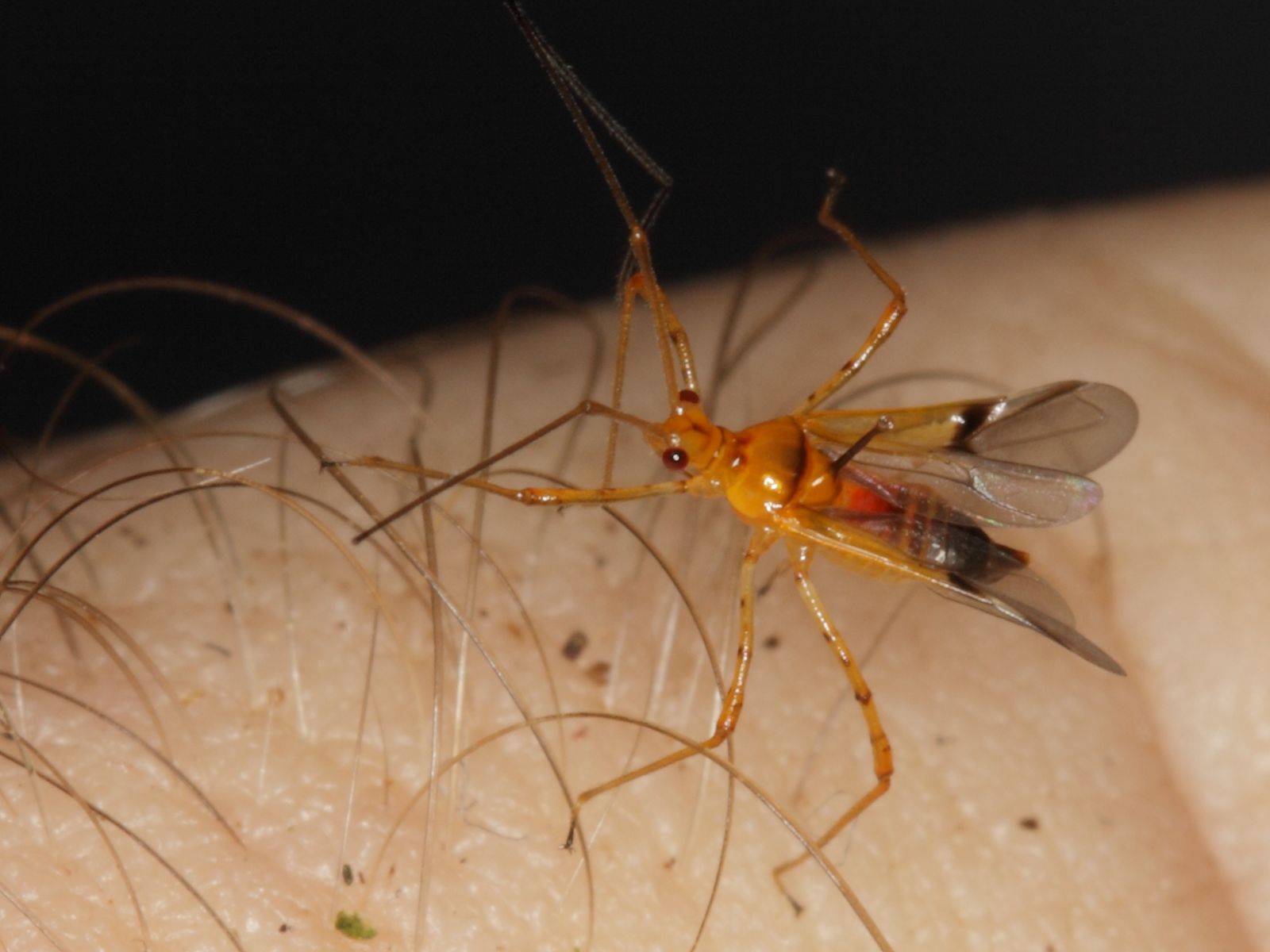
This is the detail that trips up a lot of travelers: not all mosquitoes keep the same schedule. Anopheles mosquitoes, which carry malaria, are most active from dusk through dawn — meaning evening and nighttime is when malaria bite-prevention matters most, and a bed net over the sleeping area is genuinely one of the highest-value pieces of gear you can bring or confirm your lodge provides. Aedes mosquitoes, which carry dengue, Zika and chikungunya, are the opposite — they're aggressive daytime biters, most active in the early morning and late afternoon, which means the "I'm covered because I sleep under a net" logic doesn't protect against dengue at all. The practical upshot is that bite prevention needs to run all day, not just at night, in any region where both mosquito families are present.
Dengue, Zika and chikungunya — the diseases without a pill
Malaria gets most of the attention because it has decades of prevention infrastructure built around it — pills, nets, a genuine children's vaccine — but dengue is, in many jungle and tropical regions, the more common mosquito-borne illness travelers actually encounter, and there is no widely available prophylactic pill for it at all. A dengue vaccine (Qdenga) has been approved and rolled out in some countries, generally for people who've already had a prior dengue infection or who live in high-transmission areas, but it isn't a standard pre-travel recommendation the way a yellow fever shot is, and availability varies by country. For most travelers, prevention is entirely about not getting bitten by the daytime-biting Aedes mosquito described above.
Dengue symptoms — high fever, severe headache, joint and muscle pain bad enough that it's earned the nickname "breakbone fever," and a rash — usually resolve on their own within a week to ten days, but a small percentage of cases progress to severe dengue, which is a genuine medical emergency requiring hospital care. Zika is generally milder in most adults, often causing no symptoms at all, but it carries serious risk during pregnancy due to its link to birth defects, which is the single clearest reason pregnant travelers are advised to reconsider or delay trips to regions with active Zika transmission. Chikungunya causes a similar fever-and-joint-pain picture to dengue, and the joint pain in particular can linger for weeks or months after the initial infection clears.
None of this is a reason to avoid jungle travel — these diseases are genuinely present in many of the destinations covered on this site, but severe outcomes are the exception, not the rule, and the same repellent-and-clothing routine that helps with malaria does double duty here. The honest asterisk is that daytime protection matters just as much as nighttime protection, which is easy to forget once you've internalized "sleep under a net" as the main takeaway.
Region-by-region notes
Risk isn't uniform across "the jungle" as a category — it varies enormously by continent, country, and even by elevation within a country. A rough guide, worth confirming against current CDC or WHO country pages before any specific trip:
Amazon — Brazil, Peru, Colombia
The highest-risk region on this list for both yellow fever and malaria. Lowland Amazon areas of Brazil and Peru — Loreto, Ucayali and Madre de Dios in Peru; Amazonas, Pará and Acre in Brazil — carry real transmission of both diseases, and yellow fever vaccination is recommended (and in Brazil's case, tied to specific states) before travel. Malaria chemoprophylaxis is generally recommended for lowland rainforest stays in this region; high-altitude stops like Machu Picchu or Cusco carry essentially no malaria risk, which is worth knowing if a trip combines both.
Central America and the Maya jungle — Costa Rica, Tulum and the Yucatán
Costa Rica and the Tulum and Maya jungle region carry meaningfully lower malaria risk than the Amazon — much of it low-to-no risk depending on the specific area and season — but dengue, Zika and chikungunya are all present regionally, particularly in the rainy season, so mosquito bite prevention still matters even where malaria pills might not be needed. Yellow fever isn't a concern here at all; it's never been endemic in this part of the world.
Southeast Asia — Thailand and Bali
Thailand's malaria risk is concentrated in specific border and forested areas rather than the whole country, and many popular tourist routes carry low or no risk — again, worth checking the current country-specific breakdown rather than assuming a blanket answer. Bali specifically carries low malaria risk in most areas travelers actually visit. Dengue is a genuine year-round concern across the region regardless of malaria status, and yellow fever vaccination isn't required for travel from most Western countries, though proof may be requested if arriving from a yellow-fever-endemic country first.
Caribbean and Pacific — Puerto Rico, Florida, Hawai‘i, Sri Lanka
Puerto Rico and Florida carry essentially no malaria risk, but both have experienced local dengue transmission in recent years, and general mosquito precautions are worth taking regardless. Hawai‘i carries no malaria risk at all. Sri Lanka has made major progress against malaria and was certified malaria-free by the WHO, though dengue remains a present risk worth planning around with the same bite-prevention routine described above.
Good to know
Risk maps change. A country that was low-risk for malaria five years ago can shift with a local outbreak, and vice versa. Don't rely on advice from a previous trip or a friend's old itinerary — check the current CDC or WHO country page, or ask a travel clinic, close to your actual departure date.
Beyond mosquitoes: water, food and everyday jungle health
Mosquitoes get the headline, but the more common health complaint on an actual jungle trip is traveler's diarrhea, caused by contaminated food or water rather than anything airborne or insect-borne. Most jungle lodges, even remote ones, are careful about this — filtered or boiled water, produce washed properly, food cooked through — but it's worth asking directly rather than assuming, and worth bringing your own reliable water treatment (a filter bottle or purification tablets) if your itinerary includes any stretch without a clear water source. Basic rules travel well here: bottled or treated water only, skip ice unless you're confident of its source, and be cautious with raw produce you haven't washed or peeled yourself.
Heat and humidity cause more quietly serious problems than most travelers plan for. Dehydration creeps up faster in tropical humidity than in dry heat, because sweat doesn't evaporate as efficiently, so the cooling effect is weaker even though you're losing just as much fluid. Drink more water than feels necessary, and add electrolytes on days with serious hiking. Sun exposure is a real risk even under a rainforest canopy — reflected light, occasional open clearings, and a lot of time on rivers where there's no shade at all — so daily sunscreen matters even on a trip that doesn't feel like a beach vacation.
Small cuts and scrapes infect faster in humid climates than travelers expect, simply because the environment is a better medium for bacterial growth and wounds stay damp longer. Clean any break in the skin promptly, keep it covered, and watch for the usual signs of infection — spreading redness, increasing pain, warmth — rather than assuming a scratch will just sort itself out the way it might at home. Snake and insect bites beyond mosquitoes are a genuinely rare event on a guided jungle trip — most reputable lodges brief guests on basic precautions (watch where you put your hands and feet, don't go off-trail alone at night) and it's exactly the kind of low-probability, high-consequence risk a good local guide is trained to manage far better than a solo traveler improvising.
Packing a real jungle first aid kit
Most lodges have basic first aid on hand, and some remote properties keep a satellite phone or radio specifically for medical emergencies, but it's still worth carrying a compact kit of your own rather than relying entirely on what's on site. A genuinely useful jungle kit is smaller than people expect:
- Your malaria pills and yellow fever certificate, plus a printed or photographed copy of any other vaccine records, kept separate from your main luggage in case a bag goes missing.
- DEET or picaridin repellent in a size that will actually last the trip, since it isn't reliably available everywhere you'll want it, and permethrin spray for treating clothing if you haven't pre-treated it at home.
- Oral rehydration salts — genuinely more useful than most people assume, and far more effective for real dehydration or a stomach bug than plain water alone.
- A basic antidiarrheal and a broad-spectrum antibiotic, prescribed in advance by a travel doctor for self-treatment of traveler's diarrhea if a clinic isn't within easy reach.
- Antihistamines, for bite reactions and general allergy relief — useful for far more than mosquitoes given the range of plants and insects in any rainforest environment.
- A basic wound care kit — antiseptic wipes or solution, adhesive bandages of a few sizes, and a roll of gauze, given how much faster small cuts turn into real problems in humid climates.
- Sunscreen and after-sun care, especially if you're on doxycycline, which increases sun sensitivity meaningfully.
- A basic pain reliever and fever reducer — and worth knowing in advance that ibuprofen and other NSAIDs are generally discouraged if dengue is suspected, since they can increase bleeding risk; acetaminophen/paracetamol is the safer default for an unexplained tropical fever until you know what you're dealing with.
Timeline: when to see a travel clinic
Four to six weeks before departure is the sweet spot for a travel health appointment — enough time to space out multi-dose vaccines, let a yellow fever certificate clear its 10-day waiting period with room to spare, and start certain malaria pills (mefloquine in particular benefits from a longer lead-in to check tolerance) well before you leave. That said, if you're reading this two weeks out, it's still worth calling — most travel clinics can compress the schedule, and something is nearly always better than nothing.
Bring a specific itinerary, not a vague one. "Two weeks in Brazil" gets generic advice; "five days in Rio, then four days at a lodge on the Rio Negro near Manaus" gets a doctor to the actual, region-specific answer on yellow fever and malaria risk, because the two parts of that trip carry genuinely different exposure. The same logic applies to travel insurance — confirm before you go that your policy covers emergency evacuation from a remote area, since a serious illness at a jungle lodge several hours from the nearest hospital by boat is a meaningfully different situation than getting sick in a city.
After the trip, the most useful thing you can do is remember the timeline. Malaria symptoms can appear anywhere from a week to several months after a bite, well past the point most people are still thinking about their trip, and dengue and chikungunya symptoms typically show up faster, within days to two weeks. If you develop a fever after returning from a jungle destination — even months later — tell whichever doctor you see exactly where you traveled and when. It's the single detail most likely to get a correct diagnosis quickly instead of a round of guessing.
Common questions
Is there a malaria vaccine I can get before a trip?
Not for adult travelers. The two existing malaria vaccines, RTS,S/AS01 and R21/Matrix-M, are approved and used for children in malaria-endemic parts of sub-Saharan Africa as part of routine immunization, not as pre-travel protection for short-term adult visitors. Protection for travelers still comes from prescription pills (chemoprophylaxis) plus serious bite prevention, not a vaccine.
Do I need a yellow fever shot for every jungle trip?
No. Yellow fever is a South American and African disease specifically — it's relevant for the Amazon regions of Brazil, Peru, Colombia and neighboring countries, and for much of sub-Saharan Africa, but it has never been endemic in Asia or the Caribbean, so a trip to Bali, Thailand or Puerto Rico doesn't carry the same requirement. Always check the specific country and region rather than assuming.
Which malaria pill should I take?
There isn't a single best answer — atovaquone-proguanil, doxycycline, mefloquine and tafenoquine are all effective options with different dosing schedules, side effect profiles and cost, and the right choice depends on the specific region, trip length, and your own health history. This is genuinely worth a conversation with a doctor or travel clinic rather than a guess.
Can I just rely on repellent instead of pills?
No. Repellent, treated clothing and bed nets meaningfully reduce your chance of being bitten, but they don't eliminate it, and in a genuine malaria transmission area that gap in protection is exactly what chemoprophylaxis is designed to cover. Use both together rather than treating them as alternatives to each other.
What if I get a fever after I'm already home?
Take it seriously and tell your doctor exactly where you traveled and when, even if it's been weeks or months. Malaria in particular can show up well after chemoprophylaxis has ended and after most people have stopped associating symptoms with the trip, and a doctor unaware of the travel history may not think to test for it right away.
Is jungle travel actually risky, given all this?
Not in practice, for most travelers who do basic preparation. The volume of health advice here reflects how much of it is genuinely knowable and preventable in advance, not how likely any individual traveler is to get seriously ill. See our honest look at jungle safety more broadly for the wider picture beyond just health.
Health planning is one piece of getting a jungle trip right, alongside picking the right lodge and packing properly for the climate. For the gear side of things, see what to pack for a jungle trip; if you're weighing a fully off-grid stay against something with more infrastructure nearby, off-grid jungle stays: what to expect is worth reading before you book, and how to book a jungle Airbnb covers what to check with a host directly, health logistics included. And if you're still deciding where to go at all, the full destinations directory is the place to start comparing.
- CDC Yellow Book — Malaria — chemoprophylaxis drug options, dosing schedules and post-travel continuation periods.
- CDC Yellow Book — Yellow Fever Vaccine and Malaria Prevention Information by Country — country- and region-specific vaccine and prophylaxis recommendations.
- CDC Yellow Book — Brazil — yellow fever risk areas by state within Brazil.
- CDC Yellow Book — Peru — yellow fever and malaria risk in Loreto, Ucayali and Madre de Dios.
- WHO — Q&A on the RTS,S malaria vaccine — malaria vaccine eligibility, dosing in children, and routine immunization rollout.
- Gavi — Will we get a travel vaccine against malaria? — why current malaria vaccines are not recommended for adult travelers.
- CDC — Countries at Risk for Yellow Fever: South America — regional yellow fever endemic status.
- Malaria Prophylaxis — StatPearls, NIH — comparative side-effect profiles of atovaquone-proguanil, doxycycline, mefloquine and tafenoquine.
More from the Journal.
How to Start a Jungle Airbnb
The complete, honest guide to building and running a treehouse, bamboo house or rainforest villa — from choosing a country and the land laws to off-grid systems, budgets, and getting booked.
 Photo: Gregory Heath, CSIRO, CC BY 3.0
Why Jungle Stays Are Booming
The data behind the treehouse boom: four shifts in how the world travels are all converging on the forest — and it looks structural, not a fad.
 Photo: Vyacheslav Argenberg, CC BY 4.0
When to Visit the Jungle: A Season-by-Season Guide
There's no single best time to visit 'the jungle' — because it isn't one place. Here's when to go, region by region, with a month-by-month cheat sheet.
 Photo: Derek Ramsey (Ram-Man), CC BY-SA 4.0
Find your own piece of the canopy.
Treehouses, bamboo houses and rainforest villas across 17 destinations — found, vetted and written up honestly.
Browse all destinations