
Drug Trafficking Deepens Crisis for Amazon Indigenous Youth
A Ticuna leader in Peru's Amazon reports widespread substance abuse among young people, deforestation, and water pollution linked to drug operations.
Drug trafficking and illegal mining are causing significant social and environmental damage in the Amazon’s tri-border region, according to Francisco Hernández Cayetano, president of the Federation of Ticuna and Yagua Communities of the Lower Amazon (FECOTYBA). Hernández told Mongabay that these activities contribute to substance abuse among Indigenous youth and widespread deforestation.
The tri-border area, where Peru, Colombia, and Brazil meet, often has a weak state presence, allowing criminal groups to operate freely. Hernández, from the Ticuna community of Cushillo Cocha, stated that the arrival of traffickers and miners has led to social instability, deforestation, and water contamination from chemicals used in mining and cocaine production. He estimates that 60 to 70% of forests in some communities are deforested due to drug trafficking.
A primary concern is the impact on Ticuna youth. Hernández reported that many young people are addicted to drugs and alcohol, often acquired while working as coca harvesters for traffickers. This problem is exacerbated by a lack of alternative employment, which leaves families with few options. He described the situation as “somewhat institutionalized,” with families increasingly accepting it as normal.
Beyond social problems, the environmental toll is severe. Waterways are polluted, affecting fish populations that serve as a food source for the Ticuna people. Outsiders, including individuals from Colombia and the Peruvian highlands, are primarily responsible for the deforestation, according to Hernández. Criminal organizations like Comando Vermelho and FARC dissidents are also involved in these activities.
In response, Ticuna leaders from Peru, Colombia, and Brazil are working to unify ideas and present agreements to their respective governments. They recently held a cross-border congress to discuss solutions, aiming to create a platform that can address these shared challenges and seek state support for basic needs and economic opportunities in their communities.
For travelers and hosts in remote jungle areas, the presence of such activities can indicate broader regional instability impacting local communities and ecosystems.
- Mongabay — reported 20 August 2026. Read by the JungleBnB news desk.
Keep reading.
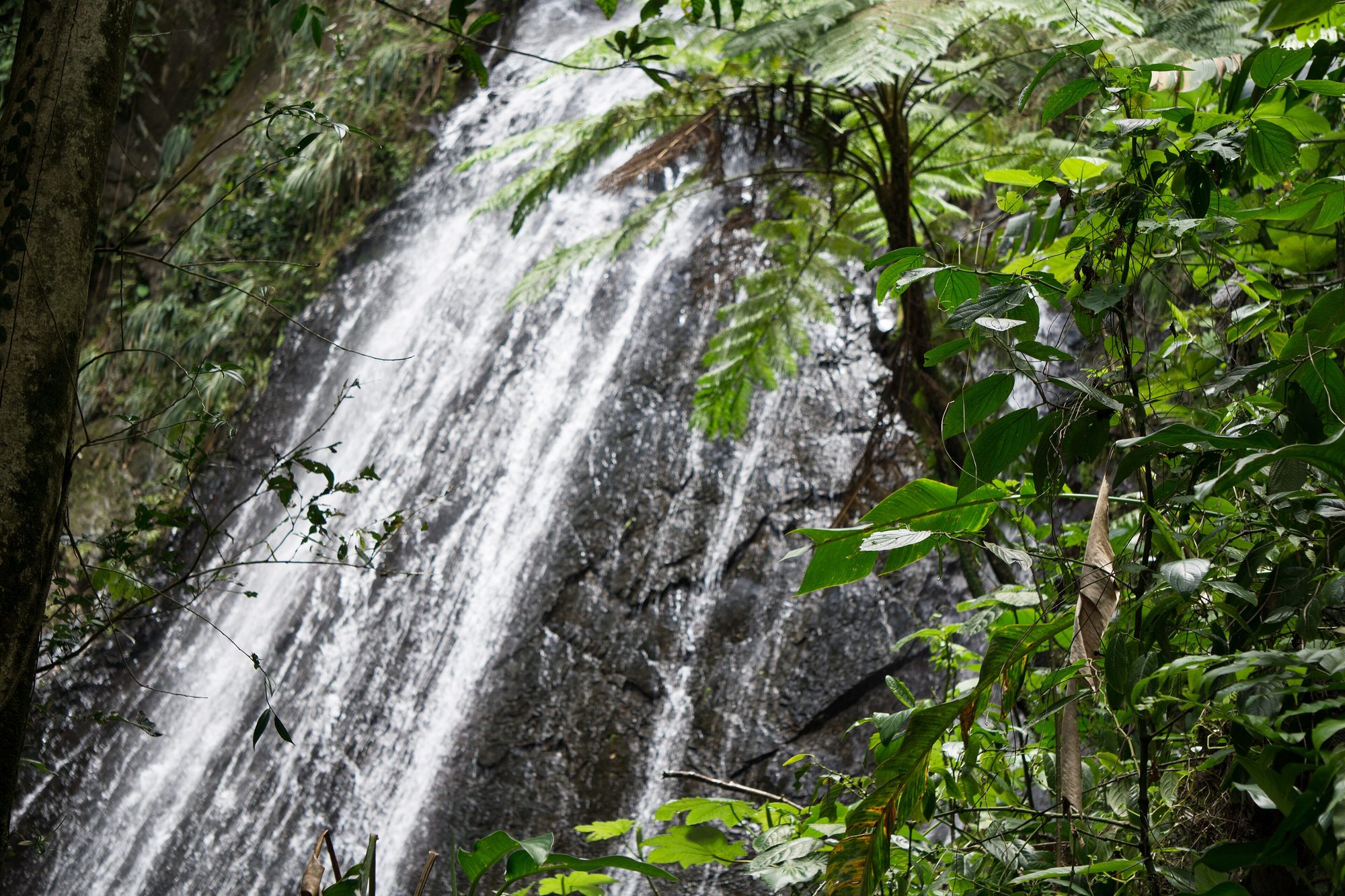 Photo: Jami430, CC BY-SA 4.0
Cornell Study Points to El Yunque Tourism Growth
A new study by Cornell University suggests potential for tourism development in areas surrounding Puerto Rico's El Yunque National Forest.
 Photo: Daria, CC BY 3.0
Bagh Tola Expands Bandhavgarh Stays with Luxury Founders Camp
Bagh Tola introduces a new luxury property, the Founders Camp, in Bandhavgarh, expanding its existing accommodation offerings in the region.
 Photo: Basile Morin, CC BY-SA 4.0
Airbnb Offers Farmers $10,000 to Host Guests
A new program from the short-term rental giant aims to bring more agricultural properties into its listings, offering financial incentives to rural hosts.
 Photo: Derek Ramsey (Ram-Man), CC BY-SA 4.0
Find your own piece of the canopy.
Treehouses, bamboo houses and rainforest villas — found, vetted and written up honestly.
Browse all destinations