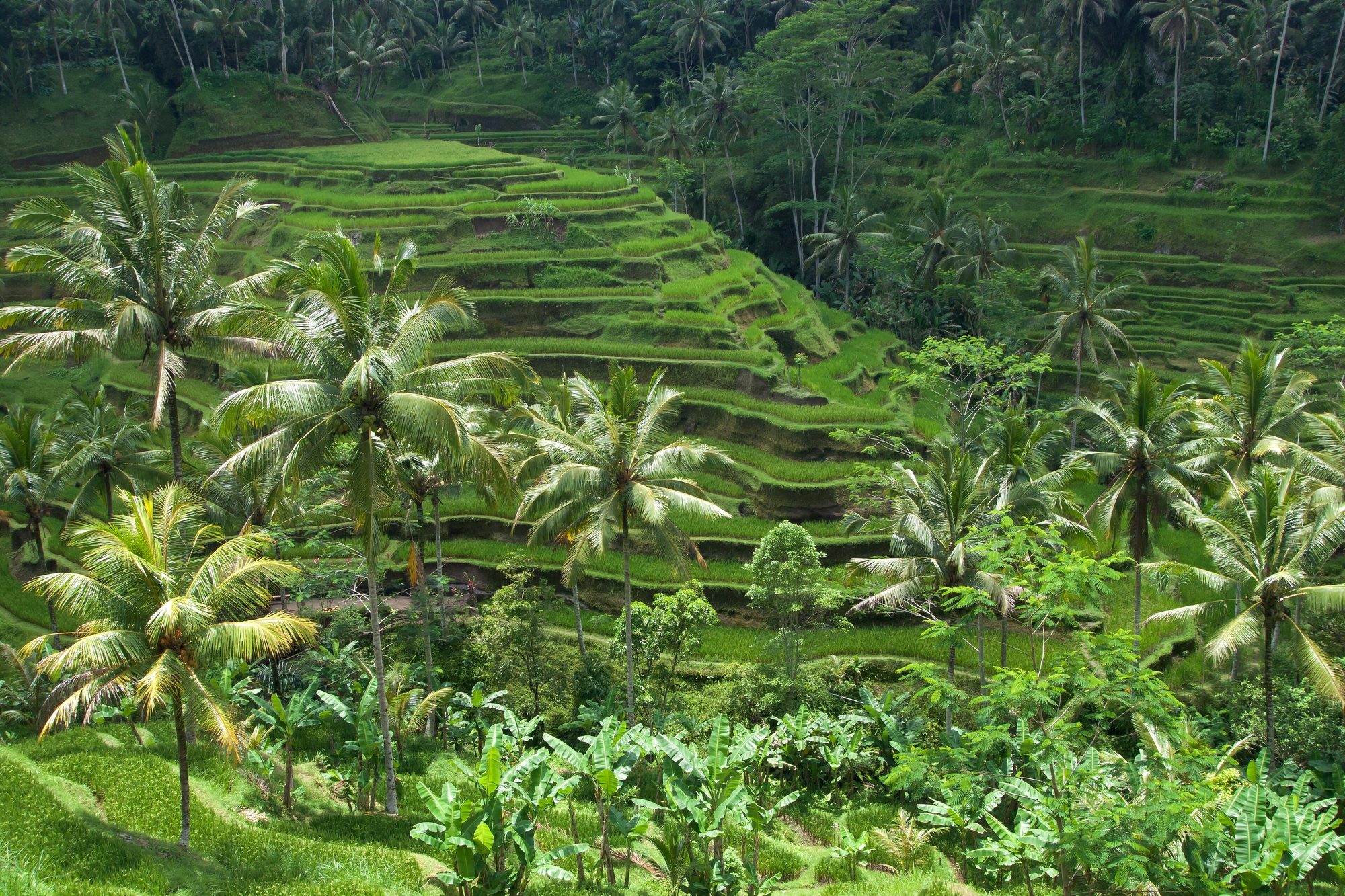
Belitung Island Advances Sustainable Tourism
Indonesia's Belitung, now a UNESCO Global Geopark, is developing its travel sector with a focus on environmental protection and local engagement.
Belitung, an Indonesian island off the coast of Sumatra, has been designated a UNESCO Global Geopark. This status, confirmed last year, aims to protect the natural environment and encourage holistic and sustainable development. The island is often labeled the “Maldives of Indonesia” due to its pristine reefs, turquoise sea, Triassic granite formations, and beaches. While it has remained largely off the main tourist routes, new developments suggest this may change.
The island features 17 geosites. Bukit Peramun, a community-managed forest, is one such site, covering 60 hectares. It is home to pangolins, hornbills, and mousedeer. Visitors now require a guide to explore its trails. According to local guide Jimie Afrian, the area is protected. The park also provides views of the surrounding landscape. After sunset, rangers use infrared lights to locate the endangered Belitung tarsier, a shy, nocturnal creature. Guides aim to keep interactions brief, with Afrian noting that prolonged observation uses up the animals' time to find food.
Local Initiatives Drive Sustainable Development
The 350-hectare Tanjung Kelayang Reserve, which lines the coast, hosts two hotels built with green principles. The Sheraton Belitung uses handmade clay bricks, renggadai wood, rainwater, and solar energy. Its grounds feature ecoponds cleaned naturally with kaolin clay. The Billiton Ekobeach Retreat offers beach villas constructed from dolken logs and nipa palm leaf roofs. Beyond accommodation, local enterprises focus on sustainable souvenirs. Ex-pharmacist Bella Kartika Aprilia launched Sepiak Belitung, a batik brand that uses local motifs such as white pepper and wooden fishing boats. Aprilia works with over 20 local artisans and states that batik helps tell the story of Belitung’s nature, culture, and people. The community-led BICA Ceramic recreates replicas of the protected Satam stone using local clay. This rare, jet-black tektite is believed to have formed over 700,000 years ago from a meteorite impact and was historically used in jewelry, believed to bring luck.
Tour companies like Blue Mind Experience offer boat trips through the reserve. These trips navigate between tropical islands, passing Jenga-like rock formations and coconut palms. Stops include sandbanks to observe hot pink starfish and Kelayang Island, where visitors can find bamboo huts and a trail to Kelayang Cave, home to hanging bats. Lengkuas Island features a 19th-century Dutch lighthouse. Underwater, reefs display fan-like corals, clownfish, and pastel-colored parrotfish. A guide, Alif Faozin, 18, has returned to Belitung to assist with new visitors, with his parents expressing satisfaction with his role.
Belitung is presented as a place for travelers seeking a slower pace. Aprilia notes that it is not just about seeing sights but about meeting people and understanding the culture. Experiences can include visits to stingless bee farms and even simulated castaway scenarios on private islands.
For hosts and travelers, Belitung offers a model for developing and experiencing eco-conscious jungle stays and activities where environmental protection and local culture are central.
- Condé Nast Traveler — reported 23 September 2026. Read by the JungleBnB news desk.
Keep reading.
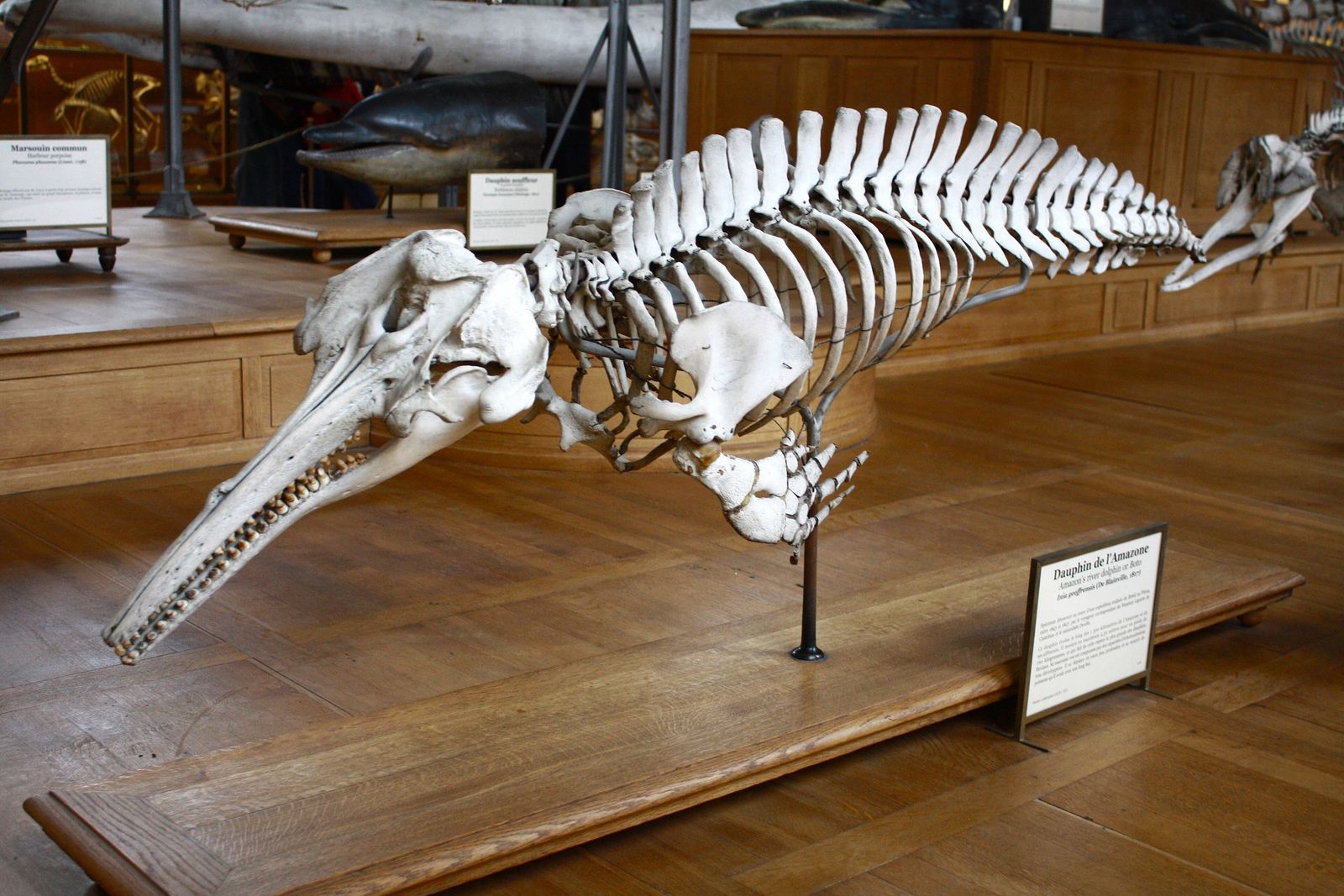
Brazil Designates Amazon Reserves as Highway Paving Advances
New sustainable development areas aim to offset impact of BR-319 highway, a route conservationists say will drive deforestation.
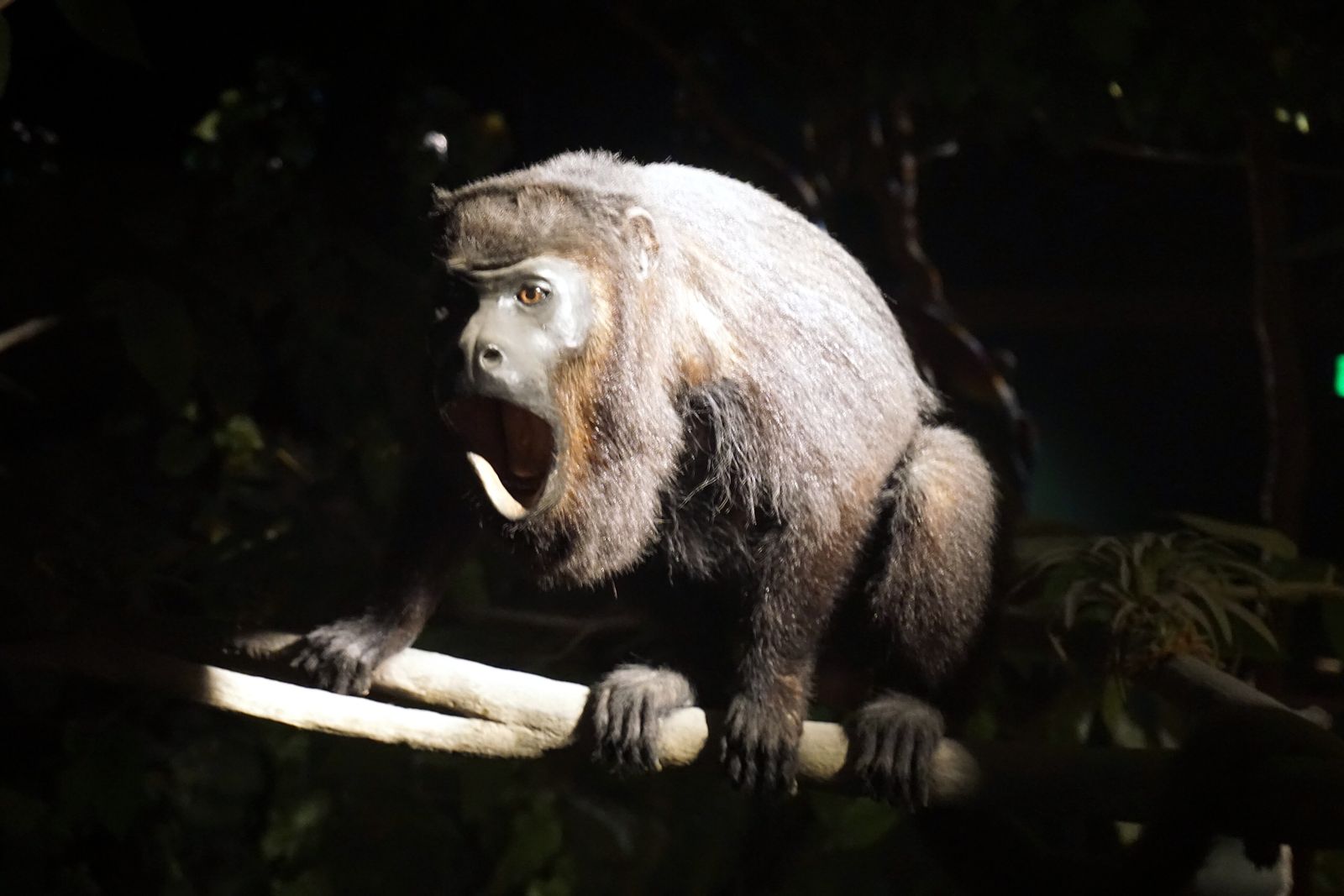
Papua New Guinea Leaders Protect Land for Clans and Tree Kangaroos
In Papua New Guinea, 266 Indigenous leaders have signed a legal deed. The agreement aims to secure land, clan heritage, and local wildlife populations.
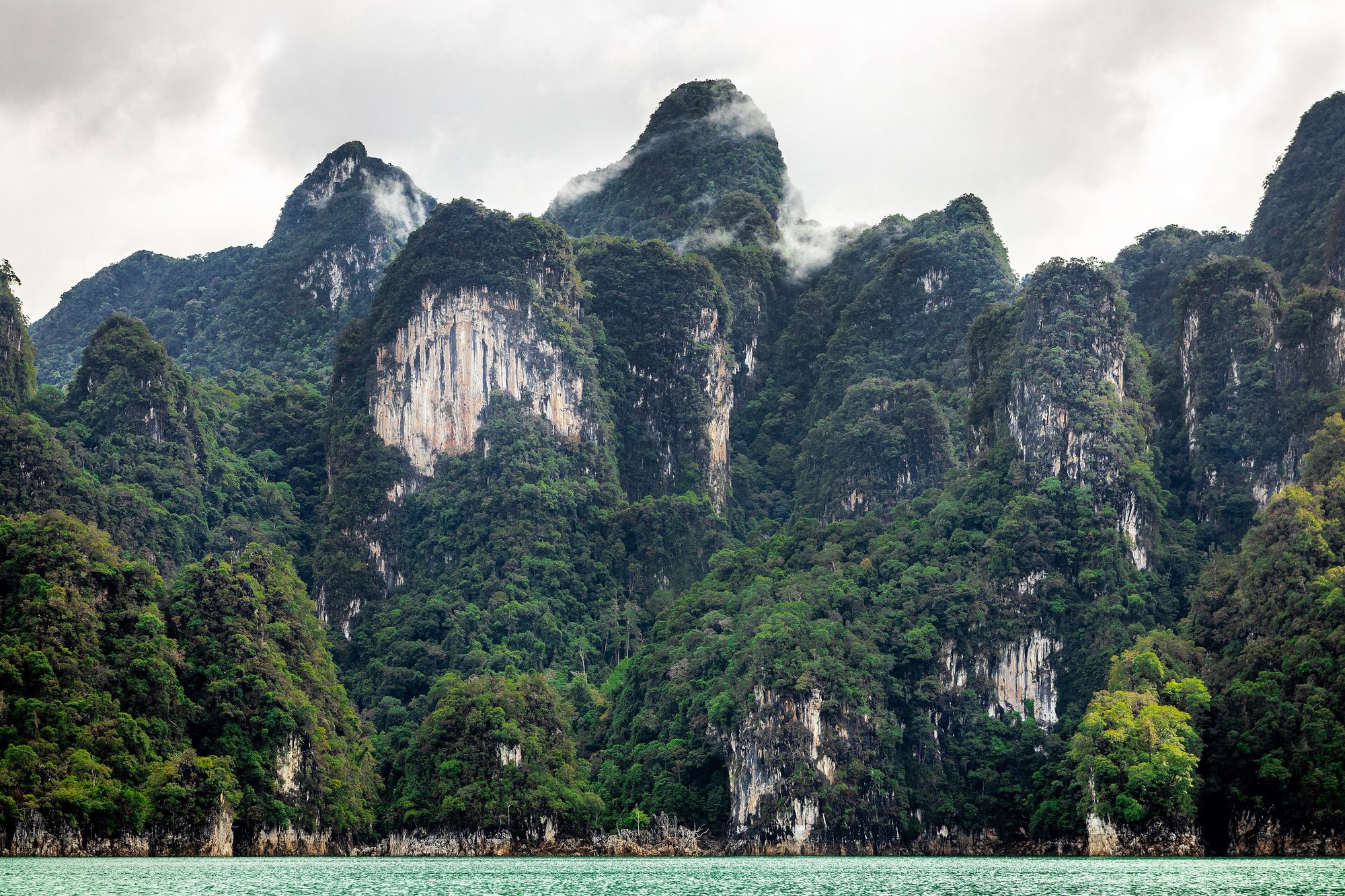
Kaeng I Khiao Officially Opens as New Ecotourism Site in Ubon
A new ecotourism destination, Kaeng I Khiao in Thailand's Ubon province, has officially opened, according to a report from Nation Thailand.
Find your own piece of the canopy.
Treehouses, bamboo houses and rainforest villas — found, vetted and written up honestly.
Browse all destinations