
Clean Energy Transition Demands Vast Land, Threatens Local Rights
A new report reveals the global push for clean energy requires millions of acres for infrastructure and mining, often overlapping with Indigenous lands.
The global shift away from fossil fuels is significantly reorganizing land use worldwide. A recent report details the large physical footprint required for new energy infrastructure and mineral extraction.
Published in November by the International Land Coalition (ILC) and the Land Matrix, the report states that commercial concessions for clean energy and critical transition minerals now cover an estimated 328 million hectares globally. This area is comparable to the size of India.
Most of this expansion is still in early stages. Projects in early exploration and planning phases account for 80% of the mapped area, according to Jérémy Bourgoin, a report co-author. Only about 20% of these projects are currently operational.
The report breaks down the land demand: 159 million hectares are allocated for large-scale solar, wind, hydro, and geothermal facilities. Mining concessions for critical minerals such as copper, lithium, nickel, and cobalt span 239 million hectares. Building low-carbon technologies requires considerably more land and raw materials than traditional fossil fuel systems, the report notes. For example, an electric vehicle needs six times the mineral inputs of a conventional car.
This expansion disproportionately affects marginalized communities. The report indicates that half of all transition mineral concessions, roughly 120 million hectares, and a quarter of utility-scale renewable energy projects directly overlap with lands belonging to Indigenous Peoples and local communities.
The report emphasizes that decarbonization is a material and spatial process. It warns that without strict land safeguards, the transition to a low-carbon economy risks repeating destructive patterns of traditional extractivism under a new banner. Governments and civil society must systematically track land lease applications and commercial negotiations as they emerge.
For jungle stay hosts and travelers, this means increased pressure on natural landscapes and local communities in regions often considered remote or untouched.
- Mongabay — reported 17 November 2026. Read by the JungleBnB news desk.
Keep reading.
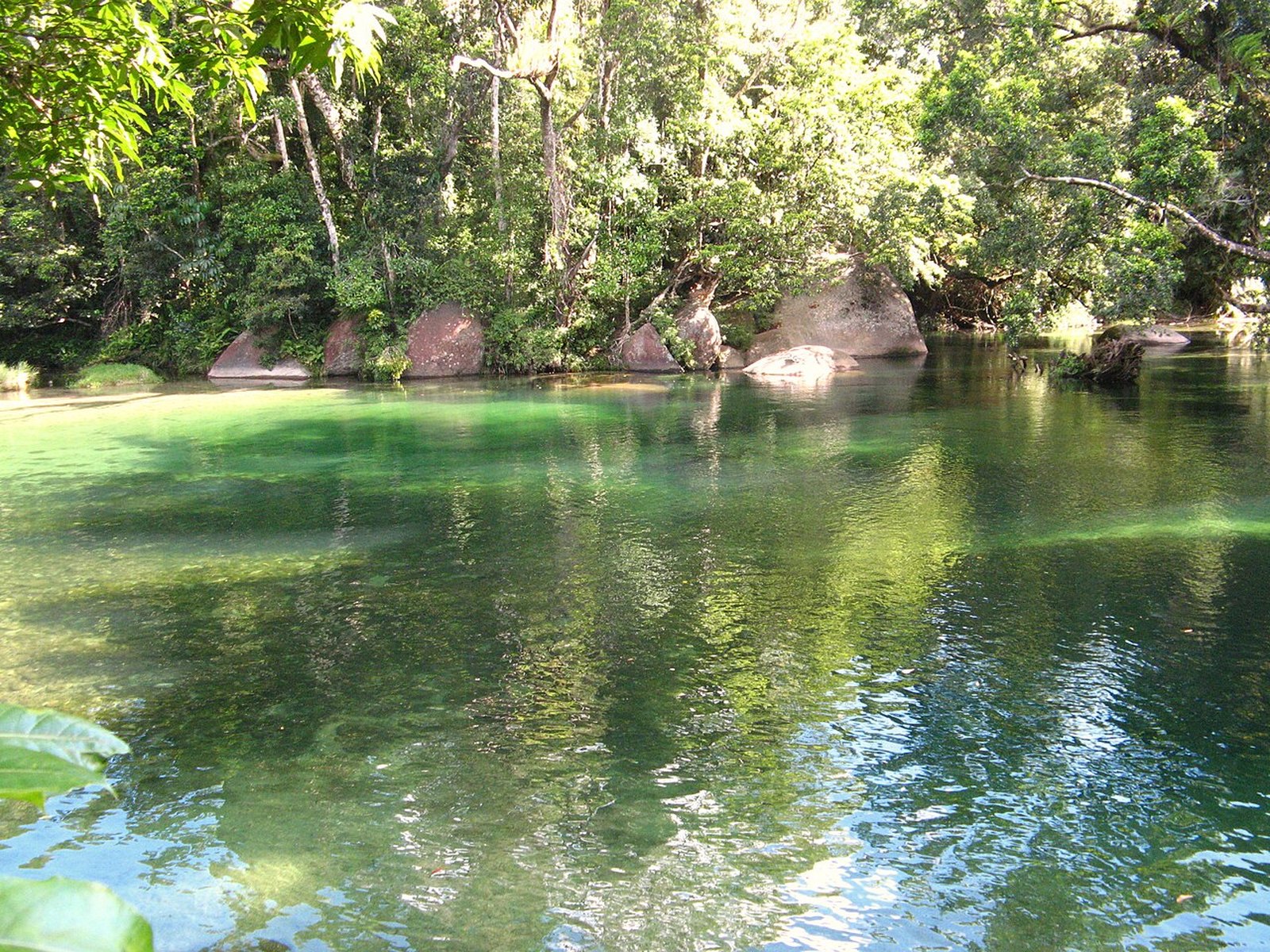 Photo: Steve Fitzgerald, CC BY-SA 4.0
Tequila Production Linked to Mexican Deforestation
Increased demand for tequila has led to widespread agave cultivation, causing significant forest loss across Jalisco and other Mexican states. Regulatory efforts struggle to contain the damage.
 Photo: Titlutin, CC BY-SA 4.0
Congo River Cruise Challenges Old Narratives
Writer J.R. Patterson traveled the Congo Basin aboard its only passenger ship, the Princesse Ngalessa, encountering local life and challenging historical perceptions of the region.
 Photo: Sovaillant, CC BY-SA 4.0
Kuno Forest Retreat Launches Third Edition in MP
The property, located in MP, now provides options for luxury glamping, jungle safaris, and adventure activities.
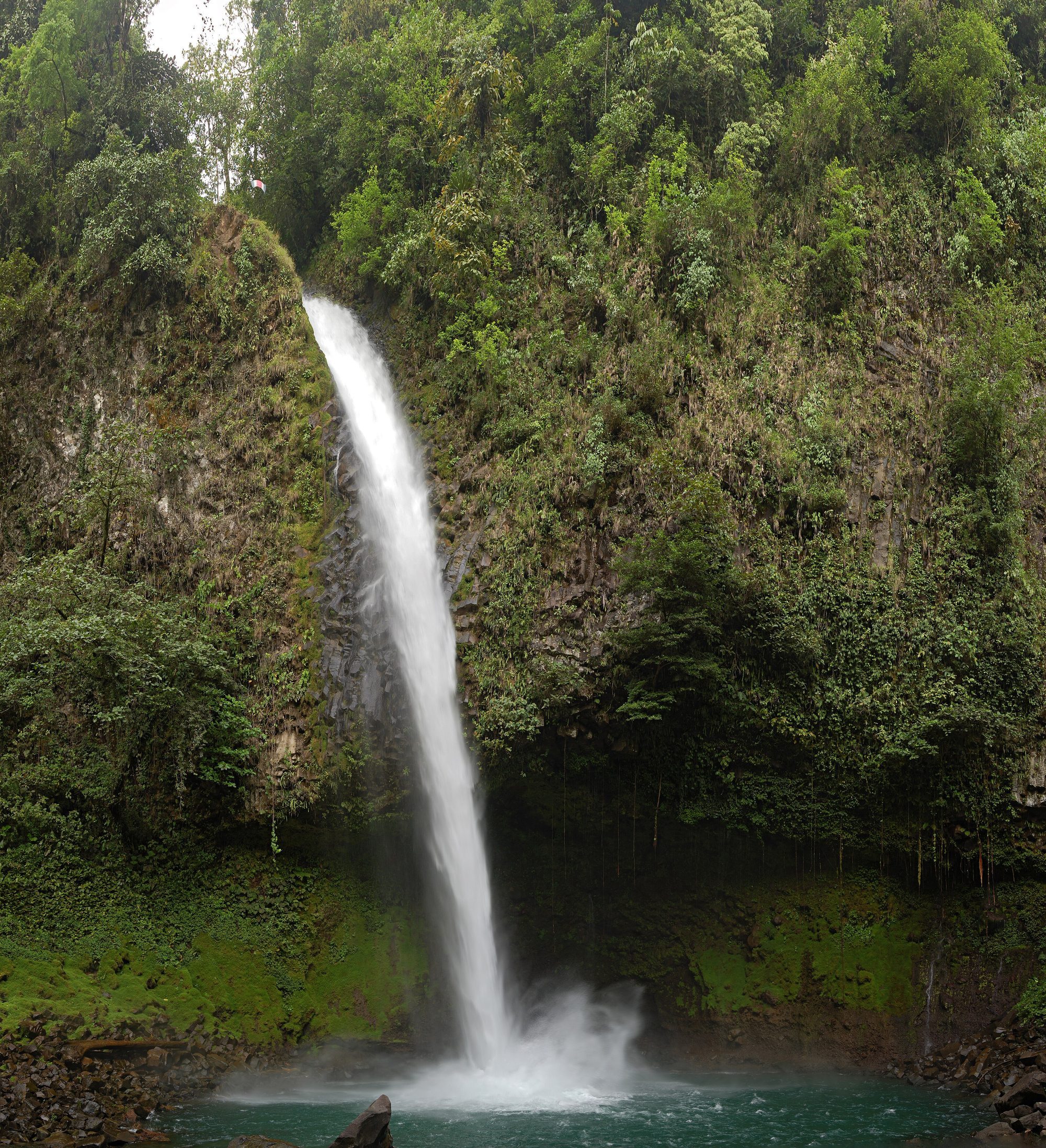 Photo: Derek Ramsey (Ram-Man), CC BY-SA 4.0