Costa Rica Mandates Wildlife Crossings for Road Projects
New legislation will require road infrastructure in Costa Rica to include wildlife crossings, aiming to reduce animal collisions and connect fragmented habitats.
Costa Rican lawmakers have unanimously voted to require wildlife crossings for new and existing road infrastructure. The measure, approved in August 2026, applies when evidence shows roads interrupt natural connectivity and threaten wildlife safety. The regulation aims to help animals avoid vehicle collisions and connect fragmented habitats.
Once the president signs the measure into law, new infrastructure projects will need to include wildlife crossings in their initial development and budgeting stages. Costa Rica’s National Environmental Technical Secretariat will review these plans for sufficiency before granting approval. Existing roads may also require new crossings if the government receives data demonstrating their necessity.
Rebecca Cliffe, founder and director of the Costa Rica-based Sloth Conservation Foundation, told Mongabay that anyone can contribute scientific data to support the need for a bridge. Cliffe is organizing a citizen science project to gather information from rescue centers and community reports in the South Caribbean, which will be used to request bridges where they are needed.
While Costa Rican roads are marked with yellow wildlife crossing signs, a 2025 study from Brazil indicated these signs have little effect on driver speed. Cliffe described these signs as "greenwashing" in Costa Rica, noting that "No one’s slowing down when they see those signs." In contrast, actual wildlife crossings—such as bridges, culverts, tunnels, and ropes for tree-dwelling species—are known to save lives. Beyond preventing collisions for animals and drivers, these crossings also link habitats, which is crucial as roads and development can otherwise fragment forests, limiting wildlife access to necessary space, mates, and food.
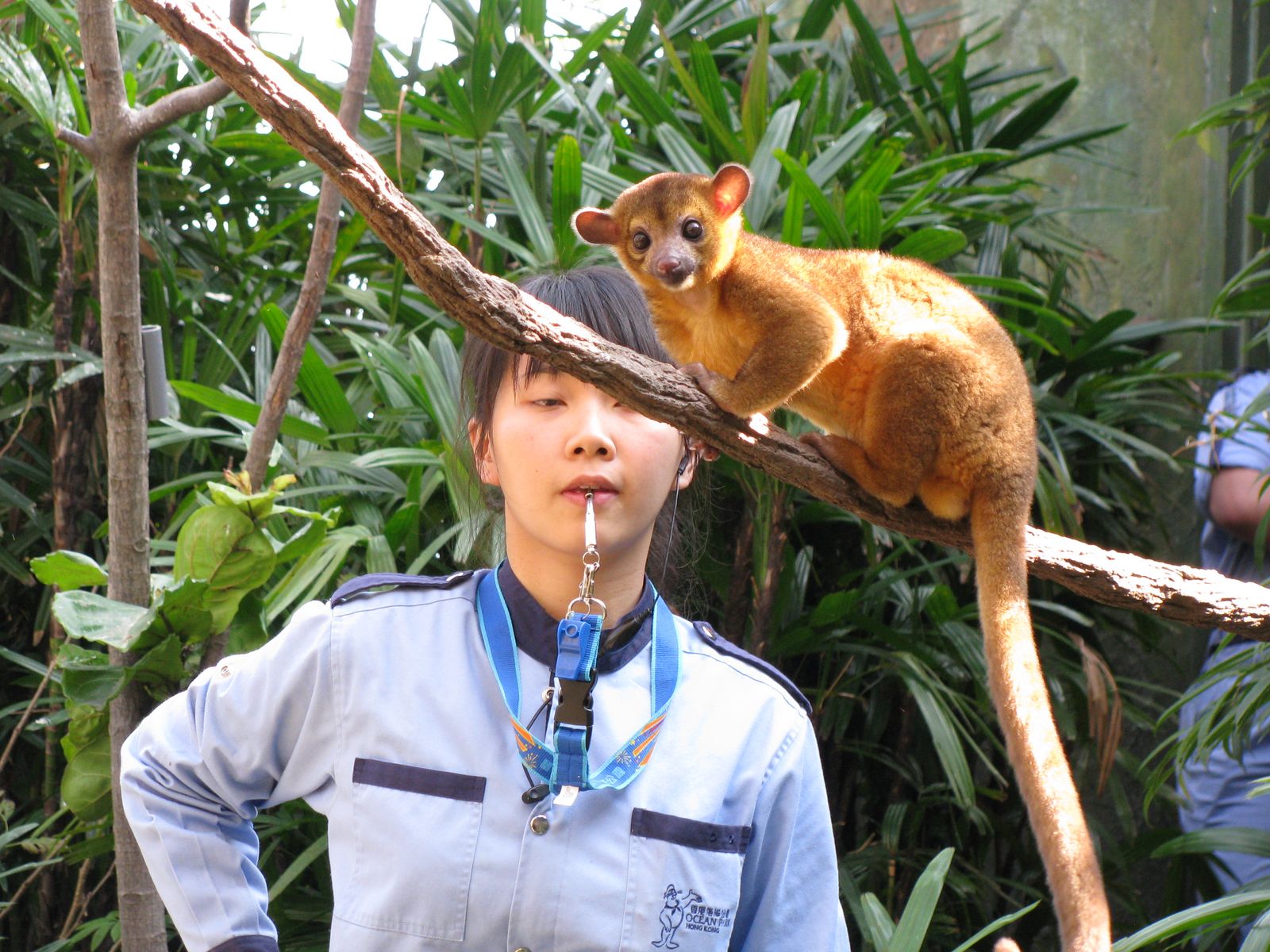
At least 59 species have been documented using wildlife bridges in Costa Rica. Monkeys, sloths, kinkajous, and opossums are among the most frequent users. The type of crossing installed can vary based on the local environment and animal species. For instance, in some coastal areas, crabs migrate annually from land to sea to lay eggs, with many perishing while crossing roads. Cliffe noted a significant decline in crab populations over 17 years, stating that a tunnel could help prevent casualties where crabs still migrate.
Costa Rica is a global biodiversity hotspot, attracting millions of ecotourists each year. These visitors travel on the same roads that pose risks to the wildlife they come to observe. Cliffe emphasized that "Coexistence is so important for Costa Rica because it relies so heavily on ecotourism. So getting this balance right between development and conservation is essential."
For travelers and hosts involved with jungle stays, this legislation signals a national commitment to integrating wildlife protection into infrastructure, potentially influencing road design and placement near natural properties.
- Mongabay — reported 27 August 2026. Read by the JungleBnB news desk.
Keep reading.
 Photo: Michael Barera, CC BY-SA 4.0
Colombia Revokes Amazon Permanent Reserve Designation
An earlier order designating a portion of the Amazon as a permanent reserve has been reversed by the Colombian government, according to a news report.
 Photo: Artem Beliaikin from Moscow, Russia, CC BY-SA 2.0
New Sinkhole Found in Phong Nha-Ke Bang Park
A recent discovery within Phong Nha-Ke Bang National Park points to ongoing geological activity in the region known for its karst landscapes.
 Photo: Vitus Wahlländer, CC BY-SA 4.0
Radisson Hotel Group Launches Jungle Home Resort Tadoba
The new Jungle Home Resort Tadoba operates under the Radisson Individuals Retreats brand, marking an expansion into specialized natural stay options.
 Photo: Derek Ramsey (Ram-Man), CC BY-SA 4.0
Find your own piece of the canopy.
Treehouses, bamboo houses and rainforest villas — found, vetted and written up honestly.
Browse all destinations