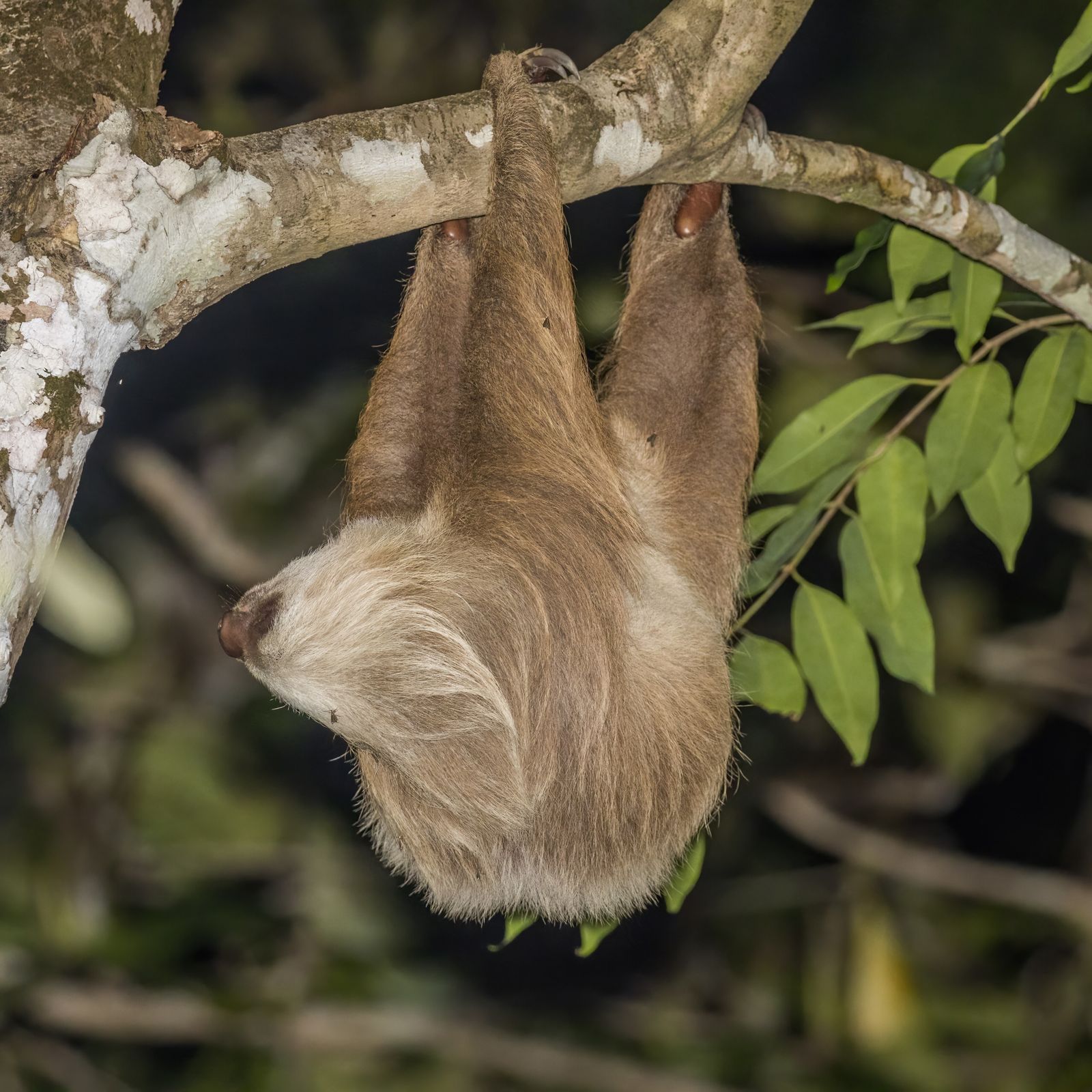
Central African Republic Park Tests Tourism Promise
Dzanga-Sangha National Park sees visitor growth, offering a partial answer to conservation funding. Challenges remain, but local benefits are visible.
Dzanga-Sangha National Park in the Central African Republic's southwest is exploring wildlife tourism as a conservation strategy. While the country often faces narratives of instability, the region around the park shows a different trend, according to a Mongabay report.
Bayanga, a town at the park's edge, has seen a modest increase in visitors. The primary attractions are Dzanga Bai, known for its high density of forest elephants, and a population of habituated lowland gorillas. Local officials reported approximately 800 tourists visited in 2025. This figure is small by global standards but holds local significance.
Gervais Pamongui, a deputy director of the Dzanga-Sangha Protected Areas, noted growth, attributing it to the site's appeal and regional stability. Tour guide Léonce Madomi described the country’s reputation for insecurity as “both true and false,” stating Bayanga has largely avoided wider disruptions.
Lodges in the area report more consistent business. Guides and trackers have found steadier employment. Some residents indicate that tourism income helps support school fees or medical care.
However, these gains are uneven and limited in scale. Tourism employs only a small segment of the population. Basic infrastructure constraints, such as poor roads and food shortages, persist. The tourism model continues to develop.
Revenue-sharing agreements exist between communities, the park, and government agencies. The park and its management partners provide local services, including health facilities, a mobile clinic, a solar farm for the town, a human rights center, and a community radio station. Plans are underway to upgrade Dzanga Bai’s viewing platform.
Despite these efforts, it remains unclear whether wildlife tourism alone can sustain a broader local economy. Dzanga-Sangha currently offers a partial solution to conservation challenges in areas with limited economic opportunities. Its future depends on extending benefits beyond the park into the wider local economy.
For hosts considering ventures in remote, conservation-focused areas, Dzanga-Sangha illustrates that even modest visitor numbers can create tangible local benefits despite significant operational challenges.
- Mongabay — reported 31 July 2026. Read by the JungleBnB news desk.
Keep reading.
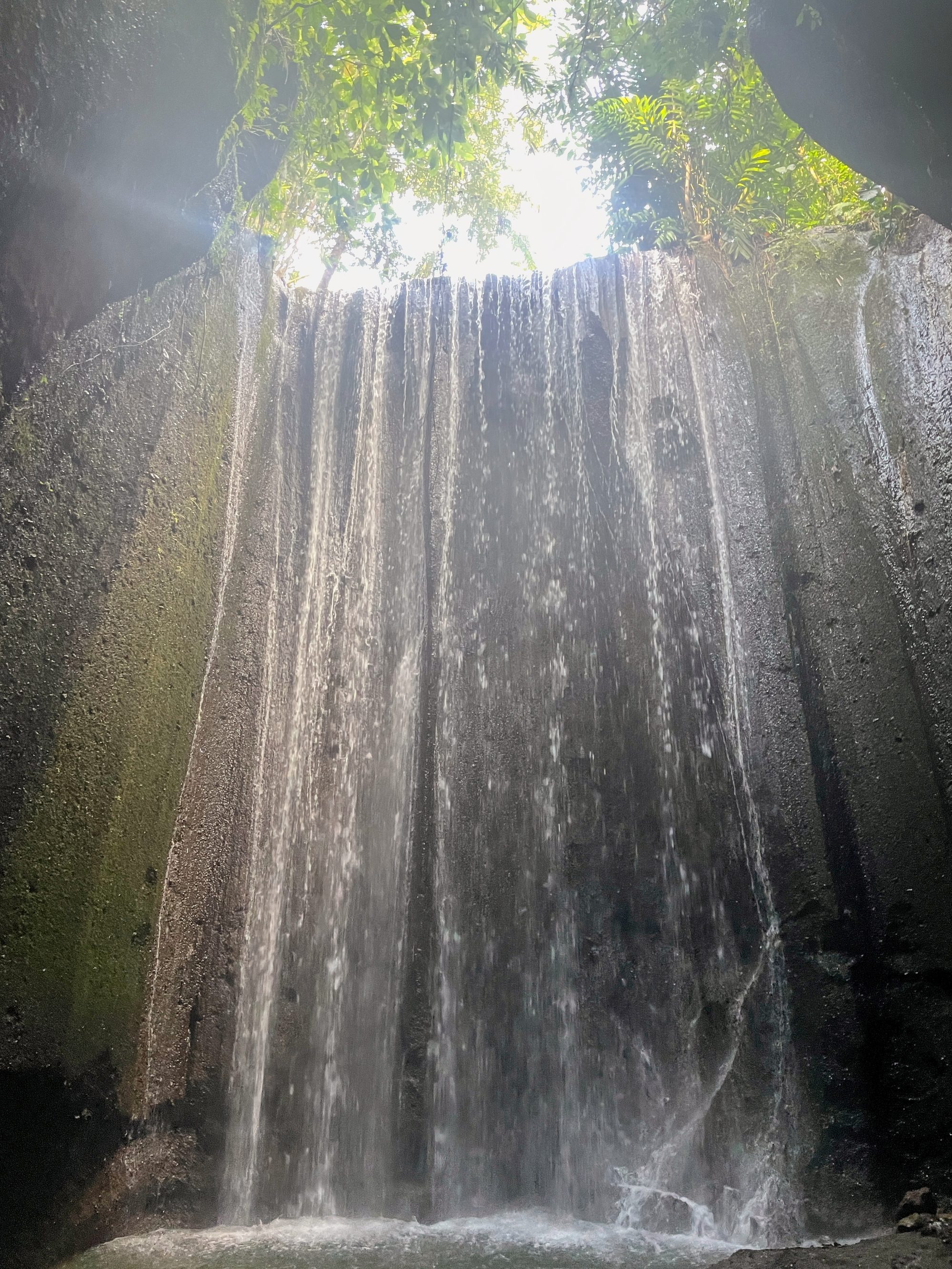
Nihi Rote Opens on Remote Indonesian Surf Island
A new resort and hospitality academy arrives on Rote, an Indonesian island east of Bali, drawing a new crowd to a remote surf destination.
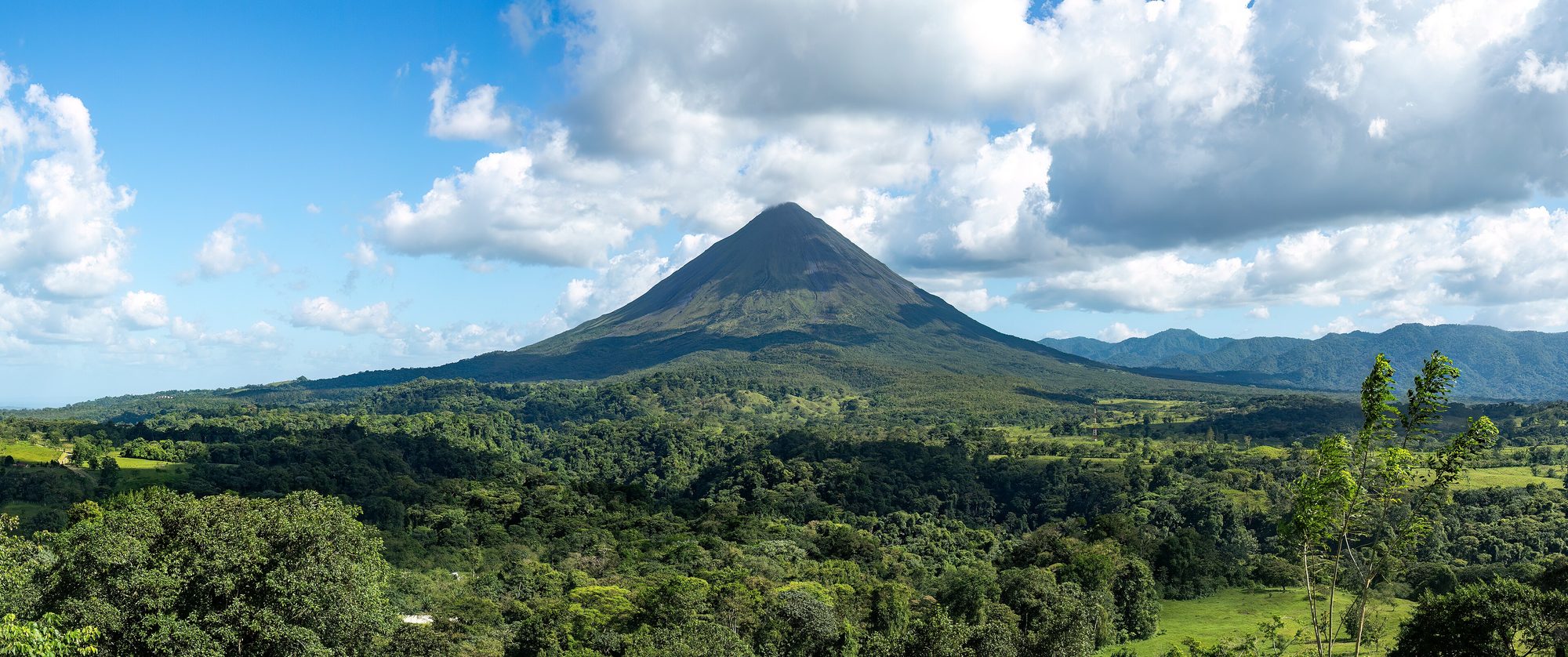
US Embassy Issues Health Alert for Costa Rica
Travelers to Costa Rica should note a health alert issued by the U.S. Embassy in San Jose, dated September 11, 2026. Details are available on the embassy's official site.
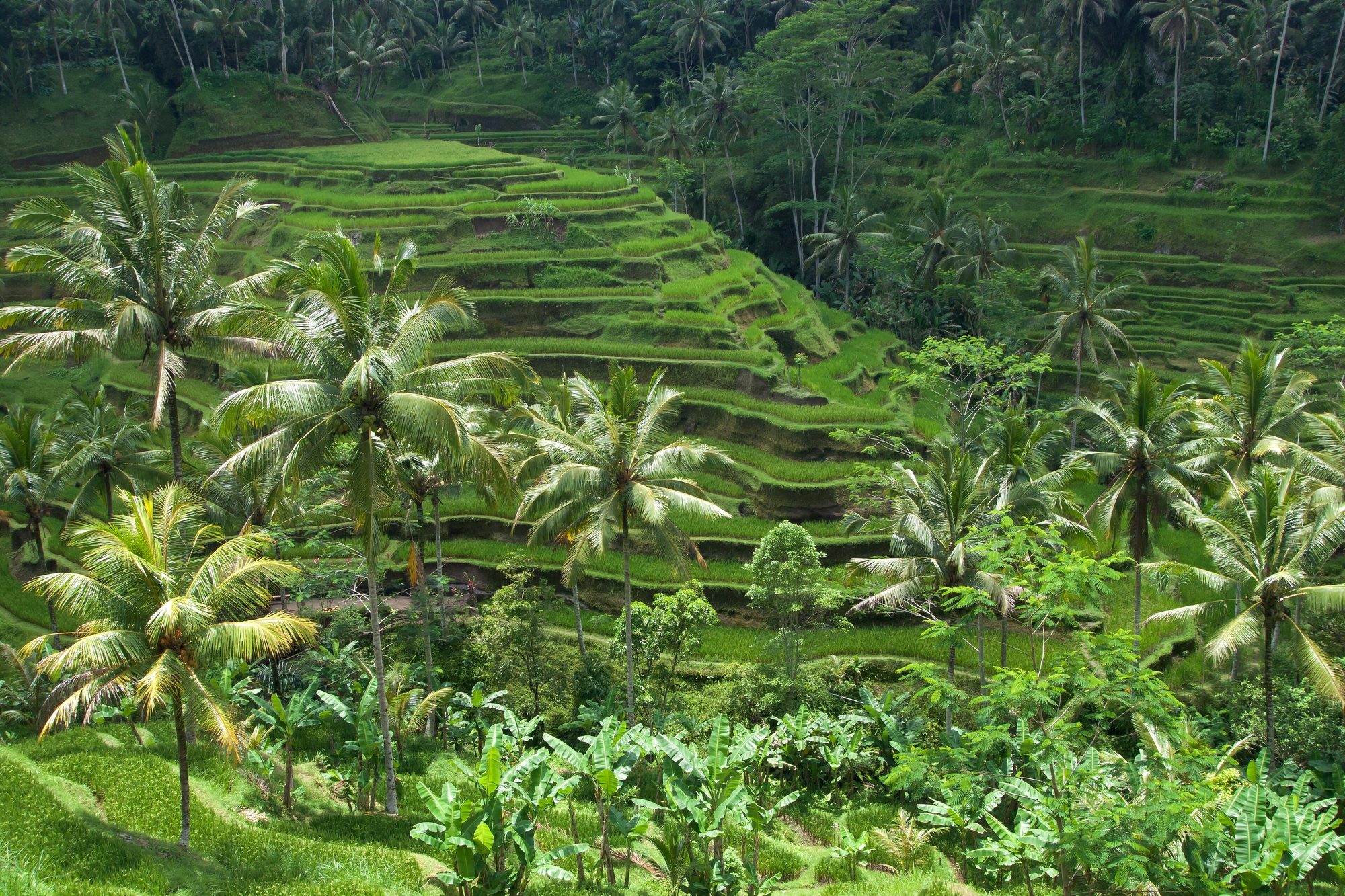
Danang Warns Against Unauthorized Son Tra Peninsula Forest Tours
Authorities in Danang have issued an advisory, urging travelers to avoid trekking and ecotourism tours operating without official permission in the Son Tra Peninsula's Special-Use Forest.
Find your own piece of the canopy.
Treehouses, bamboo houses and rainforest villas — found, vetted and written up honestly.
Browse all destinations