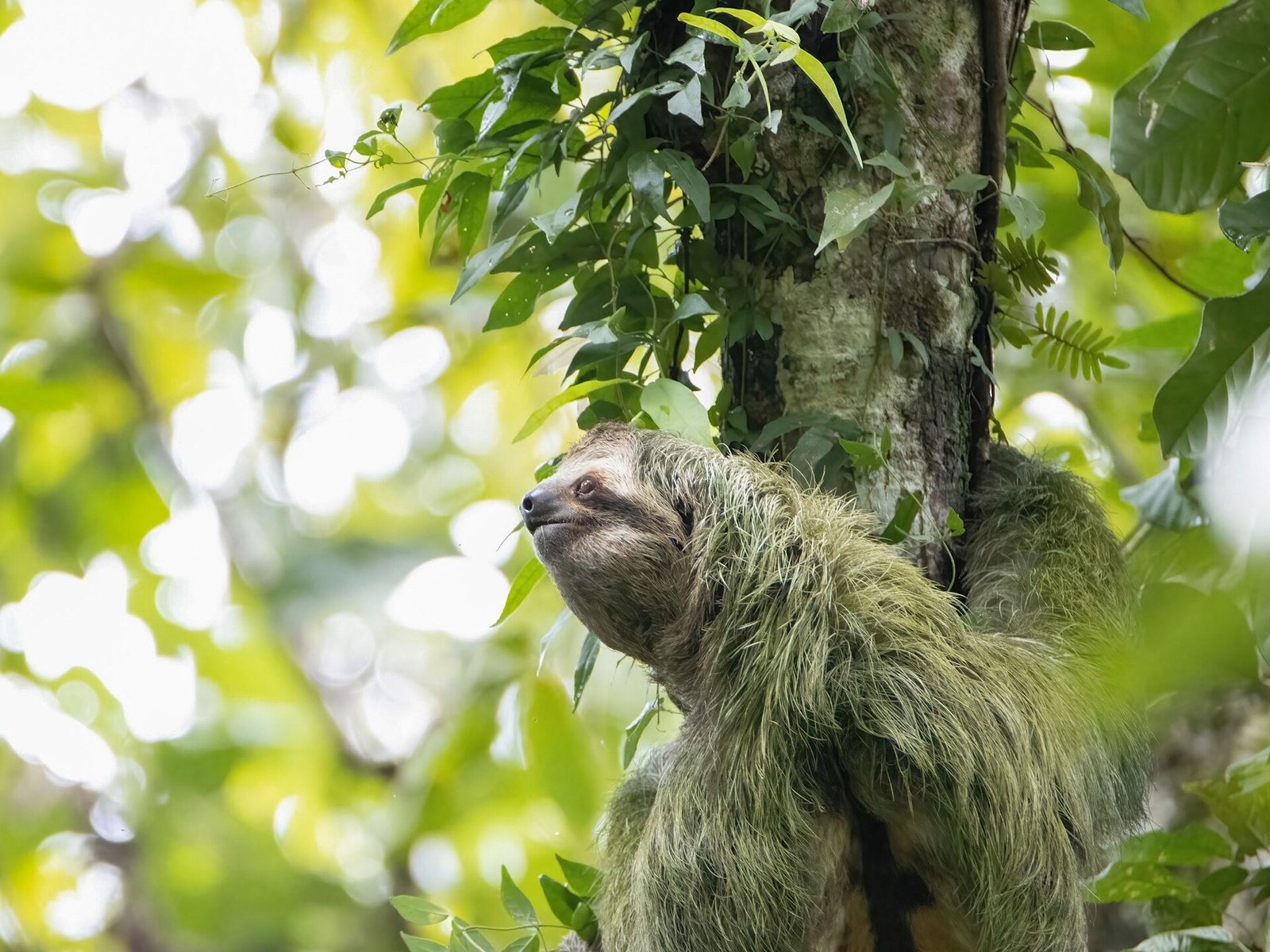
Honduras Declares Emergency in Major Biosphere Reserve
The government allocates over $55 million to combat deforestation and crime in Río Plátano, a UNESCO World Heritage Site facing severe threats.
Honduras has declared an environmental emergency in the Río Plátano Biosphere Reserve. This presidential decree, issued on November 10, sets a 36-month period to address significant environmental deterioration. The government will dedicate 1.5 billion Honduran lempiras, which is more than $55 million, over the next three years to this effort. Deforestation, organized crime, and the expansion of cattle ranching are cited as reasons for the emergency in the country's largest protected area.
The initiative represents a commitment by the government to move from addressing threats to sustained intervention, according to presidential legal advisor Roberto Zacapa. He stated that the plan includes defined resources and institutional responsibilities. The reserve spans over 832,000 hectares, or 2 million acres, covering parts of the Gracias a Dios, Colón, and Olancho departments. It is home to Indigenous Miskito, Pech, and Garífuna communities.
Its remote location near the Nicaraguan border has made the reserve vulnerable to various illegal activities. These include drug trafficking, gold mining, wildlife trafficking, and roadbuilding, in addition to deforestation and cattle ranching. A section of the Río Plátano Biosphere Reserve was designated a UNESCO World Heritage Site in 1982. Since 2011, the reserve has been listed on UNESCO’s List of World Heritage in Danger, indicating serious threats to its environmental or cultural heritage.
The Forest Conservation Institute (ICF), which manages Honduras's forests, reported substantial forest loss. Between 2023 and 2025, at least 6,691 hectares, or 16,533 acres, of forest were cut down within the reserve. Edgard Herrera Scott, program director for the Wildlife Conservation Society (WCS) Honduras, described the situation as "like the wild west, where there’s no law and people come in and do whatever they want, and the rights of Indigenous communities are violated." WCS attended preliminary meetings regarding the emergency.
While a copy of the decree has not been made public, the funding will likely increase law enforcement presence in the reserve's core zone, according to Herrera. This could involve new patrol posts. The Secretariat of Natural Resources and Environment, the Secretariat of National Defense, and the ICF will collaborate on the effort. These institutions "will coordinate resources and capabilities to protect the forests, biodiversity and ecosystems of the reserve," an official statement noted. This is not the first time Honduras has used a state of emergency for environmental crimes. In 2024, the National Defense and Security Council declared an emergency for all Honduran forests, part of a zero-deforestation resolution.
The 2024 initiative faced criticism from some environmental groups, who said the plan had not been fully implemented and that deforestation continued to threaten protected areas like Río Plátano. Herrera expressed hope that the current funding will lead to substantive change. He stated, "We have to turn what’s on paper into action. That much is certain."
This declaration signals a significant, if belated, effort to preserve a critical Central American rainforest, a region where ecological health directly impacts the viability of nature-based tourism.
- Mongabay — reported 13 November 2026. Read by the JungleBnB news desk.
Keep reading.
 Photo: Steve Fitzgerald, CC BY-SA 4.0
Tequila Production Linked to Mexican Deforestation
Increased demand for tequila has led to widespread agave cultivation, causing significant forest loss across Jalisco and other Mexican states. Regulatory efforts struggle to contain the damage.
 Photo: Titlutin, CC BY-SA 4.0
Congo River Cruise Challenges Old Narratives
Writer J.R. Patterson traveled the Congo Basin aboard its only passenger ship, the Princesse Ngalessa, encountering local life and challenging historical perceptions of the region.
 Photo: Sovaillant, CC BY-SA 4.0
Kuno Forest Retreat Launches Third Edition in MP
The property, located in MP, now provides options for luxury glamping, jungle safaris, and adventure activities.
 Photo: Derek Ramsey (Ram-Man), CC BY-SA 4.0