
Indonesia Passes Agrarian Reform Law Amid Land Protection Concerns
Indonesia’s parliament approved a new law to resolve land disputes and redistribute land. Civil society groups voice concerns about its implementation and limitations.
Indonesia’s parliament approved the Agrarian Reform Regulation Law on September 22. The legislation establishes a framework for resolving agrarian land disputes, restoring land rights, and redistributing land. Lawmakers and the government agreed on the bill the day before its approval.
However, a coalition of civil society groups has raised concerns about the final draft of the bill. They state it could limit land redistribution and make it difficult to resolve conflicts involving state-controlled land. The final enacted text has not yet been made publicly available, leaving details of how the law will operate unclear.
The debate over the law’s efficacy comes amid a history of land disputes in Indonesia. The Agrarian Reform Consortium (KPA), an advocacy group, reportedly recorded 3,234 agrarian conflicts affecting 7.4 million hectares and 1.8 million households between 2015 and 2024. KPA and other advocates argue that many conflicts arise from overlapping government authority, land allocations, and competing claims involving communities, companies, and state institutions.
A central feature of the new law is the establishment of the Agrarian Reform Implementation Institution (LPRA), a national body directly accountable to the president. According to the parliament, the LPRA will have authority over planning, implementation, monitoring, and the resolution of agrarian conflicts. Agrarian Affairs and Spatial Planning Minister Nusron Wahid has stated, according to local media reports, that the LPRA will mediate communal agrarian conflicts, including disputes with corporations and state-owned enterprises. The law also provides for a separate supervisory council.
Parliament has presented the bill as more than a land-certification program. In a September 22 statement, it said the law is intended to change agrarian structures, prevent redistributed land from becoming concentrated again, and prioritize groups including farmers, landless people, Indigenous communities, women, and poor communities. Lawmakers describe the law as addressing fragmented authority and regulations that have complicated conflict resolution.
Concerns Over Implementation and State Land
Despite the stated goals, the civil society coalition monitoring the bill points to several potential issues. While the bill provides for minimum and maximum limits on landholding, the coalition notes that determining these maximum limits will ultimately be up to the government through future regulation. The coalition also says the September 19 draft of the law exempts certain entities, including state-owned and regional government-owned companies, cooperatives, and publicly listed companies, from these limits.
The coalition has separately raised concerns about provisions for identifying land that can be used for agrarian reform. They fear that land held as state assets or considered strategically important to national interests could be harder to consider for restitution or redistribution. This concern is particularly acute, the coalition says, where the state itself is involved in a dispute. Muhammad Isnur, chair of the Indonesian Legal Aid Foundation (YLBHI), as quoted by Hukumonline, questioned whether a body accountable directly to the president can resolve conflicts impartially when government agencies or state institutions are parties to a dispute. The coalition also states that the draft does not clearly provide for an objection process or judicial review for people adversely affected by the body’s decisions.
For jungle travelers and hosts in Indonesia, the long-term impact of this law on land ownership clarity and community relations, particularly in areas near conservation zones or territories subject to previous disputes, remains to be seen.
- Mongabay — reported 28 September 2026. Read by the JungleBnB news desk.
Keep reading.

Scientist Discovers Mozambique Rainforest Via Google Earth
A conservation scientist used satellite imagery to identify a large, previously unrecorded rainforest in Mozambique, highlighting the role of remote tools in exploration.
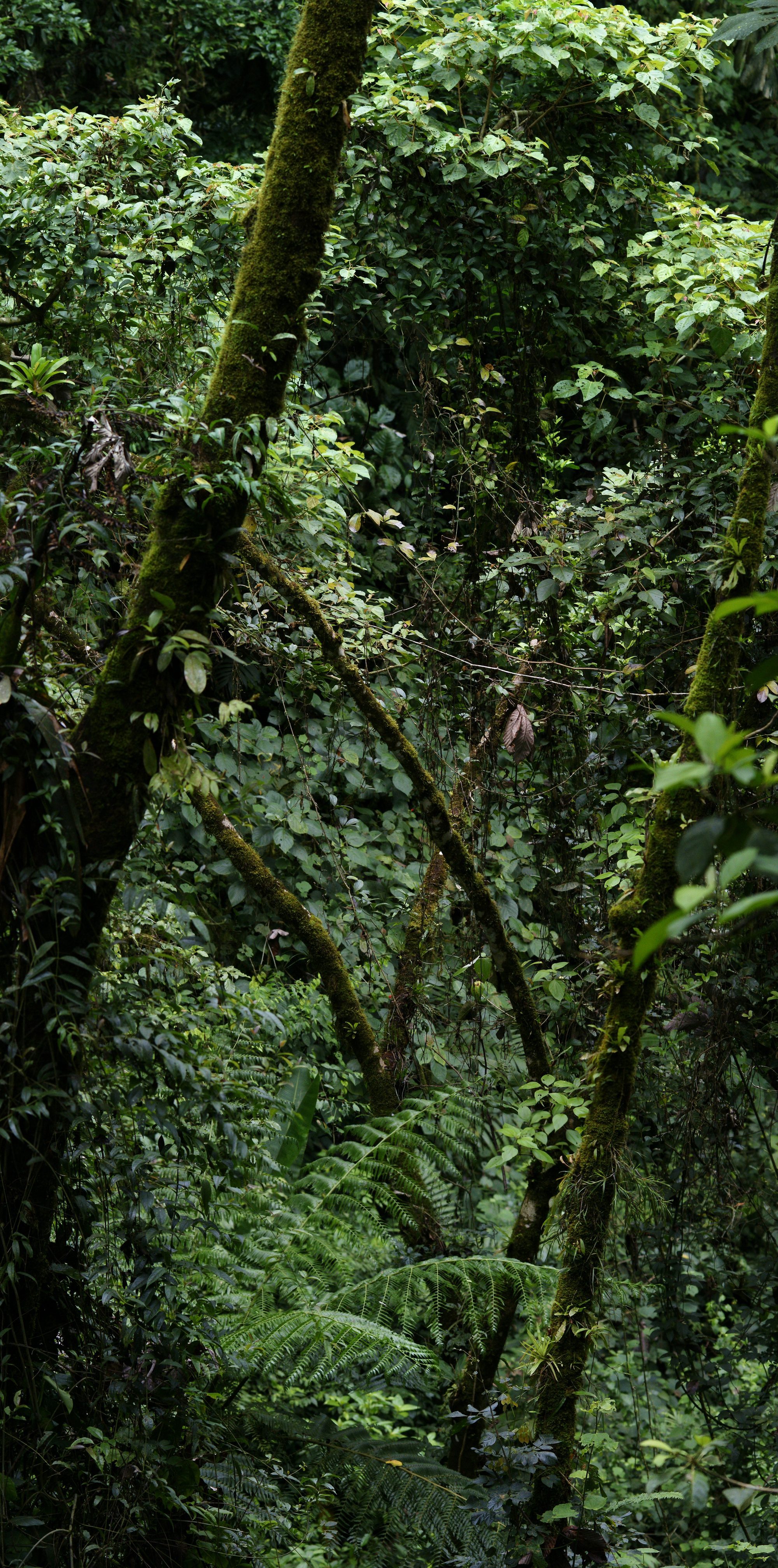
Costa Rica Tourism Faces 20,000 Job Losses Amid Strong Currency
A strong national currency, the Colón, is reported to have contributed to 20,000 job losses in Costa Rica's tourism sector, particularly affecting smaller businesses, according to The Tico Times.

Borneo Scientists Scale Tallest Trees, Report Staggering Finds
An expedition to Borneo's upper canopy involved climbing 38 giant trees. Researchers reported significant discoveries, according to BBC Wildlife Magazine.
Find your own piece of the canopy.
Treehouses, bamboo houses and rainforest villas — found, vetted and written up honestly.
Browse all destinations