
New Illicit Pet Trade Threatens Indonesian Maleo Birds
Critically endangered maleo birds from Sulawesi face increased trafficking for the international exotic pet market, a recent study finds.
Critically endangered maleo birds from Indonesia's Sulawesi island are now targeted by wildlife traffickers for the international exotic pet trade, according to a recent study. This marks the first documented evidence of the species entering illicit international commerce.
Maleos are ground-dwelling, black-and-white birds endemic to Sulawesi. An estimated 4,000 to 7,000 breeding pairs remain due to severe habitat destruction and egg poaching, Mongabay reports. All international commercial trade in maleos is banned under Indonesian law and CITES, the global wildlife trade convention.
In 2024, enforcement agencies recorded three seizures totaling 25 live juvenile maleo birds, intercepted en route to or within India. Trafficking syndicates recruited couriers, including young couples, families with children, and a single mother. They were offered paid holidays and cash to carry birds through international transit hubs in Jakarta, Mumbai, and Bangkok to avoid detection.
“All evidence we have so far points to a domestic pet market in India,” said Uttara Mendiratta, a wildlife trade researcher in India. She noted social media posts showing influencers or celebrities with rare wildlife as pets. Chris Shepherd, lead author and senior conservation advocate, described 25 birds as a significant loss for a shrinking population, especially given high mortality rates during transit.
Researchers believe the confiscated juvenile birds, appearing of similar age, likely originated from maleo 'conservation' projects where eggs are hatched in facilities, rather than being caught randomly. Marcy Summers, director of the Alliance for Tompotika Conservation, stated that illegally selling chicks raised for conservation feeds international demand and risks wild populations.
Authorities in Indonesia, India, and Thailand are urged by researchers to increase airport surveillance, address potential corruption in hatcheries, and establish formal mechanisms to repatriate confiscated birds to Sulawesi for release.
For travelers and hosts in regions with delicate ecosystems, understanding the impact of illegal wildlife trade is critical for supporting responsible tourism and conservation efforts.
- Mongabay — reported 22 October 2026. Read by the JungleBnB news desk.
Keep reading.
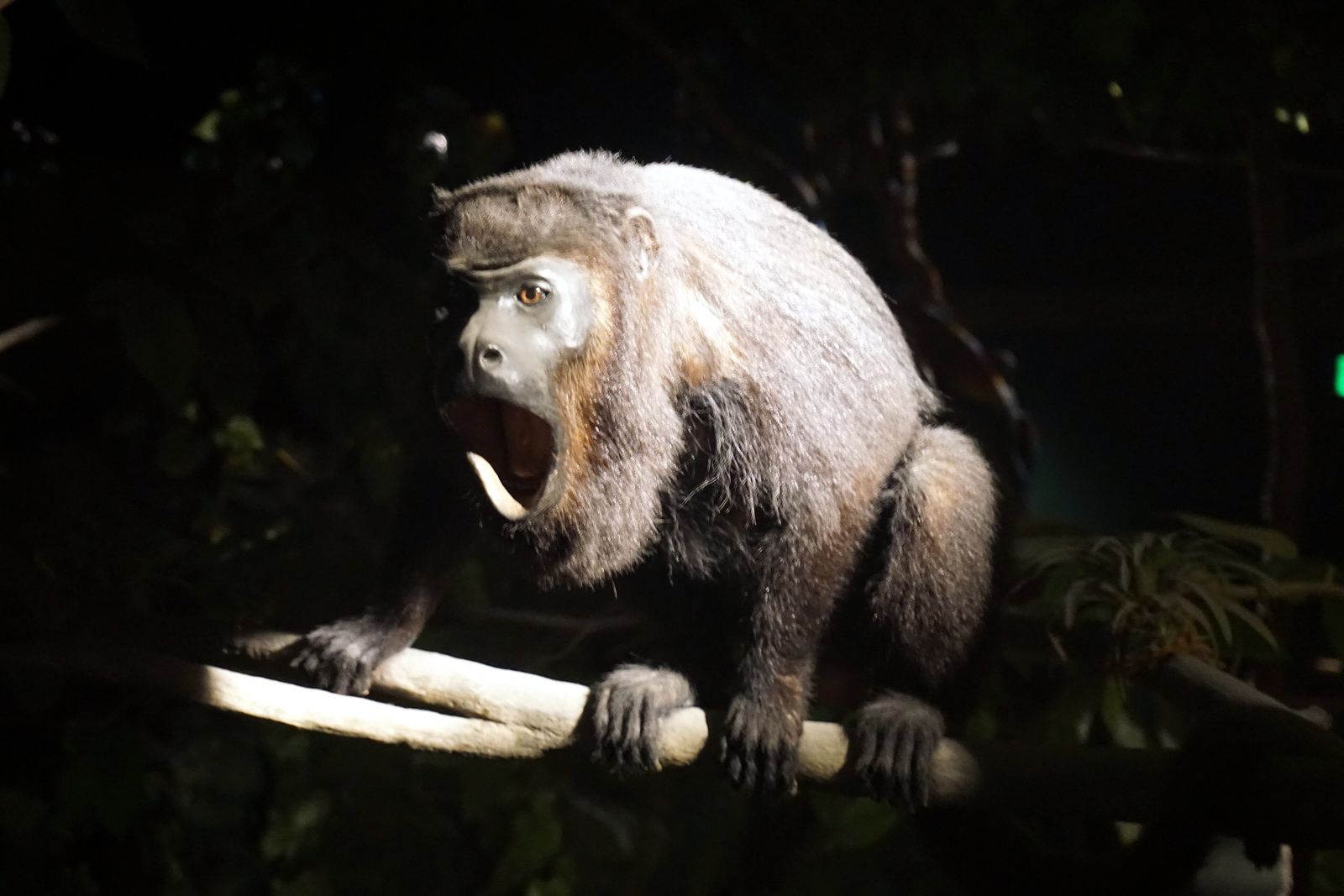 Photo: Michael Barera, CC BY-SA 4.0
Colombia Revokes Amazon Permanent Reserve Designation
An earlier order designating a portion of the Amazon as a permanent reserve has been reversed by the Colombian government, according to a news report.
 Photo: Artem Beliaikin from Moscow, Russia, CC BY-SA 2.0
New Sinkhole Found in Phong Nha-Ke Bang Park
A recent discovery within Phong Nha-Ke Bang National Park points to ongoing geological activity in the region known for its karst landscapes.
 Photo: Vitus Wahlländer, CC BY-SA 4.0
Radisson Hotel Group Launches Jungle Home Resort Tadoba
The new Jungle Home Resort Tadoba operates under the Radisson Individuals Retreats brand, marking an expansion into specialized natural stay options.
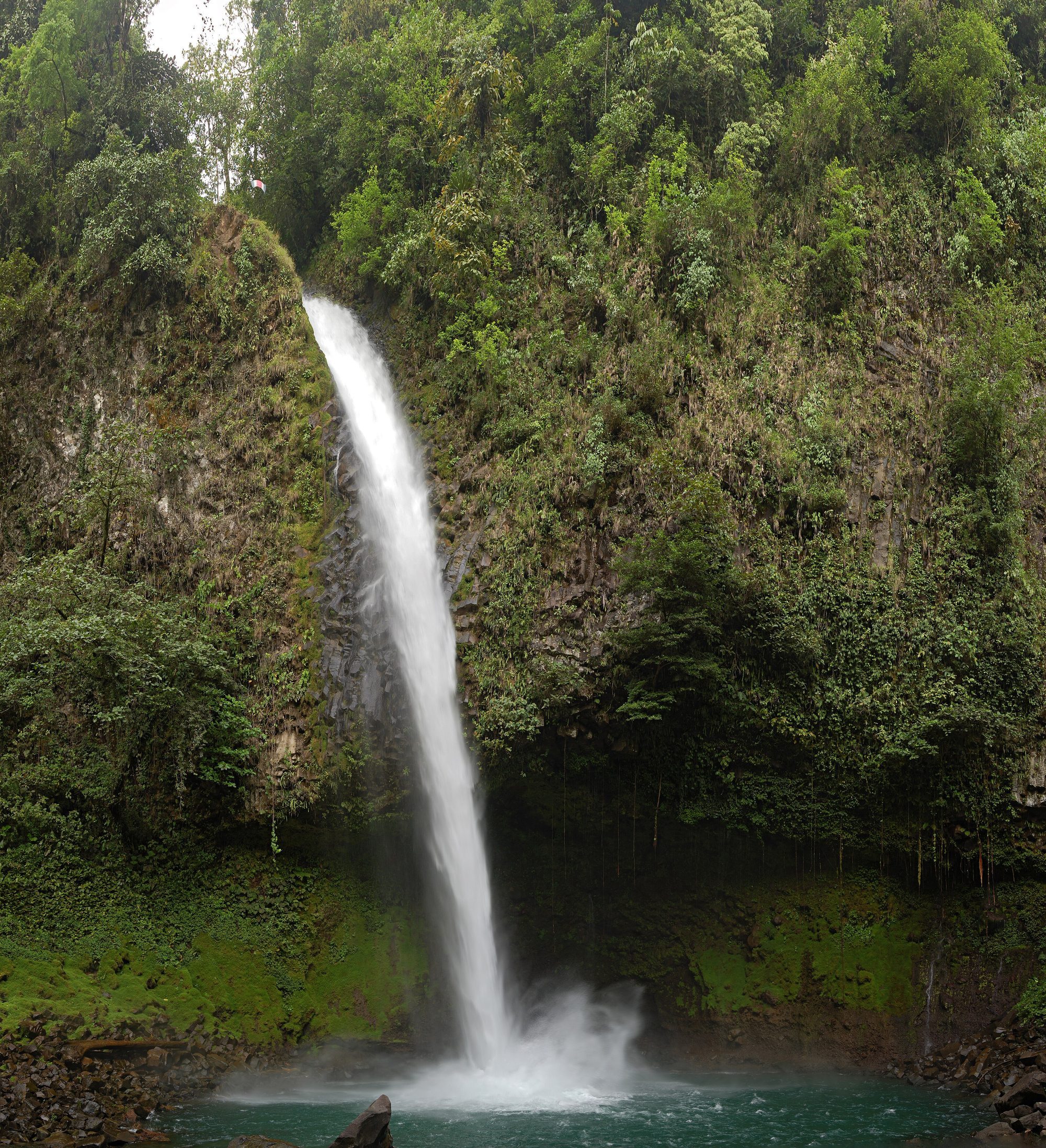 Photo: Derek Ramsey (Ram-Man), CC BY-SA 4.0
Find your own piece of the canopy.
Treehouses, bamboo houses and rainforest villas — found, vetted and written up honestly.
Browse all destinations