
Raja Ampat Marine Region Faces Ongoing Nickel Mining Pressure
Indonesia’s biodiverse Raja Ampat remains vulnerable to nickel mining, with companies still pursuing rights despite government permit revocations and conservation status.
Raja Ampat, Indonesia, an archipelago known for having some of the world’s richest marine biodiversity, faces ongoing nickel mining pressures. A new report from Greenpeace indicates that despite government actions to suspend and revoke permits, the region remains vulnerable to extractive industries.
Public concern over nickel mining in Raja Ampat grew in 2025 after images showing forest clearing and environmental damage spread on social media. This public backlash prompted the Indonesian government to suspend mining operations and later revoke the permits of four of the five nickel companies active in the region. State-owned PT Gag Nikel was the only company permitted to continue operations.
However, according to Greenpeace, Raja Ampat is still susceptible to future mining. The environmental group's latest report identifies three companies—PT Raja Ampat Nikel Abadi (RANA), PT Waegeo Mineral Mining (WMM), and PT Eka Kurnia Baru (EKB)—that are pursuing nickel projects on Waigeo Island. Waigeo is Raja Ampat’s largest island and home to endemic wildlife, including Wilson’s bird-of-paradise.
WMM and EKB filed lawsuits in 2025, contesting the government’s refusal to officially recognize permits they had held since 2023. Both companies have since prevailed in some legal challenges. RANA conducted consultations with local communities in 2025 as part of its plans for a nickel project in eastern Waigeo. Greenpeace notes that while these companies have not yet obtained all necessary regulatory approvals to operate, their continued pursuit of mining rights indicates persistent interest in developing nickel projects in the area.
Energy Minister Bahlil Lahadalia responded to the Greenpeace report on August 3, rejecting claims that new mining permits were being issued in Raja Ampat. He stated that the only mining permit still operating belongs to PT Gag Nikel, and all other permits had been revoked. Greenpeace clarified that its report does not claim new permits have been issued, but rather that companies are pursuing legal and administrative avenues because the energy ministry continues to classify parts of Raja Ampat as mining areas, failing to remove them from Indonesia’s official mining zoning.
Raja Ampat was designated a UNESCO Biosphere Reserve in September 2025, adding to its existing Global Geopark status. This designation recognizes the region as a flagship site for global biodiversity conservation. Greenpeace’s mapping analysis indicates that all three of the proposed nickel mining operations are located within the buffer zone of this biosphere reserve. UNESCO’s scientific advisory committee had previously requested additional information from Indonesia regarding mining concessions before recommending the reserve’s approval. A 2025 study examining 119 UNESCO biosphere reserves found that most showed little measurable ecological advantage, suggesting international recognition alone does not guarantee stronger environmental protection.
PT Gag Nikel, a subsidiary of state-owned miner PT Aneka Tambang (Antam), remains an active nickel mining operation on Gag Island. Its operations were suspended in June 2025 due to environmental damage concerns but were lifted in September 2025. The Ministry of Energy and Mineral Resources reported that Gag Nikel had complied with environmental requirements and received a “green” rating on the environment ministry’s annual assessment.
For travelers booking stays and hosts building properties in Raja Ampat, the persistent pursuit of mining rights means the region's natural environment, which supports its unique appeal, remains under a degree of ongoing threat despite conservation designations.
- Mongabay — reported 4 August 2026. Read by the JungleBnB news desk.
Keep reading.
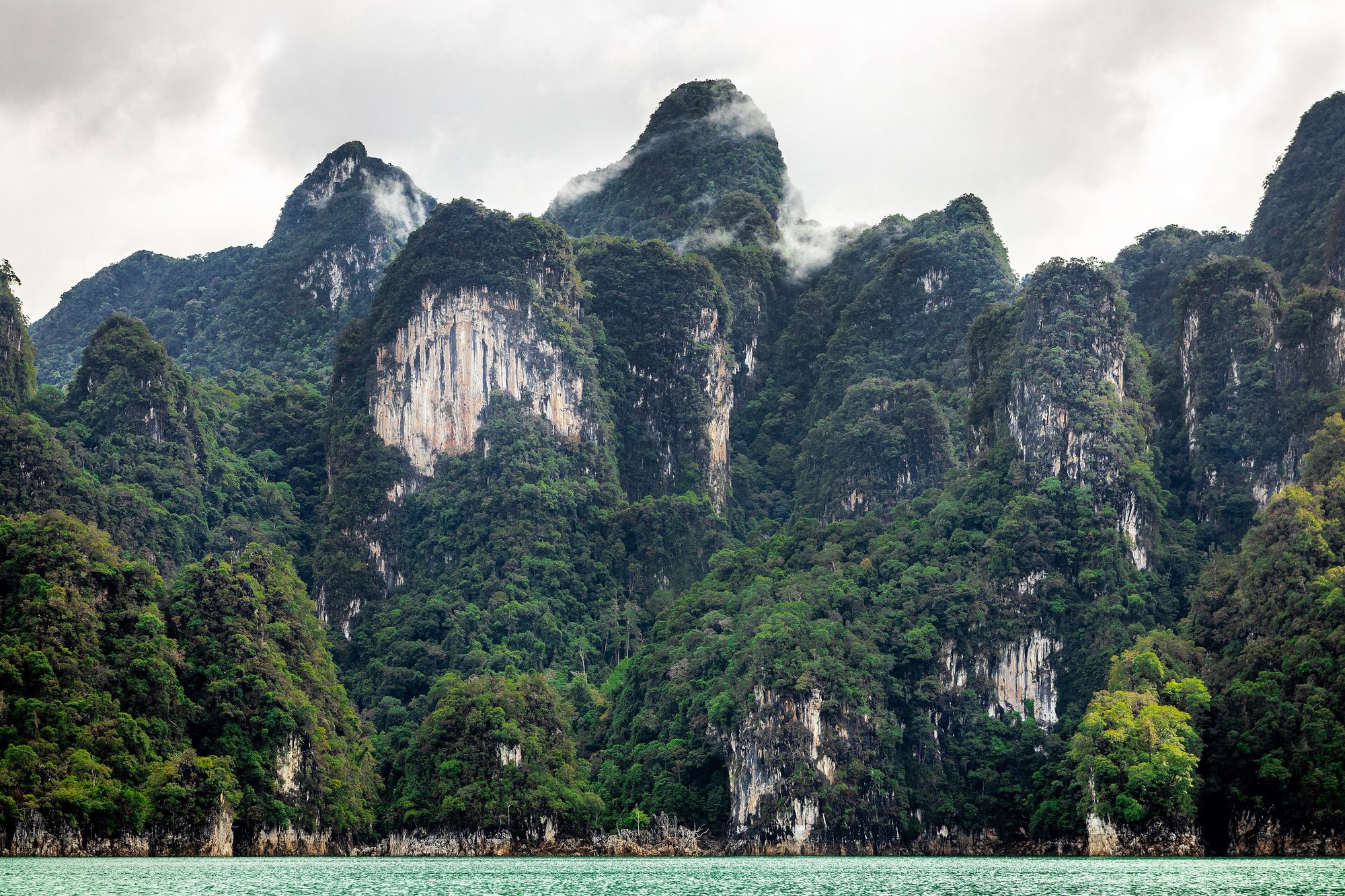
Kaeng I Khiao Officially Opens as New Ecotourism Site in Ubon
A new ecotourism destination, Kaeng I Khiao in Thailand's Ubon province, has officially opened, according to a report from Nation Thailand.
Tapanuli Orangutan Habitat Under Pressure
Critically endangered Tapanuli orangutans in North Sumatra face mining expansion, landslides, and fire risks, with no coordinated recovery strategy in place.

Tanzania Establishes First Wildlife Corridor for Elephants
Tanzania has created its first official wildlife corridor, connecting savanna elephant populations with rainforest habitats. The initiative aims to support natural animal movement.
Find your own piece of the canopy.
Treehouses, bamboo houses and rainforest villas — found, vetted and written up honestly.
Browse all destinations