
Indonesia Wildfires Send Haze Across Southeast Asia, Impacting Air Quality
Haze from Indonesian wildfires has spread to Singapore and the Philippines, causing unhealthy air quality and raising health concerns across the region.
Haze originating from wildfires in Indonesia has extended its reach across Southeast Asia, impacting air quality in Singapore and the Philippines, in addition to Malaysia and Brunei. On September 4, 2026, Singaporean residents experienced smog, with air quality reaching unhealthy levels. By late afternoon, the city recorded the third-worst air quality globally, according to IQAir.
Earlier in the week, authorities in the Philippines declared air quality in parts of Luzon island, including metropolitan Manila, the Visayas island group, and Mindanao island, as “acutely unhealthy.” They attributed these conditions to transboundary haze from Indonesia.
In Malaysia, the state of Sarawak has contended with transboundary haze for weeks. Its capital, Kuching, has topped rankings as the world’s most polluted city since early this week. On September 4, authorities declared a state of emergency in Serian district, Sarawak. Malaysia’s health ministry reported in late August that cases of asthma increased by 259% and upper respiratory tract infections by 124% in a single week. Brunei has also experienced hazy conditions since mid-August.
Wildfires across Indonesia continue amidst a “super” El Niño, which brings extremely dry conditions. As of September 3, the Firewatch satellite monitoring platform had detected over 444,200 fire hotspots across the archipelago. This number is 4.5 times higher than detections on July 27.
Indonesian officials stated that the fires were started deliberately, either by individuals or corporations. A Kompas newspaper report indicated that wildfires are detected on the same sites annually, with 50% occurring in oil palm concessions. The environmental non-governmental organization WALHI made a similar observation, noting that approximately half of the hotspots in West and Central Kalimantan provinces this year appeared in oil palm and timber concessions. WALHI also identified 33 “high-confidence” fire hotspots in August within a concession belonging to the pulp company PT Bumi Mekar Hijau in Sumatra. Ten years ago, an appellate court found this firm liable for a fire that destroyed 20,000 hectares of land.
Dana Prima Tarigan, a WALHI spokesperson, said that thousands of hotspots continue to be detected in peatland areas, plantations, and timber concessions. This, Tarigan noted, indicates that the government maintains a land-use model that increases ecological vulnerability and heightens the risk of wildfires.
The fires and resulting haze affect local residents and wildlife. Indonesia’s health ministry recorded 50,891 acute respiratory infection cases caused by haze in July and August. In Central Kalimantan, two volunteers assisting with wildfire containment died this week after reporting breathing difficulties. Firefighters have found snake and pangolin carcasses in burned areas. In West Kalimantan, farmers rescued a Borneo orangutan (Pongo pygmaeus) from an oil palm plantation. Forestry authorities later confirmed the ape’s death due to suspected smoke inhalation.
For travelers and hosts in Southeast Asia, these conditions underscore the importance of monitoring regional air quality reports and local advisories.
- Mongabay — reported 4 September 2026. Read by the JungleBnB news desk.
Keep reading.
 Photo: Michael Barera, CC BY-SA 4.0
Colombia Revokes Amazon Permanent Reserve Designation
An earlier order designating a portion of the Amazon as a permanent reserve has been reversed by the Colombian government, according to a news report.
 Photo: Artem Beliaikin from Moscow, Russia, CC BY-SA 2.0
New Sinkhole Found in Phong Nha-Ke Bang Park
A recent discovery within Phong Nha-Ke Bang National Park points to ongoing geological activity in the region known for its karst landscapes.
 Photo: Vitus Wahlländer, CC BY-SA 4.0
Radisson Hotel Group Launches Jungle Home Resort Tadoba
The new Jungle Home Resort Tadoba operates under the Radisson Individuals Retreats brand, marking an expansion into specialized natural stay options.
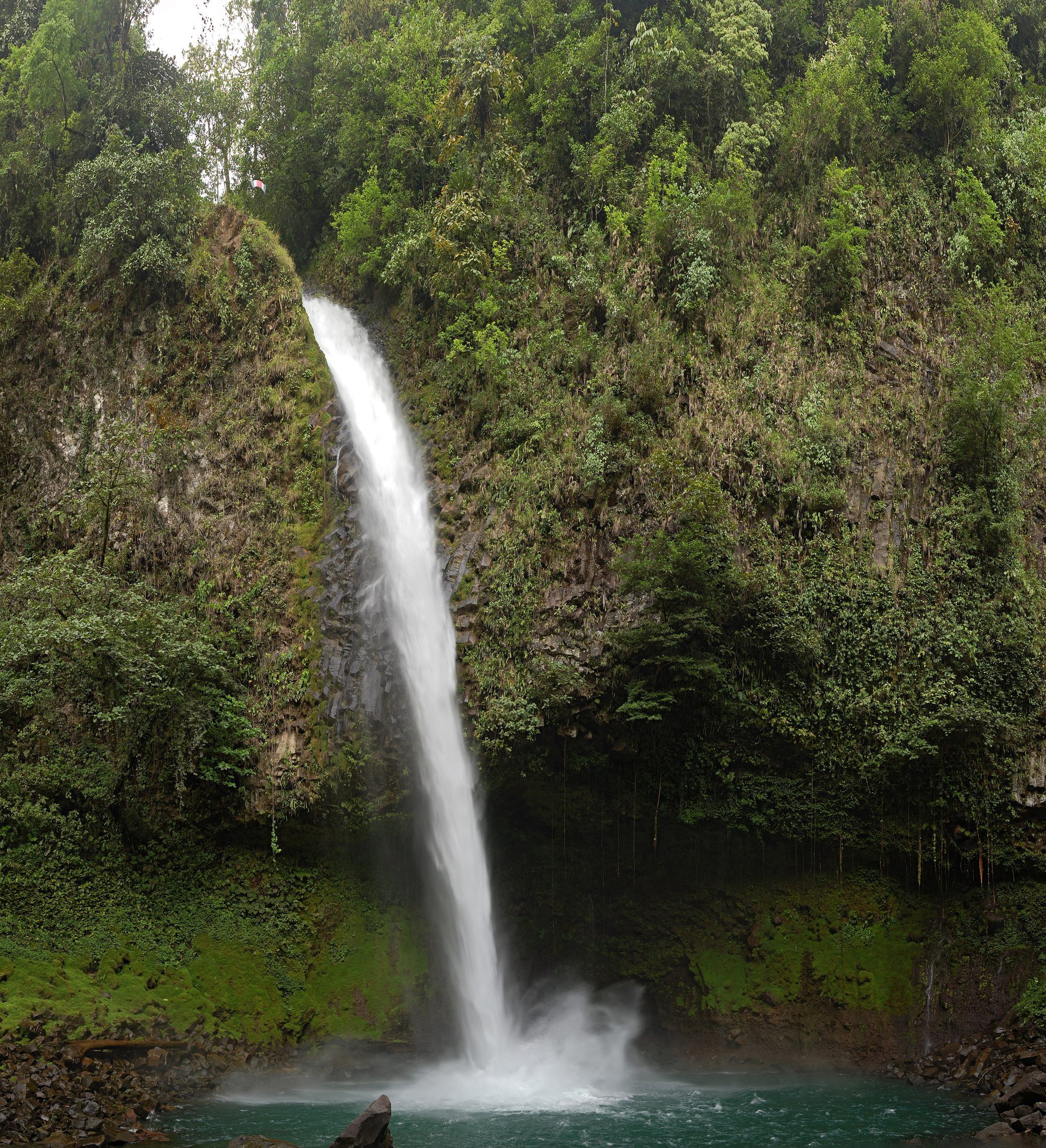 Photo: Derek Ramsey (Ram-Man), CC BY-SA 4.0
Find your own piece of the canopy.
Treehouses, bamboo houses and rainforest villas — found, vetted and written up honestly.
Browse all destinations