Australia's Daintree Rainforest Guide
Most rainforests on earth are, geologically speaking, teenagers. The Daintree is not. It has been standing, in more or less its current form, for something like 180 million years — long enough to have been growing before Australia split from the rest of Gondwana, long enough that some of the plant families inside it have no close living relatives anywhere else on the planet. It's also, unusually for a rainforest this old, right on the coast, close enough to the Great Barrier Reef that on a clear day you can stand on a beach in Daintree National Park with rainforest at your back and reef in front of you. This is a guide to seeing it properly: the regions, the seasons, the real logistics of the ferry and the roads, where to actually stay, and what you'll get out of a few days versus a week.
The Daintree, honestly
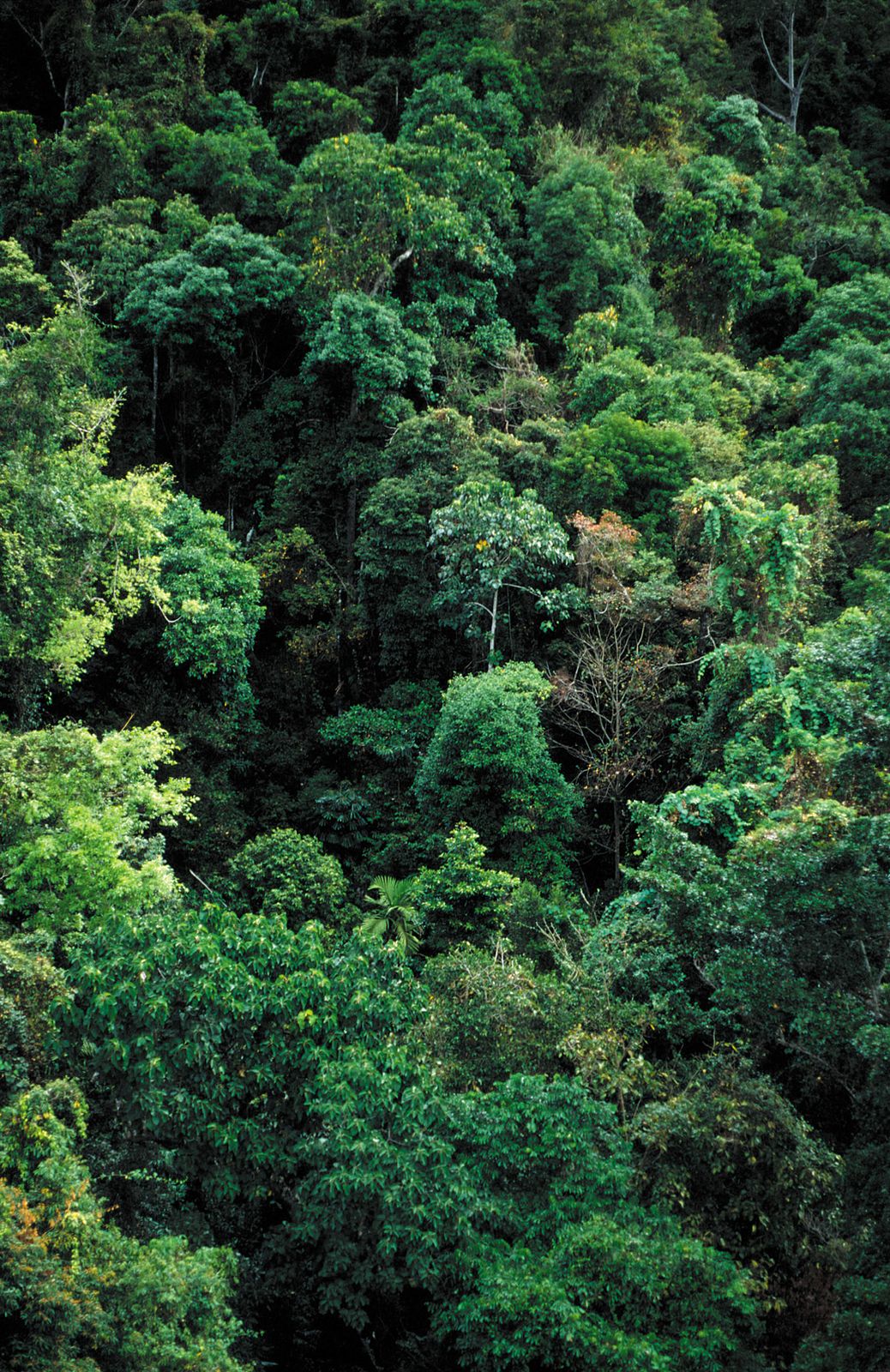
Australia doesn't get filed under "jungle countries" in most people's heads, and for most of the continent that's fair — it's the driest inhabited continent on earth, red desert and eucalypt woodland from horizon to horizon. But tuck up into the far northeast corner of Queensland, above Cairns, and the climate flips entirely. This is the wet tropics: a narrow, humid strip squeezed between the Coral Sea and the Great Dividing Range where rainfall runs high enough, year-round, to keep a genuine tropical rainforest alive. The Daintree is the heart of it, and it's the oldest continuously surviving tropical rainforest on the planet — older than the Amazon, older than most of the forests it gets compared to, a living relic of the forest that once covered most of Gondwana before the continents drifted apart.
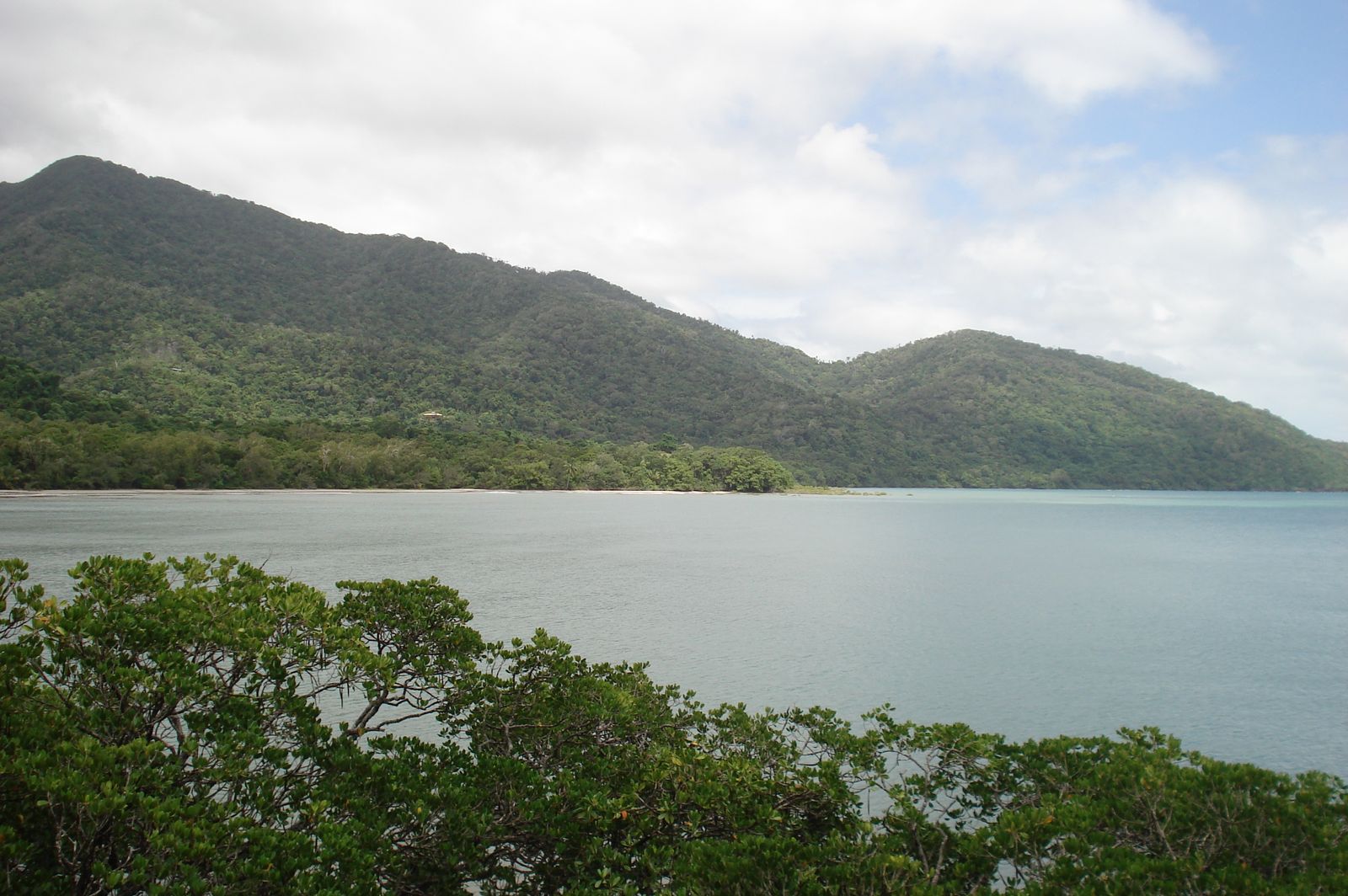
What makes it worth the trip isn't just the age, though that's the headline fact everyone reaches for. It's the compression. The Daintree sits inside the Wet Tropics of Queensland World Heritage Area, and within a fairly small footprint you get lowland rainforest running straight down to white-sand beaches, mangrove-lined river systems thick with crocodiles, and — the detail that actually sells it — two UNESCO World Heritage sites touching each other. Nowhere else on earth does an ancient rainforest meet a coral reef system the size of the Great Barrier Reef this directly. Stand at Cape Tribulation and you can see both from the same spot.
It's also, refreshingly, not overbuilt. There's no skyline of resort towers here — the Daintree River ferry crossing acts as a natural bottleneck that has kept development modest north of the river, and a meaningful amount of the land is Eastern Kuku Yalanji country, with the Traditional Owners actively involved in how the park is managed and interpreted. That combination — genuinely ancient forest, a reef on the doorstep, and comparatively light tourism infrastructure — is the honest pitch. It is not a five-star wellness retreat wrapped in rainforest branding; it's a real, working national park with a scattering of lodges, eco-cabins and small towns threaded through it, and the reward is proportional to how much you lean into that.
Travelers who know the Amazon, the forests of Costa Rica, or Brazil sometimes arrive expecting a scaled-down version of those. It isn't. The Daintree is smaller, more accessible, and structured differently — day trips and short drives get you deep into it rather than multi-day river journeys — but the biodiversity per square kilometer is exceptional, and the direct proximity to reef diving and snorkeling is something none of those other destinations can offer in the same breath.
The regions, and how they differ
"The Daintree" gets used loosely to mean the whole wet tropics region north of Cairns, but there are really four distinct areas, and knowing the difference will save you a wasted day.
Mossman Gorge
Mossman Gorge is the southern, mountainous section of Daintree National Park, roughly 20 minutes inland from Port Douglas. It's granite boulders and a fast, cold, startlingly clear river cutting through rainforest-covered hills — swimming here, when conditions allow, is one of the simplest pleasures in the whole region. Access runs through the Mossman Gorge Centre, which is owned and run by the Eastern Kuku Yalanji people; a shuttle bus takes visitors the last stretch into the gorge itself, and the Centre also runs guided Dreamtime Walks led by Kuku Yalanji guides through a private section of rainforest, covering bush tucker, traditional plant use and the cultural significance of the site. It's the easiest, most polished introduction to the Daintree if you're short on time or based in Port Douglas.
Cape Tribulation and Cow Bay
North across the Daintree River, the landscape changes register entirely. This is the lowland coastal section of the national park, where rainforest runs straight down to the sand with barely a transition — the spot Captain Cook named Cape Tribulation in 1770, after his ship struck a reef nearby and his troubles, as he put it, began. Cow Bay and the stretch of coast around it have a loose scatter of eco-lodges, cabins and small farms tucked into the forest, with Cape Tribulation itself further north as the more remote, more dramatic end of the sealed road. This is where the "rainforest meets the reef" claim is most literally true, and it's also where you'll find the highest concentration of independent stays for travelers who want to actually sleep inside the forest rather than just drive through it.
Daintree Village
A small, quiet township on the southern bank of the Daintree River, Daintree Village is the launch point for most of the river's wildlife cruises. It's a low-key alternative base to Cape Tribulation — fewer lodges, a slower pace, and closer to Mossman and Port Douglas if you don't want to cross the ferry every day. Most visitors treat it as a half-day stop for a river cruise rather than a base, though a night here is a reasonable, quieter option.
North of the Bloomfield Track
Past Cape Tribulation, the sealed road ends and the Bloomfield Track begins — a rough, partly unsealed 4WD route continuing north through the Daintree toward Cooktown. This is genuinely remote country, crossing creek beds and climbing through forest with no fuel or services for long stretches. It's not part of a standard trip and requires a proper 4WD and some experience, but for travelers with the time and the vehicle, it's the way to see the Daintree at its least visited, continuing on to the historic gold-rush town of Cooktown on the far side.
When to go
Far North Queensland runs on two seasons rather than four: a dry season roughly May through October, and a wet season from December through April, with November acting as an unpredictable hinge between the two.
- May–June: the dry season settling in — humidity drops, days are warm and comfortable rather than oppressive, and the region hasn't hit its peak crowds yet. A strong window.
- Late June–July: reliably dry and one of the most popular stretches of the year, partly because it overlaps with Australian school holidays. Book lodges and tours ahead if you're traveling in this window.
- August–September: still firmly dry season, generally comfortable temperatures, and a good balance of good weather against manageable crowds once the school holidays end.
- October: the tail of the dry season — still mostly reliable, with building humidity signaling the shift toward the wet.
- November: the build-up. Humidity climbs sharply, storms become more frequent, and this shoulder month can swing either way from year to year.
- December–April: the wet season proper, and also cyclone season for Tropical North Queensland. Expect genuine heat, high humidity, and rainfall that can range from brief, heavy afternoon downpours to multi-day systems tied to tropical cyclones. Rivers run high, some walking tracks can close, and cyclone warnings occasionally disrupt travel entirely. The upside: the forest is at its most lush and dramatic, waterfalls run full, crowds thin out substantially, and rates drop.
Cassowary sightings and general wildlife activity aren't strongly tied to a single season the way, say, whale-watching is — but the dry season's easier walking conditions and lower river levels make wildlife cruises and forest walks more consistently comfortable. If snorkeling or diving the reef is part of your plan, note that stinger season (roughly November through May) brings box jellyfish and Irukandji into coastal waters north of Cairns, which is one more reason many travelers favor the June–October window for a Daintree trip that also includes reef time.
Good to know
If you're stitching the Daintree into a longer Asia-Pacific jungle trip, the dry-season window here (May–October) sits opposite the wetter months in much of Southeast Asia. Our Thailand and Bali guides both cover their own seasonal rhythm if you're weighing how to sequence a longer trip.
Getting there and getting around
The gateway airport is Cairns (CNS), served by direct international and domestic flights from across Australia and a handful of international routes. From Cairns, it's roughly a two-hour drive north to the Daintree River crossing, following the coast road through Palm Cove and past Port Douglas. If you're staying in Port Douglas first — a common and sensible way to break up the trip — the drive to the Daintree River ferry from there is closer to 45 minutes to an hour.
The Daintree River itself has no bridge. A cable-operated vehicle ferry runs across it, operating from around 5am to midnight daily (with occasional closures for maintenance or flooding), and it's the only way to drive north into the Cape Tribulation section of the park — there is no alternative road route. A return ticket runs in the vicinity of $45 per car, with an added fee for trailers; it's cash or card at the crossing, and queues build during peak periods, particularly midmorning in the dry season, so building in some buffer time is worth it.
Beyond the ferry, the road from the crossing up to Cape Tribulation is sealed and manageable in a standard rental car, winding through rainforest with the occasional creek crossing. Past Cape Tribulation, the Bloomfield Track toward Cooktown is unsealed, rough in sections, and genuinely requires a 4WD — not a trip to attempt in a standard sedan. Mossman Gorge, on the southern side of the river, doesn't require the ferry at all and is a straightforward drive from Port Douglas or Cairns; note that private vehicles can't drive all the way into the gorge itself, and the shuttle bus from the Mossman Gorge Centre is mandatory for the final stretch.
For travelers who'd rather not drive — reasonable, given the ferry queues and the genuine possibility of a cassowary wandering onto the road — day tours run from both Cairns and Port Douglas, typically picking up early (around 7am from Cairns) and returning in the early evening, bundling the ferry crossing, a wildlife cruise, and stops at Cape Tribulation and sometimes Mossman Gorge into a single day. It's a reasonable way to see the highlights if you're not planning to stay overnight north of the river.
Where to stay
Where to base yourself depends mostly on how much of the Daintree you actually want to be inside versus visiting for a day. Port Douglas is the polished, full-service option — restaurants, a proper town center, easy access to both Mossman Gorge and Great Barrier Reef boat departures — but it sits south of the river, meaning any trip into Cape Tribulation means crossing the ferry each way. For travelers who want to wake up inside the rainforest itself, the lodges and eco-cabins scattered around Cow Bay and Cape Tribulation, north of the river, are the better call.
Silky Oaks Lodge, on the Mossman River near Mossman Gorge, is the best-known upscale option in the area — a treehouse-style lodge built into the riverbank forest, with an open-air restaurant and a spa built around the setting, and it's earned recognition at the top end of Australia's eco-luxury lodges. Further north, past the ferry, Daintree Ecolodge sits on the edge of the national park with elevated timber cabins (locally called "bayans") set into the canopy and a restaurant built around regional, rainforest-adjacent produce — a genuine treehouse-in-the-jungle experience rather than a marketing phrase. Down in Cape Tribulation itself, Ferntree Rainforest Lodge occupies a large forested block with self-contained lofts and one of the area's larger pools, aimed at travelers who want a self-sustaining base with easy access to the beach and the Cape Tribulation walking tracks. Beyond these, the Cow Bay and Cape Tribulation stretch has a wider scatter of smaller cabins, farm-stays and independent eco-lodges built directly into the forest, which is exactly the kind of stay JungleBnB exists to catalog.
For a fuller, vetted shortlist of stays across the region, see the JungleBnB directory, or browse comparable jungle-and-reef combinations in destinations like Hawai'i and Puerto Rico, both of which pair rainforest stays with easy coastal access in a similar way.
Nowhere else on earth does a 180-million-year-old rainforest meet a reef the size of the Great Barrier Reef this directly. Stand at Cape Tribulation and you can see both from the same patch of sand.
The best things to do
- Swim at Mossman Gorge: the rock pools along the marked walking track are cold, clear and genuinely swimmable when conditions and water levels allow — check current advice at the Mossman Gorge Centre before you go, since strong flow after rain can make sections unsafe.
- Take a Dreamtime Walk with a Kuku Yalanji guide: run through the Mossman Gorge Centre, these guided walks go into a private section of rainforest with a Traditional Owner explaining bush food, traditional plant use and the cultural stories tied to the land — a genuinely different way into the forest than a self-guided walk.
- Cruise the Daintree River: the river's mangrove-lined banks are the most reliable place in the region to see estuarine crocodiles in the wild, alongside a long list of birdlife. Early morning and late afternoon cruises, departing from Daintree Village, tend to be the most active.
- Walk the boardwalks at Cape Tribulation: short, well-maintained tracks like the Dubuji and Marrdja boardwalks loop through mangrove and lowland rainforest without requiring any real fitness, and they're an easy way to see the forest structure — buttress roots, epiphytes, strangler figs — up close.
- Stand where the rainforest meets the reef: the beach at Cape Tribulation itself, with forest running down almost to the waterline, is the single most photographed and most literal expression of the region's whole pitch. Come at low tide for the widest stretch of sand.
- Visit the Daintree Discovery Centre: an elevated canopy walkway and a 23-meter observation tower near Cape Tribulation give a genuine above-the-canopy perspective that's hard to get anywhere else in the park without a helicopter.
- Snorkel or dive the Great Barrier Reef from Port Douglas or Cairns: outer reef trips depart daily from both towns, and pairing a reef day with a Daintree day is the whole point of basing yourself in this part of Queensland rather than further south.
- Look for cassowaries, carefully: the southern cassowary is the region's signature bird, and while sightings aren't guaranteed, the Cape Tribulation and Cow Bay area gives you the best odds of any accessible part of the park. Slow down on rural roads and give any cassowary you spot a wide, respectful berth.
The wildlife you'll actually see
The Daintree's wildlife reputation is well earned, and unlike some jungle destinations, a fair amount of it is genuinely visible without a specialist guide or a lot of luck.
The southern cassowary is the headline species: a large, flightless, strikingly blue-necked bird that plays an outsized ecological role as one of the rainforest's main seed dispersers — many of the forest's larger fruiting trees rely on cassowaries eating and spreading their seeds, which makes the bird something close to a keystone species for the ecosystem. It's also endangered, with habitat loss and vehicle strikes among the leading threats, which is why road signage through Cape Tribulation and Cow Bay repeatedly asks drivers to slow down. Sightings happen, especially around Cow Bay and the forest edges near Cape Tribulation, but they're never guaranteed — treat any encounter as a genuine stroke of luck rather than an expectation.
Estuarine crocodiles — Australia's, and the world's, largest living reptile — are common in the Daintree River and its mangrove tributaries, and a wildlife cruise out of Daintree Village is by far the most reliable and safest way to see one. They're also present, less visibly, in creeks and waterways throughout the lowland park, which is the entire reason swimming is restricted to a handful of specifically marked, monitored freshwater spots like Mossman Gorge rather than open to any river or creek that looks inviting.
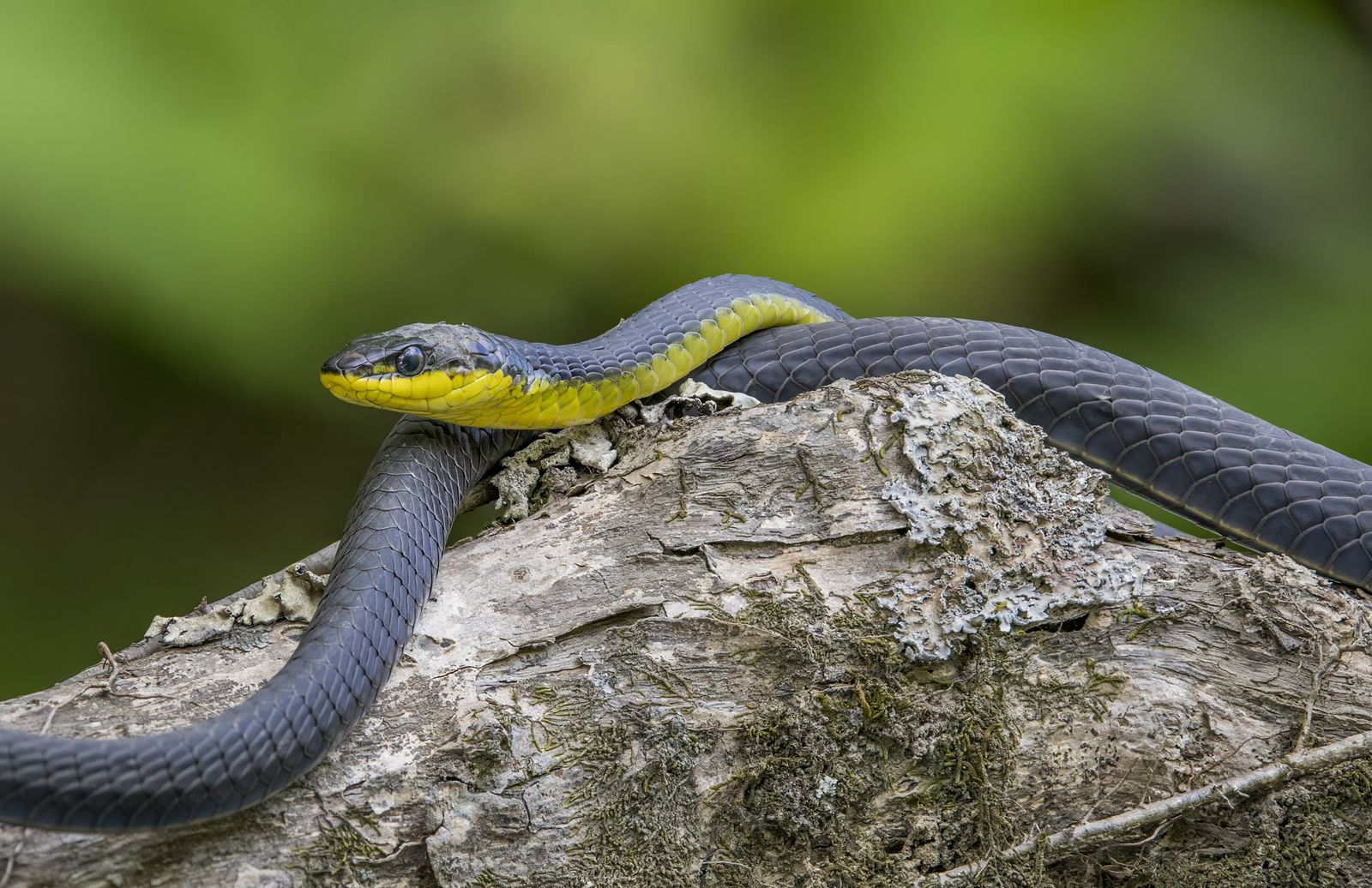
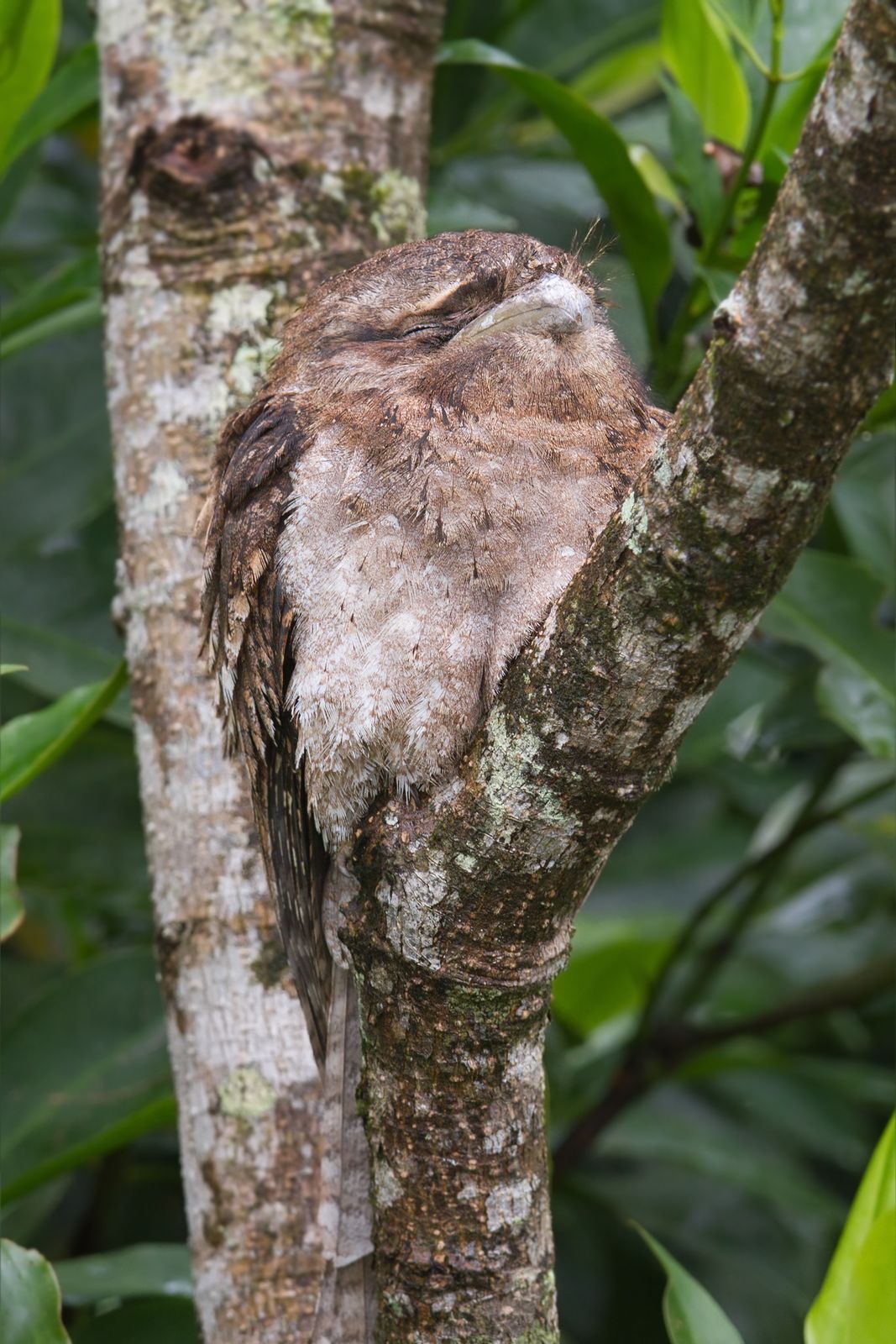
Beyond the two marquee species, the Daintree is genuinely rich in smaller, easier-to-miss wildlife: the striking, electric-blue Ulysses butterfly; tree-dwelling mammals like the spotted-tailed quoll and various possum species that are far easier to spot on a guided night walk than during the day; an enormous range of birdlife including the Papuan frogmouth and various fruit-doves; and reptiles from skinks to the occasional amethystine python, Australia's largest snake. The reef offshore adds an entirely separate layer — turtles, reef sharks and an outsized share of the Great Barrier Reef's coral and fish diversity are a short boat ride from the same coastline.
None of this requires deep expertise to appreciate. A short boardwalk walk, a river cruise and a slow drive at dawn or dusk will show you a genuine cross-section of what makes this forest ecologically unusual, cassowary sighting or not.
Costs and budgeting
Australia is not a cheap country to travel in relative to much of Southeast Asia or Latin America, and the Daintree is no exception, though costs scale reasonably with how independently you travel. Car hire out of Cairns is the biggest lever most travelers can pull — a small rental car for several days typically costs less, per person, than stringing together multiple day tours, especially for two or more people traveling together. The Daintree ferry crossing itself is a modest, fixed cost each way you cross, and it adds up if you're commuting across it daily rather than staying north of the river for a stretch.
Guided day tours from Cairns or Port Douglas bundling transport, the ferry, a river cruise and lunch run in the vicinity of $100–150 per person, and are a reasonable choice if you'd rather not navigate the ferry queues and rural roads yourself. Reef trips are a separate cost again — a day of snorkeling the outer Great Barrier Reef from Port Douglas or Cairns typically runs somewhere in the low-to-mid hundreds of dollars per person, more for certified diving with equipment.
Accommodation spans a wide range. Simple cabins and budget lodges around Cow Bay and Cape Tribulation can be found at moderate nightly rates well below what Port Douglas or the upscale lodges charge; a stay at somewhere like Silky Oaks Lodge or Daintree Ecolodge sits at the premium end, reflecting the setting and the level of service rather than anything inflated for tourists. Camping and basic self-contained cabins are the budget end of the spectrum and are genuinely pleasant options given the setting. Food follows a similar pattern — a counter meal or café lunch in Daintree Village or Cape Tribulation is inexpensive by Australian standards, while dining at the lodges runs considerably higher.
The general rule: build in the ferry crossing and fuel as fixed costs regardless of budget, treat guided tours as a time-saving convenience rather than a necessity if you're comfortable driving, and expect the premium lodges to charge premium rates for a genuinely well-executed setting rather than for marketing gloss.
Health, safety and practical tips
Crocodiles: this is the single most important practical warning for the region. Estuarine (saltwater) crocodiles inhabit rivers, creeks, mangroves and even some ocean beaches throughout the Daintree, and they are genuinely dangerous. Swim only in the handful of specifically marked, monitored freshwater spots such as Mossman Gorge, never in the Daintree River or its tributaries, and take crocodile warning signage seriously rather than as boilerplate caution.
Marine stingers: box jellyfish and the much smaller, harder-to-see Irukandji are present in coastal waters north of Cairns from roughly November through May. Ocean swimming during this window should be limited to netted enclosures where available, and stinger suits are worth wearing on reef trips during these months regardless of what the operator provides as standard.
Cassowaries: while attacks are rare, cassowaries are large, powerful birds with a sharp inner claw, and they can become aggressive if they feel cornered or if people attempt to feed them — which is illegal and actively discouraged, since human food habituates them dangerously close to roads. If you encounter one, keep a respectful distance, don't attempt to approach or feed it, and give it a clear path to move away.
Sun and heat: Far North Queensland sits well within the tropics, and UV levels are genuinely severe year-round. Sun protection — hat, sunscreen, reasonable clothing coverage — matters more here than it might feel like it should, especially on boat trips and boardwalk walks with little shade.
Cyclone season: from roughly November through April, tropical cyclones are a real possibility for this stretch of coast. It's worth checking the Bureau of Meteorology's tropical cyclone outlook if you're traveling in this window, and travel insurance that covers weather-related disruption is a sensible precaution for wet-season trips.
Driving: roads through the park are narrow, wildlife crosses unpredictably (cassowaries especially), and rental car insurance policies in Australia often exclude damage from wildlife strikes or unsealed roads like the Bloomfield Track — read the fine print before you head north of Cape Tribulation in anything other than a proper 4WD.
Medical care: Cairns has full hospital facilities; north of the Daintree River, medical care is limited to smaller clinics, so factor in the ferry and drive time if you're weighing how remote a stay you're comfortable with.
A suggested route
Four to five days covers the core of the region without feeling rushed; a week lets you add proper reef time and a slower pace north of the river.
- Day 1: arrive into Cairns, collect a rental car, and drive up to Port Douglas — settle in, walk the town, and get oriented for an early start the next day.
- Day 2: Mossman Gorge in the morning, including a Dreamtime Walk if you book ahead, then an afternoon reef trip departing Port Douglas if the weather's good, or a slower afternoon in town if you'd rather save the reef for later in the trip.
- Day 3: cross the Daintree ferry and head north to Cape Tribulation, stopping at the Daintree Discovery Centre's canopy walk and the Dubuji or Marrdja boardwalks en route. Check into a lodge or cabin north of the river for one or two nights.
- Day 4: a Daintree River wildlife cruise out of Daintree Village in the early morning for the best chance at crocodile and bird sightings, then an afternoon at Cape Tribulation beach itself, watching the rainforest run down to the sand.
- Day 5: a slower morning walk near your lodge, then cross back over the ferry and return to Cairns or Port Douglas for departure, or extend with a dedicated outer-reef diving day if you haven't already used one.
- Optional extension: travelers with a 4WD and extra time can push north past Cape Tribulation along the Bloomfield Track toward Cooktown for a genuinely remote add-on, though it's a serious undertaking rather than a casual detour.
If the Daintree is one leg of a longer trip, it pairs naturally with time in Bali or Thailand for travelers building a broader Asia-Pacific jungle itinerary, given the relatively short flight connections between Australia and Southeast Asia.
Common questions
Is the Daintree really the oldest rainforest in the world?
It's widely cited as the oldest continuously surviving tropical rainforest on earth, with an estimated age of around 180 million years — older than the Amazon. It sits within the Wet Tropics of Queensland World Heritage Area, recognized for exactly this kind of evolutionary and ecological significance.
Do you need a 4WD to visit the Daintree?
No — a standard rental car handles the sealed road from Cairns or Port Douglas, across the Daintree River ferry, and up to Cape Tribulation without any trouble. A 4WD is only necessary if you're continuing north past Cape Tribulation on the unsealed Bloomfield Track toward Cooktown.
Is it safe to swim in the Daintree?
Not in the river or its tributaries — estuarine crocodiles inhabit these waterways, and it's genuinely dangerous. Stick to specifically marked, monitored freshwater swimming spots such as Mossman Gorge, and check current safety advice locally, since conditions change with rainfall.
How long do you need in the Daintree?
Two to three days covers the essentials — Mossman Gorge, the ferry crossing, Cape Tribulation and a river cruise. Four to five days lets you add proper reef time and a slower pace without feeling like you're rushing between stops.
What's the best time of year to visit?
The dry season, roughly May through October, offers the most reliable weather, easier walking conditions and lower humidity. The wet season, December through April, brings heat, heavier rain and cyclone risk, but also a lusher forest, thinner crowds and lower rates.
Can you see the Great Barrier Reef and the Daintree on the same trip?
Yes, and it's one of the region's biggest draws — Port Douglas and Cairns both run daily boat trips to the outer reef, and either town sits within a couple of hours of the Daintree River crossing, making it straightforward to combine rainforest days with reef days on the same trip.
Where to go from here
The Daintree rewards a trip built around its two real strengths — ancient forest and reef access — rather than trying to cram in every corner of Tropical North Queensland. Start with the full JungleBnB directory to compare jungle-and-reef stays here against similar destinations, or read our guides to Bali's jungle interior and Thailand's jungle regions if you're weighing where else to build an Asia-Pacific rainforest trip around. For a broader sense of what's driving interest in stays like these, our piece on why jungle stays are booming is a useful next read, and our roundup of the best jungle Airbnbs in the world is a good way to see how the Daintree's lodges stack up against jungle stays elsewhere.
- Tourism Australia — Guide to the Daintree Rainforest — regional overview, age of the rainforest, and the reef-meets-rainforest framing at Cape Tribulation.
- Queensland Parks and Wildlife Service — Daintree National Park, Visiting Safely — crocodile safety, cassowary guidance and general park safety information.
- Destination Daintree — Getting Here and Getting Around — driving routes, ferry operation and transport options into the region.
- Australian Traveller — How to Get to the Daintree Rainforest — drive times from Cairns and Port Douglas, and day-tour logistics.
- Trailing Away — A Day in the Daintree Rainforest: Crocodiles, Cassowaries and More — wildlife encounters and river cruise details.
- Silky Oaks Lodge — official site — property details for the Mossman River treehouse lodge.
- Australian Traveller — Daintree Accommodation Guide — Daintree Ecolodge and Ferntree Rainforest Lodge details.
- Tropical North Queensland — Daintree and Cape Tribulation — regional geography, Mossman Gorge Centre and Kuku Yalanji cultural tourism.
More from the Journal.
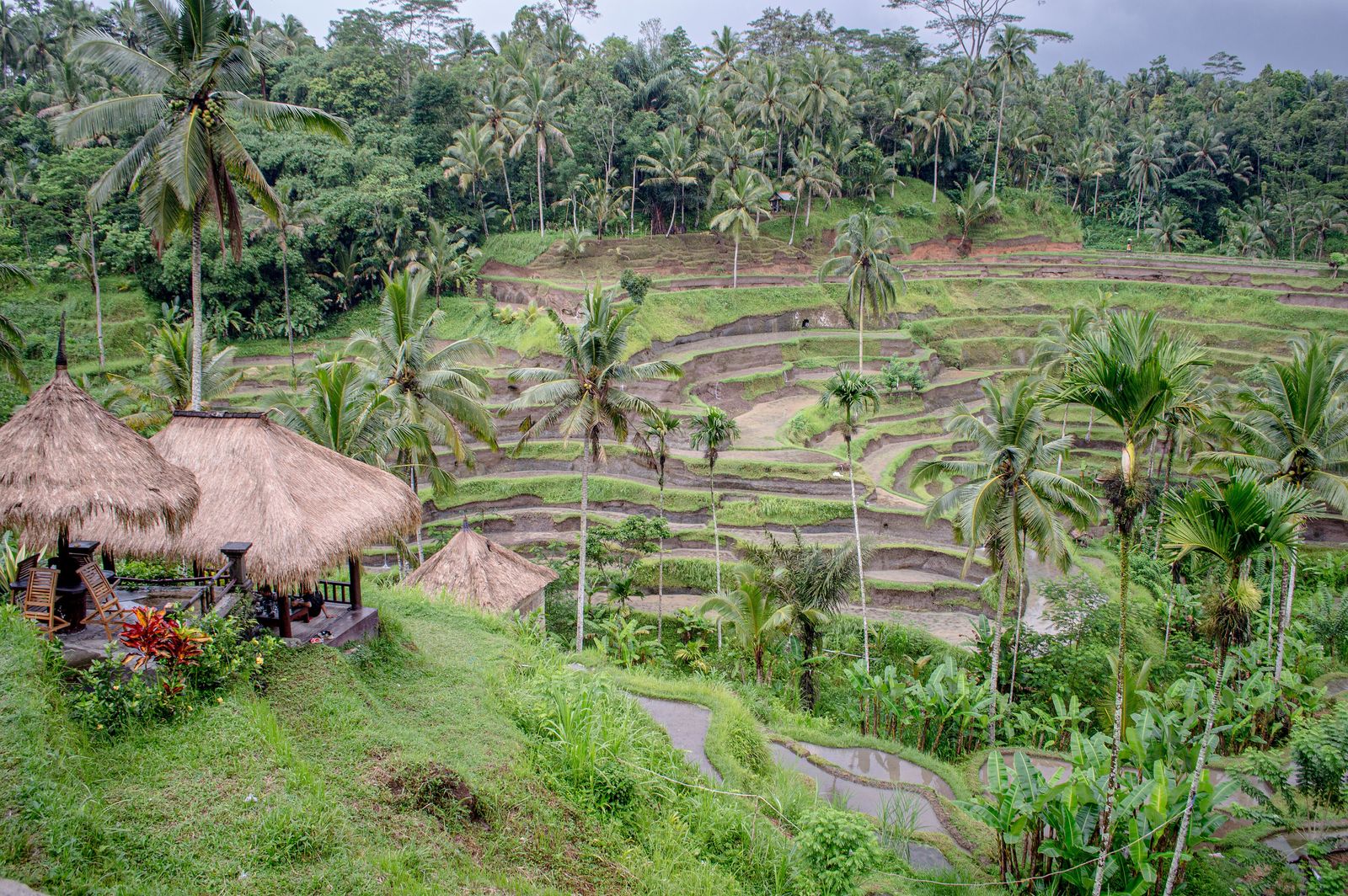 Photo: Philip Nalangan, CC BY 4.0
Bali Jungle Travel Guide
Everything you need to plan the interior of Bali — Ubud, Sidemen and the northern highlands — where to stay in the jungle, when to go and what it actually costs.
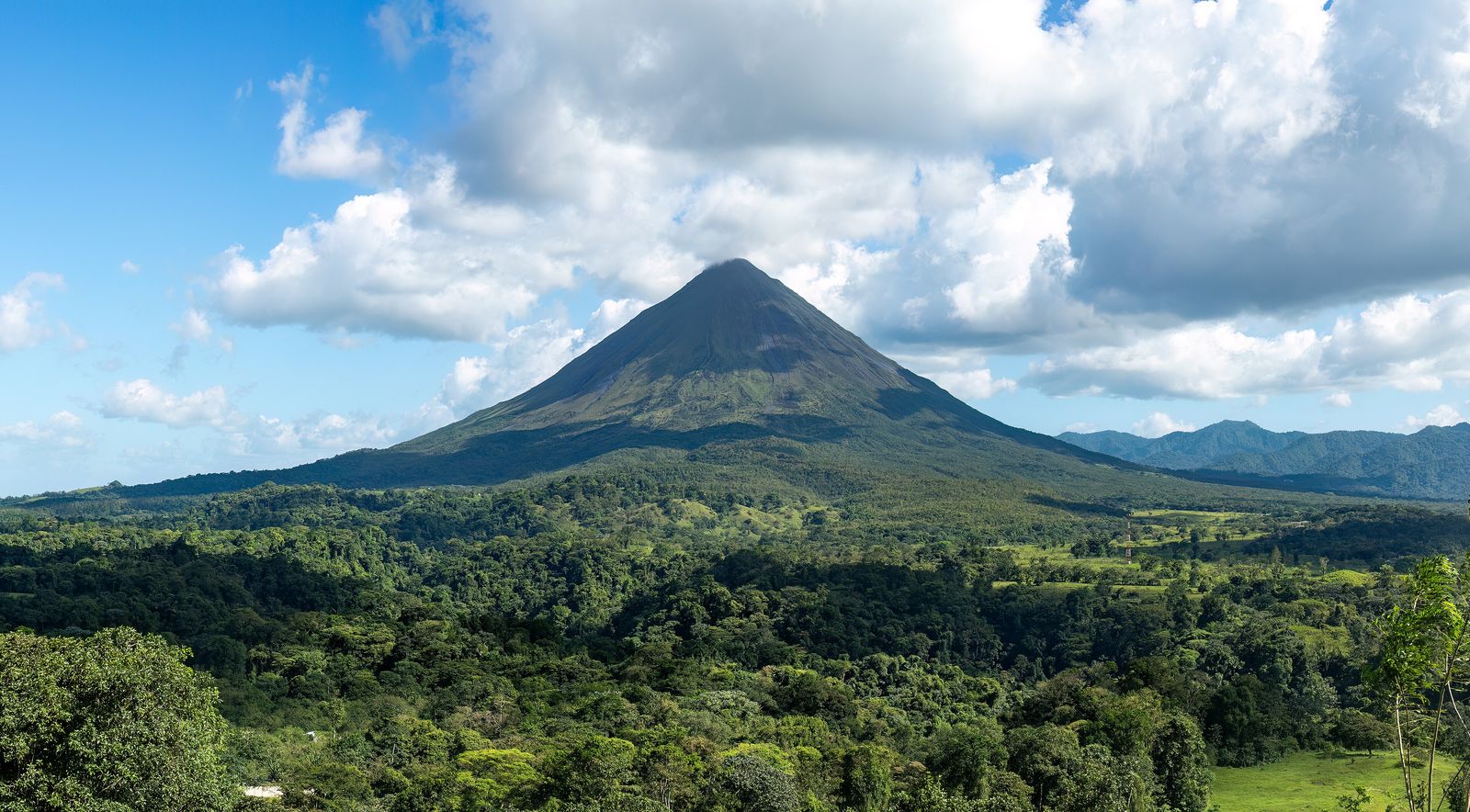 Photo: Rhododendrites, CC BY-SA 4.0
Costa Rica Rainforest Travel Guide
The definitive guide to Costa Rica's rainforests — cloud forest, Pacific lowlands and the wild Osa Peninsula — with where to stay and when to go.
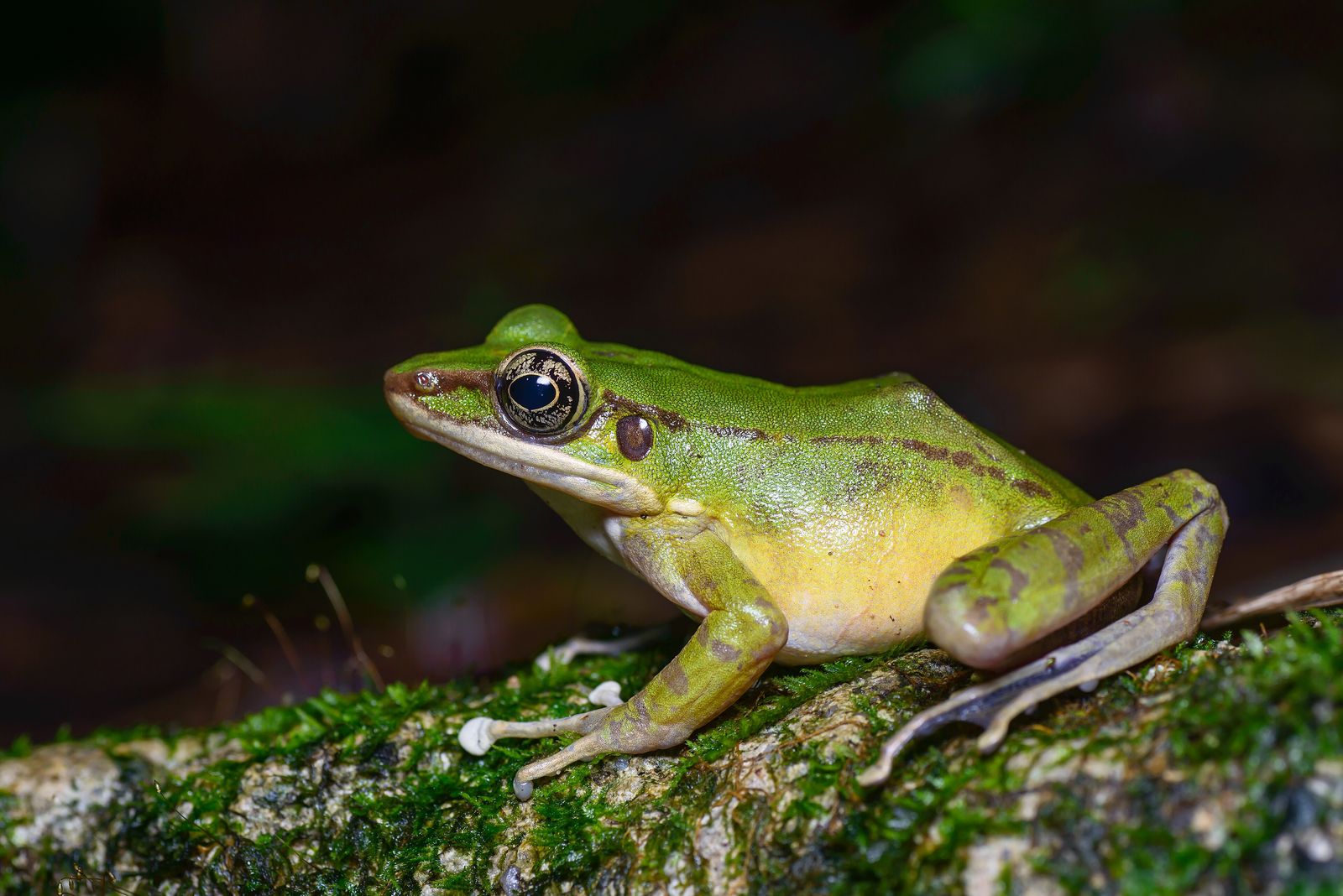 Photo: Rushenb, CC BY-SA 4.0
Thailand Jungle Travel Guide
Beyond the beaches: Khao Sok's ancient rainforest, the northern hills around Chiang Mai and the karst jungle of the south.
 Photo: Derek Ramsey (Ram-Man), CC BY-SA 4.0
Find your own piece of the canopy.
Treehouses, bamboo houses and rainforest villas across 17 destinations — found, vetted and written up honestly.
Browse all destinations