The Best Jungle Airbnbs for Families
A jungle stay built for two people can get away with one open-air shower and a hammock. A jungle stay built for a family has to solve actual logistics — enough beds that nobody's on a pull-out, a pool edge a four-year-old can't slip past unnoticed, staff or at least a working phone signal if someone spikes a fever at midnight. Plenty of listings use "family-friendly" as a throwaway line under a photo of what is obviously a couple's infinity pool. We went looking for the stays that actually mean it: whole homes and small lodges where kids aren't tolerated, they're the whole plan.
How we picked
We take no payment for placement, and more properties got cut from this list than made it. To qualify, a stay had to clear three bars. First, genuinely built for a family — real bunks or a second bedroom, or a lodge with an actual program for kids, not a couple's suite with a rollaway bed added for an upcharge. Second, real rainforest or jungle terrain, with the wildlife and humidity that implies, not a resort with a few palms trucked in around the pool deck. Third, real and bookable today, with a working link you can check yourself. Nothing here is invented, and nothing here is a listing we were paid to include.
One honest note before the ranking: we leaned toward small lodges more than whole-home rentals, and that wasn't an accident. A couple can manage an unstaffed jungle house with an open deck and no fence around the pool. A family with a toddler generally can't, not without turning the trip into a full-time supervision exercise. The lodges below earned their place because someone on staff has already thought about pool depth, screened windows and what happens if a kid gets stung. We kept the whole-home rentals that genuinely hold up, and flagged every entry so you know exactly what you're booking.
Our number one: Nayara Tented Camp, Costa Rica
Six tents. That's the entire family wing of Nayara's well-regarded Arenal property, built around a problem most jungle lodges never quite solve: a family wants to be together and apart at once. Each family tent interconnects with a neighboring room but keeps its own outdoor space and private plunge pool, so parents get an actual door between them and the kids without booking two separate buildings. The setting does the rest of the work — rainforest at the base of the Arenal volcano, with toucans and howler monkeys as a daily occurrence rather than a brochure promise. The honest trade-off: La Fortuna is one of the most visited towns in Costa Rica, so you're trading isolation for convenience, and a property built this well isn't cheap. For a family that wants real jungle with the risk managed for them, it's one of the most thoughtfully designed answers on this list. (More family-friendly Costa Rica lodges; more of Costa Rica)
The best family jungle stays don't try to keep kids busy. They put real forest close enough that the kids do that job themselves.
The rest of the ranking
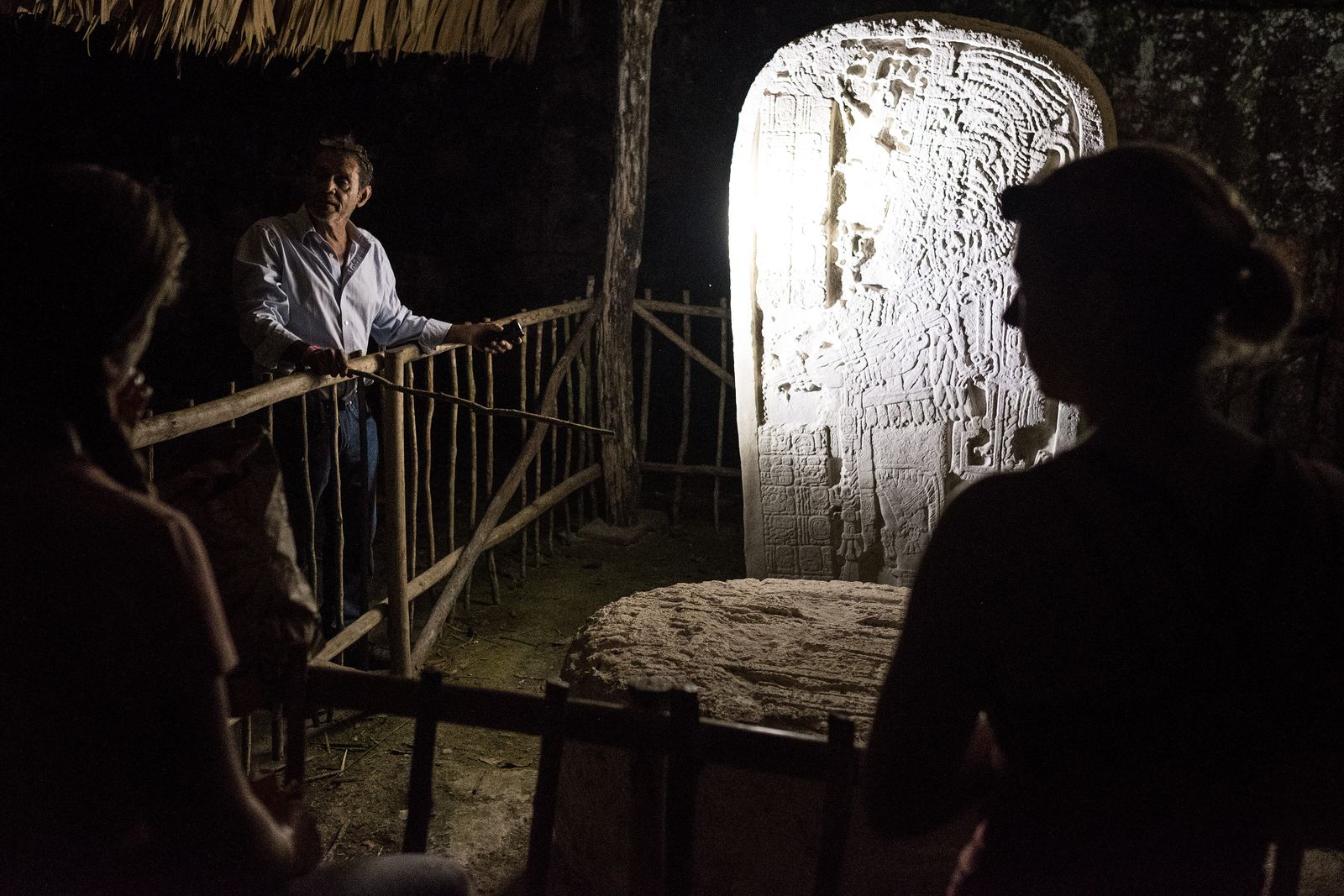
A working farm and rainforest reserve two hours from Belize City, built over four decades into one of the most established family lodges in Central America. The Eco Kids Adventure program takes children six to fifteen through the property's own patch of forest, and every family raises a blue morpho butterfly in the on-site hatchery and releases it themselves — the kind of thing that lands with an eight-year-old more than a turndown chocolate ever will. From the lodge you can reach the Xunantunich Mayan ruins, go cave tubing or zip-lining, or just walk the property's own trails. Rooms range from simple casitas to larger suites, so it scales from a young family to a multi-generational trip. It's inland, not coastal — go in expecting jungle done properly rather than a beach add-on. (Chaa Creek)
Francis Ford Coppola's beachfront property in Placencia, where jungle and Caribbean meet with almost no transition. There's no formal kids' club, and that's arguably the point — children spend their time fishing, feeding the resident turtles and chickens, collecting eggs and roaming genuinely handsome grounds, with a kids-only gelato bar that guests describe as the real highlight more often than any organized activity would be. The casitas and family-sized villas give real separate space, and the property's own farm supplies much of the restaurant, which helps with picky eaters. It's a full resort — restaurant, spa, watersports — so you're trading some of the deep-jungle isolation on this list for genuine comfort on a rain day. (More on Turtle Inn)
The original Coppola property, built in the early 1980s as the director's own family retreat before it opened to guests in 1993 — which shows in how livable it feels rather than designed for a photo. Riverfront cabanas and deluxe villas sit along Privassion Creek, and several family-scaled units come with a private plunge pool or a waterfall practically at the door. It's higher and cooler than most lodges on this list, since Mountain Pine Ridge is pine forest cut through with jungle river canyons rather than lowland rainforest — some families will prefer the relief from humidity. It's also more remote, with a rougher approach road worth knowing before you book with a carsick-prone toddler. (More on Blancaneaux Lodge)
A resort built around naturally heated volcanic pools at the foot of the Arenal volcano, with one pool set aside specifically for families so nobody has to police splashing near guests trying to soak quietly. It leans "resort in the rainforest" more than deep jungle, with wildlife exhibits, a butterfly garden and a fuller activity list than most lodges here — useful on a trip with a wide age range, since a teenager and a toddler rarely want the same afternoon. The hot springs are the actual draw rather than a bonus, which sets it apart from everything else on this list. (More family-friendly Costa Rica resorts; more of Costa Rica)
Part of La Paz Waterfall Gardens on the slopes of the Poás Volcano, in genuine cloud forest rather than lowland jungle — cooler, mistier, and easier on small kids who overheat fast in full humidity. The grounds include a wildlife rescue center with toucans, monkeys and big cats, a hummingbird garden, a tilapia pond and trails to five waterfalls that even short legs can manage with a few stops. Rooms lean toward suites built for a group, several with their own small pool or hot tub set into volcanic rock. It's a genuinely different jungle than the rest of this list, and one of the easiest to reach from San José. (Peace Lodge and La Paz Waterfall Gardens; more of Costa Rica)
7. Lapa Rios Lodge — Osa Peninsula, Costa Rica
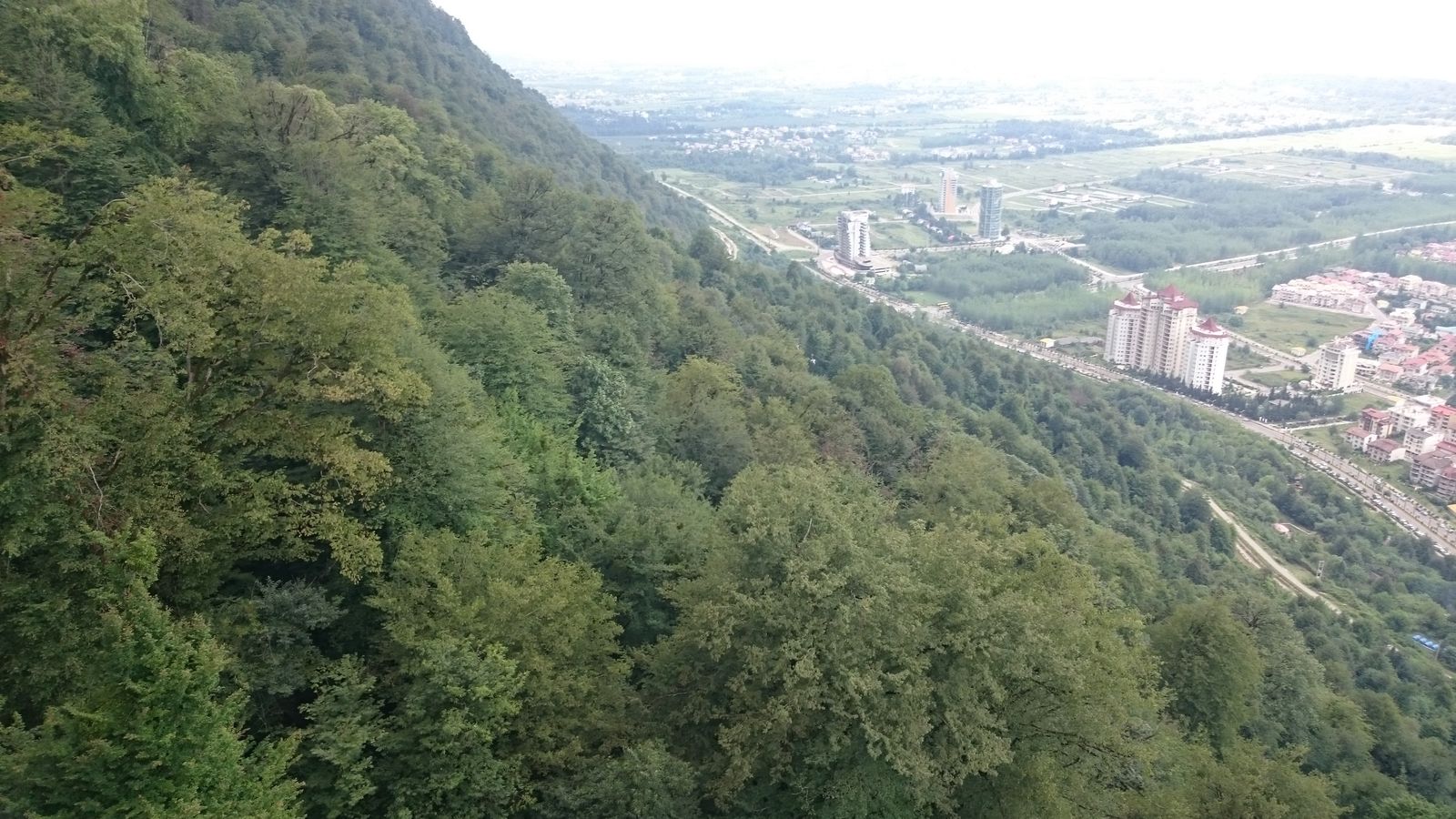
One of the most established eco-lodges in the country, on roughly 1,000 acres of private lowland rainforest facing the Golfo Dulce on the Osa Peninsula — a region National Geographic once called the most biologically intense place on Earth. The bungalows are built with real family groups in mind, and the property runs itself as an eco-friendly playground, with naturalist-led hikes, a canopy platform and a genuine chance at scarlet macaws, monkeys and sloths without leaving the grounds. The Osa is genuinely remote, a small-plane or long drive from San José, which is exactly why the wildlife here outperforms almost anywhere else on this list. Go in accepting that remote means remote: spotty signal and a real trek to arrive. (More jungle resorts on the Osa; more of Costa Rica)
8. Tortuga Lodge — Tortuguero, Costa Rica
Reachable only by boat through Tortuguero's canal system on the Caribbean coast — either a logistical headache or the best part of the trip, depending how your kids feel about a boat ride through the jungle. The lodge sits across the water from Tortuguero National Park, one of the most important sea turtle nesting sites in the hemisphere, and during nesting season, roughly July through October, guided night walks let families watch females come ashore to lay eggs. Beyond turtle season there's kayaking, hiking and a large pool on a calm, protected beach that's genuinely safe for younger kids to swim, on a coastline where riptides are otherwise common. The isolation is real: no roads in or out, so budget a full travel day each direction. (More on Tortuga Lodge and Tortuguero; more of Costa Rica)
9. Pacuare Lodge — Pacuare Reserve, Costa Rica
An off-grid lodge deep in a private reserve along the Pacuare River, reachable only by raft or a hike in, which tells you most of what you need to know about how isolated this stay is. Families can spend days zip-lining through the canopy, swimming in the river's natural pools and rafting the Pacuare, regularly ranked among the best whitewater rivers anywhere. The one honest catch: the lodge welcomes children seven and up, and several activities, rafting included, carry their own minimum age around twelve — not a stay for a family with a toddler. For older kids who want real adventure over a pool day, it's one of the most serious jungle stays on this list. (More on Pacuare Lodge; more of Costa Rica)
10. Jungle Main House, Birdhouses Bali — Ubud, Bali
The whole-home entry on this list, and a strong one: a three-bedroom villa sleeping up to six, in what its owners call Ubud's Mini-Jungle, with a private infinity pool and a real living room rather than a hotel layout pretending to be one. Because you're renting the entire house, there's no shared pool schedule and no other families to coordinate around, plus a kitchen if anyone needs to actually cook — useful with picky eaters or a baby on solid food. Ubud itself is easier for families than deep rainforest: rice terrace walks, a monkey forest, and a real town with pharmacies and clinics nearby. It's jungle-adjacent rather than deep interior, more river valley and garden than true wilderness — the trade-off that makes it manageable with young kids. (Jungle Main House; more of Bali)
11. Our Jungle House — Khao Sok National Park, Thailand
Treehouses and jungle bungalows strung along a riverbank inside Khao Sok, one of the oldest and wettest rainforests in Thailand, each unit sleeping up to six with the river and limestone karsts outside the window instead of behind a fence. The property runs its own family activities — waterfall hikes, river tubing, visits to a nearby elephant sanctuary built around observing rather than riding — solving the real problem with a lot of jungle stays: what to actually do with kids at 10am. It's a step down in polish from the Costa Rica and Belize entries above, more rustic bungalow than resort suite, which some families will love and others should know going in. (Our Jungle House; more of Thailand)
Whole home or boutique lodge — which suits a family
Ten of the eleven stays above are lodges rather than private homes, and that ratio is worth being honest about rather than glossing over. A boutique lodge — Nayara, Chaa Creek, Turtle Inn, Peace Lodge — comes with people: staff who've thought through pool depth, a kitchen that can make a plain plate of rice for a kid mid-tantrum, someone to call if a fever spikes at midnight. That safety net is worth more with young kids in the mix than it is on a couple's trip, which is exactly why lodges dominate a family-focused ranking in a way they wouldn't on a list built for two adults.
The whole-home option, Jungle Main House being the clearest example here, flips the trade entirely. You get an actual kitchen, real space to spread out, nobody else's schedule to work around, and usually a lower nightly rate for the same square footage, since you're not paying for restaurant staff you won't use. The catch is that you're also the entire safety system: no on-call doctor, no lifeguard, no one who knows which trail floods after rain. It suits a family with older, independent kids, or one traveling with a nanny or grandparent to share supervision. For toddlers, or a first trip to deep rainforest, we'd point you toward a lodge every time.
What "jungle-safe" actually means with kids
Every lodge on this list calls itself family-friendly. What that actually means varies more than the marketing suggests, so it's worth checking specifics before you book. Pool depth and fencing matter more here than at a standard hotel — ask whether the pool has a shallow end or a separate kids' pool, since plenty of "family-friendly" jungle resorts still run one uniform-depth pool built with adults in mind. Screens matter too: open-air rooms are the whole appeal of a jungle stay, and also the reason a mosquito net over the bed and working window screens are worth confirming directly with the property rather than assuming from photos.
The wildlife itself is a smaller risk than most first-time jungle parents assume. Snakes, scorpions and the rest of the cast that shows up in worried pre-trip searches are genuinely present in every jungle here, and genuinely rare to encounter on a maintained lodge property, where staff manage the grounds specifically to keep it that way. Guided night walks and canopy tours, several of which show up above, are run by people trained to spot problems long before your kids do — a meaningfully safer way for a child to be close to real wildlife than an unguided walk alone.
Good to know
Malaria and dengue risk vary by specific region and season, not by "jungle" as a category — some of the stays above sit in areas with little risk, others don't. Check current guidance for your destination and dates with a travel clinic or doctor before you go, rather than assuming either way.
Remoteness deserves more thought than snakes or bugs. A property reachable only by boat or a long drive, like Tortuga Lodge or Pacuare Lodge above, is also hours from the nearest hospital — worth knowing before you book, not after. That's not a reason to avoid deep jungle with kids; it's a reason to match the remoteness of the stay to the ages of the kids you're bringing, and ask the property directly what its emergency plan actually is.
Picking a region for the trip you want
Central America, close and manageable
Costa Rica and Belize dominate this list for a real reason: both have spent decades building tourism infrastructure around families, with direct flights from major US hubs and lodges that have hosted kids for years, not added a crib as an afterthought. If this is a first jungle trip with children, start here — Nayara, Peace Lodge and The Springs Resort in Costa Rica, or Chaa Creek and Turtle Inn in Belize, are about as close to a managed, predictable jungle trip as this genre gets. More in Costa Rica.
Deep rainforest, for families ready for it
Lapa Rios and Pacuare Lodge push further into real wilderness, and the Amazon basin pushes further still — Peru, Brazil and Colombia all have working rainforest lodges where the wildlife is unfiltered rather than managed-grounds. Worth a look once your kids are old enough for a genuine river journey, but treat these as a second or third jungle trip with kids rather than a first.
Asia and the Pacific
Bali and Thailand offer a different shape of jungle trip — a longer haul from the US, and a more cultivated, garden-and-river version of jungle than the unbroken wilderness of the Amazon or the Osa. Jungle Main House and Our Jungle House both suit a family already planning a longer Southeast Asia trip. More in Bali and Thailand, and the best jungle Airbnbs in Asia widens the list further.
Closer to home for US families
Puerto Rico's El Yunque and Hawai'i's rainforest coasts deliver real jungle without the long-haul flight, useful if travel days are the real limiting factor rather than budget. Neither made the ranked list because we couldn't verify a stay that cleared our bar this round, but both are worth a look — explore Puerto Rico and Hawai'i.
When to go
Every region on this list has a wet season and a dry one, and none of them stop being jungle in the dry months — expect humidity and the occasional downpour regardless of when you book. For a family trip specifically, timing matters less for comfort than for two practical things: nesting and migration windows worth planning around, and school calendars that put you in competition with every other family for the same dates. Costa Rica's Pacific side, where most of the lodges above sit, runs driest roughly December through April, which is also peak season and peak pricing. Tortuguero's green turtle nesting season runs roughly July through October, and if watching a nesting turtle is the actual reason for the trip, that window matters more than chasing dry weather. Belize's dry season runs similarly, from around late November through May. Bali's dry season sits from April to October, the easier window for river valley walks around Ubud. Thailand's Khao Sok is driest from roughly December through April, and several trails and waterfalls are genuinely harder to reach in the wettest months — worth checking directly with the lodge before you commit to dates with young kids in tow.
What it costs, and how to book it
What these stays actually cost
We're not going to hand you numbers that will be stale within a season — rates move with demand and currency, and a figure printed today reads wrong within months. What we can say honestly: nothing on this list is budget travel, and family-scaled space generally costs meaningfully more than a standard double, sometimes close to double the rate. Belize and Costa Rica's lodges typically include most meals and several guided activities, worth factoring in before you compare a nightly number against a hotel where every excursion is billed separately. If the cost above is out of reach, our best budget jungle Airbnbs under $100 guide covers real, comfortable stays at a different price point, several genuinely workable for a family willing to book two rooms instead of one suite.
Booking tips nobody mentions
- Ask about connecting rooms directly, not through a booking site. Third-party platforms rarely show which specific rooms actually connect; a phone call or email to the lodge gets you a real answer.
- Confirm cribs, high chairs and kids' menus before you arrive. Small lodges often keep one or two on hand rather than a standing supply, especially outside peak family season.
- Ask what the property's emergency plan actually is. A straight answer about the nearest clinic, hospital and evacuation option tells you more about how family-friendly a remote lodge really is than any amenity list.
- Build in a full travel day for anywhere reached by boat or unpaved road. Tortuga Lodge, Pacuare Lodge and Blancaneaux all involve a real transfer; don't book a single night at a property that takes half a day to reach.
- Check the cancellation policy with a family's schedule in mind. Small properties are more likely to run non-refundable rates than a city hotel, and kids get sick at the worst possible moments — a flexible rate is worth the premium on a family trip specifically.
Common questions
What's the minimum age for a jungle stay with kids?
There's no universal answer — it depends on the property and activity. Nayara and Chaa Creek welcome infants and toddlers without restriction. Pacuare Lodge sets a minimum age around seven for the property and closer to twelve for activities like whitewater rafting. Always check age policies directly with the lodge.
Are jungle lodges safe from snakes and insects for young kids?
Genuinely, yes, on a maintained lodge property — staff manage the grounds specifically to keep venomous wildlife encounters rare, and guided walks are led by people trained to spot problems before your kids do. Mosquitoes are the more realistic daily concern; repellent, screens and a mosquito net over the bed handle most of it.
Is it better to book a lodge or rent a whole home with young kids?
For most families with kids under about ten, a staffed lodge is the easier, safer choice — someone has already thought about pool depth and what to do if a child gets sick. A whole-home rental like Jungle Main House suits families with older, more independent kids, or a group with enough adults to cover supervision without outside help.
How far in advance should we book?
Family-scaled rooms are a smaller inventory than standard doubles at every lodge on this list, and they sell out first in each property's peak season. If your trip is tied to a school break, book six months to a year ahead where you can, especially for smaller lodges like Nayara's six family tents.
What the best ones share
Line up the stays that actually earned a place here, and a pattern holds. None of them treat kids as an inconvenience worked around — the family tents at Nayara, the butterfly hatchery at Chaa Creek, the kids-only gelato bar at Turtle Inn all exist because someone at the property thought about what a child does with a week in the jungle, rather than assuming a nicer bedsheet would cover it. Almost all of them lean on staff and structure rather than raw isolation, the honest, practical difference between what works for a family and what works for a couple. And every one still delivers the thing you're paying for: real forest, close enough to hear and mostly see, not a resort that uses the word jungle for a garden with taller plants.
If this list has you thinking about the trip differently, a few related angles are worth a look: the best jungle Airbnbs for couples covers the version of this trip built for two, before or after the kids came along; the best jungle Airbnbs with a private pool goes deeper on the single feature that matters most with kids in the mix; and the best treehouse Airbnbs in the world covers the style of stay that tends to win kids over faster than anything else on a jungle trip. If none of the eleven stays above fit your dates, your budget or your kids' ages, start with the full destination directory — there's a real jungle stay at nearly every price point and comfort level, we just hold the "for families" list to a higher bar than most of what's out there.
- Jacada Travel, "Best Family-Friendly Lodges in Costa Rica" — Nayara Tented Camp and Pacuare Lodge details.
- The Lodge at Chaa Creek — official site; Eco Kids Adventure program and property details.
- Mango Tree Travel, Belize family resorts guide — Turtle Inn details.
- Thoroughly Travel, "10 Best Jungle Lodges in Belize" — Blancaneaux Lodge details.
- The Every Mom, family-friendly Costa Rica resorts — The Springs Resort & Spa and Peace Lodge details.
- Tripadvisor, Jungle Resorts in Costa Rica — Lapa Rios Lodge context.
- Adventurous Tastes, best family resorts in Costa Rica — Tortuga Lodge details.
- Birdhouses Bali, Jungle Main House · Our Jungle House, Khao Sok — Bali whole-home villa and Thailand treehouse details.
More from the Journal.
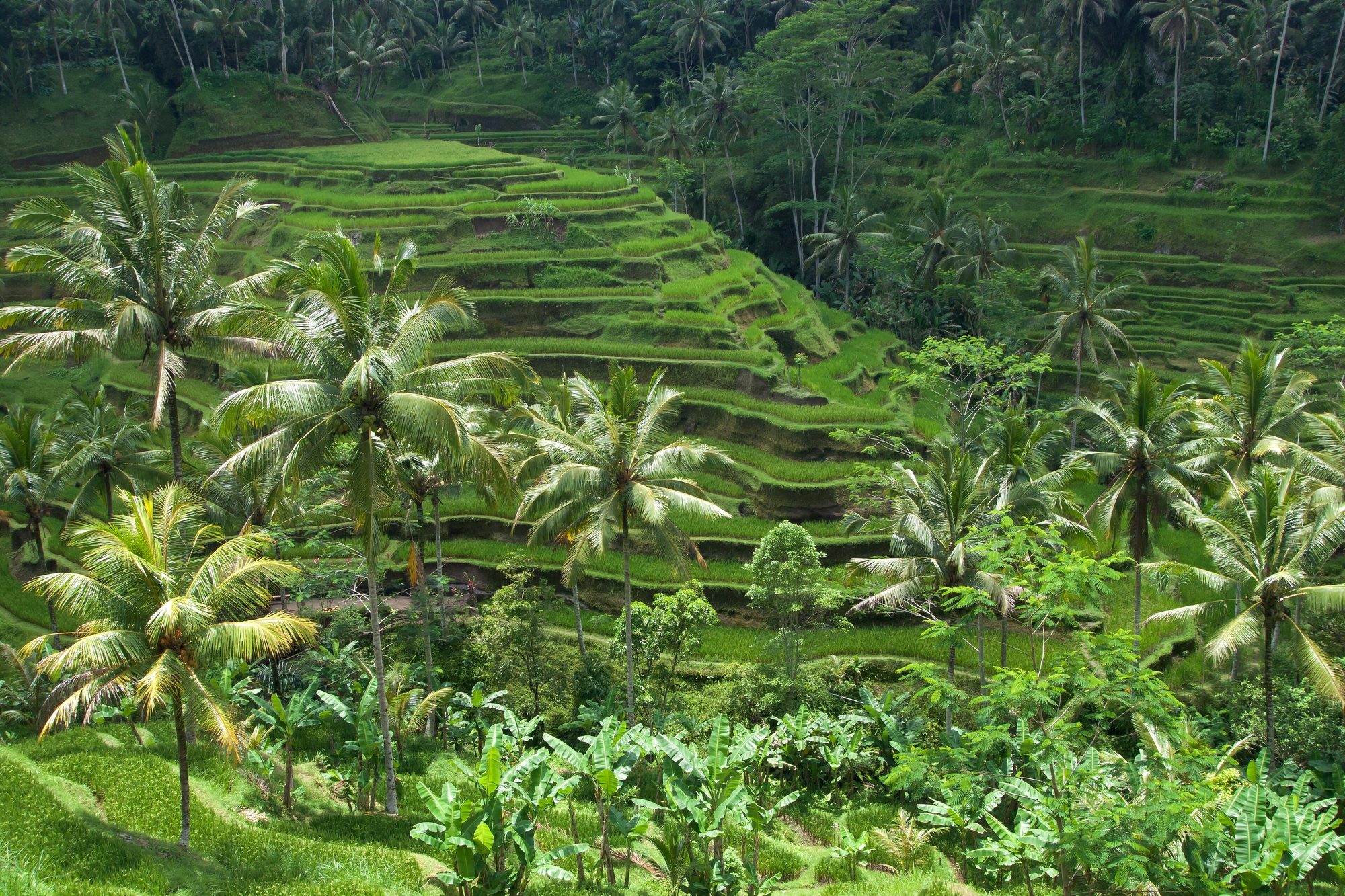 Photo: Vyacheslav Argenberg, CC BY 4.0
The Best Jungle Airbnbs in the World
Our honest, unpaid ranking of the jungle stays that changed what a night in the forest can be — from Bali's bamboo masterpieces to the floating bungalows of Thailand.
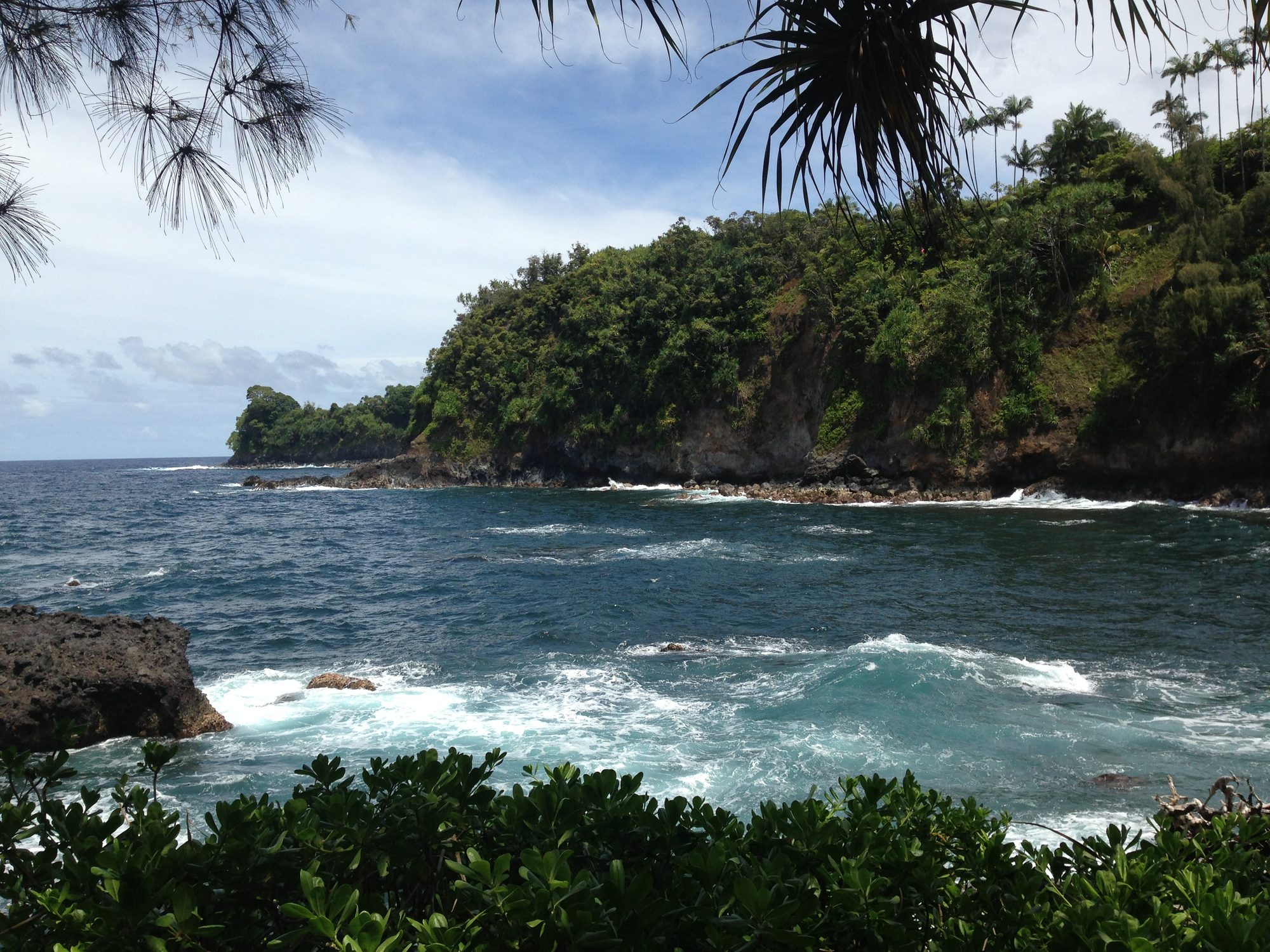 Photo: AlaskaDave, CC BY-SA 3.0
The Best Jungle Airbnbs in the USA
Real rainforest, no passport required — the best treehouses and bamboo houses across Hawai‘i, Puerto Rico and Florida.
 Photo: Bernard DUPONT from FRANCE, CC BY-SA 2.0
The Best Treehouse Airbnbs in the World
Our honest ranking of the treehouses worth crossing an ocean for — from canopy platforms in the Amazon to stilted glass boxes above the rainforest floor.
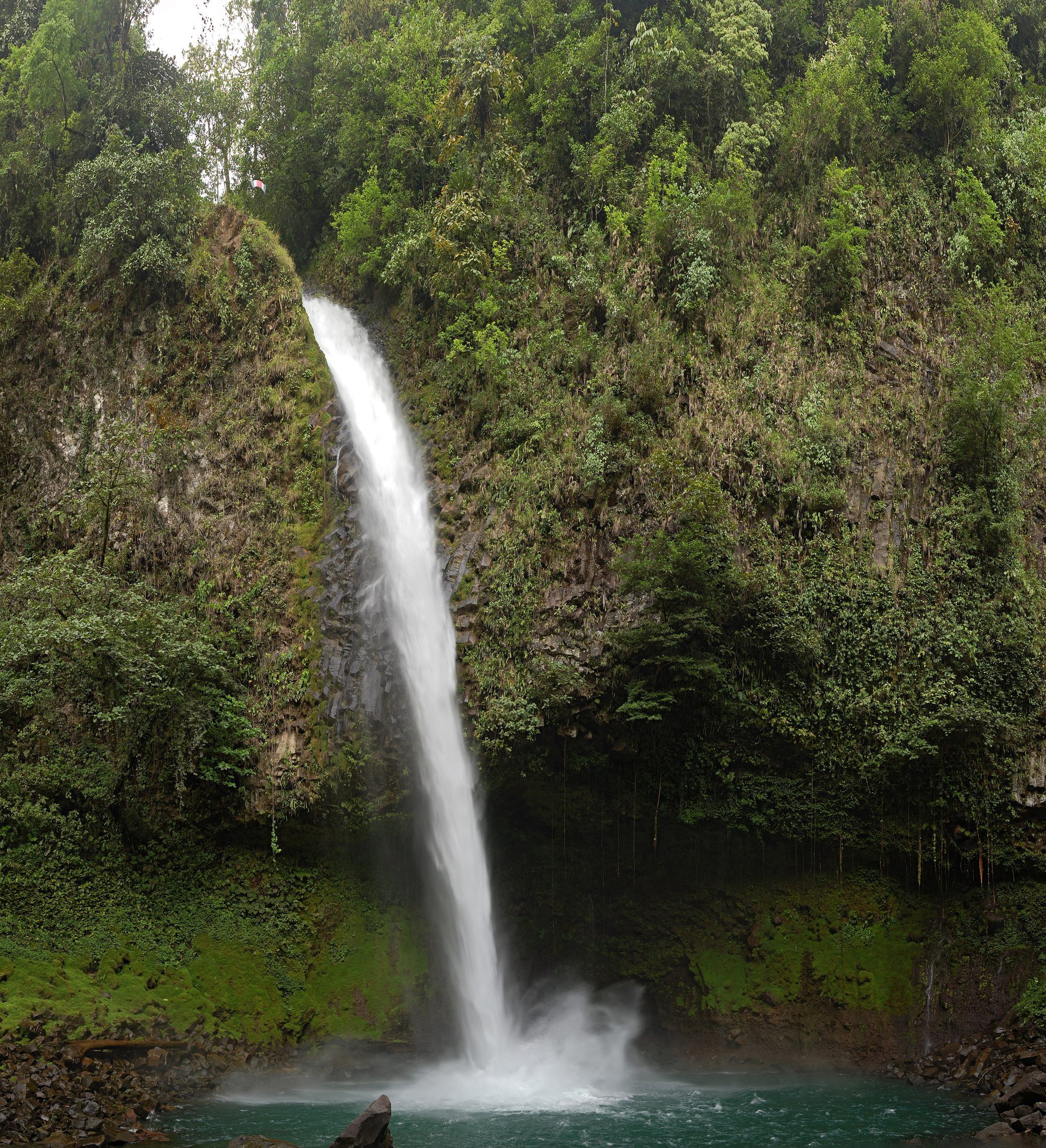 Photo: Derek Ramsey (Ram-Man), CC BY-SA 4.0
Find your own piece of the canopy.
Treehouses, bamboo houses and rainforest villas across 17 destinations — found, vetted and written up honestly.
Browse all destinations