The Best Treehouse Airbnbs in the World
Every "best treehouses in the world" list on the internet is the same twelve stock photos shuffled into a different order, half of them stays that closed years ago or were never bookable to begin with. This is our honest version: real, currently operating treehouses and canopy lodges we could actually verify, ranked with the trade-offs left in — the stairs, the heat, the three-hour boat rides — because a treehouse without its trade-offs isn't a treehouse, it's a stock photo.
How we picked these
A treehouse for this list had to clear three bars. First, it had to actually be a treehouse — built up in the branches, wrapped around a trunk, or raised on stilts at canopy height — not a ground-floor jungle villa with a good marketing photographer. That ruled out a lot of gorgeous stays that belong on other lists instead, including most of Bali's famous bamboo houses, which we cover separately in the best bamboo houses in the world. Second, it had to be real and bookable right now, either as a whole-home rental you reserve yourself or as a small lodge with a real front desk and a real phone number. We checked every name against its own website or a source we trust before it made the cut, and if we couldn't confirm a place was still operating, it isn't here — no matter how good the photos were. Third, it had to earn its spot on architecture, setting or genuine character, not just altitude. Plenty of platforms are technically "up a tree" and forgettable; we skipped those.
Most of what follows are whole-home rentals you book the ordinary way, the kind you'll find throughout our own destination directory. A handful are boutique lodges rather than single homes — we've flagged every one of those in its listing, because "12 treehouses and a shared restaurant" is a different trip than "the whole treehouse to yourselves," and you should know which you're booking before you commit to the flight.
Good to know
A few of these sell as multi-day, all-inclusive packages rather than a nightly rate — Peru's Treehouse Lodge is the clearest example, priced by the three-day stay with transfers and guiding built in, not by the night. Read the fine print before you compare prices across this list; a $1,000 lodge package and a $200-a-night rental aren't actually being measured the same way.
The deep Amazon: Peru and Colombia
If you want the treehouse experience in its most extreme form — genuinely deep rainforest, genuinely far from anywhere, genuinely built for the canopy rather than just decorated to look like it — the Amazon is where you go. These two could not be more different in price or comfort, and that's rather the point.
This is the one that makes the brochures, and honestly the one every other treehouse on this list is quietly competing with. Twelve individual treehouses stand on stilts anywhere from about 35 to 75 feet above the forest floor on the Yarapa River, out past Iquitos toward the Pacaya-Samiria Reserve — one of the most biodiverse stretches of the Amazon basin. National Geographic listed it among the world's unusual hotels, which is the kind of praise every property claims and almost none actually earned; this one did. Getting there is a genuine commitment: fly into Iquitos, a city with no roads connecting it to the rest of Peru, then a transfer that mixes a drive with a boat run of a couple of hours. Once you arrive, it's sold as an all-inclusive package rather than a nightly rate — three days is the standard length — covering meals, transfers and guided excursions for piranha fishing, canopy walks and pink river dolphin spotting. Each treehouse has its own bathroom, which at this altitude and this far from the grid counts as real luxury. The honest trade-off: this is not a stay you improvise. You commit to the package, the schedule and the price before you ever see the canopy. If that sounds right, it's already in our directory — read the full write-up, or browse the rest of Peru.
The budget end of the Amazon treehouse experience, and it makes you earn every dollar you save. The treehouse at Tanimboca sits about twelve meters up in the canopy outside Leticia, in Colombia's slice of Amazonas near the Brazilian and Peruvian borders, and you don't climb a staircase to reach it — you go up by zipline and rope system, which is either the best or worst part of your trip depending on how you feel about heights. There's a shower, a toilet and bunk beds once you're up there, but the reserve enforces a strict one-night limit in the treehouse itself; they want the platform free for the next guest, and frankly one night up a rope is plenty for most people. Bring cash, because that's genuinely all they take, and arrive well before dusk — you don't want to be working a zipline harness in the dark for the first time. Around the treehouse stay, the reserve runs canopy tours, kayaking and night hikes that are worth building a day or two around. Colombia's Amazon corner doesn't get nearly the attention Peru's does, and this is a good reason to fix that — see more of the country in Colombia.
Costa Rica's treehouse belt
No single country has more good, bookable treehouses than Costa Rica, and it isn't close. Between the Osa Peninsula, the Caribbean coast and the cloud forest around Monteverde, there's a treehouse for nearly every budget and every idea of what "jungle" means. We could have filled half this list from Costa Rica alone; these are the four that stood out.
The Osa Peninsula is the wildest corner of Costa Rica — it's the one National Geographic called the most biologically intense place on earth, and for once that line isn't just marketing — and this three-level treehouse-style home sits on its own 200-plus-acre private rainforest reserve just north of Puerto Jiménez, the gateway town for Corcovado National Park. Five bedrooms spread across the levels sleep a group of eight, which is genuinely rare for a treehouse; most of the others on this list max out at two or three. There's a pool, a full kitchen and ocean views out over the Golfo Dulce, along with a wildlife list that reads like a checklist for the whole park: titi monkeys, sloths, scarlet macaws, and the chance of a tapir or an ocelot if you're patient and quiet. It's a real drive to get here and the roads inland from Puerto Jiménez are rough, so budget extra time and a vehicle that can handle it. For a family or two couples who want the full Osa experience without splitting up into separate bookings, this is the one — see the full listing in our directory at Corcovado Treehouse.
One of the expertly built Treevana treehouses outside Puerto Viejo on Costa Rica's Caribbean side, and the one on this list most literally attached to a living tree — the structure wraps around a mature Chile Madre tree, bolted to it with tree-friendly hardware rather than resting on separate stilts. You move between the two levels by a spiral staircase, or by fireman's pole if the mood strikes, with a double bed on the upper floor and a Murphy bed below, which makes it work for a couple or a couple plus a kid. The shower is outdoors and heated, the wifi is fiber-optic, and guests get access to a plunge pool nearby. This stretch of coast is genuine sloth country — you'll likely hear the howler monkeys before you ever see one — and it's a short ride to Playa Cocles for the afternoons you want sand instead of canopy. It's small and intimate rather than grand, which is exactly what makes it work. Full listing at Gecko Treehouse.
The pioneer, and still one of the most written-about treehouse experiences on earth. Finca Bellavista is a genuine treehouse village spread across roughly 600 acres of primary and secondary rainforest in Costa Rica's south Pacific zone, with individual treehouses linked by aerial walkways and ziplines rather than roads. It's not one property to rent but a community of privately owned treehouses, many of which are available to book, alongside shared amenities: zipline tours, yoga, movie nights, food and beverage service and full property management on site. That structure is worth understanding before you book — you're not renting a single isolated home, you're staying inside a small, treetop neighborhood with other guests and residents around, which some travelers love for the social energy and others find gets in the way of the isolation they came for. Either way, it's the reason so much of the "treehouse community" idea that other resorts have since copied traces back to this one property.
The big, famous one on the hill above Dominical: a two-story, open-plan treehouse looking straight down the coastline at the surf break below. You drive in through a gated neighborhood and climb a steep road to reach it, so plan on a real 4x4 rather than a rental sedan. Once you're in, the setting does the work — capuchins and howlers move through the trees around the deck, sloths turn up on the property with some regularity, and in whale season you can spot humpbacks offshore without leaving the house. There's a full kitchen, air conditioning in the sleeping areas, a pool, and a couple of extra platforms scattered across the land, including a birdcage-style lookout and a sunset yoga deck. It sleeps up to eight across two bedrooms, making it another rare group-sized option on a list dominated by couples' stays. If Corcovado is the deep-jungle version of a big Costa Rica treehouse, this is the surf-town version — see it at Dominical Adventure Treehouse, or browse more of Costa Rica.
A treehouse is a trade. You give up an elevator, reliable air conditioning and a shower that doesn't depend on rainwater catchment — and in exchange you get to fall asleep with the actual canopy moving outside the screen. The best ones on this list never let you forget which side of that trade you took.
Puerto Rico and Hawai'i
For readers who don't want the visa, the vaccines or the multi-flight itinerary that the Amazon and Southeast Asia demand, these two are the closest genuine treehouse experiences to the US mainland — one a short flight from the East Coast, one in the middle of the Pacific but still domestic.
The most famous treehouse stay in Puerto Rico, and it earns the title. This small, two-story house in the foothills of El Yunque National Forest is built around a living orange-mango tree that grows straight up through the middle of the structure, set on a roughly 24-acre property of rainforest about an hour east of San Juan. It's a tight, clever space rather than a sprawling one: a full bed up a ladder in the loft, skylights throughout, air conditioning, wifi and a mini-fridge the host keeps stocked with drinks and snacks. The honest caveats matter here — the loft ceiling is low, so anyone over about 5'8" will be stooping, the shower fits one person at a time, and there's a friendly resident dog on the property who considers himself part of the welcome committee. None of that has stopped the place from booking out months ahead, so if it's on your list, reserve early rather than hopefully. You're minutes from El Yunque's waterfall trails and about twenty from Luquillo Beach, which makes rainforest mornings and beach afternoons the natural rhythm of a stay here. Full listing at El Yunque View Treehouse, and more of the island in Puerto Rico.
Probably the most photographed treehouse in Hawai'i, and one of the most wish-listed stays on Airbnb in the entire state. It stands about fifteen feet up in the ohia and fern jungle of Fern Forest, in the Puna district roughly ten miles from Hawai'i Volcanoes National Park. You climb a set of steep stairs and enter through a trap door in the floor; underneath the main living space hangs a covered, swinging bed where guests reliably lose entire afternoons. It's genuinely off-grid — solar panels run the lights, so turn things off when you leave or you'll drain the batteries by evening — and the shower and toilet run on rainwater catchment, with the hosts leaving bottled water for drinking. The outdoor shower has rotating glass panels and a waterfall-style head, fully open to the surrounding jungle. Set your expectations before you book: the final stretch of road is bumpy red cinder, this is rural lava-zone Puna with no shops nearby, and it rains a lot — which is exactly why everything is this green. It's popular enough that you should book far ahead. Full write-up at Dreamy Tropical Tree House, and more of the islands in Hawai'i.
Sri Lanka's jungle canopy
Sri Lanka doesn't come up as often as Costa Rica or Bali in treehouse conversations, which is a genuine oversight — the island has some of the most characterful canopy stays anywhere, split between a design-forward whole-villa splurge and an unpolished, deeply honest eco-lodge.
The grown-up treehouse on this list: a contemporary three-bedroom villa raised over a forty-acre estate of rubber, cinnamon and jungle near Mathugama, in the foothills of the Sinharaja rainforest. Because it's booked privately, one group at a time, the whole property is yours for the stay — valley and hill views, and an infinity pool that hangs out over the green. The deliberate omission is the actual selling point: no TV, no wifi, on purpose, so the entertainment is the view, the pool and whatever the estate sends past the deck. It sleeps six across three bedrooms, which makes it a natural fit for a family or two couples who genuinely want to disappear together rather than share a property with strangers. It's a manageable run from the Sinharaja forest reserve itself if you want a proper forest day added to the trip. This is the closest thing on our whole list to a design-magazine treehouse that you can actually book as a normal traveler — see it direct on the Ark's own site.
The low-impact counterpoint to the Ark, and proof you don't need polish to build a real treehouse. Back of Beyond at Dehigaha Ela sits on about seven acres between Sigiriya and Dambulla, where two streams meet at the base of a hill. The treehouse itself is the genuine article — a sleeping platform built high in a Kon tree, with a base cottage at ground level, taking up to five guests — alongside boulder cottages and a family longhouse if you'd rather keep your feet closer to earth. It runs on natural light and ventilation with rainwater harvesting and deliberately no air conditioning, which makes it a hot, honest kind of place rather than a resort dressed up as one. One expectation to set correctly: this is dry-zone forest around Sigiriya, not true rainforest, so the landscape and wildlife are different from the wet-zone jungle further south. The forest walks and birding are genuinely good, and the elephant gatherings at Minneriya and Kaudulla national parks are within reach for a day trip. It's also in our own directory — read the full listing, or explore more of Sri Lanka.
Southeast Asia: Thailand, Borneo and Bali
Southeast Asia's rainforests produced some of the most architecturally ambitious treehouses anywhere, from a Thai luxury resort's treetop dining pod to an award-winning Bornean lodge built specifically around orangutan and elephant viewing.
The most extravagant entry on this list, and the only one we'll call a genuine luxury resort rather than a lodge or a rental. Soneva Kiri sits on the northwest corner of Koh Kood, a Thai island reached by seaplane from Bangkok or a charter boat from Trat, and its 36 pool villas run up to six bedrooms, most built largely from bamboo. The signature treehouse move is BistroTEK: a dining pod suspended from a tree above the jungle canopy, reached by flying fox from the restaurant below, where a private dinner is served roughly sixty feet in the air with the food delivered by zipline. There's also a dedicated children's treehouse on the cliff top, with its own slide running down into the pool below. None of this is subtle, and none of it is cheap — this is a resort built for travelers who want the treehouse idea taken to its most theatrical extreme, not a quiet weekend rental. If that's the trip you're after, it belongs on the shortlist alongside the rest of Thailand.
A stilted, two-story treehouse at Khao Sok Tree House Resort, on the doorstep of Khao Sok National Park — one of the oldest rainforests on earth, all limestone cliffs and gibbon calls at first light. The room puts you at canopy level with a private balcony into the trees, and the small resort around it has a pool, a restaurant, and staff who book the activities everyone actually comes for: guided jungle hikes to waterfalls, longtail and canoe trips on the Sok River, and the day trip to Cheow Lan Lake about an hour away, where limestone karst towers rise straight out of emerald water. The park entrance is close enough to walk, so you can be on the trails before the tour buses arrive. Expect real jungle conditions here — humidity, insects, and the occasional monkey raid if you leave food out on the balcony. It's a comfortable, mid-priced way into one of Thailand's best rainforests, and a good complement to the raft houses we've covered elsewhere on the site.
An award-winning ecolodge on the banks of the lower Kinabatangan River, roughly 130 kilometers from Sandakan and reachable only by a boat journey of a couple of hours — there's no road in. Sukau Rainforest Lodge has been named one of National Geographic's Unique Lodges of the World, and its rooms and villas are raised on stilts under genuine rainforest canopy, with solar-powered hot water and, on the larger villas, private balconies over the forest or river. This is Borneo's wildlife corridor at its best — all seven of Borneo's primate species live along this stretch of river, including orangutans and the startling, big-nosed proboscis monkey, plus herds of Borneo pygmy elephants that pass through with some regularity. The lodge runs river safaris, birdwatching trips and jungle treks built around that wildlife rather than around the accommodation itself, which is the right order of priorities for a stay like this. It isn't a treehouse in the strict architectural sense — it's stilted rather than tree-mounted — but the canopy immersion and the "no shower without stairs and a boat ride first" commitment earn it a spot here.
Jungleight opened in 2023 on a jungle slope in Tegallalang, about twenty minutes north of central Ubud and a short ride from the famous rice terraces. The Nest is its one-bedroom bamboo treehouse: a woven, curved structure facing the Ubud valley canopy, with the trees close enough to touch from the bed. Because it's a small resort rather than a lone villa, you get backup most solo treehouses can't offer — an on-site restaurant doing decent Indonesian food, pools, sunrise yoga, guided forest walks down to the river, and a 24-hour desk that arranges scooters and tours. That makes it the easiest of Bali's canopy stays to manage without your own transport, though a scooter still helps for dinners in Ubud proper. The trade-off is company: other bamboo villas share the slope, so it's a good deal less hermit-like than the East Bali houses we've covered in our bamboo houses ranking. Couples-oriented, and the valley view at dawn is worth setting an alarm for. See more of the island in Bali.
What actually makes a treehouse good
Once you've looked at enough of these, a few things separate the treehouses worth crossing an ocean for from the ones that are just a platform with a nice photo filter.
How it's attached matters more than how high it is
The most memorable stays on this list — the Gecko Treehouse's bolt-through-a-living-Chile-Madre-tree build, El Yunque's house grown around a living mango tree, Back of Beyond's platform in an actual Kon tree — are literally part of a specific, living tree, and that relationship shapes everything about how they feel. Plenty of other perfectly nice treehouses are really stilted structures under a forest canopy, which is a different, more architecturally conventional thing. Both can be wonderful. But if what you want is the sensation of living inside a tree rather than above one, look for a build that names the actual species it's attached to, the way the good ones do.
Access is part of the experience, not an inconvenience
Nearly every property on this list makes you work for it in some way — a rope and zipline at Tanimboca, a two-and-a-half-hour boat transfer to Treehouse Lodge, a rutted red-cinder road to Dreamy Tropical, a gated hillside climb to Dominical. That isn't a design flaw. A treehouse you can reach by elevator from a hotel lobby isn't really asking you to be anywhere; the effort of the last mile is usually what makes the arrival feel earned. If you're mobility-limited or traveling with very young kids, though, read the access details closely before you book — several of these genuinely require stairs, ladders or a fair amount of walking with no alternative route.
Off-grid is common, and it's not a downgrade
Solar power, rainwater catchment and no air conditioning show up again and again on this list, from Hawai'i to Sri Lanka to the Colombian Amazon. That's not because these properties couldn't afford a generator — it's because running power lines and plumbing into genuine forest usually means cutting a much bigger footprint than the treehouse itself. If you've never stayed somewhere that asks you to turn the lights off when you leave the room, treat it as part of the trip rather than a hardship, and pack accordingly: a headlamp, a dry bag for electronics, and a realistic expectation about hot water.
Common questions
Are these treehouses safe for kids or people afraid of heights?
Most are, but check the specifics before you book. Group-sized homes like Corcovado Treehouse and Dominical Adventure Treehouse have proper stairs and railings and comfortably host families. A handful, like Tanimboca's zipline-access platform in Colombia, are genuinely built for adventure travelers and aren't the right pick if anyone in your group is uneasy with heights or ropes. When in doubt, look at how the property describes its own access — if a listing mentions a harness, a rope system or a steep ladder, take that description at face value.
Do I need to book these far in advance?
For the well-known whole-home rentals, yes. Dreamy Tropical Tree House in Hawai'i and El Yunque View Treehouse in Puerto Rico both routinely book out months ahead, and if you have specific dates in mind — a birthday, an anniversary, a school holiday window — start looking as early as you can. The boutique lodges have more capacity and are generally easier to get into on shorter notice, though peak season everywhere still fills up.
What's the difference between a treehouse rental and a treehouse lodge?
A rental is a single home you book entirely for your own group, the way you'd book any Airbnb — Corcovado Treehouse and Gecko Treehouse are both this. A lodge, like Treehouse Lodge in Peru or Sukau Rainforest Lodge in Borneo, has multiple treehouses or rooms, a shared restaurant and staff, and books more like a small hotel. Neither is better; they're different trips. If you want total privacy, look for the word "whole-property" or "whole-home" in the listing. If you'd rather have staff handle logistics and meals, a lodge is usually the easier choice.
Are treehouses more expensive than other jungle stays?
Not necessarily. This list runs from around $35 a night at Tanimboca in Colombia to a genuinely high-end resort stay at Soneva Kiri, with plenty in the $100–$300 range in between. If budget is the deciding factor, start with our guide to jungle Airbnbs under $100 rather than assuming every treehouse comes with a luxury price tag.
What should I pack that I wouldn't normally bring?
A headlamp or flashlight — a lot of these run on solar power or generators that go quiet at night. Bug spray with a real concentration of DEET or picaridin, not the traveler's-size bottle from the airport. A dry bag or two for phones and cameras, since several of these stays involve boats, ziplines or open-air showers. And a genuine willingness to sweat a little; almost none of these have central air conditioning, and that's by design.
Can I visit more than one of these on a single trip?
Realistically, only within a region. Costa Rica alone has four stays on this list within a few hours of each other, so a south Pacific and Caribbean coast loop is entirely doable in one trip. Combining, say, Peru's Amazon with Sri Lanka's jungle in the same itinerary is a very long way to travel and not something we'd recommend unless you have weeks, not days, to spend.
The pattern, and where to go from here
Look back across all fourteen of these and the pattern holds up everywhere: the best treehouses are never generic. Each one is built around something specific — a living tree it wraps around, a river it hangs over, a national park it sits inside, a single dramatic view it was designed to frame. None of them could be picked up and dropped somewhere else without losing what makes them worth the trip. And nearly all of them ask something of you in return, whether that's a rope climb, a boat transfer, a lack of air conditioning or a price tag that only makes sense as a three-day package. That's not a coincidence. A treehouse that's easy in every direction usually isn't much of a treehouse.
If this list has you planning a trip rather than just admiring the photos, a few places to go next: for couples specifically, we've ranked the best jungle Airbnbs for couples; if you're traveling with a group or kids, several of the family-sized homes above also show up in our jungle Airbnbs for families guide. If Soneva Kiri or the Ark Villa caught your eye more than the budget end did, see the best luxury jungle villas in the world. And if you're the kind of person who read this whole list and started sketching your own treehouse on a napkin, we wrote the full playbook in how to start a jungle Airbnb. Otherwise, start with the full directory and go find the one that's actually yours.
- Treehouse Lodge, Peru — official site — location, treehouse count and heights, and National Geographic recognition.
- Reserva Natural Tanimboca — official site — canopy treehouse access, cash-only policy and one-night stay limit.
- Finca Bellavista — official site — treehouse community structure, acreage and shared amenities.
- The Ark, Sri Lanka — official site — villa layout, estate size and whole-property booking model.
- Back of Beyond Nature Retreats — official site — Dehigaha Ela treehouse design and eco-lodge practices.
- Sukau Rainforest Lodge — official site — Kinabatangan River location, room types and wildlife programming.
- CNN Travel — Soneva Kiri — resort layout, the BistroTEK treetop dining pod and children's treehouse.
- Treehousemap — Jungleight Bali — the Nest treehouse design and Tegallalang setting.
More from the Journal.
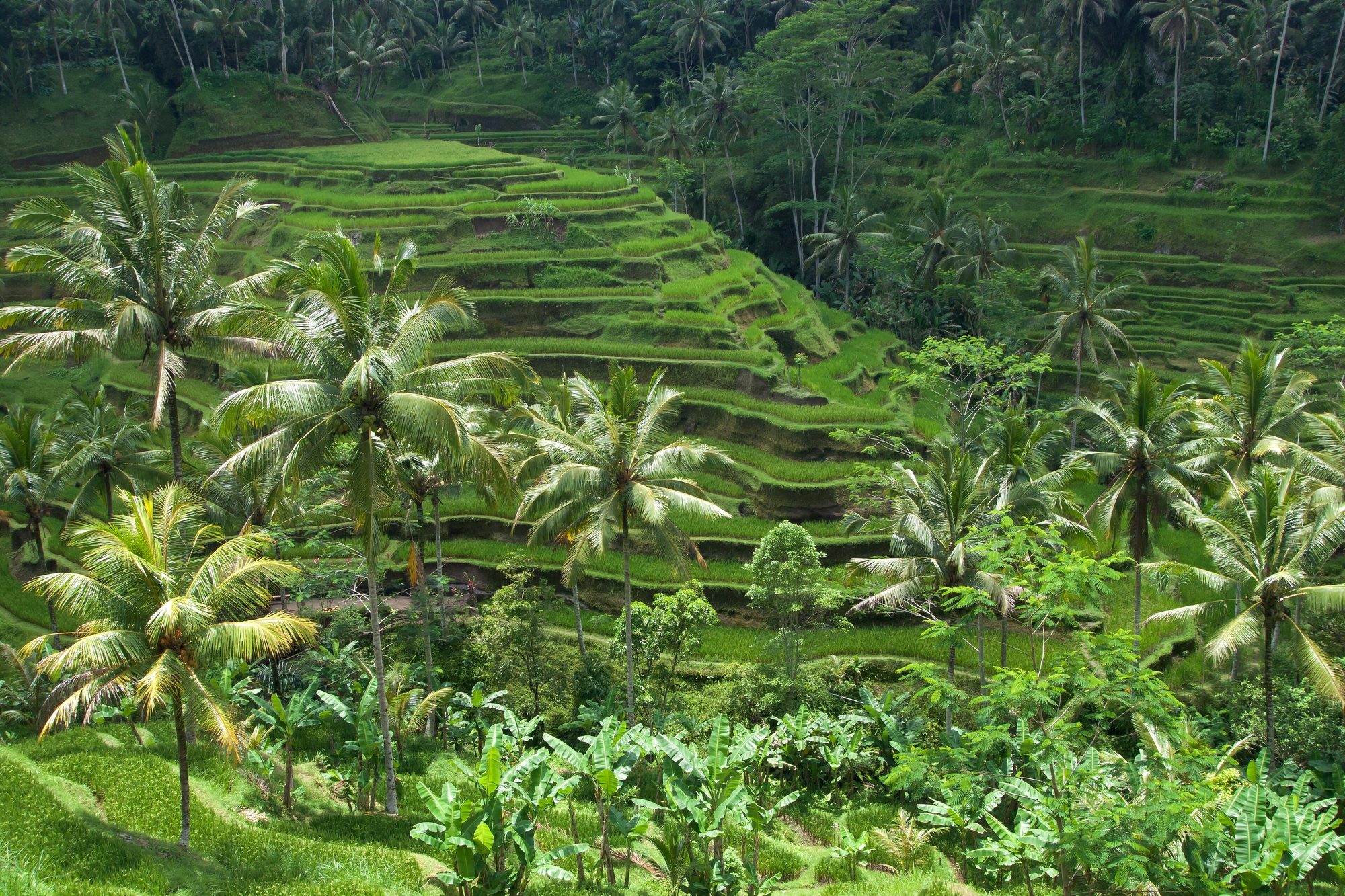 Photo: Vyacheslav Argenberg, CC BY 4.0
The Best Jungle Airbnbs in the World
Our honest, unpaid ranking of the jungle stays that changed what a night in the forest can be — from Bali's bamboo masterpieces to the floating bungalows of Thailand.
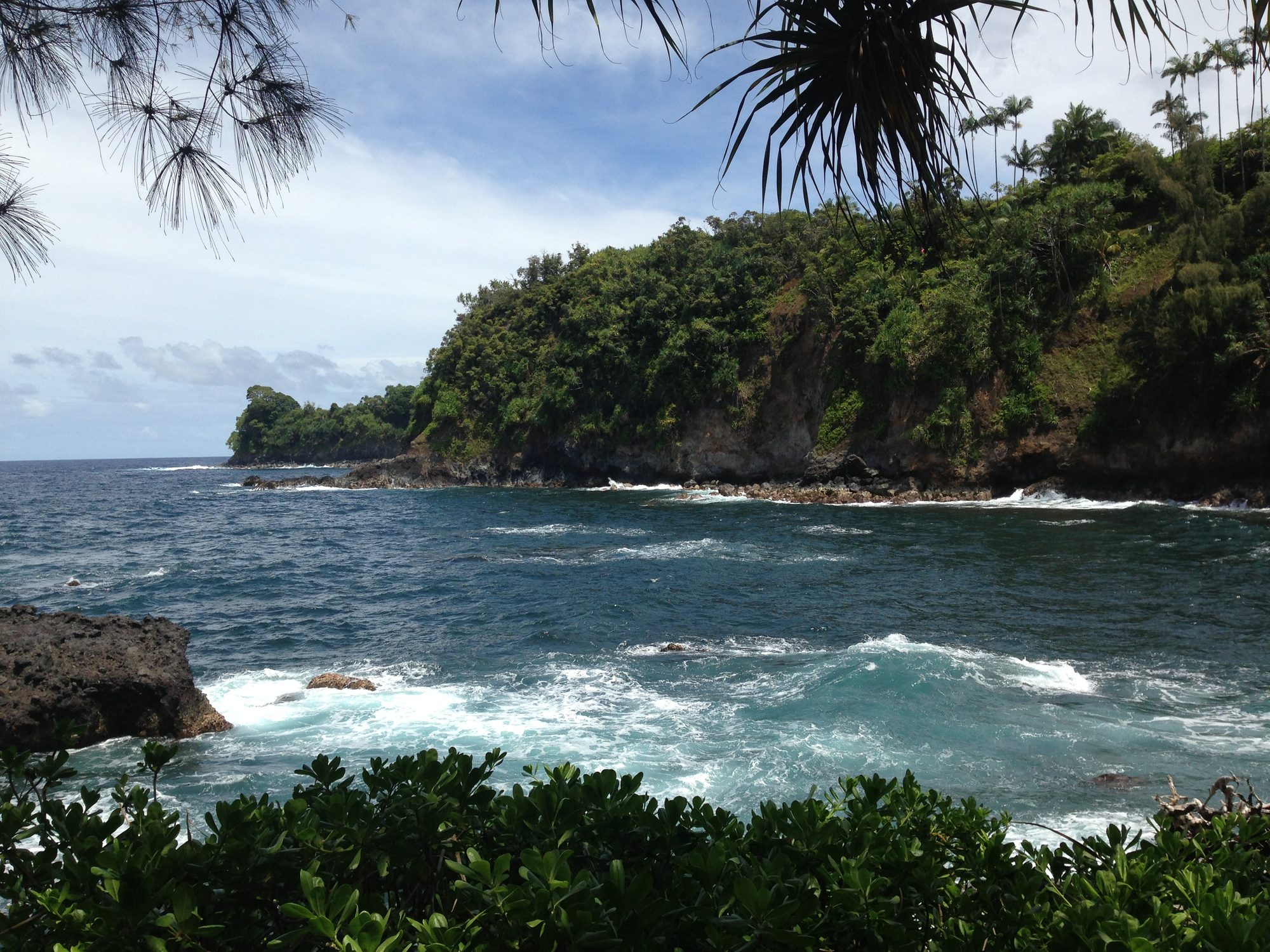 Photo: AlaskaDave, CC BY-SA 3.0
The Best Jungle Airbnbs in the USA
Real rainforest, no passport required — the best treehouses and bamboo houses across Hawai‘i, Puerto Rico and Florida.
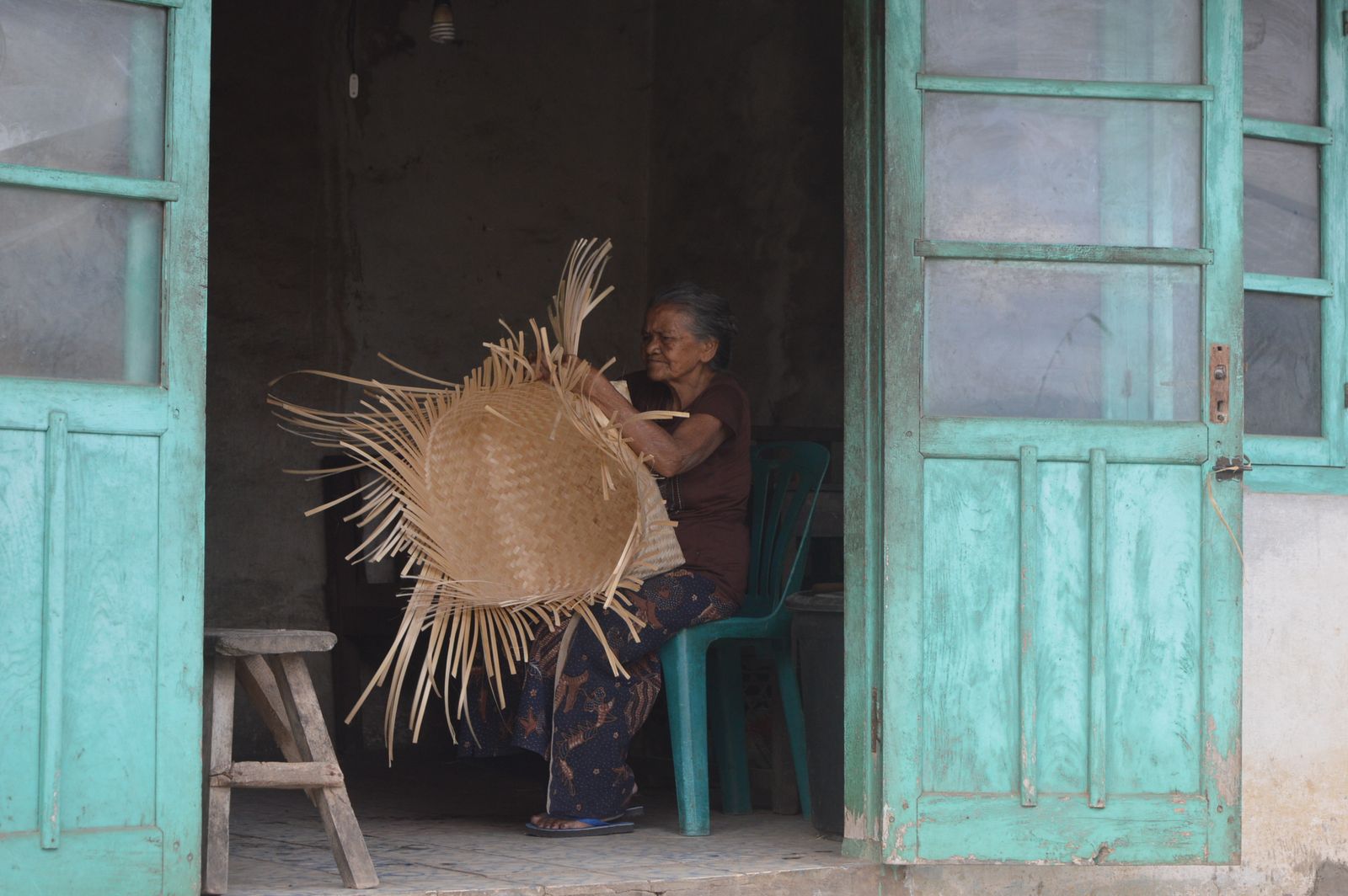 Photo: Dinata Juan, CC BY-SA 4.0
The Best Bamboo Houses in the World
Bamboo architecture has quietly become the signature of the jungle stay. These are the bamboo houses that set the standard, and where to sleep in one.
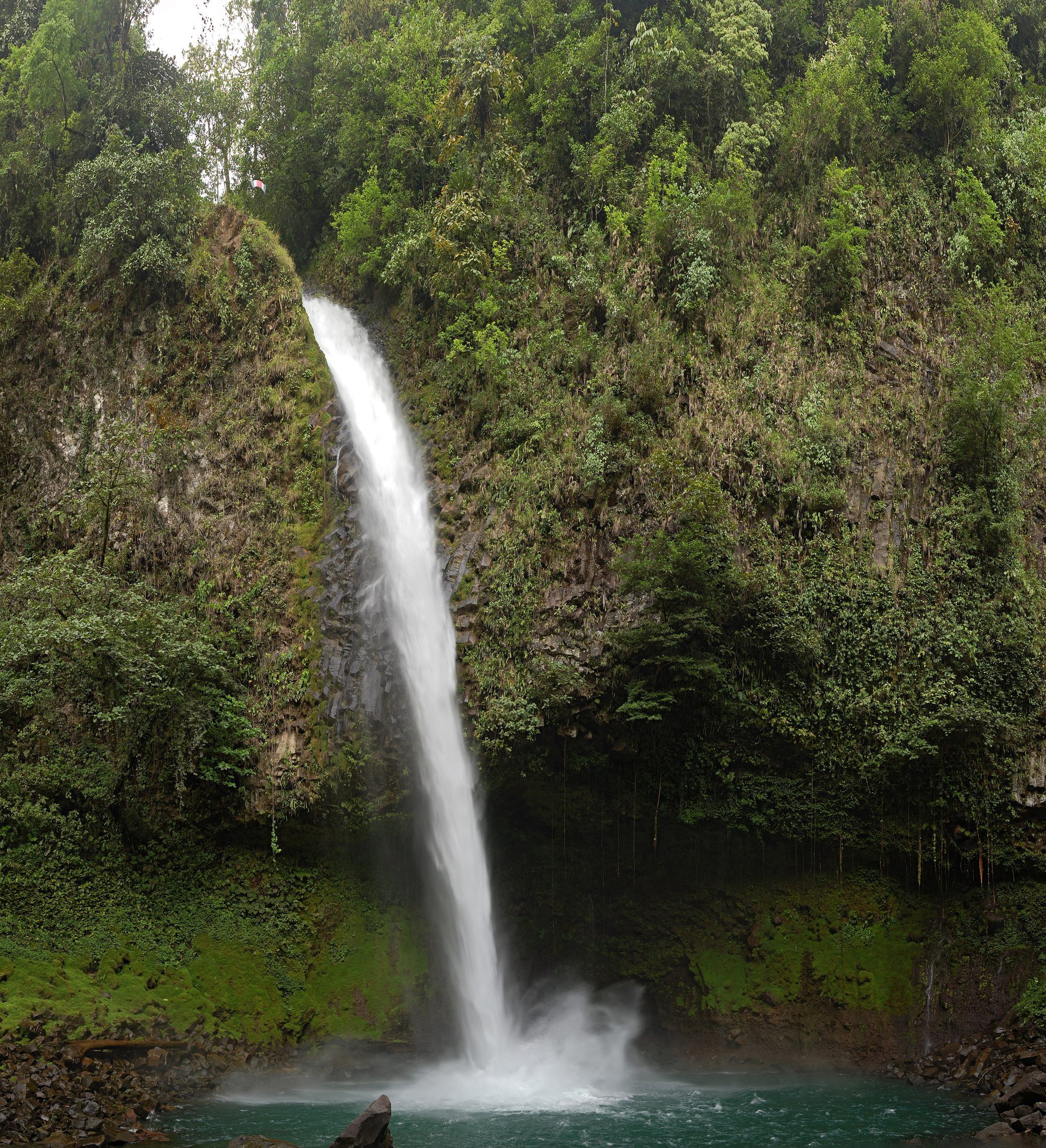 Photo: Derek Ramsey (Ram-Man), CC BY-SA 4.0
Find your own piece of the canopy.
Treehouses, bamboo houses and rainforest villas across 17 destinations — found, vetted and written up honestly.
Browse all destinations