The Best Luxury Jungle Villas in the World
Type "luxury jungle villa" into a search engine and you'll get five hundred results that are really a resort room with a good publicist. This list isn't that. We went looking for stays that earn the word luxury the hard way — real architecture built for a real site, a pool you don't share with forty strangers, staff who know your name by the second day — and that are still, today, a booking form or a phone call away from actually happening. Fourteen made the cut, across six countries. Most are whole homes you rent outright. A handful are boutique lodges we couldn't leave off. We've flagged which is which for every one.
How we picked
"Luxury" gets thrown around loosely enough that it's worth saying plainly what we mean by it here, because most "top jungle villa" lists don't bother. To make this one, a stay had to clear four bars.
It had to be built for the rainforest it sits in, not simply parked in one. That usually means an architect's name attached to the project, materials sourced from nearby, and a design that treats the forest as the point rather than the backdrop for a pool photo.
It had to have a private pool, or in the case of the boutique lodges on this list, something close to it — a plunge pool per suite, at minimum. A shared pool is a hotel amenity, not a private one, and this list is specifically about the top of the private-pool market.
It had to come with service. Staff, a chef or the option of one, someone who handles the practical reality of being deep in a forest an hour or more from the nearest hospital. That's what separates "luxury" from merely "nice."
And it had to be real, current and bookable today, either as a whole-home rental or through a lodge's own reservations desk. We checked every property against its own site or a reputable travel source before it went on this list; nothing here is guessed at, and nothing here is a marketplace listing we couldn't independently verify still exists.
Most of what follows are whole-home villas you rent outright, the kind where you get the property to yourself and the staff work for you alone for the length of your stay. A handful are boutique lodges — a small number of individually designed suites or villas within one operation, generally with shared dining and a front desk somewhere on the grounds. We've marked which is which in each entry, because they're genuinely different trips and the trade-offs matter: a whole-home rental gets you total privacy and a kitchen; a lodge gets you a chef who already knows the produce, and neighbors a couple hundred meters away instead of zero. JungleBnB takes no payment for placement on this list or any other.
The ranking
Fourteen stays, ranked, spanning six countries and both categories above. A few will be familiar if you follow jungle architecture at all — several of Bali's bamboo houses set the whole trend in motion, and it would be strange to leave them off. Others are quieter, further from the algorithm, and arguably better for it.
The cathedral of bamboo architecture, and still the property every other bamboo house on this list gets measured against. Six levels, built almost entirely from bamboo by Elora Hardy's IBUKU studio above the Ayung River gorge near Ubud. The trade-off is exactly what you'd expect from a house with barely a straight wall and no glass in most of the openings: it's humid close in, geckos are part of the deal, and this is not the villa for someone who wants air conditioning and total quiet from the jungle outside. What you get instead is about as close as most people will ever come to sleeping inside a piece of architecture.
Banyan Tree's answer to the question of what happens if you take the walls away. Buahan's villas, set into a river valley outside Ubud, are open on at least one side by design, each with a plunge pool and outdoor bathroom as standard and no air conditioning to fight the forest with. It's a boutique lodge, not a private rental, so you'll have a resort's worth of staff on call and neighbors within earshot rather than total isolation. What it does better than almost anyone else on this list is disappear as a building — you notice the forest first and the architecture second, which for a property this expensive is a genuinely unusual choice. (Buahan, a Banyan Tree Escape)
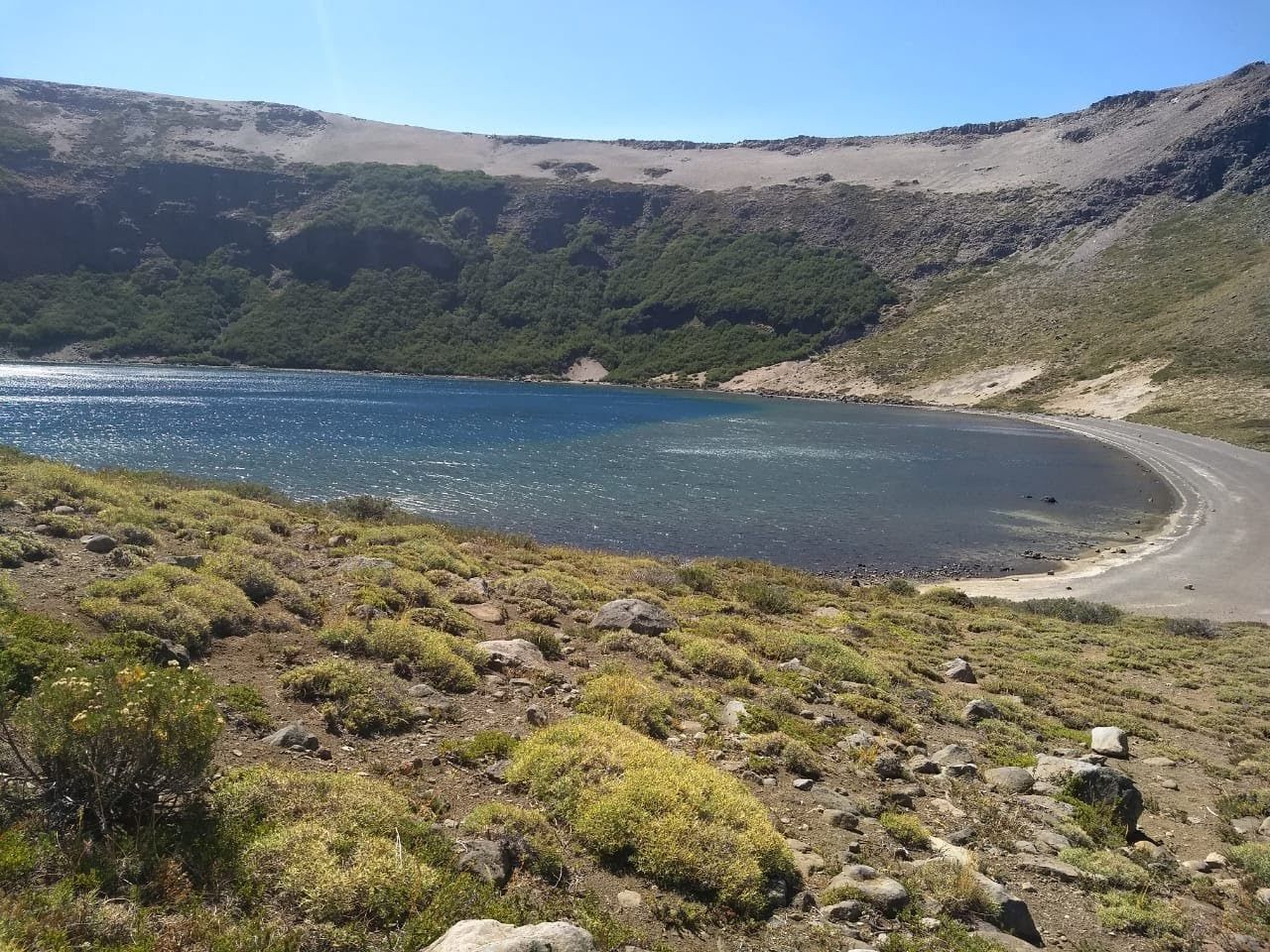
An eight-bedroom estate on Costa Rica's Pacific side, built into two acres of rainforest with a three-sided infinity pool that reads like a ledge cut into the treeline. This is the villa for a group, not a couple — the bedroom count and the full house staff that comes with the booking only make financial sense split eight or ten ways. What justifies the price beyond the size is the site itself: rainforest running straight down toward ocean views, a harder combination to execute well than either alone. (Vista Hermosa Estate; more of the country in Costa Rica)
Forty-some hand-built villas rising through the jungle canopy above Tulum's coast, deliberately without televisions, air conditioning, or in some villas, electricity after dark beyond candlelight. It's the most polarizing entry on this list for exactly that reason — Azulik is built around a philosophy of discomfort-as-luxury, and it either clicks with you immediately or it doesn't. The wood-and-vine architecture is genuinely unlike anything else here, and the treetop Kin Toh restaurant is worth the visit on its own. Not the property for anyone who needs a hard, climate-controlled night's sleep. (Azulik; more of the area in the Tulum jungle)
An award-recognized whole-home rental on Guanacaste's Pacific coast with a private infinity pool, a media room, and a full concierge-and-chef team included in the booking, all of it wrapped in rainforest that runs down toward the coastline. This is squarely a group-and-celebration villa — the kind of place families book out entirely for a wedding week — rather than a quiet couple's retreat, and the price reflects the staffing as much as the architecture. (Villa Punto de Vista)
The original two-story bamboo house in the hills below Mount Agung that, more than any single property, launched the current wave of jungle-villa design. Its triangular picture window has been shared into the ground, and Hideout has been counted among the most wish-listed homes on Airbnb. It's smaller and simpler than most of what's above it on this list, and its pool is a plunge pool rather than an infinity edge — which is exactly why it sits mid-table on a strict luxury ranking, even though it remains the sentimental favorite for a lot of jungle-villa obsessives, this writer included.
A three-bedroom villa inside AMARI Uptown, a gated development of architect-designed jungle homes on Tulum's edge, this one the work of Mexican architect Jesús Acosta. The private pool sits inside a walled garden of its own, screened from the road and the neighboring villas, and the build leans modern rather than rustic — poured concrete and clean lines instead of the thatch-and-timber look most of Tulum trades on. That's either exactly what you want or a reason to look elsewhere; the development's gate and shared amenities also mean it reads more like a resort community than a solitary jungle house, whatever the marketing implies. (Luxury Jungle VIBE)
A seven-bedroom whole-home rental above Sri Lanka's south coast with a sixteen-meter infinity pool and a full live-in staff, in the surf town of Ahangama rather than deep interior rainforest — the tree cover here is tropical garden and coconut palm as much as untouched forest, worth knowing before you book. It's a genuinely large villa built for a big group or several families, priced accordingly, and the pool is the single best reason it made this list: sixteen meters is a serious length for a private home anywhere in the world. (The Jungle Villa, Ahangama; more of the island in Sri Lanka)
Not technically a jungle in the lowland-rainforest sense — Mashpi sits in Ecuador's cloud forest, higher, cooler and mistier than the Amazon basin — but its architecture earns it a place on any serious list of rainforest buildings. Ecuadorian architect Enrique Muñoz built the lodge from steel, glass and stone along a former logging road inside a private reserve, and the dining room's glass wall puts the forest on display from every table. It's a boutique lodge with shared common spaces rather than a private villa, and the appeal is squarely the setting and the research-station atmosphere rather than seclusion. (Mashpi Lodge)
A small lodge on the Rio Negro in the Brazilian Amazon, beside the Anavilhanas archipelago, with suites and a handful of individual bungalows built in the caboclo style river communities have used along this stretch of the Amazon for generations. It's the least "villa" and most "expedition lodge" entry on this list, and deliberately so: air conditioning and hot water are here, but so is a three-and-a-half-hour transfer from Manaus and no cell signal to speak of. For travelers who want the real Amazon with a comfortable bed at the end of the day, rather than a resort experience with jungle set dressing, it's hard to beat. (Anavilhanas Jungle Lodge; more of the country in Brazil)
A five-bedroom hillside house in Sri Lanka's Kegalle district, designed by its owner, architect Ranjan Aluwihare of RA Designs, set on stilts above tea and paddy country with views toward Bible Rock. The pool here is a plunge pool rather than a showpiece, and the house is priced well below most of this list — which says less about its quality than about how undervalued interior Sri Lanka still is compared with Bali or Tulum for architecturally serious rentals. Worth booking specifically for travelers who want the design without the price tag that usually comes attached to it.
A three-bedroom house on seven acres of Puerto Rico's El Yunque rainforest, the only tropical rainforest in the U.S. national forest system, with a saltwater pool and a private hiking trail on the property itself. It's simpler and less architecturally ambitious than most of the villas above it — a well-built modern house in the forest rather than a design statement — but it's also one of the only entries on this list you can drive to from a major U.S. airport in under two hours, which counts for something. (Selva by DW; more of the island in Puerto Rico)
A four-bedroom bungalow set apart inside Refugio Amazonas' private reserve in Peru's Tambopata region, with its own guide and cook rather than the shared dining hall of the main lodge. It sits closer to a private villa than most jungle lodge accommodations do, which is why it earns a place on this list over the main lodge buildings around it, but it keeps the trade-offs of deep Amazon travel: no continuous power, no air conditioning, and a journey in that involves a flight to Puerto Maldonado followed by a boat. For travelers weighing the Amazon against Costa Rica or Bali, this is the honest version of what "villa in the rainforest" costs once you're actually in it. (Amazon Villa, Refugio Amazonas; more of the country in Peru)
A collection of tree-pool villas above Kamala on Phuket's west coast, each with its own plunge pool and a multi-level structure built up into the canopy rather than around a single ground floor. It's a resort in every sense — spa, restaurants, a front desk — so it's the furthest thing here from a private rental, and the "jungle" is landscaped tropical grounds rather than untouched forest. Its place on this list is earned by the architecture of the villas themselves, which commit harder to the treehouse idea than almost any resort brand attempts. (Keemala, Tree Pool Houses; more of the region in Thailand)
What luxury actually buys you in the jungle
Price and materials aside, there's a real difference in what you're buying when you go from a nice jungle rental to one of the villas above. It mostly comes down to three things: seclusion that's actually engineered rather than incidental, staff who work around your schedule rather than a shared front desk, and a design team that treated the site itself as the budget line rather than an afterthought.
Seclusion is the easiest thing to fake and the hardest to actually deliver. A villa with a wall around it isn't secluded if the neighbor's roofline is visible over that wall; a lodge with forty rooms isn't secluded no matter how good its landscaping is. What the properties on this list share is real distance — from a road, from another building, from a shared pool deck — measured in dozens or hundreds of meters rather than a fence line.
The difference between a good jungle villa and a great one usually isn't the pool. It's whether you can hear anyone else's pool.
Staff is where the price tag earns its keep for most travelers. A private chef who shops that morning's market and cooks to what you actually like, a housekeeper who's there without being underfoot, someone on call if the power goes out or a scorpion finds its way into the bathroom — this is genuinely different from a hotel staff rotating through a shift, and it's most of what separates a mid-range jungle rental from one of the villas above it. The build quality matters, but the service is what you're actually paying the premium for.
Good to know
"Private pool" gets used loosely across booking sites. Before you pay a premium for one, check the listing's own photos and floor plan rather than just the marketing copy — a pool shared with an adjoining villa, or visible from a neighboring deck, is common enough that it's worth the extra five minutes to confirm.
And the design itself is the part that's hardest to shortcut. A villa built by an architect who's worked repeatedly on that specific hillside, using materials sourced from within a short drive, ages and weathers differently than a generic tropical build dropped onto a good lot. It also tends to actually work with the climate — deep overhangs, cross-ventilation, orientation to the light — instead of fighting it with air conditioning alone. That's the quiet thing the very best entries on this list have in common, and it's worth paying attention to when you're comparing two villas that otherwise look similar in photos.
Whole-home villa or boutique lodge
Seven of the fourteen entries above are whole-home rentals — you book the entire property, the staff work for you and only you for the length of your stay, and you come and go as you like. The other seven are boutique lodges, where you're renting one villa or suite within a small, professionally run operation that has its own restaurant, spa or front desk somewhere on the grounds. Both categories can be genuinely luxurious. They are not, however, the same trip, and it's worth being honest about the trade-offs before booking either.
A whole-home rental buys total privacy. Nobody else's dinner reservation matters to your schedule, the kitchen is stocked to your preferences rather than a set menu, and if you want to swim at four in the morning there's nobody to ask. The cost of that privacy is that you're also on the hook for everything: if the generator has an issue at midnight, it's your property manager's emergency line you're calling, not a 24-hour front desk two buildings away. Groups and families tend to do better here, both financially — split ten ways, an eight-bedroom villa's nightly rate looks very different — and logistically, since there's simply more to organize.
A boutique lodge buys convenience and expertise instead. Someone else is handling the boat schedule, the guide, the replacement lightbulb at eleven at night, and the kitchen already knows the local produce cold. What you give up is total solitude — other guests exist, even if the lodge is designed well enough that you rarely see them — and the feeling of having a place entirely to yourself. For a couple, or for a first visit to a region you don't know at all, that trade-off is often the right one; the lodge's staff have already solved problems you don't yet know you'd run into.
If you're weighing the two for a first jungle trip anywhere in the world, our broader roundup of the best jungle Airbnbs leans more heavily toward whole-home rentals across every price point, not just the top of the market covered here.
When to go, region by region
Bali and Southeast Asia
Bali's dry season runs roughly April through October, and it's the easier window for a villa built around open-air living — less rain means more time on the terrace and clearer views off an infinity pool. The wet season, November through March, isn't a reason to skip a trip; it just means afternoon downpours become part of the daily rhythm, which for a house built to frame the jungle rather than hide from it is arguably when the forest looks its best. Thailand's Phuket coast runs on a similar rhythm, with its wetter months falling roughly May through October.
Central America and the Caribbean
Costa Rica and Puerto Rico both run on a dry-season and green-season split rather than four distinct seasons. Costa Rica's dry season, roughly December through April, is the higher-demand and higher-price window for villas on the Pacific side; the green season that follows brings more rain but also lower rates and a rainforest that's visibly, audibly more alive. Puerto Rico's El Yunque gets rain year-round simply by being a rainforest, and Caribbean hurricane season, June through November, is worth building into any late-summer or fall booking plan.
The Amazon
The Amazon basin runs on water level rather than rain versus dry. The high-water season, roughly December through May, floods the forest floor and lets boats move directly among the trees — the classic images of jungle lodges reached entirely by water usually come from this window. The low-water season, roughly June through November, exposes river beaches and concentrates wildlife around shrinking waterways, which many guides consider the better stretch for animal sightings even though it runs hotter and drier on land. Either lodge above, in Brazil or Peru, will have a clear opinion on which window suits your priorities — it's worth asking before you book.
Sri Lanka
Sri Lanka runs on two separate monsoon systems, which is the single most useful thing to know before booking a villa there. The southwest monsoon, roughly May through September, brings the heavier rain to the south and west coasts — where Ahangama and Guava House both sit — so the more reliable window for those two villas runs closer to December through March. Flip that if you're headed to the island's east coast instead, where the calendar runs in reverse.
What to check before you book
A handful of practical questions worth asking before you put down a deposit on anything at this price point, jungle or otherwise.
- Book direct when you can. Most of the whole-home rentals on this list take bookings through their own site rather than a marketplace, and going direct usually means a real person answering questions about the actual property rather than a call center. It also tends to avoid the platform fees stacked on top of an already high nightly rate.
- Ask exactly what "private" means for the pool. As noted above, listings use the word loosely. A quick email asking whether the pool is visible from or shared with any other unit gets a straight answer fast.
- Find out what's included versus billed separately. A chef is standard at most of these properties, but groceries, imported alcohol, airport transfers and staff gratuities are handled differently everywhere — some quote a fully inclusive rate, others tack on a daily food budget once you arrive.
- Match the cancellation policy to the season. A villa booked during a region's wet or hurricane season should have a cancellation policy that reflects that risk; if it doesn't, travel insurance that covers weather disruption is worth the cost.
- Ask about power and connectivity if you need either. Several of the more remote lodges above, the Amazon entries especially, run on generators for part of the day rather than continuous grid power, which matters if you're trying to work from the villa rather than fully disconnect.
None of this is unique to jungle villas, but the stakes are higher than usual: these are properties where a problem can't be solved by walking down the hall to a front desk, because there often isn't one.
Common questions
What does a top-tier luxury jungle villa actually cost?
It varies enormously by region and group size, but the entries on this list generally run from several hundred dollars a night for a smaller villa like Guava House up to several thousand dollars a night for an eight-bedroom estate like Vista Hermosa Estate — which, split across a large group, is often a lower per-person cost than a mid-range hotel room. Boutique lodge suites tend to sit in a narrower, generally lower range per person, since you're paying for one room rather than an entire property.
Is a boutique jungle lodge less luxurious than a private villa?
Not necessarily — it depends what you value. A lodge like Buahan or Mashpi Lodge can deliver a higher standard of service and expertise than a smaller private villa, simply because the staff-to-guest ratio and specialized knowledge, a resident naturalist, for instance, is easier to sustain at a lodge's scale. What a lodge can't offer is total solitude; you're one guest among several, even if you rarely see them.
Do these villas actually have air conditioning?
Some do, some deliberately don't. Properties built around open-air design — Sharma Springs, Buahan, Azulik — treat the absence of full climate control as part of the point, using architecture (deep overhangs, cross-ventilation, elevation) to manage heat instead. If air conditioning through the night is a requirement for you, check each listing specifically; it's one of the biggest differences between entries on this list, not a given at this price point.
How far in advance should I book?
For the most in-demand properties, anything associated with Bali's original bamboo-house wave in particular, six months to a year out for peak season (roughly June through August and the December holidays) is realistic. Smaller or less publicized villas, like several of the Sri Lanka and Puerto Rico entries, can often be booked with a few weeks' notice outside of peak periods.
Are these villas good for families with kids?
Some are, some really aren't. Open-air designs with unguarded drops, ponds or pools close to sleeping areas — several of the Bali and Tulum entries fall into this category — need an honest look at the floor plan before booking with young children. The larger group villas in Costa Rica and Puerto Rico tend to be more straightforward for families, and it's worth checking our dedicated guide to the best jungle Airbnbs for families if that's the trip you're planning.
What's the difference between this list and a general "best jungle Airbnbs" list?
Budget and ambition, mostly. This is specifically the top of the market — architect-designed, staffed, priced accordingly. For a much wider range of jungle stays across every budget, including plenty of excellent villas well under $300 a night, see our full best jungle Airbnbs in the world ranking, or the best budget jungle Airbnbs under $100 if cost is the main constraint.
The pattern
Go back through the fourteen properties above and the thing they share isn't a price tag or a brand name — it's restraint used deliberately. Every one of them commits hard to a single idea (an open wall, a boat-hull-shaped suite, a triangular window, a glass-walled dining room) instead of trying to check every luxury-resort box at once. None of them are trying to be all things to all travelers, which is precisely why the ones that get it right feel so specific and so hard to replicate anywhere else.
They also all sit close enough to a real rainforest — Costa Rica's, Brazil's, Bali's, Sri Lanka's — that the forest is doing real work in the design, not just supplying a nice view from a standard room. That's the pattern worth remembering if you're comparing two villas that look similar in photos: ask what the building is actually doing with its site, not just what's inside it.
If a whole estate isn't in the budget, our wider best jungle Airbnbs in the world list and the best jungle Airbnbs with a private pool guide both cover the same idea across a much wider range of prices, and why jungle stays are booming digs into where this whole category came from. Or just start browsing the full directory and find your own version of it.
- Hideout Bali · IBUKU / Sharma Springs — architecture and history for Bali's foundational bamboo villas.
- Buahan, a Banyan Tree Escape — the wall-free villa concept and amenities.
- Vista Hermosa Estate · Villa Punto de Vista — Costa Rica whole-home villa specifics.
- Azulik · Luxury Jungle VIBE, AMARI Uptown — Tulum jungle architecture and villa details.
- The Jungle Villa, Ahangama · Guava House (The Spaces) — Sri Lanka villa specifics and architect credit.
- Selva by DW — El Yunque, Puerto Rico villa details.
- Amazon Villa, Refugio Amazonas · Anavilhanas Jungle Lodge — Amazon lodge and reserve details for Peru and Brazil.
- Mashpi Lodge · Keemala, Tree Pool Houses — cloud-forest and canopy-villa architecture.
More from the Journal.
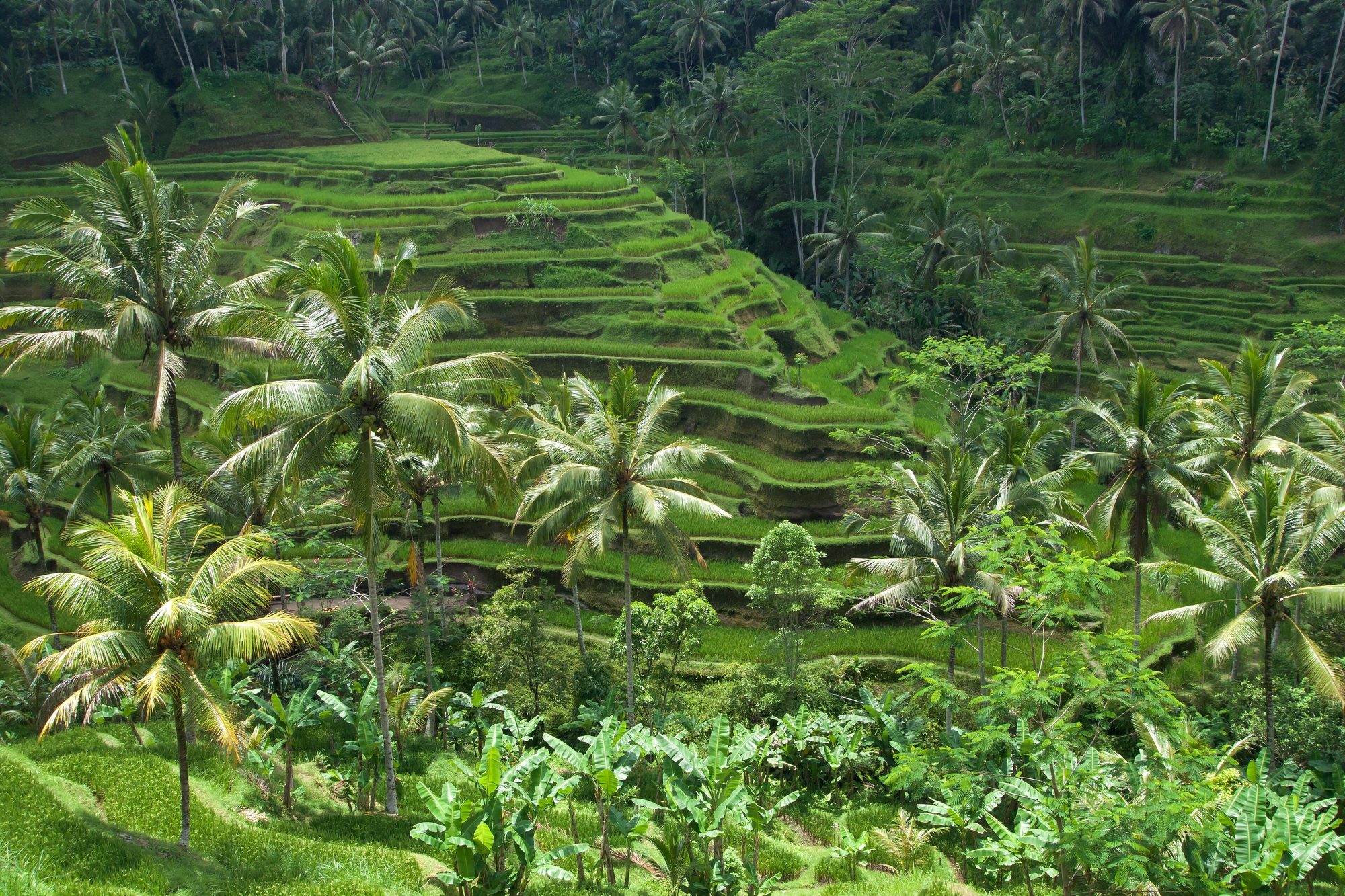 Photo: Vyacheslav Argenberg, CC BY 4.0
The Best Jungle Airbnbs in the World
Our honest, unpaid ranking of the jungle stays that changed what a night in the forest can be — from Bali's bamboo masterpieces to the floating bungalows of Thailand.
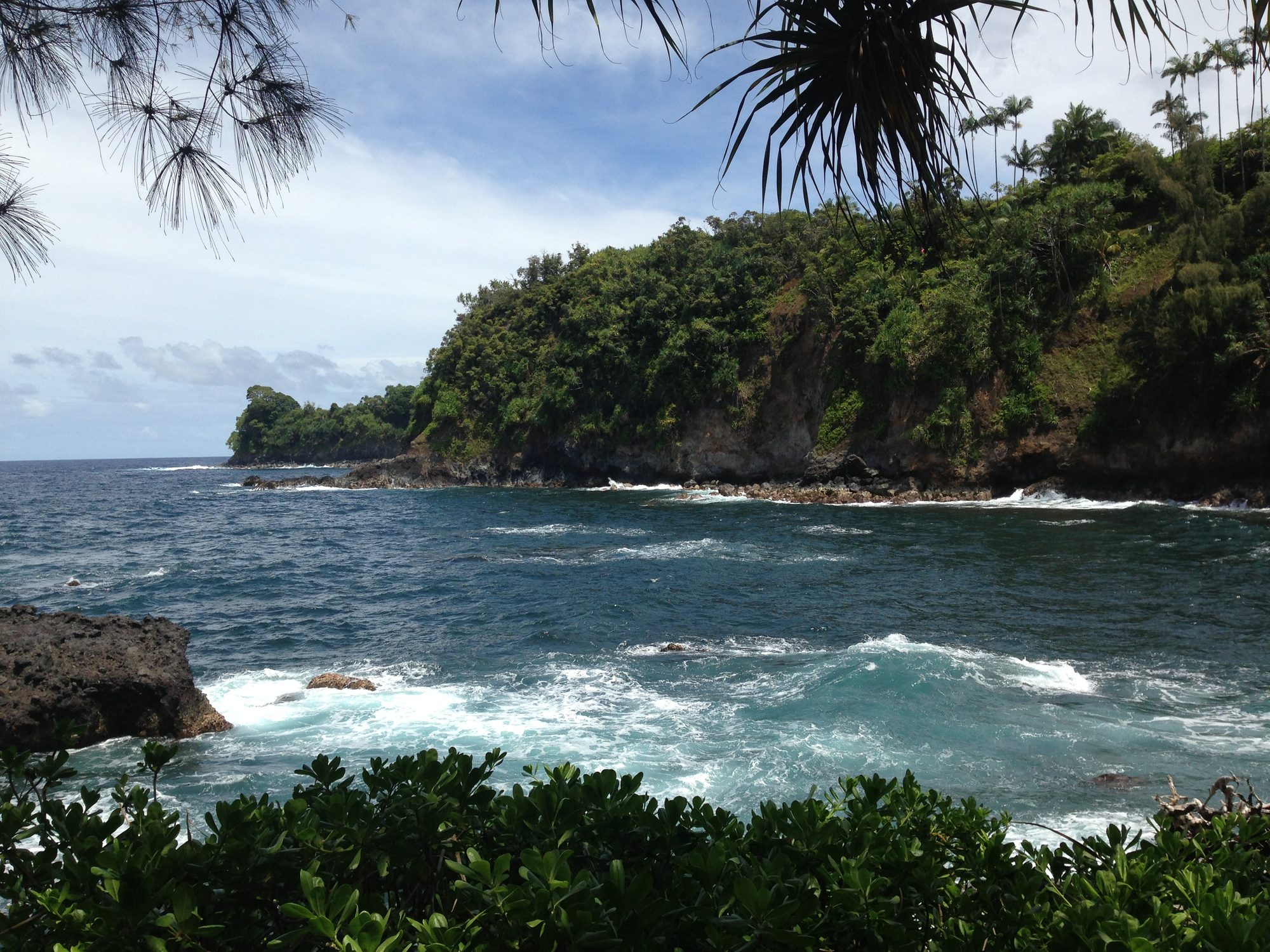 Photo: AlaskaDave, CC BY-SA 3.0
The Best Jungle Airbnbs in the USA
Real rainforest, no passport required — the best treehouses and bamboo houses across Hawai‘i, Puerto Rico and Florida.
 Photo: Bernard DUPONT from FRANCE, CC BY-SA 2.0
The Best Treehouse Airbnbs in the World
Our honest ranking of the treehouses worth crossing an ocean for — from canopy platforms in the Amazon to stilted glass boxes above the rainforest floor.
 Photo: Derek Ramsey (Ram-Man), CC BY-SA 4.0
Find your own piece of the canopy.
Treehouses, bamboo houses and rainforest villas across 17 destinations — found, vetted and written up honestly.
Browse all destinations