The Best Jungle Airbnbs in Asia
Asia doesn't have one version of a jungle stay, it has three. Bali built a whole rental economy out of bamboo houses in a single decade. Thailand scattered treehouses across island coastlines and mountain rice country. Sri Lanka built quiet lodges into the edge of the last stretch of primary rainforest it has left. None of that is decoration — it's what the local material, climate and forest actually made possible, and it's why a bamboo house in Selat and a rainforest lodge outside Sinharaja have almost nothing in common except that both put you inside real forest. Across all three countries we spent weeks checking each property against its own listing or another source we trust. Whatever we couldn't confirm as real and open right now was left out, however good its photos looked.
How we picked these
Two rules, applied the same way in all three countries. First, it had to be real forest, not a garden with big leaves — jungle or genuine rainforest edge, not a resort planted with palms next to a golf course. Second, it had to be verifiable and currently bookable. For whole-home rentals the check was the listing itself. For lodges it was the official website, or a different source we rely on. If we couldn't tell that a place was still running, it was dropped, however often other "best jungle stays" lists include it.
Almost every stay below rents as a complete house or treehouse that only your group uses, the same arrangement as the stays in our own directory of destinations. A few entries are boutique lodges, meaning a handful of rooms or cottages, shared grounds, and usually a host or manager on site. Every lodge carries a label saying so, since a three-tent bush camp in Sri Lanka makes a different trip from a bamboo house all to yourself in Bali, even though both get called "jungle stays." To start with the wider world beyond Asia, open our full world ranking of jungle Airbnbs.
Bali's bamboo belt: East Bali's whole-home rentals
Roughly ninety minutes east of Ubud, once the tour buses thin out, you find more bamboo houses built for travelers than in any other spot in the world. It's a loose scatter of small, independently run properties around the villages of Selat and Sidemen, under Mount Agung. None belongs to a resort. Every one is a lone hand-built house, typically with the owner or a caretaker living near, and all of them rent as whole homes.
It's widely credited with kicking off Bali's bamboo-rental boom, and newer houses still get compared with it. This two-storey bamboo house sits next to a small mountain stream beneath Mount Agung. Downstairs is open-air, organized around a hammock and a full kitchen; the king bed is up a level, beside a triangular window that looks onto the river below. Most of the openings have no glass at all, so the water noise, and the odd gecko, is simply part of what you're booking — pack earplugs if that's a dealbreaker. A scooter or a driver is the way to get around, since no village is within walking distance. With wheels sorted, the terraced rice fields near Sidemen and the Agung-area water temples make an easy day out. Rates run roughly $100–170 a night, according to a detailed write-up from a travel writer who stayed there, and it sells out months ahead. See the full listing.
Camaya is a little hillside group of hand-built bamboo houses near Selat. Suboya, its two-bedroom flagship, takes the form of a curved bamboo shell. A net is strung above the living space, angled toward rice terraces that step down to Mount Agung. There's a pool, real bathrooms, and staff who cook breakfast and arrange drivers, which softens what would otherwise be a genuinely rural stay — nothing here is walkable, and phone signal is patchy in spots, a detail confirmed by a reviewer who documented the whole stay. Sunrise from the net with a coffee is reason enough to book. At the high end of East Bali's bamboo stays, it runs $290–520 a night, and it works for a couple, or for four friends splitting the bill. Full listing here.
Veluvana, a short row of animal-shaped bamboo houses, sits on the edge of Sidemen. The Owl is the one in everyone's photos, a swooping two-level build with a roofline folded like wings. Inside are a single open-plan bedroom, two bathrooms in spite of the small footprint, and a plunge pool only your group uses, which opens from the deck onto paddy fields with the volcano beyond. It's a layout covered in a roundup of Bali's bamboo houses. Breakfast is part of the stay. Give Sidemen a slow day too, since it sits an hour away from Ubud's traffic. The village has weaving workshops, and there are salak farms up the road. It sleeps two. The design is open, so insects get in, and a layer comes in handy when the evenings cool down. Rates float between $150 and $280 a night — see it here.
You've likely seen this bamboo house, with its giant egg-shaped window, on a screen without knowing its name. Two storeys and two bedrooms of bamboo shell stand above the Ayung River in Abiansemal, where Canggu and Ubud are each about forty minutes away. A winding bamboo staircase and woven roof carry the design, the front of the house looks straight over the river gorge, and a small plunge pool sits on the riverside deck, as the same Bali bamboo-house guide lays out. Be realistic about what you're paying for. The living is open-air, so expect humidity, insects around the lights at night, and a steep descent on foot to reach the house. Nightly rates of $400–500 make it better spent on a night or two as a treat than on a stay used to explore the island. See it here.
Bali's boutique jungle stays
Not everything worth booking in Bali's jungle is a lone rental you drive an hour to reach. A short way from Ubud itself, a couple of small, staffed properties trade some of East Bali's isolation for an easier base — still built into real jungle, still worth the trip.
In 2023, Jungleight opened on a jungle slope in Tegallalang. Central Ubud lies about twenty minutes to the south, and the rice terraces that every Bali itinerary eventually visits are a short ride away. Its one-bedroom bamboo treehouse, The Nest, is a woven, curved build facing straight into the Ubud valley's canopy. This place runs as a small resort, so there's backup: sunrise yoga, pools, guided walks through the forest to the river, a restaurant on the grounds, and a front desk open 24 hours that books scooters and tours, per the property listing on Treehouse Map. Of the bamboo stays here, it's the simplest to handle if you have no transport of your own. The tradeoff is neighbors: bamboo villas sit close together on this slope, which makes it feel less isolated than East Bali's houses. Around $400 a night, and best for couples. Our Bali pages cover the rest of the island, and the full listing is here.
A bamboo house offers little barrier against the jungle around it. Most have no glass in the windows at all. That isn't a design failure — it's the entire point of building with a material chosen for how well it breathes.
Thailand's island treehouses
Thailand's jungle stays split cleanly into two scenes: treehouses scattered across its Gulf islands, close enough to a beach to combine both in one trip, and a rougher, cheaper set inland in the mountains and rainforest of the north and south. Start with the islands.
A two-floor wooden treehouse built around a hundred-year-old tree standing right on the sand at Hin Kong, the mellow stretch of Koh Phangan's west coast, well away from the Full Moon Party crowd across the island. There's one queen bedroom facing the water, a wet room where the actual tree trunk runs through the wall, and two terraces. It's adults-only and capped at two guests, and the hosts are upfront about the quirks, according to the property's own page on the booking platform Hichee: ceilings run low in places for anyone over six feet, the beach road behind carries some noise, and the bay swims well at high tide but turns to sandflats the rest of the day depending on season. It carries a 5.0 rating across 250-plus reviews, remarkable for a build this rustic. Rates run $150–220 a night, electricity billed separately. See it here.
A Thai-style house set in a coconut orchard on the hillside above Thong Nai Pan Yai, the laid-back double bay on Koh Phangan's northeast corner, about as far from the island's party reputation as it gets. From the house you look over the treetops to the ocean with jungle mountains behind, and the beach and village restaurants are down the hill on foot, a combination Airbnb's own Koh Phangan listings confirm is unusual for the price. You'll want a scooter — the east side's roads are steep and the pier ride takes a good half hour — but that distance is exactly why Thong Nai Pan stays quiet. Days here are simple: swim at Yai, walk over the headland to the even prettier Noi beach, rent a kayak, eat grilled fish. At around $80 a night for a whole house with that view, it ranks among the better-value sleeps on the island. Full listing here.
Good to know
Bali and Thailand run on opposite rain calendars, and Thailand's own coasts don't agree with each other either. Bali is driest between April and October, and wettest in the months from November through March. Mainland Thailand and its Andaman coast are generally best November through February, but the Gulf islands — Koh Phangan and Koh Samui, where three of the picks above and below sit — run their wettest stretch later, roughly October through December, opposite the mainland's pattern. It's genuinely possible to have rain in Chiang Mai and sun in Bali, or the reverse, on the same week.
Thailand's north, and the world's oldest rainforest
Inland Thailand trades the islands' sea views for cheaper rates, thicker jungle and, in one case, forest older than nearly any other on earth.
This three-level bamboo treehouse sits within a farm sanctuary at Mae Wang, roughly an hour away to the southwest of Chiang Mai. The fenced garden is home to 59 vaccinated rescue cats, and it's very likely some will visit your terrace, according to a write-up of the property. The build itself is properly done, with a king floor mattress, a big terrace with real wifi, a basic kitchen and an outdoor bathroom with a hot-water tub, and a real Thai breakfast is included. Beyond the treehouse, the farm has a reforestation area as well as orchards of orange and longan trees, and the money from your stay goes to the cats' care. If you're allergic, skip this one, and be aware it isn't geared to toddlers. Prices begin at about $100 a night, breakfast included. Full listing here.
Outside Pai, in rice-field countryside, stands a woven-bamboo house, hand-built. Pai is the backpacker valley you reach after three hours of switchbacks going north from Chiang Mai. The house's name, "Tum-ma-da," is Thai for ordinary, which undersells it. There's a porch facing paddies and mountains and the kind of quiet you only get a few kilometres outside a town center, backed up by Pai's own current listings. The walls let air through, so alongside the wind you'll hear roosters and frogs. Nights in December and January, the cool season, turn colder than the daytime jungle heat would hint. Around $30 a night makes it the cheapest stay on the whole list, and a characterful choice for a week-long valley stay. See it here.
A stilted two-storey treehouse minutes from the gate of Khao Sok National Park, whose rainforest is ancient rather than merely old. The forest here is estimated at more than 160 million years old, predating the Amazon, because the region has sat in a stable equatorial position through ice ages that scoured other tropical forests elsewhere, according to the park's own facts page. Your room sits at canopy level, with a balcony opening onto the trees. The resort below has a restaurant, a pool and staff who organize the activities that bring everyone here: guided jungle hikes, canoe and longtail outings on the Sok River, and the essential excursion to Cheow Lan Lake. The trip takes about an hour, and limestone karst towers stand up out of green water there. Some tour operators on the lake run raft-house camps on the water as overnight add-ons, a striking place to spend the night, though we haven't been able to verify a specific one closely enough to rank it here. Ask at the resort desk if that interests you. Around $100–125 a night. Full listing here.
Sri Lanka's Sinharaja rainforest lodges
Sinharaja is Sri Lanka's last viable stretch of primary tropical rainforest, a 8,864-hectare reserve in the island's southwest that became the country's first UNESCO World Heritage site in 1988. More than 60% of its trees are endemic, and among its birds the endemism runs even higher — 19 of the 20 species recorded in the reserve, or 95%, live nowhere else on earth, according to UNESCO's own listing. It is, in other words, the single best reason to build a lodge in southern Sri Lanka, and several operators have.
The story here is visible from your terrace. Reused shipping containers form part of the chalets' construction, and the site was once tea land, at the southwest edge of Sinharaja. Inside, you stop noticing the containers. Every unit has its own terrace overlooking forest and old tea. Aitken Spence Hotels, one of Sri Lanka's established hospitality groups, runs it, and that shows in the polish against the rougher jungle camps found elsewhere on this list. Per its own site, it was one of the earliest eco-lodges built to Sri Lankan standards. Birding is the main draw: Sinharaja's endemics are the prize, and guided rainforest walks put you among them. It isn't budget, but you're paying for a doorstep onto a UNESCO reserve. Official site here, and the full listing on JungleBnB. Rates run roughly $200–350 a night.
An off-grid camp roughly ten kilometres from Buttala and eight kilometres from the calmer northern section of Yala National Park, where there are fewer safari trucks. Only three tented chalets stand here. Each sits on a raised platform with a king bed and its own en-suite bathroom, and the camp runs on solar power with candlelit dinners, small enough that it never tries to feel like a hotel. With a guide, you walk into the forest straight from camp, then go on into Yala proper for the main attractions: elephant, leopard, sloth bear, deer and wild boar. All meals are in the rate, which is the only sensible setup so far from anywhere, and reviews on Tripadvisor keep pointing out how deliberately stripped-back it is. From around $150 a night per person, all-inclusive. Official site, and full listing here.
Sri Lanka beyond Sinharaja
Sinharaja doesn't have a monopoly on Sri Lankan jungle. Hill country and the dry-zone north each have their own version, from a backpacker-priced treehouse to a private villa built to be booked alone.
The easy, affordable hill-country pick: a treehouse for two called the "Ella Treehouse Pearl," along with newer A-frame cabins at Rawana Ella, among tea estates and the edge of the jungle. The location does most of the work. Ella town is about five minutes away by tuk-tuk, and Ella Rock, the waterfalls and the cave are all within walking distance, so you can base yourself here and cover most of what people come to Ella for without a driver. It's a small independent operation rather than a resort, priced for backpackers and couples who'd rather spend the savings on the scenic train ride in. The hill-country elevation means cool evenings and mist through the tea most mornings. Rates run roughly $40–90 a night. Official site, and full listing here.
A grown-up take on the treehouse, this modern villa has three bedrooms and stands raised above a forty-acre estate of jungle, rubber and cinnamon, near Mathugama in Sinharaja's foothills. Only one group at a time books it, and does so privately; the whole place is yours for the stay, with an infinity pool overhanging the greenery and views over valley and hills. Leaving those out is the selling point, as the villa's own site confirms. By design there's neither TV nor wifi, so you have the pool, the view and whatever passes through the estate. Three bedrooms hold six guests, ideal for a family, or for two couples keen to vanish together instead of lodging with strangers. Rates run roughly $250–450 a night for the whole villa. Full listing here.
A low-impact retreat between Sigiriya and Dambulla, spread over about seven acres where the Kiri Oya and Dehigaha Ela streams meet — dry-zone forest, not true rainforest, so set your expectations accordingly. The treehouse here is the real thing. It has a base cottage below and sleeping space up in a kon tree, for up to five guests. A family longhouse and boulder cottages are also on site for those who'd rather keep their feet nearer the ground. No air conditioning is installed. Natural light and airflow carry the load, rainwater is harvested, and the hot, off-grid spot stays unpolished, per the details on the property's own site. Forest walks and birding are good, and the Minneriya and Kaudulla elephant gatherings are within striking distance. Rates run roughly $90–180 a night. Full listing here.
Whole-home or lodge, and when to actually go
Nine of the fifteen stays above come as entire houses or treehouses. The place is yours alone, there's no front desk, and everything after that (cooking, driving, finding dinner) is up to you, sometimes with a caretaker close by. The other six are boutique lodges, meaning a small number of rooms or cottages sharing grounds, staff and usually a kitchen. Neither is better; they're different trips. A whole-home rental in East Bali or on a Thai island suits people who want privacy and don't mind arranging their own transport and meals. A lodge like Tree Tops or the Rainforest Ecolodge suits people who'd rather have a guide, a set dinner time and someone else worrying about the generator.
Timing is genuinely different in each country, and it's worth planning around rather than guessing. In Bali the dry season lasts roughly from April to October, and November through March is wetter and more humid. The East Bali bamboo houses are best in the dry months, when the rivers they're built beside run clear rather than swollen. Thailand's mainland and Andaman coast are typically best November through February; its Gulf islands, including Koh Phangan where two of the picks above sit, run on a different calendar with their wettest stretch usually October through December. Sri Lanka is the most split of all three: the island has two separate monsoons, the southwest "Yala" monsoon roughly May to September affecting Sinharaja and the south and west coasts, and the northeast "Maha" monsoon roughly October to January affecting the cultural triangle and east coast, including Sigiriya and Yala park's dry zone — so the driest window for Sinharaja's lodges is roughly December through March, while the Sigiriya-area stays lean toward the opposite half of the year.
What the good ones have in common
Look across all fifteen and the same three things separate the stays worth the flight from the ones that just look good in photos.
They don't fight the material
Bamboo houses lean into bamboo's flex and lightness instead of trying to make it behave like concrete; treehouses build around the tree rather than clearing it and starting over; the Sri Lankan lodges built partly from shipping containers or raised on stilts work with the terrain instead of levelling it. None of that is an aesthetic choice first — it's what actually survives in a jungle climate, and the good design follows from that.
Open-air is the plan, not a missing feature
Almost nothing on this list has real air conditioning, and several have no glass in the windows at all. Nobody is cutting corners here. Closing off a bamboo house, or a treehouse in the jungle, would defeat the reason it was built the way it was. Every stay here instead leans on airflow, shade and deep roof overhangs. If a place that lets the outdoors in is new to you, treat that as part of the experience. Bring a headlamp, a strong insect repellent and realistic expectations about hot water.
They sit next to something worth protecting
Sinharaja's lodges exist because of a UNESCO reserve with endemic species found nowhere else. Khao Sok's treehouses sit beside forest older than the Amazon. Bali's bamboo houses cluster along the rivers and rice-terrace valleys that give East Bali its water. In every case, the property is secondary to the landscape it borrows from, and the best owners talk about that landscape unprompted, not because it's good marketing but because it's the actual reason they built there.
Common questions
What's the best pick for a first jungle stay?
Jungleight Bali's Nest or Khao Sok Tree House Resort are the gentlest introductions, since both are small resorts with staff, a restaurant and organized activities rather than a lone rental you're navigating on your own. Save East Bali's independent bamboo houses or Sri Lanka's off-grid camps for once you know what you're signing up for.
Do I need my own transport to reach these?
For nearly all of them, yes. East Bali's bamboo houses, Pai's countryside, and Koh Phangan's quieter bays all sit well outside walking distance of a town, so a scooter, driver or transfer arranged by the host is standard. Ella Treehouse and the Gulf-island picks with village access nearby are the exceptions.
Is it actually safe to stay somewhere with no glass in the windows?
Yes, and most stays on this list do the same. Open-air design is deliberate, not neglect, and hosts who build this way are usually upfront about what to expect: bug nets, insects, and night sounds included. If that genuinely worries you, the boutique lodges with full walls, like the Rainforest Ecolodge or Back of Beyond's boulder cottages, are the better fit.
Why does Sinharaja show up in so many Sri Lanka picks?
Because it's the country's last viable stand of primary rainforest and its endemism is exceptional — more than 60% of its trees and 95% of its recorded bird species live nowhere else on earth. Lodges cluster around a reserve like that for the same reason travelers do.
Are the raft houses on Cheow Lan Lake in Thailand bookable the way the rest of this list is?
They exist and are genuinely popular, but they're typically booked as overnight add-ons through tour operators rather than as an individual home listing the way a bamboo house or treehouse is, and we couldn't verify a specific operator closely enough to rank one here. Ask a local operator, or the staff of Khao Sok Tree House Resort, if that's the trip you want.
What's the cheapest and most expensive stay on this list?
Baanmaiphai Tum-ma-da in Pai, Thailand, runs from around $30 a night, the least expensive stay here. At the other end, Aura House in Bali runs $400 and up, and The Ark Villa in Sri Lanka reaches roughly $450 for the whole property.
What the fifteen stays have in common
Fifteen stays, three countries, and the same idea shows up every time: the best jungle stays in Asia don't try to neutralize the jungle around them, they build with it. A bamboo house that lets the river noise in, a treehouse wrapped around the actual tree, a lodge made partly of shipping containers because that's what worked on that hillside — none of it is styled to look rustic. It just is.
If bamboo architecture is what drew you here, our worldwide bamboo house ranking goes deeper into how the material and its engineering work. If it's the treehouses that appeal, our worldwide treehouse Airbnb ranking takes in the wider category, including a few builds that could arguably sit on either list. Traveling as a couple, most of what's above sleeps two by design, and our jungle Airbnb ranking for couples has more. If you're bringing the whole family, our jungle Airbnb ranking for families makes a better starting point than several of the adults-only stays here. And if budget is doing the deciding, our list of budget jungle Airbnbs under $100 rounds up more like Baanmaiphai and the Tropical House. For jungle stays outside Asia entirely, Costa Rica and Brazil run on the same principle in a different hemisphere. Otherwise, browse the complete directory and find the one that's right for you.
- UNESCO World Heritage Centre — Sinharaja Forest Reserve — reserve size, 1988 listing date and endemic species figures.
- Wikipedia — Sinharaja Forest Reserve — endemic bird percentage and forest composition.
- Khao Sok National Park — official facts page — the park's age and climate-stability explanation.
- Adventure Life — best time to visit Sri Lanka — Sri Lanka's two-monsoon pattern and which coasts each affects.
- Jonny Melon — Hideout Bali review — detail on Hideout Bali's layout, pricing and setting.
- 24 Hours Layover — Camaya Bali review — detail on Camaya's Suboya Bamboo House.
- Travel Tomtom — best bamboo houses in Bali — detail on Veluvana's Owl House and Aura House.
- The Rainforest Ecolodge — official site — the lodge's construction, location and operator.
More from the Journal.
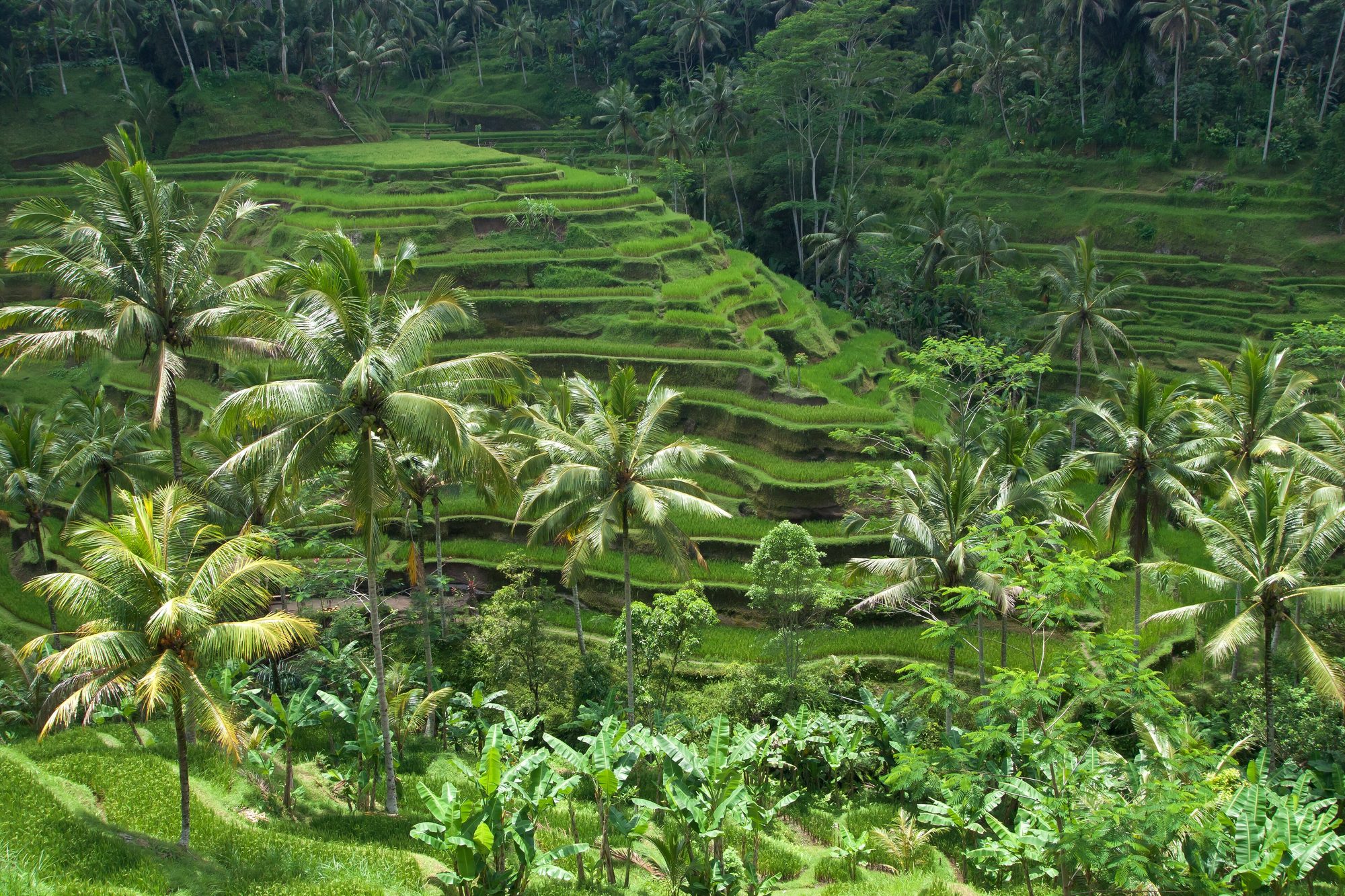 Photo: Vyacheslav Argenberg, CC BY 4.0
The Best Jungle Airbnbs in the World
Our honest, unpaid ranking of the jungle stays that changed what a night in the forest can be — from Bali's bamboo masterpieces to the floating bungalows of Thailand.
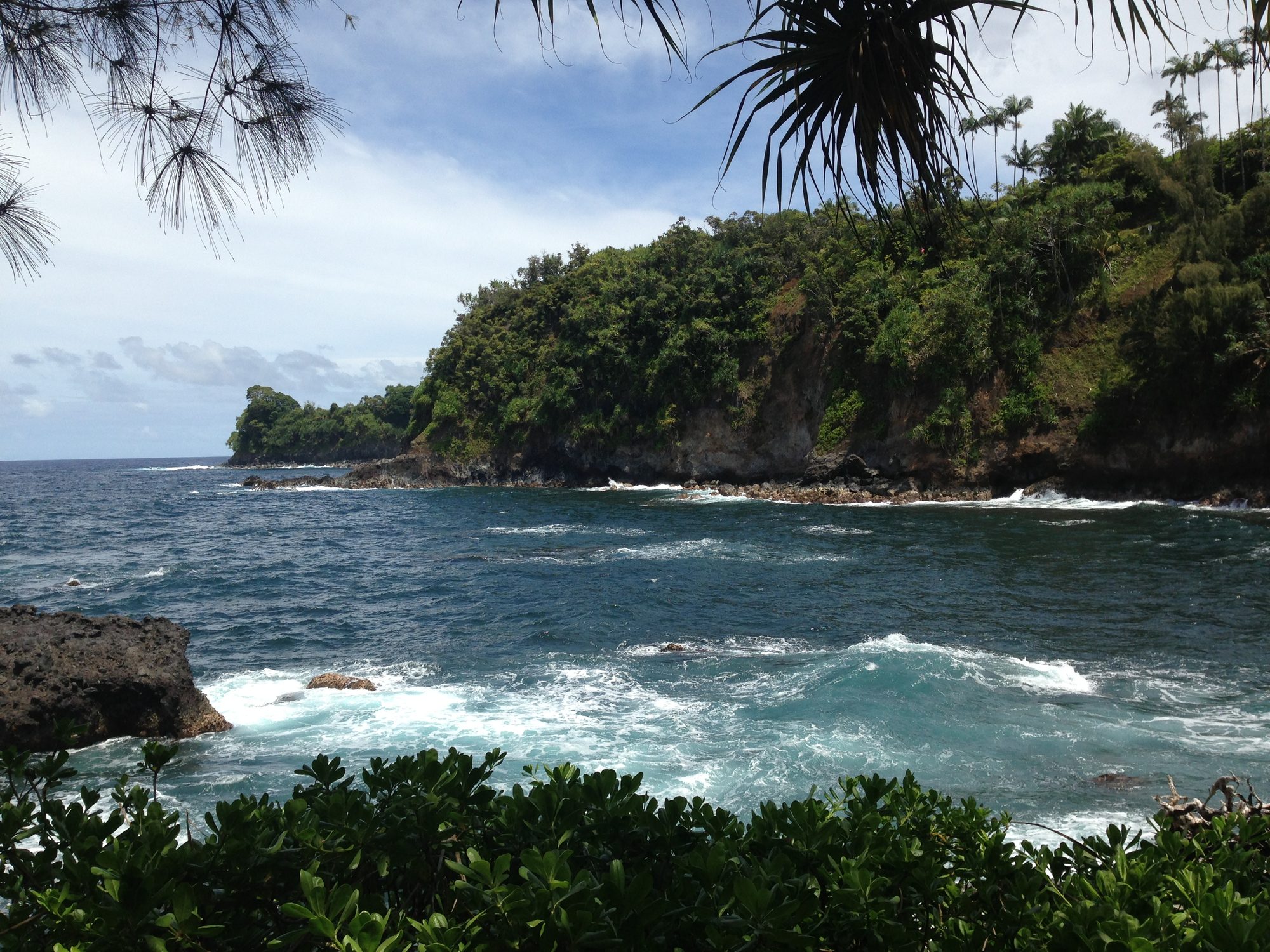 Photo: AlaskaDave, CC BY-SA 3.0
The Best Jungle Airbnbs in the USA
Real rainforest, no passport required — the best treehouses and bamboo houses across Hawai‘i, Puerto Rico and Florida.
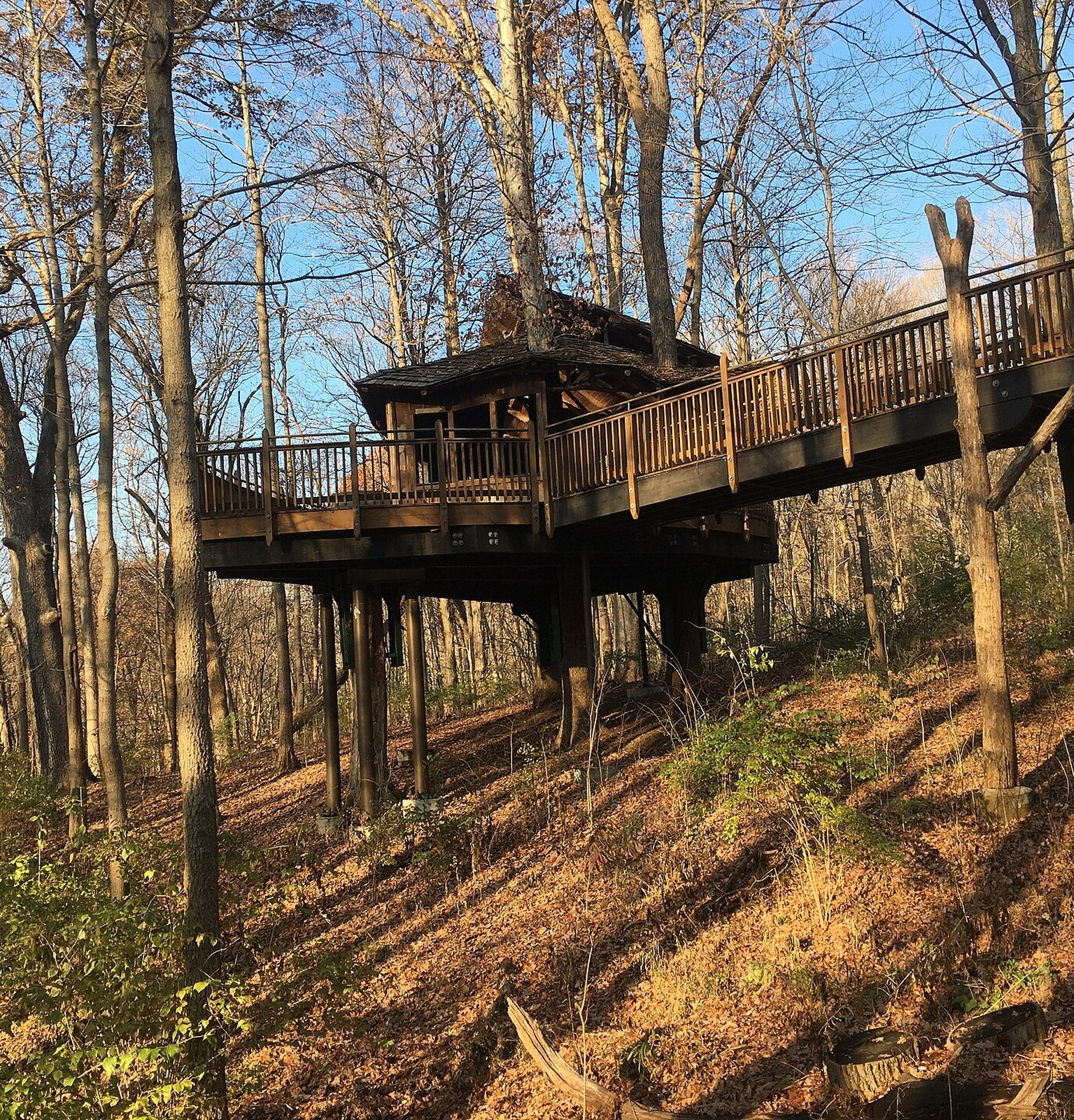
The Best Treehouse Airbnbs in the World
Our honest ranking of the treehouses worth crossing an ocean for — from canopy platforms in the Amazon to stilted glass boxes above the rainforest floor.
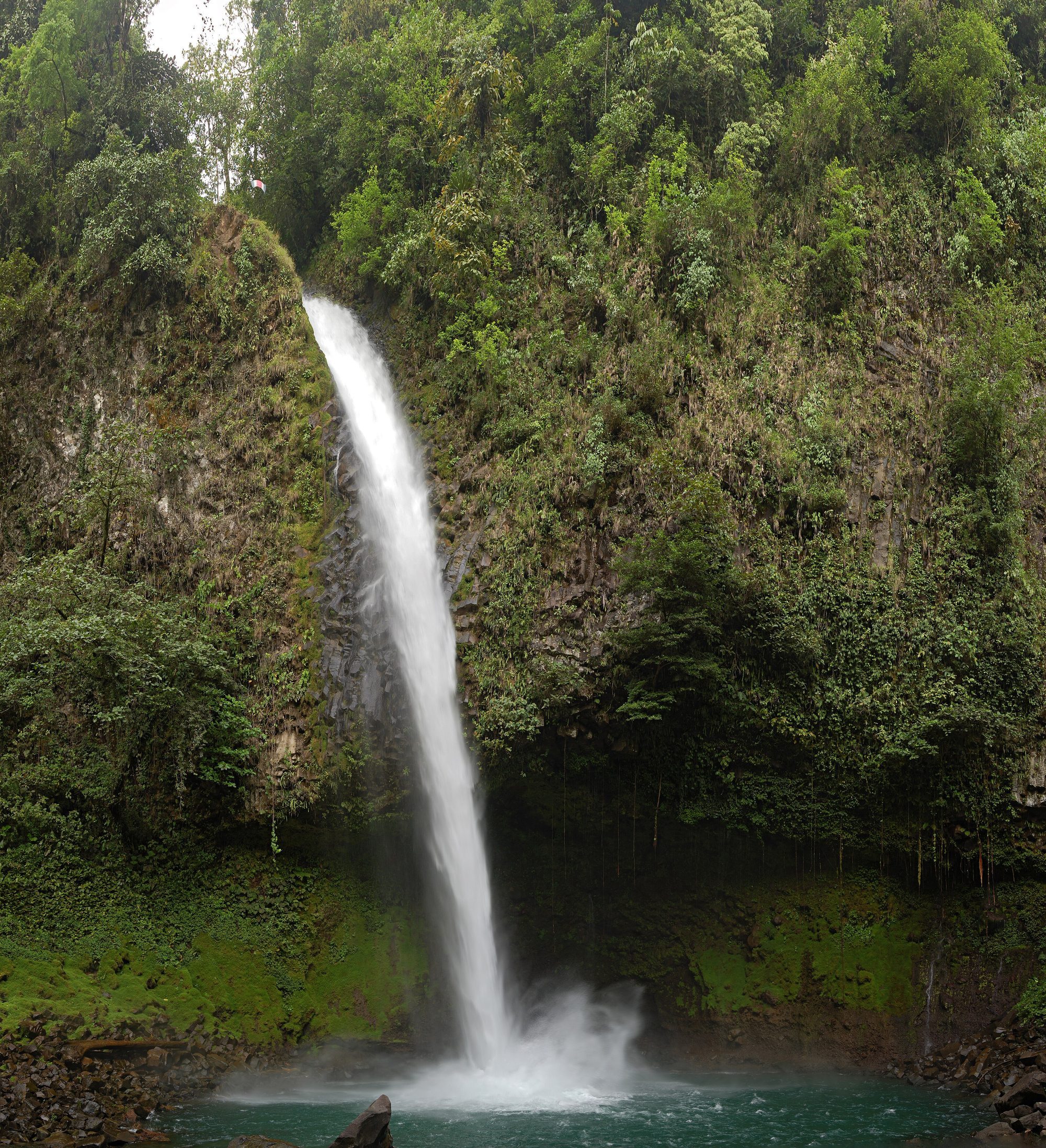 Photo: Derek Ramsey (Ram-Man), CC BY-SA 4.0