The Best Jungle Airbnbs in South America
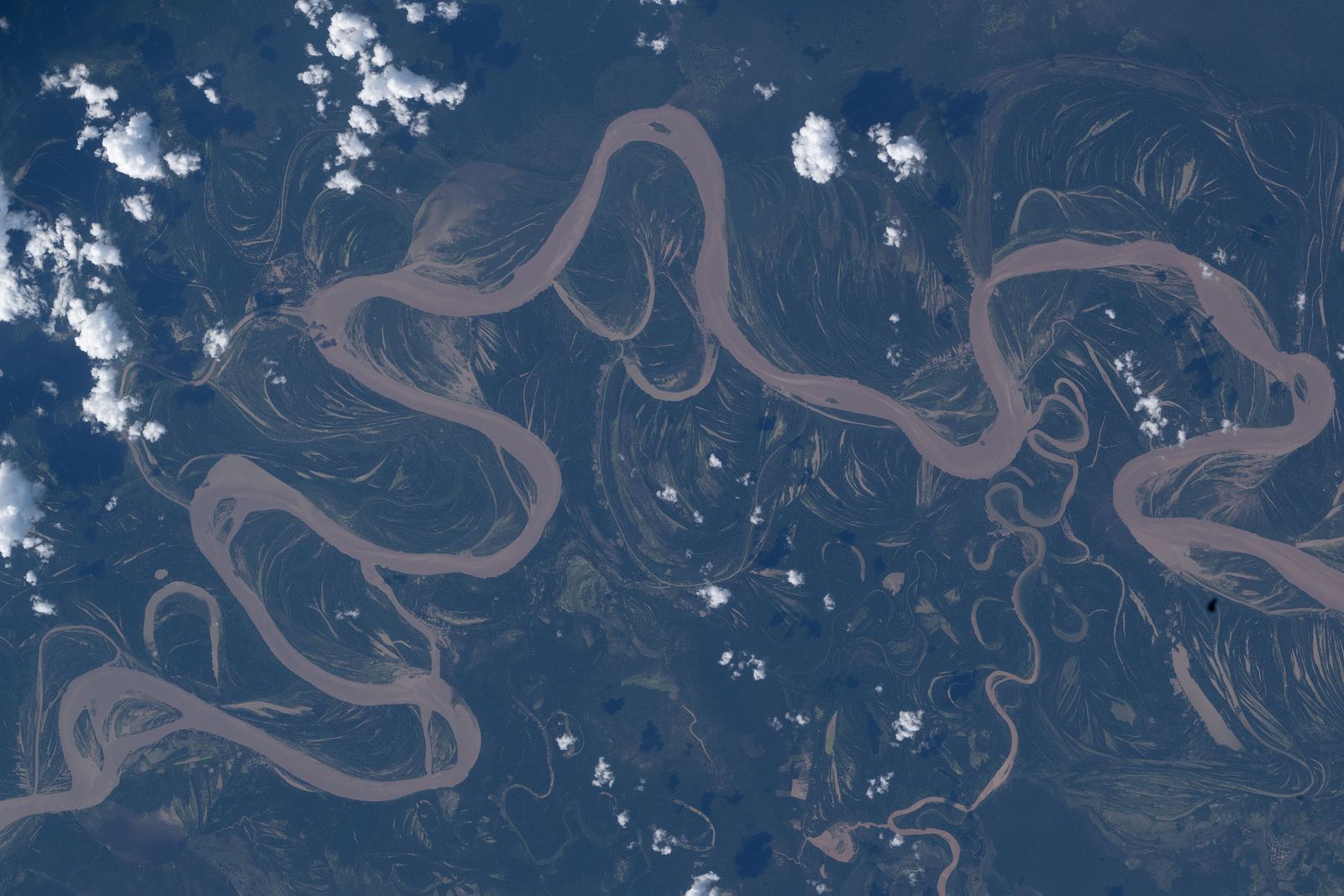
South America is the reason the words "jungle stay" mean anything at all — the Amazon basin alone holds more rainforest than the rest of the world combined, and it spills across Peru, Brazil, Ecuador and Colombia before you even get to the cloud forests stacked up the Andes above it. This is our honest shortlist of the stays worth the flights and the river transfers, ranked, researched, and with nothing here because someone paid for it.
What makes the list
We're not ranking hotels with good views. To make this list, a stay has to actually sit inside the forest canopy or on its edge — not on a manicured lawn a shuttle-ride away from it — and it has to be something you can genuinely book, not a fantasy render on a developer's website. We looked for real architecture, real operators, and a real address, and we cut anything we couldn't independently confirm was still open and taking guests. That last part matters more in South America than almost anywhere else we cover: jungle lodges here open, change hands, close for a season, or quietly stop answering email more often than the glossy write-ups let on, so every pick below is cross-checked against its own current site.
One honest caveat before we start: this region, more than Bali or Costa Rica, leans toward boutique lodges rather than single whole-home Airbnb listings. There's a reason for that, and we get into it further down. For now, know that we've flagged the type of stay on every entry, and if it's a lodge with multiple rooms rather than a standalone home, we say so plainly.
Getting to any of these is part of the trip, not a chore to get through first. Peru's Yarapa River and Tambopata lodges are both reached through gateway cities — Iquitos for the former, usually via a connection through Lima; Puerto Maldonado for the latter, usually via Lima or Cusco — followed by a road or river transfer that most lodges arrange as part of the booking. Brazil's Rio Negro lodges start from Manaus, which has direct flights from several Brazilian hubs and a handful of international routes. Ecuador's cloud forest is the easiest of the three to reach on your own: Mindo is a two-to-three-hour drive from Quito, doable as a day trip if you're short on time, though every lodge in that section is worth an overnight or two rather than a rushed loop through in an afternoon.
Peru's canopy treehouses
If South America has a single stay that put the region on the jungle-architecture map, it's this one. The rest of Loreto's lodges tend to sit at ground level with a canopy tower bolted on nearby; this one lives in the trees itself.
Treehouse Lodge sits on the Yarapa River in the Peruvian Amazon, close to the Pacaya-Samiria National Reserve, and it was named by National Geographic among the world's most unusual hotels for good reason: twelve individual treehouses are raised between roughly twenty-five and seventy-five feet off the forest floor, connected by suspension bridges and reached by ladder. Some have names of their own — Dos Ramas, the eighty-two-foot Casa Alta, and Wimba House, the newest and tallest, built into the crown of a wimba tree with a lightweight iron frame rather than more timber cut from the forest around it. There's no electricity in the rooms after dark beyond battery lanterns, which is either the whole point or a dealbreaker depending on who you ask — we'd say it's the point. Reachable only by a multi-hour river journey from Iquitos, this is about as deep into the real Amazon as a first-time visitor comfortably gets. (Treehouse Lodge)
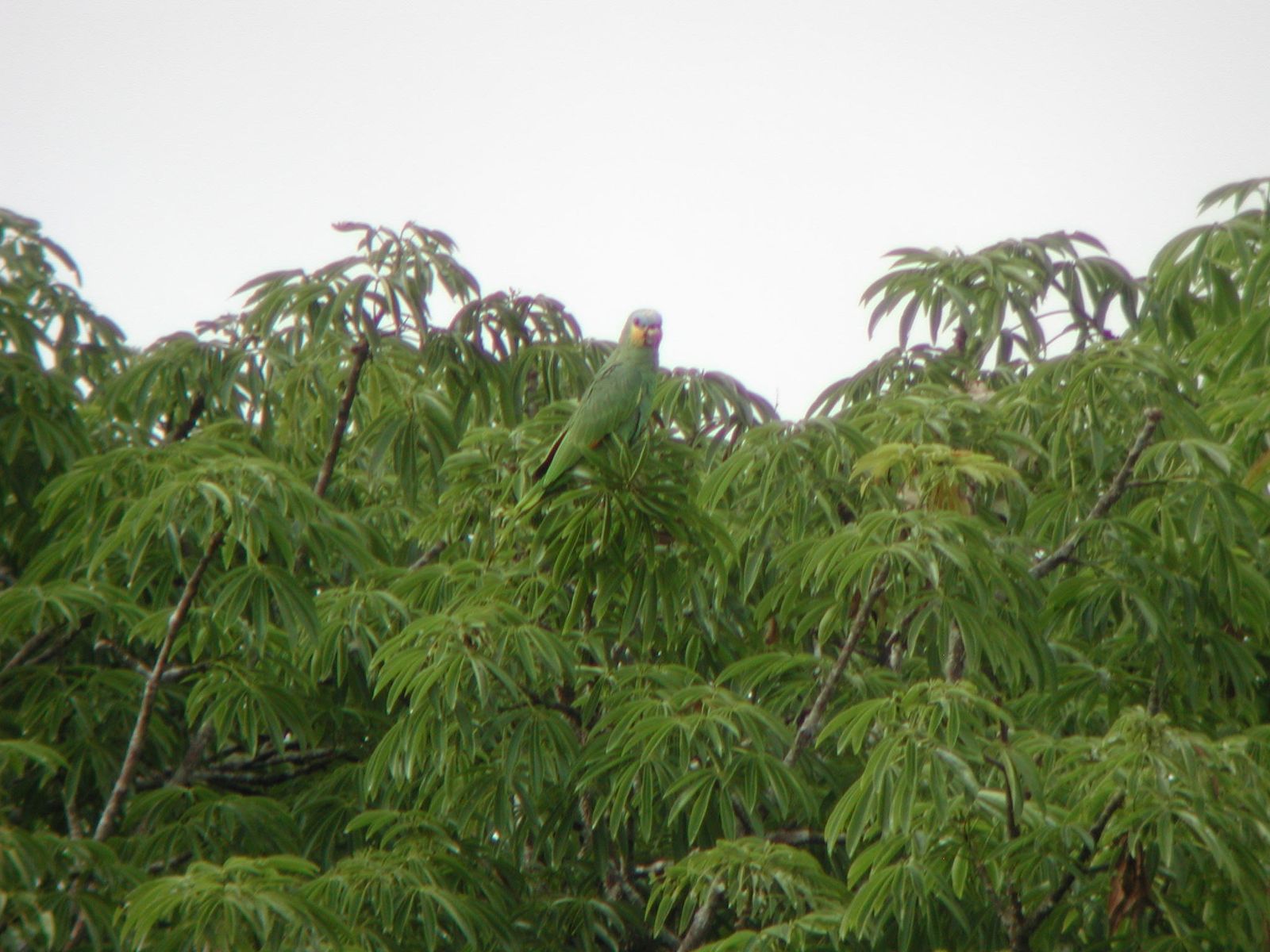
What Treehouse Lodge does that a canopy tower can't is put you at eye level with the forest around the clock, not for the twenty minutes you spend up top on a scheduled walk. You wake up level with a howler monkey troop instead of underneath one. It's the reason this stay keeps appearing on unusual-hotel lists a decade after it opened, and the reason it sits at the top of ours.
A canopy tower gets you twenty minutes at the top of the forest. A treehouse gets you the whole night.
Beyond Treehouse Lodge, the Iquitos side of the Peruvian Amazon has a working circuit of ground-level lodges with canopy-tower add-ons rather than true treehouses — worth knowing if you want variety on a longer trip, but none of them clear our bar for this particular list on architecture alone.
Tambopata's community-run lodges
South of Iquitos, in the Madre de Dios region near Puerto Maldonado, the Tambopata National Reserve runs a different model: lodges built and partly owned by the indigenous communities whose land borders the reserve, funding conservation directly through tourism rather than around it. It's a genuinely different trip from the Yarapa River — flatter, denser with wildlife-viewing infrastructure, and built for longer stays deeper into primary forest the further in you go.
Posada Amazonas sits inside a roughly 9,500-hectare communal reserve belonging to the Ese Eja native community of Infierno, reached by an hour on the road out of Puerto Maldonado and then an hour up the Tambopata River. The lodge itself is simple — open-air rooms with a jungle-facing wall left unglazed — but the draw is a canopy tower rising more than forty meters above the forest, built on scaffolding rather than a single tree, giving a wide, stable platform over the reserve at dawn, when the macaws and toucans are loudest. It's co-owned and largely staffed by the Ese Eja community, which is as close as lodge tourism here comes to putting the benefit where the forest actually is. (Featured in Go Andes' Amazon lodge guide)
Refugio Amazonas is the sister lodge further upriver, built for travelers who've already done the easy day trip and want two or three more hours of river between them and the nearest town. It shares Posada Amazonas' open-sided, palm-thatched design and its community ties, but it sits closer to the reserve's interior — better odds at a clay lick sighting, quieter at night, and noticeably fewer other guests. Together the two lodges are a good argument for treating Tambopata as a multi-night trip rather than a single stop: stay a night near the entrance, then push further in. (Go Andes' Amazon lodge guide)
Inkaterra Reserva Amazonica is the most polished of the Tambopata-area lodges, with treehouse-style casitas connected by raised canopy walkways so you can move between the main lodge and your room without touching the forest floor. It's a longer-running, more built-out operation than the community lodges upriver, with its own conservation research program running alongside the guest side of the business, and it tends to be the pick for travelers who want the Amazon experience without giving up hot water and a proper bed. (Featured in a roundup of Peruvian Amazon lodges)
Good to know
Every lodge in this section is reached by boat, not road, and most itineraries book the river transfer as part of the stay rather than leaving you to arrange it. Build a buffer day into flights either side — Amazon river levels and small-plane schedules both move around, and a missed connection here costs you a night, not an hour.
Brazil's Rio Negro
Head south and east into Brazil's Amazonas state and the forest changes character. Around Manaus, the black-water Rio Negro floods a huge stretch of forest for months of the year, creating the flooded-forest ecosystem — igapó — that the Anavilhanas Archipelago is built on, over four hundred islands in a river channel wide enough to be mistaken for a lake. This is where Brazil's best jungle architecture lives, and it looks nothing like the treehouses further north.
Mirante do Gavião is the design standout of the group — an award-winning lodge with curved wooden suites built using traditional Amazonian boat-building techniques, set on lookouts over the Rio Negro where guests can swim with the region's pink river dolphins. It's a small, deliberately quiet operation rather than a resort, built by people who clearly understood that the river view was the whole design brief and got out of its way. (Brazil Nature Tours; more of the region in Brazil)
Anavilhanas Jungle Lodge, about a hundred and eighty kilometers outside Manaus on the margins of the Rio Negro, is the bigger, more amenity-heavy option — sixteen standard cottages plus superior and panoramic bungalows, all raised on stilts with thatched roofs to keep the footprint light on a forest that floods seasonally. There's a pool overlooking the archipelago, a floating bar, and a viewpoint that looks out over open water and forest in equal measure. It's less architecturally daring than Mirante do Gavião, but it's the more practical base if you're traveling with a group or want the option of air conditioning after a day on the water. (Anavilhanas Jungle Lodge)
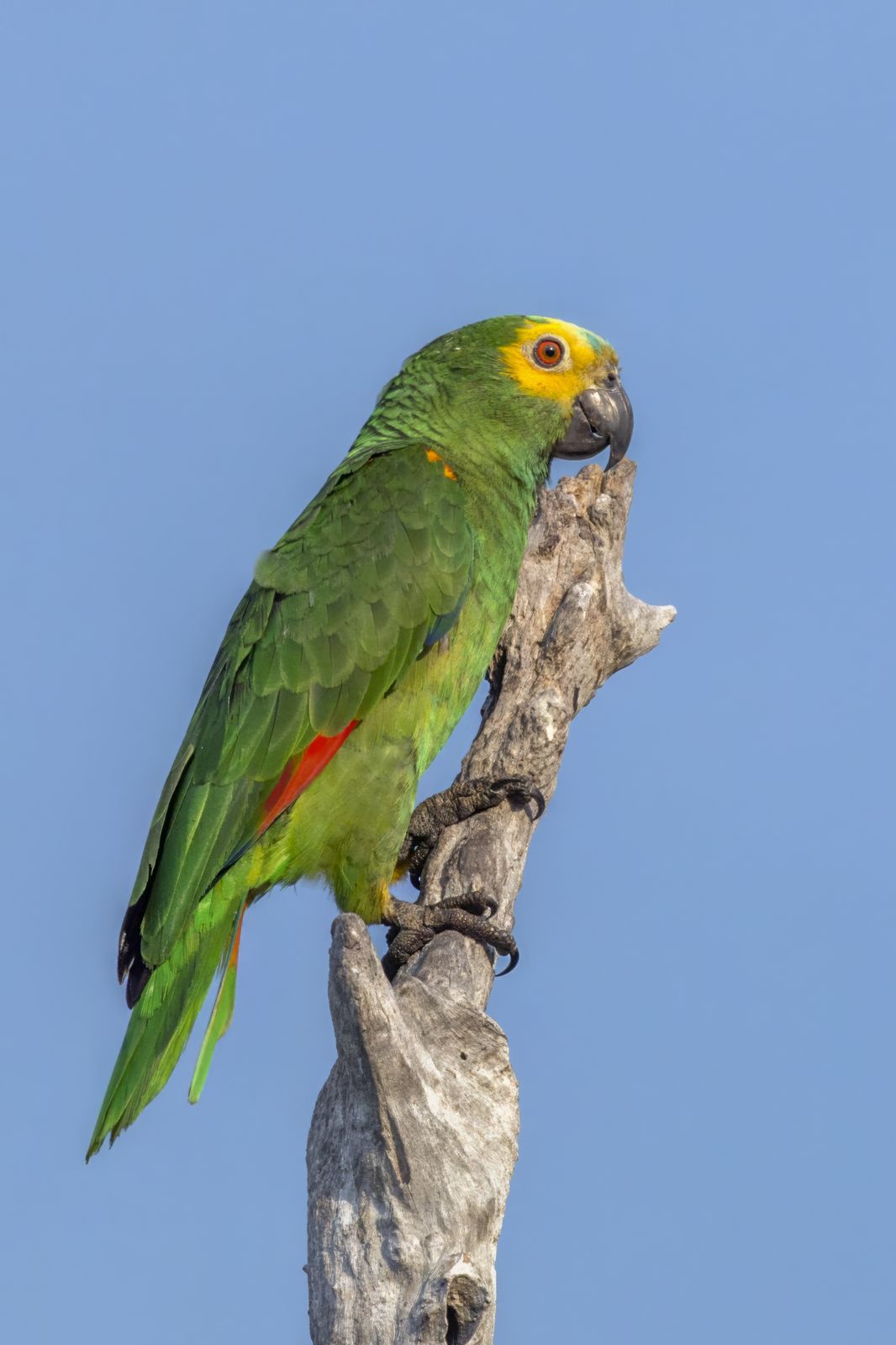
Both Rio Negro lodges are genuine day-trip-from-Manaus territory, which makes this stretch of Brazil one of the more accessible entries on this list — no bush plane required, just a road transfer and a short boat ride. It's worth building the trip around water levels: the archipelago genuinely looks different underwater-forest in high water versus exposed sandy beaches in low water, and both seasons have their own appeal.
Ecuador's cloud forest
This is the entry in the dek that surprises people: cloud forest isn't lowland Amazon jungle, and the stays built for it look and feel completely different. Northwest of Quito, the Andes drop from the páramo into a band of forest that sits permanently in mist — cooler, greener, dripping with moss and bromeliads, and famous among birders for hosting hundreds of species in a compressed range. Mindo, a couple of hours from the capital, is the easiest base to reach; the Mashpi reserve further west is the more remote, more architecturally ambitious version of the same idea.
Mashpi Lodge is the architectural outlier of this whole list — a minimalist, glass-walled structure set inside a private cloud-forest reserve, built to frame the forest rather than blend into it the way a bamboo or thatch lodge would. Floor-to-ceiling windows run the length of the building, and the reserve runs its own research and reforestation program alongside the guest program, which is part of why the surrounding forest has stayed so thick with hummingbirds, frogs and orchids. It reads more like a design hotel than a jungle lodge, and that contrast is exactly why it belongs on this list. (Journey Latin America)
8. El Monte Sustainable Lodge — Mindo, Ecuador
Six thatched cabins built in a traditional indigenous style, dissected by the river that runs past them, and powered entirely by solar panels and a small hydroelectric setup rather than a diesel generator. El Monte is rustic in the way the cloud forest itself is rustic — no televisions, patchy signal, a lot of birdsong — and it's one of the longer-running, more genuinely off-grid stays in the Mindo valley. (El Monte Sustainable Lodge)
9. Las Terrazas de Dana — Mindo, Ecuador
A pioneering eco-lodge that blends metal-frame construction with traditional Ecuadorian building techniques, set up specifically for birders — Mindo's cloud forest is one of the most concentrated birding destinations on the continent, and this lodge's terraces and feeders are built around that fact rather than treating it as a side activity. Less photogenic than Mashpi, more useful if the real reason you're going is the birds. (Las Terrazas de Dana)
10. Casa Divina Eco Lodge — Mindo, Ecuador
Private cabins handcrafted from locally harvested timber, set inside the cloud forest rather than in the town of Mindo itself. It's the smallest and most personal of the Ecuador entries here — a family-run operation rather than a branded lodge chain — and a reasonable pick if the other two feel too polished or too niche. (Casa Divina Eco Lodge)
A word on Colombia, since it's the other obvious candidate for this list: the country has real jungle and cloud-forest territory of its own, from the Sierra Nevada de Santa Marta down to its own slice of the Amazon near Leticia, but we haven't yet found a stay there that clears the bar we're holding everything else on this page to — verifiably open, architecturally worth the trip, independently confirmable. When one does, it'll go here. Until then, browse what's already vetted in Colombia and we'll keep looking.
Best time to go
The Peruvian and Brazilian Amazon both run on a rough wet-and-dry cycle rather than four seasons: roughly November through May is the high-water period, when rivers rise, more of the flooded forest is navigable by boat, and rain is frequent but usually short; roughly June through October is lower water, easier hiking, and — around Tambopata especially — better odds at the clay licks where macaws gather, since the exposed riverbank draws them out. Neither season is objectively better; high water gets you deeper into the canopy by boat, low water gets you further on foot. Check with the specific lodge before you book, since river levels shift the itinerary more than the calendar does.
Ecuador's cloud forest doesn't really have a dry season in the way the lowlands do — mist and light rain are close to a daily fact of life at that altitude, which is why the forest looks the way it does. Mornings tend to be clearer than afternoons, which is part of why most lodges here push wildlife walks and birding out early.
Whole-home or lodge
If you've read our best jungle Airbnbs in the world list, you'll notice this one leans further toward lodges and further away from single whole-home rentals booked directly on a platform. That's not us being lazy about it — it's a genuine feature of the region. Bali and Costa Rica have decades of individual owner-builders putting up architecturally distinct homes and listing them themselves; the deep Amazon, by contrast, is largely reached and served by a smaller number of established lodge operators, often built in partnership with the indigenous communities whose land the forest actually is, because the logistics of river access, permitting and guiding make a single self-catering house a much harder thing to run safely out there.
None of that makes the stays above less worth booking — several of them are genuinely small, individually run and about as far from a resort as you can get while still having a bed and a bathroom. It just means the smart move, if you specifically want a whole-home rental with a private jungle setting, is to look closer to a town: Brazil's coastal and edge-of-forest destinations have more of them than the deep river lodges do, and it's worth browsing the full directory before you commit to a region.
It's also worth being honest about cost. Deep-Amazon lodges are almost never priced per room the way a city hotel is — most sell multi-night, all-inclusive packages that bundle the river or road transfer, meals, and guided excursions into one rate, because there's genuinely nowhere else to eat once you're a few hours upriver and no way to explore the reserve without a guide who knows it. That bundled pricing can look steep next to a self-catering jungle house you found and booked yourself, but it's covering real logistics, not padding a margin. Mindo's cloud-forest lodges are the exception here — closer to Quito, cheaper to reach, and more likely to offer a simple room-only rate if you'd rather arrange your own meals and hikes.
What the best share
Set the ten stays above side by side and a pattern shows up fast. None of them are generic — each one is built around a single defining feature of its specific patch of forest, whether that's a wimba tree, a canopy tower over a macaw clay lick, or a curved suite shaped like an Amazonian boat. Most of them fund or directly involve the communities whose forest they sit in, which in this part of the world is less a marketing line than a practical necessity — you don't get a lodge built forty meters up in Tambopata without the reserve's own community putting it there. And nearly every one of them takes real effort to reach: a river transfer, a small plane, a winding mountain road. That inconvenience is not a flaw in the system. It's most of the reason these places still feel like somewhere, rather than a version of everywhere else with better wifi.
If South America's jungle architecture has you thinking about treehouses generally rather than this one region, our best treehouse Airbnbs in the world roundup pulls in Southeast Asia, Central America and the Pacific too. And if you're weighing whether any of this is worth the trip at all, we made the case in why jungle stays are booming.
Common questions
Is it safe to stay this deep in the Amazon?
Every lodge on this list operates guided trips as standard — you won't be handed a canoe and a map. Reputable operators carry satellite communication, run their own boats or planes, and have done this for years. The bigger practical risk is usually logistics, not safety: missed river transfers, weather delaying a small plane, that kind of thing. Build slack into your itinerary rather than flying in the day before.
Do I need vaccinations or malaria prophylaxis?
This varies by country and by how deep into the forest you're going, and it changes over time, so it's a question for a travel clinic or your doctor rather than a travel article — don't take medical advice from a jungle-stay ranking. Bring the question up early, since some recommended courses need to start weeks before you fly.
What's the difference between Amazon lodges and Ecuador's cloud forest?
Elevation, mostly. The Amazon lodges in this list sit at low elevation in hot, humid lowland rainforest, often on or near a river. Ecuador's Mindo and Mashpi stays sit high in the Andean foothills, where the air is cooler, near-constantly misty, and the forest is a genuinely different ecosystem — cloud forest rather than lowland rainforest — with different wildlife and a different feel entirely.
Can I book these directly, or do I need a tour operator?
Most of the lodges above take direct bookings through their own sites, which is what we've linked to. Some travelers still prefer to route bookings through a specialist Latin America operator, especially when stitching together several lodges and internal flights in one trip — either approach works, but book direct if you'd rather deal with the lodge itself.
Are there true whole-home rentals in the South American jungle?
Yes, though they're more common at the edges of the forest — near coastal towns and smaller cities — than deep in the river lodges above. If that's specifically what you want, start with the country pages in our directory rather than the deep Amazon.
Which pick is best for a first-timer with limited time?
Brazil's Rio Negro lodges are the most accessible on this list — a short flight to Manaus and a road-and-boat transfer, rather than a multi-day river journey. If you have more time and want the deepest experience, Peru's Yarapa River and Tambopata options are worth the extra travel.
What should I actually pack?
Lightweight, quick-dry clothing that covers your arms and legs at dusk, a real rain jacket rather than a fashion one, a headlamp with spare batteries, and stronger insect repellent than you think you need — humidity in both the lowland Amazon and the cloud forest is high enough that nothing dries overnight. Most lodges supply rubber boots for muddy trails, but it's worth checking before you pack your own pair and waste the luggage space.
Whichever region you land on, the through-line is the same one that runs across every list we publish: real forest, real builders, real bookings. Explore more of what's vetted across Peru, Brazil and the rest of the directory, or keep reading in the best off-grid jungle cabins roundup if power outlets were never really the point for you anyway.
- Treehouse Lodge — official site, treehouse names, elevations and location on the Yarapa River.
- Go Andes: Recommended Amazon Jungle Lodges in Peru — Posada Amazonas and Refugio Amazonas, Tambopata Reserve details.
- Peruvian Amazon Lodges roundup — Inkaterra Reserva Amazonica and wider Madre de Dios context.
- Brazil Nature Tours: Mirante do Gavião — design, location and dolphin swims on the Rio Negro.
- Anavilhanas Jungle Lodge — official site, cottage and bungalow counts, Novo Airão location.
- Journey Latin America: Mashpi Lodge — cloud-forest reserve and architecture.
- El Monte Sustainable Lodge — official site, solar and hydro power, cabin design.
- Las Terrazas de Dana — official site, construction and birding focus.
- Casa Divina Eco Lodge — official site, cabin construction, Mindo cloud forest.
More from the Journal.
 Photo: Vyacheslav Argenberg, CC BY 4.0
The Best Jungle Airbnbs in the World
Our honest, unpaid ranking of the jungle stays that changed what a night in the forest can be — from Bali's bamboo masterpieces to the floating bungalows of Thailand.
 Photo: AlaskaDave, CC BY-SA 3.0
The Best Jungle Airbnbs in the USA
Real rainforest, no passport required — the best treehouses and bamboo houses across Hawai‘i, Puerto Rico and Florida.
 Photo: Bernard DUPONT from FRANCE, CC BY-SA 2.0
The Best Treehouse Airbnbs in the World
Our honest ranking of the treehouses worth crossing an ocean for — from canopy platforms in the Amazon to stilted glass boxes above the rainforest floor.
 Photo: Derek Ramsey (Ram-Man), CC BY-SA 4.0
Find your own piece of the canopy.
Treehouses, bamboo houses and rainforest villas across 17 destinations — found, vetted and written up honestly.
Browse all destinations