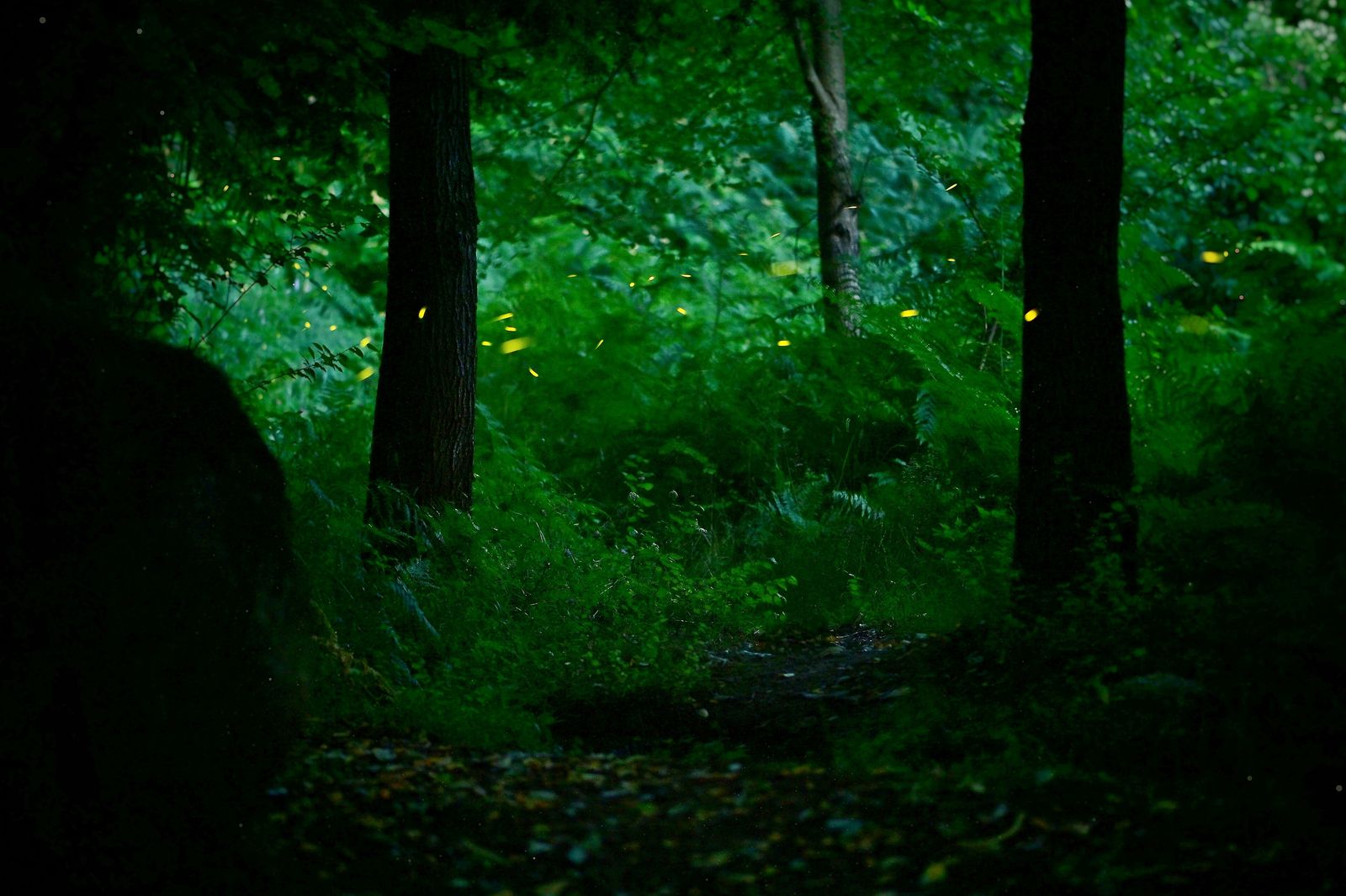
Fireflies & Bioluminescence in the Jungle
There's a particular kind of quiet that falls over a group of people the first time they watch a forest start to glow on its own. Not fire, not a flashlight left on by accident — the forest itself, lighting up in pulses along a creek bed, in patches on a rotting log, or across an entire bay when a paddle drags through the water. Bioluminescence is real, it's widespread across the tropics, and almost none of it works the way people expect going in. This guide covers the three big versions jungle travelers actually chase — synchronous fireflies, glowing fungi, and bioluminescent bays — where each one genuinely happens, when the odds are actually good, and how to see it without ruining it for the organisms doing the glowing.
What's actually glowing, and why
Bioluminescence is a chemical reaction, not magic, and it's worth understanding the basic mechanism before chasing any of it, because the mechanism is exactly what determines where you'll find it and when. In every case — firefly, fungus, or single-celled dinoflagellate in a bay — an organism produces a molecule called luciferin, and an enzyme called luciferase causes it to react with oxygen and release energy as light instead of heat. It's the same underlying chemistry across wildly different branches of the tree of life, which is one of the stranger facts in biology: fireflies, fungi, and marine plankton independently evolved versions of the same basic trick, for three completely different reasons.
Fireflies glow to find mates. Each species has its own flash pattern — a rhythm, a color, a duration — and in most fireflies that pattern is a private signal between males flashing in flight and females answering from the grass below. Synchronous fireflies take that one step further: entire populations of males flash in unison, dark stretches and bursts of light rolling across a hillside together, which turns an already striking mating display into one of the more genuinely astonishing things you can see in a temperate or tropical forest after dark. Bioluminescent fungi glow, as far as researchers can tell, to attract insects that help disperse their spores — a slow, steady green light on a rotting log or a cluster of mushrooms rather than a flash. And the dinoflagellates behind a glowing bay glow defensively: a burst of light when the water is disturbed, meant to startle a predator or draw the attention of something bigger that might eat the predator in turn, a strategy marine biologists call the "burglar alarm" effect.
None of these are rare on a planetary scale — bioluminescence shows up across an enormous range of marine life, from anglerfish to jellyfish to the plankton that make a wake glow behind a boat at sea. What makes the three in this guide special is that they're accessible from land, near jungle and coastal stays, on a schedule you can actually plan a trip around.
It's the same chemistry every time — a molecule, an enzyme, and oxygen — used by three completely unrelated organisms for three completely different reasons: to find a mate, to spread spores, or to startle a predator.
Synchronous fireflies: the science behind the light show
Of roughly 2,000 firefly species worldwide, only a small number are known to synchronize their flashing, and the phenomenon remained something close to a folk claim in the United States until researchers began seriously studying it in the Great Smoky Mountains in the 1990s. The species responsible there, Photinus carolinus, produces a distinctive pattern: five to eight quick flashes followed by roughly six to nine seconds of total darkness, repeated by males across an entire hillside at once, then a pause, then the whole population lights up again. Scientists still don't have a fully settled answer for why synchrony evolved, but the leading explanation is that flashing in unison makes it easier for females — which respond from low in the vegetation with a single answering flash — to distinguish a genuine mate's rhythm from the visual noise of hundreds of other males flashing out of sync.
Synchronous species aren't limited to one pattern or one place. The fireflies at Congaree National Park in South Carolina, for instance, are a different species entirely — Photuris frontalis, sometimes called "snappy sync" or "blue ghost" fireflies in different regions — with a faster, more strobe-like flash than the slower pulse-and-pause rhythm in the Smokies. Mangrove-dwelling fireflies in parts of Southeast Asia synchronize too, but continuously through the night rather than in the pulsing bursts typical of North American species, turning riverside trees into something that looks, from a boat, like a string of Christmas lights all blinking on the same beat.
Why it's genuinely rare to witness
- The display window is short — typically two to three weeks per year, tied tightly to temperature and soil moisture rather than a fixed calendar date.
- Peak nights fall in a narrow band after the fireflies emerge and before the population's mating activity tapers off, and even park scientists can only estimate the window a few weeks in advance.
- Weather matters as much as the calendar — a cold snap or a dry spell can delay or shorten a season that was otherwise on track.
- Access is often deliberately limited (more on that below), which protects the display but also means you can't simply show up and expect a spot.
Good to know
"Synchronous" doesn't mean every firefly in the forest, or even every firefly of the same species, flashes in perfect lockstep the second the display begins. Synchrony builds — a few individuals start, nearby males pick up the rhythm, and within a few minutes a hillside that started with scattered, random blinking is pulsing together in waves. Give it time after you sit down; the best synchrony usually isn't in the first ten minutes.
Where to see synchronous fireflies
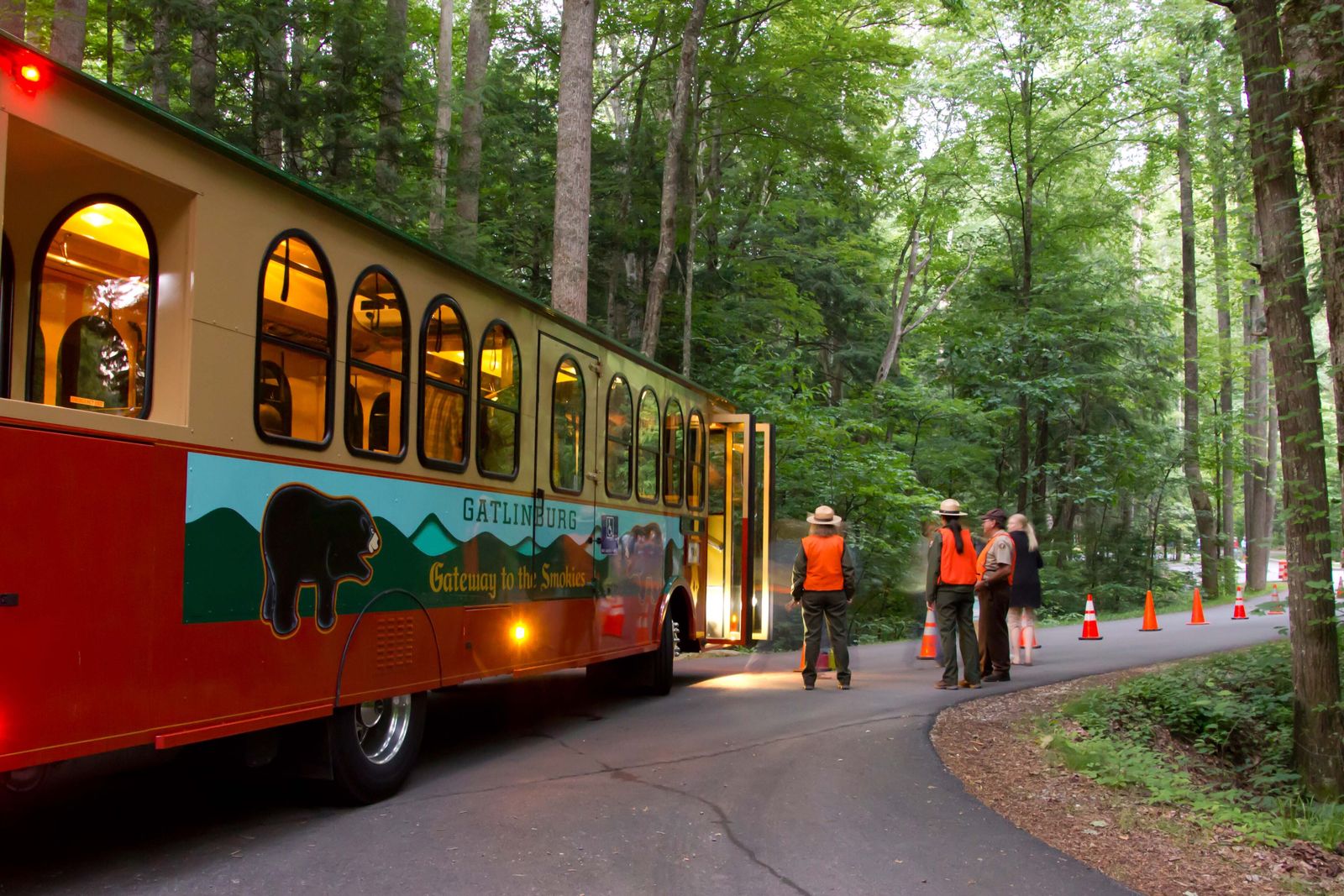
Great Smoky Mountains National Park, on the Tennessee side around Elkmont, is the most famous synchronous firefly site in the United States and the one with the most rigorous access system, because it's also the most crowded. The National Park Service opens a lottery through Recreation.gov each spring for a limited number of vehicle passes during the roughly one-to-two-week peak viewing period, which typically falls somewhere in the late-May-to-early-June window depending on that year's weather. Sightings have also been reported in the park's Cataloochee Valley, with less infrastructure and fewer crowds than Elkmont. If you don't win the lottery, Congaree National Park in South Carolina runs its own synchronous firefly event on a similar late-spring timeline, without the same lottery pressure, and its old-growth floodplain forest is a genuinely different, quieter setting to watch the display from a boardwalk after dark.
Outside the United States, the best-known synchronous firefly destination in the Americas is Nanacamilpa, in the highland forests of Tlaxcala state in central Mexico, where a cluster of community-run sanctuaries opens for guided night walks each summer. The fireflies there put on a display dense enough that some visitors describe walking through a fir forest that looks like it's full of falling sparks rather than individual insects, and access is tightly managed through guided tours specifically because uncontrolled foot traffic and light from cell phones and cameras have been shown to disrupt the display in years past.
Farther afield, several rivers in Malaysia — the Selangor River north of Kuala Lumpur is the most visited — are lined with mangrove trees where fireflies gather and flash together continuously through the evening, a display seen from a slow boat drifting along the riverbank rather than from a fixed viewing spot on land. It's a fundamentally different experience from the pulsing, pause-and-burst synchrony of North American species, but no less worth the trip if you're already traveling through Southeast Asia.
Planning around a short window
- Check each site's official channels in early spring — park services and local sanctuaries typically post an estimated peak window a few weeks ahead, not months.
- Build flexibility into your trip if you can; a rigid two-night visit timed months in advance is a real gamble against weather-driven timing shifts.
- Book lottery-based access (Elkmont) or guided tours (Nanacamilpa) as early as the system allows — both sell out.
- Have a backup site in mind. Congaree's more relaxed access makes it a sensible plan B if the Smokies lottery doesn't come through.
Bioluminescent bays: the water that glows
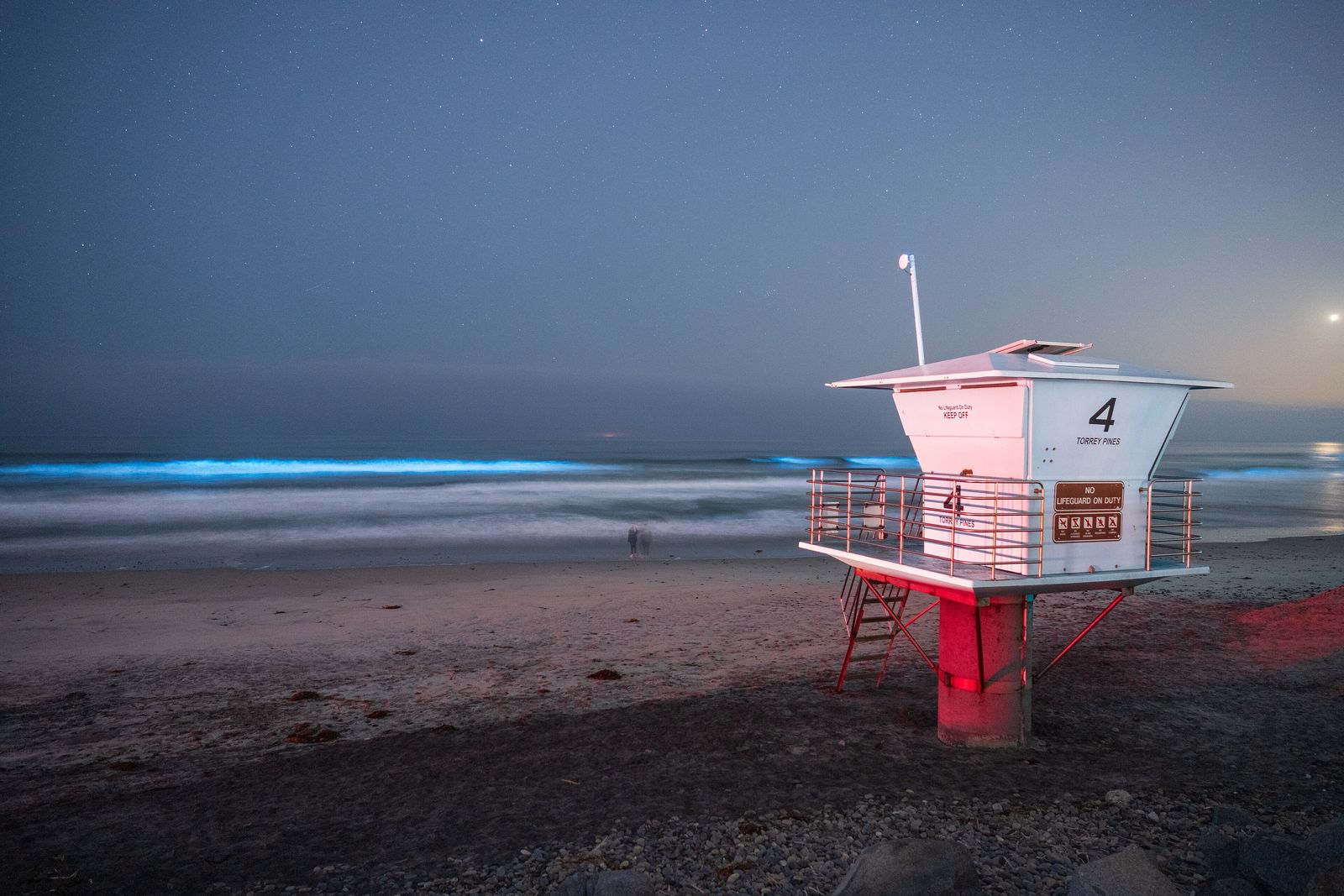
A bioluminescent bay is a body of water — usually a shallow, mangrove-lined lagoon with limited flushing to the open ocean — where the concentration of light-producing dinoflagellates is high enough that any disturbance in the water triggers a visible blue-green glow. The organism most responsible in the Caribbean's best-known bays is Pyrodinium bahamense, a single-celled dinoflagellate present in ordinary seawater almost everywhere in low numbers, but concentrated in a handful of bays worldwide to a degree that makes the glow dramatic and reliable rather than an occasional curiosity.
Puerto Rico is the epicenter for this phenomenon, home to three of the most consistently glowing bays anywhere: Mosquito Bay on the island of Vieques, La Parguera near Lajas on the southwest coast, and Laguna Grande near Fajardo on the northeast coast. Mosquito Bay is the standout of the three — Guinness World Records has recognized it as the brightest bioluminescent bay on the planet, a reputation built on dinoflagellate concentrations dense enough that a paddle stroke, a fish darting past, or a hand trailed through the water leaves a visible trail of blue light behind it. Access is by kayak only, both to protect the bay's chemistry from motorboat pollution and because the quiet of paddling is part of what makes the experience work — engine noise and bright lights both measurably dull the show.
Outside Puerto Rico, Jamaica's Luminous Lagoon near Falmouth, on the north coast in Trelawny parish, is another well-established, regularly toured bioluminescent site, fed by a mix of fresh river water and seawater that creates similar conditions for dinoflagellate concentration. Both destinations run nightly tours built entirely around the phenomenon, and both depend on the same environmental conditions to actually deliver.
What actually makes a bay glow brightly
- Moon phase — the single biggest factor. A new moon or a thin crescent produces the darkest water and the most visible glow; a full moon washes it out almost entirely, and most tour operators in Puerto Rico won't run trips the day before, day of, and day after the full moon because there's simply nothing worth showing.
- Water temperature — dinoflagellates are more active in warmer water, generally making the glow more vivid in the warmer months than in cooler ones.
- Cloud cover — a dark, overcast new-moon night is, somewhat counterintuitively, close to ideal, since less ambient light of any kind competes with the bioluminescence.
- Water disturbance — the glow is a response to movement, so a still bay looks unremarkable until a paddle, a fish, or a swimmer stirs it.
Glowing fungi: foxfire and the forest floor
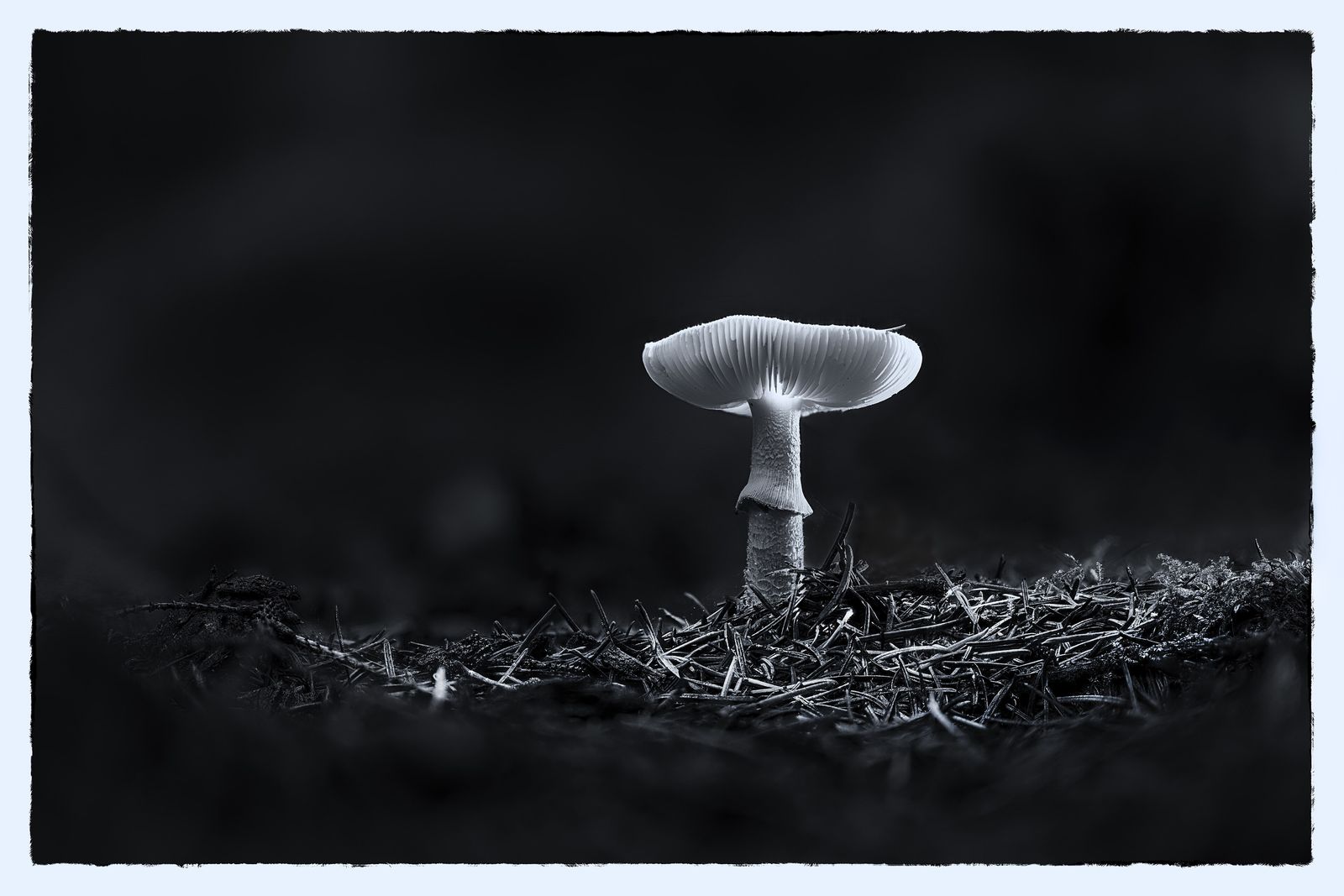
Long before anyone understood the chemistry, people across very different cultures had already noticed rotting wood and certain mushrooms glowing faintly in the dark, and gave it names — "foxfire" in Appalachian folklore, a phenomenon Aristotle himself wrote about in the fourth century BC. What's actually happening is that the mycelium — the fungus's underground or in-wood network of threadlike structures, of which a mushroom is only the visible fruiting body — produces the same luciferin-luciferase reaction as fireflies and dinoflagellates, resulting in a faint, steady green glow rather than a flash or a burst.
Of the roughly 80 known bioluminescent fungus species worldwide, one of the most striking and best documented grows in Brazil. Neonothopanus gardneri, known locally as flor de coco, was first documented in 1840 by the English botanist George Gardner, who reportedly came across local children playing with the glowing mushrooms in the streets of a town in Goiás state. It grows in the transitional coconut-palm forests between the Amazon and the drier Caatinga biome, across parts of the Brazilian states of Goiás, Piauí, Tocantins and Maranhão, typically found on decomposing dwarf palm trunks. Researchers studying it have found that its glow runs on an internal circadian rhythm — brightest at night, dimmer by day — regardless of whether it's kept in constant darkness in a lab, a detail that suggests the light genuinely functions as a signal to nocturnal insects rather than being a simple byproduct of metabolism.
Bioluminescent fungi in the wider Mycena genus turn up in tropical and subtropical forests in several parts of the world, and unlike a firefly display or a bio bay tour, there's no fixed schedule or dedicated attraction built around most of them — they're a genuine surprise find on a guided night walk, in the right humidity, on the right rotting log, rather than something you can book with any certainty.
What to actually look for
- Rotting logs and decaying wood, not living trees — bioluminescent fungi feed on dead and decomposing plant matter.
- A faint, steady green glow rather than anything bright enough to read by — your eyes need several minutes of full darkness adjustment before it's visible at all.
- Humid, warm conditions after rain, when fungal activity in general tends to be highest.
- A guide's flashlight turned off entirely for a stretch — this is the single most common reason visitors miss a glowing log that was right in front of them.
Best time and conditions for any of it
Each of the three phenomena in this guide runs on its own calendar, and none of them can be summoned on demand, which is worth internalizing before you build an entire trip around one specific night.
Synchronous fireflies
A narrow window, generally within late May through June across the sites covered here, shifting year to year with temperature and soil moisture. Warm, humid evenings with little wind tend to produce the most active and visible displays; go out around dusk and stay through full darkness, since the show typically builds over the first thirty to forty-five minutes rather than starting at full intensity.
Bioluminescent bays
Available most nights of the year, but strongly moon-dependent — plan around the days surrounding a new moon, avoid the days immediately before, during, and after a full moon, and check with your tour operator, since most in Puerto Rico won't run trips at all during the brightest lunar nights. Warmer months generally mean more dinoflagellate activity, though the bays remain a viable trip across most of the year given the right lunar timing.
Glowing fungi
The least predictable of the three, tied to humidity and recent rainfall more than a fixed season, and best treated as a bonus discovery on a guided night walk rather than the sole reason for a trip. If you're specifically hoping to see Brazil's flor de coco, the wetter months in its native range give it the best conditions to fruit and glow, though no operator can promise a sighting the way a bio bay tour can promise water that glows.
Good to know
Across all three, cloud-free, moonless darkness helps your eyes more than it helps the organisms — bioluminescence is happening regardless of ambient light, but your ability to perceive a faint glow drops sharply under any competing light source, including a bright phone screen checked mid-tour.
Seeing it responsibly
Every phenomenon in this guide is more fragile than it looks, and each has already been measurably damaged by well-meaning visitors in specific, documented ways — which is exactly why access to the best sites is often more restricted than travelers expect.
- No white light, ever, during a synchronous firefly display. Flashlights, phone screens, and camera flashes disrupt the flash patterns fireflies use to find mates, and repeated light pollution over a season can measurably suppress mating success. Parks and sanctuaries running organized viewings require red-light flashlights or no light at all once the display begins — bring one, don't assume you can just dim your phone.
- Don't touch, swim in, or apply sunscreen or bug spray before entering a bioluminescent bay. Dinoflagellate populations are sensitive to chemical contamination, and swimming has been restricted or banned outright in some of Puerto Rico's bays after documented die-offs linked to sunscreen, insect repellent, and motorboat fuel. Kayak tours exist partly to keep engines and their exhaust out of the water entirely.
- Leave fungi and rotting logs undisturbed. Bioluminescent mushrooms are part of an active decomposition ecosystem — breaking apart a glowing log for a better photo does real damage to a process a forest depends on, and disturbing an active fruiting body doesn't produce a better view anyway.
- Book through the actual managing authority or a licensed local operator. Sites like Elkmont, Congaree, and Puerto Rico's bays all have documented capacity limits for a reason; unlicensed tours and unauthorized after-hours access put real, cumulative pressure on ecosystems that a modest lottery or ticketing system is specifically designed to prevent.
- Stay on marked trails and boardwalks. Off-trail foot traffic during firefly season disturbs the leaf litter where larvae and pupae live for most of the year, long before they ever become the adults putting on the display you came to see.
Field tips for actually finding it
None of these three phenomena reward impatience, and a handful of practical habits make a real difference in what you actually end up seeing.
- Arrive before dark and stay through full darkness. Fireflies and fungi both need genuine, adjusted-eye darkness to be visible at their best, and a synchronous firefly display typically builds in intensity over its first thirty to forty-five minutes rather than opening at full strength.
- Use a red-light headlamp, not a white one, whenever you need to see your feet. Red light disturbs firefly behavior far less than white light and preserves your own night vision, which takes twenty to thirty minutes to fully develop and is instantly reset by a single bright flash.
- Sit still and give it time rather than walking and searching. Firefly synchrony and fungal glow are both easiest to notice from a fixed, quiet vantage point; movement and noise both work against a good sighting.
- Check the moon phase before booking a bio bay tour — this single piece of planning matters more than any other for that specific phenomenon, and operators will tell you plainly if conditions that week are poor.
- Bring a guide wherever one is available. A guide who works a specific bay, sanctuary, or forest regularly knows which weeks, which trees, and which stretch of water are actually delivering right now, which is information no amount of general trip research can substitute for.
- Don't expect to photograph it well with a phone. Genuine long-exposure photography of fireflies or a glowing bay requires a tripod and manual camera settings; most phone cameras will show you nothing but darkness, so it's worth deciding in advance to actually watch the display rather than spend the whole time failing to capture it.
Where to stay closest to it
If seeing one of these phenomena is the actual point of a trip, where you stay matters as much as when you go. Puerto Rico is the most efficient base of all — Vieques and the areas near Fajardo and La Parguera put you within a short kayak of a bioluminescent bay without needing to travel far from a jungle or coastal stay, and El Yunque National Forest, the only tropical rainforest in the U.S. National Forest System, is close enough to combine with a bio bay night on the same trip. Brazil is the destination for travelers specifically chasing glowing fungi, though it's worth going in with realistic expectations — flor de coco and its relatives are a night-walk discovery in the right region and season, not a scheduled attraction with a ticket booth. And if a Mexico trip is already on the calendar, the highland forests near Tlaxcala pair naturally with time in the Maya jungle around Tulum, giving a synchronous firefly detour a genuine second half to the itinerary rather than a standalone trip.
Wherever you land, night walks are the connective tissue between all three phenomena in this guide, and our guide to night walks in the rainforest covers the broader nocturnal wildlife — frogs, insects, the occasional kinkajou — that tends to turn up alongside any of these light shows. If you haven't settled on a destination yet, our roundup of the best jungle Airbnbs in the world is a reasonable starting point, and the broader case for why jungle stays are booming touches on exactly this kind of after-dark experience as one of the draws pulling travelers away from conventional resort trips. The full destinations directory is worth browsing too if you're weighing several regions against each other before you commit to one.
Common questions
What's the best single phenomenon to see if I can only pick one?
Bioluminescent bays are the most reliable of the three by a wide margin — they're available most nights of the year with the right moon phase, don't depend on a two-week seasonal window, and Puerto Rico makes them genuinely easy to combine with a broader jungle or beach trip. Synchronous fireflies are the more spectacular, once-a-year experience, but they demand far more precise timing and, at the most famous sites, a lottery win or an early-booked guided tour.
Can I see synchronous fireflies without a lottery win at Elkmont?
Yes. Congaree National Park in South Carolina runs its own synchronous firefly viewing on a similar late-spring timeline without the same lottery system, and Nanacamilpa's community-run sanctuaries in Mexico operate on guided tours booked directly rather than a competitive lottery. Cataloochee Valley, inside the Smokies but away from Elkmont, has also produced sightings with less infrastructure and fewer crowds.
Is it safe to swim in a bioluminescent bay?
Increasingly, no — several of Puerto Rico's bays have restricted or banned swimming specifically because sunscreen, insect repellent, and skin oils have been linked to documented drops in dinoflagellate populations. Most licensed tours today are kayak-only for exactly this reason, and following that rule is one of the most direct ways a visitor can help keep the bay glowing for the next trip.
Do I need a special camera to photograph any of this?
For a genuinely usable photo, yes — long-exposure settings and a tripod are close to essential for both fireflies and glowing water, and most phone cameras simply can't gather enough light to capture either well. It's worth treating the trip as an experience to watch rather than one to document, and letting a guide or a professional photographer's images fill in what your own camera can't.
Will bug spray or sunscreen ruin a firefly or fungi sighting the way it can ruin a bio bay?
Not in the same directly documented way, but it's still worth applying either well before you're in position and away from the immediate viewing area — strong scents and chemical residue are a reasonable precaution around any wildlife encounter, and it avoids a genuine risk to a bio bay if your itinerary happens to combine more than one phenomenon on the same trip.
What season should I actually book?
It depends entirely on which phenomenon you're chasing. Synchronous fireflies at Elkmont, Congaree, and Nanacamilpa cluster in a narrow late-spring-to-early-summer window each year. Bioluminescent bays are viable most months, timed to the moon rather than the season, with warmer months generally producing a brighter glow. Glowing fungi have no fixed season at all — humid, rainy stretches in the right region simply improve your odds on any given night walk.
None of these three are the kind of sight that shows up reliably in a single evening's plan, and that's exactly what makes each of them worth the deliberate trip rather than a hopeful afterthought tacked onto a broader itinerary. Time it right, follow the light rules the researchers and rangers actually ask for, and a jungle or coastal night that would otherwise end at dinner turns into the one thing everyone in the group is still talking about a year later.
- National Park Service — Synchronous Fireflies, Great Smoky Mountains National Park — Photinus carolinus flash behavior, Elkmont viewing history, and the annual lottery system.
- Recreation.gov — Great Smoky Mountains Firefly Viewing Lottery — how the Elkmont vehicle-pass lottery works and typical timing.
- Firefly Conservation & Research — Synchronous Fireflies — background on synchronous flash behavior and the species involved across different sites.
- Vieques.com — Mosquito Bay, the Brightest Bioluminescent Bay in the World — Guinness World Records recognition and dinoflagellate concentration figures.
- Vieques Island Travel Guide — Mosquito Bay Bioluminescent Bay — moon-phase timing, kayak-only access, and seasonal brightness patterns.
- Discover Puerto Rico — Guide to Exploring Puerto Rico's Three Bioluminescent Bays — overview of Mosquito Bay, La Parguera, and Laguna Grande.
- Wikipedia — Neonothopanus gardneri — the flor de coco bioluminescent fungus, its Brazilian range, discovery history, and circadian glow behavior.
- Current Biology — Bioluminescence: A Fungal Nightlight with an Internal Timer — research on the circadian regulation of fungal bioluminescence.
More from the Journal.
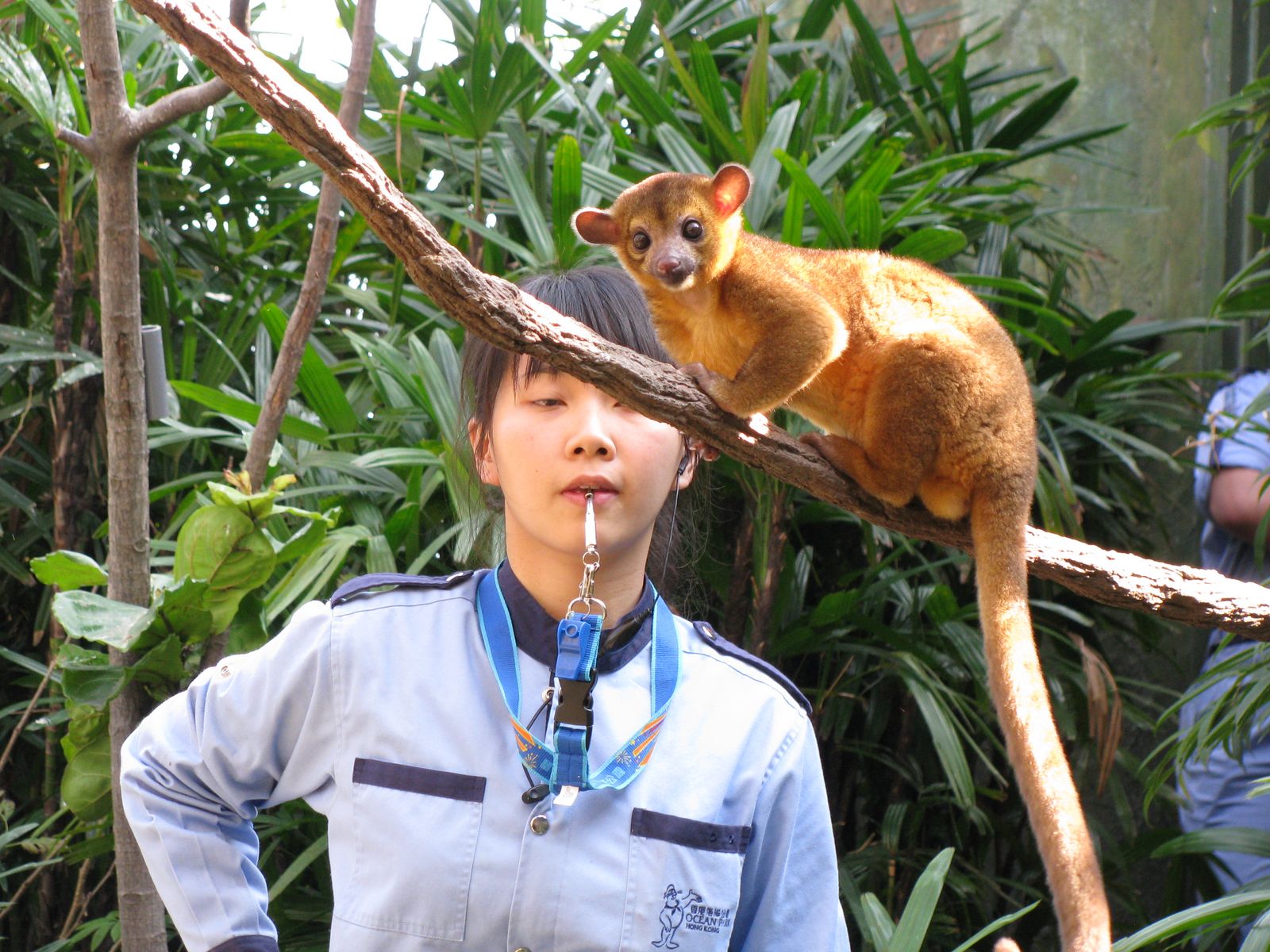 Photo: shankar s. from Dubai, united arab emirates, CC BY 2.0
Where to See Sloths in the Wild
The internet's favourite animal is real, wild and findable — where to reliably see sloths, how to spot them, and the stays that put you closest.
 Photo: Michael Barera, CC BY-SA 4.0
The Monkeys of the Rainforest
Howlers waking you at dawn, capuchins raiding the deck — a field guide to the primates you will meet on a jungle stay, and where to meet which.
 Photo: Charles Miller from Basingstoke, United Kingdom, CC BY 2.0
Toucans & the Tropical Birds You'll See
The rainforest is the richest bird habitat on earth. Toucans, macaws, quetzals and hummingbirds — what to look for, and the best places to look.
 Photo: Derek Ramsey (Ram-Man), CC BY-SA 4.0
Find your own piece of the canopy.
Treehouses, bamboo houses and rainforest villas across 17 destinations — found, vetted and written up honestly.
Browse all destinations