Guatemala Jungle Travel Guide
Most travelers picture Guatemala as Tikal's temples poking above the treeline, and that image undersells the place badly. What's actually up there is one of the largest unbroken tropical forests left in Central America, wrapped around those ruins and running north to the Mexican and Belizean borders — plus a second, smaller but no less real jungle in the limestone hill country of Alta Verapaz, and a Caribbean corridor where the forest meets the sea at Río Dulce and Livingston. This is a working guide to Guatemala's jungle country: the Petén rainforest and its ruins, the highland jungle around Semuc Champey, and the river-and-coast forest further east, with honest advice on when to go, how to get there, and where to base yourself.
Guatemala's jungle, honestly
The northern third of Guatemala is the department of Petén, and Petén alone is bigger than Belize and El Salvador combined — a low, flat expanse of tropical forest that most visitors never see past the drive from the airport to Tikal. Most of it sits inside the Maya Biosphere Reserve, established in 1990 and covering roughly 2.1 million hectares, which makes it the largest protected area in Central America and one of the largest tracts of tropical forest remaining north of the Amazon. It connects, more or less unbroken, into the forests of Belize and Mexico's Calakmul Biosphere Reserve to form what conservationists call the Selva Maya — the Maya Forest — one of the biggest contiguous rainforest blocks left outside South America and the Congo Basin.
That scale is the honest headline, and it's also the reason Guatemala's jungle feels different from a lot of the destinations on this site. This isn't a boutique reserve you can walk across in an afternoon. It's a working forest with logging concessions, chicle tappers, xate palm harvesters and a scattering of remote Maya sites that still take days to reach on foot or by mule, threaded through by rivers and a handful of roads that get rougher the further you go. Tikal, astonishing as it is, is the accessible edge of something much larger — which is either the appeal or the caveat, depending on how much time you have.
The second jungle worth knowing about sits far to the south, in the department of Alta Verapaz, where the land folds into steep limestone hills draped in genuinely wet, mossy forest — closer in feel to a cloud forest than the flat lowland jungle of Petén. This is Semuc Champey country, and it's a different ecosystem entirely: cooler, wetter, karst rather than flat limestone shelf, and reached by a rough mountain road rather than a short flight. Further east again, where the Río Dulce cuts from Lake Izabal to the Caribbean, a third strip of lowland forest meets mangrove and coast, with its own Garifuna culture at Livingston that has nothing to do with the Maya lowlands or the highlands either.
Guatemala doesn't market its jungle the way Costa Rica does, and there's no equivalent of a national eco-tourism brand stitching it all together. What you get instead is closer to how the forest actually works day to day — a place people live and work in, not just a backdrop for a photo — which rewards travelers who come with some flexibility and leave with a genuinely different trip than the one they'd planned in the taxi from the airport.
The regions, and how they differ
Four areas cover the ground below, and — as with most jungle countries on this site — picking two rather than trying to see all four on one trip is what keeps it from turning into a string of long transfers.
Tikal and the Petén heartland
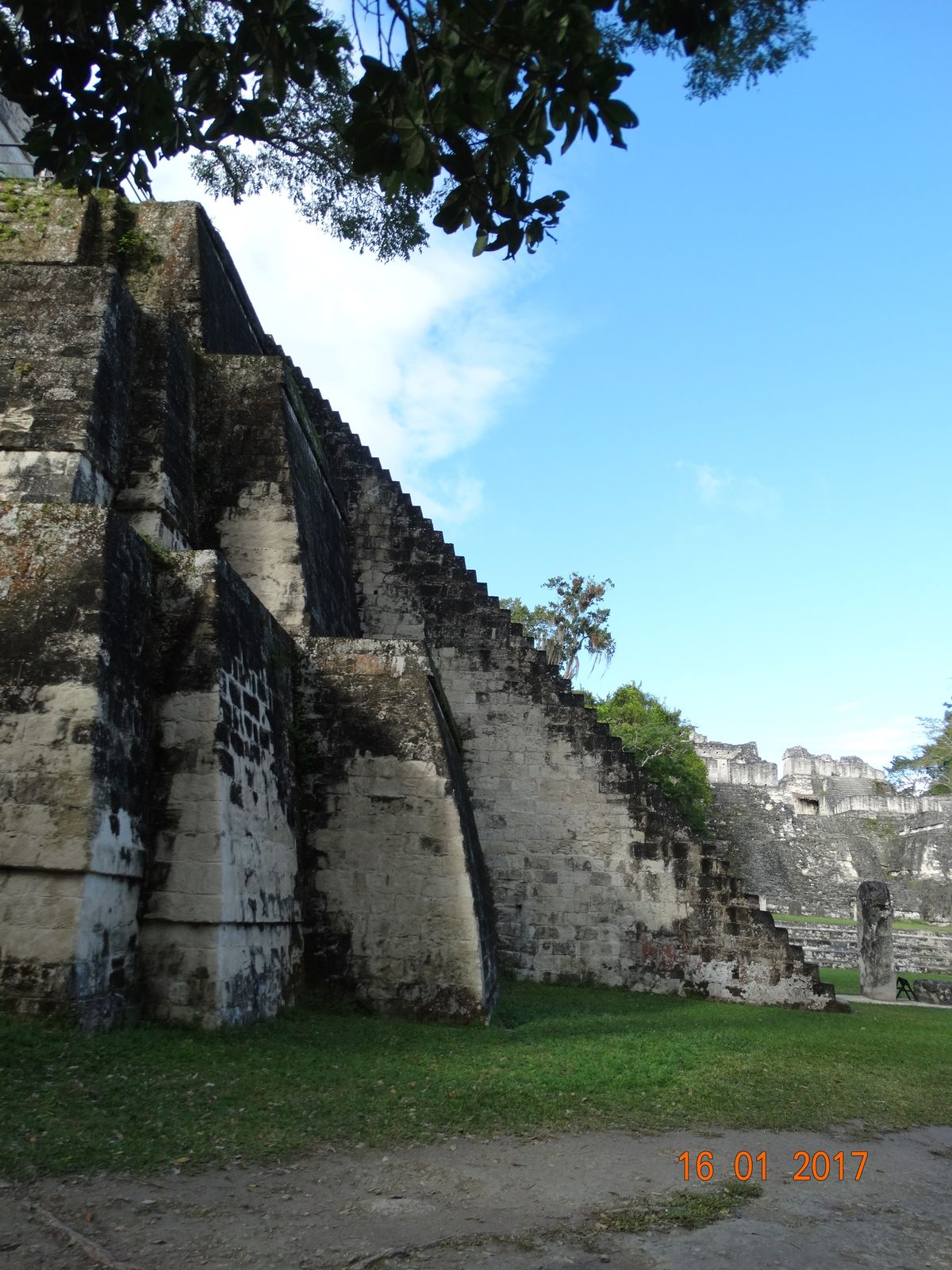
Tikal National Park protects 575 square kilometers of rainforest around the ruins of one of the largest Maya cities ever built, and it was named a UNESCO World Heritage Site in 1979 for its cultural and natural value together — one of the few sites on Earth recognized for both. Temple IV, the tallest structure, rises around 70 meters above the plaza floor, and the platform at its base is the classic spot to watch howler monkeys move through the canopy below at dawn, roughly at eye level with the treetops rather than looking up from the forest floor. The park sits inside the wider Maya Biosphere Reserve, and the small island town of Flores, on Lake Petén Itzá about an hour away, is the practical base for almost everyone visiting — colorful, walkable, and considerably more relaxed than a typical gateway town.
Yaxhá, El Mirador and the deep Petén
Past Tikal, the forest gets genuinely remote. Yaxhá-Nakúm-Naranjo National Park, about an hour's drive from Flores, holds a Maya city that's larger than most people realize and sees a fraction of Tikal's visitors — its lakeside setting made it recognizable to some as a filming location for a season of Survivor, which says more about how empty it usually is than anything else. El Mirador, further north again, is a different proposition entirely: a Preclassic-era city with pyramids that rival or exceed Tikal's in scale, reachable only by a multi-day trek through the forest on foot or mule, or by helicopter for those with the budget and the time crunch. It's not a casual add-on to a Tikal trip — it's its own expedition, and it draws a specific kind of traveler who wants the forest and the ruins with essentially no crowd at all.
Semuc Champey and the Alta Verapaz highlands
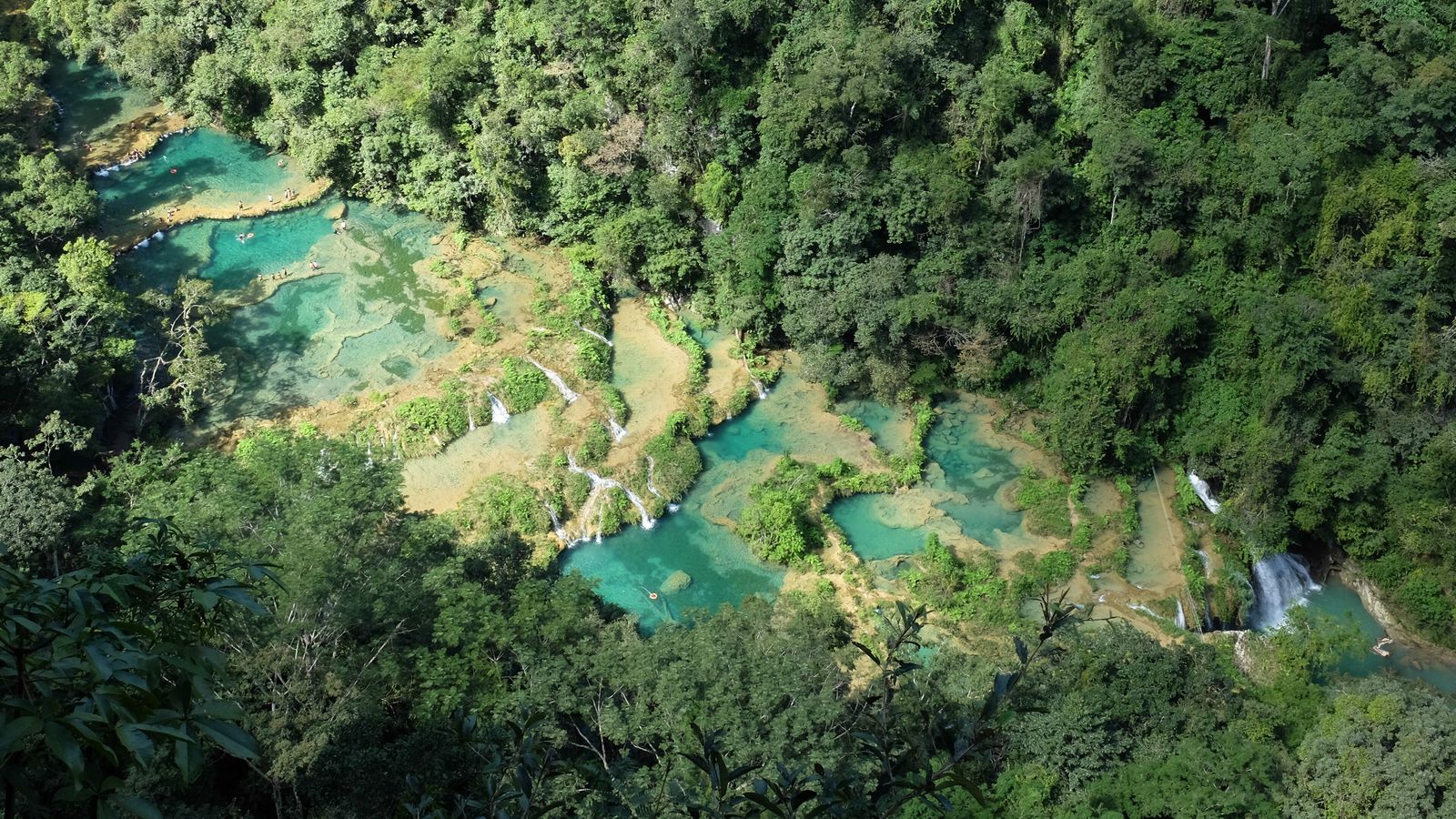
Semuc Champey is a roughly 300-meter limestone shelf over the Cahabón River, with a series of stepped, turquoise pools formed where the river's mineral-rich water pools on top of the natural bridge while the river itself churns underneath. The name comes from Q'eqchi', the Maya language spoken through much of this region, and translates loosely as "where the river hides under the earth." Lanquín, about 45 minutes away by a rough road, is the nearest real town and the usual base, with the last stretch to the pools typically done standing in the back of a pickup truck. The forest here is wetter and hillier than Petén's flat lowland jungle — closer to cloud forest in places — and the whole area is Q'eqchi' Maya country, worth treating as a distinct culture from the Yucatec Maya heritage further north around Tikal.
Río Dulce and Livingston
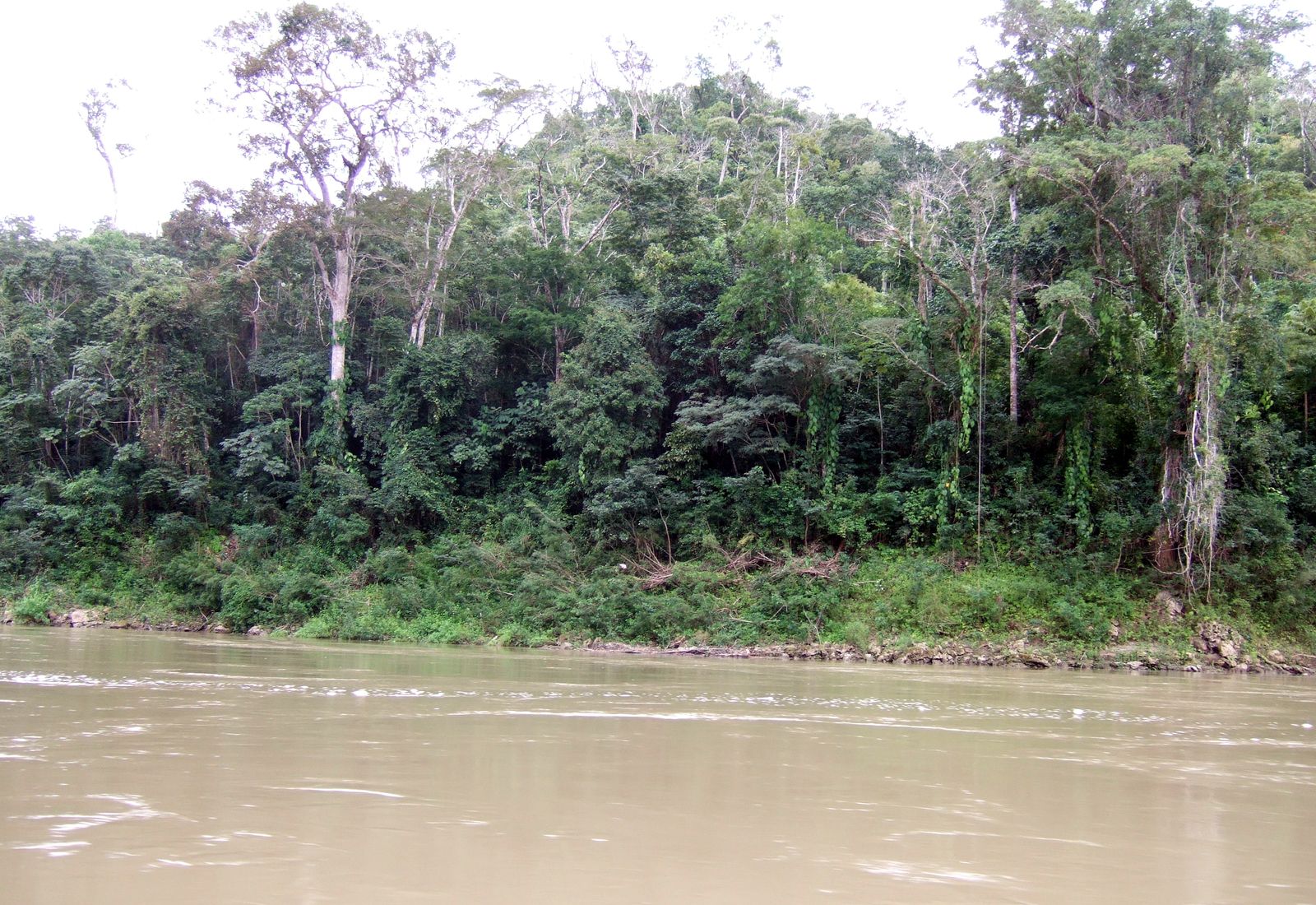
Where the Río Dulce flows from Lake Izabal to the Caribbean, the forest changes again — lowland jungle giving way to mangrove, and a river gorge dense enough with vegetation that boat trips through it feel closer to a jungle cruise than a ferry ride. Livingston, at the river's mouth, is reachable only by boat, no road connects it to the rest of the country, and it's the cultural home of Guatemala's Garifuna community, with a rhythm, cuisine and music that has more in common with the wider Caribbean coast than with the Maya highlands a few hours inland. Manatees are a real, if not guaranteed, sighting on the calmer stretches of the river system, and the whole area makes a natural, low-key close to a longer Guatemala trip that started in the Petén jungle further north.
When to go
Guatemala's jungle regions run on a dry season from roughly December through April and a wet season from May through November, with the heaviest, most disruptive rain typically arriving in the back half of that window rather than spread evenly across it.
- December–February: the driest, most comfortable stretch for visiting Tikal and hiking anywhere in Petén — also the peak season, meaning the busiest crowds at Tikal and the highest lodging prices around Flores and Río Dulce.
- March–April: still dry, hotter in the Petén lowlands as the season wears on, and Semana Santa (Easter week) brings a separate, very real spike in domestic travel and prices countrywide — worth avoiding or booking around well in advance if it falls in your window.
- May–June: the rains typically return, with afternoon downpours becoming the norm rather than the exception. Mornings are often still clear, and this shoulder window brings noticeably thinner crowds at Tikal without the worst of the wet season's mud.
- July–August: solidly into wet season, hot and humid throughout Petén, with rain more consistent through the day. The forest is at its greenest and loudest, and bird activity picks up.
- September–October: typically the wettest stretch of the year, when some of the rougher roads into Semuc Champey and around Petén get genuinely difficult, and Semuc Champey's pools can rise and occasionally close after heavy rain upstream. Caribbean-side weather around Río Dulce and Livingston can also turn with tropical systems moving through the wider Caribbean basin in these months.
- November: rain tapering off toward the dry season, a reasonable shoulder month with lighter crowds than December onward.
Wildlife has its own calendar layered on top of the weather. Dry season concentrates animals around Petén's remaining water sources, which paradoxically makes sightings more predictable even though the forest looks less lush — howler and spider monkeys, coatis and the occasional cat sighting all cluster more reliably near known waterholes and the ruins themselves. Wet season disperses wildlife more widely through the forest but brings a surge in bird activity tied to breeding season, so it's a real trade-off rather than a straightforward better-or-worse call.
Good to know
Guatemala's dry season overlaps closely with the Yucatán's, which makes sense given they share the same forest system further north. If Guatemala is one stop on a longer Maya-region trip, our Tulum and the Maya Jungle guide covers the northern end of the same seasonal rhythm.
Getting there and getting around
Almost every international flight into Guatemala lands at La Aurora International Airport (GUA) in Guatemala City. From there, the jungle regions split into two very different approaches. For Petén and Tikal, the fastest route by far is a roughly one-hour domestic flight to Mundo Maya International Airport (FRS), a short drive from Flores — this is how most visitors reach Tikal, and it's worth booking rather than treating the overland alternative as a real option unless time genuinely isn't a constraint. The overland route from Guatemala City to Flores runs 8 to 10-plus hours by bus or shuttle on decent but long highway, which some backpackers do for the budget savings but most visitors skip.
Semuc Champey and Alta Verapaz work differently again: no useful airport serves the area directly, so it's an overland trip from Guatemala City or Antigua, typically 7 to 9 hours by tourist shuttle to Lanquín on roads that get progressively rougher and steeper the closer you get, with the final approach to Semuc Champey itself usually done by pickup truck rather than the shuttle van. Río Dulce and Livingston sit on a different corridor again — a shuttle or bus from Guatemala City to the town of Río Dulce, generally 4 to 5 hours, followed by a boat, since no road reaches Livingston at all.
Once you're in a region, transport is mostly shuttles, boats and short flights rather than a rental car circuit. Tourist shuttles connect Flores, Lanquín and Río Dulce to each other and back to Guatemala City or Antigua, and are the default way most visitors get between regions — cheap relative to a private driver, though the roads mean these are genuinely long days. Renting a car is possible but not the norm here the way it is in Costa Rica or Mexico; road quality drops fast once you're off the main highways, signage is inconsistent, and driving after dark outside cities is generally discouraged. Within Flores or around Río Dulce, walking, tuk-tuks and short boat rides cover most of what you'll need day to day.
Where to stay
Where to base yourself should follow the region, not the other way around, and each of Guatemala's jungle areas has its own distinct style of stay. Around Tikal and Flores, options range from simple guesthouses on Flores island — easy, walkable, colorful, and close to the boats and shuttles you'll need — to a smaller number of jungle lodges directly inside or bordering the national park itself, which put you close enough to hear howler monkeys at dawn without a drive first. Around Lanquín and Semuc Champey, expect simpler hostels and small lodges built into the hillside, many of them a walk or a short truck ride from the pools, with a backpacker-heavy, low-key atmosphere that's different in character from the more polished lodges elsewhere on this site. Río Dulce and Livingston split between riverside docks with their own boat access near Lake Izabal and simpler guesthouses in Livingston itself, reachable only by water.
For an actual shortlist of vetted stays, see our JungleBnB directory, where Guatemala listings sit alongside comparable jungle destinations across the region if you're still deciding where to focus a trip.
Tikal isn't ruins with a jungle backdrop. It's a working rainforest that happens to have a Maya city inside it, and the howler monkeys don't know or care which part you came for.
The best things to do
Guatemala's jungle rewards early mornings, patience and a willingness to sit still more than a packed checklist, and the list below reflects that.
- Enter Tikal at sunrise or take the sunrise tour: the park allows an early-entry sunrise permit at select temples, and even without it, arriving at opening time beats the midday heat and the tour-bus crowds that build through the morning.
- Climb Temple IV: the tallest structure at Tikal, and the best vantage point over the surrounding canopy — the classic shot of temple roofs poking through unbroken forest is taken from here.
- Spend a half-day at Yaxhá if Tikal alone isn't enough: fewer visitors, a genuine lakeside setting, and a real sense of what an "undiscovered" Maya site actually feels like.
- Float and climb at Semuc Champey: swim the stepped turquoise pools, then take the steep hike up to the El Mirador lookout above them for the postcard view down onto the whole limestone shelf.
- Tube or cave at Lanquín: inner-tube down the Cahabón River, or visit the Lanquín caves nearby, home to a large bat colony that streams out around dusk.
- Take the boat through the Río Dulce gorge: the stretch between Lake Izabal and Livingston narrows into a genuinely dramatic river canyon walled in jungle, with a reasonable chance of manatee sightings on the calmer water.
- Spend a night in Livingston: Garifuna food, music and culture found nowhere else in Guatemala, worth the boat-only access it takes to get there.
- Consider the multi-day trek to El Mirador: for travelers with the time and the fitness, walking or riding a mule for several days through unbroken forest to a Maya city larger than Tikal, with essentially no other visitors, is as close as this region gets to genuine expedition travel.

The wildlife you'll actually see
Tikal National Park alone protects more than 100 mammal species, over 330 recorded bird species and five wild cat species — jaguar, puma, ocelot, margay and jaguarundi — which makes it, on paper, one of the richest wildlife destinations in this guide's region. What you'll actually see day to day is more modest and still genuinely good.
Mantled howler monkeys are close to a guaranteed sighting and, more accurately, a guaranteed sound — their call carries for kilometers through the forest and is often the first wildlife encounter visitors have at Tikal, usually before they've even reached the main plaza. Spider monkeys turn up regularly too, moving faster and higher through the canopy than the howlers. On the ground, coatis are common and bold enough to approach picnic areas, and both species of Guatemala's forest deer and the occasional agouti or paca are realistic sightings on a quiet trail.
Birdlife is the strongest reason to bring binoculars. The ocellated turkey — found only on the Yucatán Peninsula and adjoining forests, nowhere else in the world — struts around Tikal's clearings with a confidence that surprises people expecting to work harder for it. Keel-billed toucans, king vultures and a long list of parrots and trogons round out a bird list that keeps serious birders in Petén for days rather than hours. The big cats are the honest caveat: jaguar, puma and the smaller wild cats genuinely live in this forest, but seeing one is rare and shouldn't be the expectation on a standard visit — camera-trap footage and fresh tracks are the realistic version of a cat story here, much as they are in Costa Rica's Corcovado.
Around Río Dulce, the wildlife shifts toward the water: West Indian manatees move through the calmer stretches of the river and lake system, though sightings are opportunistic rather than guaranteed, and the mangrove edges hold their own set of herons, kingfishers and other waterbirds distinct from what you'll see in the dry Petén interior. Around Semuc Champey and the Alta Verapaz hills, the wetter, hillier forest supports a different bird community again, with quetzal habitat found further west toward the Biotopo del Quetzal reserve in Baja Verapaz for travelers specifically chasing that species.
Costs and budgeting
Guatemala runs cheaper than Costa Rica across almost every category, and the jungle regions follow that pattern. A backpacker-style budget lands roughly $40 to $55 a day, covering hostel dorms, simple comedor meals in the $4 to $7 range, and shuttle transport between towns. A mid-range budget runs closer to $60 to $90 a day, covering private rooms or simple lodges, restaurant meals, and a guided activity or two. Guatemala City and Antigua sit at the higher end of the country's cost spectrum; Petén and the Alta Verapaz highlands generally run a bit cheaper, particularly for lodging and food outside the Flores tourist strip.
Big-ticket items to budget separately: the domestic flight between Guatemala City and Flores typically runs in the range of 1,000 to 1,400 Guatemalan quetzales round-trip per person, and it's worth booking rather than defaulting to the long overland alternative unless the savings genuinely matter to your trip. Tikal's park entrance fee, a guided tour, and add-ons like a sunrise permit or a multi-day trek to El Mirador all add up quickly and should be priced individually rather than folded into a daily average — the El Mirador trek in particular, with its mules, guide and camping logistics, is a meaningfully larger expense than a standard day trip.
The currency is the quetzal (GTQ), and U.S. dollars are widely, though not universally, accepted for tours and larger lodging bills — cash in quetzales is still the more reliable choice for local meals, shuttles and small purchases. ATMs are reliable in Flores, Guatemala City and Antigua, and considerably scarcer in Lanquín, Livingston and rural Petén, so withdraw before heading somewhere remote. Tipping isn't as deeply ingrained as in the U.S., but guides and drivers on multi-day trips appreciate it, and a modest tip for good service is generally welcome without being obligatory.
Health, safety and practical tips
Guatemala carries a real safety consideration that's worth taking seriously without letting it derail the trip: violent crime, including armed robbery, is a documented risk in parts of the country, and it's generally sensible to treat travel advisories as a starting point for planning rather than background noise.
Transport: public "chicken buses" are cheap and colorful but have a genuine record of armed incidents on certain routes, and are best avoided in favor of tourist shuttles, which run the same routes with a much better safety record and only a modest price difference. Avoid overland travel after dark outside of organized shuttle services.
Guatemala City: most visitors pass through only briefly en route to Antigua, Flores or elsewhere, and that's the right instinct — the capital has neighborhoods that are genuinely unsafe for visitors and others that are fine, and it's not the kind of city where wandering unresearched is a good idea the way it might be in Antigua or Flores.
Water and food: tap water isn't safe to drink anywhere in Guatemala, including in tourist areas — bottled or filtered water is the default, and it's worth applying the same caution to ice in less established places.
Mosquito-borne illness: dengue and, in some years, Zika are present in the lowland Petén and Caribbean-coast regions. A DEET-based repellent and covering up at dawn and dusk are worth the minor inconvenience, and malaria prophylaxis is sometimes recommended for extended time in rural Petén — worth a travel clinic conversation before departure.
Altitude and heat: Petén's lowland heat and humidity are genuinely intense for much of the year, and hydration matters more here than in Guatemala's cooler highlands around Antigua and Lake Atitlán, which sit at significantly higher elevation and run a different climate entirely.
Roads: outside the main highways, especially the route to Semuc Champey, expect steep, unpaved and sometimes rough conditions, worse in wet season. This is one more reason most visitors use shuttles with local drivers rather than self-driving.
Language: Spanish is the national language, though a substantial share of the population, particularly in rural Petén and Alta Verapaz, speaks a Maya language — Q'eqchi' around Semuc Champey, among others — as a first language. English is workable in Flores and tourist-facing businesses and considerably less common elsewhere.
Insurance: real travel insurance with evacuation coverage is worth having anywhere on this list, and especially so for remote add-ons like the El Mirador trek, where the nearest real medical care is genuinely far away.
A suggested route
Guatemala's jungle regions are spread out enough that trying to cover all four in one trip usually means more transit than forest. Seven to ten days is a realistic window for a focused trip; two weeks allows a more thorough loop with the Caribbean side included.
- Days 1–2: arrive in Guatemala City and connect same-day or next-morning to Flores by domestic flight. Settle into Flores island and use the afternoon to walk the town and get oriented.
- Days 3–4: Tikal — ideally an early or sunrise entry, a full day exploring the main plazas and temples with a guide, and a second, quieter morning if time allows, since the park rewards more than one visit.
- Day 5 (optional): Yaxhá for a quieter, less-visited Maya site and a real change of pace from Tikal's crowds, or an extra day built into the Tikal visit instead.
- Days 6–7: shuttle to Lanquín and Semuc Champey — a long travel day, but the pools, the caves and the lookout hike are worth the dedicated time rather than a rushed stopover.
- Days 8–9 (optional extension): continue to Río Dulce and Livingston for the river gorge, manatee-watching and Garifuna culture, a genuinely different close to the trip than either Petén or Alta Verapaz offered.
- Day 10 or later: return overland or by shuttle to Guatemala City for departure, or extend into Antigua and Lake Atitlán if the trip should end in the cooler highlands rather than more jungle.
Travelers with more time and a genuine appetite for a remote trek can swap the Yaxhá day for the multi-day hike or mule trip to El Mirador, though that addition alone can add three to five days and should be planned as its own expedition rather than squeezed into a tighter itinerary. If Guatemala is one leg of a longer Central American trip, it pairs naturally with Costa Rica further south or the Yucatán side of Tulum and the Maya Jungle to the north, both covering different ends of the same broader Maya-forest region.
Common questions
Is Tikal the only jungle worth visiting in Guatemala?
No, though it's the best known for good reason. Tikal sits inside the much larger Petén rainforest and the Maya Biosphere Reserve, and Guatemala also holds a second, distinct jungle around Semuc Champey in the Alta Verapaz highlands, plus a Caribbean-coast forest along the Río Dulce and around Livingston. Each has its own character, and picking two rather than all three keeps a trip from becoming mostly transit.
How many days do you need for Guatemala's jungle?
A week is enough to cover Tikal properly and add either Semuc Champey or Río Dulce. Ten days to two weeks allows a fuller loop through all three regions, or room for a genuinely remote add-on like the multi-day trek to El Mirador.
Do I need to fly to Flores, or can I drive from Guatemala City?
Flying is the practical choice for most visitors — around an hour versus 8 to 10-plus hours overland on a long highway drive. The flight is worth booking in advance, especially in peak dry-season months.
Is Guatemala safe to visit?
It requires more situational awareness than a destination like Costa Rica, with real safety considerations around certain forms of public transport and specific areas of Guatemala City. Most visitors who stick to tourist shuttles, established lodging and well-traveled routes through Flores, Tikal, Semuc Champey and Río Dulce have straightforward trips, and checking current travel advisories before booking is a reasonable habit rather than an overreaction.
When's the best time to see wildlife at Tikal?
Dry season, roughly December through April, concentrates animals around remaining water sources and makes sightings more predictable, particularly howler and spider monkeys near the ruins. Wet season disperses wildlife more widely but brings a lift in bird activity tied to breeding season, so it's a genuine trade-off rather than one season simply being better.
Can I visit Semuc Champey as a day trip from Tikal?
Not realistically. The two sites sit in different parts of the country with no direct road between them, and each involves a long shuttle journey on its own. Most itineraries treat them as separate stops connected by a long travel day, sometimes routed back through Guatemala City.
Where to go from here
Guatemala rewards picking two of its jungle regions and giving each real time rather than chasing all three plus a remote trek on one trip. Start with the full JungleBnB directory for a shortlist of vetted stays across the region, or browse our Costa Rica and Tulum and the Maya Jungle destination pages if Guatemala is one leg of a longer Central American trip. Our guides to the Mexico jungle and Colombia's jungle cover the two destinations most often compared to Guatemala's mix of ruins and rainforest, and our roundup of the best jungle Airbnbs in the world is a good next stop if you're still comparing regions before committing to one.
- UNESCO World Heritage Centre — Tikal National Park — 1979 mixed World Heritage designation, park size and significance.
- Guatemala National Parks Association — Tikal National Park — mammal and bird species counts, wild cat species present.
- Tikal Wildlife Guide 2026 — dry vs. wet season wildlife viewing patterns.
- Adventurous Kate — Guide to Semuc Champey — Semuc Champey formation, name origin and layout.
- Bucketlist 2 Life — Critical Travel Guide to Lanquín and Semuc Champey — travel times, best season and access logistics.
- Roafly — Best Time to Visit Guatemala — dry and wet season timing and regional weather patterns.
- In Between Travels — Flores, Guatemala Travel Guide — Mundo Maya International Airport (FRS) location and flight access.
- Nomadic Matt — Guatemala Travel Guide — budget and mid-range daily cost ranges.
- Travelsafe Abroad — Is Guatemala Safe for Travel? — safety risk profile and public transport advisory.
More from the Journal.
 Photo: Philip Nalangan, CC BY 4.0
Bali Jungle Travel Guide
Everything you need to plan the interior of Bali — Ubud, Sidemen and the northern highlands — where to stay in the jungle, when to go and what it actually costs.
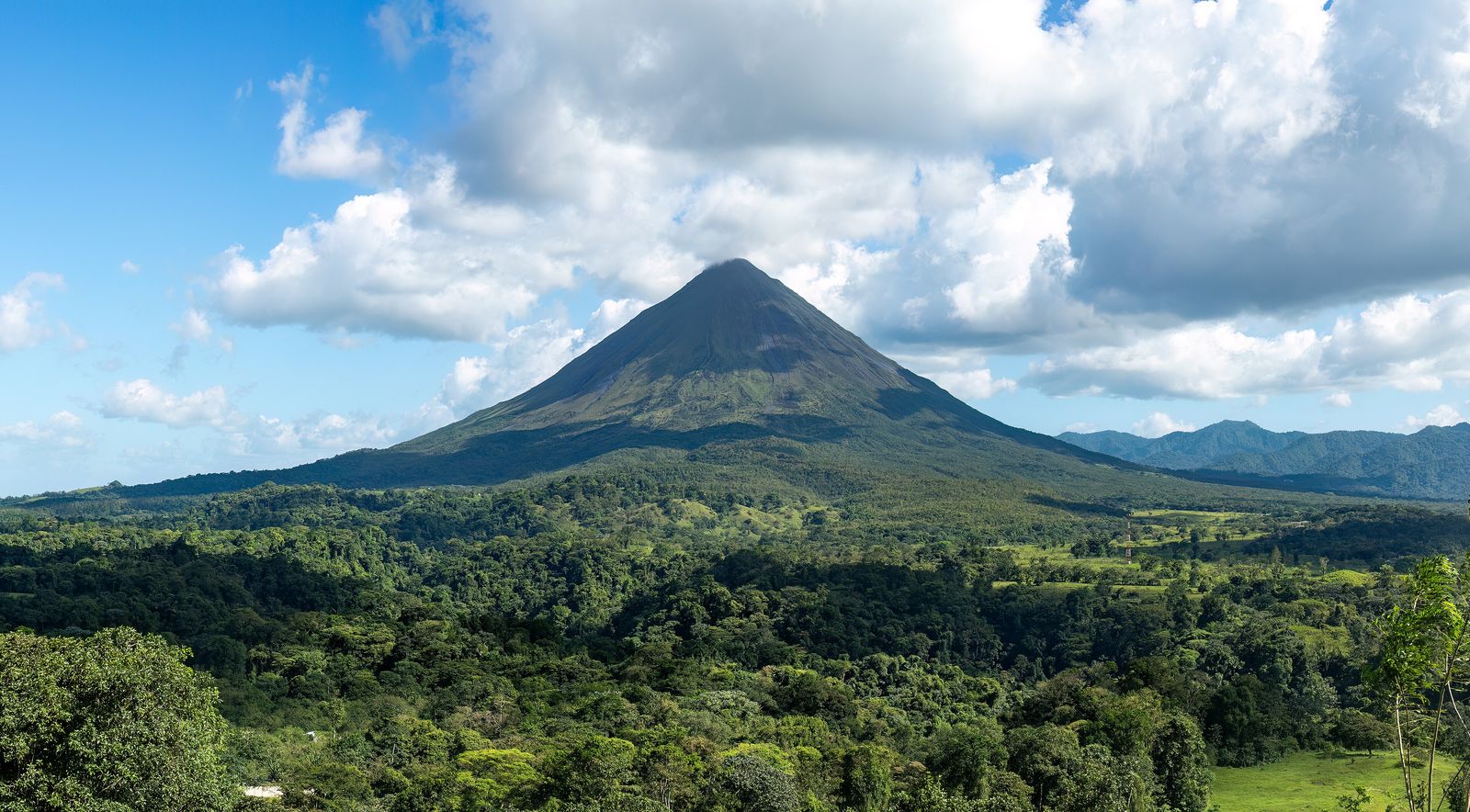 Photo: Rhododendrites, CC BY-SA 4.0
Costa Rica Rainforest Travel Guide
The definitive guide to Costa Rica's rainforests — cloud forest, Pacific lowlands and the wild Osa Peninsula — with where to stay and when to go.
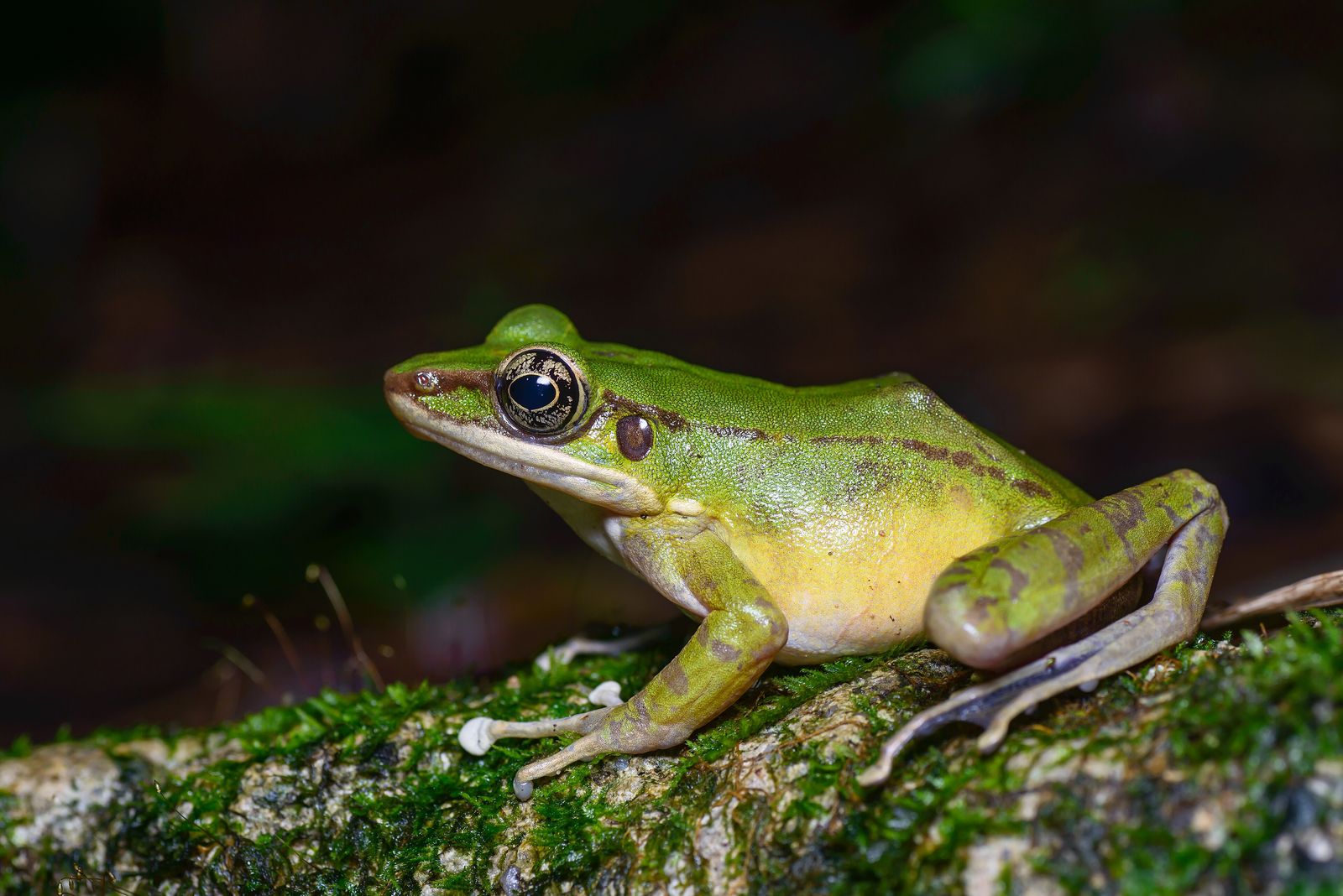 Photo: Rushenb, CC BY-SA 4.0
Thailand Jungle Travel Guide
Beyond the beaches: Khao Sok's ancient rainforest, the northern hills around Chiang Mai and the karst jungle of the south.
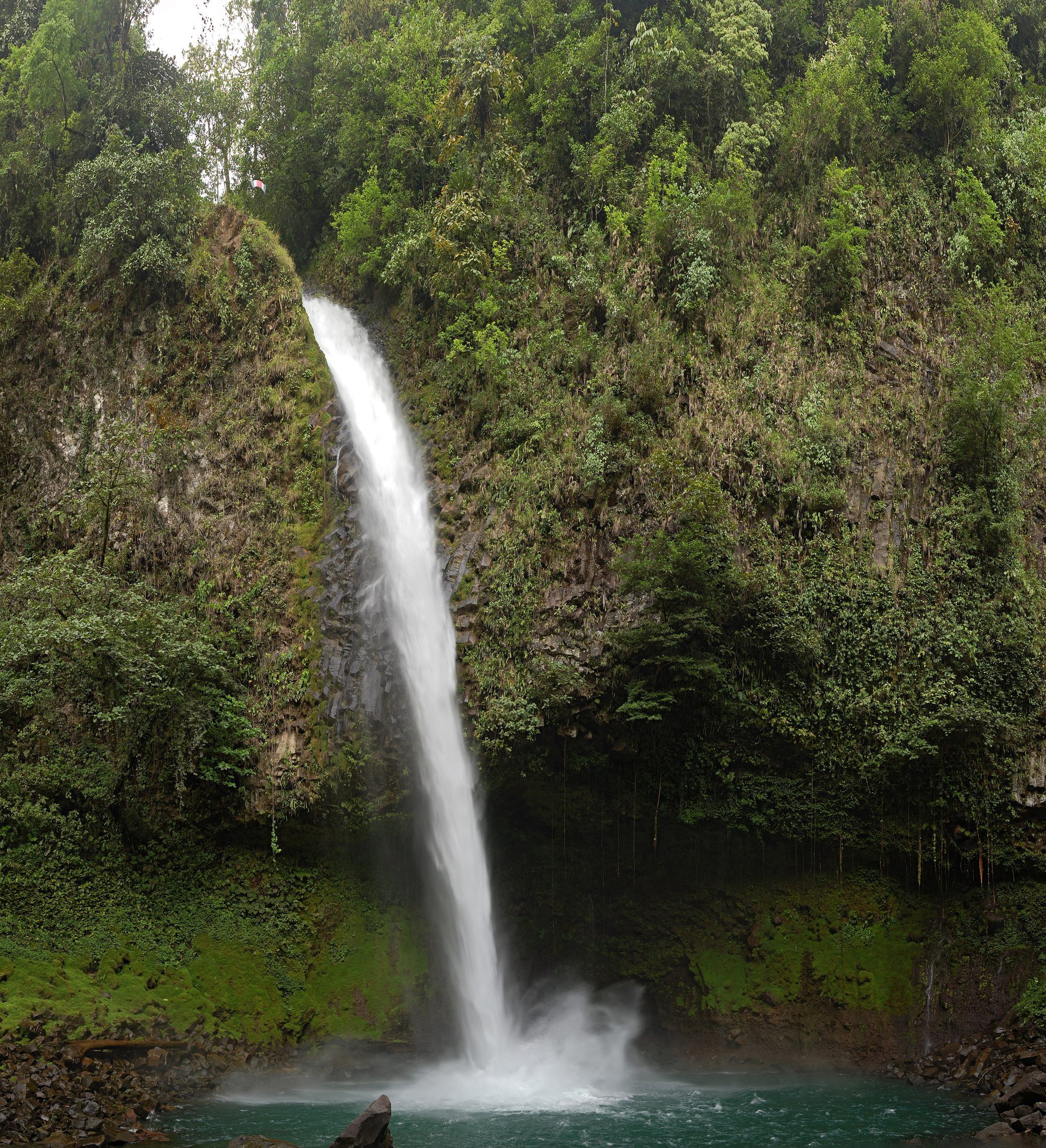 Photo: Derek Ramsey (Ram-Man), CC BY-SA 4.0
Find your own piece of the canopy.
Treehouses, bamboo houses and rainforest villas across 17 destinations — found, vetted and written up honestly.
Browse all destinations