Munduk & North Bali Highlands Guide
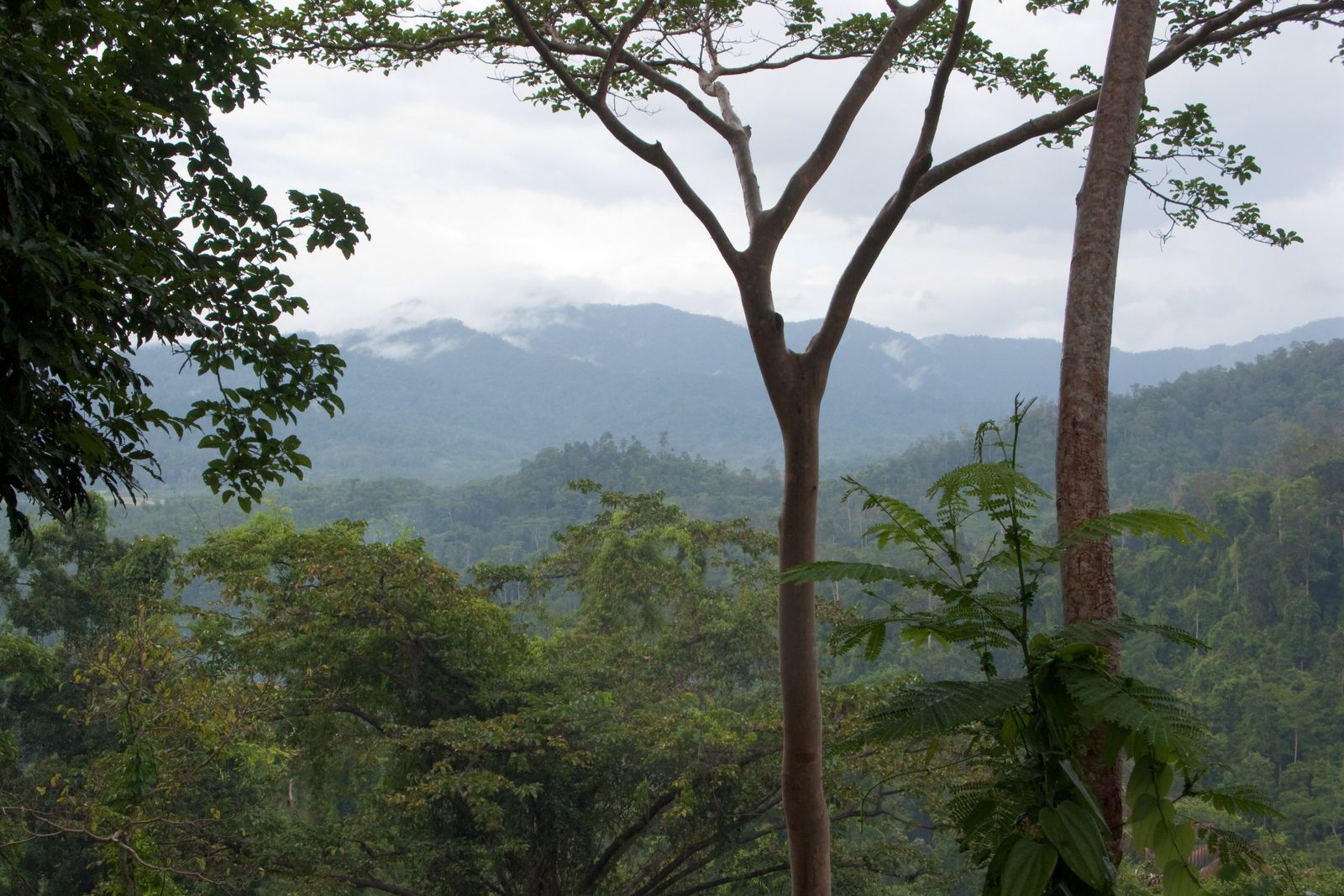
Everyone who tells you Bali is one climate has never driven the two hours north out of Ubud into Munduk. The rice terraces give way to clove trees, the air thins and cools, and by the time the road starts switchbacking along a volcanic ridge you're reaching for a jacket you packed for "just in case." This is Bali's highlands: a coffee-and-clove-growing village at close to a thousand meters, two crater lakes, a waterfall count that gets genuinely hard to keep track of, and a fraction of the crowd you'd find an hour south. It isn't a beach trip, and it isn't trying to be one.
Munduk, and why bother going
Munduk is the name of a village and, loosely, of the whole stretch of highland ridge around it, tucked into Buleleng Regency on the north side of Bali's volcanic spine. The name itself comes from a Balinese word meaning something like "upper section of a valley," which is a reasonably literal description of where the place sits: high enough on the flank of the mountains that the clouds sometimes settle at eye level rather than overhead. Depending on exactly where you stand, elevation runs somewhere close to 900 to 1,100 meters — high enough that the air smells different from the rest of the island, a mix of coffee flowers, clove smoke and wet green growth that first-time visitors tend to remark on before anything else.
What that elevation buys you is a genuinely different Bali. Days are warm but not the flat, humid heat of the coast; nights get cool enough that guesthouses here still light fireplaces, which is not a sentence you'll write about anywhere near the beach. The landscape is a working one — coffee and clove smallholdings threaded through denser forest than you'll find around Ubud — and it has been farmed this way for well over a century, since Dutch colonists turned the hill country into a plantation zone in the late 1800s. That history is still visible if you know where to look, in a scatter of old colonial buildings and in the coffee itself, which is a genuine local specialty rather than a tourist prop.
The honest pitch: come to Munduk for cool air, waterfalls, crater-lake views and coffee country, not for nightlife or a packed activity list. It rewards slowing down for a night or two rather than rushing through on a single long day trip from the south — though plenty of people do exactly that, and it's still worth it even rushed.
Getting there and getting around
There's no shortcut to Munduk. Every international arrival lands at Ngurah Rai International Airport (DPS) on Bali's south coast, and from there it's a genuine highland drive — figure roughly 70 to 90 kilometers and two to three hours depending on your route and traffic through the south's congested morning and evening windows.
Most drivers take the central route through Bedugul, climbing past the Bali Botanic Garden and Lake Beratan before the road narrows and starts winding through Wanagiri and on into Munduk itself — this is the more scenic option and lets you stack in the Bedugul lake temple as a stop along the way. The alternative is the north-coast route through Singaraja, useful if you're coming from or heading toward the north shore rather than back to Ubud. Either way, the last stretch is genuine mountain road: narrow, switchbacked, and often wrapped in mist by late afternoon.
Hiring a car with a driver for the day is the standard, low-stress way to do this — a private driver can string together Bedugul, the Twin Lakes viewpoints and Munduk's waterfalls into one loop without you having to navigate blind curves in fog. If you're staying multiple nights and want to explore locally — riding out to a coffee plantation, a waterfall trailhead, or a lake viewpoint — a scooter works for short hops, but take the cool, damp, poorly lit highland roads more seriously than you would Ubud's; an International Driving Permit alongside your home license is a legal requirement, not a formality, and it's the difference between a valid insurance claim and a very expensive mistake if something goes wrong.
There is no meaningful public transport network up here. Bemos (shared minivans) still run some routes between highland villages, but schedules are informal and infrequent enough that first-timers shouldn't plan around them. Between a private driver, a rented car, or a scooter, pick one before you arrive.
Worth building into your route planning: the road through Bedugul and Wanagiri is also simply one of the better drives on the island, independent of any single stop along it. The switchbacks open onto the Twin Lakes without warning at a couple of points, and it's common enough that people pull over who weren't planning to. If you're driving yourself, budget slack time for exactly that rather than treating the road as a transit leg between attractions.
Where to stay
Munduk's accommodation scene is small compared to Ubud or the coast, and that's more or less the point — you're not choosing between hundreds of villas, you're choosing between a handful of places built specifically for the cool climate and the view. Think timber cabins with working fireplaces, guesthouses converted from old plantation buildings, and small lodges with balconies angled at the valley below, which on a clear day runs all the way down to the sea.
One real example worth naming: Munduk Cabins' Premium Suite Cabin sits on a ridge with a shared infinity pool, a hot tub and a fire pit for the evenings, and a balcony that looks out over jungle that runs toward the coast on a clear day — four of the area's biggest waterfalls sit on one walking loop nearby, and the Twin Lakes are a short drive off. It's a fair snapshot of what Munduk does well: comfortable, quiet, built around the view and the cold nights rather than around a pool bar.
For the fuller shortlist across Munduk and the rest of Bali's jungle-adjacent regions, see our Bali destination page, or browse the wider directory if you're still weighing Bali against another highland or coffee-country destination — Colombia's coffee region is the closest parallel most travelers reach for.
The Twin Lakes and Bedugul
Two crater lakes anchor this part of the island, and they're different enough in character that it's worth knowing both. Lake Buyan and Lake Tamblingan sit side by side in old volcanic calderas a few kilometers from Munduk, close enough together that locals and every tour operator call them the Twin Lakes. Both are ringed by forest rather than development, which is unusual for a Bali lake and a large part of the appeal. A trek between the two — through rainforest, past old temples and mossy trailside shrines, with an optional traditional canoe crossing on Tamblingan — runs a moderate four to four and a half hours over roughly nine miles, and it's the single best way to actually feel the forest here rather than just photograph it from a viewpoint.
Ulun Danu Tamblingan, the temple complex at the lake's edge, is the quieter, less-photographed cousin of Bali's famous lake temple. When water levels are high it appears to rise straight out of the lake; a sarong and sash are required to enter, same as any active Balinese temple, and they're generally available to borrow at the gate if you didn't bring your own.
The viewpoint everyone actually stops for, though, is Wanagiri Hidden Hills, a cluster of lookout platforms and swings along the main Munduk road with a clear drop-off view over both lakes at once — arrive early if you want it without a queue for the photo spots, since it's become one of the north's most visited single stops.
South of Munduk on the same route sits Bedugul, a separate highland area worth folding into the same day. Its Lake Beratan and the Ulun Danu Beratan temple — the multi-tiered lakeside temple that appears on Indonesia's fifty-thousand-rupiah note — are a genuinely different lake and a genuinely different temple from Tamblingan's, and it's an easy mix-up for first-timers reading two guidebooks at once. The Bali Botanic Garden sits nearby too, useful if you want an easy, flat walk to break up a day of switchbacks.
The Twin Lakes don't try to be dramatic. They're quiet, forested and a little cold in the morning — which, after a week of beach Bali, is exactly the point.
Waterfall country
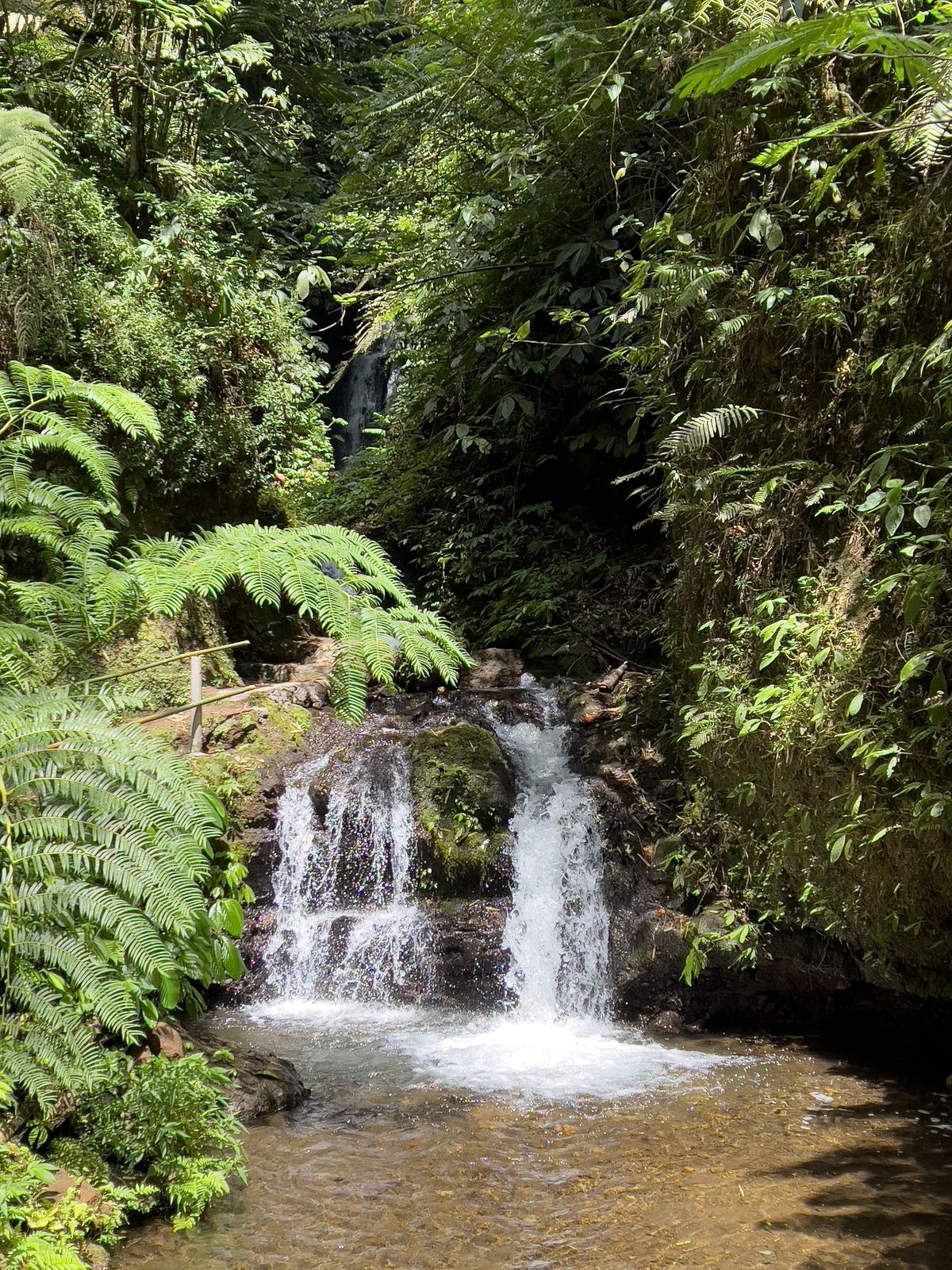
If Munduk has one headline attraction, it's water falling through jungle, and there's more of it here than almost anywhere else on the island. Munduk's own waterfalls form a loop of at least four falls doable in a single hike: Golden Valley, a roughly fifteen-meter drop named for the gold-colored flowers in the surrounding clove plantation, with a shallow enough pool that you can walk right up to the base; Red Coral; Labuhan Kebo; and Melanting, the tallest of the group, which drops through the middle of a working coffee and clove garden. None of it requires serious hiking gear — trails are clear, mostly shaded, and manageable for anyone reasonably fit, though they get slick after rain and proper shoes matter more than they look like they will from the car park.
Munduk Waterfall itself, the one that shares the village's name, is the easiest of the lot: a short, well-marked walk from the road, which makes it the default stop for anyone short on time.
The one worth building a whole day around, though, is Sekumpul — routinely called Bali's most beautiful waterfall, and not by a small margin. It's about 30 kilometers and roughly an hour's drive from Munduk, where seven separate cascades drop through dense jungle into a single gorge. Getting to the base involves a proper descent — several hundred steps down, then back up — and it's usually done with a local guide who knows the current trail conditions, since the paths shift with the rain and a wrong turn here is more than an inconvenience. It's genuinely worth the knees. Go as early in the day as you can manage; the trailhead parking fills up by mid-morning in peak season, and the light through the gorge is better before the sun gets high anyway.
Good to know
Munduk's own waterfall loop and Sekumpul are two different outings, not one — trying to do both in a single afternoon usually means rushing one of them. If you only have a day, pick Sekumpul for the spectacle or Munduk's own falls for the easier, coffee-garden setting, and save the other for a return trip.
Coffee, cloves and a colonial hill station
Munduk's identity as coffee country isn't a recent tourism angle — it's the reason the village exists in anything like its current form. When the Dutch took control of north Bali in the 1890s, they established Munduk as a hill station specifically for its cool climate and volcanic soil, planting Arabica coffee starting around 1870 and Robusta around 1915, alongside cocoa, vanilla and cloves. The trees themselves were brought over from Sulawesi. From roughly the 1880s through the 1980s, Munduk was Bali's single most productive coffee-growing area, and the wealth that generated is part of why a small mountain village ended up with proper colonial-era guesthouses rather than the simple huts you'd expect at this altitude — Pesanggrahan, believed to be the area's first guesthouse, dates to around 1901, and a handful of Dutch-era buildings still stand around the village if you go looking.
That plantation economy is still visible and still working today, not preserved behind glass. Smallholder coffee and clove gardens surround the village, and a working plantation like Munduk Moding runs proper tastings and trekking through the growing areas rather than a five-minute gift-shop pour. If kopi luwak — civet coffee — comes up on a plantation visit, it's worth a direct question about how the civets are kept; the ethical, free-ranging version exists alongside the caged, mass-production version, and a good operator will answer the question plainly rather than deflect it.
Walking or riding through the smallholdings themselves, rather than stopping only at a formal tasting room, is arguably the better version of the experience — clove trees smell like the spice cabinet they end up in, and the coffee bushes grow in dappled shade under taller trees rather than in open rows, which is part of why the beans taste the way they do.
Day trips and other things to do
Beyond the lakes, waterfalls and coffee circuit, Munduk works well as a base for a short list of other outings. Birdwatching along the forest edges is genuinely good and underrated — the highland forest here holds more species diversity than the farmed lowlands, and early morning is the productive window, same as anywhere. Cycling routes through the clove and coffee plantations are popular with the small number of operators based locally, and they're a good way to cover more ground than walking without the total disengagement of a car.
If you're combining Munduk with the rest of Bali's interior on a longer trip, Jatiluwih's rice terraces — Bali's largest and part of the island's UNESCO-listed Subak irrigation landscape — sit roughly an hour and a half to two hours southwest, on the flank of Gunung Batukaru, and pair naturally with a Bedugul stop on the way back toward Ubud. Sidemen's rice-terrace valley, under the shadow of Gunung Agung, is a longer detour east but a natural complement if you want the highland-and-valley contrast in one trip.
Temple visits deserve the same etiquette everywhere in Bali: shoulders and knees covered, a sarong and sash at active temples, and menstruating visitors traditionally asked not to enter — worth respecting rather than debating at the gate.
Food and practicalities
Eating in Munduk is simpler and more limited than Ubud, and that's fine — the food is honest rather than photogenic. Warungs serve the same nasi campur, mie goreng and grilled fish you'll find across the island, usually with whatever vegetables are in season from nearby gardens, and a meal runs a few dollars. Guesthouses and small lodges typically cook for their own guests, which in a village this size is often the most reliable dinner option after dark, when the handful of independent warungs may already be closed.
Coffee is the one thing worth going out of your way for. Locally grown, often locally roasted, and served the traditional Balinese way — grounds settled at the bottom of the cup rather than filtered out — it's a genuinely different product from what gets served on the coast, and most guesthouses and plantation stops will pour it without much ceremony.
A few practical notes that trip up first-timers: connectivity is patchy by Bali standards — signal drops in the folds of the valleys, and hotel wifi in the smaller guesthouses can be slow enough that it's worth downloading maps and anything else you need offline before you arrive. Cash matters more here than in Ubud or the coast; ATMs are limited to Munduk village itself and the larger towns along the main road, and small warungs and local drivers often prefer cash outright. And pack for the cold you won't expect from an equatorial island — nights regularly drop cool enough for a light jacket, and if you're doing the dawn walk to a viewpoint or waterfall, you'll want it.
It's also worth packing for wet trails even in the dry season — the elevation means a clear morning can turn misty by mid-afternoon with little warning, and the paths down to the waterfalls and around the lakes hold moisture longer than the drier terrain further south. Sturdy closed shoes rather than sandals will save you more than once on the steps down to Sekumpul or the muddy stretches of the inter-lake trek. Basic rehydration salts and something for stomach upset are worth carrying anywhere in Bali, highlands included, since the change in diet and water source trips up even seasoned travelers occasionally.
When to go
Bali runs on two seasons — dry roughly April through October, wet November through March — and Munduk's elevation means both are a little more pronounced here than on the coast. The dry months bring clearer views over the Twin Lakes and easier trail conditions on the waterfall hikes, with July through September as the busiest, driest stretch and also the peak crowd window at Sekumpul and Wanagiri's viewpoints. April–May and September specifically tend to offer the best trade-off between good weather and manageable crowds.
The wet season doesn't mean write off a visit. Rain at this elevation tends to arrive as short, heavy bursts rather than constant drizzle, often overnight, and it leaves the waterfalls — Sekumpul especially — running fuller and more dramatic than in the dry months. What it does mean is muddier trails, a genuine chance of mist closing in on the mountain roads by afternoon, and a higher likelihood that a lake or valley viewpoint gets swallowed in cloud right when you arrive. If photographs of the lakes and views matter more to you than waterfall drama, lean dry season; if you don't mind a bit of both, the wet months are quieter and noticeably cheaper.
Because Munduk sits so much higher than the rest of the island, it's also worth thinking about it as a temperature escape valve on a longer Bali trip — a night or two up here breaks up a run of hot, humid days on the coast or in Ubud in a way that a lot of first-time visitors don't plan for and then wish they had.
Honest caveats
Munduk isn't a hidden secret anymore, and it's worth going in with realistic expectations rather than the ones a highlight-reel photo sets up. Sekumpul's parking area and the Wanagiri viewpoint swings get genuinely crowded in peak season and around midday tour-bus windows; arriving early solves most of it, but don't expect solitude if you show up at noon in August.
The roads are the real logistical challenge. Narrow, switchbacked, and prone to mist by late afternoon, they're manageable with a driver and genuinely stressful on a rented scooter if you're not an experienced rider — this is not the place to learn. Connectivity is patchy, which is either a feature or a problem depending on what you're hoping to get out of the trip. And there's honestly less to do here in the checklist sense than Ubud or the coast — no big sanctuary, no nightlife, a short list of restaurants. If you're the kind of traveler who wants a full daily itinerary, treat Munduk as a one- or two-night add-on rather than a base for a week. If you want cool air, real coffee country and waterfalls without the crowds, it's one of the better arguments on the island for slowing down.
Common questions
How far is Munduk from Ubud, and how long does the drive take?
Munduk sits roughly two to two and a half hours north of Ubud by car, depending on the route and traffic through the south. Most drivers go via Bedugul, which lets you stop at Lake Beratan and the Bali Botanic Garden on the way.
Is Munduk worth a day trip, or should I stay overnight?
A long day trip from Ubud can cover the Twin Lakes viewpoints and Munduk's own waterfalls, but it's a rushed day and you'll miss the cool evenings and early-morning light that are a big part of the appeal. One or two nights lets you also fit in Sekumpul and a proper coffee plantation visit without racing the clock.
What's the difference between the Twin Lakes and Bedugul's Lake Beratan?
They're separate lakes with separate temples, a common mix-up for first-time visitors. Lake Buyan and Lake Tamblingan, near Munduk, are the quieter, forest-ringed Twin Lakes with the Ulun Danu Tamblingan temple. Lake Beratan, a little further south at Bedugul, has the more famous multi-tiered Ulun Danu Beratan temple that appears on Indonesia's fifty-thousand-rupiah note.
How difficult is the hike to Sekumpul Waterfall?
Moderate but not extreme — the trail involves several hundred steps down into the gorge and the same climb back out, plus some slippery sections near the water. It's manageable for most reasonably fit travelers with proper shoes, and it's usually done with a local guide, since the paths shift with rainfall.
Do I need a car and driver, or can I get around Munduk on my own?
A car with a driver is the practical choice for most visitors — the roads are narrow, switchbacked and often misty by afternoon. A scooter works for short local hops if you're an experienced rider with an International Driving Permit, but it's not the place to learn on unfamiliar mountain roads.
Is Munduk cold?
Cold by Bali standards, not by any objective measure. Days are warm and pleasant; nights and early mornings get cool enough that guesthouses here light fireplaces and a light jacket earns its space in your bag, which is unusual for an island this close to the equator.
Where to go from here
Munduk rewards treating it as a genuine stop rather than a box to tick on a longer Bali loop — a night in the cool air, a proper coffee walk, and one good waterfall hike will tell you more about this side of the island than a rushed afternoon ever could. Start with our Bali destination page for a shortlist of vetted stays across the island's jungle-adjacent regions, or the full directory if you're comparing Bali against other highland destinations before you commit — Costa Rica's cloud forest and Sri Lanka's hill country are the two travelers most often mention in the same breath. For the rest of Bali's interior, our Ubud jungle guide and Sidemen valley guide cover the two regions most naturally paired with a Munduk stop, and our Monteverde cloud forest guide is worth a look if a highland, coffee-growing counterpart on the other side of the world has you curious.
- The World Travel Guy — Golden Valley Waterfall in Munduk, Bali — waterfall height, pool access and setting within the clove plantation.
- World of Waterfalls — Munduk Waterfalls — overview of the Golden Valley, Red Coral, Labuhan Kebo and Melanting falls as a single hiking loop.
- 30 Sundays — Twin Lakes Bali: Lake Buyan & Lake Tamblingan Travel Guide — Twin Lakes location, distance from Denpasar and general setting.
- AllTrails — Buyan Lake and Tamblingan Lake — trek distance, elevation gain and typical duration between the two lakes.
- Munduk Moding Plantation — Bali Coffee Plantation Munduk — history of Arabica and Robusta coffee introduction and Munduk's plantation-era economy.
- Swallow Guesthouse Bali — Dutch Colonial Walking Tour, Munduk — Dutch hill-station history and the Pesanggrahan guesthouse.
- Triptins — A Sekumpul Waterfall Guide — Sekumpul's seven cascades, access trail and distance from Munduk.
- Bali.com — Bali Weather & Climate — dry/wet season timing used for the seasonal guidance in this guide.
More from the Journal.
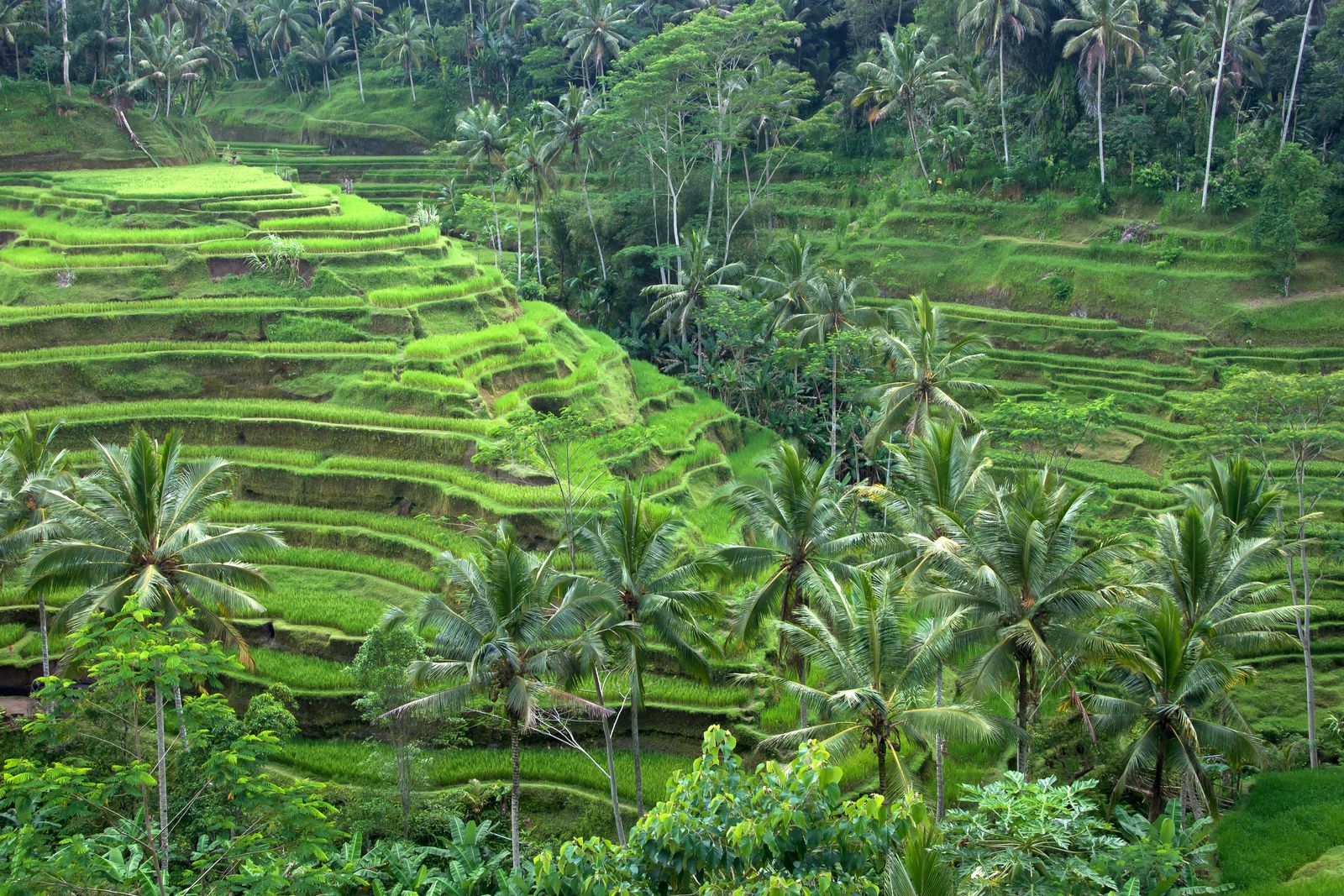 Photo: Vyacheslav Argenberg, CC BY 4.0
Ubud Jungle Guide
Bali's cultural heart is ringed by river gorges and terraced forest. Where to stay in the Ubud jungle, what to do, and how to escape the crowds.
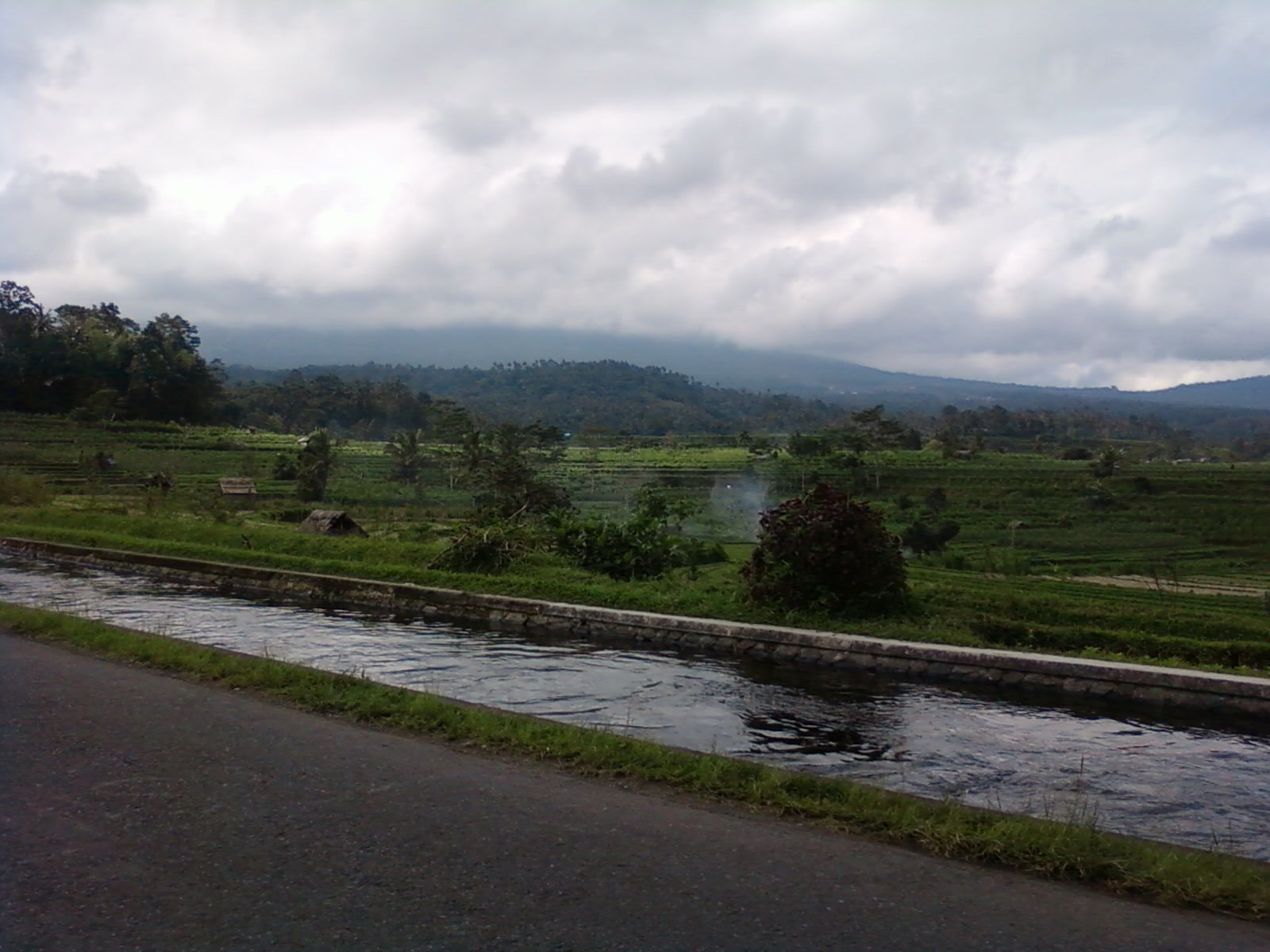 Photo: Adimelali Bali, CC BY-SA 3.0
Sidemen, Bali: The Quiet Valley Guide
An hour from Ubud and a decade behind it — Sidemen is the rice-terrace valley under Mount Agung where Bali's best bamboo houses hide.
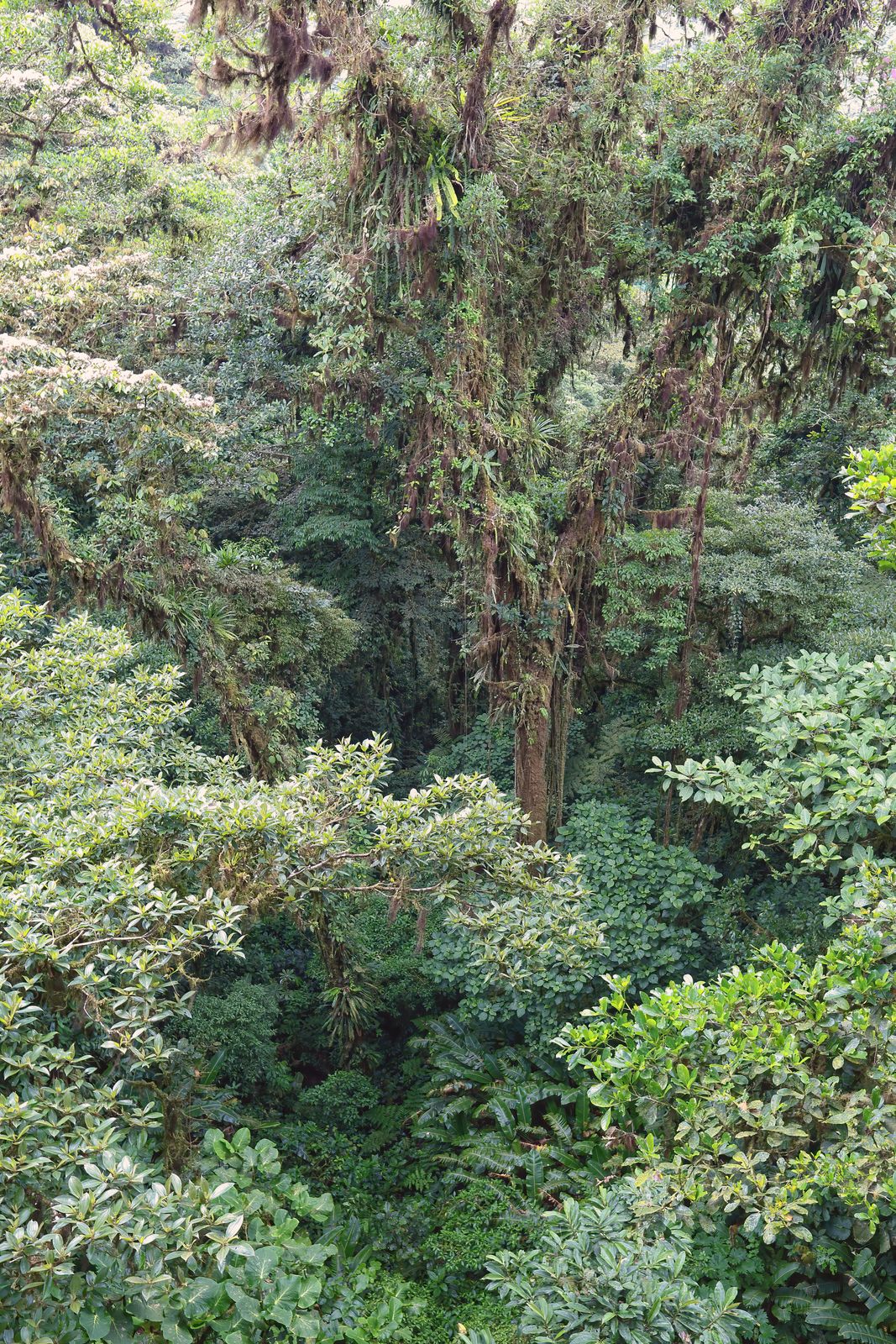 Photo: Cephas, CC BY-SA 4.0
Monteverde Cloud Forest Guide
Walk through the clouds on suspension bridges in the canopy — Costa Rica's most famous cloud forest, and how to do it well.
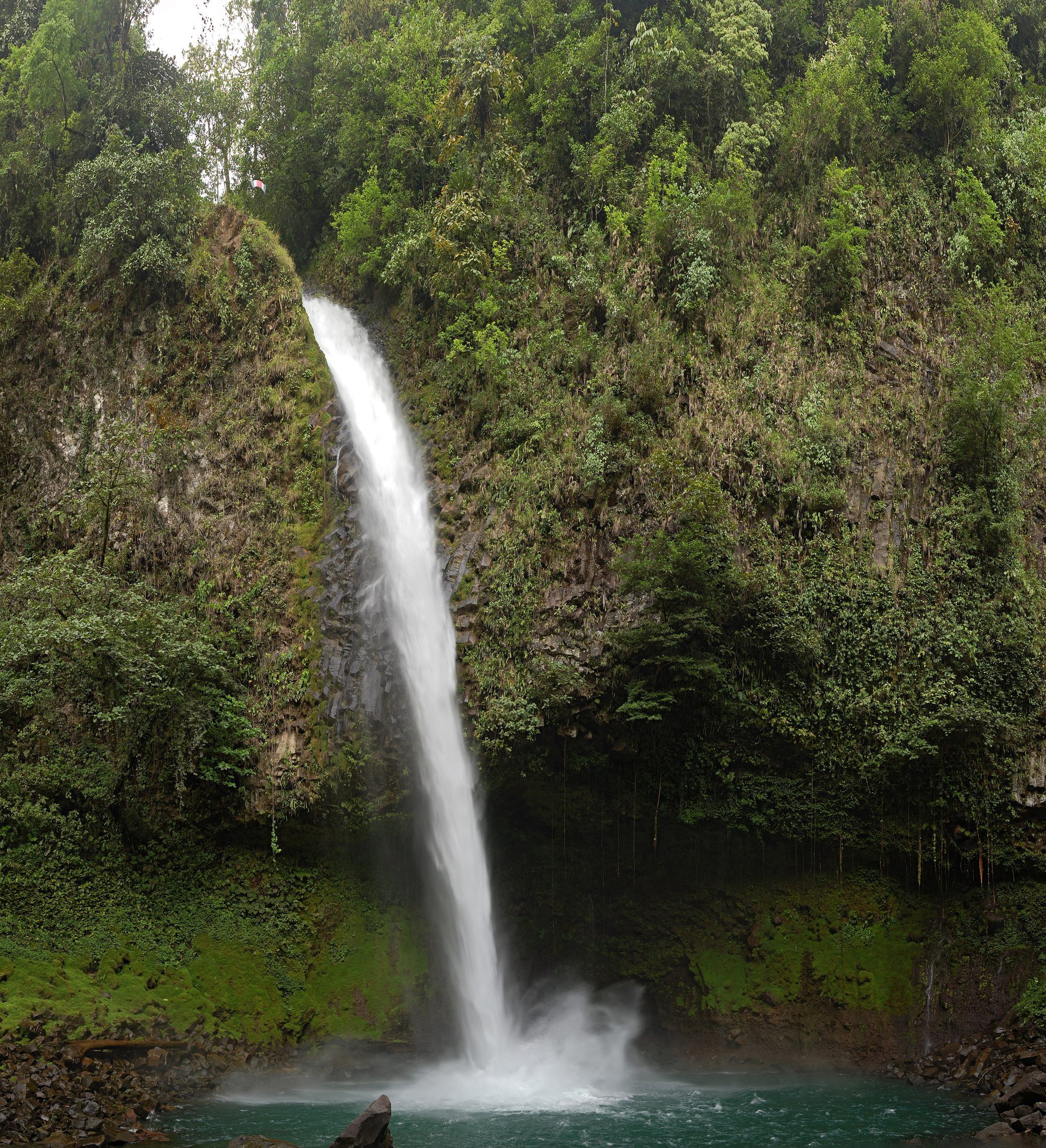 Photo: Derek Ramsey (Ram-Man), CC BY-SA 4.0
Find your own piece of the canopy.
Treehouses, bamboo houses and rainforest villas across 17 destinations — found, vetted and written up honestly.
Browse all destinations