Uganda & Rwanda Rainforest Guide
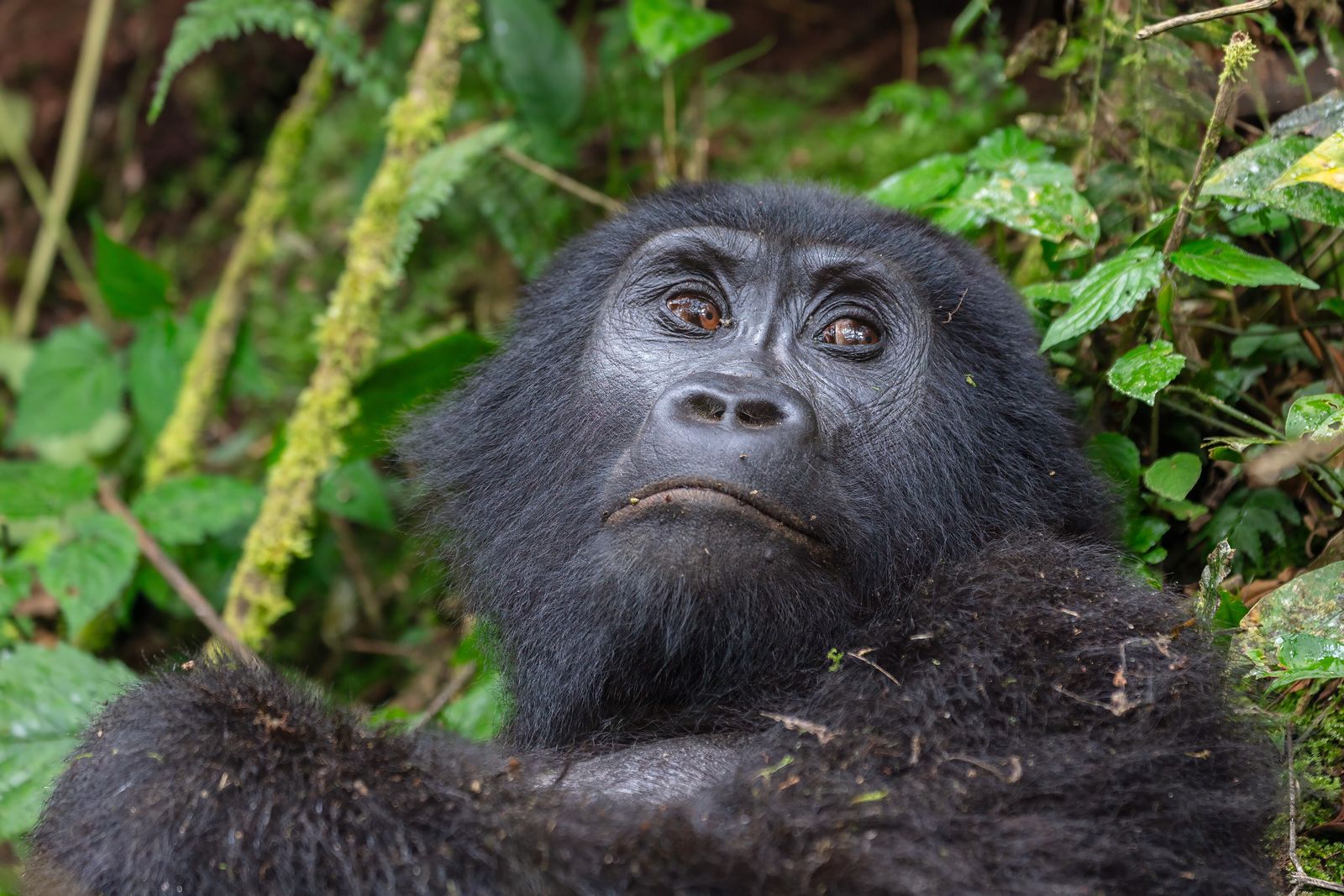
Somewhere in the tangled, misted hillsides that straddle the Uganda-Rwanda-Congo border, roughly a thousand mountain gorillas are going about their morning: stripping bark, wrestling their kids, ignoring you. That's the whole pitch for this corner of Africa, and it turns out to be more than enough. This guide covers the two rainforest systems that make gorilla trekking possible, honestly, without pretending it's cheap or effortless, because it's neither.
Uganda and Rwanda's rainforests, honestly
Let's get the geography straight first, because a lot of trip-planning confusion starts here. Uganda and Rwanda aren't jungle countries in the way, say, Borneo or the Congo Basin proper are. They're mostly savanna, terraced hillside farmland, lakes, and volcanic highland. What they have, in a handful of protected pockets along their shared western border, is some of the oldest, most biologically dense rainforest left on the continent, and it happens to hold the last wild population of mountain gorillas on Earth. There is no captive-bred backup population. Every mountain gorilla you will ever see, in a zoo brochure or in person, either lives in the Virunga Massif that spans Uganda, Rwanda, and the Democratic Republic of Congo, or in Uganda's Bwindi Impenetrable Forest. That's it. That's the entire range.
This matters for how you should think about the trip. You are not going to see a jungle theme park with guaranteed sightings and manicured trails. Bwindi is called Impenetrable for a reason: it's a UNESCO World Heritage-listed tangle of Afromontane forest, over 25,000 hectares of it, some of it more than 25,000 years old, predating the last ice age's forest clearances elsewhere on the continent. Trekking through it means climbing steep, muddy, occasionally vertical terrain with a machete-wielding guide ahead of you, and there is no promise of how long that will take on any given day. The reward, when it comes, is standing eight feet from a 400-pound silverback who has decided you're not interesting enough to bother with.
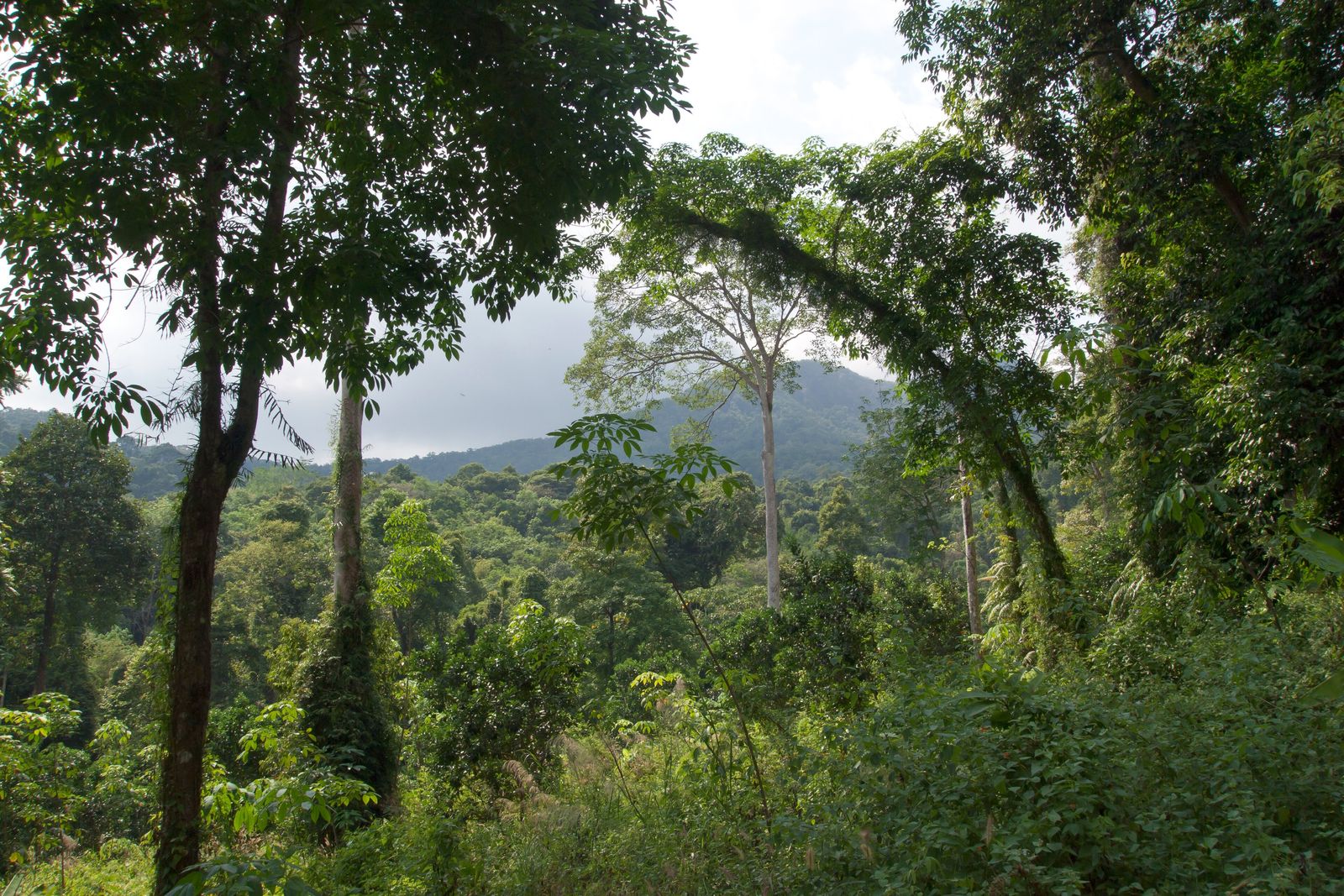
Rwanda's side of the story is the Virunga volcanoes: eight peaks straddling three countries, five of them inside Rwanda's Volcanoes National Park. It's a different kind of forest, higher, cooler, more bamboo and less true rainforest lowland canopy than Bwindi, but no less serious a trek. Between the two countries you also get Rwanda's Nyungwe National Park, one of Africa's oldest and largest remaining montane rainforests, and Uganda's Kibale National Park, which isn't part of the gorilla story at all but is arguably the best chimpanzee-trekking destination on the continent. If your itinerary only has gorillas on it, you're leaving a lot on the table.
None of this is a knock on either country. It's the opposite: this is one of the few places left where the wild thing you came to see is still, barely, winning. The global mountain gorilla population, once projected toward extinction, has been climbing for two decades because of the tourism revenue and armed ranger patrols this guide is describing. Every permit fee, uncomfortable as the number is, funds that. Keep that in your back pocket when you're staring at the price.
The regions, and how they differ
There are really five protected areas worth knowing by name, and they don't behave the same way, so picking the right one (or combination) changes your whole trip.
Bwindi Impenetrable National Park, Uganda
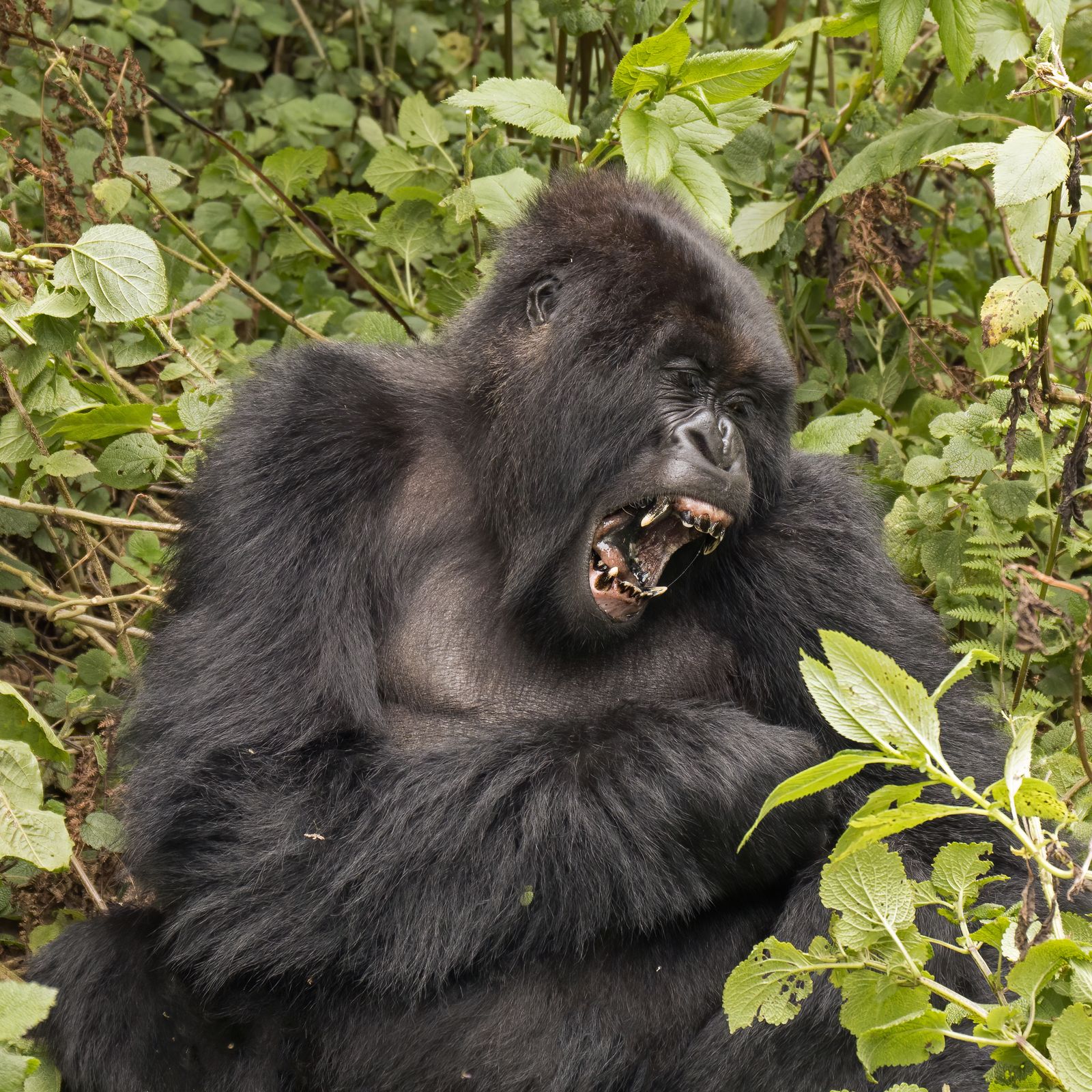
The big one. Bwindi holds roughly half of the world's mountain gorillas, spread across four trekking sectors: Buhoma in the north, Ruhija in the east, and Rushaga and Nkuringo in the south. Each sector has its own habituated gorilla families and its own lodges, and they're far enough apart (a couple of hours' drive on rough roads) that you effectively pick one and base yourself there rather than hopping between them. Buhoma is the original, most developed sector with the widest lodge range; Rushaga has the most habituated families and is the base for gorilla habituation experiences (more on that below); Ruhija sits highest and coolest; Nkuringo is the most remote and, by most accounts, the toughest trekking terrain.
Mgahinga Gorilla National Park, Uganda
The smallest and least visited of the group, tucked into Uganda's corner of the Virunga volcanoes, bordering both Rwanda and Congo. It has one habituated gorilla family that moves freely across the border and isn't always in Uganda when you show up, so permits here are cheaper but sightings are less certain. Most visitors treat Mgahinga as a golden monkey and volcano-hiking add-on rather than a primary gorilla base.
Volcanoes National Park, Rwanda
Rwanda's Virunga sector, based out of the town of Musanze (Kinigi is the actual park gate and trailhead). This is the most polished, most road-accessible gorilla destination of the three countries, a two- to three-hour drive from Kigali on a paved road, which is a large part of why Rwanda charges the most for permits. It's also where Dian Fossey did her research and is buried, at Karisoke, and where the annual Kwita Izina gorilla-naming ceremony happens.
Nyungwe National Park, Rwanda
No gorillas, but genuinely one of the standout rainforests in East Africa: high-altitude montane forest with a canopy walkway, chimpanzee trekking, and thirteen other primate species including big troops of Angola colobus. If you've done cloud forest in Costa Rica or hiked through Sri Lanka's hill country rainforest, Nyungwe will feel like a cousin of both, cooler and quieter than the gorilla parks, and far less crowded.
Kibale National Park, Uganda
Uganda's chimpanzee capital, an easy add-on if you're routing between Queen Elizabeth National Park and Bwindi. Kibale has one of the highest primate densities anywhere on Earth and a habituation experience that runs a full day with the chimps rather than the standard hour.
Good to know
Gorillas and chimpanzees are trekked separately, on separate permits, in separate parks. You can't combine a gorilla and chimp trek on the same day or the same ticket. Plan them as distinct mornings, ideally with a rest day between.
When to go
Uganda and Rwanda don't have a hard wet-dry split like a lot of tropical destinations; they have two drier windows and two wetter ones, and trekking happens year-round regardless, because the forest is rainforest and it rains in it whenever it wants. What the season actually changes is trail conditions, not gorilla sightings, since the animals are tracked daily by rangers no matter the weather.
June to September (long dry season)
The most popular window, and for good reason: trails are firmer, the steep sections of Bwindi are less of a mud-wrestle, and this lines up with North American and European summer holidays. It's also peak pricing and peak permit demand, both parks routinely sell out this window months ahead.
December to mid-February (short dry season)
A quieter, still-dry alternative to the June-September rush. Good light, good trails, noticeably fewer other trekking groups on the trail with you.
March to May and October to November (wet seasons)
This is when Uganda offers low-season gorilla permits at a discount, and Rwanda offers a bundled discount for visitors who also spend time in Akagera and Nyungwe. The trade-off is real: expect mud, humidity, and the possibility of trekking in a downpour. Vegetation is also at its most lush and the birdlife more active, so it's not a bad trade for photographers or budget travelers willing to buy proper gaiters.
Wildlife timing is less seasonal than you'd think, gorillas don't migrate and they're tracked daily regardless of month, but golden monkey and chimpanzee activity in Nyungwe and Kibale can thin out slightly in the heaviest rain weeks. If you're combining a gorilla trek with general wildlife viewing in Queen Elizabeth or Akagera's savanna sections, the dry months make game drives easier and sightings more concentrated around waterholes.
The trail doesn't care what season it is. Bring gaiters and a rain shell no matter when you go, and you'll be fine.
Getting there and getting around
Both countries fly in through a single main international gateway: Entebbe International Airport (EBB) for Uganda, about 40 minutes from Kampala, and Kigali International Airport (KGL) for Rwanda. Direct long-haul options into Kigali have expanded in recent years via RwandAir and partner carriers; Entebbe is served by a wider mix of European, Gulf, and regional airlines. Neither city is near the gorilla parks, so budget real transit time after landing.
Reaching Bwindi, Uganda
From Kampala or Entebbe, Bwindi is roughly 8 to 9 hours by road, which most visitors break into a two-day drive with a stop in Queen Elizabeth National Park for a game drive. The faster option is a domestic flight: small charter and scheduled operators fly from Entebbe to airstrips at Kihihi or Kisoro, both about an hour's transfer from the various Bwindi sectors. Most travelers combine driving one direction and flying the other.
Reaching Volcanoes National Park, Rwanda
This is where Rwanda's road infrastructure pays off. It's a paved, roughly two-and-a-half to three-hour drive from Kigali to Musanze/Kinigi, easily done as a same-day transfer the morning before or the evening after a trek. No domestic flight is needed, and this single fact is a big part of why Rwanda's trekking experience feels more streamlined and costs more.
Crossing between the two countries
The Gatuna/Katuna border crossing connects southwestern Uganda to northern Rwanda and is used by tour operators running combined Uganda-Rwanda itineraries; it's a land crossing, not a flight, so factor in border formalities and the fact that regional relations occasionally affect crossing ease. Most travelers doing both countries on one trip fly into one capital and out of the other, with an overland gorilla-trekking loop in between.
Inside the parks themselves, you're on foot for the actual trekking, and on rough dirt roads (often requiring 4x4) for everything else. Distances that look short on a map, Kigali to Kinigi excepted, take far longer than expected because the roads climb, switchback, and are frequently unpaved.
Where to stay
Accommodation clusters tightly around each trekking sector, since everyone needs to be at the briefing point by roughly 7 or 8 a.m. Browse JungleBnB's full destination directory for current listings, but here's how the lodging landscape breaks down by area.
Buhoma sector, Bwindi
The most established base, with lodges ranging from simple guesthouses to high-end options. Buhoma Lodge sits inside the park boundary itself, a short walk from the ranger briefing point, one of only a couple of properties with that kind of direct access. Nearby, Bwindi Lodge and Mahogany Springs Lodge both offer forest-edge settings with private paths toward the park entrance, a genuine convenience on an early trekking morning when every extra transfer minute matters.
Ruhija and Nkuringo sectors, Bwindi
Smaller lodge scenes, more remote, and correspondingly quieter. Ruhija sits at Bwindi's highest, coolest elevation with a scattering of mid-range and community-run lodges. Nkuringo is the toughest trekking sector and the least developed for tourism infrastructure, which is either a selling point or a dealbreaker depending on your tolerance for basic facilities; Clouds Mountain Gorilla Lodge, perched on the ridge above the sector, is the area's best-known high-end option.
Rushaga sector, Bwindi
Home to the most habituated gorilla families in Bwindi and the base for gorilla habituation experiences, which run longer than a standard trek and put you with a family that's still getting used to human visitors. Lodge options here have expanded quickly as the sector has grown in popularity.
Kinigi, Rwanda
The Rwandan side offers the most concentrated stretch of high-end lodges anywhere in the region, reflecting the country's positioning of gorilla tourism as a premium, low-volume product. Options range from simpler guesthouses near the park gate to some of the most architecturally ambitious lodges in East Africa, several built into the volcanic hillside with direct views of the peaks.
Wherever you land, book the lodge and the permit together, or at minimum book the permit first. Gorilla permits, not hotel rooms, are the actual bottleneck in this region, and a beautiful lodge booking is worthless if you can't get a trekking slot to match the dates.
What to actually do
Gorilla trekking is the headline, obviously, but building a whole trip around one hour with one animal is a waste of a long flight. Here's what fills the rest of the itinerary.
Gorilla trekking
You're assigned a habituated family the morning of your trek, based on fitness level and, sometimes, which family rangers located the previous evening. Hikes can run anywhere from 30 minutes to six or seven hours round trip depending on where the family has wandered overnight, and once you find them, you get a strict, ranger-enforced one hour. Porters are available at the trailhead, hire one; it supports the local economy and you'll be glad of the help on Bwindi's steeper sections regardless of your fitness level.
Gorilla habituation experience
Offered only in Bwindi's Rushaga sector, this puts you with researchers and rangers working to habituate a family that isn't yet open to standard tourism, for up to four hours rather than one. It costs more and requires more physical stamina, but it's a genuinely different, quieter experience than the standard trek.
Golden monkey tracking
Available in both Mgahinga and Volcanoes National Parks, and considerably cheaper and less physically demanding than gorilla trekking. Golden monkeys are endangered, endemic to the Virunga bamboo zone, and very actively social, worth doing as a second-day activity if you have the time.
Chimpanzee trekking and habituation
Kibale National Park in Uganda is the region's best chimp destination, with sightings considered close to guaranteed given the density of habituated troops. Nyungwe in Rwanda offers chimp trekking too, on steeper, more challenging terrain, alongside a canopy walkway that's worth doing purely for the view over the forest.
Batwa cultural visits
The Batwa people were the original forest-dwelling inhabitants of this region before conservation boundaries displaced them decades ago. Several community-run visits, mostly around Bwindi's Buhoma and Nkuringo sectors, let travelers learn traditional forest skills and hear that displacement history directly, told by Batwa guides rather than through a lodge brochure. It's worth doing thoughtfully rather than skipping past it as a add-on.
Lake Bunyonyi
A short drive from Bwindi's southern sectors, Lake Bunyonyi is one of Uganda's most scenic lakes, terraced hillsides, dozens of small islands, and a genuinely relaxing counterpoint to a physically demanding trekking day. A lot of itineraries build in a night here either before or after Bwindi.
Volcano hiking
Both countries offer hikes up dormant volcanic peaks in the Virunga range, Mount Sabyinyo (with its three-country summit point) and Bisoke's crater lake among the better-known routes on the Rwandan side. These are separate permits from gorilla trekking and genuinely strenuous, but the views justify it.
The wildlife you'll see
Mountain gorillas are the reason people book the flight, and they deliver: an adult silverback close up is a different scale of animal than photos prepare you for, calm, enormous, and generally indifferent to your presence once the group has settled. But the forests around them are busier than most visitors expect.
- Chimpanzees, in Kibale and Nyungwe, more vocal and active than gorillas, and considerably faster-moving through the canopy, which makes tracking them a livelier, noisier experience.
- Golden monkeys, endemic to the Virunga bamboo zone and one of the more colorful primates on the continent, restless and easy to watch for long stretches.
- L'Hoest's monkeys, black-and-white colobus, and grey-cheeked mangabeys, all present across Bwindi and Nyungwe, frequently spotted incidentally on the walk in or out of a gorilla trek.
- Forest elephants, present in small numbers in Bwindi, rarely seen but occasionally crossing trekking paths.
- Birdlife, this is one of Africa's premier birding regions; Bwindi alone hosts over 300 recorded species, including a strong list of Albertine Rift endemics found almost nowhere else on Earth.
If your route includes Queen Elizabeth National Park en route to Bwindi, add tree-climbing lions in the Ishasha sector, hippos along the Kazinga Channel, and elephants and buffalo on savanna game drives, a completely different ecosystem twenty minutes off the Bwindi road.
Costs and budgeting
This is the part that surprises people, so let's be blunt about it. Gorilla trekking is genuinely expensive, deliberately so, as a conservation-funding mechanism rather than a market accident.
Permits
A standard gorilla trekking permit in Uganda runs USD 800 per person for foreign non-residents, with a discounted low-season rate during April, May, and November. Uganda's gorilla habituation experience costs considerably more. In Rwanda, a standard gorilla permit runs USD 1,500 per person, among the highest wildlife-viewing fees anywhere in the world, with a discount available for visitors who combine the trek with time in Akagera and Nyungwe during the low season. Golden monkey and chimpanzee permits are cheaper than gorilla permits in both countries, generally in the low hundreds of dollars rather than four figures.
Why the gap between the two countries
Rwanda has deliberately positioned its gorilla tourism as a lower-volume, higher-price product, partly to limit pressure on the gorilla population and partly because its infrastructure, paved roads, proximity to Kigali, dense lodge investment, supports a more premium experience. Uganda spreads trekking across more sectors and more permits at a lower individual price point, which tends to suit budget-conscious travelers and photographers who want more shots at securing a permit.
Lodging
Expect a wide range: modest guesthouses and community lodges from roughly USD 50 to 150 a night, mid-range lodges in the USD 200 to 500 range, and the top-tier Rwandan lodges well north of that, often bundling meals, transfers, and activities into an all-inclusive rate. Bwindi's Buhoma and Rushaga sectors have the widest spread of price points; Rwanda skews consistently upmarket.
The rest of the trip
Add domestic flights or private transfers (a few hundred dollars each way in Uganda, less relevant in Rwanda given the paved Kigali-Musanze road), a porter tip for trekking (a genuinely worthwhile expense, generally in the USD 15 to 20 range), park entrance fees separate from gorilla permits if you're adding game drives, and a general daily food-and-incidentals budget that's modest by comparison to the permit cost. Most people planning honestly should expect a week-long Uganda-Rwanda gorilla trip, permits, lodging, transport, and incidentals combined, to land somewhere in the low-to-mid four figures per person at minimum, climbing well beyond that for a Rwanda-heavy, luxury-lodge itinerary.
Good to know
Permits are non-refundable and largely non-transferable once booked, and they sell out months ahead in peak season. Book your gorilla permit before you book anything else, including flights.
Health, safety, and practical tips
Vaccinations and health prep
Yellow fever vaccination is required for entry into both Uganda and Rwanda (or at minimum strongly enforced at border points depending on your routing), and both countries sit in malaria zones, so prophylaxis is standard advice; talk to a travel clinic well ahead of departure. Altitude is a real factor around the Virunga volcanoes and in Ruhija, some travelers feel it on steep trekking days, so build in acclimatization time if you're not used to elevation.
Physical fitness
Be honest with your tour operator and the park rangers about your fitness level before a trek. Gorilla families move, and a trek assigned to a stronger group can mean genuinely steep, muddy, multi-hour hiking. Porters are available and worth hiring regardless of fitness, since the terrain surprises even reasonably fit travelers.
What to pack
Waterproof hiking boots, gaiters, a rain shell regardless of season, gardening gloves for pushing through nettles and thorny undergrowth, a wide-brimmed hat, and layers, mornings in Ruhija and Kinigi run cold at elevation, and it warms quickly once the sun's up.
Safety
Both Uganda and Rwanda are generally considered stable and safe for tourism in the areas covered by this guide, with well-established tour operator networks and armed rangers accompanying every gorilla trek. As with any international travel, check current government travel advisories before booking, particularly around border regions, since regional conditions can shift.
Trekking etiquette
Rangers enforce a minimum distance from gorilla families (typically around seven meters), require face masks in some parks due to the animals' susceptibility to human respiratory illness, and prohibit trekking if you're currently sick, this is not a formality; gorillas can and have died from human-transmitted respiratory infections. If you're feeling unwell on trek day, say so.
A suggested route
A realistic, unrushed version of this trip runs about 8 to 10 days, and looks roughly like this:
- Day 1-2: Arrive Entebbe, transfer to Kampala or straight toward the west, with an overnight stop en route.
- Day 2-3: Queen Elizabeth National Park for a game drive and a Kazinga Channel boat trip, a savanna and wetland contrast to the forest days ahead.
- Day 3-4: Transfer to Bwindi (Buhoma or Rushaga sector), settle in, rest before the trek.
- Day 5: Gorilla trekking day in Bwindi.
- Day 6: Optional second activity, a Batwa cultural visit, birding walk, or a rest day at Lake Bunyonyi.
- Day 7: Overland crossing at Gatuna/Katuna into Rwanda, or fly Kigali-side if time is tight, transfer to Musanze/Kinigi.
- Day 8: Gorilla trekking (a second family, for comparison) or golden monkey tracking in Volcanoes National Park.
- Day 9-10: Transfer to Kigali, with time for the Kigali Genocide Memorial, a sobering and worthwhile stop, before departure.
Travelers with more time often extend into Nyungwe for chimp trekking and the canopy walk, adding two or three days on Rwanda's southern loop. Travelers with less time sometimes cut the Uganda side entirely and fly straight into Kigali for a Rwanda-only long weekend built around a single gorilla trek, the Kigali-Musanze road makes that far more feasible here than it would be anywhere in Uganda.
For comparison, if you've trekked cloud forest wildlife elsewhere, Costa Rica's sloth and quetzal-spotting trails or Peru's Amazon lodges, the physical demands here are closer to a serious mountain hike than a nature walk. Go into it with that expectation and the trip delivers far more than the one hour with the gorillas implies.
Common questions
Can I see gorillas in both Uganda and Rwanda on one trip?
Yes, and a lot of well-planned itineraries do exactly this, one trek in Bwindi and one in Volcanoes National Park, crossing overland at Gatuna/Katuna or flying between the two capitals. Just remember each trek requires its own separate permit.
Is gorilla trekking safe for children?
Uganda and Rwanda both set a minimum trekking age of 15, largely due to the physical demands of the trek and the strict need for quiet, controlled behavior around wild gorillas. Younger children can usually join golden monkey tracking or cultural visits instead.
How physically fit do I need to be?
Reasonably fit, and honest with yourself about it beforehand. Treks range from a short, flat walk to a multi-hour scramble on steep, often muddy terrain, and you won't know which you've drawn until the morning of. Porters are available in every sector and are worth hiring regardless of fitness level.
Which country should I choose if I can only pick one?
Rwanda if convenience, road access, and lodge polish matter most and you're comfortable with the higher permit price. Uganda if budget matters more, you want a wider spread of trekking sectors and a lower permit cost, and you don't mind longer overland transfers.
Do I need a visa?
Most nationalities need a visa for both Uganda and Rwanda, though both countries offer e-visa applications ahead of travel, and Rwanda in particular has made this a fast, largely online process. Check current requirements for your passport well before booking flights, since rules do change.
What's the one-hour gorilla time limit actually like?
Shorter than it sounds when you're standing there, and rangers enforce it strictly regardless of how good the viewing is. Most trekkers describe it as intense rather than rushed, an hour is enough time to watch a family settle into completely normal behavior around you.
If this is your first serious rainforest trip, or your tenth, it's worth reading around before you commit permit money. Our Costa Rica Rainforest Travel Guide and Sri Lanka Rainforest & Hill Country Guide cover rainforest travel with a very different cost structure and pace, useful context for what makes the gorilla parks unusual. If you're weighing why jungle stays in general have become such a fixture of serious travel planning, Why Jungle Stays Are Booming digs into that shift. And for the full spread of jungle destinations JungleBnB tracks, from the Amazon in Brazil to the rice-terrace forests of Bali, browse the complete destination directory.
- UNESCO World Heritage Centre — Bwindi Impenetrable National Park — World Heritage listing, forest size, and age.
- Uganda Wildlife Authority — official body managing Bwindi, Mgahinga, Kibale, and Queen Elizabeth national parks.
- Volcanoes National Park Rwanda — Gorilla Permits — Rwanda gorilla permit pricing and booking process.
- Cost of Uganda Gorilla Trekking Permits in 2026 — Uganda standard, habituation, and low-season permit pricing.
- Rwanda Development Board — national tourism authority for Volcanoes and Nyungwe national parks.
- World Wildlife Fund — Mountain Gorilla — species status, range, and conservation background.
- Wild Frontiers — Buhoma Lodge — lodge location and access within Bwindi's Buhoma sector.
More from the Journal.
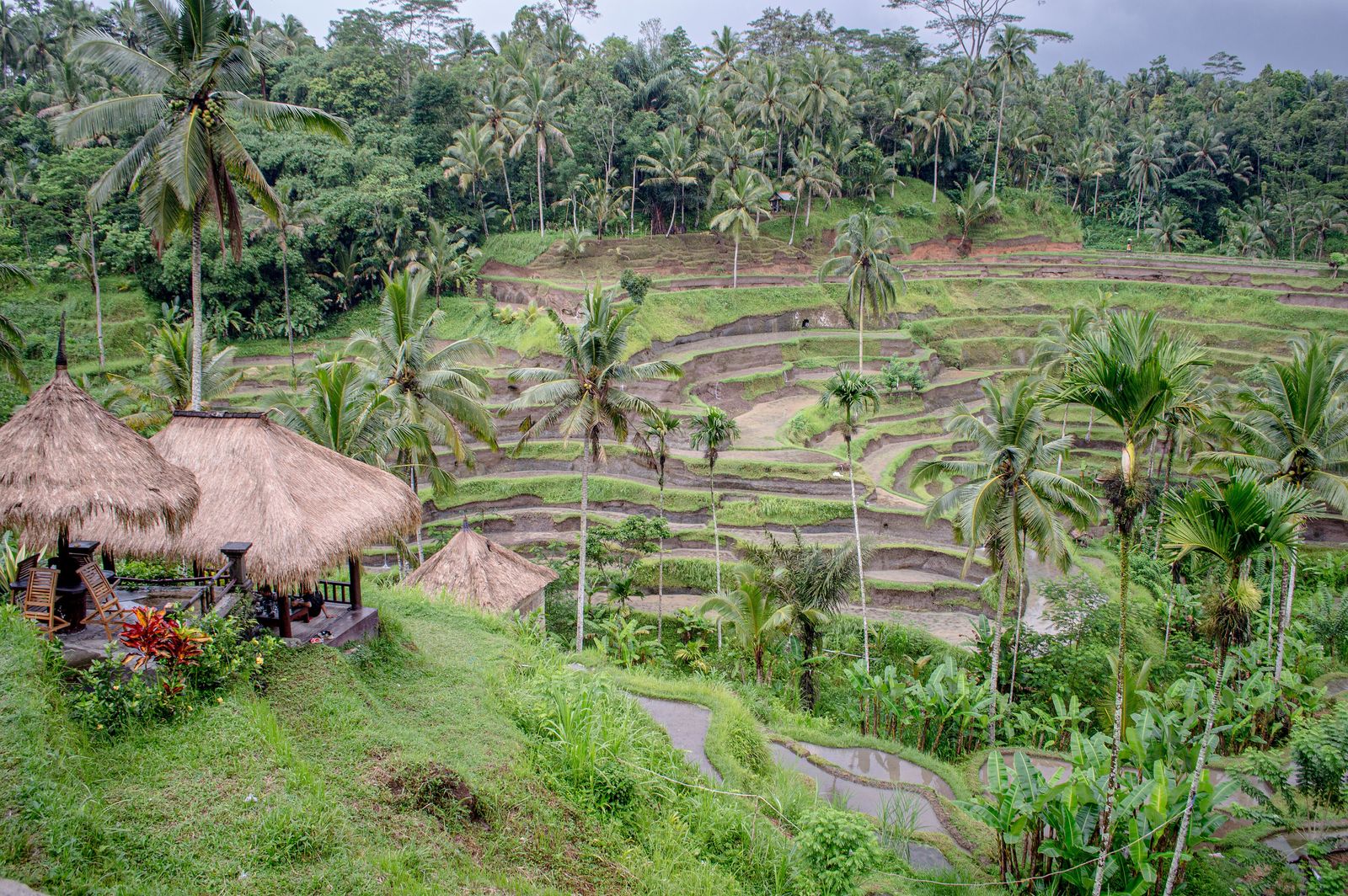 Photo: Philip Nalangan, CC BY 4.0
Bali Jungle Travel Guide
Everything you need to plan the interior of Bali — Ubud, Sidemen and the northern highlands — where to stay in the jungle, when to go and what it actually costs.
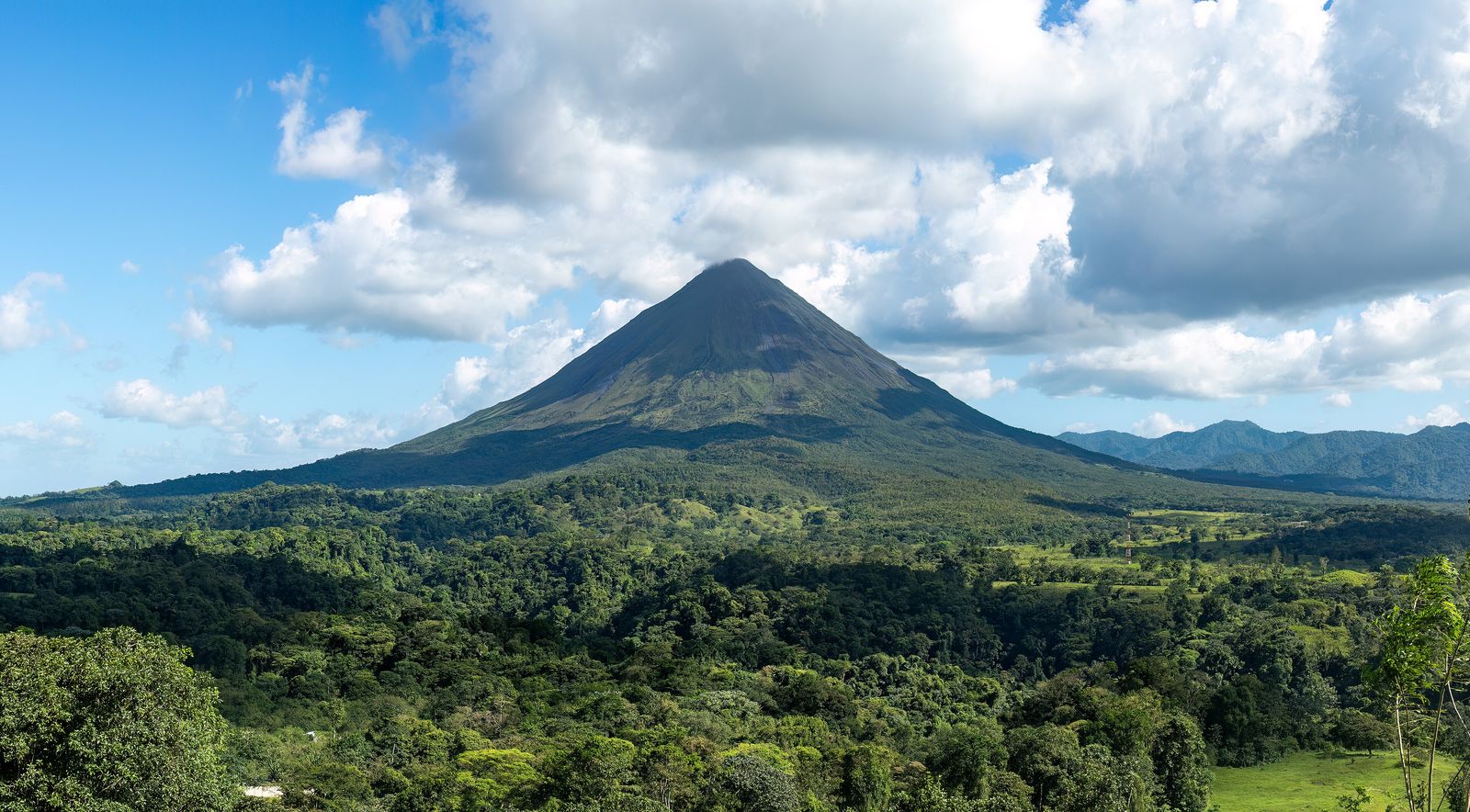 Photo: Rhododendrites, CC BY-SA 4.0
Costa Rica Rainforest Travel Guide
The definitive guide to Costa Rica's rainforests — cloud forest, Pacific lowlands and the wild Osa Peninsula — with where to stay and when to go.
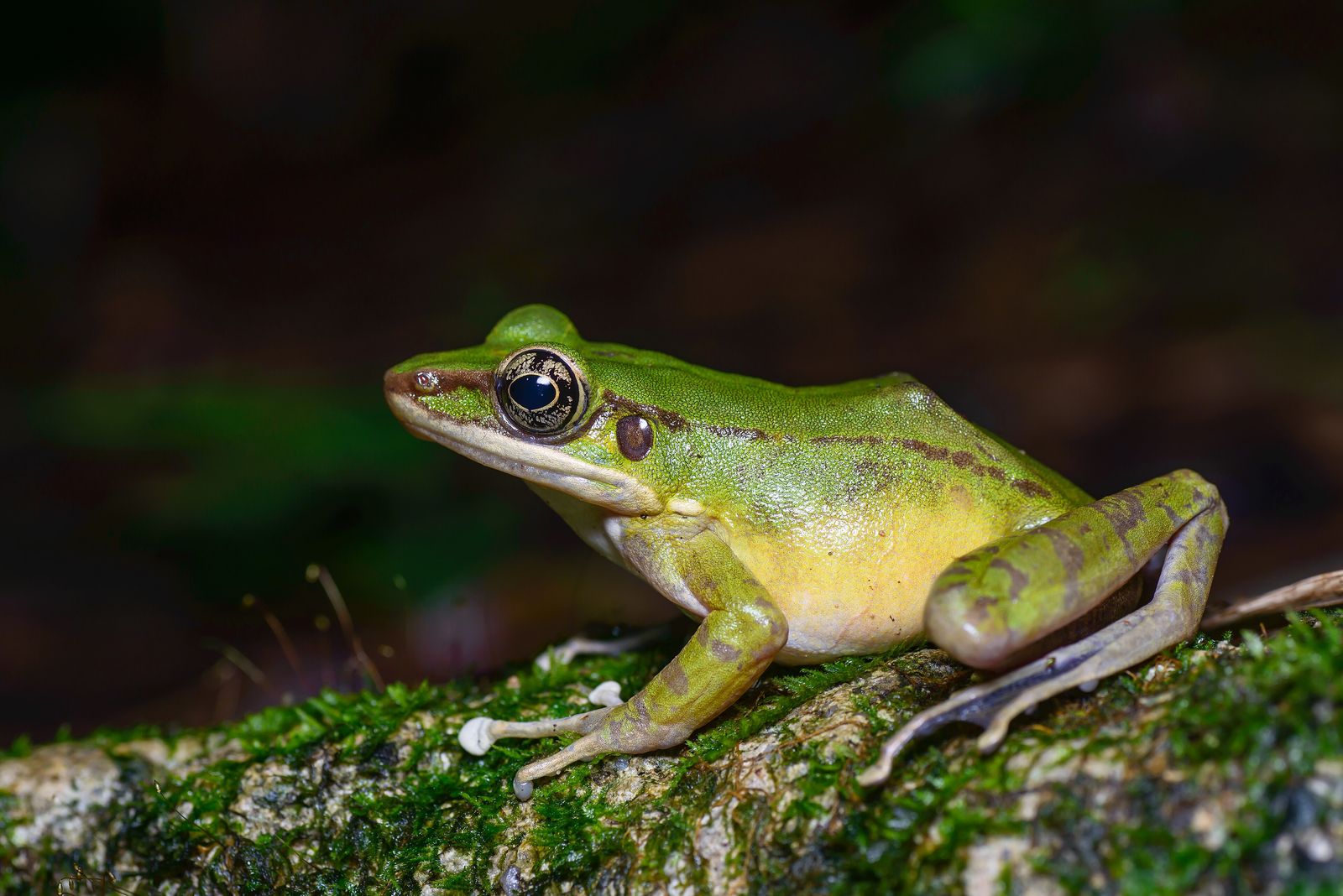 Photo: Rushenb, CC BY-SA 4.0
Thailand Jungle Travel Guide
Beyond the beaches: Khao Sok's ancient rainforest, the northern hills around Chiang Mai and the karst jungle of the south.
 Photo: Derek Ramsey (Ram-Man), CC BY-SA 4.0
Find your own piece of the canopy.
Treehouses, bamboo houses and rainforest villas across 17 destinations — found, vetted and written up honestly.
Browse all destinations