Vietnam Jungle Travel Guide
Say "Vietnam" and most people picture rice terraces, motorbikes and pho, or the beaches south of Da Nang. Fewer picture jungle — which is odd, because Vietnam has some of the most dramatic forest in mainland Southeast Asia, from a cave system so large it has its own weather system to lowland rainforest thick with gibbons and langurs found nowhere else on earth. It's just spread out, split across a country shaped like a long, narrow S, and it doesn't advertise itself the way Costa Rica or Bali do. This is a guide to finding it anyway — the karst jungle of the center, the ancient lowland forest of the south, ancient forest in the north, and the melaleuca wetlands where the Mekong Delta goes green at the edges.
Vietnam's jungle, honestly
Vietnam runs roughly 1,650 kilometers from its northern border with China down to the Mekong Delta and the Gulf of Thailand, and that length is the whole story of why its jungle doesn't behave like a single destination. The north has real winters, the center gets hammered by typhoons on a schedule the south never sees, and the south is tropical in the way most people picture when they hear "Southeast Asia" — hot and humid year-round with a wet season and a dry one. Layer decades of war, logging and rapid agricultural expansion on top of that geography, and Vietnam's forest cover today is a patchwork: some of it is regenerated secondary growth, some of it is genuinely old and largely untouched, and figuring out which is which matters if you're actually trying to see wildlife rather than just green scenery.
The honest version is that Vietnam rewards a traveler who treats its jungle regions as separate trips stitched together rather than one continuous rainforest belt. The karst jungle around Phong Nha in the center has more in common, geologically, with parts of southern China than with the lowland forest three hundred kilometers south. Cat Tien, down near Ho Chi Minh City, is a different ecosystem again — flatter, wetter, and home to primates that exist almost nowhere else. And the "highlands and the Mekong's green edges" in this guide's own framing point to two more distinct experiences: the cooler, drier forest of the Central Highlands around Dak Lak, and the melaleuca wetlands where the Mekong Delta's rice country gives way to flooded forest.
None of this is marketed the way Vietnam's beaches or its old towns are. That's part of the appeal — the parks covered here are genuinely undervisited relative to what they protect, and a jungle-focused Vietnam trip still feels like it's off the standard route even though everything in this guide is well established, permitted and, in most cases, easy to reach.
The regions, and how they differ
Five areas do most of the work if you're planning a jungle-focused route through Vietnam, from the karst center to the delta south.
Phong Nha-Ke Bang, the karst jungle of the center
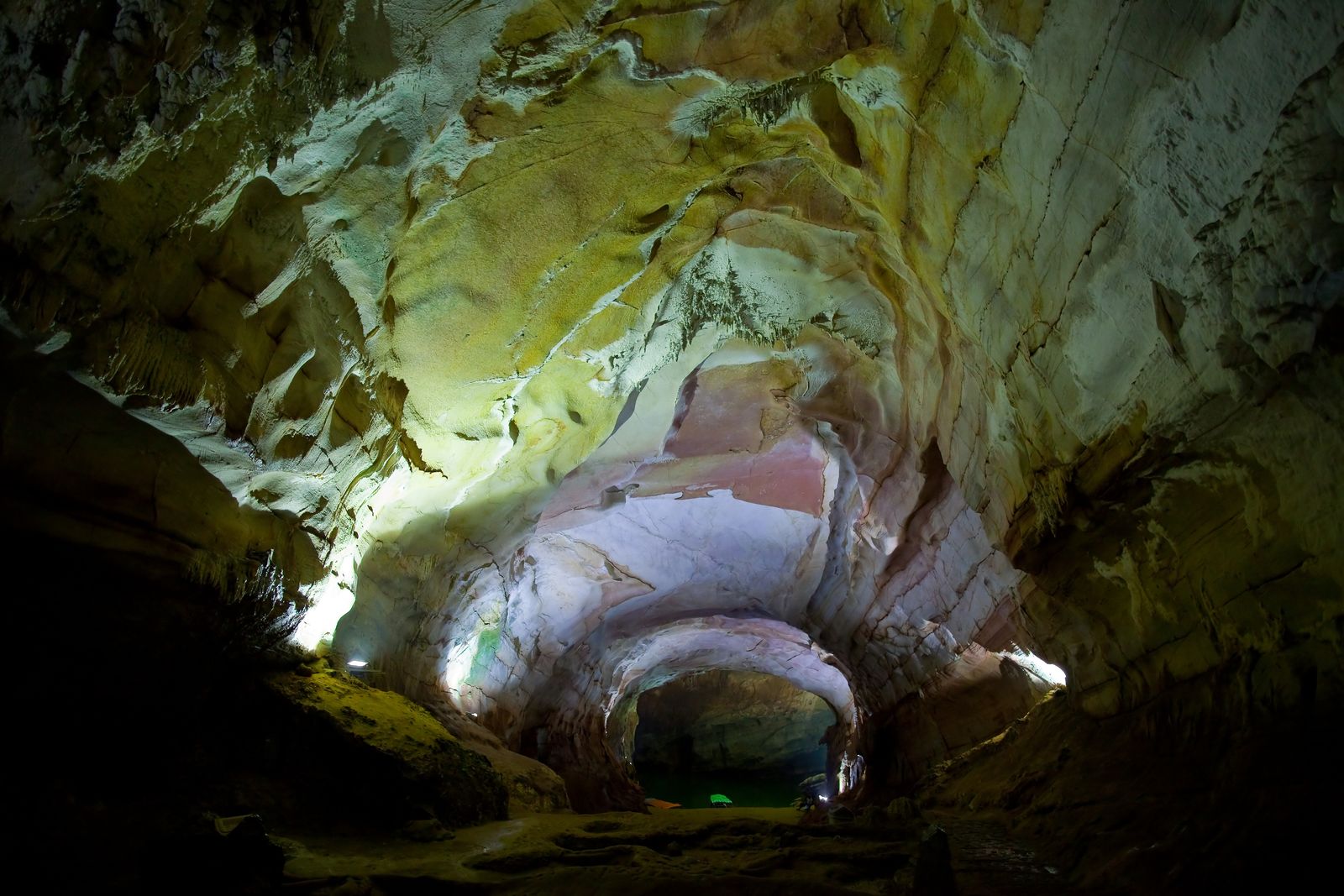
Phong Nha-Ke Bang National Park sits in Quang Binh Province, roughly in the narrow waist of the country, and it's built on some of the oldest karst formation in Asia — limestone mountains riddled with caves, underground rivers and jungle that grows straight up the karst towers rather than across flat ground. The park is a UNESCO World Heritage Site and protects over 300 known caves and underground river systems, the most famous of which is Son Doong, discovered relatively recently and confirmed as the largest cave passage on earth by volume, big enough to hold its own jungle and weather inside sections of its ceiling collapse. Most visitors won't do the multi-day Son Doong expedition, but the park's more accessible caves — Paradise Cave, Phong Nha Cave itself (reachable by boat along the underground river it's named for), and Dark Cave (Hang Toi), with its zipline and mud-bath detour — give a real sense of the scale without the permit and price tag. Around the caves, the forest itself is genuinely wild limestone jungle, home to langurs, hornbills and a long list of species still being documented by researchers.
Cat Tien, the lowland rainforest of the south
Cat Tien National Park spans Dong Nai, Lam Dong and Binh Phuoc provinces, roughly 150 kilometers from Ho Chi Minh City on a route that's become a straightforward half-day drive since the highway out of the city was upgraded. This is lowland tropical rainforest in the more familiar sense — dense, flat, threaded with rivers and seasonal wetlands — and it's the single best place in Vietnam to see primates. The park is home to at least six primate species, including the golden-cheeked gibbon and the black-shanked douc langur, both found in only a handful of places on earth, alongside silvered langur and pygmy slow loris. The Dao Tien Endangered Primate Species Centre, a short boat ride upstream from park headquarters on Dao Tien Island, rescues and rehabilitates primates confiscated from the illegal wildlife trade, several species of which are eventually released back into Cat Tien's forest. Beyond the primates, the park protects gaur (Southeast Asia's wild cattle, genuinely enormous), sun bears and a small, rarely seen leopard population.
Cuc Phuong, Vietnam's oldest park
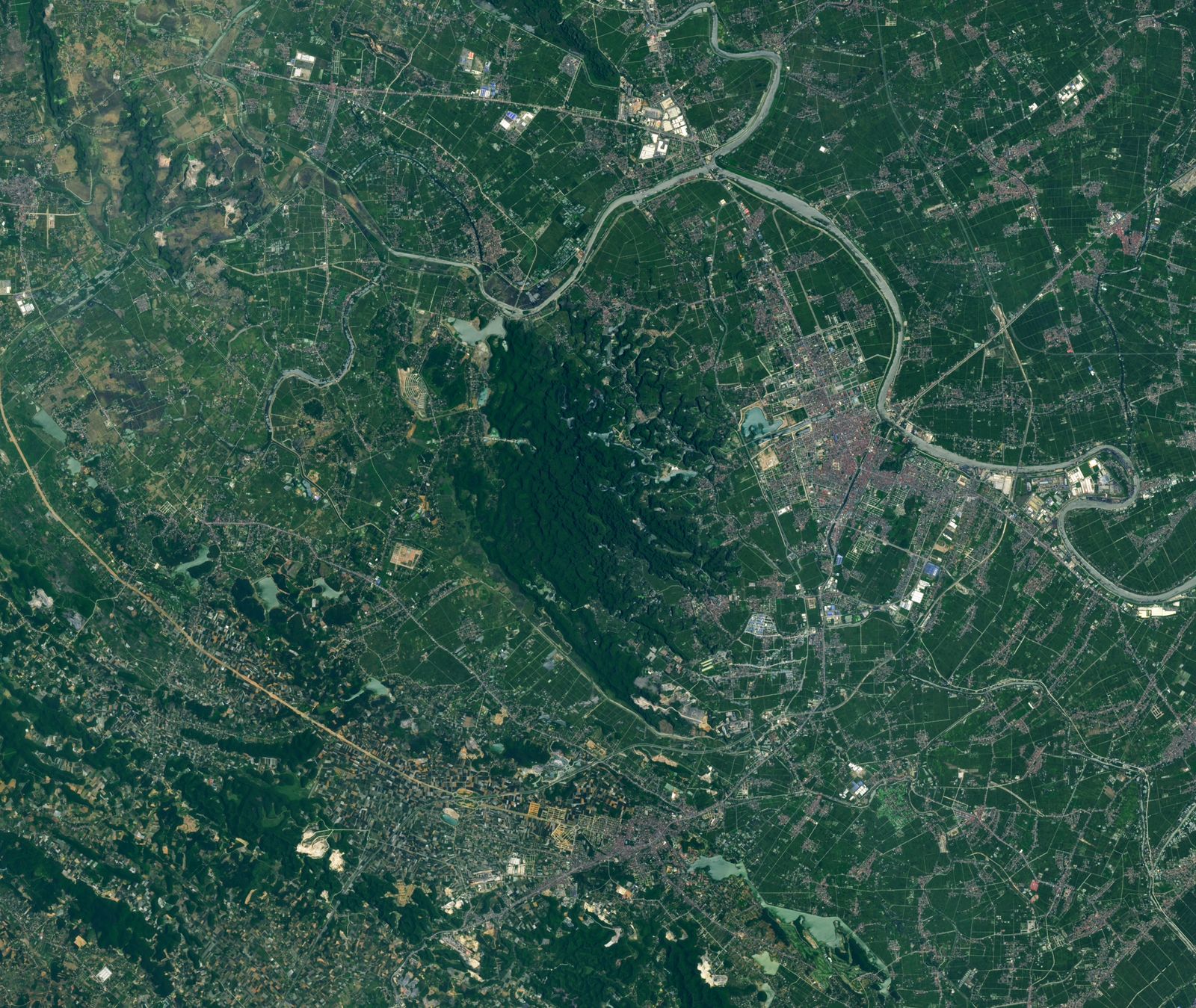
Cuc Phuong National Park, in Ninh Binh Province about two and a half hours south of Hanoi, was Vietnam's first national park, established in 1962, and it protects some of the country's oldest surviving lowland forest, including individual trees believed to be many centuries old. It's one of Vietnam's most important sites for biodiversity on paper — thousands of documented plant species, well over a hundred species of reptile and amphibian, and more than a hundred mammal species — even though its wildlife, like most of Vietnam's forest, is shy and mostly nocturnal. Cuc Phuong sits close enough to Hanoi and to Ninh Binh's karst river scenery around Tam Coc that it's the easiest jungle region in this guide to fold into a broader north Vietnam itinerary rather than a dedicated trip of its own.
Yok Don and the Central Highlands
The Central Highlands around Buon Ma Thuot in Dak Lak Province are a genuinely different kind of green — cooler, higher, and forested with dry dipterocarp woodland rather than dense rainforest, which thins out in the dry season into an open, almost savanna-like landscape before greening back up in the rains. Yok Don National Park here is Vietnam's largest, and it's notable for a specific reason: this region has, over the past several years, made a real and well-documented shift away from elephant riding toward observation-based tourism, following work by international welfare organizations to retire working elephants from riding and logging into a more natural routine within the park. It's a slower, quieter kind of jungle trip than Phong Nha or Cat Tien, built around dawn walks and a genuine chance at seeing elephants behave like elephants rather than performers.
The Mekong Delta's green edges
The Mekong Delta doesn't read as jungle from the road — it's rice country, canals and floating markets — but its edges hold real flooded forest. Tra Su Melaleuca Forest in An Giang Province, near the town of Chau Doc, is the best known: a planted-then-wild melaleuca wetland where boats thread narrow canals under a dense green canopy, particularly striking when the water rises in the flood season and duckweed carpets the surface a solid, startling green. Further south, the melaleuca and mangrove forests around U Minh, straddling Kien Giang and Ca Mau provinces, protect a rarer and less-visited slice of the same wetland-forest ecosystem, right down near Vietnam's southern tip. Neither is "jungle" in the Phong Nha or Cat Tien sense, but both are the real, green, forested delta that the postcards of rice paddies and conical hats leave out.
When to go
Vietnam's length means three separate weather systems are in play at once, and getting the season wrong in one region is far more consequential than in most single-climate countries.
- The north (Cuc Phuong, Hanoi, Ninh Binh): a genuine four-season climate. November through March is cool and often overcast, with January and February the coldest and occasionally chilly enough at night to need a layer, which surprises travelers expecting tropical heat. April through June warms up and starts to get humid; July through October is hot, wet and the peak of typhoon season affecting the coast further south. Spring (February–April) and autumn (September–November) are generally the most comfortable windows for forest walking in the north.
- Phong Nha and the center: the dry season, roughly February through August, is the reliable window for cave access — low water levels mean clear visibility inside the caves and open trails to reach them. September through January brings the region's heaviest rain, and central Vietnam's coast is squarely in the path of the typhoon season that peaks around September through November; several of Phong Nha's caves, including some of its most popular, close outright during the wettest stretches from roughly October through December when underground rivers flood.
- The south (Cat Tien, Ho Chi Minh City, the Mekong Delta) and the Central Highlands: a simpler two-season tropical pattern — dry roughly December through April, wet May through November. The wet season is hot, humid and prone to sudden, heavy afternoon downpours rather than all-day rain, and it's also when Cat Tien and the Mekong wetlands are at their most vividly green, with the Delta's flood season (roughly September through November) the best window to see Tra Su's canals at full, water-raised depth.
There's no single month that's ideal everywhere. The closest thing to a compromise window for a multi-region trip is February through April, which lands inside the north's comfortable season, well within Phong Nha's dry window, and just ahead of the south's heaviest heat and humidity — though you'll trade the Mekong Delta's dramatic flood-season canals for calmer, lower water.
Good to know
If Vietnam is one stop on a longer Southeast Asia loop, our Thailand jungle guide and Bali destination page are worth checking against these seasons before you book — none of the three run on quite the same calendar, and Vietnam's typhoon-affected center in particular is worth planning around rather than through.
Getting there and getting around
Vietnam has two major international gateways and a scatter of smaller regional airports that make the jungle regions more accessible than the distances on a map suggest.
Hanoi's Noi Bai International Airport (HAN) is the gateway for the north, including Cuc Phuong, which is a two-to-three-hour drive south, commonly combined with a stop in Ninh Binh's Tam Coc or Trang An karst river scenery on the way.
For Phong Nha: the nearest airport is Dong Hoi (VDH), about 45 kilometers from the park, with daily domestic flights from both Hanoi and Ho Chi Minh City and a handful of weekly regional connections. The alternative is Vietnam's reunification railway line, which stops in Dong Hoi, or an overnight sleeper bus — slower, cheaper, and a genuine way to see the country pass by rather than fly over it.
Ho Chi Minh City's Tan Son Nhat International Airport (SGN) is the gateway for the south — Cat Tien, the Mekong Delta and onward connections to the Central Highlands. Cat Tien itself is roughly 150 kilometers from the city, a drive of about three to four hours on upgraded highway, or a Phuong Trang bus to Tan Phu followed by a short local transfer.
For the Central Highlands: Buon Ma Thuot Airport (BMV) has domestic flights from both Hanoi and Ho Chi Minh City and is the practical entry point for Yok Don National Park, roughly 40 kilometers further west.
For the Mekong Delta: Can Tho International Airport (VCA) serves the delta's largest city, with domestic connections from Hanoi; from Can Tho, Chau Doc and Tra Su Melaleuca Forest are a further two-to-three-hour drive west toward the Cambodian border, and most travelers arrange the boat portion of a Tra Su visit through a local operator rather than independently.
Within each region, hired cars with drivers and organized day tours cover most of the practical ground — Vietnam's roads are busy and its traffic culture takes some adjusting to, and self-driving isn't the default choice most travelers make. Motorbike rental is common and cheap in tourist towns like Son Trach (the gateway village for Phong Nha) but comes with real road-safety caveats covered later in this guide.
Where to stay
Vietnam's jungle accommodation runs from simple family-run homestays to increasingly polished eco-lodges, and where you base yourself follows the park, not the reverse. Son Trach, the small town at Phong Nha's entrance, has grown quickly around cave tourism and now has everything from backpacker hostels to riverside bungalows, most within easy reach of the park's boat and cave tours. Around Cat Tien, the accommodation sits just outside the park boundary near Tan Phu, ranging from simple guesthouses to riverside eco-lodges aimed specifically at wildlife-focused travelers; a smaller number of rustic bungalows inside the park itself can be booked directly, useful if you want to be on-site for a dawn primate walk rather than driving in. Cuc Phuong has its own on-site guesthouses and bungalows run by the park, plus a wider range of options a short drive away in Ninh Binh town, which doubles as a base for the karst river scenery at Tam Coc and Trang An. Around Chau Doc and Tra Su, homestays on stilts over the water are the distinctive option, putting you inside the wetland landscape rather than looking at it from a hotel room.
For a shortlist of vetted stays across these regions, see our destinations directory, and check back as our Vietnam listings grow — this is one of the faster-developing corners of the site's jungle coverage.
Vietnam's jungle isn't one trip. It's four or five genuinely different ones, spread the length of a country most people only fly over on the way between Hanoi and Ho Chi Minh City.
The best things to do
- Boat into Phong Nha Cave: the park's namesake cave is explored by boat along the underground river running through it, one of the most accessible and dramatic introductions to the region's karst without needing multi-day expedition permits.
- Walk Paradise Cave's boardwalk: a long, lit boardwalk through one of the park's largest dry caves, with cathedral-scale chambers that give a sense of the scale involved without the mud and rope work of the wetter caves.
- Zipline and mud-bathe at Dark Cave: Hang Toi combines a genuinely wild cave swim with a zipline approach and a natural mud pool at the end — the most active, least reverent of Phong Nha's cave experiences.
- Take a night safari or jeep tour at Cat Tien: much of the park's wildlife is nocturnal or crepuscular, and a guided night drive is the most reliable way to see civets, deer and, with real luck, one of the park's more elusive cats.
- Boat to Dao Tien Island: a short crossing from Cat Tien's park headquarters to see the primate rescue and rehabilitation work up close, including species — golden-cheeked gibbon and black-shanked douc among them — found in almost no other accessible place on earth.
- Trek or cycle to Crocodile Lake (Bau Sau): a wetland deep inside Cat Tien reachable by a half-day trek or bike ride, home to Siamese crocodiles reintroduced after being wiped out in the wild elsewhere in the country.
- Walk Cuc Phuong's ancient forest trails after dark: a night walk here turns up owls, civets and a genuinely different forest than the one you see by day, plus the park's centuries-old trees along the daytime routes.
- Spend a morning with Yok Don's elephants, observation-only: the region's shift away from riding toward walking alongside and observing rescued and retired working elephants is one of the more meaningful wildlife encounters in the country, precisely because it isn't staged as a ride.
- Take a boat through Tra Su Melaleuca Forest: narrow canals under a dense green canopy, especially striking during the flood season when the water rises and duckweed turns the surface solid green — a version of "jungle" most Vietnam itineraries never touch.
The wildlife you'll actually see
Set expectations by region, because Vietnam's forest wildlife is real but shy, and decades of hunting pressure mean sightings of the largest species are genuinely rare even for experienced guides.
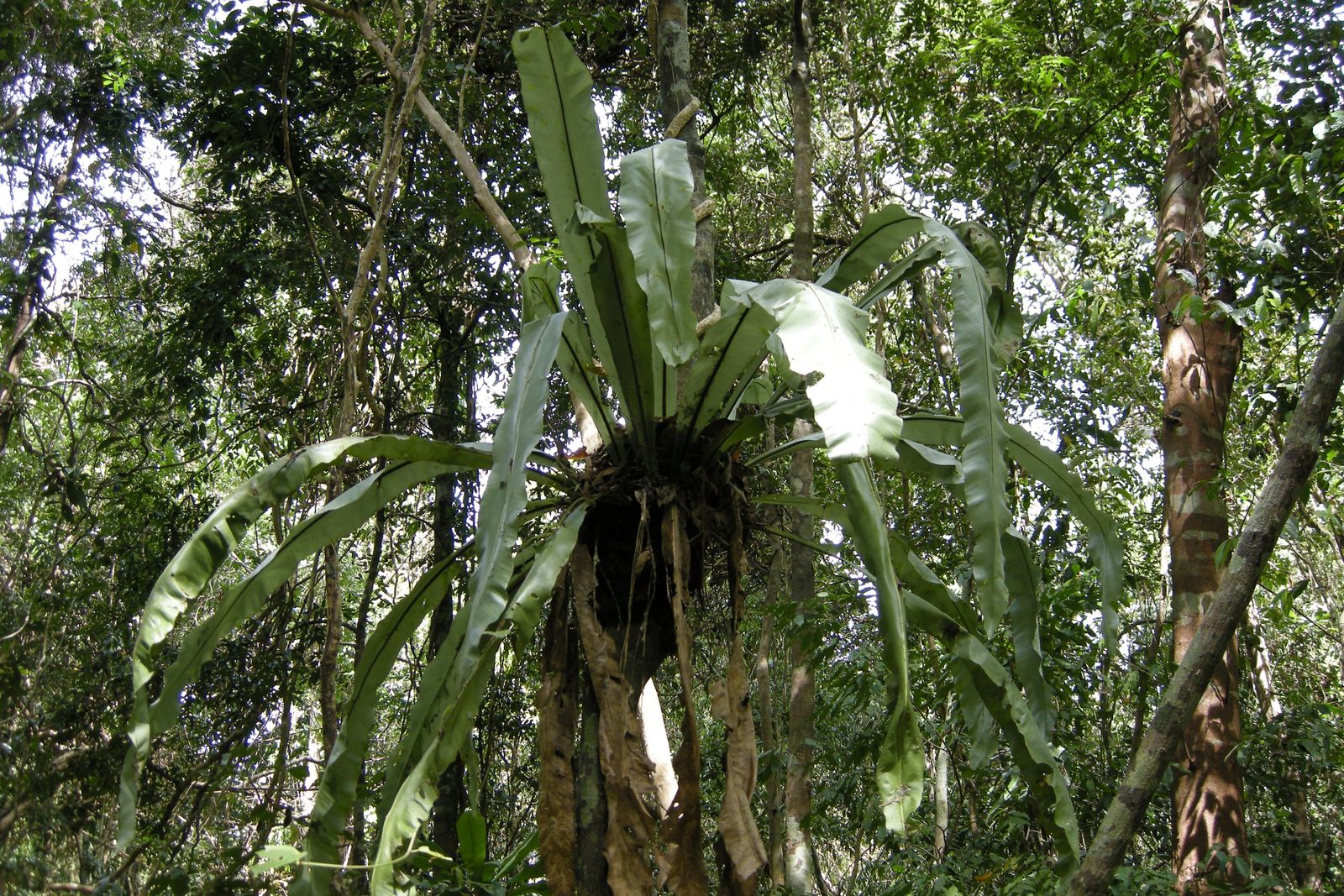
Cat Tien is the wildlife-focused traveler's best bet in the country. Its primate population is the headline: golden-cheeked gibbon (listen for their loud, whooping dawn calls well before you're likely to spot one in the canopy), black-shanked douc langur, silvered langur and pygmy slow loris are all present, alongside gaur, sun bear and a small, rarely seen leopard population. Bird life is dense and well documented — hundreds of species have been recorded in the park — and a guided walk or night drive with a local ranger dramatically improves your odds over an independent visit.
Phong Nha's wildlife is real but takes a back seat to the geology; expect langurs, hornbills and a long list of bat species roosting in the caves themselves, more than any headline mammal encounter. Cuc Phuong's forest is dense with documented biodiversity on paper — well over a hundred mammal species alone — but most of it is nocturnal and genuinely hard to see; a guided night walk is worth the effort specifically because daytime visits tend to turn up birds and butterflies rather than mammals. Yok Don and the Central Highlands are the place for elephants specifically, in an observation-based setting rather than a wild encounter, alongside gaur and the dry forest's own distinct bird life. The Mekong Delta's wetland forests are lighter on large mammals and heavier on birdlife — storks, herons and migratory species pass through Tra Su and the U Minh forests in numbers worth a dedicated early-morning boat trip.
Good to know
Vietnam's forests were heavily affected by decades of conflict and subsequent logging and hunting pressure, and several species here — the black-shanked douc and golden-cheeked gibbon among them — are genuinely endangered rather than simply hard to find. Rescue and rehabilitation centers like Dao Tien on Cat Tien's Dao Tien Island exist specifically because of that history, and a visit is as much a conservation story as a wildlife one.
Costs and budgeting
Vietnam remains one of the least expensive countries in Southeast Asia to travel in, and its jungle regions are no exception relative to the rest of the country — the real cost driver is guided activities rather than accommodation or food. A street-food meal — pho, banh mi, a bowl of rice and grilled meat — typically runs a couple of dollars; a sit-down restaurant meal is commonly in the $3–8 range outside major tourist hubs. Simple guesthouses and homestays near the parks can run under $20 a night; a comfortable mid-range eco-lodge or riverside bungalow is more often somewhere in the $30–80 range, with a smaller number of higher-end properties above that.
Park entrance fees are modest across the board — typically a small fee in Vietnamese dong equivalent to a couple of dollars — but nearly every specific activity inside a park is priced separately: boat transfers, guided treks, night safaris, cave tours and museum or rescue-center visits each carry their own charge, so a full day at Cat Tien or Phong Nha can add up well beyond the base entrance fee. Guided cave tours at Phong Nha range widely by cave and group size, from inexpensive standard tours of the accessible caves up to the multi-day Son Doong expedition, which is tightly permitted (a small number of visitors a year), runs several days with a full expedition crew, and costs several thousand dollars per person — a genuinely different category of trip from the rest of this guide, and worth knowing about even if it's not the plan for most travelers.
Vietnam's e-visa system covers most nationalities, with a standard e-visa fee in the tens of dollars and validity commonly up to 90 days; a shorter list of countries — largely in Europe — get visa-exempt entry for a set number of days. Because entry rules, exemption lists and any new health-declaration requirements have shifted in recent years, check the official Vietnam e-visa portal for your specific nationality shortly before you travel rather than relying on older guidance.
Health, safety and practical tips
Vietnam is a genuinely easy, welcoming country to travel in, and most of what catches visitors off guard is predictable rather than dramatic.
Water and food: tap water isn't safe to drink; bottled and filtered water are sold everywhere and cheap. Street food is generally excellent and safe if you follow the standard rule of eating where there's steady local turnover.
Mosquito-borne illness: dengue is present across Vietnam, including in and around the jungle regions, and there's no widely recommended vaccine for typical travelers, so repellent and covering up at dawn and dusk matter. Malaria risk is generally low and concentrated in more remote forested border areas rather than the parks covered in this guide, but it's worth a direct conversation with a travel clinic about your specific route.
Leeches and cave conditions: wet-season jungle treks in Cat Tien, Cuc Phuong and Phong Nha's forest trails can turn up leeches — harmless but unpleasant; long socks tucked into boots solve most of it. Phong Nha's wetter, more physical caves involve real scrambling, wading and sometimes swimming; go with a licensed operator and be honest with yourself about fitness level when choosing between an easy boardwalk cave and a multi-hour wet caving tour.
Roads and motorbikes: road traffic, disproportionately involving rented motorbikes, is consistently one of the more common sources of serious injury for travelers in Vietnam. An international driving permit alongside your home license is required, and riding without one can void travel insurance after an accident. Traffic in cities and on highways alike takes real adjustment for visitors unused to the driving culture; a hired car and driver is the lower-risk choice for longer regional transfers.
Typhoons and flooding: central Vietnam's typhoon season, roughly September through November, can bring genuine disruption — flooded roads, closed caves and canceled tours — with real notice but real inconvenience if your dates land inside it. Build flexibility into a central Vietnam itinerary during those months rather than a tight, back-to-back schedule.
Travel insurance: confirm your policy explicitly covers the activities on your itinerary — wet caving, trekking, and boat transfers in particular — rather than assuming a generic policy has you covered.
A suggested route
Two to three weeks is realistic for covering the north, center and south without feeling rushed, given the internal flight time between regions; ten to twelve days works if you pick two of the areas above rather than trying to string all of them together.
- Days 1–3: arrive in Hanoi, adjust to the time zone, and take a day or overnight trip to Ninh Binh's karst river scenery combined with a visit to Cuc Phuong National Park for an ancient-forest introduction and a night walk.
- Days 4–6: fly or take the train to Dong Hoi and transfer to Phong Nha. Spend at least two full days between the accessible caves — Phong Nha Cave, Paradise Cave and Dark Cave — with a rest day for the surrounding countryside by bicycle or motorbike.
- Days 7–9: fly south to Ho Chi Minh City, then transfer directly to Cat Tien. Spend two nights here at minimum, with a night safari, a boat trip to Dao Tien Island and a half-day trek toward Crocodile Lake.
- Days 10–12: head into the Mekong Delta — base in Can Tho or Chau Doc, take an early-morning boat through Tra Su Melaleuca Forest, and if time allows, a floating-market morning in Can Tho.
- Days 13–14 (optional extension): fly to Buon Ma Thuot for the Central Highlands and a morning with Yok Don's observation-based elephant program before flying home through Ho Chi Minh City.
If you're building a longer Southeast Asia jungle trip around this route, several JungleBnB readers pair Vietnam with Thailand or Bali on the same loop, though the seasonal calendars don't line up cleanly across all three — worth checking before you lock in flights.
Common questions
Is Vietnam actually a jungle destination, or mostly beaches and cities?
Both, genuinely. Vietnam's beaches and cities get most of the marketing, but Phong Nha-Ke Bang, Cat Tien, Cuc Phuong and the Central Highlands protect real, substantial forest — it's just spread across a long, narrow country rather than concentrated in one obvious region, which means it takes more deliberate planning to build a trip around it.
Which single park is best for wildlife?
Cat Tien National Park, without much competition. Its primate population — including the golden-cheeked gibbon and black-shanked douc langur — is the most reliable and distinctive wildlife experience in the country, backed up by gaur, sun bear and dense bird life.
Is the Son Doong cave expedition worth it?
For travelers with the time and budget, yes — it's the largest cave passage on earth and a genuinely singular experience. It's also tightly permitted, runs several days, and costs several thousand dollars per person, which makes it a distinct trip of its own rather than something to slot into a standard Phong Nha visit. Most travelers get a full sense of the region's karst from the accessible caves at a fraction of the cost and time.
Do I need a visa to visit Vietnam?
Most nationalities need either an e-visa or fall under a shorter visa-exemption list, largely covering European countries, with entry rules and any health-declaration requirements having shifted in recent years. Check Vietnam's official e-visa portal for your specific nationality shortly before you travel.
Is it safe to trek and explore caves independently?
Independent hiking on marked trails at Cuc Phuong and parts of Cat Tien is straightforward, but Phong Nha's wetter, more physical caves should be done with a licensed local operator rather than independently — both for safety and because several of the more significant caves require a permitted guide by regulation. The more common real risks across the country are dengue mosquitoes, leeches on wet-season trails and motorbike road safety rather than anything related to wildlife.
What's the best single region if I only have a week?
Cat Tien if wildlife is the priority and you're flying into Ho Chi Minh City; Phong Nha if dramatic cave-and-karst scenery matters more and you're routing through central Vietnam; Cuc Phuong if your trip is otherwise built around Hanoi and the north.
Where to go from here
Vietnam's jungle rewards picking two or three of its regions and giving each real time, rather than trying to see the whole country's forest in a single rushed loop. Browse the full directory for vetted jungle stays across Southeast Asia, or read our guides to Thailand's jungle and Bali's jungle if you're building a longer regional trip. And if you're still weighing where to start, our roundup of the best jungle Airbnbs in the world and why jungle stays are booming are both good next stops for comparing Vietnam against the rest of the world's rainforest destinations.
- Vietnam Tourism — A Complete Guide to Phong Nha — Phong Nha-Ke Bang overview, caves and best time to visit.
- Indochina Charm Travel — Phong Nha Ke Bang National Park Travel Guide — best time to visit, Dong Hoi Airport access, cave closures in the wet season.
- Wikivoyage — Cat Tien National Park — park location, access from Ho Chi Minh City, entrance logistics.
- Go East (Endangered Asian Species Trust) — Visit Us — Dao Tien Endangered Primate Species Centre and Cat Tien's primate and mammal species.
- The Potoo — Cat Tien National Park 2026 Visitor Guide — entrance fees and activity structure at Cat Tien.
- Wikipedia — Cúc Phương National Park — park history, founding date and biodiversity figures.
- Vietnam Airlines — Cuc Phuong National Park: A Complete Guide — location, distance from Hanoi and park features.
- Vietnam National Electronic Visa System — official e-visa application and current entry requirements.
- ETHOS — Vietnam Visa Requirements 2026 — e-visa validity, fees and 2026 visa-exemption list.
More from the Journal.
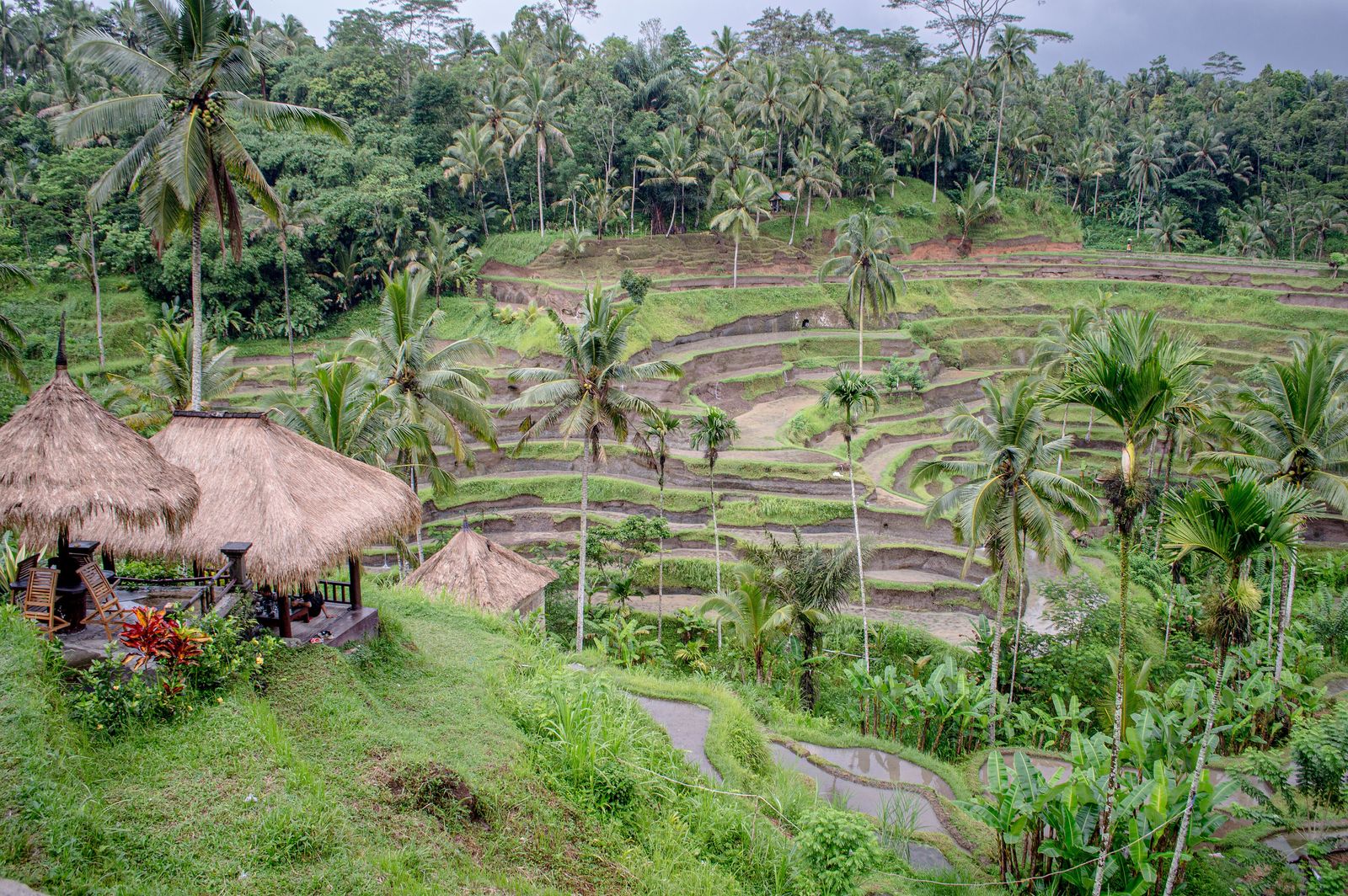 Photo: Philip Nalangan, CC BY 4.0
Bali Jungle Travel Guide
Everything you need to plan the interior of Bali — Ubud, Sidemen and the northern highlands — where to stay in the jungle, when to go and what it actually costs.
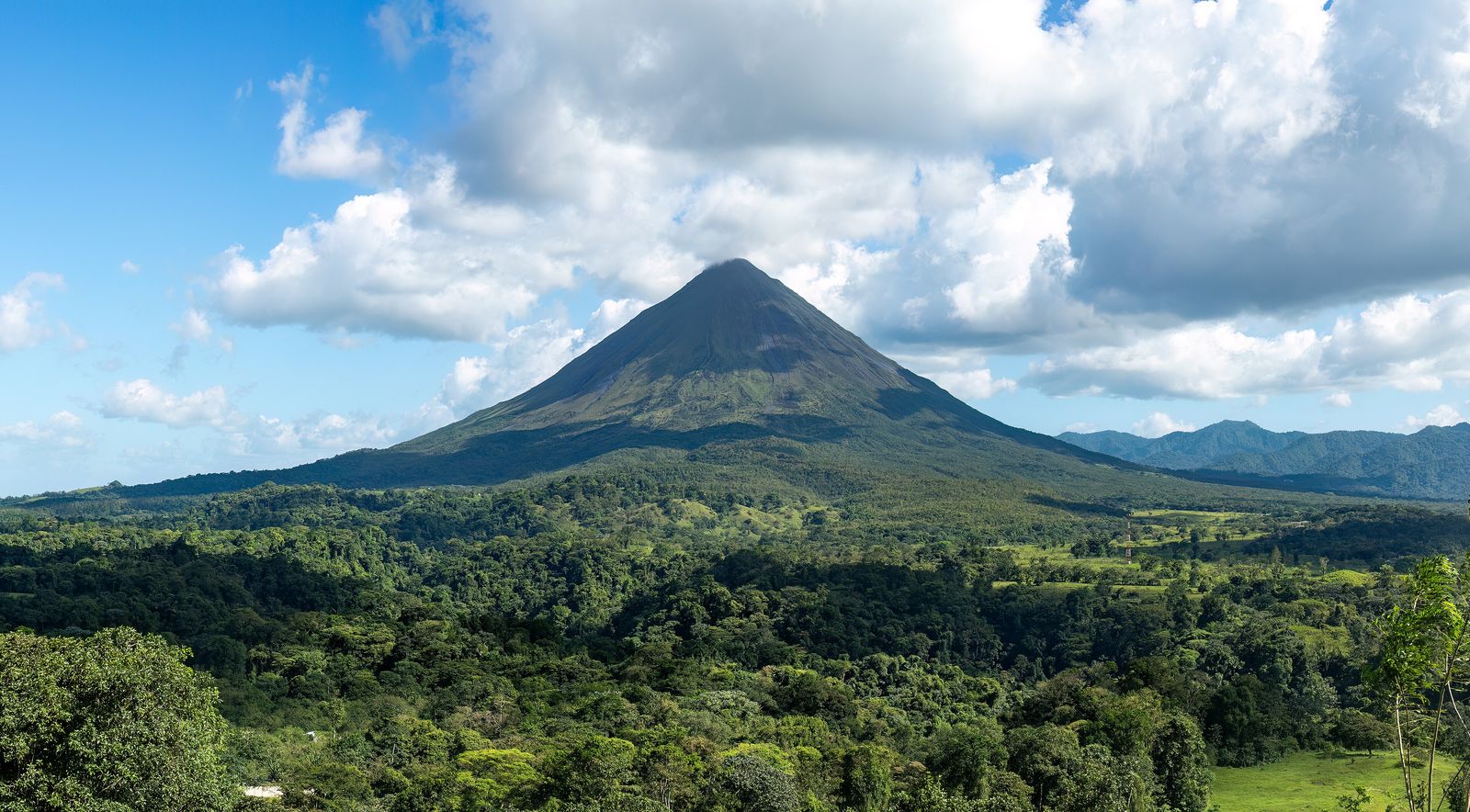 Photo: Rhododendrites, CC BY-SA 4.0
Costa Rica Rainforest Travel Guide
The definitive guide to Costa Rica's rainforests — cloud forest, Pacific lowlands and the wild Osa Peninsula — with where to stay and when to go.
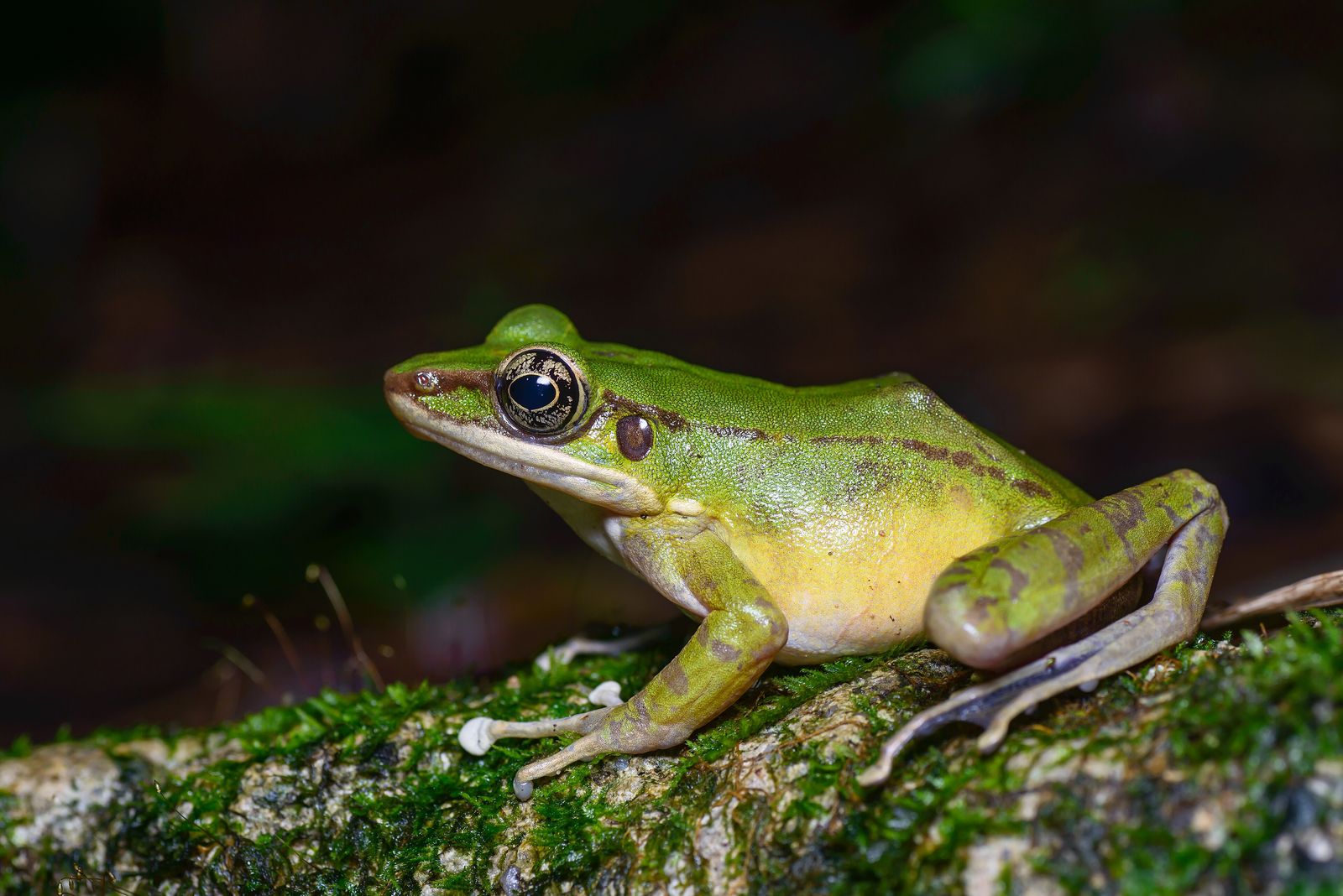 Photo: Rushenb, CC BY-SA 4.0
Thailand Jungle Travel Guide
Beyond the beaches: Khao Sok's ancient rainforest, the northern hills around Chiang Mai and the karst jungle of the south.
 Photo: Derek Ramsey (Ram-Man), CC BY-SA 4.0
Find your own piece of the canopy.
Treehouses, bamboo houses and rainforest villas across 17 destinations — found, vetted and written up honestly.
Browse all destinations