The Best Jungle Airbnbs in Central America
Central America packs an absurd amount of rainforest into a narrow strip of land, and four countries in particular do it better than the rest: Costa Rica, Panama, Belize and Guatemala. Between them you get cloud forest, lowland rainforest, river-flooded jungle and the tree-covered ruins of an actual lost city. We went looking for the stays that put you inside all of that rather than next to it — real jungle Airbnbs and lodges you can book today, not marketing copy.
How we picked
We take no payment for placement, and more properties got cut from this list than made it. To qualify, a stay had to clear three bars: real rainforest or cloud forest setting, not a resort garden with a few palms for atmosphere; genuinely bookable today, either as a whole-home rental or a small lodge with real hospitality behind it; and real, full stop. Every name below has a working website or an active listing you can check yourself; nothing here is invented, and nothing is a placement we were paid to include.
One honest note up front: this is a lodge-heavy list, and that's how the region actually works. Costa Rica, Panama and especially Belize built their tourism economies around small, owner-run rainforest lodges decades before "jungle Airbnb" was a phrase anyone used, and a lot of the best jungle land in the region is already occupied by a lodge that's been there since the 1980s or 1990s. Whole-home rentals exist and we've included the strongest ones we could verify, but expect a shorter list and more searching if a private house is the specific ask. We say so plainly for each entry rather than pretending otherwise. We also didn't rank purely by luxury — a few of these are genuinely high-end, a few are simple screened rooms with a fan and a very good location, and what they share is that the forest is the actual point, not the pool bar.
Our number one: Chan Chich Lodge, Belize
Chan Chich sits inside a private reserve of roughly 30,000 acres in Belize's Maya Forest, and the lodge's cabanas are arranged around the open plaza of an unexcavated ancient Maya site — the ruins aren't a nearby attraction you drive to, they're the lawn outside your door. It's been running since the 1980s, long enough to have shaped what a serious Central American jungle lodge is supposed to look like: a reserve large enough that wildlife sightings, including cats, are a realistic possibility rather than a brochure promise, and a lodge that stays low-key rather than resort-scaled. The trade-off is remoteness — Orange Walk District is a real drive or charter flight from Belize City, not a weekend add-on to a beach trip — and it's priced like the serious lodge it is. For the single most complete "lodge built around actual jungle" experience in the region, it's hard to beat. (Chan Chich Lodge; browse more of the full destination directory for similar reserve-based stays)
A lodge built around the open plaza of an unexcavated Maya site isn't a design flourish. It's a reminder that this part of the world was full of cities long before it was full of forest, and the forest simply grew back over them.
The rest of the ranking
There's no road to Pacuare Lodge. You arrive by raft down class III and IV whitewater, or by helicopter if you'd rather skip the rapids, and that single fact does more to keep the surrounding rainforest intact than any amount of marketing language could. The lodge is a Relais & Chateaux property, a real, independently audited hospitality standard rather than a phrase hotels award themselves, and the suites — several with private plunge pools, one built into the treetops — are spaced far enough apart that you genuinely don't see other guests between meals. It's a splurge, and the access alone means you should be reasonably fit and comfortable on a raft, but as an argument for what a jungle stay can be when the terrain itself keeps development out, it's one of the strongest cases in Central America. (Pacuare Lodge; more of Costa Rica)
Finca Bellavista is the closest thing on this list to a genuine whole-home jungle Airbnb rather than a lodge room, and it's been doing it longer than almost anyone: a private, off-grid treehouse community built into several hundred acres of rainforest, where individual treehouses are owned by different people and rented out separately, connected by ziplines and suspension bridges you actually use to get around the property. Each treehouse is its own whole-home rental — a kitchen, a bedroom, a deck, no shared lodge dining room unless you want one — genuinely different from every lodge on this list. It isn't glamorous in the infinity-pool sense; expect open-air screened rooms, real humidity and some stair- and rope-climbing to reach your treehouse. For travelers who want a private jungle home rather than a hotel room with a canopy view, it's the standout. (Finca Bellavista; more of Costa Rica)
Chaa Creek was one of the first jungle lodges in Belize, and the 400-acre private nature reserve it sits on has had decades to mature into a genuinely rich patch of forest above the Macal River. What sets it apart from newer lodges chasing the same aesthetic is the depth of what's actually on the property: a butterfly farm, a rainforest medicine trail built with local traditional-medicine knowledge, and a natural history center, alongside the canoe trips and horseback rides you'd expect. It's a full-service lodge with a spa, closer to boutique resort than backcountry camp, and that comfort is exactly the appeal for a first Belize jungle trip. Go elsewhere for total isolation; go here for real rainforest without giving up hot showers and a wine list. (Chaa Creek; more of the destination directory)
La Lancha is one of Francis Ford Coppola's small collection of hideaway hotels, sitting on Lake Petén Itzá close enough to Tikal that most guests use it as their base for visiting the ruins rather than staying inside the park itself. The casitas step down a jungle hillside to the lakeshore, and the design leans into the setting rather than fighting it — thatched roofs, open-air common spaces, a genuine sense that the jungle was here first. It's a smaller, quieter alternative to staying in Flores town, with the trade-off that you'll want a car or a lodge-arranged transfer to reach the ruins and the airport. For combining Tikal with a few days of actual rest rather than a rushed day trip, it's the pick built specifically for that. (La Lancha)
6. Lapa Rios — Osa Peninsula, Costa Rica
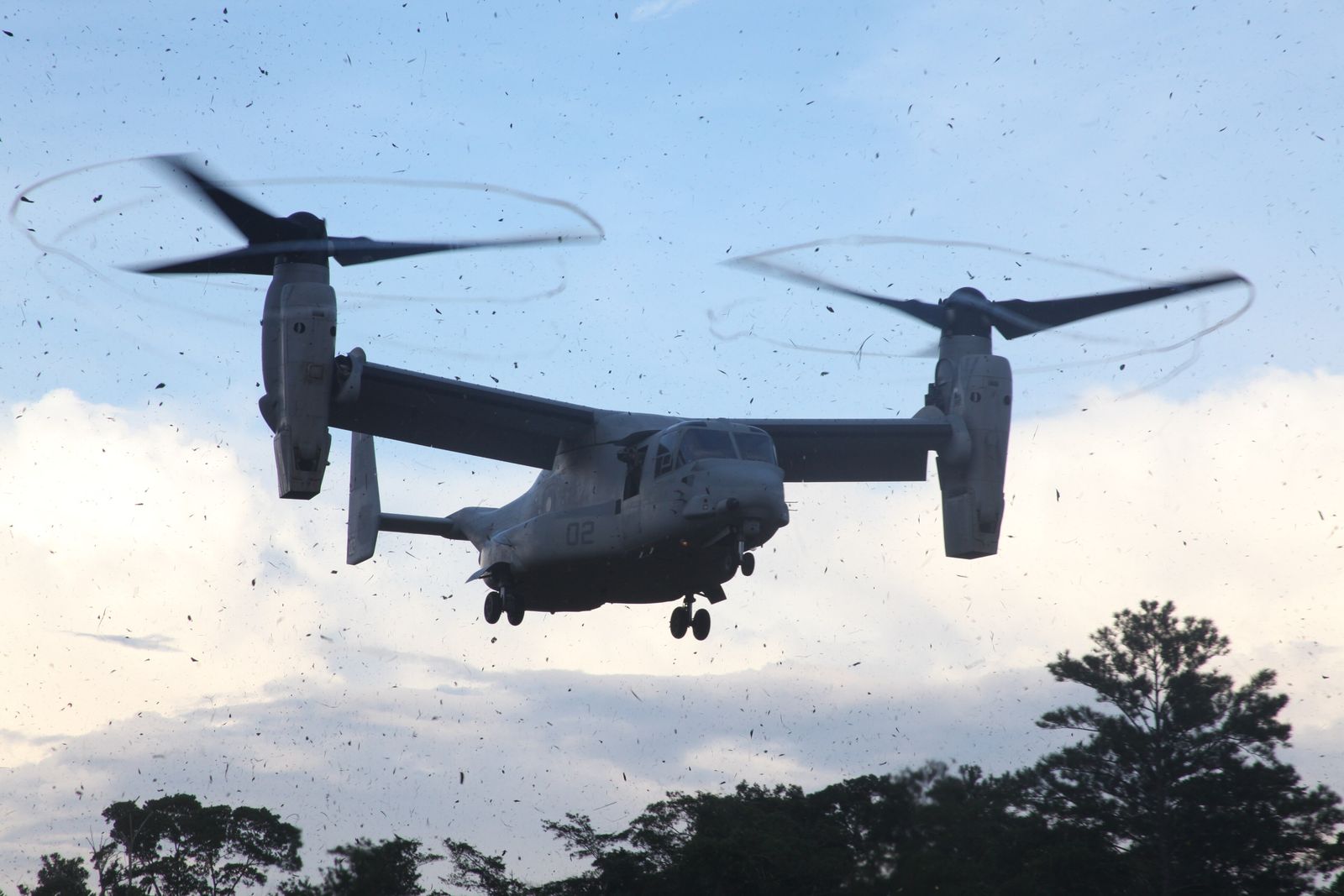
Lapa Rios is one of the oldest ecolodges in Costa Rica, built on the Osa Peninsula, a stretch of rainforest that runs down to where two ocean currents meet and has drawn conservation attention for decades because of how much biodiversity is packed into a small peninsula. The bungalows are simple and open-air by design, screened rather than glassed-in, so you hear the forest rather than watch it through a window. It's a private reserve rather than a fenced resort footprint, with trail access straight from the property, and it's long been a benchmark other Costa Rican ecolodges get compared against. Access means a bumpy final stretch of road from Puerto Jiménez, which is part of the deal on the Osa generally. (Lapa Rios; more of Costa Rica)
7. Copal Tree Lodge — Toledo District, Belize
Copal Tree sits between roughly 16,000 acres of rainforest, much of it protected from development, and the Caribbean coast in southern Belize's Toledo District, the least-visited part of the country's tourism map. It's picked up real, independently awarded recognition — a Michelin Key and a Condé Nast Traveler Readers' Choice honor — for a food-and-farm program built on its own working farm and cacao operation, a rarer, more specific claim than the usual "farm-to-table" language hotels reach for. It's a genuine splurge, and Toledo is a longer haul than Belize's more-visited Cayo District, but for rainforest without the crowds the country's established lodge circuit now draws, it's a strong, quieter alternative. (Copal Tree Lodge; more of the destination directory)
Good to know
Almost every property on this list calls itself a "private reserve," and the acreage genuinely varies enormously — Chan Chich sits on roughly 30,000 acres, Chaa Creek on 400. Bigger isn't automatically better for a short stay, since you'll only cover a fraction of any reserve on a normal visit, but it matters for wildlife density and for how far you can wander without crossing onto someone else's land. If that's a real factor for you, ask the lodge directly what portion of the reserve their trails actually reach.
8. Nayara Bocas del Toro — Bocas del Toro, Panama
Nayara built its reputation in Costa Rica with resorts set against the Arenal Volcano, and the Bocas del Toro property applies the same instinct to a different setting: overwater and jungle-fringed bungalows on the Caribbean side of the archipelago, reachable by boat rather than road. It's the most resort-styled Panama entry here, with multiple restaurants, a spa and a full activity program layered onto a genuinely junglier, wetter setting than the archipelago's beach hotels. It's a splurge, and Bocas' rainy season is frequent rather than occasional, so pack for it regardless of when you go. (Nayara Bocas del Toro)
9. Black Rock Lodge — Cayo District, Belize
Black Rock is genuinely off-grid, running on its own solar and hydro power, on the banks of the Macal River deep enough into the Cayo District's hills that the drive in is part of the story. The twenty cabanas are simple — en-suite bathrooms, real screens, no televisions — and the setting does the rest, with river swimming, caving and horseback rides run directly from the property. It's a lower-cost entry than most lodges here without sacrificing the actual forest, the trade the off-grid, no-frills approach buys you. (Black Rock Lodge; see also the best off-grid jungle cabins in the world)
10. Jungle Lodge Eco Hotel Tikal — Tikal National Park, Guatemala
There are several lodges near Tikal; this one is inside the national park itself, close enough that you can be at the entrance before the day-trip buses arrive from Flores — the early morning, before the site fills up, is when the howler monkeys and toucans are actually active and the plazas are quiet. The rooms are straightforward rather than luxurious, with the setting doing the heavy lifting, and the pool is a real relief in Petén's heat after a day walking the ruins. It's the practical, honest pick for anyone whose real priority is Tikal itself. (Jungle Lodge Eco Hotel)
11. Tranquilo Bay Eco Adventure Lodge — Isla Bastimentos, Panama
Tranquilo Bay sits on Isla Bastimentos, one of the archipelago's less developed islands, with an adventure-focused activity list — snorkeling, sport fishing, birding, hiking into Bastimentos National Marine Park — built by the American family that runs it. It's boat-access only, which keeps the area quieter than built-up Bocas town, and the rooms are comfortable rather than opulent, in keeping with a lodge focused on getting guests onto the water and into the forest rather than poolside. (Tranquilo Bay)
12. Sleeping Giant Rainforest Lodge — Blue Hole National Park, Belize
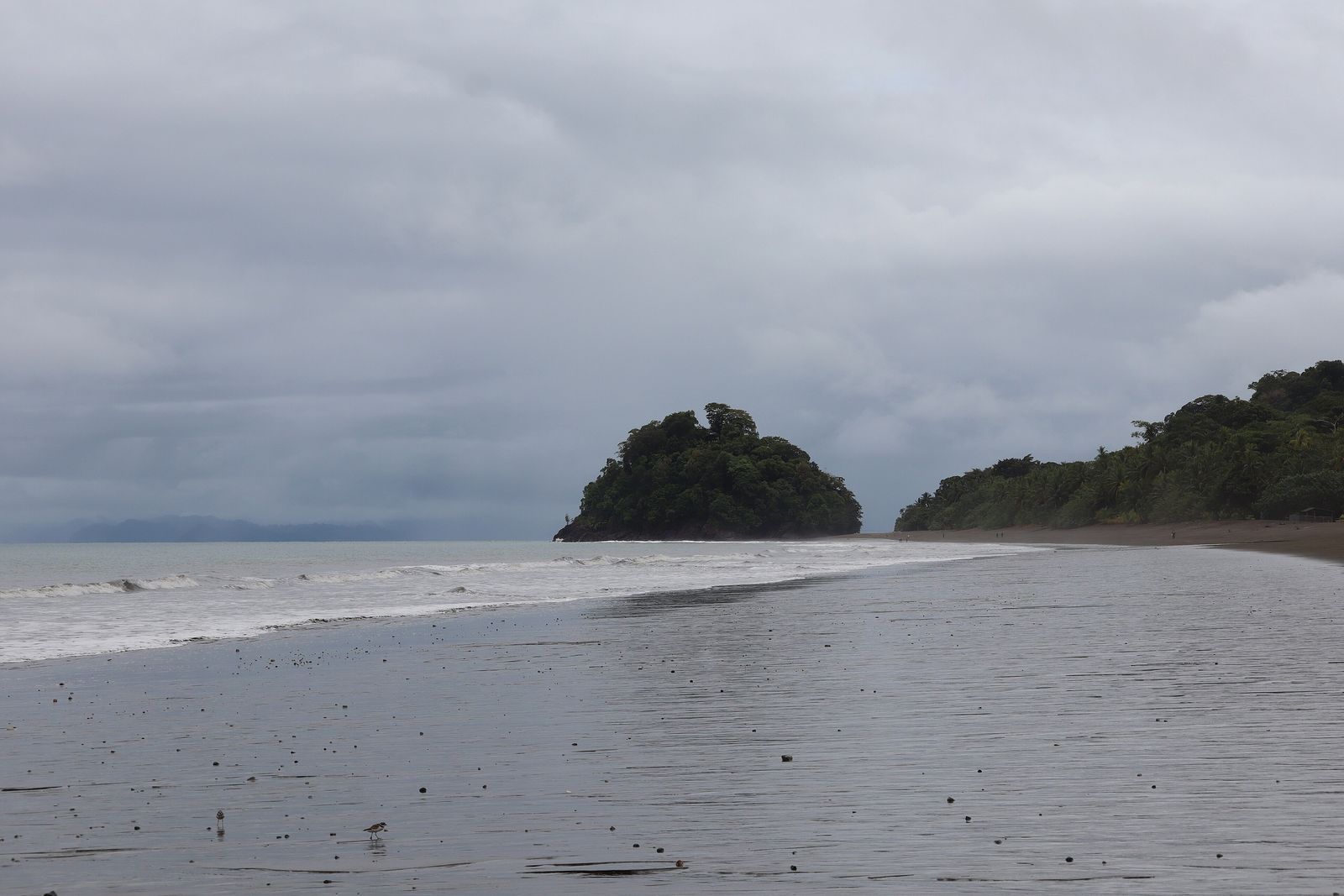
Sleeping Giant sits inside a 10,000-acre private reserve beside the Sibun River, next to Blue Hole National Park in central Belize, with 31 air-conditioned rooms — worth flagging specifically, since a lot of the more rustic lodges here rely on screens and fans alone. If jungle heat without a cool room at day's end is a dealbreaker, this is one of the more comfortable options on the list, and a reasonably central base for day trips to the Belize Zoo and Actun Tunichil Muknal cave. (Sleeping Giant Rainforest Lodge)
13. Finca Lerida — Boquete, Panama
Finca Lerida is a working coffee estate turned lodge in the highlands above Boquete, at an elevation high enough that this is cloud forest rather than lowland jungle — cooler, mistier, and genuinely one of the best places in Central America to see the resplendent quetzal, a bird serious birders travel specifically to find. Rooms sit among the coffee plantation itself, with trails running directly into adjoining cloud forest, and the estate's own coffee is a real, tangible reason to stay rather than just visit for a tour. It's the coolest-climate entry on this list by a wide margin — pack a layer instead of picturing sweat and mosquito nets. (Finca Lerida)
14. Jungle Treehouse, Private Preserve — Quepos, Costa Rica
This is a genuine whole-home Airbnb listing rather than a lodge, set on a private jungle lot a short drive from Manuel Antonio National Park, one of Costa Rica's smallest but most wildlife-dense parks. The house is a proper treehouse with its own private pool and cabana, on a lot with its own hiking trail where the listing describes regular sightings of sloths, monkeys and toucans, no lodge naturalist required. Because it's a single private home rather than a multi-unit lodge, you have the whole property, trail included, to yourselves — closer in spirit to Finca Bellavista than to anything resort-scaled on this list, minus the treehouse community's rope bridges. Verify current availability and terms directly on the listing before booking. (Jungle Treehouse, Private Preserve on Airbnb; more of Costa Rica)
Whole-home rental or boutique lodge — which is this really
Read back through that list and the honest pattern is clear: twelve of the fourteen are lodges, and only two — Finca Bellavista and the Quepos treehouse — are true whole-home rentals in the sense most people mean when they say "jungle Airbnb." That's worth sitting with before you book, because the two experiences are genuinely different and the marketing around both tends to blur the line.
A lodge like Chan Chich or Pacuare gives you a private room or casita inside a larger, staffed property, with a restaurant, guides who know the trails and wildlife by name, and other guests around at meals even when the accommodations themselves feel private. What you're really paying for is expertise and infrastructure in a place where both are hard to build — someone has already worked out the boat schedule, the trail safety, the naturalist knowledge, so you don't have to.
A whole-home rental like Finca Bellavista or the Quepos treehouse hands you an entire private property with no staff on-site beyond arrival and departure — no dinner bell, usually no restaurant, and total privacy on the trail, often at a lower price than the equivalent lodge experience. Neither is objectively better. Book a lodge for a first serious jungle trip, or when you want wildlife knowledge and logistics handled for you; book a whole-home rental if you've traveled independently before and want an actual private jungle house rather than a hotel room with better views.
Four countries, four different jungles
"Central American jungle" isn't one thing, and the four countries on this list deliver genuinely different trips.
Costa Rica: the most infrastructure, the most choice
Costa Rica has the longest head start on ecotourism in the region, and it shows in the range: remote-access luxury at Pacuare Lodge, old-school ecolodge integrity at Lapa Rios, or a private whole-home treehouse at Finca Bellavista or in Quepos, all within a country small enough to combine two or three in one trip. The Osa Peninsula and the Caribbean slope around the Pacuare River do the most serious rainforest work on this list; the Pacific side near Quepos trades some of that depth for far easier access. More in Costa Rica.
Panama: less crowded, less discovered
Panama's rainforest tourism sits well behind Costa Rica's in visitor numbers, mostly because Panama let the canal do the marketing for decades. That's changing, and the entries here span two different landscapes: the wet, reef-fringed jungle of Bocas del Toro at Nayara Bocas del Toro and Tranquilo Bay, and the cool cloud forest above Boquete at Finca Lerida. If quieter trails matter to you, Panama currently delivers that more reliably than Costa Rica.
Belize: the deepest lodge tradition in the region
Belize is where this list is heaviest, a direct reflection of how the country built its tourism economy: small, English-speaking, jungle-and-reef, with a lodge culture going back to the 1980s that Chan Chich and Chaa Creek both helped establish. The Cayo District, home to Chaa Creek and Black Rock Lodge, is the most developed lodge corridor; Toledo, home to Copal Tree, is the quieter southern alternative; and the reserve around Chan Chich in Orange Walk is about as deep into private, protected forest as this list goes.
Guatemala: jungle wrapped around ruins
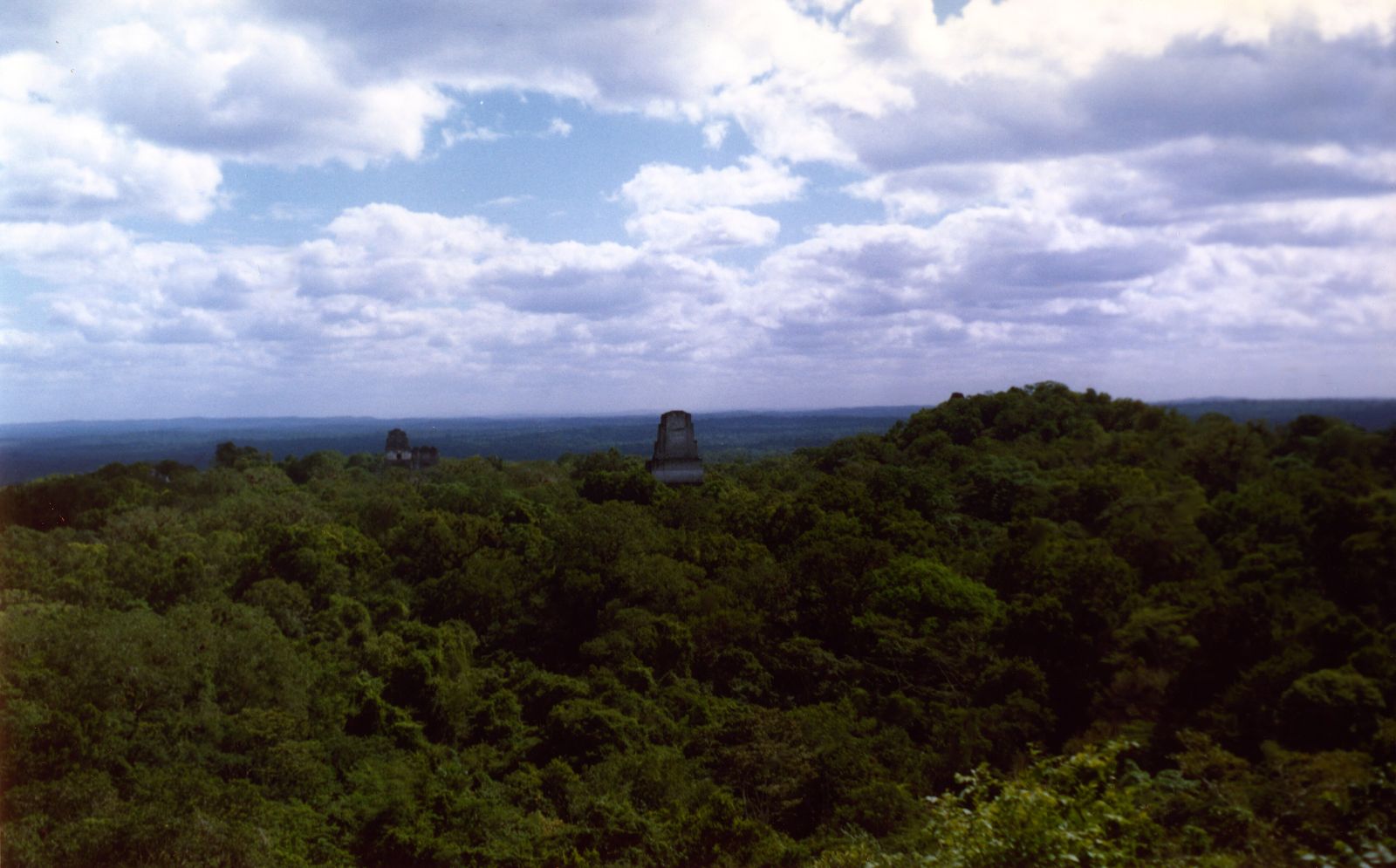
Guatemala's entries both orbit Tikal, and that's not a coincidence — the Petén region's rainforest and its Maya ruins are functionally inseparable, since the same tree cover that reclaimed the ancient cities is what makes the wildlife-watching here so good today. La Lancha gives you comfort and a lake view a short drive from the ruins; the Jungle Lodge Eco Hotel puts you inside the park boundary itself, for the quiet hours before the day-trip crowds arrive. For a different Maya jungle experience closer to the coast, Tulum & the Maya jungle in Mexico is worth comparing.
When to go
Every country here has a rainier season and a drier one, and none are actually dry in the way a desert is dry — expect humidity and the occasional downpour whenever you go. Costa Rica's Pacific side, including the Osa Peninsula and Quepos, runs driest roughly December through April, while the Caribbean side around the Pacuare River gets rain fairly evenly year-round with a slightly quieter stretch in September and October. Panama's dry season, verano, runs roughly mid-December through mid-April on the Pacific side, though Bocas del Toro doesn't follow the same pattern and can see rain in almost any month, so pack for it regardless if you're headed to Nayara Bocas del Toro or Tranquilo Bay. Belize's driest stretch is typically late November through May. Guatemala's Petén region, where Tikal sits, is driest from roughly November through April, and that window is also when trails around the ruins are easiest underfoot. None of this is a guarantee — jungle weather does what it wants — but it's worth checking a specific lodge's own seasonal notes before locking in dates.
What these stays actually cost
We're not going to hand you numbers that will be stale within a season — rates on properties like these move with demand and currency, and a figure we quoted today would already be wrong by the time you booked. What we can say honestly: this is not a budget list. Remote-access lodges like Pacuare Lodge and Chan Chich sit at the high end of what the region charges, partly because of the transport involved — a raft trip or charter flight, a boat, a long private road — not just the room itself. Whole-home rentals like Finca Bellavista tend to undercut the equivalent lodge experience, since you're not paying for restaurant staff and a naturalist team. The Jungle Lodge Eco Hotel at Tikal and Black Rock Lodge are the two most accessible entries here price-wise, without giving up genuine rainforest access. If your budget doesn't stretch that far, our best budget jungle Airbnbs under $100 guide covers real, comfortable stays at a very different price point.
Booking tips nobody mentions
- Ask exactly how you get there before you book. "Boat access only" or "raft access only" isn't a footnote at Pacuare Lodge, Tranquilo Bay or Nayara Bocas del Toro — it's a real commitment that affects luggage, timing and what happens if a transfer is delayed.
- Confirm what's included in the rate. Most Belizean and Panamanian lodges here bundle meals and activities into the nightly rate; Costa Rican whole-home rentals like Finca Bellavista typically don't, so budget separately for food.
- Ask about screens, nets and air conditioning. Sleeping Giant and Nayara Bocas del Toro offer air conditioning; more rustic lodges like Lapa Rios and Black Rock rely on screens and fans by design. Know which one you're booking.
- Build in a buffer day around remote lodges. Weather can delay a raft trip to Pacuare Lodge or a boat to Tranquilo Bay; don't book a single night at a property that takes half a day to reach.
- If ruins are the priority, book proximity deliberately. The Jungle Lodge Eco Hotel's real advantage over La Lancha is being inside Tikal's gates before the day-trip buses arrive.
- Check cancellation terms on individual Airbnb listings closely. A single-unit property like the Quepos treehouse is far more likely to run a strict or non-refundable rate than a multi-room lodge.
Common questions
Which country on this list has the most true whole-home jungle Airbnbs?
Costa Rica, by a clear margin. Both whole-home entries here — Finca Bellavista and the Quepos treehouse — are Costa Rican, and the country's broader Airbnb market has far more individually owned jungle houses than Panama, Belize or Guatemala, where lodges dominate.
Do I need to be an experienced traveler to book one of the remote-access lodges?
Not experienced, but reasonably prepared. Pacuare Lodge's raft access involves real whitewater, and boat-access lodges in Panama and Belize mean committing to a schedule set by weather and tides. None of it requires special skills, but realistic expectations about transfer time matter more here than at a lodge you can simply drive to.
Is Belize a good choice for a first Central American jungle trip?
Genuinely yes. English is the official language, the country is small enough that internal distances are manageable, and its lodge culture — Chaa Creek and Chan Chich in particular — has decades of experience hosting travelers new to jungle stays specifically.
Can I combine Tikal with a Belize or Costa Rica stay in one trip?
It's more logistically involved than it looks on a map, since Petén sits in the north of Guatemala without direct flights from every hub, but it's a well-worn route — many travelers combine a few days at Tikal with Belize's Cayo District, a short flight away, or a longer add-on to Costa Rica. Build extra travel days into the itinerary.
Are these lodges and rentals safe for solo travelers?
The properties here are established businesses experienced at hosting travelers, including solo guests, and staffed lodges are generally a safe, well-supported way to visit remote rainforest. The bigger practical risk is logistical — long transfers, limited phone signal, few nearby alternatives if plans change. Read recent reviews and share your itinerary with someone before a boat- or raft-access lodge specifically.
What should I pack that people usually forget?
A dry bag for electronics on any boat or river transfer, a real headlamp for off-grid lodges like Black Rock, and a light layer for Panama's cloud forest at Finca Lerida, which runs noticeably cooler than the lowland entries here. Insect repellent is assumed everywhere; sunscreen matters just as much on open transfers.
What the best ones share
Line up the stays that actually earned their place on this list and a pattern holds across all four countries. None are lodges that got built first and found forest around them second — Chan Chich's reserve, Pacuare's river access, Finca Bellavista's tree canopy all came before the accommodation did, and the building had to fit the land rather than the other way around. Almost every one leans on a checkable claim rather than a marketing adjective: an acreage figure, an independently awarded distinction, an access method that can't be faked. And the ones that charge the most — Pacuare Lodge, Chan Chich, Copal Tree — earn it through remoteness and scale of protected land, not amenities you'd find at any resort with a golf course.
If this list has you thinking about a different angle on the trip, a few other guides go deeper: the best jungle Airbnbs in the world widens the lens past Central America, the best off-grid jungle cabins covers more properties like Black Rock Lodge, and the best jungle Airbnbs for families is the better starting point if you're planning around kids. If these four countries don't fit the dates or budget, the wider destination directory covers jungle regions well beyond this one, including Peru and Colombia.
- Chan Chich Lodge — reserve size, Maya-plaza setting and property history, Orange Walk District, Belize.
- Pacuare Lodge — river/helicopter access, Relais & Chateaux status and suite details.
- Finca Bellavista — treehouse community structure, whole-home rental model, Costa Rica.
- Chaa Creek — 400-acre private reserve, on-site natural history center and rainforest medicine trail, Belize.
- Copal Tree Lodge — Michelin Key, Condé Nast Traveler Readers' Choice recognition and reserve acreage, Toledo District, Belize.
- Black Rock Lodge — off-grid solar and hydro power, Macal River setting, Cayo District, Belize.
- Sleeping Giant Rainforest Lodge — 10,000-acre reserve, room count and Blue Hole National Park location.
- Lapa Rios — Osa Peninsula ecolodge history and private reserve details.
- Jungle Treehouse, Private Preserve — whole-home treehouse listing details, Quepos, Costa Rica.
More from the Journal.
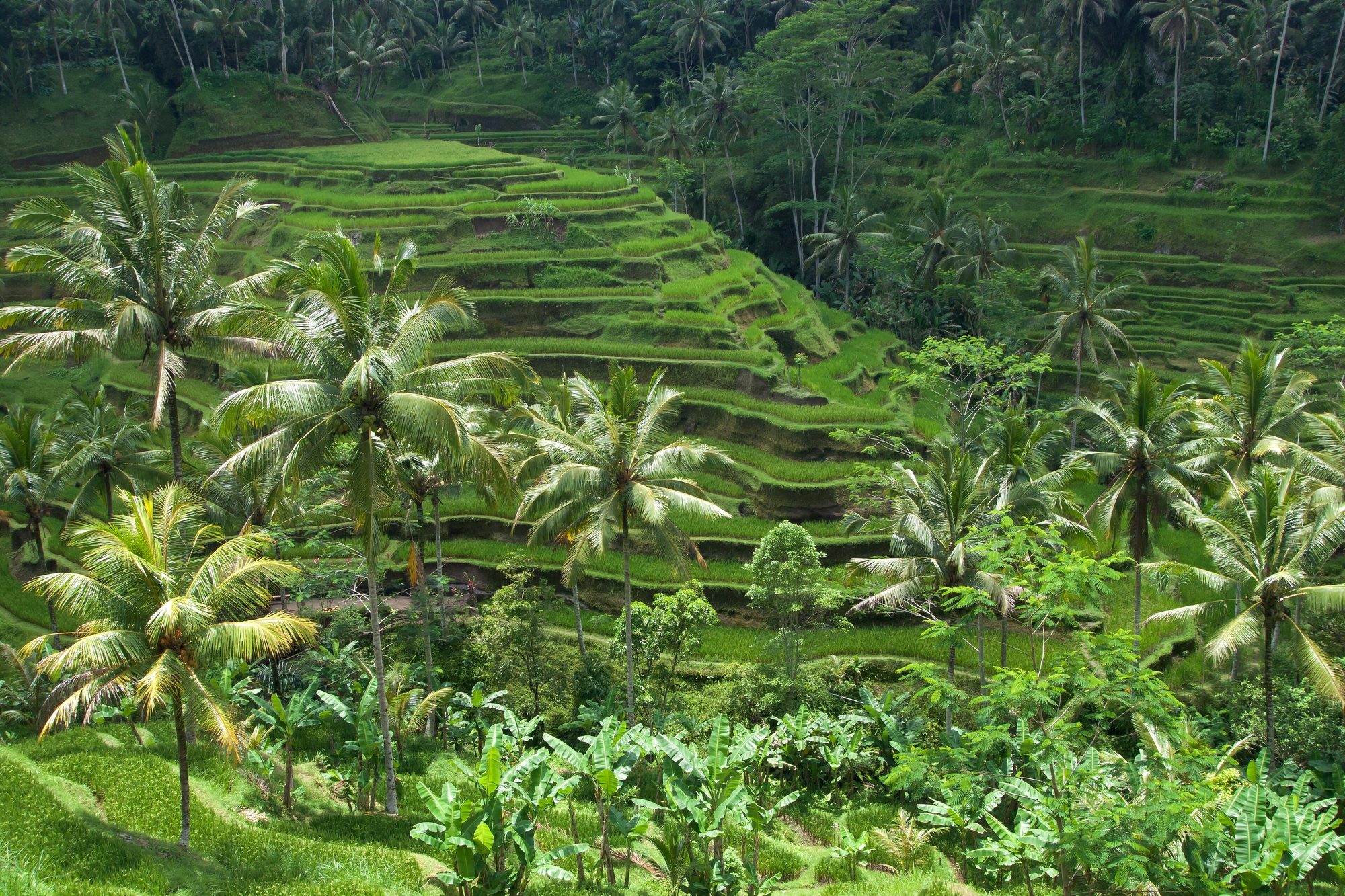 Photo: Vyacheslav Argenberg, CC BY 4.0
The Best Jungle Airbnbs in the World
Our honest, unpaid ranking of the jungle stays that changed what a night in the forest can be — from Bali's bamboo masterpieces to the floating bungalows of Thailand.
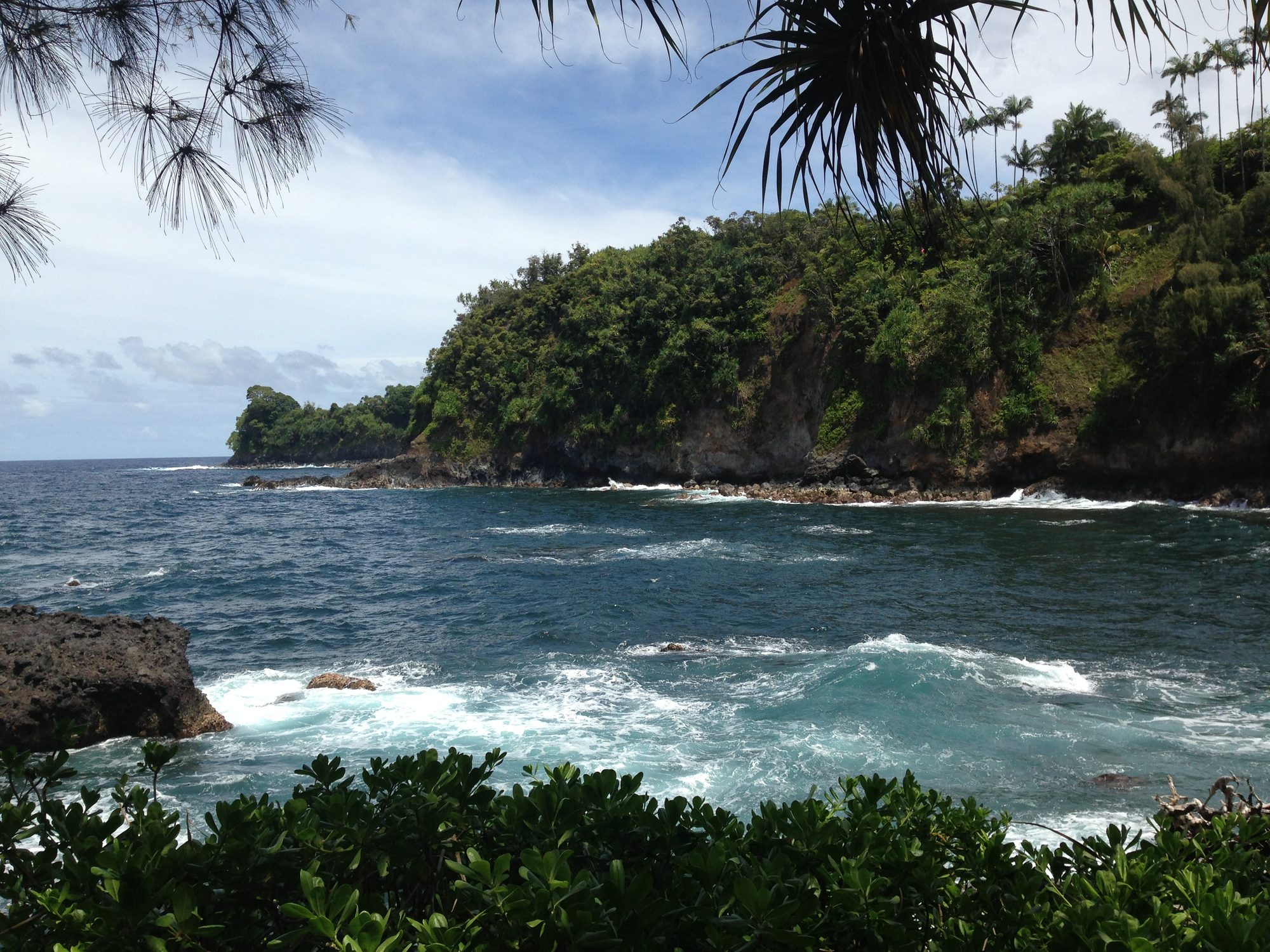 Photo: AlaskaDave, CC BY-SA 3.0
The Best Jungle Airbnbs in the USA
Real rainforest, no passport required — the best treehouses and bamboo houses across Hawai‘i, Puerto Rico and Florida.
 Photo: Bernard DUPONT from FRANCE, CC BY-SA 2.0
The Best Treehouse Airbnbs in the World
Our honest ranking of the treehouses worth crossing an ocean for — from canopy platforms in the Amazon to stilted glass boxes above the rainforest floor.
 Photo: Derek Ramsey (Ram-Man), CC BY-SA 4.0
Find your own piece of the canopy.
Treehouses, bamboo houses and rainforest villas across 17 destinations — found, vetted and written up honestly.
Browse all destinations