The Best Jungle Airbnbs in the Caribbean
Say "Caribbean" and most people picture a beach chair and a rum punch. Fewer picture what's a few miles inland on half these islands: real rainforest, the kind with waterfalls, parrots and a canopy thick enough to block the sun. We went looking for the stays that take that interior seriously — whole treehouses and small eco-lodges built into the forest itself, from Dominica's cloud-covered mountains to Puerto Rico's El Yunque to the rainforest that still covers the spine of St Lucia — rather than a resort with a few tropical plants around the pool.
How we picked
We take no payment for placement, and we cut more properties than we kept. To make this list, a stay had to clear three bars. First, it had to sit in genuine rainforest — the interior of Dominica, the foothills of El Yunque, the forested spine between St Lucia's Pitons, the jungle valleys of the Dominican Republic's Samaná peninsula — not a beachfront resort with a landscaped "tropical garden" doing the work of a marketing photo. Second, it had to be architecturally honest about being in the forest: a treehouse, a canopy villa, a cottage built to look out at trees rather than a hotel block that happens to have some behind it. Third, it had to be real, currently operating and bookable. Every name below has a working website or a listing you can check yourself; we invented nothing, and we were paid for nothing.
One honest note before the ranking: true whole-home jungle rentals, the kind you book the way you'd book a house — full privacy, no staff, often a kitchen — are genuinely rarer in the Caribbean than in Costa Rica or Bali. What the Caribbean does exceptionally well instead is the small eco-lodge: a handful of treehouses or cottages, real hospitality behind them, built by people who've spent decades in that specific patch of forest. We've included both, and flagged which is which for every entry, because the two experiences are different and which one suits you is a real question.
Our number one: Secret Bay, Dominica
Dominica calls itself the Nature Island, and Secret Bay is the property that made the rest of the world believe it. The villas — Ylang Ylang, Zabuco, Beau Rive and a handful of others — are scattered through a private forested headland above the sea, each one designed to look like it grew out of the canopy rather than got built into it: private plunge pools, outdoor showers open to the trees, and in some units a bedroom that's essentially a glass box suspended in the jungle. It's won serious, verifiable recognition over the years, including recognition as one of the world's best hotels from major travel publications, which matters here because this is not marketing copy — it's an actual, ongoing reputation built over more than a decade. The trade-off is honest: this is the most expensive property on this list by a wide margin, and its size — a small number of villas total — means it books out well ahead in peak months. For a couple or a small group who wants the single best-executed version of "villa in the rainforest canopy" the Caribbean currently offers, it's very hard to argue with. (Secret Bay; more of the island in Dominica is on our radar — for now, browse the wider destination directory)
Dominica didn't market itself as the Nature Island to sell beaches — it barely has the classic white-sand kind. It sold itself on exactly this: rainforest that starts a few minutes from the coast and doesn't stop.
The rest of the ranking
A cliffside eco-resort built from cottages that step down a forested hillside toward the sea, on the rugged, less-visited southeast coast of Dominica. Jungle Bay is a working example of tourism paying for conservation rather than working against it — the resort partners with local communities and has been recognized as one of the National Geographic Unique Lodges of the World, a real, independently vetted designation rather than a self-awarded badge. Cottages are simple and open-air rather than glass-walled and architectural, which is the honest trade-off against a property like Secret Bay: less design spectacle, more genuine immersion, at a somewhat gentler price. It's remote even by Dominica standards, which is exactly the point for travelers who want to actually disappear. (Jungle Bay)
The most unfiltered rainforest experience on this list, and the only property here you can't simply drive up to. 3 Rivers, on Dominica's east coast, is reached by ziplining in or by walking a trail that crosses two rivers on foot — there's no road access. What's waiting on the other side is a genuinely off-grid, award-recognized eco-lodge: solar-heated cottages, bamboo treehouses built into the canopy, and Carib-style cabins, with dormitory and camping options for travelers on a tighter budget. A fifteen-minute hike further into the valley leads to the lodge's sister property, Rosalie Forest, where a small number of secluded bamboo treehouses sit even deeper in the forest, with the sound of the Rosalie River instead of wifi. Meals are cooked by cooks from the neighboring village and served family-style; hiking to Dernier Falls and the Emerald Pool is basically the itinerary. This is not a stay for anyone who wants a hair dryer or reliable air conditioning — it's a stay for anyone who's ever wanted to actually live inside a rainforest for a few nights rather than look at one from a balcony. (3 Rivers Eco Lodge · Rosalie Forest)
El Yunque is the only tropical rainforest in the entire US National Forest System, and Casa Cubuy sits in its foothills, a small lodge with rooms that open onto forest views and a genuine, long-running reputation among hikers and birdwatchers rather than Instagram tourists. It's modest by design — simple rooms, a shared deck, home-cooked breakfast — and the appeal is proximity: several of the forest's best trailheads, including routes toward Yunque Peak and El Toro, the highest point in the reserve, are a short drive or walk from the door. For US travelers, it's also one of the easiest entries on this list to reach logistically, since Puerto Rico requires no passport for US citizens and El Yunque itself is under an hour from San Juan's airport. (Casa Cubuy Ecolodge; more of Puerto Rico)
A small farm in the foothills below El Yunque with a handful of artisan-built treehouses, each with its own balcony, a granite kitchenette and a slate bathroom — closer to a whole-home rental than a hotel room, since each treehouse is a self-contained unit rather than part of a shared building. It's a genuinely rustic version of the treehouse fantasy rather than a polished resort one: expect real wood, real insects, and real quiet. The location is well chosen — about fifteen minutes from the heart of El Yunque, twenty from Luquillo Beach, and thirty-five from Old San Juan, which makes it one of the few properties on this list where you can plausibly do rainforest, beach and city in the same trip without much driving. (Yuquiyú Farm)
The purest whole-home entry on this list: a small, two-story tiny house built up and around a mango tree, on two dozen acres of private land bordering El Yunque itself. There's no staff, no restaurant, no other guests — you book the entire tiny structure and that's the whole property for your stay. It's compact by design, which is part of the charm and part of the honest limitation: this suits a couple far better than a family, and reviewers consistently note it books out months in advance because there's simply one of it. If you want the closest thing the Caribbean offers to Bali's famous single-treehouse Airbnbs, this is it. (El Yunque View Treehouse)
Good to know
El Yunque is a US national forest, which means it's genuinely protected and genuinely regulated — some trailheads require a reservation through Recreation.gov, especially the popular ones near El Yunque's peak. If a hike inside the forest itself is the point of your stay, check current permit requirements before you go rather than assuming you can just walk up.
A working cocoa plantation dating back centuries, set in the rainforest saddle between St Lucia's twin volcanic peaks, with a small number of cottages scattered through the working farm rather than lined up in a resort block. Guests can walk the plantation trails, watch cacao being processed the traditional way, and stay in cottages that look out at working forest rather than a manicured lawn. It's a working farm first and a hotel second, which is exactly the honest trade-off: don't expect a full spa menu, expect a genuinely lived-in piece of St Lucia's agricultural history with the Pitons as a backdrop. (Fond Doux Plantation & Resort)
Cottages built into a forested hillside above Anse Cochon, one of St Lucia's better beaches, connected by a long wooden staircase down through the trees to the water. It reads more as tropical hillside garden than deep rainforest — this is a resort with a spa, a dive shop and a beachfront restaurant, not an off-grid retreat — but the setting genuinely earns the "jungle" description, with dense forest canopy around every cottage and real wildlife noise at night. For a traveler who wants forest atmosphere without giving up beach access or hospitality infrastructure, it's a sensible middle ground on this list. (Ti Kaye Resort & Spa)
A restored eighteenth-century plantation estate on St Lucia's quieter south coast, with cottages set among gardens, a stream and surrounding forest rather than a manufactured resort landscape. It's one of the older sustainable-tourism operations on the island, run with a genuine conservation ethic rather than the word bolted onto a brochure after the fact, and it's frequently cited by regional travel press covering the Caribbean's actual eco-lodges rather than resorts using the label loosely. It's understated compared to the rest of this list, and that's the appeal: a real historic estate, real forest, and none of the polish of a five-star brand. (Balenbouche Estate)
Open-air treehouses connected by rope bridges and jungle paths on the Samaná peninsula, built among coffee, cacao, avocado and other tropical crops rather than a cleared resort footprint. Unlike most of the other treehouse properties on this list, it has a shared swimming pool, gardens and a small fitness area, which makes it feel closer to a boutique resort than a rustic eco-lodge — a reasonable pick for a traveler who wants the treehouse aesthetic without giving up hotel-style amenities. Samaná itself is one of the least beach-resort-saturated parts of the Dominican Republic, which helps: the surrounding jungle feels genuinely working rather than landscaped around the property line. (Dominican Tree House Village)
A cluster of lodges and treehouses built into a mountainous jungle valley in the Dominican Republic's central highlands, well away from the all-inclusive coast most visitors default to. The higher elevation here means cooler nights than the coastal jungle stays on this list, which is worth knowing if you're picturing constant tropical heat — this is closer to cloud forest at points. It's a genuinely different Dominican Republic than the one on postcards, and one that regional eco-tourism guides consistently flag as one of the country's more serious forest-immersion stays. (Rancho Platón, via Eco Lodges Anywhere)
Bungalows, treehouses and suites built almost entirely from wood, set in jungle on the Samaná peninsula with the option of ocean views from the higher units — a rare combination of forest immersion and coastline on this list, since most of the deep-jungle picks above trade away sea views entirely. It's a smaller, quieter operation than the Tree House Village down the road, better suited to travelers who want the jungle-and-ocean combination without the added amenities and higher price of a full resort. (Samaná Ocean View Eco-Lodge, via Eco Lodges Anywhere)
Which island fits which trip
Four islands do most of the work on this list, and they don't offer the same trip.
Dominica: the deepest, least developed forest
Dominica has no major all-inclusive resort strip, no casino district, and comparatively few flights — which is exactly why its rainforest interior is the most intact in the English-speaking Caribbean. Secret Bay, Jungle Bay and 3 Rivers all lean into that rather than around it. Expect fewer restaurants, less nightlife, and by far the most serious hiking and waterfall access on this list, including the Boiling Lake, one of the largest of its kind in the world. This is the pick for a traveler who wants rainforest to be the entire trip, not a day excursion from a beach resort.
Puerto Rico: the easiest logistics, real US rainforest
El Yunque is genuinely unique — the only tropical rainforest inside the US National Forest System — and Puerto Rico's status as US territory means no passport, no currency exchange and generally the shortest flights from the US mainland of any island here. Casa Cubuy, Yuquiyú and the El Yunque View Treehouse all sit within a short drive of San Juan, which makes this the most realistic long-weekend option on the list. More of the island, including its beach towns beyond the forest, is in Puerto Rico.
St Lucia: forest as a backdrop to everything else
St Lucia's Pitons and the rainforest saddle between them give the island a genuinely dramatic jungle interior, but its tourism infrastructure is built more around the coast — Fond Doux, Ti Kaye and Balenbouche are all reachable from beach towns in twenty to forty minutes. This is the pick for a traveler who wants a forest stay as part of a broader island trip rather than the entire focus of it.
The Dominican Republic: the least crowded jungle, if you go inland
The Dominican Republic's coast is the most resort-developed of any island here, which makes its comparatively unvisited jungle interior — Samaná's forest, the central highlands around Jarabacoa — feel even quieter by contrast. This is worth knowing if you've written the country off as strictly beach-resort territory; the properties on this list prove the interior is a genuinely different trip.
For travelers weighing the Caribbean against jungle stays further afield, our guides to Costa Rica, Tulum & the Maya jungle and Brazil cover the mainland alternatives, and the full destination directory has everything else we track.
Whole treehouse or full-service eco-lodge — which suits you
This is the real fork on this particular list, more than island or price. A whole treehouse rental — El Yunque View Treehouse, Yuquiyú's individual units — puts a single structure entirely in your hands. There's no restaurant, no daily housekeeping unless arranged, often no one else on the property at all. What you get in exchange is total privacy and, usually, a lower price than an equivalent lodge, since you're not paying for shared staff or a kitchen brigade.
A full-service eco-lodge — Secret Bay, Jungle Bay, 3 Rivers, Fond Doux, Ti Kaye — gives you a handful of rooms or villas on a shared property with real hospitality behind it: a kitchen that can plan a meal, staff who know the trails, help if something goes wrong. You'll see other guests at breakfast, and the "privacy" on offer is really "no crowds," not "nobody else exists." Most of the Caribbean's best jungle stays fall into this category, which is worth internalizing before you go looking for a whole-home rental that may simply not exist yet on a given island.
Neither is the objectively better choice. If total self-sufficiency and zero interaction with staff matters most, look at the whole-home entries first. If you'd rather have someone else handle the trail directions, the meals and the 2am problem, the lodge model — which dominates this list for good reason — is the more realistic and often more rewarding pick in the Caribbean specifically.
When to go — and the hurricane question
Every property on this list sits inside a tropical climate that doesn't really have an "off" season for rain — jungle stays anywhere are humid, and a dry afternoon can turn into an hour of downpour with almost no warning. That's part of the deal, not a flaw in the itinerary. What actually matters for planning is the Atlantic hurricane season, which officially runs from June through November across the entire Caribbean, with the highest risk concentrated from August through October. None of the islands on this list are exempt, and several — Dominica in particular, after Hurricane Maria in 2017 — have real, recent history with major storms. That doesn't mean avoid these months entirely; it means book refundable rates where possible during peak season, watch forecasts in the week before you travel, and buy travel insurance if a non-refundable rate is your only option. The driest, calmest stretch across most of these islands runs roughly from December through April, which is also, unsurprisingly, the most expensive and most booked-up window. Late spring — April into early June — is a reasonable middle ground: still comparatively dry, ahead of peak hurricane risk, and noticeably less crowded and cheaper than the winter high season.
What these stays actually cost
We're not going to hand you numbers that will be stale within a season — rates on properties like these move with demand and currency, and any figure we quoted today would be wrong by the time you read it. What we can say honestly: this list spans a real range. Secret Bay sits at the top end of the entire Caribbean hospitality market, full stop, and Jungle Bay, Ti Kaye and Fond Doux are solidly upper-mid-range resort pricing. The Puerto Rico entries — Casa Cubuy, Yuquiyú, the El Yunque View Treehouse — and the Dominican Republic's smaller eco-lodges tend to run noticeably lower, closer to a nice countryside inn than a destination resort. 3 Rivers, true to its off-grid, zipline-access setup, is the most budget-conscious option on the whole list, with dormitory and camping rates alongside its cottages and treehouses. If your budget doesn't stretch to any of the mid-to-upper entries here, our best budget jungle Airbnbs under $100 guide covers real, comfortable jungle stays worldwide at a lower price point, and it's worth a look before assuming a Caribbean jungle trip has to be an expensive one.
Booking tips nobody mentions
- Ask about access before you book, not after. 3 Rivers requires a zipline entry or a river crossing on foot — genuinely wonderful, genuinely not for every traveler or every piece of luggage. Confirm access logistics for any remote property before you commit.
- Rental cars matter more here than on a typical beach trip. Most of these properties sit well outside the main resort strips, and public transit options are limited or nonexistent on the smaller islands. Budget for a rental car or arranged transfers, and check road conditions in wet season.
- Screens and nets are not optional in a rainforest. Open-air jungle rooms are the whole appeal and also the reason mosquito netting and window screens matter more here than at any beach hotel. Ask before you book if this isn't clearly shown in photos.
- Check what "ocean view" actually means at a jungle property. A few entries on this list, like Samaná Ocean View Eco-Lodge, blend forest and coastline; others, like 3 Rivers and Rancho Platón, are inland with no sea access at all. Don't assume.
- Confirm meal plans at remote lodges. Several of these properties, especially 3 Rivers and Jungle Bay, have no walkable restaurant alternative. It's usually cheaper and simpler to sort meals out at booking than to negotiate them on arrival.
- Buy travel insurance if you're booking during hurricane season. A non-refundable rate at a small, remote property is a real financial risk between June and November — insurance is cheap relative to what a canceled trip costs.
Common questions
Is the Caribbean actually good for a jungle-focused trip, or is it mostly beaches?
Both are true at once, which is the point of this list. Most Caribbean tourism infrastructure is built around the coast, but several islands — Dominica most of all, followed by parts of Puerto Rico, St Lucia and the Dominican Republic — have genuine, intact rainforest interiors that most visitors never see because they never leave the beach resort.
Do I need a passport to visit these properties?
Puerto Rico is US territory, so US citizens need no passport, only a government ID. Dominica, St Lucia and the Dominican Republic are independent countries and require a valid passport for US and most international travelers, generally with a straightforward visa-on-arrival or visa-free process — but check current entry requirements for your specific nationality before booking, since these rules do change.
Are these properties safe during hurricane season?
They're operating businesses that deal with Atlantic hurricane season every year, and most have real storm protocols. The bigger practical risk to you as a traveler is trip disruption, not personal safety — flight cancellations, road closures, or a property temporarily closing ahead of a storm. Book refundable rates or buy travel insurance if you're traveling between June and November.
Will there be wifi and air conditioning?
It varies more here than almost anywhere else on our site. Full-service resorts like Secret Bay and Ti Kaye have reliable wifi and air conditioning throughout. The off-grid and rustic entries — 3 Rivers and Rosalie Forest above all — deliberately run on solar power with limited or no connectivity, and cooling comes from elevation, shade and airflow rather than AC units. Check the specific listing before you assume either way.
Which of these is best for a family with kids?
Dominican Tree House Village and Samaná Ocean View Eco-Lodge, both with pools and more conventional resort amenities, tend to work better for families than the off-grid entries. 3 Rivers' zipline access and river crossing, while a highlight for some travelers, is a genuine consideration with young children or a lot of luggage.
What's the difference between a "jungle Airbnb" and an eco-lodge on this list?
A whole-home or whole-treehouse rental, like the El Yunque View Treehouse, is a single private property you book entirely, with no staff or other guests on-site. An eco-lodge is a small hotel or resort — a handful of rooms, cottages or treehouses sharing a restaurant, staff and grounds. Both can put you genuinely inside the forest; they just deliver that experience with very different levels of privacy and service.
What the best ones have in common
Line up the stays that actually earned a place on this list and a pattern holds. None of them treat the forest as scenery for a pool deck — Secret Bay's villas are built to disappear into the canopy, 3 Rivers is reachable only by moving through the forest itself, and even the more resort-scaled picks, like Ti Kaye and Dominican Tree House Village, keep real, working forest around every unit rather than a landscaped approximation of one. The properties that are honest about their trade-offs — 3 Rivers about its access, Fond Doux about being a working farm first, Casa Cubuy about its simplicity — are consistently the ones that deliver on what they promise, because they're not overselling a fantasy they can't actually provide.
If this list has you thinking about other angles on the same idea, we've covered a few nearby: the best treehouse Airbnbs in the world widens the lens well beyond the Caribbean, the best jungle Airbnbs for couples and the best jungle Airbnbs for families filter this same category by who you're traveling with, and the best budget jungle Airbnbs under $100 is worth a look if the Caribbean's prices above run past your range. If you're weighing whether a jungle stay is worth it at all against a straightforward beach week, why jungle stays are booming lays out the case, and the best jungle Airbnbs in the world is the widest version of this list we run. For everything else we track, start at the full destination directory.
- Secret Bay — villa design, location and amenities, Portsmouth, Dominica.
- Jungle Bay — cliffside cottage resort details, Point Mulâtre, Dominica.
- 3 Rivers Eco Lodge and Rosalie Forest — access, accommodation types and activities, Rosalie Valley, Dominica.
- Casa Cubuy Ecolodge — lodge details and location in the El Yunque foothills, Puerto Rico.
- Yuquiyú Farm — treehouse details and location near El Yunque, Puerto Rico.
- El Yunque View Treehouse — whole-home listing details, Río Grande, Puerto Rico.
- Fond Doux Plantation & Resort and Ti Kaye Resort & Spa — property details, St Lucia.
- Balenbouche Estate — estate history and eco-lodge details, St Lucia.
- Dominican Tree House Village — treehouse and amenity details, Samaná, Dominican Republic.
- Eco Lodges Anywhere: Dominican Republic — overview supporting Rancho Platón and Samaná Ocean View Eco-Lodge entries.
More from the Journal.
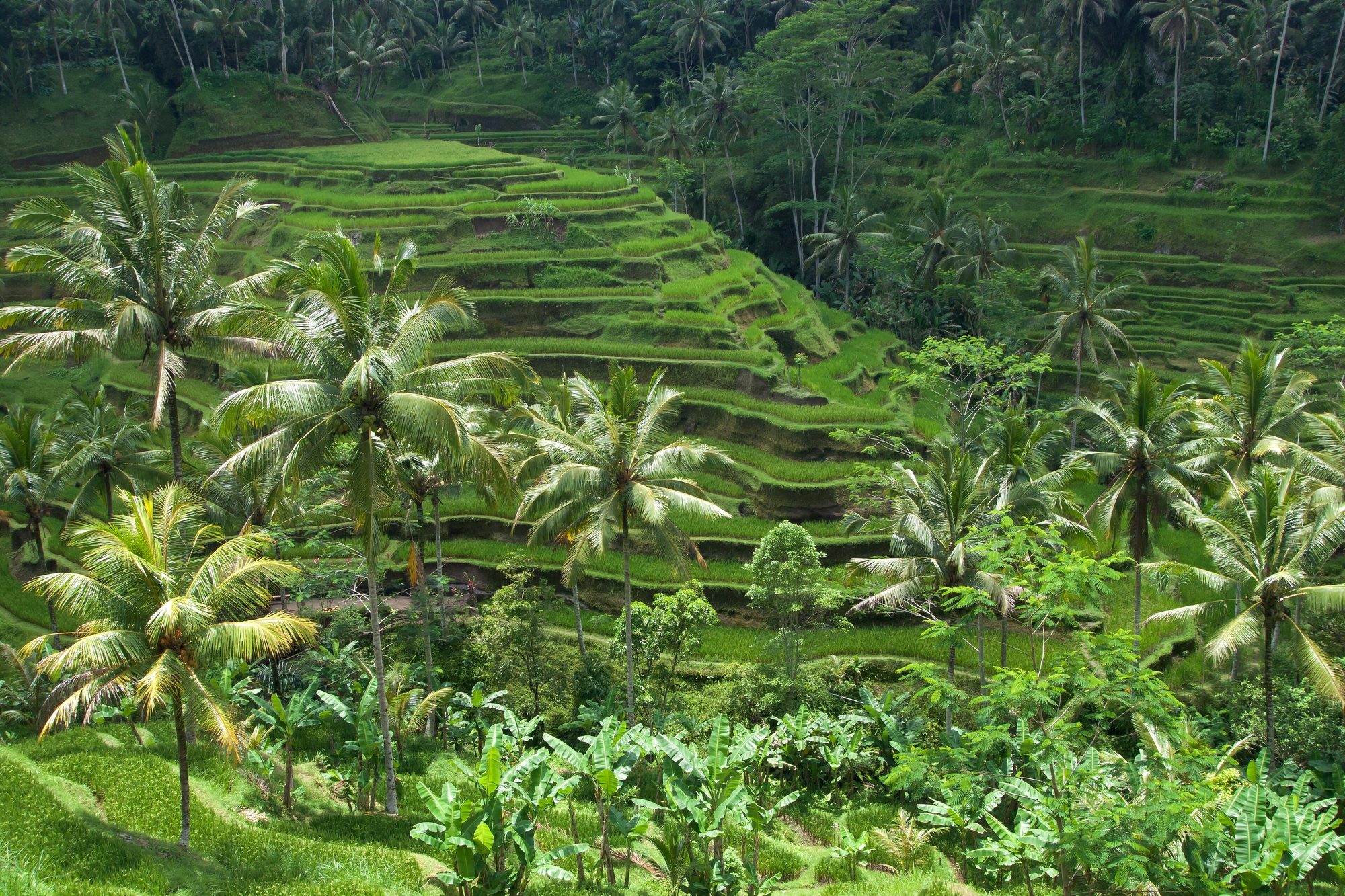 Photo: Vyacheslav Argenberg, CC BY 4.0
The Best Jungle Airbnbs in the World
Our honest, unpaid ranking of the jungle stays that changed what a night in the forest can be — from Bali's bamboo masterpieces to the floating bungalows of Thailand.
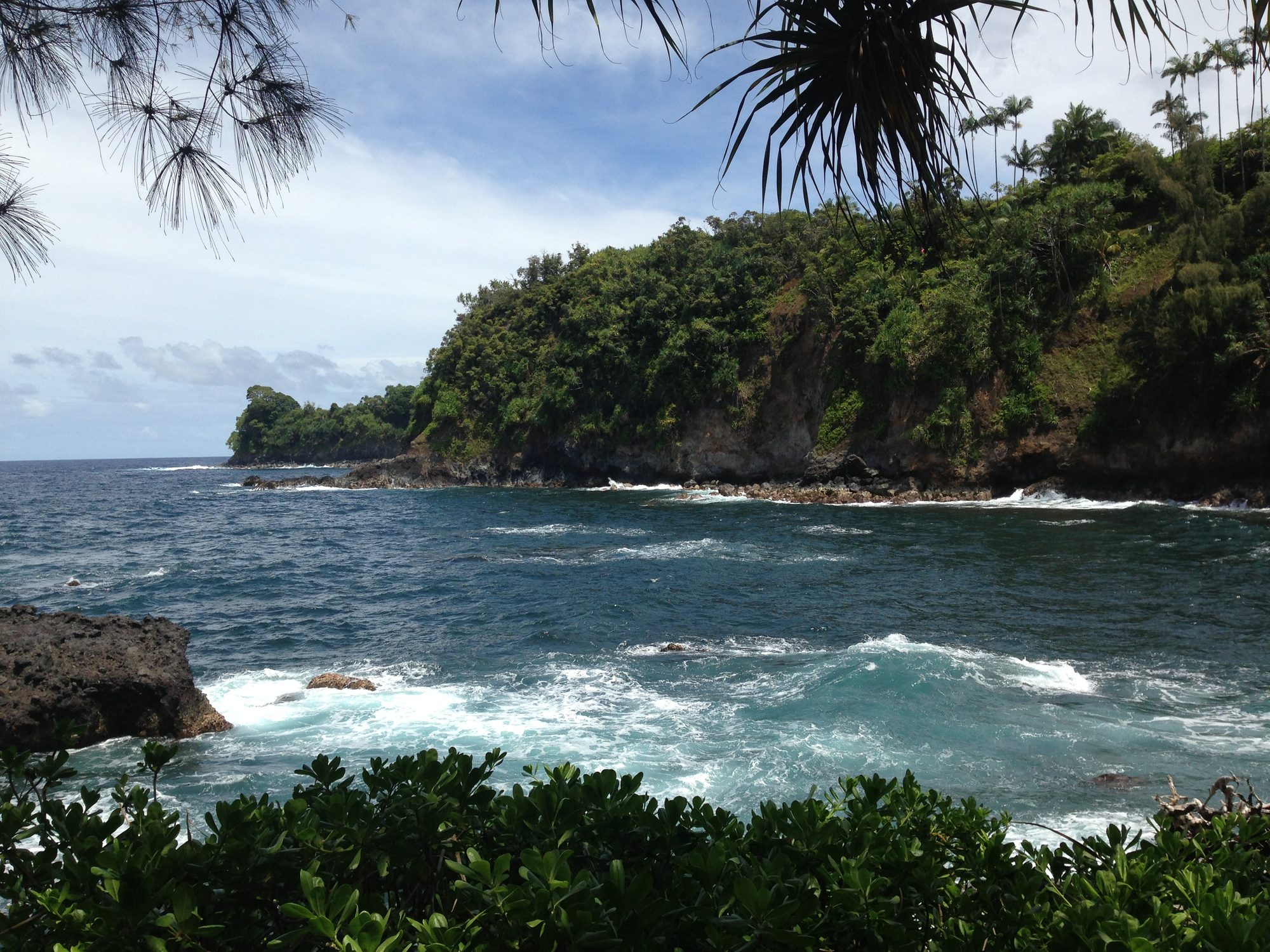 Photo: AlaskaDave, CC BY-SA 3.0
The Best Jungle Airbnbs in the USA
Real rainforest, no passport required — the best treehouses and bamboo houses across Hawai‘i, Puerto Rico and Florida.
 Photo: Bernard DUPONT from FRANCE, CC BY-SA 2.0
The Best Treehouse Airbnbs in the World
Our honest ranking of the treehouses worth crossing an ocean for — from canopy platforms in the Amazon to stilted glass boxes above the rainforest floor.
 Photo: Derek Ramsey (Ram-Man), CC BY-SA 4.0
Find your own piece of the canopy.
Treehouses, bamboo houses and rainforest villas across 17 destinations — found, vetted and written up honestly.
Browse all destinations