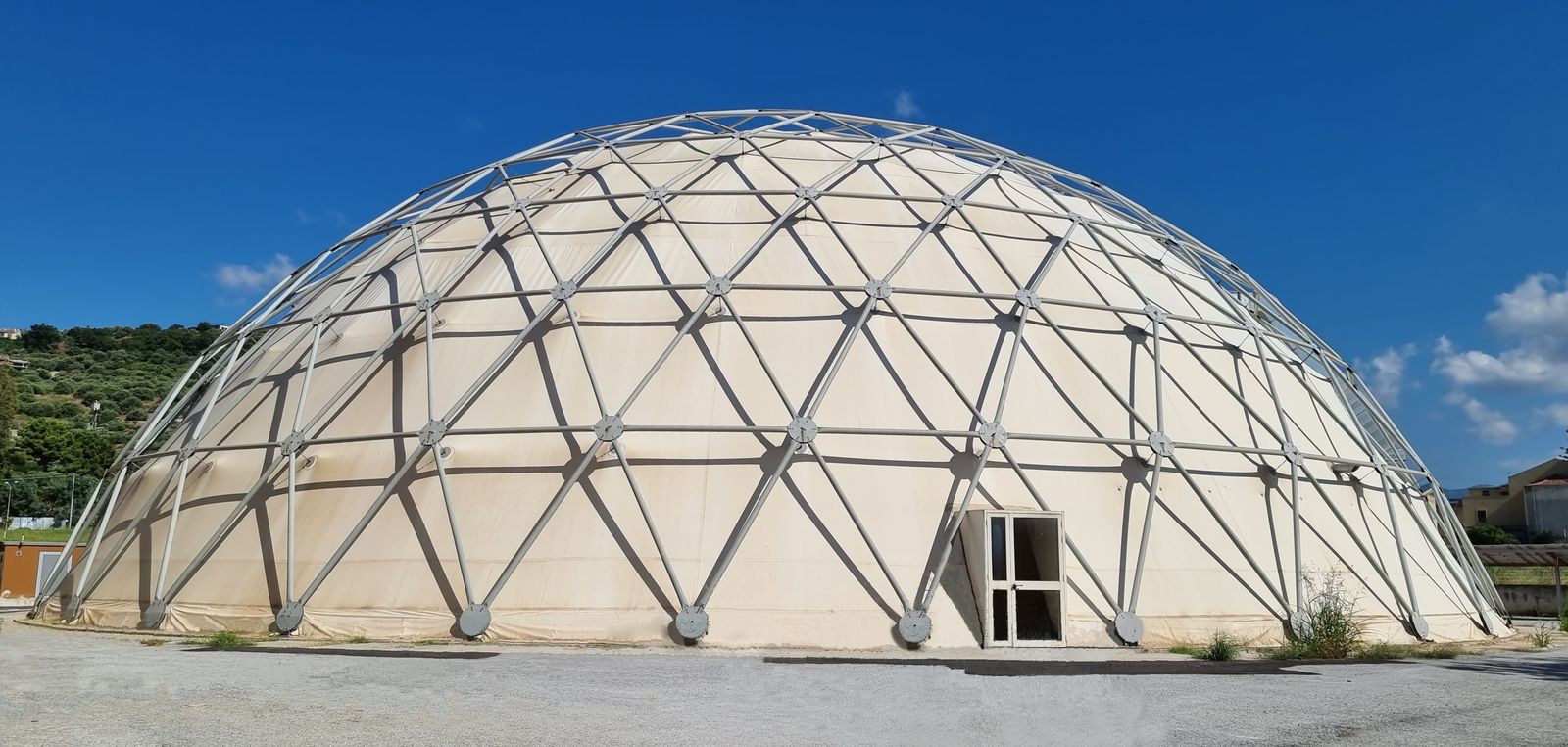
The Best Geodesic Domes in the Jungle
Geodesic domes have been showing up in jungle listings for a few years now, sold with the same photo every time: glass or vinyl walls, a canopy pressing in on every side, a bed positioned so the marketing shot can catch the treeline through the roof. Some of that is real. A lot of it is a tent with a good angle. We went looking for the jungle domes that are actually built, actually staffed or actually bookable right now, and we're telling you honestly that this list is shorter than most of our others — because true geodesic architecture under real rainforest canopy is still a small, young category, not a crowded one.
How we picked these, and why the list is short
Every stay on this list had to clear two bars, and the second one turned out to be the hard one. First, it had to be a dome — a rounded, largely open structure with a canopy or frame roof, set under or right against real tropical forest, not a countryside geodesic cabin with a stock jungle photo dropped in. Second, and this is where most of the internet's "jungle dome" listicles fall apart, it had to actually exist and be actually bookable. We checked every name against its own site, its booking platform listing, or a tourism board page before it made the cut. Domes that showed up in search results but led to a dead link or an expired domain did not make it — one candidate we found, a lakeside bubble lodge in Mauritius, turned out to have a lapsed domain when we went to verify it, so it isn't here even though it was a beautiful property once.
That filtering is why this list has six entries where our treehouse ranking has fourteen. Treehouses have been a bookable category for decades. Geodesic domes in true jungle settings are new enough that most of what gets called a "jungle dome" online is really a canvas glamping tent, a superadobe structure, or a bubble tent borrowing the word "dome" loosely. We've included a couple of those here too, because they're honest and interesting stays in their own right, but we've flagged exactly what each one is built from so you know what you're booking before the site attendant unzips the door. Four of the six are small lodges with multiple domes and staff on-site; two are single properties you book the way you'd book any other rental, and we've marked which is which.
The process of ruling candidates out mattered as much as the picking. Plenty of dome manufacturers sell the geodesic frames themselves — you'll find kit builders and glamping-supply companies well before you find actual jungle stays if you search casually — and those product pages get mixed into travel roundups as if they were bookable destinations. We treated a manufacturer's showroom photo as a reason for more scrutiny, not less. We'd rather hand you six real, currently bookable domes than pad the count with anything we couldn't stand behind.
Good to know
Almost none of these list a per-night rate the way a standard rental does — several price by the room with breakfast or extras bundled in, the way a small hotel would. Check exactly what's included before you compare a night here against a night in a plain rainforest cabin on our destinations directory; they're often not priced on the same basis.
Costa Rica's Caribbean coast: Faith Glamping Domes
Costa Rica's Pacific side gets most of the country's glamping press, so it's worth starting on the quieter Caribbean coast instead, where the domes are genuinely built for jungle immersion rather than beach photography.
Six geodesic domes on Costa Rica's south Caribbean coast, close to the fishing village of Manzanillo and about two kilometers from the Gandoca-Manzanillo Wildlife Refuge, with Cahuita National Park roughly thirty kilometers up the coast. Each dome has its own bathroom, air conditioning and a queen orthopedic bed, which puts real comfort behind the novelty shape — this isn't a canvas tent dressed up for photos. A private pathway leads down to the beach with hammocks strung along the way, breakfast is included, and the property offers yoga, massage and sound-healing sessions for guests who want to build a slower day around the stay rather than just sleep in it. What it isn't is deep, trackless rainforest — this stretch of coast mixes mangrove boardwalk, secondary forest and beach, and the refuge itself protects a coastal and wetland ecosystem as much as dense canopy. If you want the jungle immersion with a beach fifteen minutes downhill and Afro-Caribbean coastal towns like Puerto Viejo within reach, this is the pairing that works. It sits within easy range of the rest of the country's rainforest stays, which we cover throughout Costa Rica.
The Peruvian Amazon: Geodesic River Domes
The deepest, most literally rainforest setting on this list is also the one that leans hardest into the word "geodesic" in its own name — a rare case of a property calling itself exactly what it is.
Run by the Imiloa Institute, this is six domes described as inspired by sacred geometry, set directly in the rainforest along the edge of a private river. Each dome sleeps one to four guests, with either two king beds or four twins and a full bathroom, plus a private jungle deck and an open-air shower with rainforest views — the kind of detail that tells you the architects actually thought about what it feels like to shower with the forest watching rather than just what it photographs like. Air conditioning is included, which matters more in the Amazon basin than almost anywhere else on this list. The property leans toward retreat and wellness programming rather than a straightforward nightly booking, so if you're picturing a simple weekend rental, read the site closely before you commit — this is closer in spirit to a small lodge built around a river than a private jungle house. For travelers who want the Amazon without the multi-day lodge package that dominates most Peru rainforest listings, including the treehouse lodges we cover in our treehouse ranking, this is a genuinely different shape of the same idea. More of the country, both jungle and otherwise, is in Peru.
A dome only earns its place under real canopy if it does the one thing a cabin can't: disappear. The good ones make the walls the least interesting part of the room.
Bali's rice-terrace jungle: Bubble Hotel Bali
Move to Southeast Asia and the dome idea shifts from "rainforest architecture" to "bubble tent with a view," which is a different and in some ways more honest proposition — nobody's pretending these are permanent structures.
Built by hotelier Felix Demin, who also runs a cliffside property on Uluwatu, Bubble Hotel Bali's Ubud location sets its transparent bubbles into jungle and terraced rice field on the edge of the Tegallalang area, a short drive from central Ubud. Inside each bubble is a queen bed with air conditioning and privacy curtains, a small fridge and minibar, complimentary tea and coffee, and a private outdoor ensuite bathroom set in its own gated garden with a sheltered gazebo — guests choose between a pool or a bath version of the layout. It's adults-only, which tells you plainly who the target guest is, and it sits close enough to the Tegalalang Rice Terrace and Taro Village that you can build a full day of sightseeing around a single night in the bubble. The honest caveat: these are inflatable or semi-rigid bubble structures rather than a rigid geodesic frame, so don't expect the permanence of a built dome — expect something closer to a very well-designed glamping tent that happens to be spherical and clear. It's still the most photographed and most bookable entry on this list, and a good entry point if you want to try the category once before committing to something more remote. See more of the island in Bali.
Tulum's dome cluster
No single place on this list has more dome density than the jungle side of Tulum, where a handful of properties have built a small local specialty out of the shape — likely because Tulum's building codes and off-grid ethos already favor low-impact, unconventional structures.
Set deeper into the jungle than most of Tulum's beach-road hotels, Mamasan builds its geodesic domes from hemp and coconut fiber, bamboo and recycled regional wood rather than glass or vinyl — a material choice that trades the transparent, stargazing effect other domes chase for something warmer and more textured, closer to a woven shelter than a greenhouse. Each room runs around forty square meters, generous by dome standards, and the property positions itself as a boutique hotel rather than a single rental, with the shared amenities and service that implies. It's a useful contrast to the glass-walled domes elsewhere on this list: if what draws you to the shape is the low-impact, natural-material build rather than the transparency, this is the one to look at first.
The whole-home counterpart to Mamasan, and listed across Vrbo and the major booking platforms as a standalone property rather than a hotel room. The domes here come with private pools and patios, positioned in the jungle zone close to both the Tulum Mayan ruins and the beach — a genuinely useful location if you want to split a trip between forest mornings and sand afternoons without a long drive between them. Because it books like a normal rental rather than a hotel with a front desk, expect less on-site service than Mamasan or Faith Glamping Domes, and more privacy in exchange. Between these two, Tulum makes a strong case for itself as the easiest place on this list to try more than one dome style in a single trip — read more about the wider area in Tulum & the Maya Jungle.
The Mayan jungle's odd one out
We're including one property here that stretches the definition of "dome" past what a strict geodesic purist would allow, because it's real, it's striking, and it's honest about exactly what it is.
Set in the town of Solferino in Mexico's Mayan jungle, this stay puts guests inside a superadobe dome — a structure built by stacking and tamping earth-filled polypropylene bags into a rounded shell, a construction method more associated with disaster-relief housing and desert eco-building than with rainforest glamping. It's not geodesic in the strict architectural sense — there's no triangulated strut frame, no glass — and it isn't transparent at all; the appeal is the opposite of the see-through domes elsewhere on this list; it's a thick-walled, naturally cool, faintly otherworldly shape, closer to what one write-up described as somewhere between an ancient temple and a spacecraft. We're including it precisely because it's a useful contrast: if the rest of this list is chasing the photograph of a glass bubble under stars, this is proof the "dome" idea in jungle building has older, earthier roots too, and that a rounded shelter can work with zero transparency at all. It's a fair pick for travelers who want the shape without the greenhouse-in-the-tropics heat problem we get into below.
What "geodesic" actually means
Worth pausing on, because the word gets used loosely across almost every listing on this list except one. A true geodesic dome is a specific structural idea, popularized by Buckminster Fuller in the mid-twentieth century: a sphere or partial sphere built from a network of triangles, which distributes structural load evenly across the whole shell instead of concentrating it in walls and a roof the way conventional buildings do. That's what makes the shape strong enough to skip interior support columns, and it's why the material can be almost entirely glass or clear panel without the structure feeling flimsy.
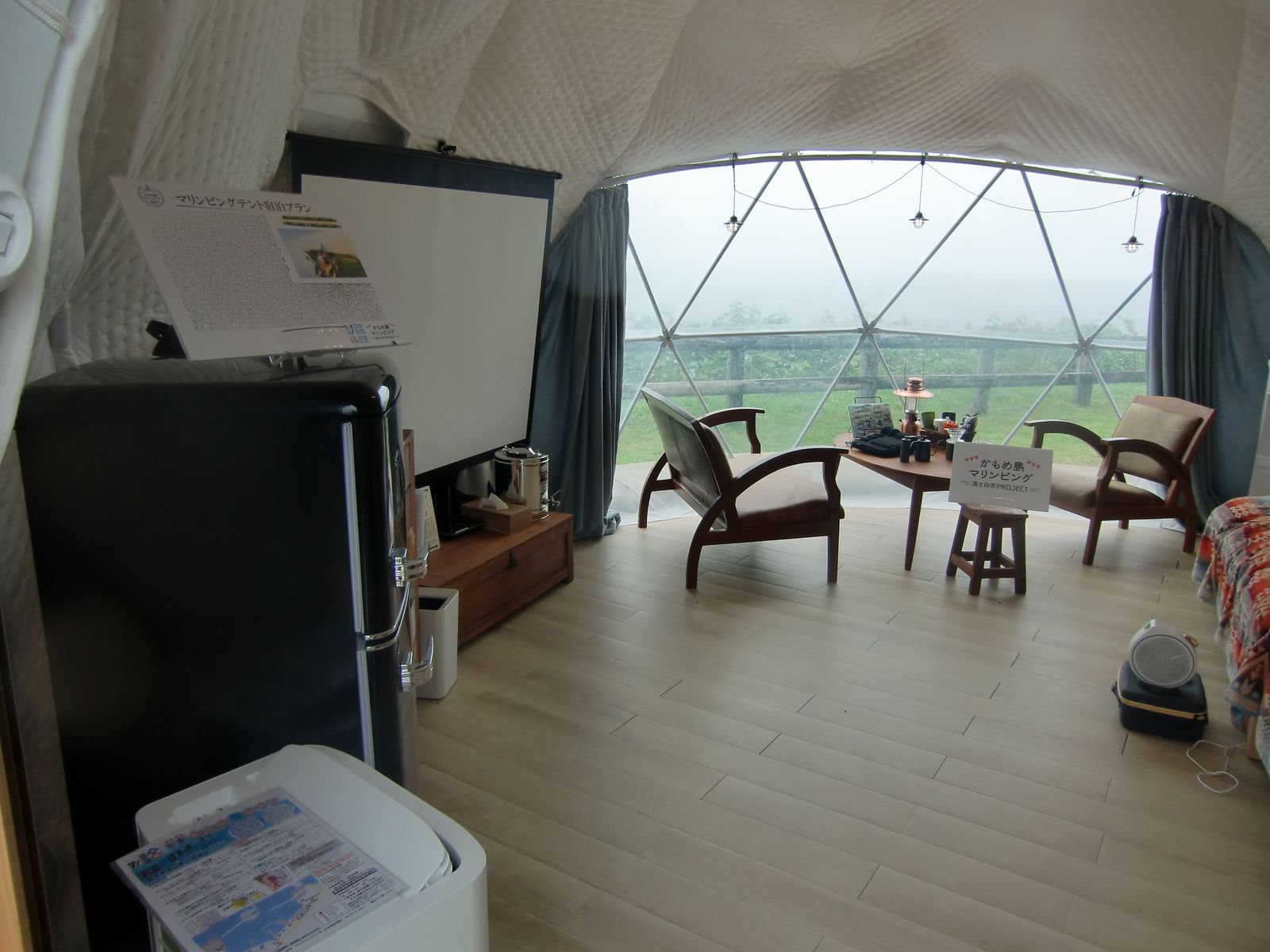
In practice, most jungle "domes" you'll find online aren't that. Some are bubble tents — a flexible, sometimes inflatable clear membrane stretched over a simple frame, which is what Bubble Hotel Bali's rooms are closer to. Some are timber-and-canvas glamping domes, a rounded tent on a wood base. Faith Glamping Domes and the Imiloa Institute's Geodesic River Domes are the two properties on this list that most explicitly build and market true geodesic frame construction. Mamasan works in bamboo and natural fiber panels over a domed frame, and Jackfruit Jungle Paradise, as covered above, isn't geodesic at all. None of that makes the looser interpretations bad stays — a well-built bubble tent under real canopy is still a genuinely good night's sleep — but it's worth knowing which one you're booking, because a rigid glass geodesic dome and a seasonal inflatable bubble have very different tolerances for wind, heavy rain and the kind of tropical storm that can roll through with little warning.
The honest trade-offs, and who these are for
Transparency is the whole point of a dome, and it comes with a genuine cost: heat. A glass or clear-vinyl structure in the tropics behaves exactly like a greenhouse during the day, which is why every dome on this list either includes air conditioning or, in Jackfruit Jungle Paradise's case, trades transparency for the natural insulation of thick earthen walls instead. If a listing doesn't mention climate control at all, ask before you book — a beautiful dome that turns into a sauna by 11am is a bad surprise to discover on arrival.
Condensation is the second issue nobody puts in the brochure copy. Glass and vinyl domes in humid rainforest air fog up overnight as the temperature drops, which can blur the very view you booked the room for by early morning — it usually clears with the sun, but don't expect a crystal-clear canopy shot the moment you wake up. Privacy is the third: several of these properties are genuinely transparent from the outside as well as the inside, and while every one on this list builds in some buffer of distance, hedge or curtain, this is not the category for travelers who want opaque walls between themselves and the property next door. If any of that sounds like a dealbreaker rather than a quirk, our off-grid jungle cabins and bamboo houses rankings cover the same tropical-immersion idea in structures with actual walls.
Who this is genuinely for: travelers who've already done a standard jungle rental or two and want the novelty of sleeping inside architecture rather than beside it, couples celebrating something specific (nearly every property here markets to couples first), and anyone who finds a clear ceiling and real stars more compelling than a swim-up pool. Who it's not for: families needing separate rooms, anyone sensitive to heat or light at night, and travelers who want to disappear completely rather than be seen from every angle.
How these compare on price and structure
Don't expect a clean apples-to-apples price comparison across this list, because the six book in genuinely different ways. Faith Glamping Domes and Bubble Hotel Bali price per room per night with breakfast and extras bundled in, the way any small hotel does, so the headline rate already includes service you'd pay separately for at a private rental. Geodesic River Domes leans further toward a retreat-style stay, where the accommodation is often part of a wider program rather than a standalone room rate. Geo Domes at the Tulum Jungle and Jackfruit Jungle Paradise price the way a normal vacation rental does — one rate for the whole dome, no shared breakfast room, no daily housekeeping unless you ask. Mamasan sits in between, a boutique hotel with a restaurant on-site but rooms still booked individually. If you're comparing costs across two or three of these before you commit, check what's actually bundled into the number before you decide one is a better deal than another.
Common questions
Are jungle domes fully transparent, or is that just marketing?
It varies by property, and it's worth checking before you book. Faith Glamping Domes and Geodesic River Domes in Peru use real geodesic construction that can support largely clear panels. Bubble Hotel Bali's rooms are closer to a clear bubble tent, which is transparent but less structurally permanent. Mamasan Tulum uses natural fiber and bamboo panels rather than glass, so it's a domed shape without the see-through effect, and Jackfruit Jungle Paradise isn't transparent at all. Read a listing's own photos and materials description rather than assuming every "dome" means glass walls.
Do these stays have air conditioning?
Most of the ones on this list do — Faith Glamping Domes, Geodesic River Domes and Bubble Hotel Bali all include it, which matters given how much heat a clear or semi-clear structure collects during the day. Always confirm directly with a property before booking if the listing doesn't state it plainly.
Are these good for families?
Generally no. Every property on this list is built around one or two guests in a single sleeping area, and several market explicitly to couples. If you're traveling with kids, our jungle Airbnbs for families ranking covers proper multi-bedroom rainforest homes instead.
How far in advance should I book?
Bubble Hotel Bali and the Tulum properties are the most established and the most likely to book out around holidays and Southern Hemisphere shoulder seasons, so treat those like any popular hotel and book weeks ahead if your dates are fixed. The Peru and Costa Rica lodges have more flexible availability but are also harder to reach, so build in transfer time regardless of how far ahead you book.
Is a superadobe structure like Jackfruit Jungle Paradise really a "dome"?
Architecturally, yes — it's a rounded, self-supporting shell — but it isn't a geodesic dome in the strict Buckminster Fuller sense, and it isn't transparent. We've included it and flagged the difference rather than leaving it off the list entirely, because it's a real, bookable, well-built stay that happens to interpret "dome" differently than the glass-walled properties around it.
What should I pack that I wouldn't for a normal jungle rental?
An eye mask, if you're a light sleeper who wants full dark despite a transparent or semi-transparent ceiling; the domes with less rigid climate control benefit from packing lighter, more breathable sleepwear than you'd bring for an air-conditioned villa; and, if privacy matters to you, check a property's specific setback and screening details rather than assuming every dome is as secluded as its hero photo suggests.
Can I see stars from inside these domes, the way the photos promise?
On a clear night, generally yes, at the properties that use genuinely transparent construction — Faith Glamping Domes, Geodesic River Domes and Bubble Hotel Bali all build toward that view specifically. Jungle canopy itself can work against you here more than clouds do: a dome set directly under a full canopy, rather than in a clearing or opening, will show you less open sky than the marketing photo suggests, because the trees are doing exactly what you came for and blocking part of the view in the process. If an unobstructed night sky is the whole reason you're booking, ask the property how much open sky the specific dome you're reserving actually has before you commit.
The pattern, and where to go from here
Once you look past the marketing, the domes that actually work share one thing: they treat the transparency as the feature and solve for its problems rather than ignoring them. Faith Glamping Domes and the Imiloa Institute's river domes both build real geodesic frames and back them with air conditioning and genuine bathrooms, so the novelty shape doesn't come at the cost of comfort. Bubble Hotel Bali is honest that its rooms are bubble tents, not permanent architecture, and prices and markets them accordingly. Mamasan and Jackfruit Jungle Paradise both trade transparency for natural materials on purpose, which tells you something: the dome shape itself, glass or not, is what people are actually chasing, not the greenhouse effect that comes with pure glass.
This is a young category, and it's likely to grow — the same off-grid, low-footprint instinct that's driving off-grid jungle cabins and treehouses toward more architecturally ambitious builds is showing up in domes too, just a few years behind. If you want to try the idea without traveling to Peru or the Amazon, Tulum and Bali are the easiest entry points on this list. If you're set on the real thing, deep-forest and river-adjacent, Costa Rica and Peru are where to look. And if a dome isn't quite what you're after once you've read the trade-offs honestly, the rest of what jungle architecture has to offer, treehouses, bamboo houses and luxury villas among them, is in our full best jungle Airbnbs in the world ranking, or browse everything currently bookable across our destinations directory.
- Visit Costa Rica — Faith Glamping Dome Costa Rica — official tourism board listing confirming location, amenities and proximity to the Gandoca-Manzanillo Wildlife Refuge.
- Pacific Domes — Faith Glamping Domes: The NASA-Inspired Costa Rican Hotel — background on the dome construction and property concept.
- Imiloa Institute — Geodesic River Domes — official listing for the Peru rainforest river domes, room counts and amenities.
- Mamasan Tulum — official site confirming dome materials and jungle-zone location in Tulum.
- Bubble Hotel Bali — official site for the Ubud jungle bubble property, founder background and amenities.
- Vrbo — Geo Domes at the Tulum Jungle — booking listing confirming the property, private pools and proximity to Tulum's ruins and beach.
- UNIQ Hotels — Jungle Hotels — editorial roundup confirming Jackfruit Jungle Paradise's superadobe dome in Solferino, Mexico.
More from the Journal.
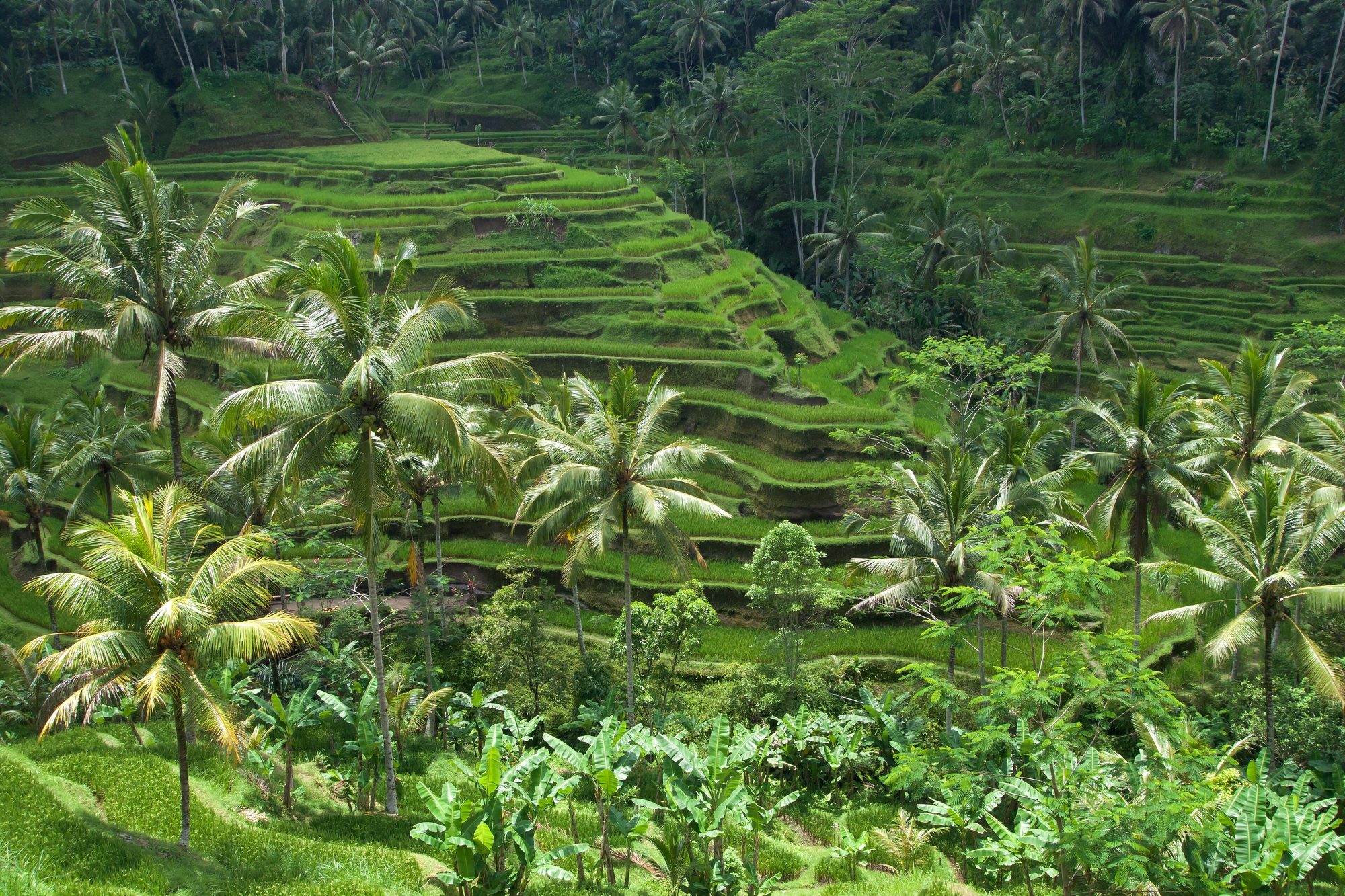 Photo: Vyacheslav Argenberg, CC BY 4.0
The Best Jungle Airbnbs in the World
Our honest, unpaid ranking of the jungle stays that changed what a night in the forest can be — from Bali's bamboo masterpieces to the floating bungalows of Thailand.
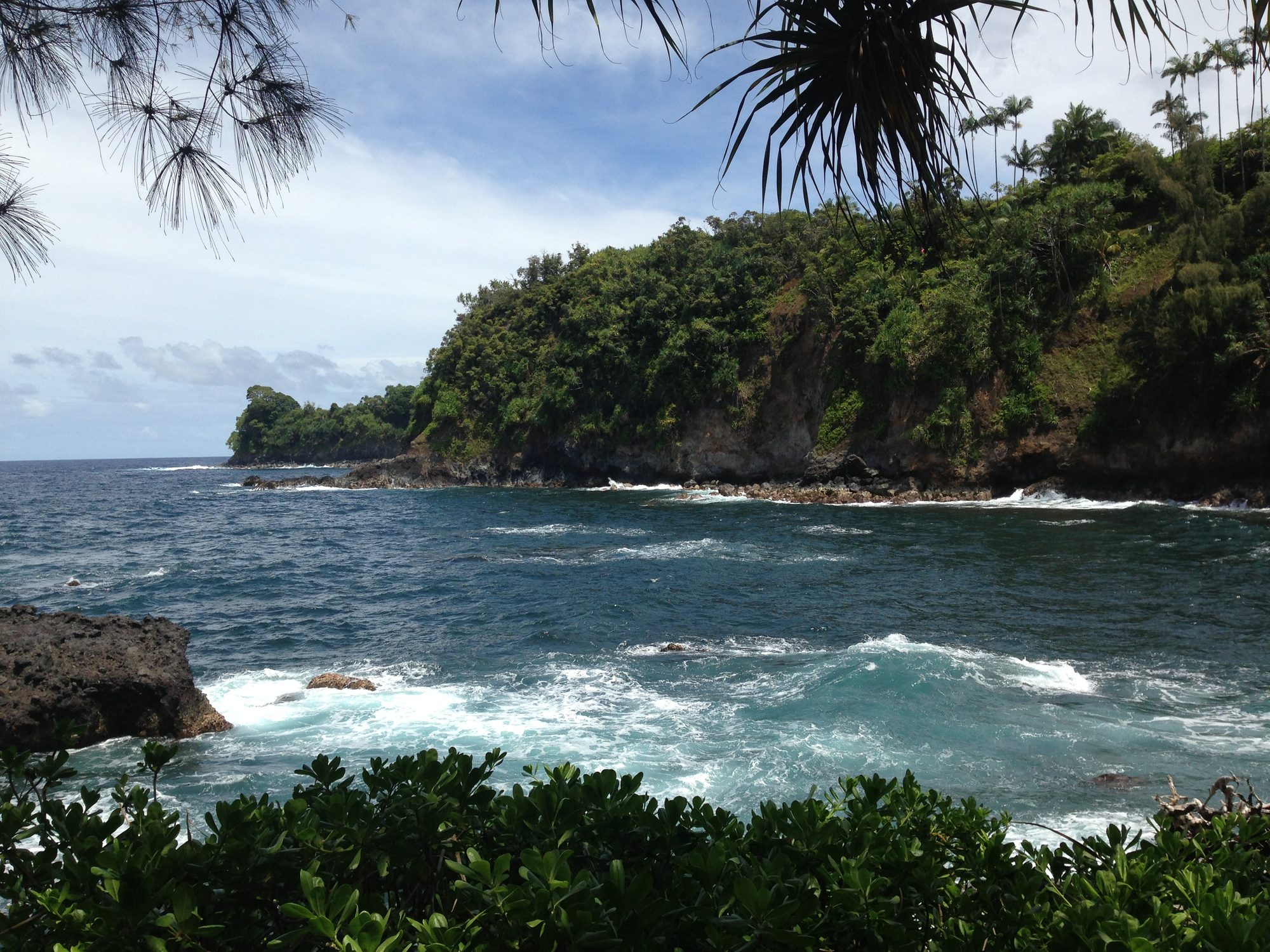 Photo: AlaskaDave, CC BY-SA 3.0
The Best Jungle Airbnbs in the USA
Real rainforest, no passport required — the best treehouses and bamboo houses across Hawai‘i, Puerto Rico and Florida.
 Photo: Bernard DUPONT from FRANCE, CC BY-SA 2.0
The Best Treehouse Airbnbs in the World
Our honest ranking of the treehouses worth crossing an ocean for — from canopy platforms in the Amazon to stilted glass boxes above the rainforest floor.
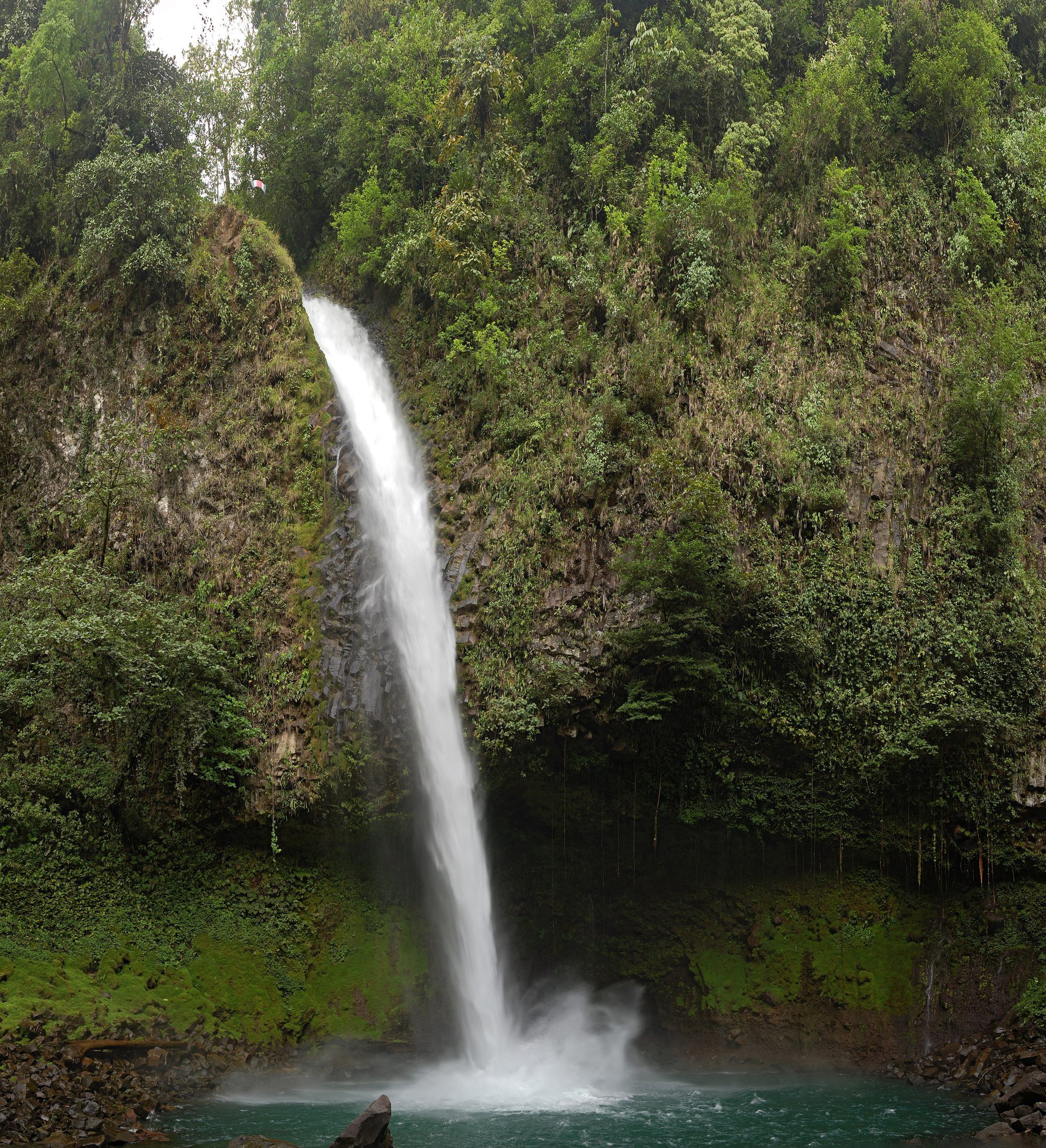 Photo: Derek Ramsey (Ram-Man), CC BY-SA 4.0
Find your own piece of the canopy.
Treehouses, bamboo houses and rainforest villas across 17 destinations — found, vetted and written up honestly.
Browse all destinations