The Best Jungle Glamping in the World
Every travel site has a "best jungle glamping" list, and most of them are lying to you a little. They call a stilted wooden cabin "glamping" because it has a mosquito net, or they rank a beach yurt that's nowhere near a rainforest. We set a stricter bar: a stay only makes this list if you actually sleep under canvas or fiberglass, a real tent or a real dome rather than a house wearing a tent's marketing copy, and if that structure sits inside or right against genuine tropical or rainforest terrain. That bar is why this list is shorter than some others you'll find. It's also why every entry on it is real.
What actually counts as jungle glamping
Glamping is a specific promise: the romance of camping (canvas walls, the sound of rain on a roof that isn't drywall, a structure that could theoretically be struck and moved), with the parts of camping nobody actually enjoys removed. A real bed instead of a pad on the ground. A bathroom that isn't a walk through the dark. Often air conditioning, because "authentic jungle experience" stops being charming around hour three of tropical humidity.
That's a narrower category than "jungle Airbnb" or "rainforest villa," and worth separating from both. A stilted timber house with glass walls is a fantastic way to sleep in a rainforest, but it isn't glamping. It's just a house. We've covered those elsewhere, including the best jungle Airbnbs in the world and the best luxury jungle villas, and if a full house with a kitchen and a pool is what you actually want, start there instead. This list is specifically for people who want the tent or the dome, the structure that keeps the forest close enough to hear and smell, with a wall of canvas or clear panel between you and it rather than a wall of poured concrete.
The other honest thing to say up front: almost everything on this list is a boutique camp or lodge rather than a single stand-alone rental you book like a house. That's not us being lazy about "whole-home" rentals. It's the state of the market. Building and running a genuine off-grid canvas structure in rainforest conditions (humidity, insects, torrential seasonal rain, difficult access for materials) is hard enough that it's mostly been done well by hospitality operators with staff on-site, not individual hosts. If an independent, bookable-like-an-Airbnb jungle dome or tent exists and is genuinely good, we'll add it the moment we can verify it. For now, every entry below is a real, currently operating property with a small number of tents or domes, usually somewhere between a dozen and forty.
Ask a "jungle glamping" list for its official links and half of them go quiet. That's usually because the "tent" in the photo is a cabin with a canvas awning bolted over the porch.
Good to know
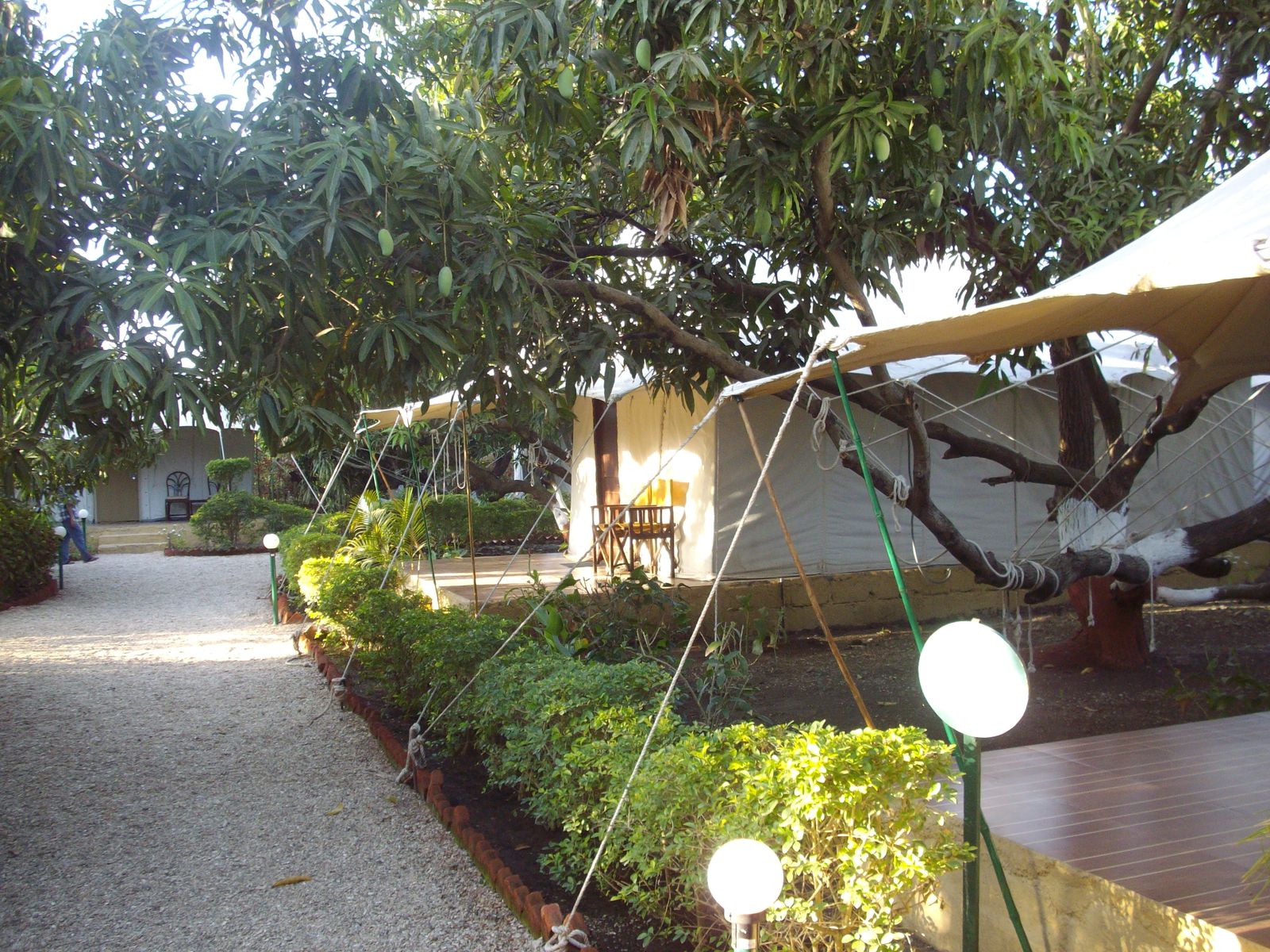
Almost every property on this list runs air conditioning or at minimum a strong ceiling fan inside the tent, plus a proper en-suite bathroom. If a "glamping" listing doesn't mention climate control anywhere in its room description, assume it doesn't have it, and confirm before you book, especially for a rainy-season stay.
What we left off, and why
We looked at more properties than made the final list, and it's worth saying plainly what got cut and why, since it explains the shape of what's left. Several well-marketed "jungle glamping" resorts turned out, on closer inspection of their own room photos and floor plans, to be concrete bungalows with a canvas porch roof or a fabric accent wall: glamping in name, standard construction in practice. Others were genuinely tented but sat in a garden or a coastal scrub setting with a handful of ornamental trees rather than anything you could call forest, jungle, or rainforest with a straight face. A few were real, tented, and in the right kind of setting, but we couldn't confirm they were still operating, which under our own rule means they don't make the cut regardless of how good the old reviews look.
That leaves a shorter list than some competing round-ups, populated mostly by boutique operators rather than big chain hotels, because chains have been slower to build genuine tented product in tropical forest terrain. It's expensive to do well and easy to fake in a listing photo. If you know of a property that should be here and clearly meets the bar (real canvas or dome, real rainforest, currently bookable), tell us and we'll take a look.
The top tier
These four are the properties we'd point a first-time jungle glamper toward without hesitation — the ones where the architecture, the setting and the execution all clear the bar at once.
Built on stilts on a hillside inside Costa Rica's rainforest, with the Arenal volcano visible from most of the tents, this is one of very few genuinely luxury tented camps in Central America, and it earns the description. Each of the roughly 1,700-square-foot tents has its own hot-spring-fed plunge pool, an outdoor shower and a canopy bed, and the property has planted more than a thousand guarumo trees on-site specifically to give sloths somewhere to live within sight of the rooms. It's a sister property to Nayara Springs next door, but the tented camp is the one that actually delivers on "sleep in the rainforest" rather than "sleep near it." (Nayara Tented Camp; more of the region in Costa Rica)
Fifteen tents, strung along a river inside 800 acres of private land between two national parks in Cambodia's Cardamom rainforest, designed by Bill Bensley over a seven-year process meant to disturb as little of the forest as possible. You arrive by a 400-metre zipline over the treetops. Every stay funds an on-site Wildlife Alliance ranger station whose job is dismantling snares and stopping illegal logging on the property's land, and that makes this one of the rare glamping camps that's genuinely also a conservation operation, not just marketing that borrows the word. It's a splurge, and a long way from anywhere, which is precisely the point. (Shinta Mani Wild)
Thirty-six cocoon-shaped canvas suites between the jungle edge of Yala National Park (Sri Lanka's leopard-density record holder) and the Indian Ocean, part of the Resplendent Ceylon collection. The tents are genuinely dome-shaped rather than the classic ridge-tent silhouette, built from thick French canvas over a vaulted frame, each with a copper freestanding bathtub and teak floors. Rates are all-inclusive and cover a daily game drive into Yala itself, which is the real reason to be here: a stay built around wildlife access, not just architecture for its own sake. (Wild Coast Tented Lodge; more of the island in Sri Lanka)
Also a Bill Bensley design, and a very different mood from Shinta Mani Wild, this one is styled as a 19th-century explorer's camp, tucked into a jungle ravine above the Wos River outside Ubud. The tents read as genuinely tented rather than tent-shaped concrete, with campaign furniture, brass fittings and canvas walls that actually move in the wind. It's the property that convinced a lot of luxury travelers that "glamping" and "five stars" weren't a contradiction, and Ubud's surrounding rice terraces and forest give it a setting most tented camps can't match. (Capella Ubud; more of the island in Bali)
The rest of the list
These three didn't quite make the top tier, usually because they trade a little polish for remoteness, price, or a more specific niche, but each is worth knowing about for the right traveler.
Tented rooms built on rafts, moored on the Tatai River inside the same Cardamom rainforest system as Shinta Mani Wild, reachable only by boat. You wake up floating, with rainforest on both banks and nothing running on generators after dark. It's solar-powered, deliberately low-impact, and quieter after sunset than almost anywhere else on this list. It's less polished than the camps above it, and the tents are simpler, but the setting does most of the work. (Four Rivers Floating Lodge)
Canvas-and-timber tent cabins scattered through jungle scrub a short walk from the beach, from the hospitality group that helped popularize the whole "community-minded eco-tent resort" format across Latin America and beyond. It's more social than most of this list, with communal fire pits, a lot of programming, and a crowd that's there for the scene as much as the setting, which will be exactly right for some travelers and exactly wrong for others. The tents themselves are simple and comfortable rather than architecturally ambitious, but the jungle-to-beach location is hard to beat for convenience. (Habitas Tulum; more of the coast in Tulum & the Maya Jungle)
Safari-style tents on a raised boardwalk inside the buffer zone of Khao Sok, one of the oldest rainforests on earth, run by an operator whose whole business is built around getting people into that park properly rather than just past its entrance. It's the most classic "safari tent" execution on this list (canvas walls, verandas, an attached bathroom block), and it's usually sold as part of a multi-night itinerary that also includes Elephant Hills' floating camp on Cheow Lan Lake, rather than booked as a stand-alone stay. Good for travelers who want the tent experience bundled with an actual wildlife itinerary instead of arranging one themselves. (Elephant Hills; more of the country in Thailand)
Domes versus tents: the architecture question
Two structural ideas dominate jungle glamping right now, and they solve different problems. The classic canvas tent, a fabric skin over a steel or timber frame usually set on a raised timber deck, is cheap to build relative to a permanent structure, easy to repair, and forgiving of an imperfect site. It's also the older, more literal version of "glamping," descended directly from safari tents in Africa, which is why the vocabulary (verandas, campaign furniture, safari-style everything) still leans that direction even in rainforest settings thousands of miles from a savanna.
The geodesic dome is the newer challenger, and it solves a problem canvas tents handle badly: clear-span interior space without internal poles or awkward angles, plus panoramic glazing that a flat canvas wall can't offer. A dome's triangulated frame is genuinely strong (the design comes from Buckminster Fuller's structural engineering work, not just an aesthetic choice), which means it holds up better to wind and heavy rain than a simple ridge tent, and can support glass or clear panels instead of only fabric. That's part of why dome-based glamping has spread fast outside the tropics too: geodesic and igloo-style domes now show up everywhere from aurora-watching lodges in the Arctic to vineyard stays in temperate climates, wherever an operator wants uninterrupted views without four flat walls in the way. In a jungle setting, that translates to a room where you can watch canopy and weather from bed without stepping outside.
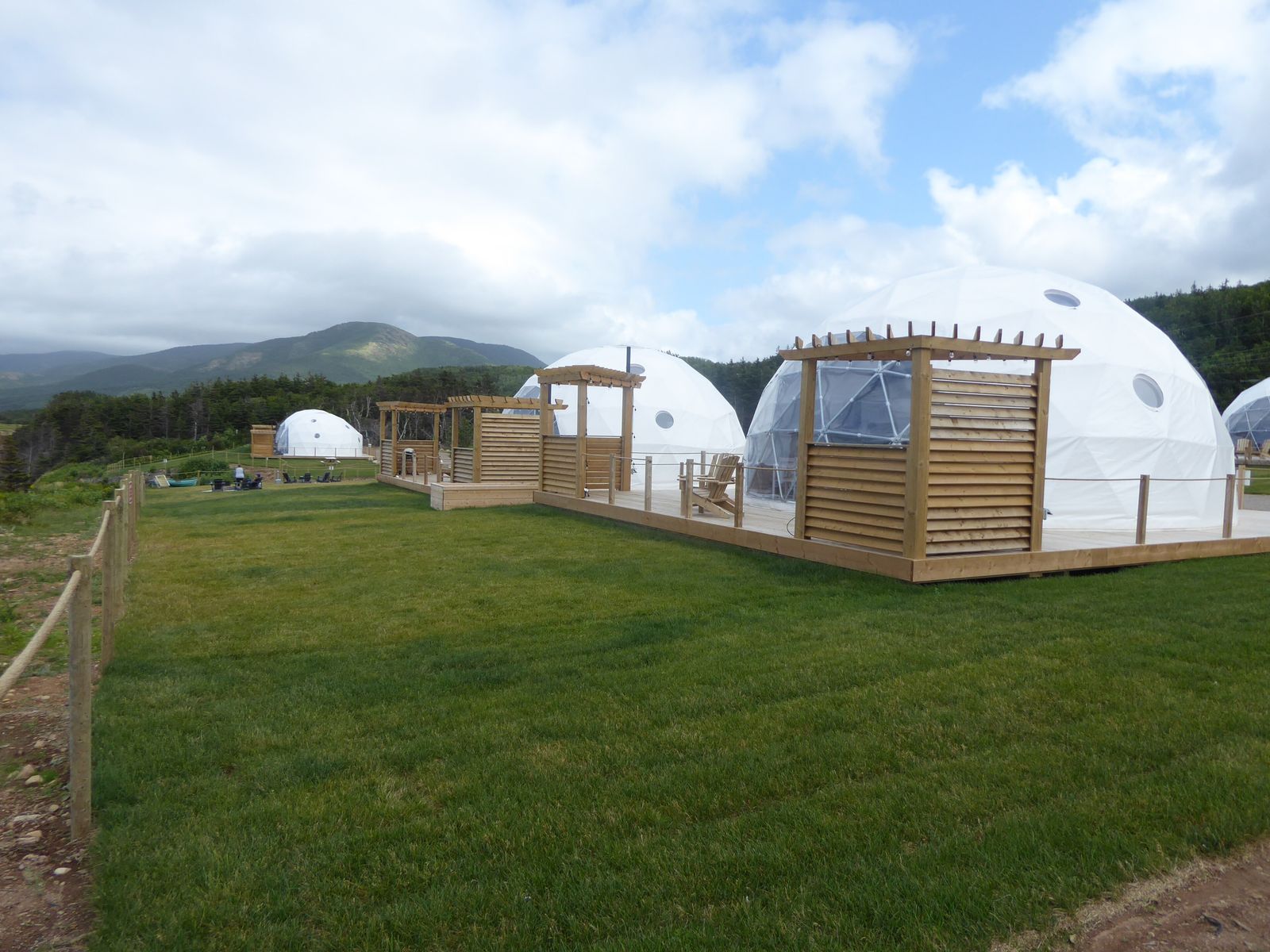
Neither format is objectively better. Tents breathe better in humid heat when the sides are rolled up, and they photograph as more "authentically jungle." There's a reason the classic safari tent silhouette hasn't gone away. Domes hold their shape in storms, tend to run quieter in heavy rain because the curved surface doesn't drum the way flat canvas does, and give you a genuinely different sightline to the forest through glazing rather than mesh. Wild Coast Tented Lodge's cocoon suites are the clearest dome execution on our list above; most of the rest are variations on the canvas tent.
When to go, region by region
Jungle glamping is more weather-sensitive than a solid-walled villa, which makes timing matter more here than it does for most stays in the directory.
Costa Rica and the wider Central American rainforest
The dry season, roughly December through April, is the easier window: trails are passable, humidity is lower, and outdoor decks and plunge pools actually get used. The green season from May through November brings the country's famous afternoon downpours, which are genuinely beautiful from inside a well-built tent but can complicate transfers on unpaved roads. Nayara Tented Camp and similar hillside properties handle this well because they're built above grade. It's the access roads, not the tents themselves, that suffer in the wettest months.
Southeast Asia: Cambodia, Thailand and Bali
Cambodia's Cardamom rainforest and Thailand's Khao Sok both run on a similar monsoon calendar: the dry season from roughly November to April is far more forgiving for zip-lining, river activities and hiking, while the wet season (May through October) turns rivers high and fast. Four Rivers Floating Lodge actually leans into that, since a higher river means more of the rainforest becomes accessible by boat. Bali's Ubud sits slightly outside the harshest monsoon extremes and stays glamping-friendly for more of the year, though the wettest months (December through March) are still worth checking against specific dates.
Sri Lanka
Yala National Park, home to Wild Coast Tented Lodge, actually closes for a few weeks most years, typically in the September to October window, for park maintenance and wildlife recovery. That's the one hard date to check before booking regardless of season. Outside the closure, the dry season from around February to June is the strongest for leopard sightings on game drives.
What it actually costs you, beyond money
The honest trade-offs of tented and dome accommodation rarely show up in the marketing, so here's the plain version.
- Noise travels differently. Canvas doesn't block sound the way a wall does. Rain on a taut tent roof is one of the best sounds in travel; a neighboring tent's early departure at 5am is not. Domes tend to be quieter than flat-canvas tents for exactly this reason.
- Climate control has limits. Even a well-run tent with air conditioning is fighting a tougher battle than a sealed concrete room, because canvas isn't a great insulator and zips aren't airtight. Expect it to feel comfortable rather than icy.
- Wildlife access is closer than you might want. Insects, geckos and the occasional larger visitor are part of the deal at a genuine rainforest-edge property. If that's a dealbreaker, a sealed villa is the better call. See our jungle Airbnbs with a private pool for that version of the trip.
- You're usually paying for the whole experience, not just the room. Several of the properties above are all-inclusive or close to it, bundling meals, activities and sometimes conservation-fund contributions into the rate. That makes a direct price comparison to a self-catered villa or Airbnb misleading, since you're buying a different kind of stay, not a cheaper or more expensive version of the same one.
- Book further ahead than you would a hotel. Small tent counts mean these camps sell out. Nayara Tented Camp runs a limited number of suites total, and Shinta Mani Wild's three-night minimum stay compounds the effect, since every booking ties up a tent for longer. For peak dry-season dates in any region above, three to six months out is a safer window than the few weeks that works for a standard hotel.
- Remote means remote. A floating lodge or a camp reached by boat or unpaved road isn't somewhere you improvise a same-day change of plans. Build in a buffer night near the access point, a nearby town or airport hotel, rather than scheduling a flight straight out the morning after checkout.
Packing and preparing for a night under canvas
A few things matter more here than at a standard hotel or villa stay:
Bring your own bug protection, even at the nicest properties
Every camp on this list nets its beds and treats its decks, but a tent's perimeter is never as sealed as a house's. A DEET or picaridin repellent and lightweight long sleeves for dusk are worth the suitcase space regardless of how many stars the property has.
Pack for humidity, not just heat
Rainforest air stays damp even when temperatures are moderate, and canvas structures don't dry laundry the way a hotel room with strong air conditioning does. Quick-dry fabrics beat cotton, and a dry bag for electronics is smart if your stay includes any river or boat component, which several on this list do.
Confirm the access, not just the room
Floating lodges, boat-only camps and hillside tents on unpaved roads all have transfer logistics that differ meaningfully from a hotel with a driveway. Ask specifically how you get from the nearest airport or town to the property, and how that changes in heavy rain. The answer affects your whole itinerary, not just this one stay.
Double-check what's actually included
All-inclusive tented camps vary widely in what "all-inclusive" covers. Some include game drives or guided hikes; others charge those separately even while including meals. Read the fine print before you compare two properties on price.
Common questions
Is jungle glamping safe?
At the established properties on this list, yes. They're run by experienced hospitality operators with staff on-site, proper netting, and, where relevant, trained guides for any wildlife activity. The bigger practical risks are the same ones as any rainforest trip: insects, heat, and slippery terrain after rain, all manageable with sensible preparation.
Do jungle glamping tents have air conditioning?
Most of the properties on this list do, at least in their higher-tier tents. It's become close to standard at the luxury end of the category. Simpler or more remote camps, including some floating and boat-access lodges, may rely on strong fans and cross-ventilation instead. Always check the specific room description rather than assuming.
What's the difference between a glamping tent and a jungle Airbnb?
A glamping stay is almost always a hospitality-run camp with a handful of tents or domes and on-site staff, booked like a hotel room. A jungle Airbnb is typically a self-catered house or cabin you have entirely to yourself. If you want privacy and a kitchen, look at our best jungle Airbnbs in the world instead.
Can families stay at jungle glamping camps?
Some, yes, but check minimum-age policies first, since a number of the higher-end camps (Shinta Mani Wild among them) skew toward couples and set age minimums for activities like the zipline arrival. Family-friendlier options tend to be the larger tented resorts, like Habitas Tulum, over the more intimate remote camps.
Is glamping more expensive than a jungle villa?
It depends what's included. A villa rental is usually priced for the space alone; a glamping stay often bundles meals, guiding and activities into the rate, so the headline price per night isn't directly comparable. Compare total trip cost, not nightly rate, before assuming one is pricier than the other.
Are there budget jungle glamping options?
Genuine dome or canvas-tent stays skew upmarket almost everywhere, because the staffing and site-build costs are high relative to a simple cabin. If budget is the priority, our best budget jungle Airbnbs under $100 list is the better starting point than this one, and worth pairing with the insect and humidity prep above regardless of which style of stay you book. That part of the trip doesn't change with the price tag.
Where to go from here
The properties on this list share a pattern worth noticing: none of them are hiding the tent. A lot of "glamping" marketing tries to make you forget you're under canvas (climate control, hardwood floors, a minibar) while the actual good ones lean into it, because the whole point of a tent or a dome is a thinner boundary between you and the forest than a wall provides. Nayara's plunge pools face the volcano through the trees; Wild Coast's cocoons are shaped and glazed specifically to frame Yala's jungle; Shinta Mani Wild puts its ranger station's success ahead of the interior design. If a "jungle glamping" listing feels like it's apologizing for the tent, it's probably not the real thing.
If you'd rather have four solid walls and a private pool, the best luxury jungle villas and jungle Airbnbs with a private pool cover that end of the spectrum, and why jungle stays are booming explains the wider trend both categories are riding. For the destinations themselves — Costa Rica, Bali, Thailand, Sri Lanka and beyond — the full directory is the place to start browsing.
- Nayara Tented Camp — tent specifications, plunge pools, and the sloth-refuge planting program near Arenal, Costa Rica.
- Shinta Mani Wild — tent count, Bensley design process, zipline arrival and the Wildlife Alliance ranger-station conservation model.
- Wild Coast Tented Lodge — cocoon-suite count, materials, and location on the edge of Yala National Park.
- Capella Ubud — explorer-camp design concept and Ubud ravine setting.
- Four Rivers Floating Lodge — floating tented rooms on the Tatai River, Cardamom rainforest, Cambodia.
- Habitas Tulum — tent-cabin format and jungle-to-beach location in Tulum, Mexico.
- Elephant Hills — Rainforest Camp tented accommodation inside Khao Sok National Park, Thailand.
More from the Journal.
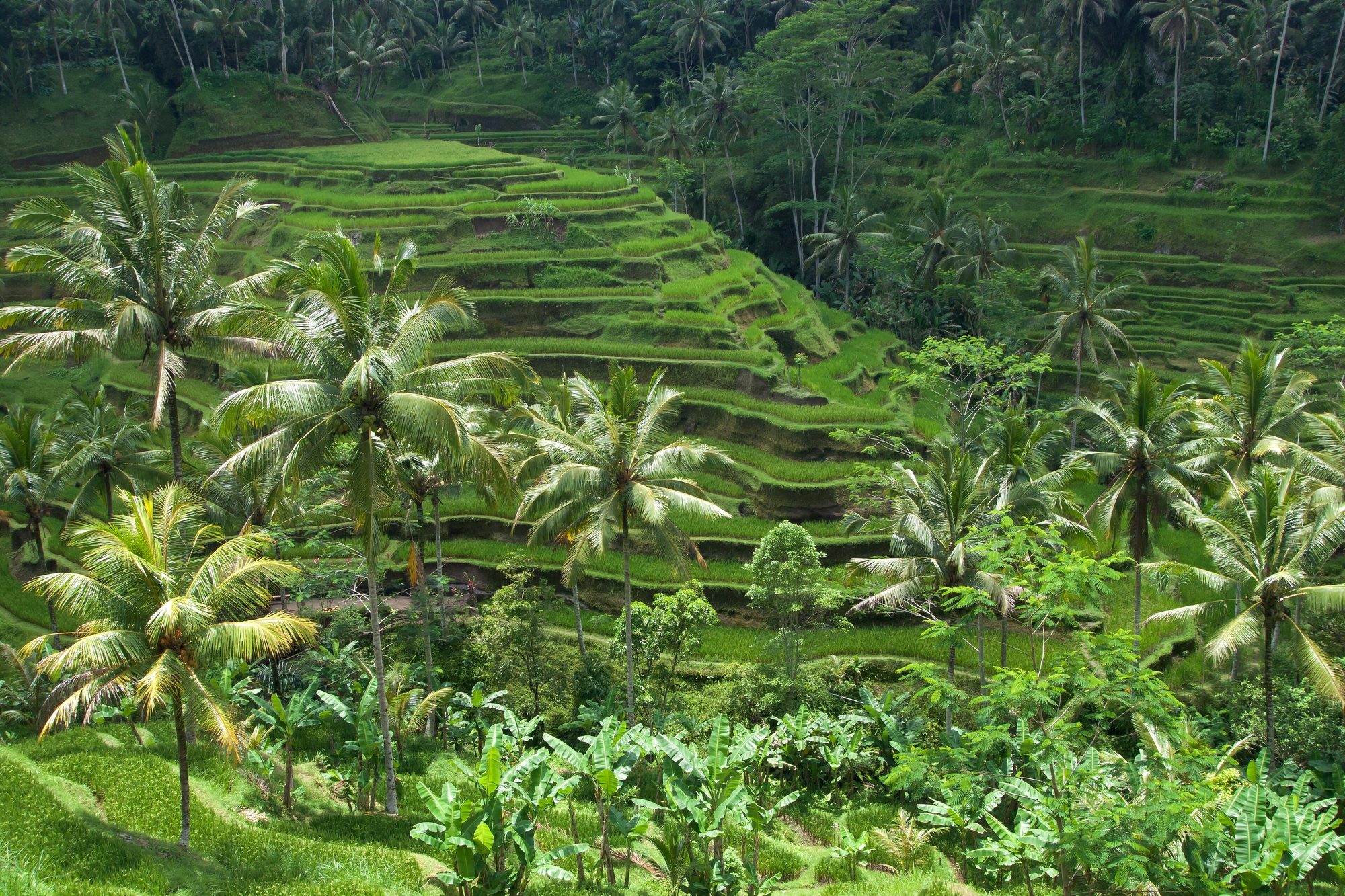 Photo: Vyacheslav Argenberg, CC BY 4.0
The Best Jungle Airbnbs in the World
Our honest, unpaid ranking of the jungle stays that changed what a night in the forest can be — from Bali's bamboo masterpieces to the floating bungalows of Thailand.
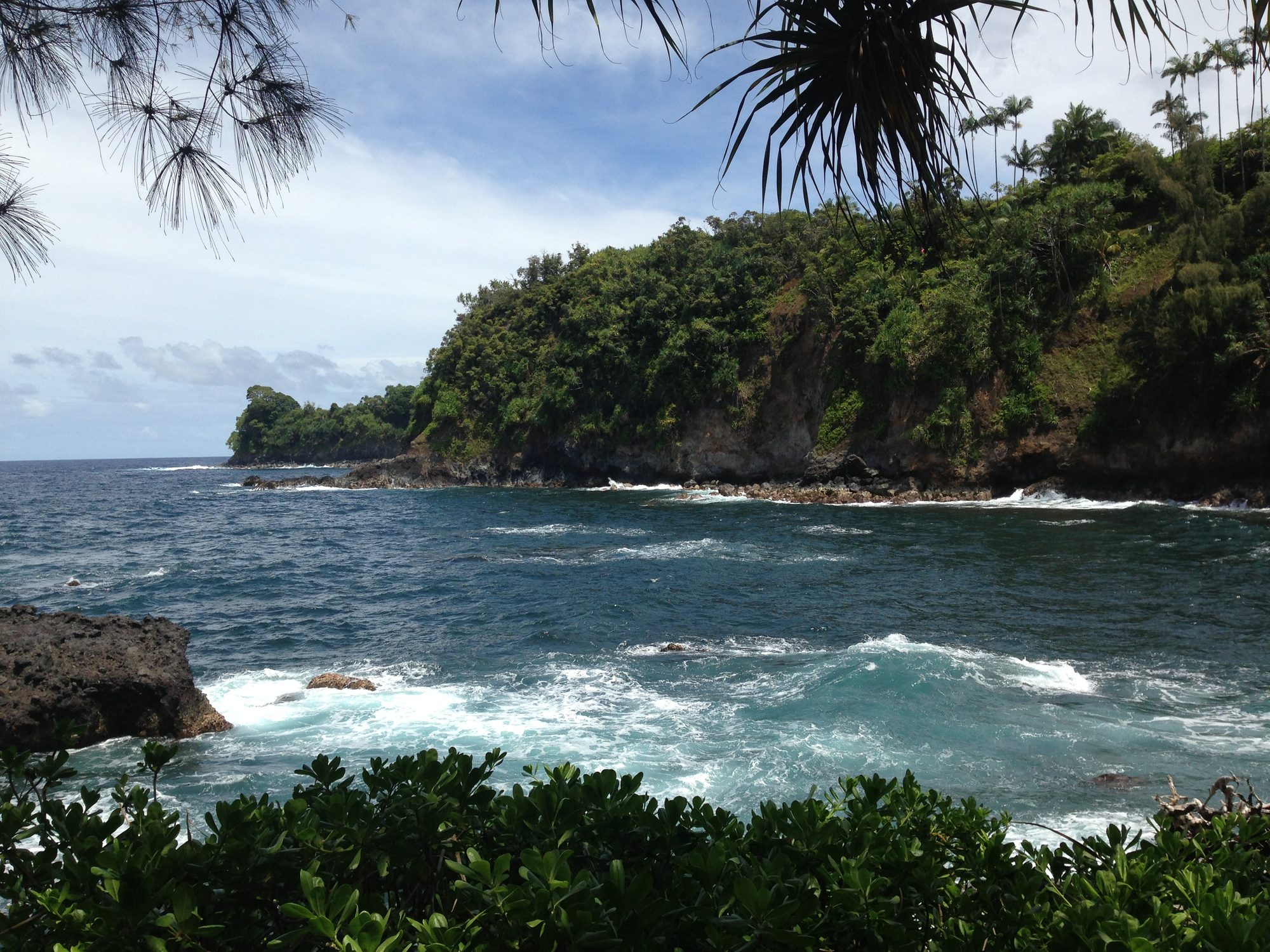 Photo: AlaskaDave, CC BY-SA 3.0
The Best Jungle Airbnbs in the USA
Real rainforest, no passport required — the best treehouses and bamboo houses across Hawai‘i, Puerto Rico and Florida.
 Photo: Bernard DUPONT from FRANCE, CC BY-SA 2.0
The Best Treehouse Airbnbs in the World
Our honest ranking of the treehouses worth crossing an ocean for — from canopy platforms in the Amazon to stilted glass boxes above the rainforest floor.
 Photo: Derek Ramsey (Ram-Man), CC BY-SA 4.0
Find your own piece of the canopy.
Treehouses, bamboo houses and rainforest villas across 17 destinations — found, vetted and written up honestly.
Browse all destinations