The Best Overwater & Floating Jungle Stays
Most "overwater bungalow" lists mean French Polynesia or the Maldives — a bungalow on stilts over a coral lagoon, a palm tree for scenery, air conditioning humming against the heat. This is a different list. These are the stays where the water underneath you is a jungle lake, a flooded rainforest river, or a mangrove channel with howler monkeys instead of reef fish, and the building itself floats, or stands on stilts that go fully underwater every year. There aren't many of these left standing, and fewer still that a normal traveler can actually book. We found the real ones.
How we picked these, honestly
Before the list, a confession about the category itself. Most of our best-of guides lean toward whole-home rentals — a single house you book outright, nobody else on the property. This one doesn't, and that's not us cutting corners. Building something that floats, or that stands on stilts tall enough to survive an annual flood, is expensive, technical, and usually requires either a concession from a national park authority or a research institute's backing. In practice, that means the people who build floating jungle structures tend to build several rooms at once and run them as a small lodge, not a single private home. We looked hard for whole-home exceptions and found a few genuine ones — a private raft house you can book outright at Khao Sok, individual villas at a Panama resort that function like standalone floating homes — and we've flagged those clearly. Everything else here is a boutique lodge, usually with somewhere between five and twenty rooms, and we're calling that what it is rather than dressing it up.
The bar for inclusion: the water has to be the point, not incidental. A riverside cabin on a hillside doesn't count just because there's a river nearby. The structure has to float, be built on a floating platform, or stand on stilts over water that's actually underneath the building for a real part of the year — not a stilt house on a dry hillside with a pond in the yard. And it has to be a real, currently operating property with a real way to book it. We searched for candidates across Southeast Asia, the Amazon basin, and Central America's rainforest coast; we did not find verifiable options in several regions people assume have them, so this list is honest about where the category actually exists rather than padded to look global.
Good to know
If a listing calls itself an "overwater bungalow" but shows a coral lagoon and a palm tree in every photo, it's a beach resort borrowing jungle language for the brand. The stays below sit over freshwater — a lake, a blackwater river, a flooded forest channel — which changes the sound, the wildlife, and honestly the smell of the place completely.
Thailand's floating lake: Khao Sok
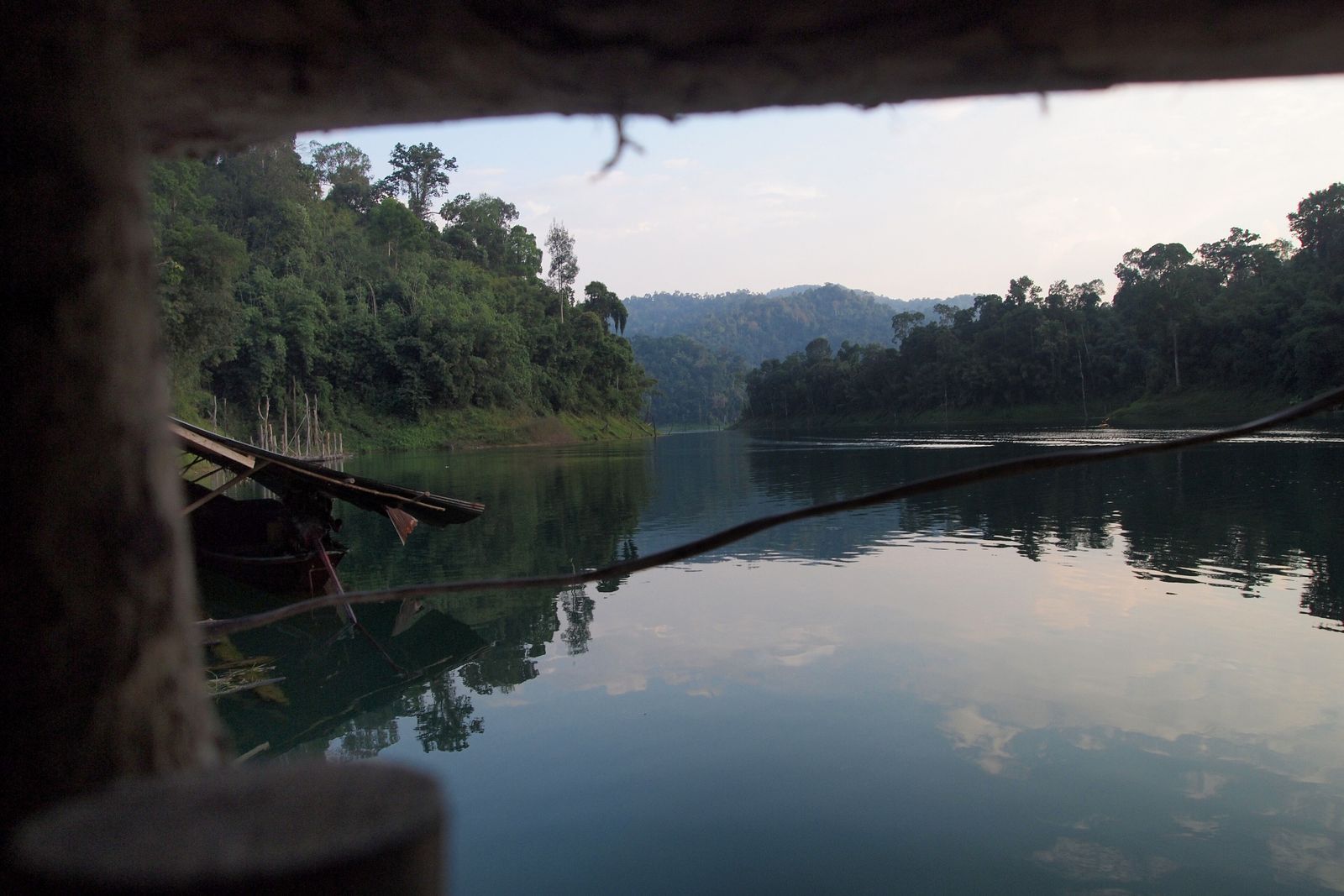
There is exactly one place on this list where "floating jungle stay" isn't a rare exception but an entire local industry, and it's Thailand's Khao Sok National Park. Cheow Lan Lake was created in 1982 when a dam flooded a valley inside one of the oldest surviving rainforests on earth, and what's left above the waterline is a run of limestone karst towers that look lifted from a fantasy film. Because the lake sits inside a national park with no road access to most of its shoreline, the only way to sleep on it is in one of a couple dozen raft house operations, each a platform of linked bamboo or timber rooms tied up in a cove, powered by generator or solar, with the jungle coming right down to the shore on every side.
The classic version is simple bamboo construction — open-sided rooms on a floating platform, shared bathroom blocks at the end of the row, no air conditioning, just lake water lapping under the floorboards and gibbons calling from the cliffs at dawn. It's rustic in a way that's genuinely part of the appeal rather than a compromise: you're renting proximity to a very particular landscape, not a room with amenities. Most operators sell these as overnight packages that include the longtail boat transfer, since there's no other way in, and meals are typically cooked on the raft and served family-style. Several outfits run this model on the lake, and standards vary a fair amount between them, so it's worth reading recent reviews for the specific operator rather than booking on the strength of the lake alone. (Floating bungalow guide, Khao Sok Lake)
One step up from the bare-bones rafts, Phuphawaree is a named operator on the same lake running a floating house with private rooms, en-suite bathrooms on the platform itself, and a covered deck built for watching the karst towers change color at sunset. It's still a raft — there's no getting away from the gentle rock of the platform or the fact that your bathroom is thirty centimeters above open water — but it trades some of the roughest edges of the classic bamboo raft for a bit more privacy and comfort, which matters if you're traveling with a partner rather than a group happy to share walls of woven bamboo. (Phuphawaree Floating House)
Between these two tiers sit several other operators on the same lake, including private-villa raft houses built in solid teak with full air conditioning for travelers who want the karst view without giving up creature comforts entirely — proof that "floating jungle stay" doesn't have to mean roughing it if you're willing to pay for the upgrade. What all of them share is the setting: no road can reach these coves, so every guest arrives the same way, by boat, watching the cliffs get taller as the longtail engine cuts out and the raft comes into view.
You don't drive to a raft house on Cheow Lan Lake. You cut the engine, and the silence that replaces it is the whole reason you came.
The Amazon does it differently
Southeast Asia's floating lodges exist because a dam flooded a valley. The Amazon's exist for the opposite reason: the river does the flooding itself, every single year, and the forest and the people in it have built around that rhythm for centuries. Across Brazil, Peru and Colombia, the blackwater rivers and their floodplain forests — várzea in Portuguese, igapó where the flooding runs deepest — can rise ten meters or more between the dry and wet seasons. A lodge built to survive that swing either floats on pontoons that rise and fall with the water, or stands on stilts tall enough that the ground floor disappears completely for months at a time. Both count, in our book, as genuinely overwater.
This is the most credentialed lodge on this entire list. Uakari sits inside the Mamirauá reserve, the largest protected várzea floodplain forest on earth, and it was built with the involvement of a Brazilian research institute studying the reserve's wildlife — most famously the white uakari monkey the lodge is named for, and one of the healthier populations of the endangered pink river dolphin. The lodge itself floats on the Japurá River, its wooden suites connected by floating walkways that rise and fall with the water level through the year. It is run partly for conservation funding, which shows in both the price and the quality of the guiding — this isn't a budget stay, but the wildlife access is about as good as freshwater Amazon tourism gets. (Uakari Floating Ecolodge)
Iquitos is the largest city in the world with no road connection to the outside — everything and everyone arrives by river or by air — which makes it the natural jumping-off point for Peru's floating Amazon lodges. Amazon Oasis is an all-inclusive floating property reached by boat transfer from the city, with rooms built directly on the water rather than on a riverbank, and package stays that bundle in jungle walks, night caiman spotting, and visits to riverside communities. It's a gentler introduction to the floating-lodge idea than the deeper, harder-to-reach reserves further from Iquitos, which makes it a sensible pick if this is your first Amazon trip rather than your fifth. (Amazon Oasis Lodge)
Heliconia sits directly on the bank of the main Amazon River itself rather than a tributary, built on raised stilt construction designed around the river's seasonal rise. For a chunk of the year the ground floor and the walkways beneath the lodge sit over open water, and the whole property is oriented around river access — arrival is by boat, and most of the activities leave straight from the lodge's own dock. It's a more straightforward, less research-driven operation than Uakari, and priced accordingly, which makes it a reasonable middle option for travelers who want the stilt-over-water experience without committing to the reserve-lodge budget. (Heliconia Amazon River Lodge)
Zacambú is the clearest example on this list of a lodge that is only sometimes overwater — and we're including it precisely because that seasonal honesty is the whole story of Amazon floodplain building. During the high-water season the lodge genuinely floats on its site near the Amazon River in Colombia's southern tip, close to the Amacayacu region; in the dry months the water recedes and the same buildings sit on ordinary ground. It's a smaller, more low-key operation than the Brazilian and Peruvian entries here, generally run alongside community-based tourism in the Puerto Nariño area, and it's a good pick if you want the floating-lodge experience without the higher price tag some of the more polished reserve lodges carry. Ask directly what the water level will be for your travel dates before booking — the difference between visiting in June and visiting in November is substantial. (Colombian Amazon ecolodge guide)
Worth saying plainly: none of the three Amazon lodges above is a whole-home rental. They're small, purpose-built lodges with a handful to a few dozen rooms, generally booked as multi-night, activity-inclusive packages rather than a bare room reservation. If you want the closest thing to a private whole-home version of this experience, look instead at private river cruise boats that anchor overnight in quiet channels — a different category, but one that gets you the same isolation and water-level view without sharing a dining room with other guests.
Central America's rainforest coast
Panama and Belize don't show up often on jungle-stay lists because most of their famous accommodation sits on the beach looking at the reef, not in the trees looking at the water. But both countries have a specific overlap worth knowing about: small offshore cayes and archipelago islands where the rainforest runs down to the waterline on one side and the overwater bungalow sits on the other, close enough that howler monkeys and toucans are a normal soundtrack to a stay that also has a coral reef under the floor. We're including a handful of these with the trade-off stated upfront — these are reef-and-rainforest hybrids, not deep-forest floating lodges, and the water underneath the room is usually saltwater lagoon rather than a jungle river.
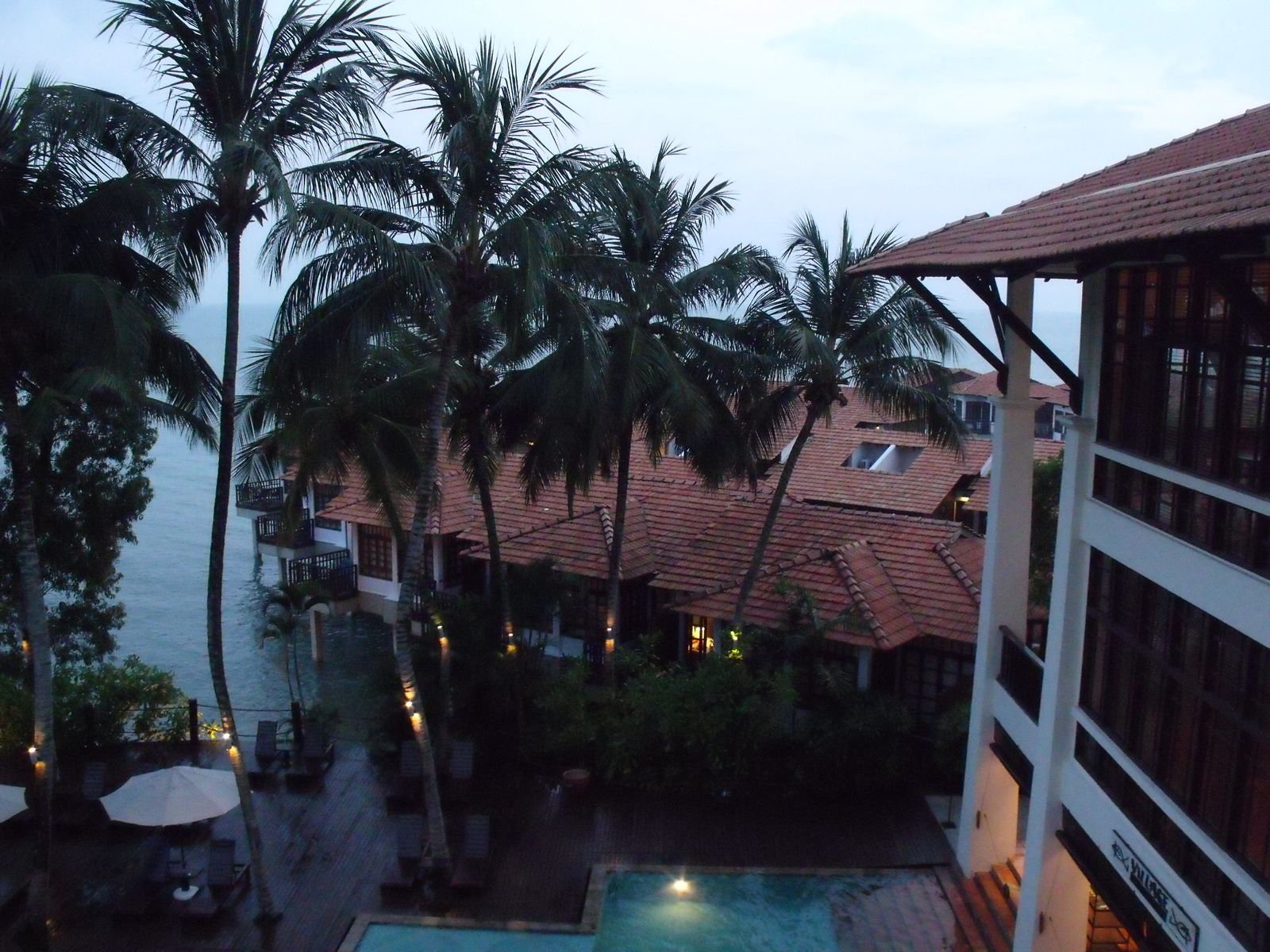
Sixteen overwater villas set in the Bocas del Toro archipelago, with floor-to-ceiling windows facing the Dolphin Bay Reserve and Bastimentos National Marine Park — both genuinely rainforest-covered protected areas, not marketing names. Some villas include glass floor panels for watching marine life directly beneath the room. This is the most polished, most expensive property on this list, and each villa functions close enough to a standalone unit that it's the nearest thing here to a private whole-home overwater rental, even though it operates as one resort. Bocas del Toro's islands are genuinely mangrove-and-rainforest-fringed rather than bare sandbars, which is why this one earns a place among the Amazon and Thailand lodges rather than getting filed under "beach resort." (Best Caribbean overwater bungalows, Central America)
Thatch Caye keeps its footprint deliberately small — five overwater cabanas among roughly ten total rooms, capped so the entire island never holds more than two dozen guests. It's the closest thing in the Western Hemisphere to the classic Indian Ocean overwater-bungalow format, but set against Belize's barrier reef and backed by the country's mangrove and rainforest coastline rather than a bare atoll. The honest trade-off: you're over reef water here, not jungle river, and the "jungle" part of the experience is the mainland excursions rather than what's directly under your floor. (Overwater bungalows in Belize)
A smaller, more low-key reef bungalow operation with a private plunge pool built into the overwater platform — an unusual add for this category, since most floating and overwater stays skip pools entirely given the engineering involved in building one over open water. Like Thatch Caye, this is reef-facing rather than jungle-river, and belongs on this list for the same reason: Belize's coast is rainforest-backed in a way that most Caribbean overwater destinations aren't, and Manta Island's excursions lean into that mainland jungle rather than ignoring it. (Manta Island Resort)
A historic private island — St. George's Caye was briefly Belize's colonial capital — now run as a small resort with overwater bungalows facing the barrier reef, one of the largest in the world. It's the most historically interesting property on this list, and the least jungle-forward: come here for the reef and the history, treat the rainforest side trips as a bonus rather than the main event, and you won't be disappointed. (Overwater bungalows in Belize)
Why these buildings float in the first place
It's worth understanding the engineering behind each region, because it explains almost everything about what these stays feel like to actually sleep in. At Khao Sok, the lake is a fixed, artificial water level held by a dam — the raft houses float because there's no shoreline flat enough or accessible enough to build on conventionally, and because a floating structure leaves a far lighter footprint on a national park than permanent construction would. The water barely moves; a raft house at Khao Sok rocks gently at most, more like a houseboat at a calm marina than anything resembling open water.
In the Amazon, the physics are the opposite. The river itself does the moving, by meters, on an annual cycle that Indigenous and riverine communities have built their entire architecture around for generations before any lodge existed. A pontoon-floated building like Uakari rises and falls with the river through the year, held in place by anchor lines rather than sitting still in a fixed cove. A stilt-built lodge like Heliconia takes the opposite approach — no float at all, just enough height in the foundation posts to stay dry through the flood peak, with jetties and walkways that quietly go from useful to submerged and back again as the seasons turn. Both are legitimate answers to the same problem, and neither is inherently more "authentic" than the other; they're just different solutions to living with a river that refuses to stay one size.
Central America's reef bungalows solve a completely different problem — saltwater lagoon depth is fairly constant day to day, so these are simple fixed-pile structures, closer in engineering terms to a pier than to a raft. The jungle backdrop is real, but the water underneath these ones isn't reacting to rainfall the way the Amazon or Khao Sok properties are.
What it's actually like to sleep on the water
Every review we read across these properties circles back to the same handful of details, so it's worth setting expectations honestly rather than letting the photos do all the talking.
The sound changes everything
Water under a floor carries sound differently than solid ground — small waves, the creak of a floating platform's joints, boats passing at a distance. Guests who love these stays tend to mention this first; guests who don't, mention it as the reason they didn't sleep well. If you're a light sleeper, ask specifically whether your room sits directly over open water or on the more stable landward end of the platform.
Bathrooms are the honest weak point
At the rustic end — the classic Khao Sok bamboo rafts especially — bathrooms are often shared, at the end of the platform, and not glamorous. At the built-up end — Uakari, Nayara, the Belize resorts — they're en-suite and unremarkable in a good way. Read the specific listing rather than assuming based on the region.
Access is part of the experience, not a hassle to tolerate
Every property on this list requires a boat transfer, and several require a flight before that. Iquitos has no road to the rest of Peru; Khao Sok's raft houses are reachable only by longtail boat from the pier; Bocas del Toro and Belize's cayes are island-only by definition. Budget real time and, ideally, an extra buffer day either side in case weather delays a boat transfer — this is genuinely remote travel, not a resort with a shuttle bus.
Wildlife access is usually the actual selling point
The water is what makes the photo, but the wildlife is usually what makes the trip. Pink river dolphins at Uakari and the wider Amazon lodges, gibbons and hornbills at Khao Sok, reef life visible straight through a glass floor panel at Nayara — in every case, the overwater setting isn't decoration, it's what puts the wildlife at arm's length instead of a jeep-window's distance away.
Booking one: season, access, money
Season matters more here than for almost any other kind of jungle stay, because in several of these regions the water level is the whole point and it changes dramatically through the year. Khao Sok's lake stays roughly constant since it's dam-controlled, so timing there is mostly about Thailand's general dry season, November through April, when rain is less likely to cancel a boat transfer. The Amazon is the opposite: high water, roughly December through May depending on the specific river system, is when floating lodges are most fully floating and flooded-forest boat trips reach furthest into the canopy; low water, June through November, means more exposed riverbank, more hiking-based wildlife viewing, and some lodges — Zacambú especially — losing their floating status entirely. Belize and Panama run on a more conventional Caribbean dry-versus-hurricane-season calendar, dry roughly February through May.
On money: this category skews upmarket compared with a typical jungle house rental, partly because floating and stilt construction costs more to build and maintain than a standard structure, and partly because most of these properties bundle in boat transfers, meals, and guiding rather than renting a bare room. The Khao Sok bamboo raft houses are the affordable end of this list by a wide margin; Uakari and Nayara sit at the top. If budget is the deciding factor, start at Khao Sok and work outward.
If overwater jungle stays turn out to be more niche than you want for an entire trip, they pair naturally with other categories in our directory — a floating night or two at Khao Sok alongside a longer stay in one of Thailand's off-grid jungle cabins, or an Amazon lodge night bracketed by a luxury jungle villa stay elsewhere on the same trip. Very few travelers do five straight nights on the water, and the properties themselves generally expect two to four.
Common questions
Are any of these true whole-home rentals, or are they all shared lodges?
Almost all are small lodges with multiple rooms, which we've been upfront about throughout this guide — floating and stilt construction is expensive enough that operators rarely build just one unit. The closest exceptions are private-villa raft houses at Khao Sok, which can be booked as an entire structure for one group, and Nayara Bocas del Toro's individual villas, which function like standalone private units within a resort.
Is it safe to sleep in a building floating on open water in the rainforest?
Every property on this list is a currently operating, professionally run business used to hosting international travelers, so yes, in the ordinary sense of resort and lodge safety. The more relevant question is usually swimming — check with your specific lodge about what's actually safe to swim in near the platform, since that varies a lot between a controlled lake like Cheow Lan and an active Amazon river channel.
Do I need to be an experienced traveler to book one of these?
No, but you should go in comfortable with basic remote-travel logistics: boat transfers, patchy or absent wifi, and itineraries that depend on weather and water levels more than a city hotel would. Amazon Oasis and the Belize resorts are the gentlest entry points; the classic bamboo Khao Sok rafts and Zacambú are a step more rustic.
What should I pack that I might not think of?
A dry bag for the boat transfer, a headlamp (floating platforms and stilt lodges often run on limited generator power after a certain hour), and modest expectations for charging devices. Insect protection matters more here than at almost any other jungle stay, since you're sitting still over open water at dawn and dusk, prime mosquito hours.
How far in advance should I book?
The higher-end Amazon lodges and Nayara Bocas del Toro can book out weeks ahead in peak season since room counts are small. The Khao Sok raft houses have more capacity across more operators and can often be arranged with just a few days' notice, though the specific named operators — Phuphawaree included — are worth booking further out if you want a guaranteed room rather than whatever's available.
Are there overwater jungle stays in other regions, like Southeast Asia beyond Thailand or elsewhere in Africa?
Almost certainly in some form, but we couldn't verify currently operating, bookable examples that met this guide's bar during our research, so we left them out rather than guess. If that changes, we'll update this list rather than pad it.
The pattern
Look across all ten of these and the throughline isn't luxury or rusticity — it's that every single one exists because of water that refuses to behave like solid ground for at least part of the year, and someone decided to build with that instead of against it. A dammed lake in a national park. A river that rises ten meters on schedule. A reef lagoon backed by rainforest instead of sand. None of it is decoration. If you're chasing the wider theme of jungle architecture that works with its site rather than despite it, our guides to the world's best treehouse stays and the best bamboo houses cover the same instinct applied to trees instead of water. And if you'd rather just start browsing by place, the full destinations directory is the fastest way in.
- Khao Sok Lake — Floating Bungalows guide — background on Cheow Lan Lake's raft house operators and construction styles.
- Phuphawaree Floating House — confirms this named operator and its private-room, en-suite setup on Cheow Lan Lake.
- Uakari Floating Ecolodge, Adventure Life — details on the Mamirauá Reserve lodge and its research-institute ties.
- Amazon Oasis Lodge, official site — confirms the floating lodge's location and access from Iquitos, Peru.
- Heliconia Amazon River Lodge, official site — confirms the lodge's riverbank, stilt-built construction near Iquitos.
- Best Colombia Jungle Resort & Ecolodge Guide — source for Zacambú Rainforest Lodge's seasonal floating structure.
- Best Caribbean Overwater Bungalows in Central America, TropiqTrips — source for Nayara Bocas del Toro's villa count and setting.
- Manta Island Resort, official site — confirms the Belize reef bungalow with private plunge pool.
- 11 Best Overwater Bungalows in Belize, Journey Era — source for Thatch Caye Resort's cabana count and capacity.
More from the Journal.
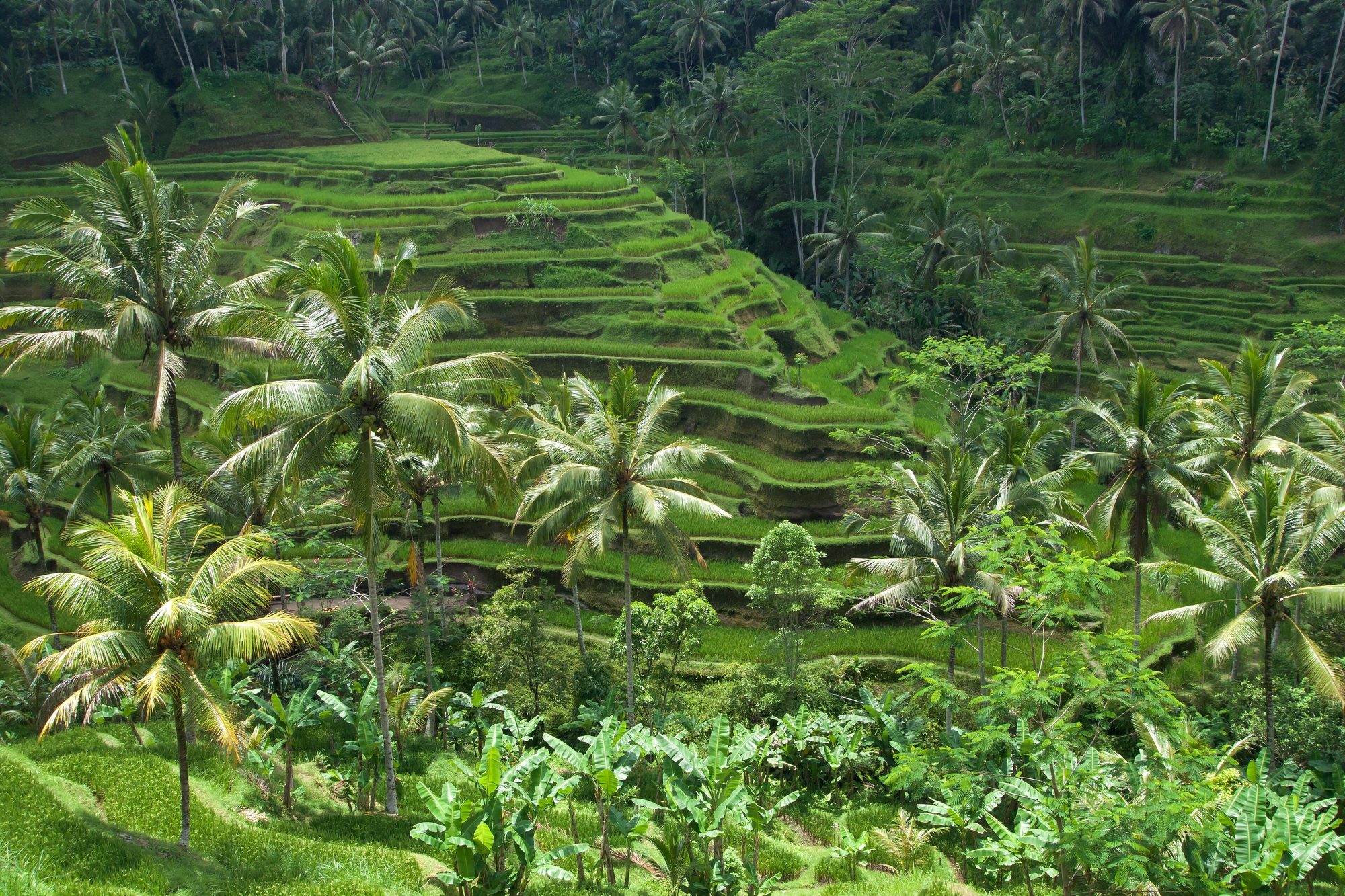 Photo: Vyacheslav Argenberg, CC BY 4.0
The Best Jungle Airbnbs in the World
Our honest, unpaid ranking of the jungle stays that changed what a night in the forest can be — from Bali's bamboo masterpieces to the floating bungalows of Thailand.
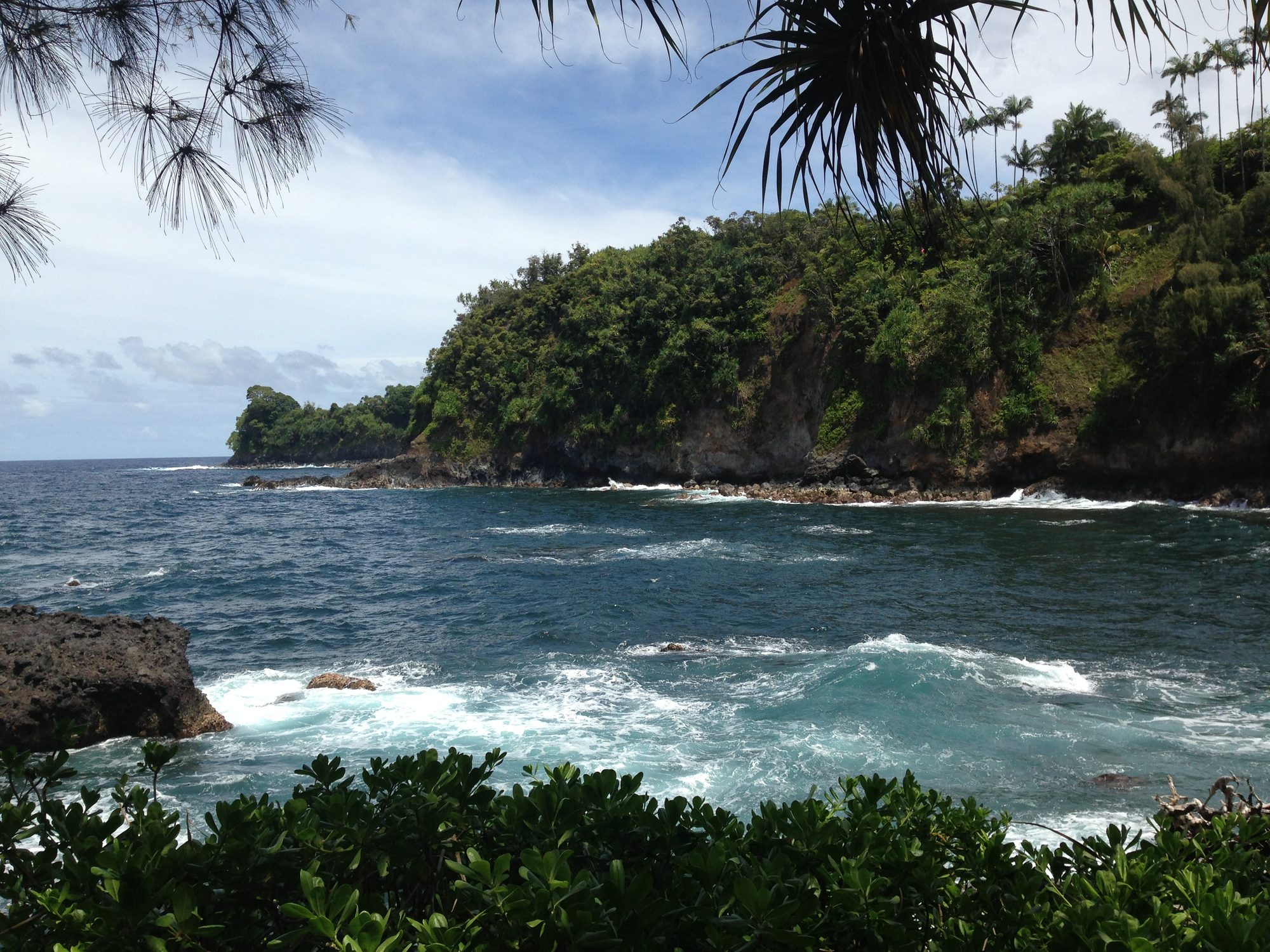 Photo: AlaskaDave, CC BY-SA 3.0
The Best Jungle Airbnbs in the USA
Real rainforest, no passport required — the best treehouses and bamboo houses across Hawai‘i, Puerto Rico and Florida.
 Photo: Bernard DUPONT from FRANCE, CC BY-SA 2.0
The Best Treehouse Airbnbs in the World
Our honest ranking of the treehouses worth crossing an ocean for — from canopy platforms in the Amazon to stilted glass boxes above the rainforest floor.
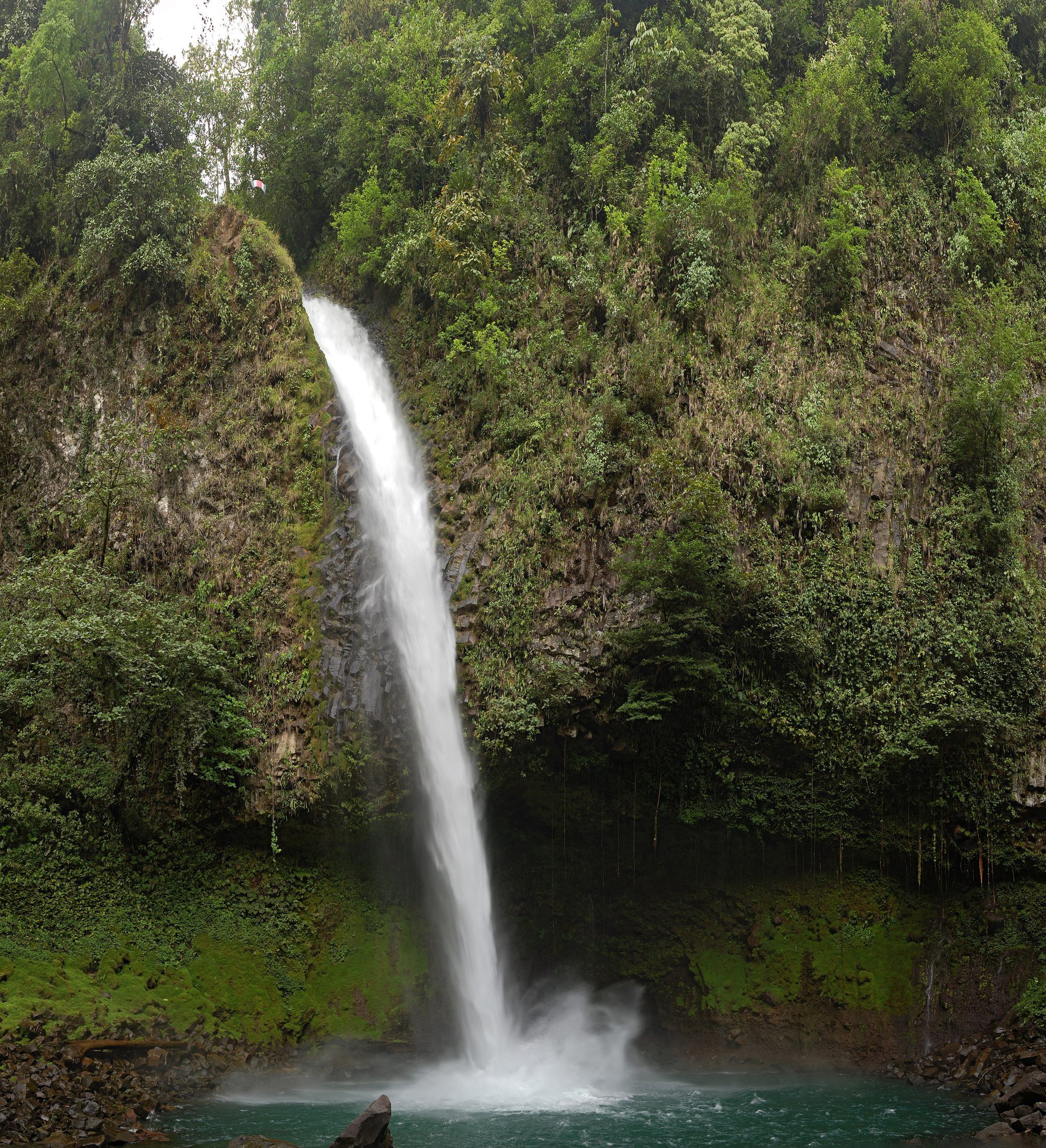 Photo: Derek Ramsey (Ram-Man), CC BY-SA 4.0
Find your own piece of the canopy.
Treehouses, bamboo houses and rainforest villas across 17 destinations — found, vetted and written up honestly.
Browse all destinations