From Canggu to the Jungle: Bali Guide
Most first-time Bali itineraries pick a side without meaning to. You land, someone suggests Canggu because that's where the flights, the friends and the surf lessons are, and by the time anyone mentions the jungle you've already booked ten nights of beach clubs and smoothie bowls. Or you go the other way — Ubud first, rice terraces and yoga and an early flight home — and never see the ocean at all. Neither is wrong, exactly, but neither is really Bali either. The island's actual character sits in the gap between the two: a low coastal strip of surf breaks and rice paddies giving way, in under an hour, to a rising interior of river gorges, volcanoes and genuine rainforest. This is a guide to doing both properly — Canggu for the coast, a jungle base inland for the rest — without wasting a day of a short trip figuring out the logistics as you go.
Why pair Canggu with the jungle
Canggu and Bali's jungle interior are close enough on a map that it's tempting to treat them as one trip you can improvise day to day. In practice they're different enough — in pace, in landscape, in what a day actually looks like — that most travelers end up happier splitting a trip cleanly into two bases rather than trying to commute between them. Canggu is Bali's surf-and-café coast: a loose run of beach neighborhoods on the southwest shore where the day organizes itself around swell reports, breakfast bowls and long co-working sessions with a flat white going cold. It's flat, built-up in a low-rise, sun-bleached way, and it runs late. The jungle interior — Ubud and the villages and river valleys around it — is a different register entirely: cooler air, terraced hillsides, a gorge cut by one of the island's real rivers, and a rhythm that starts earlier and quiets down after dark.
The honest case for doing both isn't that Bali is too small to choose, it's that the two halves genuinely complement each other on a trip of any real length. Canggu gives you the ocean, the surf lessons, the nightlife and a food scene that's become one of Southeast Asia's better-kept secrets among people who actually live there. The jungle side gives you the rice terraces, the river gorges, the volcano views and the slower pace that most people picture when they say they're "going to Bali" in the first place, even if they end up spending most of their trip on the coast instead. Pairing them means you get both versions of the island rather than settling for one and wondering about the other.
It also isn't a long trip to arrange. Canggu sits on Bali's southwest coast, a short run north of Kuta and Seminyak, and the jungle interior around Ubud is under an hour and a half away by car in normal traffic — genuinely one of the easier two-base pairings you'll find anywhere in the world, closer to a same-day relocation than a full travel day. That's the whole premise of this guide: treat Canggu and the jungle as two distinct chapters of one Bali trip, each worth several full days, rather than a single blurred week where you never really settle into either.
Getting from Canggu to the jungle
Most Bali trips start at Ngurah Rai International Airport near Denpasar, which sits close enough to the south coast that Canggu is typically a 30- to 45-minute transfer depending on which part of Canggu you're headed to and the time of day. Arrange an airport transfer through your accommodation or a ride-hailing app before you land — Bali's arrivals hall taxi queue is not where you want to be figuring out logistics after a long flight.
From Canggu to the jungle interior around Ubud, the drive covers roughly 28 to 30 kilometers and takes about an hour to an hour and a half under normal conditions, though that can stretch toward two hours if you're unlucky with timing. There are two main routes drivers use: one via Jalan Raya Mambal and Jalan Raya Munggu-Kapal, and a second via Jalan Raya Angantaka through Sibang Gede, which is a few minutes longer but sometimes less congested. Either way, expect standard Bali arterial roads — two lanes, heavy scooter traffic, stretches of market and roadside stalls that slow things down through the built-up villages you pass along the way.
Traffic timing matters more than route choice. The best windows are early morning, before about 9am, or mid-afternoon after 3pm; the worst is the late-morning and early-evening crush, when school runs, market traffic and the general daily commute all stack up at once. If you're transferring bases on a fixed schedule, building a buffer into that window — and not booking anything time-sensitive for your arrival afternoon — will save you the specific frustration of watching a Google Maps estimate slowly get worse in real time.
A private driver, arranged through your accommodation or a local operator, is the standard way to make the transfer, and most will happily let you use the drive itself for a stop or two — a rice-terrace viewpoint, a roadside warung, a market town — rather than treating it as dead time between bases. Ride-hailing apps like Gojek and Grab cover the route reasonably well right up to Ubud's edges, though availability can thin out once you're on the smaller roads leading into specific villages. Self-driving a scooter the whole way is common among experienced riders, but it's a genuinely different undertaking than scooting around flat Canggu — the roads climb, narrow and get busier with trucks and tour vans the closer you get to Ubud, and this isn't the stretch to attempt on your first ride of the trip.
Good to know
There's no train service anywhere on Bali and no practical public bus network for this route, so a private driver, a hired car, or a scooter for confident riders are genuinely the only options. Book your transfer driver a day ahead during high season — good ones get reserved early.
Where to base yourself
The two-base approach works best when you actually commit to it rather than trying to split the difference with one central location. Staying somewhere "in between," on paper equidistant from the coast and the jungle, usually means a mediocre version of both — a long drive to decent surf and a long drive to a real rice-terrace view, with neither the beach walkability of Canggu nor the immersive jungle setting of an Ubud-area stay.
In Canggu, the sub-neighborhoods matter. Batu Bolong is the walkable social core, with its main road running from the rice fields down to the beach and lined with cafés, surf shops and warungs the whole way — a good pick if you want to leave the scooter parked most days. Berawa, just south and slightly inland, has more of the larger villas and co-working spaces, useful if you're combining the trip with remote work. Echo Beach and Pererenan, further north, are quieter and less built-up, trading some of Batu Bolong's energy for a calmer, more residential feel that's popular with longer-stay visitors.
On the jungle side, Ubud itself is the obvious anchor — walkable, well set up for visitors, and close to the Campuhan Ridge and the Ayung gorge — but the surrounding villages are worth genuine consideration too, especially if Ubud's own growth and traffic (more on that below) aren't what you're after. Sayan, just west of central Ubud, sits directly on the Ayung gorge and has some of the area's most dramatic river-valley views without Ubud's town-center crowds. Further out, both Sidemen in East Bali and Munduk in the north offer a quieter, more rural version of the same jungle-and-rice-terrace landscape, at the cost of a longer drive from Canggu — worth it if you have more than a week and want genuine distance from the coast, less so on a shorter trip where the extra hours of driving eat into time you'd rather spend outdoors.
For a shortlist of vetted stays across all of these areas, see our Bali destination page, or browse the full directory if you're weighing Bali against another jungle-and-coast pairing — Costa Rica's Pacific coast and Monteverde cloud forest work on almost exactly the same logic, and Thailand's southern beaches paired with a inland national park like Khao Sok follow the same pattern too.
Canggu: what to do with your coastal days
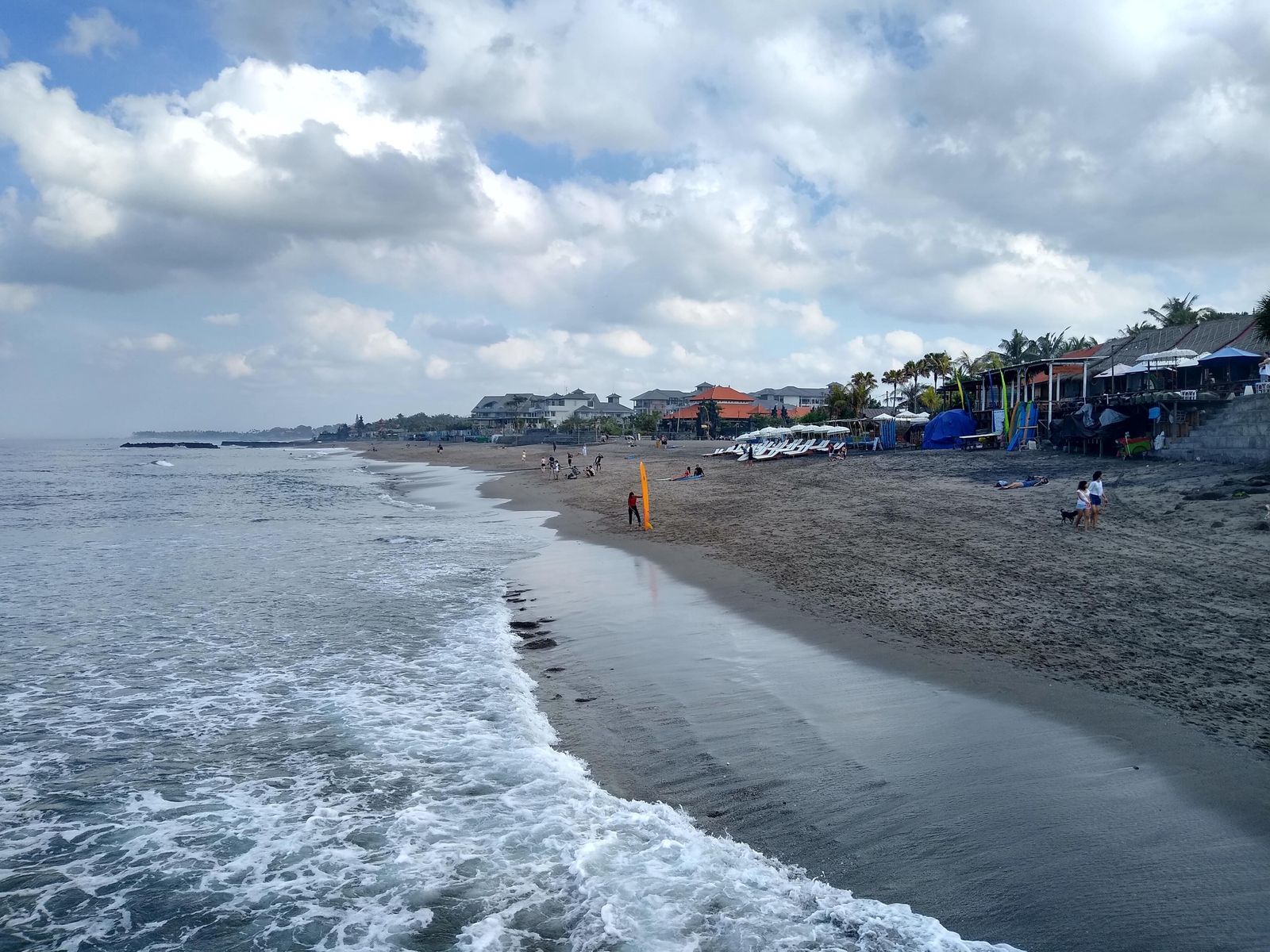
Canggu isn't one neighborhood but a loose string of them along Bali's southwest coast — Berawa, Batu Bolong, Echo Beach and Pererenan each have their own character, all within a short scooter ride of each other and roughly 10 to 12 kilometers north of Kuta.
Surf, at every level
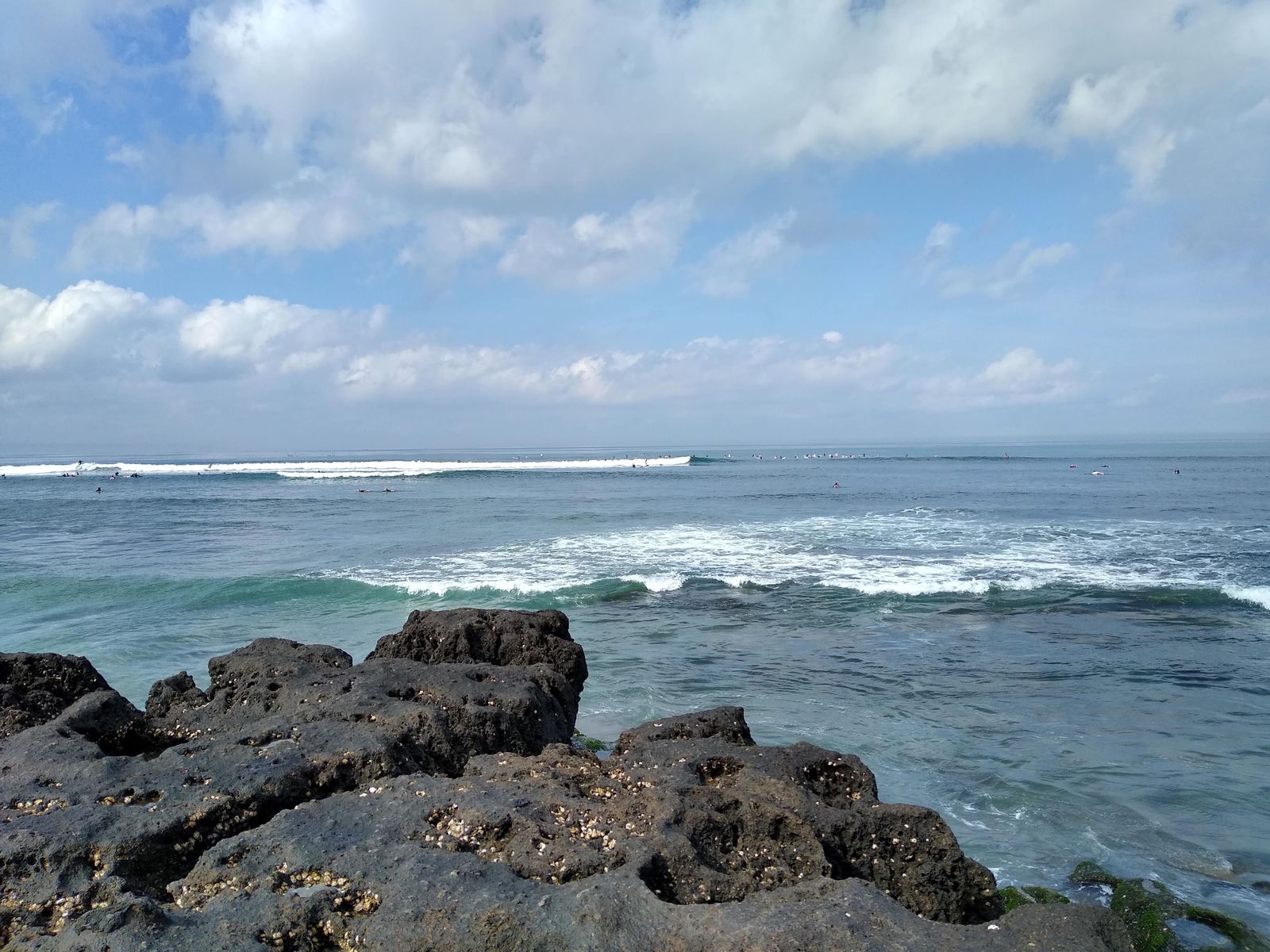
Batu Bolong Beach is Canggu's main stage: a consistent beach break with long, reforming rights and lefts that suit everyone from first-timers in a group lesson to confident surfers happy to share a lineup. Berawa, just to the south, is the reliable daily-driver break — rideable across most tides and swell sizes, and a good pick if Batu Bolong's crowds feel like too much. Echo Beach, further north, has a heavier reputation and draws a more experienced crowd on a good swell. Surf schools are everywhere in Canggu and lessons are easy to book same-day through your accommodation or directly on the beach; this is genuinely one of the more approachable places in Asia to learn.
The rice paddies you don't expect
What surprises a lot of first-time visitors is that Canggu still has real rice fields woven through it — narrow lanes cutting between paddies just a few minutes' walk or bike ride from the beach cafés, giving a quiet, green counterpoint to the surf-and-smoothie strip and a genuine sense of what this stretch of coast looked like before it became one of Bali's busiest visitor areas. A sunset walk or bike ride through the paddies between Batu Bolong and Berawa is a low-key highlight that costs nothing and takes under an hour.
Café culture and the co-working scene
Canggu's food and coffee scene is a real draw on its own, not just a place to refuel between surf sessions. The café density along Jalan Batu Bolong and through Berawa supports everything from serious specialty coffee to all-day breakfast bowls to beachfront venues with a proper sunset view — La Brisa at Echo Beach and The Lawn at Batu Bolong are two of the better-known beachfront spots, both set up for watching the surf while you eat. The area's long-running popularity with remote workers means reliable Wi-Fi and co-working spaces are easy to find, more so here than almost anywhere else on the island.
Beach clubs and nightlife
Canggu's evening scene runs later and louder than Ubud's ever will, with beach clubs, bars and live-music venues concentrated around Batu Bolong and Berawa. It's worth knowing this going in if you're the type who wants an early night — Canggu is genuinely built for people who want both a surf session at dawn and a late night out, and the noise and energy are part of the deal, not an unfortunate side effect.
Canggu is the version of Bali built for people who want the beach and the Wi-Fi in the same afternoon. The jungle an hour inland is built for the opposite. Neither one is the "real" Bali — together, they're the whole island.
The jungle side: Ubud, the Ayung gorge and beyond
Once you've made the drive inland, the landscape and the pace both change fast. Ubud sits at the center of a rolling, terraced interior cut by rivers, the most significant of which is the Ayung — Bali's longest river, running through a deep, jungle-walled gorge just west of the town.
The Ayung River gorge
The Ayung carves a genuinely dramatic canyon along Ubud's western edge, and it's the reason some of the area's most celebrated hotels — the Four Seasons Resort Bali at Sayan, Alila Ubud and Komaneka at Bisma among them — are built directly into the gorge wall, using the river valley as their view rather than a garden or a pool deck. You don't need to be a guest to appreciate it: several public and semi-public viewpoints along the Sayan ridge look straight down into the jungle canopy filling the gorge, and it's worth timing a visit for early morning or late afternoon, when the light cuts across the valley rather than sitting flat overhead.
Whitewater rafting is the classic way to experience the Ayung up close rather than from the rim. The standard run covers roughly 9 to 10 kilometers of grade I–III rapids — approachable for first-timers and families, with enough real whitewater to keep things interesting — launching near Tegallalang or Sayan and taking out near Ubud's southern edge, over about two to two and a half hours on the water. The gorge walls close in tight along parts of the run, jungle on both sides, waterfalls dropping in from the rim, and centuries-old stone carvings of Hindu deities set into the rock face in places — a genuine surprise mid-rapid, and a reminder that this river has been considered sacred for a very long time before it became a rafting destination.
Walking the ridges
If rafting isn't your speed, the Campuhan Ridge Walk is Ubud's best-known and most accessible hike: a roughly two-kilometer paved-and-dirt path tracing a narrow spine of high ground between two river valleys, cutting through open grassland and jungle canopy right at the edge of town. It's flat enough for almost anyone, free, and busiest at sunrise and sunset — an early start is worth it both for the light and for having more of the ridge to yourself before the tour groups arrive.
Beyond Ubud proper
Ubud itself has grown a great deal over the past two decades, and it's worth knowing that going in — more on that in the caveats section below. If you want the same rice-terrace-and-river landscape with meaningfully less traffic and fewer tour buses, both Sidemen, an East Bali valley on the slopes of Mount Agung, and Munduk, up in the cooler north Bali highlands near the twin lakes, deliver a quieter version of the interior. Either makes a good add-on to a longer trip, or an alternative jungle base entirely if Ubud's own popularity is a turn-off. Our full Ubud jungle guide covers the town itself — its terraces, its temples, its arts scene — in far more depth than this two-base overview can.
Good to know
The Ayung's rafting season runs essentially year-round, but water levels and the intensity of the rapids shift with the season — wetter months generally mean a livelier ride. Confirm current conditions with your operator, and know that most trips include gear, a guide and transport back to your accommodation as standard.
The best day trips from either base
With Canggu and the jungle interior under 90 minutes apart, several sights work as a day trip from either base, and a few make more sense specifically as a stop on the transfer day between the two.
Tegalalang rice terraces
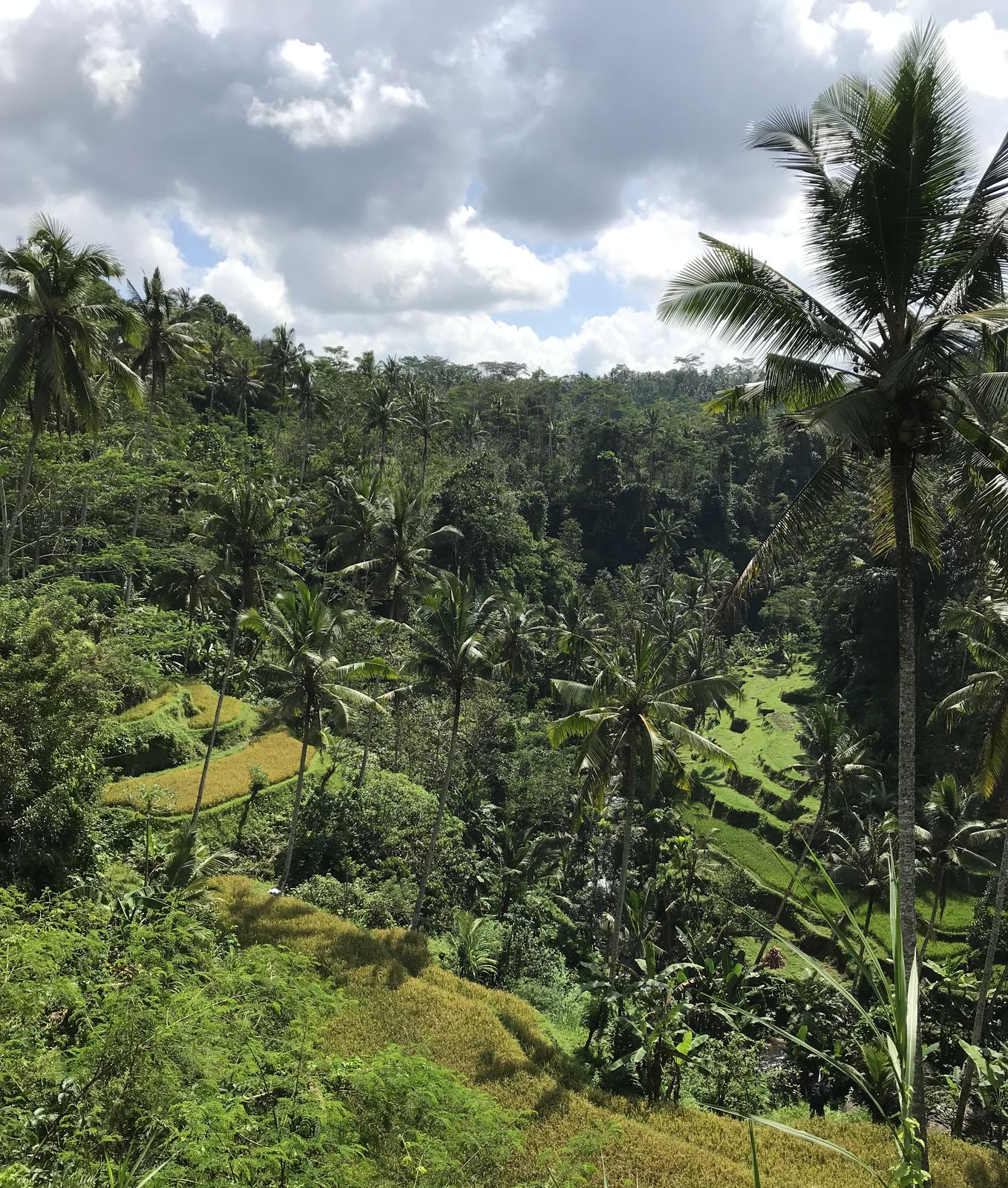
North of Ubud, Tegalalang is Bali's most photographed rice terrace — a steep, landscaped hillside of stepped paddies that's become a genuine tourist attraction in its own right, complete with viewpoint cafés and, at some spots, jungle swings positioned for the postcard shot. It's beautiful, and it's also the single most crowded rice-terrace stop on the island by mid-morning; going at opening time or treating it as a brief stop rather than the centerpiece of your day is the better plan.
Tirta Empul, the holy spring temple
At Tampaksiring, north of Ubud, Tirta Empul is one of Bali's most significant Hindu temples, built around a natural spring considered holy and used for centuries for ritual purification. Visitors can join the purification bathing in the temple's pools alongside Balinese worshippers, with modest dress required and sarongs available to rent on site — a genuinely moving stop if approached respectfully, and one of the more culturally significant sights within easy reach of either base.
Tegenungan Waterfall
One of the more accessible waterfalls near Ubud, Tegenungan drops into a wide jungle pool a short walk down from a car park, making it an easy add-on to a day that also covers Tegalalang or Tirta Empul without needing a dedicated trekking day.
Tanah Lot, on the way back to the coast
If you're timing your jungle-to-Canggu transfer for late afternoon, Tanah Lot — the sea temple perched on a rock formation just off Bali's southwest coast — makes a natural sunset stop roughly on the route back, one of the island's most recognizable landmarks and genuinely worth the crowds at golden hour.
Trying to cram all four into a single day tends to turn what should be a relaxed loop into a rushed one — Tegalalang and Tirta Empul pair naturally as a half-day north of Ubud, while Tegenungan and Tanah Lot work well spread across a transfer day between bases.
Food and practicalities
The food scene shifts noticeably between the two bases, and it's part of what makes splitting the trip worthwhile. Canggu leans international and health-conscious — smoothie bowls, specialty coffee, a genuinely strong brunch culture, alongside plenty of good, unpretentious Indonesian warungs if you go looking past the more visible café strip. Ubud and the jungle interior lean more traditional: nasi campur, babi guling where it's available, and home-style Balinese cooking, with a slower, more local pace to most meals outside the handful of well-known Ubud restaurants that draw a tourist crowd of their own.
Cash is worth carrying in both places but matters more the further you get from the main roads — card acceptance is strong in Canggu's cafés and shops, thinner once you're at a village warung or a rice-terrace viewpoint stall, and thinner still if you extend out to Sidemen or Munduk. ATMs are easy to find in Canggu and central Ubud; stock up before heading further into the countryside.
Mobile signal and Wi-Fi are strong in Canggu, reflecting its remote-work popularity, and generally solid in central Ubud too, though both get patchier the further you get from the main towns — worth checking with your specific accommodation if a work trip depends on a stable connection, particularly if you're extending the jungle leg out to a quieter valley.
Indonesian is the national language and Balinese is widely spoken locally; English is common in both Canggu and Ubud given how long both have hosted visitors, though it thins out at local warungs and markets in either place, where a few basic Indonesian phrases go a long way. Modest dress is expected at any temple, including Tirta Empul and Tanah Lot — sarongs are typically available to rent on site if you don't bring your own.
Traffic and general chaos — motorbikes weaving through narrow lanes, sudden stalls, the odd temple procession closing a road with no warning — are a fact of life in both Canggu and the Ubud area now, more so than they were even five or ten years ago. Patience, and not overpacking a single day's schedule, matters more here than in most destinations where a Google Maps estimate can actually be trusted.
When to go
Bali runs on a dry and wet season rather than four distinct ones, and the pattern holds across both the coast and the interior, with the jungle side running a little cooler and a little wetter given its higher elevation. Dry season, roughly April through October, is the more reliable stretch for surf conditions in Canggu and for clear rice-terrace and mountain views inland, and it's correspondingly the busier season in both places. Wet season, November through March, brings more frequent afternoon downpours — often short, heavy bursts rather than all-day rain — and a deeper, more saturated green across the jungle interior's terraces, along with noticeably thinner crowds.
Because the jungle base sits at meaningfully higher elevation than sea-level Canggu, evenings run cooler inland — a light layer is worth packing for the jungle leg of the trip even if you left Canggu in a T-shirt. If your trip includes a specific surf goal, dry season's more consistent swell and wind patterns matter more for the Canggu half than for the jungle half, where the appeal — rice terraces, river gorges, temple visits — holds up reasonably well in either season, cloud cover and rain aside.
Bali's peak crowd periods — the July–August northern-hemisphere summer and the Christmas–New Year stretch — hit both Canggu and Ubud hard, with accommodation prices rising and popular sights like Tegalalang and Tanah Lot at their most crowded. If your schedule allows it, the shoulder months either side of peak dry season give you most of the good-weather odds with meaningfully fewer people at the well-known stops.
The honest caveats
Neither Canggu nor Ubud is a secret, and it's worth being upfront about what that means for a trip built around both. Canggu has grown at a genuinely fast pace over the past decade, from a quiet surf village into one of Bali's busiest visitor areas, and its roads — never built for the current volume of scooters, cars and delivery vans — show it. Traffic on the main strips through Batu Bolong and Berawa can be slow and frustrating at peak times, and construction is a near-constant backdrop as new villas and cafés keep going up.
Ubud has followed a similar trajectory. The town center and the road out toward Tegalalang can be genuinely congested by mid-morning, and Tegalalang itself, along with Tirta Empul and the more famous viewpoints, draws real crowds, particularly on weekends and around the school-holiday peaks. If your image of Ubud is the quiet rice-terrace town of an earlier era, it's worth resetting that expectation a little — it's still a legitimate jungle base with real cultural depth and access to genuine rainforest and river landscape close by, but it isn't undiscovered, and the sights closest to the town center feel it most.
The transfer between the two bases, while short by international standards, is still subject to Bali's traffic unpredictability — the same 90-minute drive can stretch toward two hours with bad timing, so building slack into your transfer day rather than scheduling something immediately on arrival is the safer plan. And the roads themselves, particularly once you're off the main arterials and into village lanes near either base, are narrow, shared with heavy scooter traffic, and not the place to rush regardless of which direction you're driving.
None of this is a reason to skip either half of the pairing — it's a reason to plan around reality rather than an idealized version of either place. Go in expecting real traffic, real crowds at the best-known sights, and a version of both Canggu and Ubud that's considerably busier than it was even a decade ago, and you'll enjoy both a great deal more than if you arrive expecting either to still be the sleepy village from an old travel blog.
Common questions
How long should a Canggu-to-jungle Bali trip be?
A week is workable — roughly three or four nights on each side — but ten days to two weeks gives you enough time to actually settle into both bases rather than feeling like you're constantly packing. If you're extending the jungle leg out to a quieter valley like Sidemen or Munduk, add at least two extra nights to cover the longer transfers.
Should I do Canggu first or the jungle first?
Either order works, but many travelers prefer landing into Canggu first to shake off jet lag somewhere lower-key and beach-adjacent, then moving inland once they've adjusted — the jungle side rewards being a bit more rested and alert for early starts and hikes. Ending the trip back in Canggu also puts you closer to the airport for departure.
Do I need a car the whole trip, or just for the transfer?
Most visitors don't need a car for the whole trip — Canggu is largely walkable or scooter-friendly within its neighborhoods, and central Ubud is similarly compact. A private driver for the transfer itself, plus day trips, covers most needs; a scooter is useful within either base if you're comfortable riding, but isn't required.
Is the Ayung River rafting trip suitable for beginners and kids?
Generally yes — the standard run is grade I–III, considered approachable for first-timers, and most operators set a minimum age rather than a skill requirement. Confirm specifics with your chosen operator, particularly around minimum age and any health restrictions, before booking.
Is Ubud too crowded to be worth it?
It's genuinely busier than it once was, especially at well-known stops like Tegalalang and around the town center by mid-morning. It's still worth the trip for the river gorge, the ridge walks and the temple sites nearby — going early, and treating quieter alternatives like Sidemen or Munduk as a genuine option rather than an afterthought, are the two best ways to manage the crowds.
Can I do this trip without a private driver?
It's possible with ride-hailing apps and a rented scooter, but a private driver is genuinely the more practical choice for the Canggu-to-jungle transfer and for day trips involving multiple stops — it removes the parking and navigation hassle and lets you use the drive itself productively rather than as dead time.
Where to go from here
Pairing Canggu with a jungle base inland is one of the more straightforward two-base trips anywhere — under 90 minutes apart, genuinely different in character, and each worth several full days on its own. Start with our Bali destination page for a shortlist of vetted stays on both the coast and inland, or browse the full directory if you're comparing Bali against another coast-and-jungle pairing. Our Ubud jungle guide goes deeper into the town and its terraces, while Sidemen and Munduk both cover quieter jungle alternatives if Ubud's own growth has you looking for something further off the main road. And if you're weighing Bali against other classic coast-and-rainforest combinations before you book, our piece on why jungle stays are booming is a useful next read.
- Bali Holiday Secrets — Canggu to Ubud: Routes, Costs & Best Options — driving distance, routes and travel times between Canggu and Ubud.
- Gamin Traveler — How To Get From Canggu To Ubud — road conditions and best times of day to travel.
- Nomado Travel — Canggu Neighborhood Guide — orientation to Berawa, Batu Bolong, Echo Beach and Pererenan.
- Surf Indonesia — Canggu Surf Spots: Batu Bolong & Echo Beach — surf break character at Batu Bolong, Berawa and Echo Beach.
- Nomado Travel — Ayung River Ubud: Rafting, Walks & What to Know — Ayung River rafting distance, duration, rapid grade and gorge-side resorts.
- Four Seasons Resort Bali at Sayan — Outdoor Adventures — Sayan gorge setting and rafting/cycling context.
- Wikipedia — Tirta Empul — holy spring temple history and ritual purification bathing.
- Wikipedia — Tanah Lot — sea temple location and significance on Bali's southwest coast.
More from the Journal.
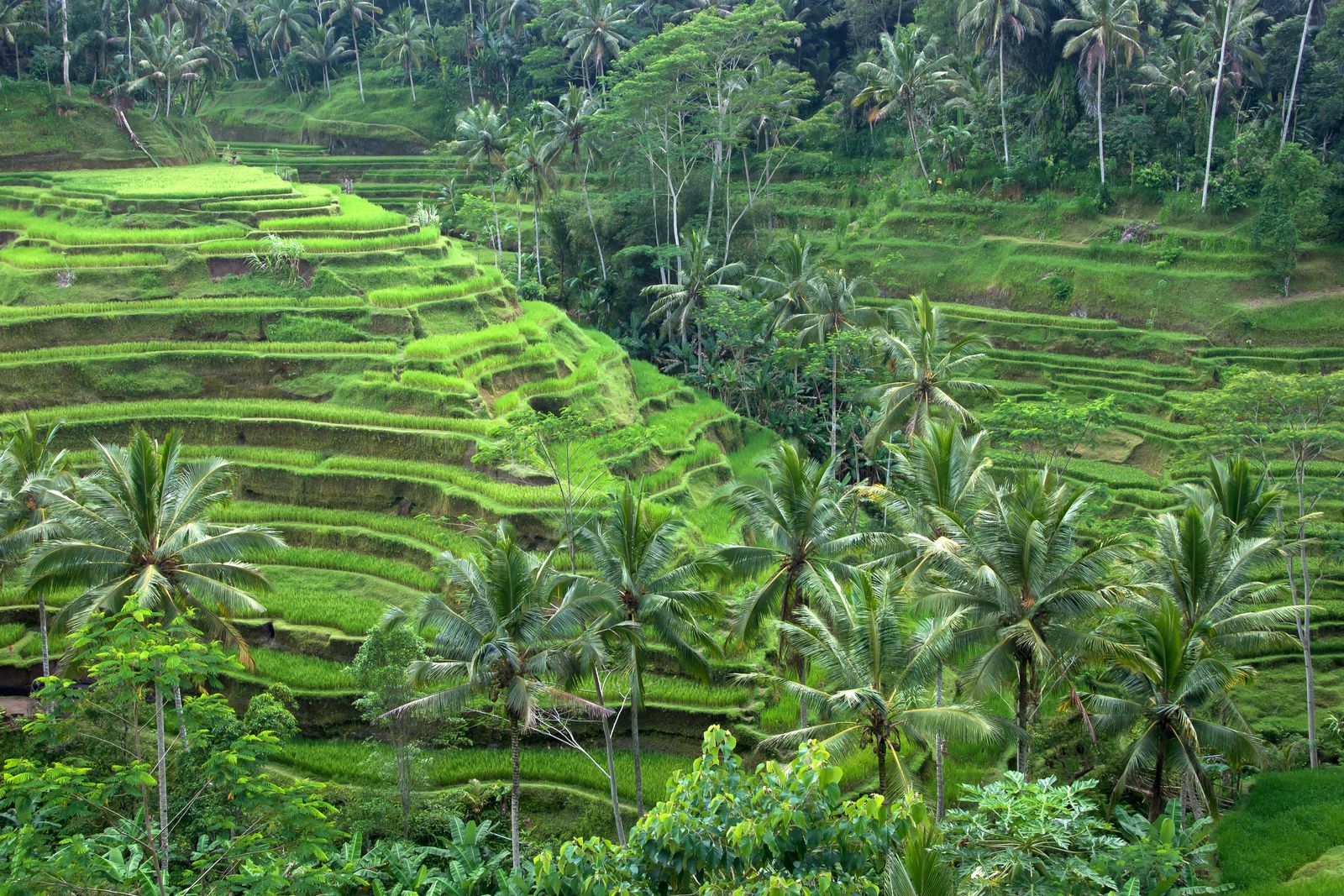 Photo: Vyacheslav Argenberg, CC BY 4.0
Ubud Jungle Guide
Bali's cultural heart is ringed by river gorges and terraced forest. Where to stay in the Ubud jungle, what to do, and how to escape the crowds.
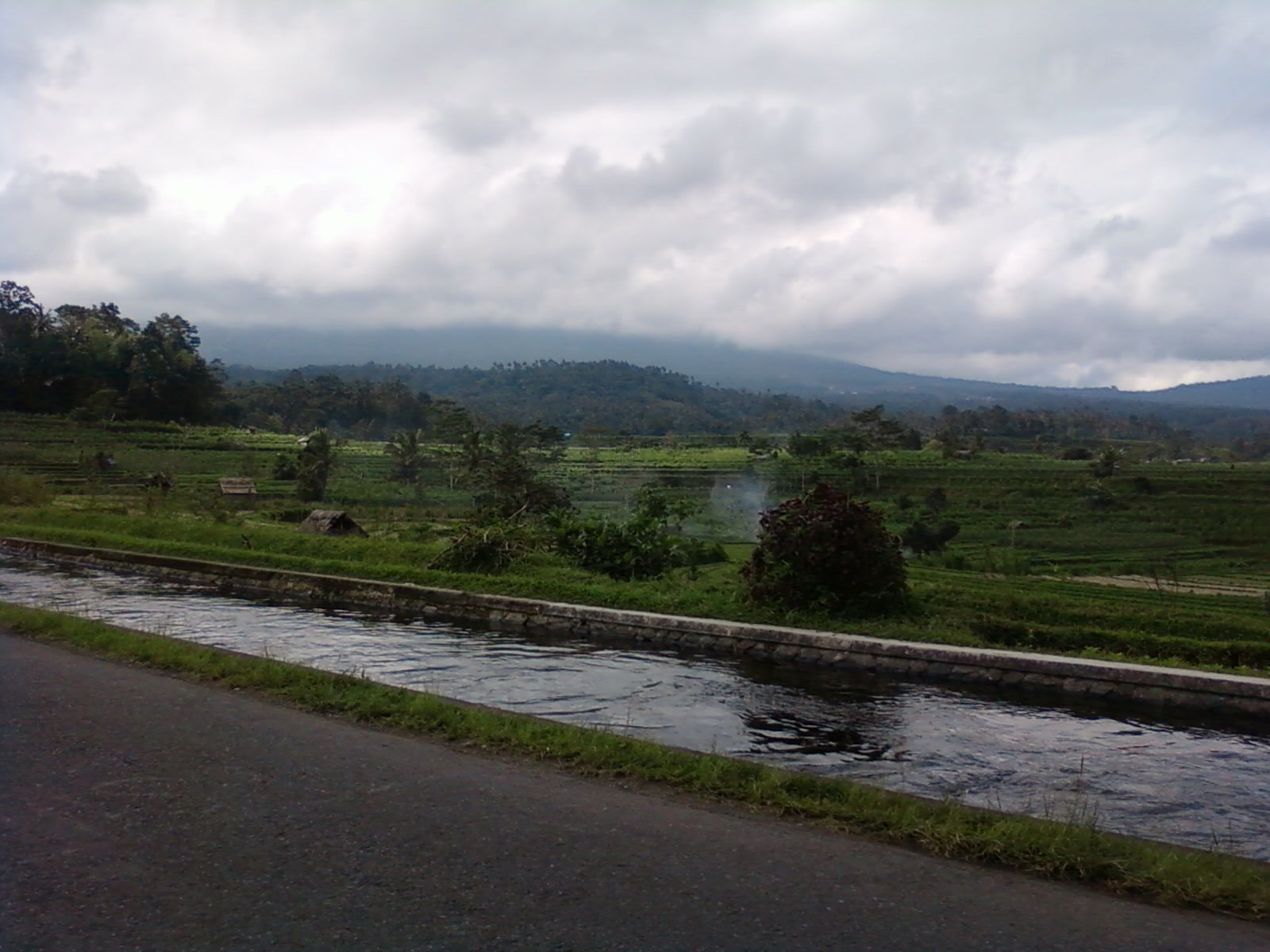 Photo: Adimelali Bali, CC BY-SA 3.0
Sidemen, Bali: The Quiet Valley Guide
An hour from Ubud and a decade behind it — Sidemen is the rice-terrace valley under Mount Agung where Bali's best bamboo houses hide.
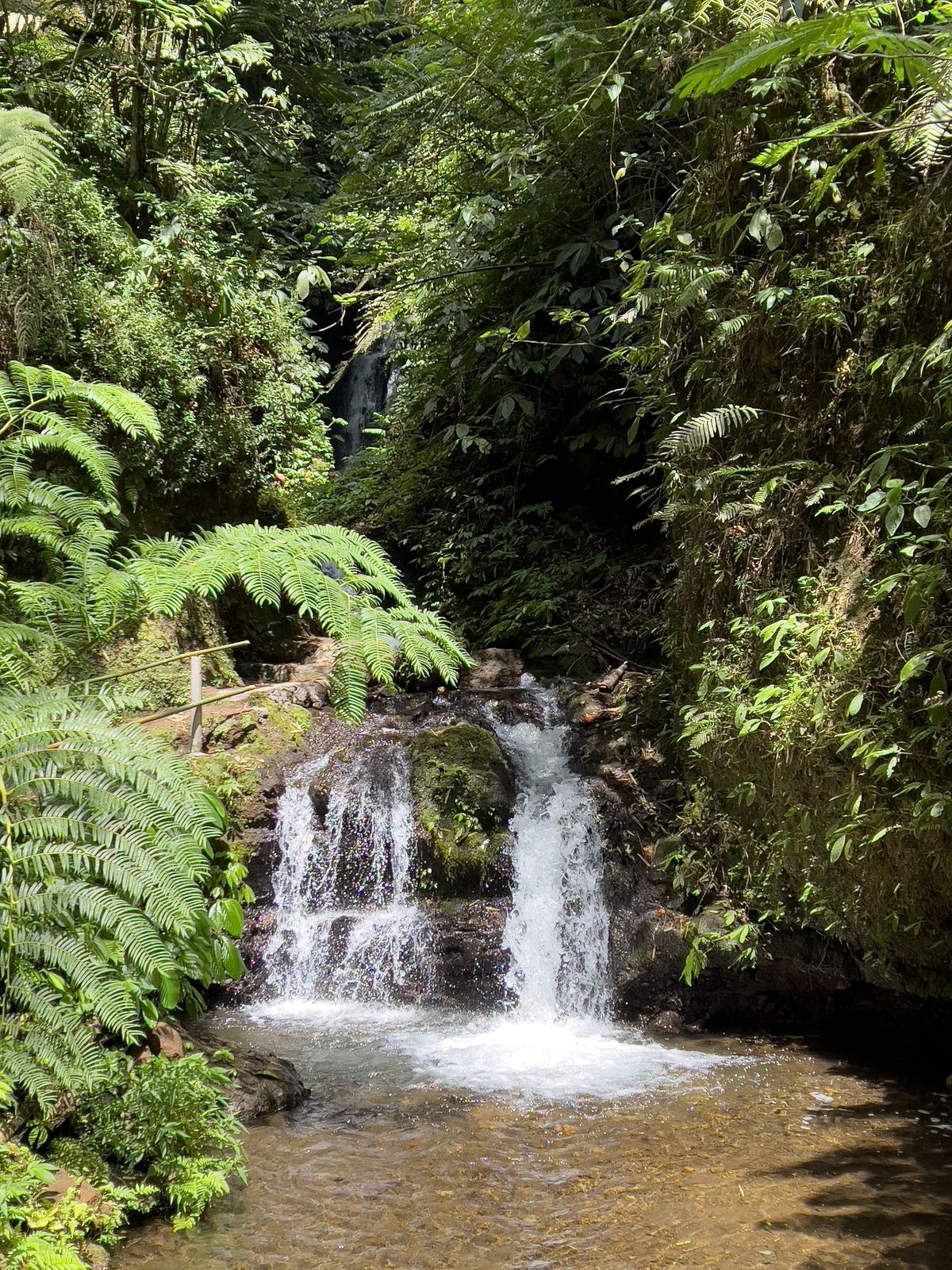 Photo: Stefan Fussan, CC BY-SA 3.0
Munduk & North Bali Highlands Guide
Bali's cool, waterfall-laced highlands — coffee country, twin lakes and jungle ridges two hours from the beach crowds.
 Photo: Derek Ramsey (Ram-Man), CC BY-SA 4.0
Find your own piece of the canopy.
Treehouses, bamboo houses and rainforest villas across 17 destinations — found, vetted and written up honestly.
Browse all destinations