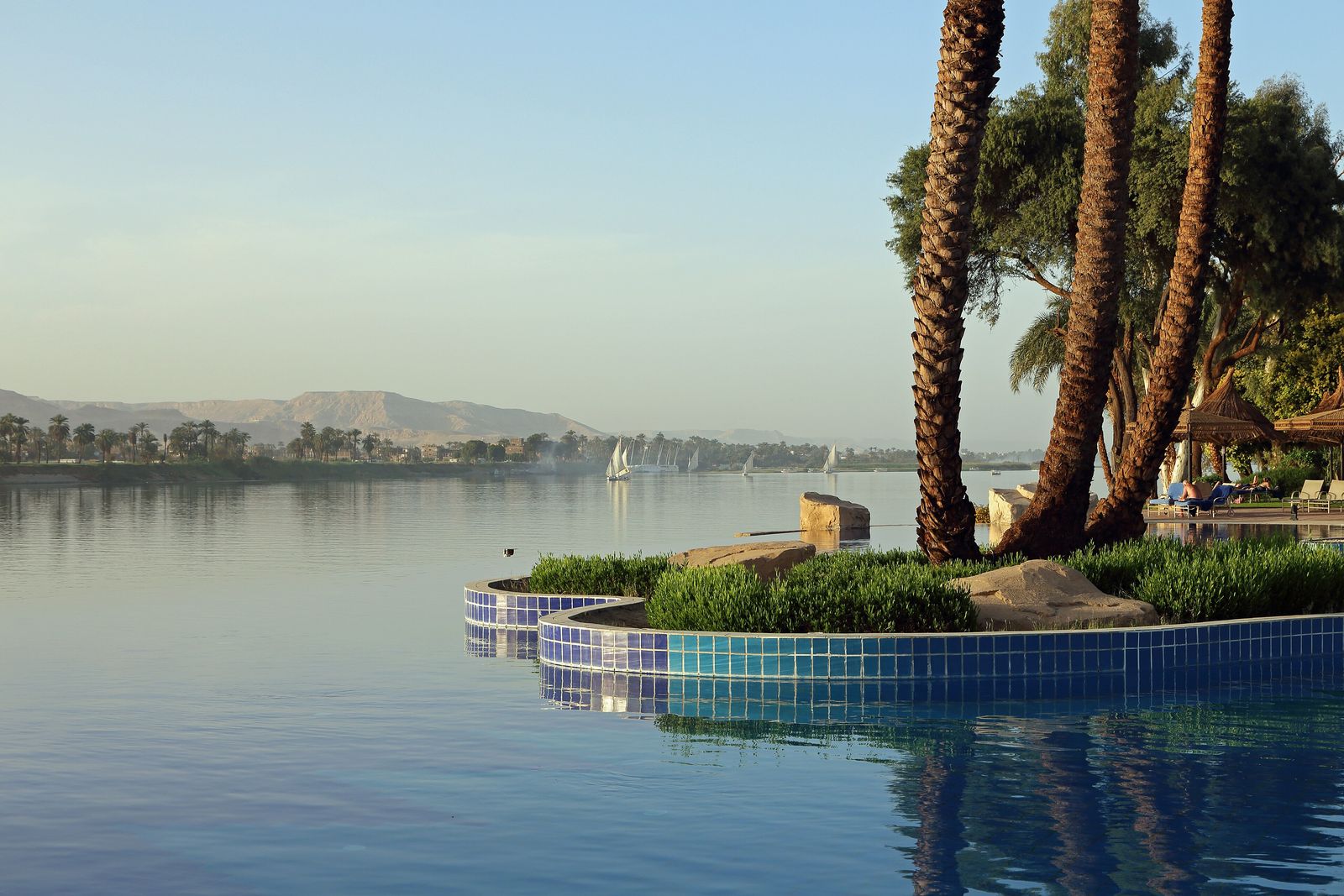
Jungle Villas With Infinity Pools
Ask any jungle villa manager which photo actually books the room and almost none of them will say the bedroom, the view from the deck, or even the forest itself. It's the pool edge, the moment where the tiled line disappears and the water looks like it's spilling straight into the canopy below. That single shot sells more nights than any other image a jungle property owns, which is a strange thing when you think about it: the feature everyone wants is, structurally, one of the more complicated things you can build on a rainforest hillside. Here's what an infinity pool actually is, where the idea came from, how it's built and drained and kept running in a climate that fights it every day, the honest trade-offs of a stay next to one, a handful of real examples worth knowing, and where to actually book one.
What actually counts as an infinity pool
Start with a term nobody in the pool-building trade actually uses: "infinity pool" is a marketing name, not an engineering one. Builders call it a vanishing edge, a negative edge or a disappearing edge, and all three describe the same specific detail — one side of the pool has no visible wall or coping above the waterline. Instead, water sheets continuously over a lowered edge, drops into a hidden trough below, and gets pumped back up into the main pool. From inside the water, or from a lounger a few feet back, the boundary between pool and whatever's beyond it simply isn't there.
That's a narrower definition than the photos on most booking sites suggest. A lot of villas market a pool as an infinity pool when what they actually have is a pool built close to a railing with a good view past it, or a raised pool with one glass panel instead of tile. Neither is wrong to enjoy, but neither is doing the actual trick — the water in a real vanishing-edge pool is moving, continuously, over that low edge, the entire time the system is running. If the water in the photo looks perfectly still and flat right up to the drop, you're either looking at a still frame between pump cycles or a pool that isn't a true infinity edge at all.
The other detail worth knowing before you book on the strength of a single photo: an infinity edge can run along one side of a pool or wrap two or three sides of it, and the difference matters more than it looks like it should. A single-edge pool vanishes into one view. A two- or three-sided edge, the kind a handful of the villas below actually build, vanishes into the forest on almost every side you're facing in the water — a genuinely different, more disorienting-in-a-good-way experience than a single vanishing wall.
Where the idea came from
The instinct behind an infinity pool is centuries old, even if the swimming version is not. At the Palace of Versailles, water features built in the late seventeenth century, the Stag Fountain among them, were designed so water appeared to spill continuously from one basin into the next with no visible edge holding it back. Nobody was swimming in those, but the visual trick — water disappearing rather than stopping — is the exact same idea a jungle villa is chasing three hundred years later.
The swimmable version is an American invention, and it has a name attached to it: architect John Lautner, a former apprentice of Frank Lloyd Wright, built the first widely credited vanishing-edge pool at Silvertop, his own house above Los Angeles's Silver Lake Reservoir, in the 1950s and 60s. Lautner wanted the pool to look like it emptied straight into the reservoir beyond it, and the detail became known afterward as the Lautner Edge. It reached a much bigger audience in 1971, when a vanishing-edge pool built to Lautner's design appeared on screen in the James Bond film Diamonds Are Forever — the first time most of the moviegoing public had ever seen the effect.
For roughly two more decades after that, the vanishing edge stayed a rare, expensive, hard-to-get-right detail rather than something an ordinary pool builder would attempt. According to AQUA Magazine's reporting on pool-industry history, builders Lew Akins and Skip Phillips were among the first in the trade to study the form seriously and work out how to build it reliably, and the technique remained a niche specialty considered too tricky for most pool contractors until it started catching on more widely in the late 1980s. From there it moved fast — first into American resort and estate building through the 1990s, then into the international hospitality boom that followed, which is the route that put a vanishing edge on a hillside above the Ayung River in Bali or a Pacific-facing bluff in Costa Rica instead of only a backyard in Los Angeles.
The vanishing edge is a three-hundred-year-old fountain trick wearing a swimsuit. Versailles just never had the humidity problem.
How the trick actually works
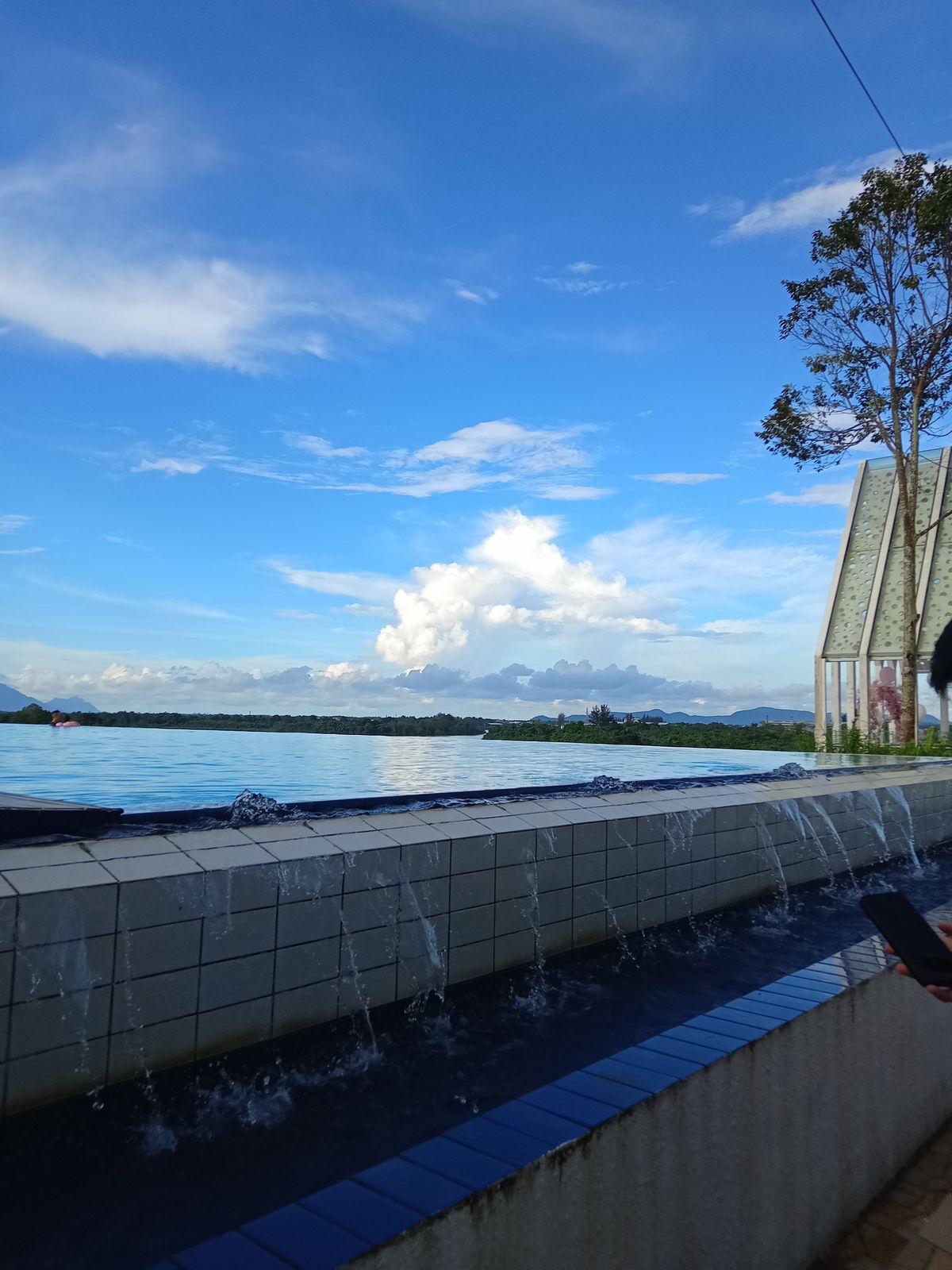
Underneath the effect is a fairly precise piece of hydraulic engineering, and getting it wrong by even a fraction of an inch shows immediately. The lowered wall that water spills over, called the weir, sits only slightly below the main pool's water level — commonly cited at somewhere between a sixteenth and a quarter of an inch lower, a tolerance closer to fine woodworking than to typical pool construction. Too low, and too much water pours over too fast, wasting pump capacity and never settling into the thin, even sheet that makes the edge look seamless. Too high, and the edge doesn't wet evenly, leaving dry patches that break the illusion entirely.
Below that edge sits a catch basin, a second, hidden pool that collects everything spilling over the weir before pumping it back up into the main body of water. Sizing that basin correctly is most of the actual engineering challenge. It has to hold what the industry calls water-in-transit — the volume needed to raise the main pool high enough to wet the entire edge in the first place — plus bather surcharge, the water displaced when people are actually swimming, plus a margin for wind, which can push a sheet of falling water sideways and send it missing the basin altogether on a gusty afternoon. Undersize the basin and the pool either can't maintain a full, even edge or it overflows the catch trough during a storm or a busy pool day, sending water somewhere it was never meant to go.
None of that happens without a pump running more or less continuously, which is the detail most visitors don't think about until they're lying by one at midnight. A true vanishing edge is not a still pool with a nice view — it's a pool with a recirculating system working the entire time the effect is on, quietly, but not silently. Ask a property directly whether the edge runs all night or only during certain hours if a completely silent room matters to your trip.
Building one on a jungle hillside
A backyard vanishing edge above a Los Angeles reservoir and one built into a rainforest slope in Costa Rica or Bali are solving the same hydraulic problem in very different terrain, and the jungle version tends to be the harder build. Pool builders generally agree that a natural slope is the ideal starting condition for an infinity edge, since the weir needs somewhere real to drop toward. That happens to describe most of the hillsides, gorges and valley walls jungle villas get built on in the first place, which is a large part of why this style of pool shows up so often in rainforest architecture rather than by coincidence.
What the terrain gives with one hand, it takes back with the other. A slope steep enough to give a pool something dramatic to vanish into is also a slope with real questions about soil stability, drainage and erosion, especially anywhere that gets genuine tropical rainfall rather than the occasional desert downpour a Los Angeles hillside deals with. Retaining structure below and around the pool has to account for water pressure the design brief never mentions in the marketing photos, and the catch basin's wind margin matters more on an exposed jungle ridge that catches a squall line than it does in a sheltered backyard. None of this is visible in a finished photo. All of it is why an infinity-edge villa costs more to build correctly on a rainforest slope than the same detail costs on flat, stable ground.
Good to know
Ask, if it matters to you, whether the property's infinity edge is filled with fresh water, treated water or seawater pumped from below (a detail some coastal jungle properties use). It changes the maintenance schedule, the smell in humid weather, and occasionally the color of the water itself, and it's the kind of detail that almost never makes it into a listing description.
Why the jungle version works better than the ocean version
An oceanfront infinity pool vanishes into a horizon line, which is a straight, flat, endlessly repeatable trick — dramatic the first time, familiar the tenth. A jungle infinity pool vanishes into something with actual depth and texture: a canopy dropping away in layers, a gorge wall, a valley of tree cover with no single flat plane for the eye to measure against. That's a harder illusion to build well, because there's no horizon line doing half the work for you, but it's a more convincing one when a builder gets it right, since there's no obvious edge for the brain to reconstruct.
It also asks more of daily upkeep than an ocean-facing pool does. Leaf litter, pollen, insect fall and the general debris of a living rainforest land in a jungle pool constantly, in a way seawater spray simply doesn't replicate, and algae grows faster in humid, shaded jungle air than it does in the drier air above most coastal pools. Well-run properties clean daily, sometimes before guests are awake, sometimes visibly as part of the operation; it's a fair and reasonable thing to ask about before you book if a spotless edge in every one of your own photos matters to you.
Real jungle villas with real infinity pools
A handful of real, documented properties are worth knowing by name, both because they're genuinely well built and because they show how differently the same basic idea gets executed depending on budget, site and architect.
Art Villa, Uvita area, Costa Rica. Designed by the studios FormaFatal and Refuel Works, this five-bedroom house sits roughly 300 meters above the Pacific on Costa Rica's South Pacific coast, near Playa Hermosa. Its dark-bottomed infinity pool extends out from the main living space directly into the treetops below, in a design that architecture press has compared to the Brutalist concrete work of Brazilian architect Paulo Mendes da Rocha. From the water, guests have reported sightings of migrating whales out past the tree line, a detail that only makes sense once you understand how far the pool actually projects past the edge of the hillside.
Vista Hermosa Estate, Manuel Antonio, Costa Rica. An eight-bedroom whole-home rental with a three-sided infinity pool set into roughly two acres of rainforest on the Pacific side of the country, with an edge that reads like a ledge cut straight into the treeline rather than a pool bolted onto a lawn. It's built for a group booking, not a couple's weekend, and the pool's wraparound edge is a good example of the two-and-three-sided version described earlier — there's no single direction to face for the vanishing effect to work.
Villa Punto de Vista, Guanacaste, Costa Rica. Another whole-home rental on Costa Rica's Pacific side, with a private infinity pool set inside rainforest running down toward the coastline and a full concierge-and-chef team included in the booking. Like Vista Hermosa, it's a villa built around hosting a large group rather than a quiet couple's stay, and the pool is scaled accordingly.
Sharma Springs, Green Village, Bali. Not every famous jungle pool on this list is an infinity edge in the strict sense — Sharma Springs, the six-story bamboo house above the Ayung River gorge designed by Elora Hardy's Ibuku studio, is better known for its plunge pool positioned to look straight out over the gorge than for a true vanishing weir. It's worth including here anyway, because it's a useful contrast: the drama comes from where the pool sits relative to the drop, not from the hydraulic trick underneath it, and plenty of jungle properties get a genuinely infinity-pool-looking photograph without building a true vanishing edge at all.
The honest trade-offs of sleeping next to one
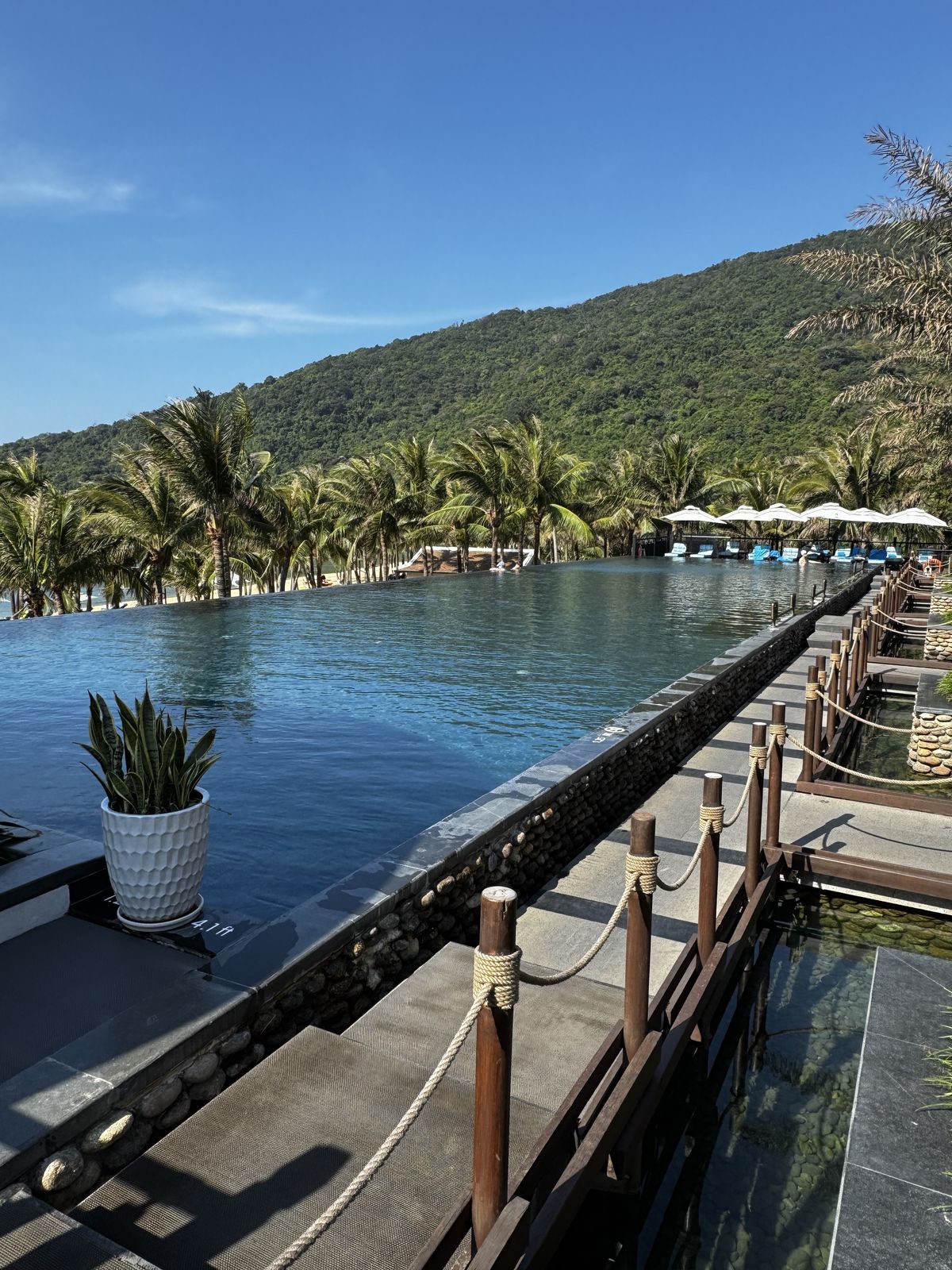
A real vanishing-edge pool asks more of both the property and the guest than a standard pool does, and it's worth knowing the trade-offs before you pay the premium that usually comes with one.
- The edge itself is a safety question, especially with kids. A weir wall built to be nearly invisible from the water is, by design, hard to see the boundary of. Properties vary enormously in how they handle this — some fence or gate the pool deck, some rely on depth and slope alone. Ask directly if you're traveling with young children rather than assuming either way.
- The pump doesn't stop when you'd like it to. A true infinity edge needs continuous or near-continuous recirculation to keep the sheet even, which means a low mechanical hum is part of the deal for anyone in earshot, day or night. It's rarely loud, but it's rarely silent either.
- Storms are the system's real stress test. Heavy rain and wind push more water toward the catch basin than a normal day does, and a pool sized without enough margin for both can overflow its trough during exactly the kind of dramatic weather that makes for the best photos. A property with a well-engineered, generously sized basin handles this without you ever noticing; one built on the cheap does not.
- Jungle debris means more maintenance, not less. Leaf fall, pollen and insects land in a rainforest pool constantly, and algae moves faster in humid air than in drier coastal climates. Ask when daily cleaning happens if an untouched surface for your own photos matters to your schedule.
- It's rarely heated. Most jungle destinations sit close enough to the equator that pool water stays comfortable without added heat, but pools fed by higher-elevation or mountain-adjacent sites can run cooler than photos suggest. Confirm directly if a warm evening swim is part of the plan.
Infinity, plunge or natural — which one you're actually booking
Not every jungle pool with a great view is doing the same trick, and it's worth knowing the difference so a listing photo doesn't oversell what you're actually getting.
Infinity or vanishing edge
Water spills continuously over a precisely leveled low wall into a hidden catch basin and gets pumped back. It's the most engineering-intensive and usually the most expensive style to build well, especially on a jungle slope, for the site-grading and drainage reasons covered above.
Plunge pool
Smaller, simpler, usually just deep enough to submerge in rather than swim laps, and it doesn't require a vanishing edge or catch basin at all — Sharma Springs and plenty of Bali's bamboo houses use this style, positioned at the edge of a gorge or drop so the view does the dramatic work instead of the water's edge. It's cheaper to build and maintain, which is part of why it shows up more often at smaller, owner-run properties than a full infinity edge does.
Natural pool
Built with a river, spring or biological filtration system instead of a tiled edge and chlorine, this is the rarest style and the hardest to fake convincingly — a natural pool can't be dressed up with a good camera angle the way a modest infinity edge sometimes can.
None of the three is objectively the better choice. An infinity edge photographs best and delivers the most dramatic single moment; a plunge pool is usually the one you actually use daily since it's steps from the room rather than a walk across the property; a natural pool feels the least like a built amenity and the most like the forest itself. What matters is knowing which one a listing is actually promising before you book expecting the other. Our broader look at the best jungle Airbnbs with a pool walks through real, verified examples of all three styles side by side.
Common questions
Is "infinity pool" the correct technical term?
Not really — it's the name that stuck with consumers. Pool builders call the same detail a vanishing edge, negative edge or disappearing edge, all describing a lowered wall that water spills over continuously into a hidden catch basin before being pumped back up.
Who actually invented the infinity pool?
The swimmable version is generally credited to architect John Lautner, who built one of the first vanishing-edge pools at his Silvertop house above Los Angeles's Silver Lake Reservoir in the 1950s and 60s, a detail that became known as the Lautner Edge. The underlying visual trick, water appearing to disappear rather than stop at an edge, goes back further, to fountain design at the Palace of Versailles in the late seventeenth century.
Does the water actually move, or is it still?
It moves, continuously, whenever the pump is running. A thin, even sheet of water flows over the lowered weir wall into the catch basin below and gets recirculated back into the main pool. A perfectly still, flat surface right up to the edge usually means you're looking at a photo taken between pump cycles, not the pool's normal running state.
Are jungle infinity pools safe for kids?
It depends entirely on the individual property, and it's worth asking directly. A weir wall built to look nearly invisible from the water is, by definition, not an obvious visual boundary, and properties vary widely in whether they fence or gate the deck. Don't assume either way from photos alone.
Why do jungle infinity pools need more maintenance than other pools?
Leaf litter, pollen and insect fall land in a rainforest pool constantly, and algae grows faster in humid, shaded jungle air than in drier climates. Well-run properties clean daily, often before guests are up. Ask when cleaning happens if you want the edge photo-ready at a specific time of day.
Is a plunge pool the same thing as an infinity pool?
No. A plunge pool is small, simple and doesn't use a vanishing weir or catch basin at all — it relies on its position at the edge of a view, like a gorge or drop, rather than a hydraulic trick. A true infinity edge is a more complex and expensive build, and the two get confused constantly in listing photos because both can produce a dramatic image.
Where to actually book one
The clearest examples of this style sit in a handful of places where the terrain does half the architect's job for them: the Pacific-facing rainforest hillsides of Costa Rica, the river gorges above Ubud in Bali, and increasingly the hill country of Sri Lanka and Thailand, wherever a villa gets built on a genuine slope rather than flat ground. If a pool is the main reason you're booking a stay at all, our full ranking of the best jungle Airbnbs with a pool checks real, currently operating properties against exactly the private-pool promise this article has been picking apart. If it's the wider question of how a jungle property runs, off the grid or otherwise, that's pulling you in, how off-grid jungle homes work and what is a bamboo house both dig into the engineering behind other signature jungle-stay features the same way this one has. Or start with the full destination directory and go find the hillside, and the pool, that's actually yours.
- Wikipedia — Infinity pool — definition, terminology and general history of the vanishing-edge form.
- Architizer Journal — the evolution of infinity pools in modern architecture — John Lautner, Silvertop house and the "Lautner Edge," and the pool's appearance in Diamonds Are Forever.
- AQUA Magazine — Pools: A History of Innovation, Part II — Lew Akins and Skip Phillips's role developing the vanishing edge, and its adoption in the pool industry from the late 1980s.
- AQUA Magazine — a pocket guide to building vanishing-edge pools — water-in-transit, bather surcharge and catch-basin sizing.
- Leisure Pools USA — how a vanishing-edge pool works — weir height tolerance and the mechanics of the overflow edge.
- MM Pool Builders — infinity-edge pool engineering and site grading — slope requirements and site-grading considerations for a vanishing-edge build.
- Dezeen — Art Villa, Costa Rica, by FormaFatal and Refuel Works — design, siting and infinity pool detail for Art Villa.
- The Spaces — Art Villa, a Brutalist take in the Costa Rican jungle — additional detail on Art Villa's architecture and pool.
- Vista Hermosa Estate · Villa Punto de Vista — Costa Rica whole-home rentals and their private infinity pools.
- Green Village Bali — Sharma Springs — pool and gorge-view detail for the Ibuku-designed bamboo house.
More from the Journal.
 Photo: Basile Morin, CC BY-SA 4.0
What Is a Bamboo House? Bali's Bamboo Architecture Explained
How a fast-growing grass became the most beautiful building material in the tropics — the story of bamboo architecture and where to sleep in it.
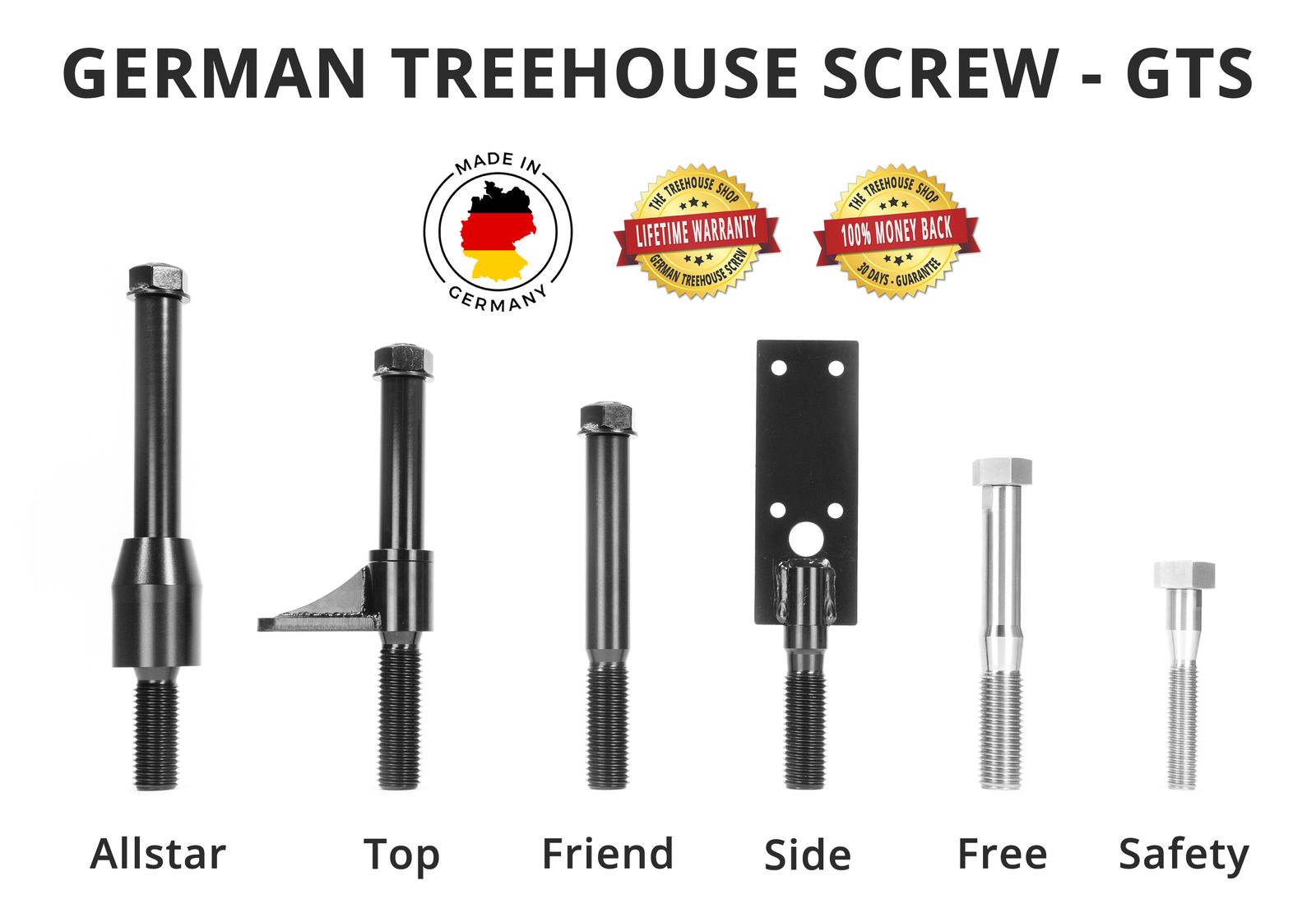 Photo: Vitus Wahlländer, CC BY-SA 4.0
Treehouses Explained: History & Modern Design
From childhood forts to seventy-foot canopy suites — how the treehouse grew up, and what makes a great one to stay in.
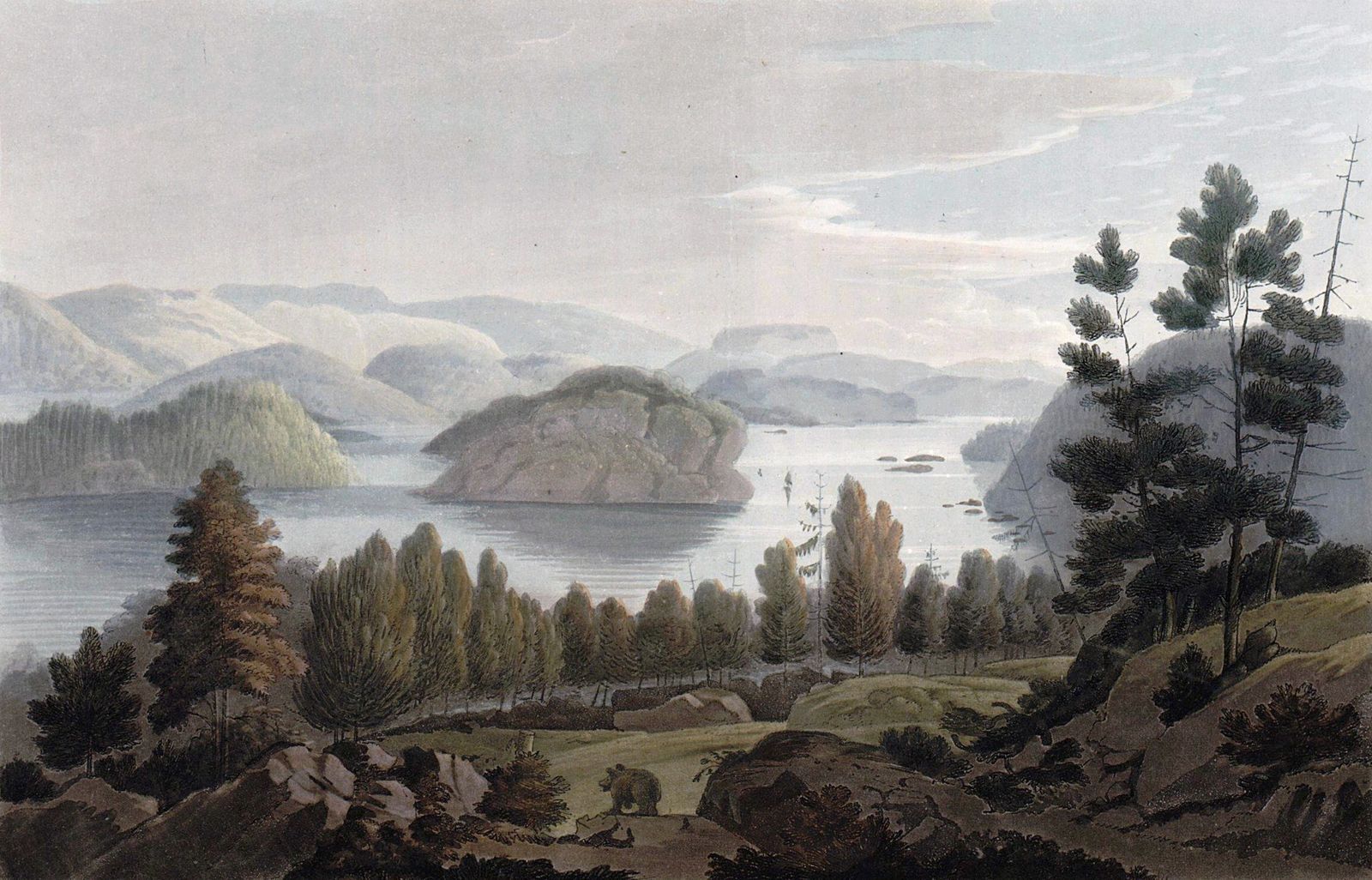
Overwater & Floating Bungalows in the Jungle
The room that floats — how raft houses and overwater bungalows are built on jungle lakes and rivers, and the best places to sleep on the water.
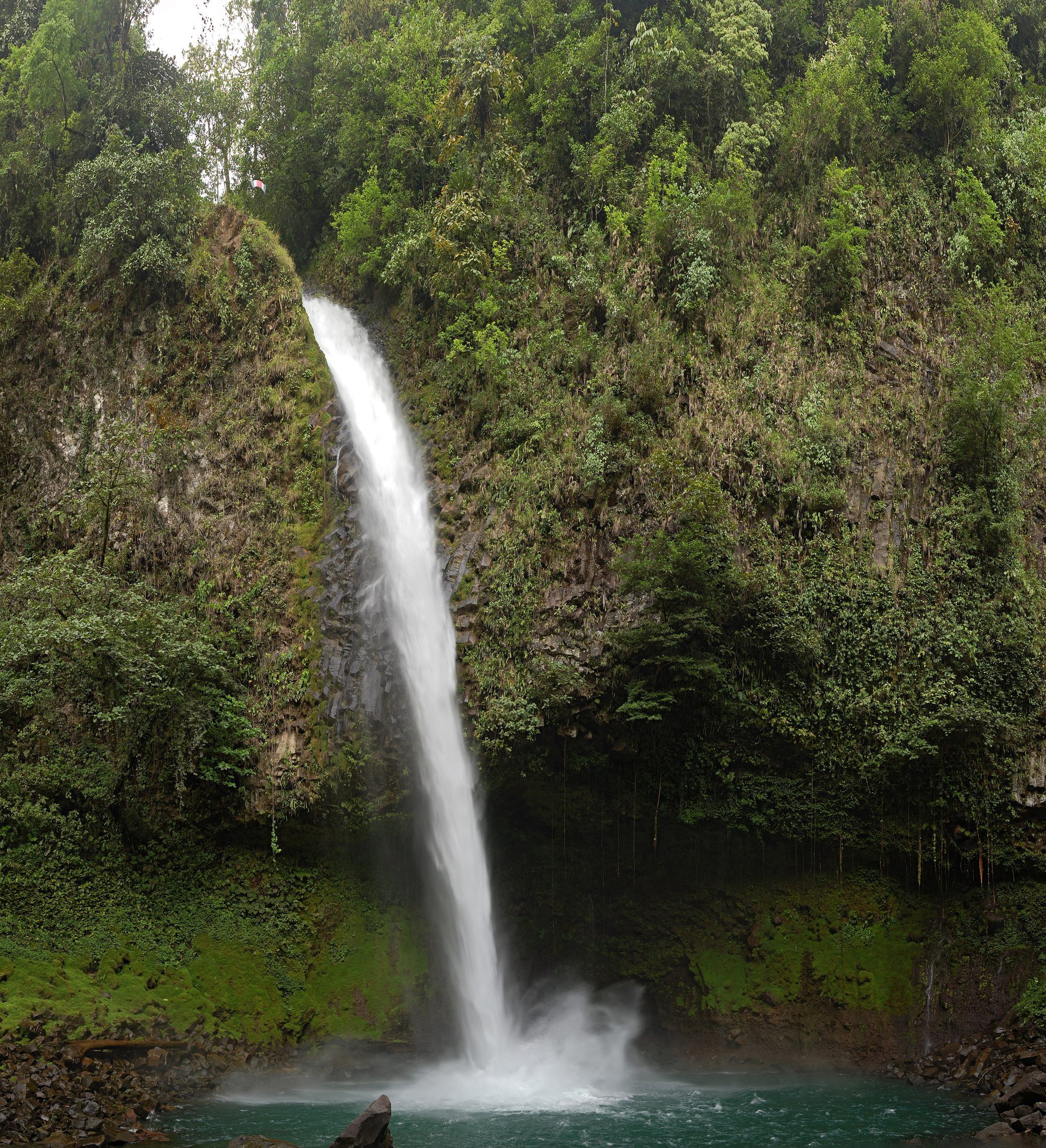 Photo: Derek Ramsey (Ram-Man), CC BY-SA 4.0
Find your own piece of the canopy.
Treehouses, bamboo houses and rainforest villas across 17 destinations — found, vetted and written up honestly.
Browse all destinations