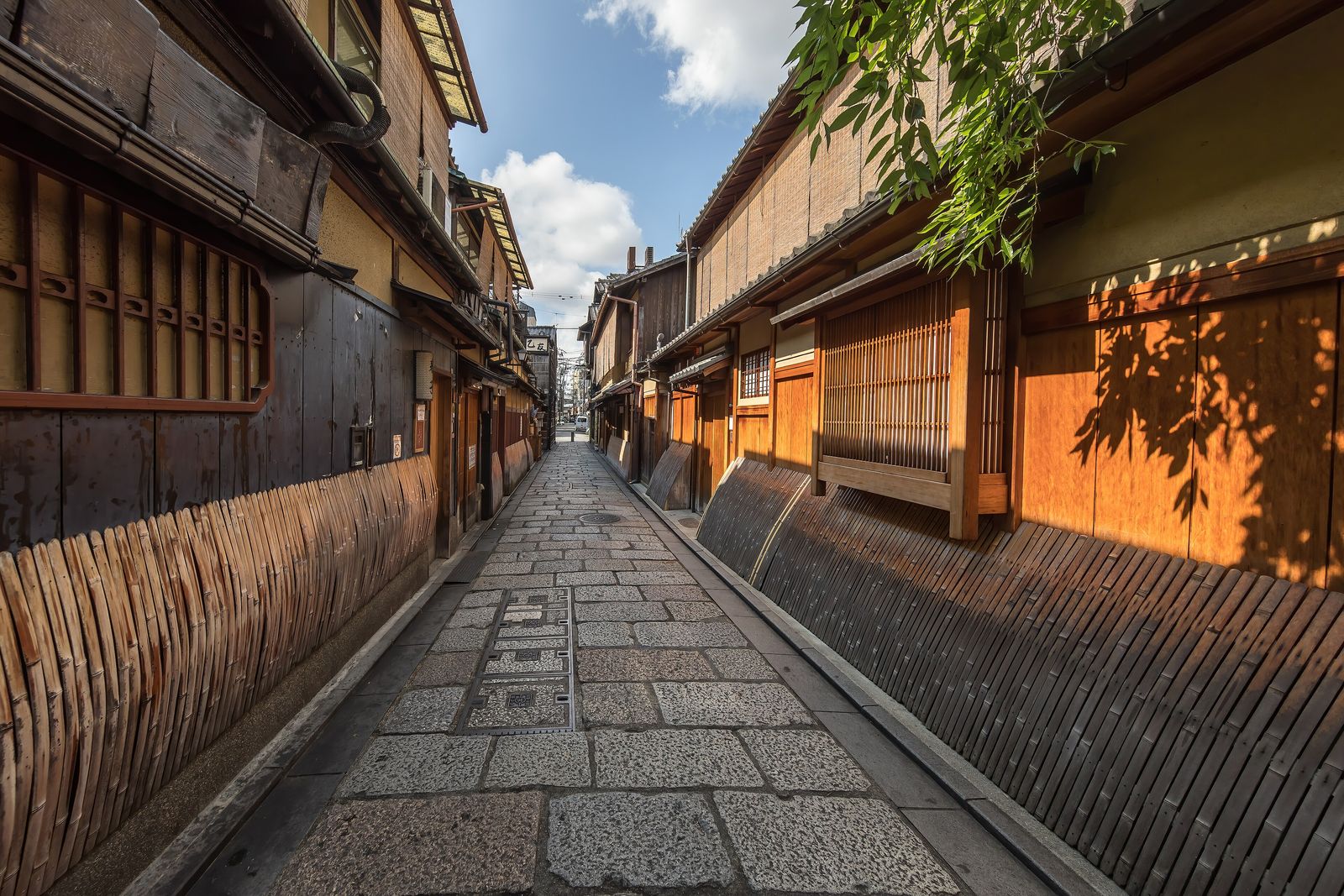
What Is a Bamboo House? Bali's Bamboo Architecture Explained
A bamboo house is not a jungle hut with a few cane chairs inside it, and it isn't a resort lobby with some decorative poles bolted to a concrete frame either. It's a building whose walls, floor structure and roof trusses are made of the plant itself — an idea that is thousands of years old across Asia and Latin America, and one that architecture only worked out how to do safely at real height in the last few decades. Here's how that happened, how a bamboo house actually goes together and holds itself up, what it's like to sleep inside one, the honest trade-offs of doing that, and where a handful of real, bookable examples actually are.
What actually counts as a bamboo house
Start with the test we'd apply to any place claiming the name: is the structure itself made of bamboo, or is bamboo just decorating a structure made of something else? A concrete villa with a bamboo fence, a bamboo headboard, or a few bamboo poles lining the pool deck doesn't qualify, no matter how good it looks in photos. A bamboo house means the load-bearing frame — the posts holding the roof up, the trusses spanning the ceiling, often the floor structure and the walls too — is built from bamboo culms, the hollow, jointed stems of the plant, cut, cured and joined by hand.
That distinction matters because it's the difference between decoration and engineering. Anyone can nail a bamboo screen to a wall. Getting a bamboo roof to actually carry its own weight, shed monsoon rain, and survive a storm season is a different problem entirely, and it's the one this whole article is really about. Once you apply that filter, the list of genuine bamboo houses in the world gets a lot shorter and a lot more interesting than the marketing photos suggest.
Most real bamboo houses also share a second trait: they're open. Full glass windows are rare, air conditioning rarer still. That isn't an oversight — it's close to the entire point of the material, and it shapes almost everything else in this guide, from how these houses are built to what it actually feels like to spend a week in one.
A material with thousands of years of history behind it
People have built with bamboo for as long as there have been people living near it — across Southeast Asia, southern China, India, the Philippines, and throughout tropical Latin America, particularly the Andean foothills of Colombia and Ecuador, where a thick native species called guadua has framed houses for generations. For most of that history, bamboo was the material you used because you couldn't afford timber or concrete, not because you'd chosen it on its merits. It was fast, it was local, and it was cheap, which in a lot of architectural circles was reason enough to look down on it.
What's changed is less the material than the case for it. A stand of the right species can shoot up something like 15 metres in under two years and be ready to harvest for construction within about three to five years, against decades for a hardwood tree — which makes bamboo one of the fastest-renewing building materials on the planet. According to the Institution of Civil Engineers, bamboo also outperforms plenty of conventional materials on paper: its tensile strength can exceed that of steel by weight, and its compressive strength runs roughly double that of concrete. Add in that a growing stand pulls a meaningful amount of carbon out of the air while it grows — CNN's reporting on the sustainable-building movement points to bamboo absorbing substantially more CO2 than an equivalent stand of trees — and you can see why architects hunting for genuinely renewable materials started taking a second look at a plant their grandparents' generation treated as the poor relation of timber.
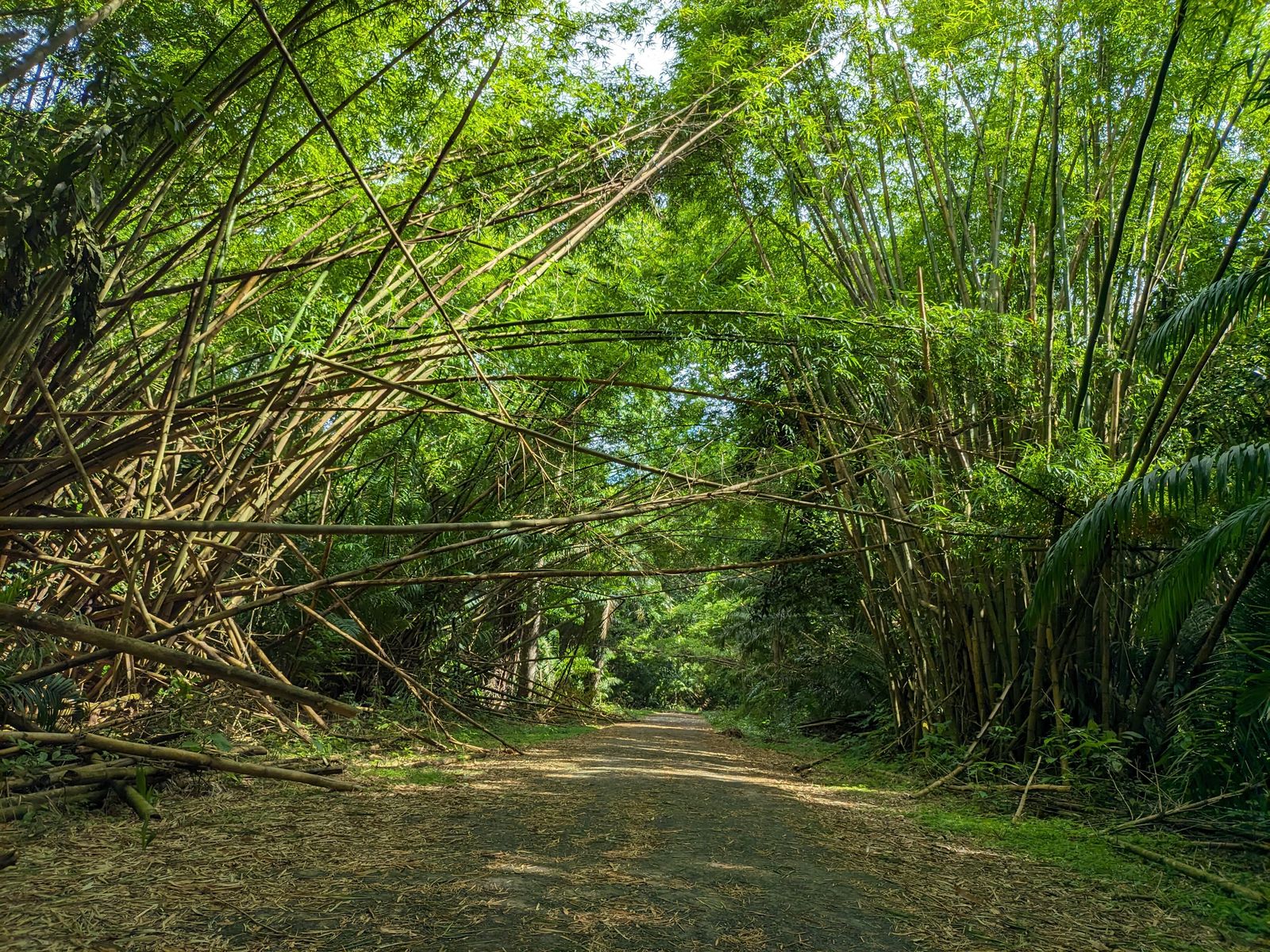
None of that explains why bamboo buildings look the way they do, though — the soaring, curved, cathedral-like forms you see in the photos from Bali or Colombia. That part is a genuinely recent engineering story, and it starts with a problem that had limited bamboo construction for centuries: the joints.
Bamboo's older, quieter use is worth knowing too, because it's still going on all around the buildings this guide is really about. Across much of Southeast Asia, bamboo has never stopped being a working construction material rather than a design statement — it frames the stilt houses of the Mekong Delta, wattles the walls of the Filipino bahay kubo, and to this day still goes up as full scaffolding on high-rise construction sites in Hong Kong, a use that has nothing to do with sustainability marketing and everything to do with the fact that it's light, strong and fast to erect and dismantle. That everyday, unglamorous track record is part of why architects reaching for bamboo again in the 2000s weren't taking a wild swing — they were picking up a material with an enormous amount of quiet, practical proof behind it, in places that never needed convincing in the first place.
The engineering problem that kept bamboo houses low
Bamboo is a hollow grass, not solid wood, and its weak point has always been where two pieces meet. Nail through a culm the ordinary way, the way you'd frame a house with lumber, and the cane splits along its length — which caps how tall or how heavily loaded a bamboo structure can safely be. For most of bamboo architecture's long history, that meant single-storey houses, modest spans, and a healthy fear of asking the material to do more than hold up a roof over one room.
The fix came out of Colombia, home to that same thick guadua bamboo, and it's largely credited to one architect: Simón Vélez. Instead of nailing through the hollow cane, Vélez developed a method of packing the internal joints with mortar and pinning them together with steel rods rather than driving anything through the culm wall. It sounds almost too simple, but it solved the structural problem that had held bamboo back — the joint stopped being the weak point and became, if anything, the strongest part of the frame. Vélez proved the method could carry real loads on pavilions shown everywhere from the Hannover Expo to Arles, and in 2009 he won the Prince Claus Award for it. Versions of his jointing technique are behind essentially every tall, dramatic, structurally ambitious bamboo building built anywhere in the world since.
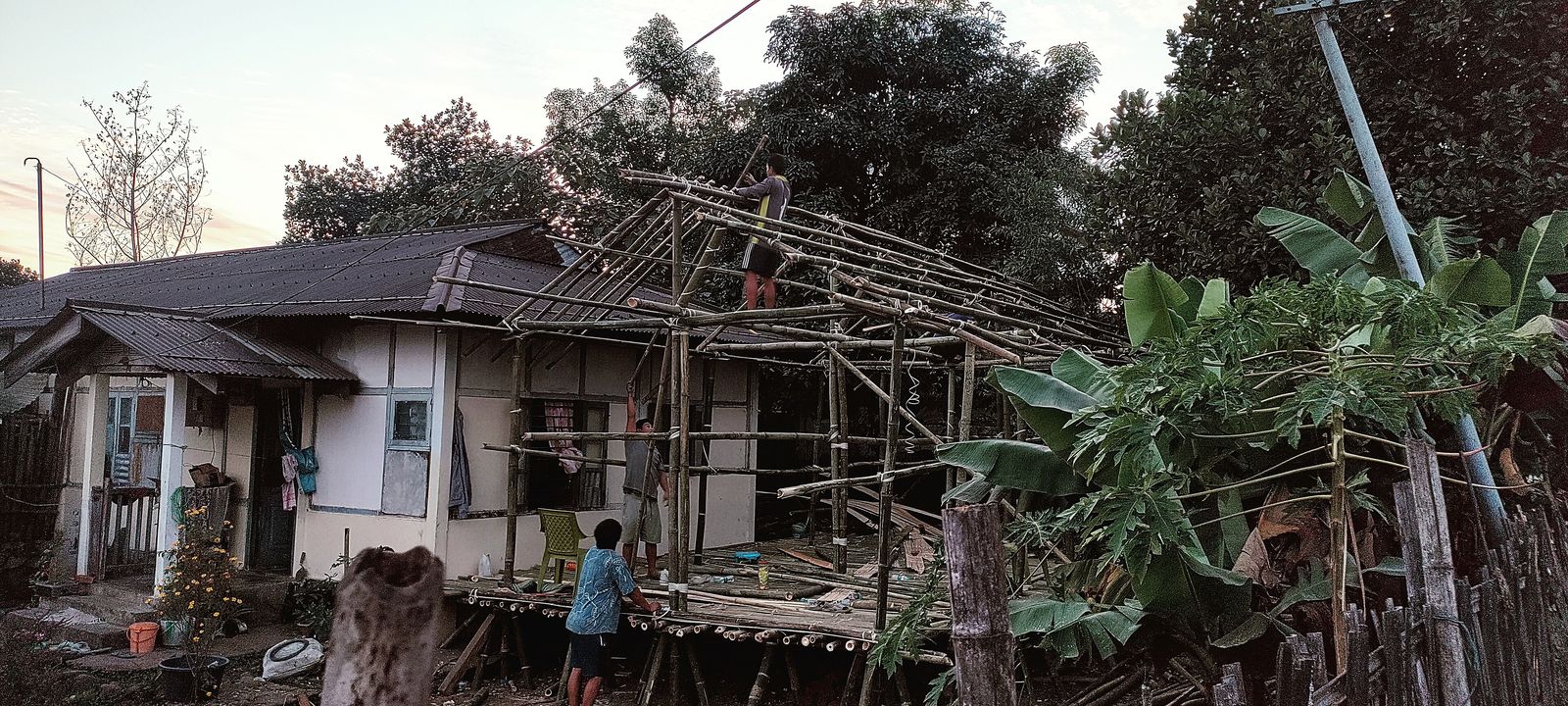
That single fix is the reason bamboo houses today can be six storeys tall with cantilevered decks and spiral staircases, instead of a single-storey hut with a thatched roof. It's also worth knowing as a traveler, because it's a genuine way to separate the buildings that are real engineering from the ones that are just decorated timber frames dressed up to look like bamboo architecture. If a bamboo house looks structurally ambitious — a curve, a cantilever, a soaring roofline with no visible support — there's real jointing work under it, not just craft.
What it's actually like to live inside one
Almost nothing about a well-built bamboo house is sealed. Full glazing is rare and air conditioning rarer, because closing a bamboo structure up defeats the reason you built with a breathing material in the first place. Instead these houses lean on cross-ventilation, deep roof overhangs for shade, and height — a lot of bamboo houses put the main living space up a level, catching breeze that never reaches the ground. The trade for that airflow is that insects, geckos, birds and the general soundtrack of wherever you're staying come with the room. If you've never spent a night somewhere that asks you to make peace with the outdoors being genuinely close, a bamboo house is where you find out how you feel about it.
Most freestanding bamboo houses, especially the smaller owner-built rentals rather than the big architectural showpieces, also run at least partly off-grid — solar panels for lighting and charging, rainwater collection or a spring-fed line for showers, sometimes a generator as backup rather than a primary power source. That's less an ideological choice than a practical one: plenty of these houses sit in places a power grid hasn't reached, on hillsides above rice terraces or deep in valleys a paved road doesn't quite get to. It's a similar logic to what you'll find at plenty of off-grid jungle homes built from other materials — the systems tend to travel together regardless of what the walls are made of.
What that means in practice, night to night, is worth spelling out rather than romanticizing. Solar power usually means enough for lights, a fan and phone charging, and not much beyond that — don't expect a hair dryer or a kettle that boils fast, and check whether the listing runs a backup generator before you assume otherwise. Rainwater or spring-fed water is often untreated for drinking, so bottled or filtered water is standard practice even where the shower runs straight off a hillside spring. And because so many bamboo houses are single-family operations rather than hotels, the host or caretaker living nearby tends to matter more than usual — they're often the one who arranged the solar system, keeps the water running, and is the actual answer if something breaks at ten at night.
Good to know
Altitude fools people more than the material does. A lot of the best bamboo houses sit high enough in hill country — East Bali's rice-terrace villages, the hills outside Pai in northern Thailand, upcountry Maui — that nights run genuinely cool even though the jungle around them reads properly tropical in daylight. Pack a light layer for any bamboo stay, even the ones that look like a pure beach trip in the photos, and don't assume hot water or reliable wifi unless the listing says so directly.
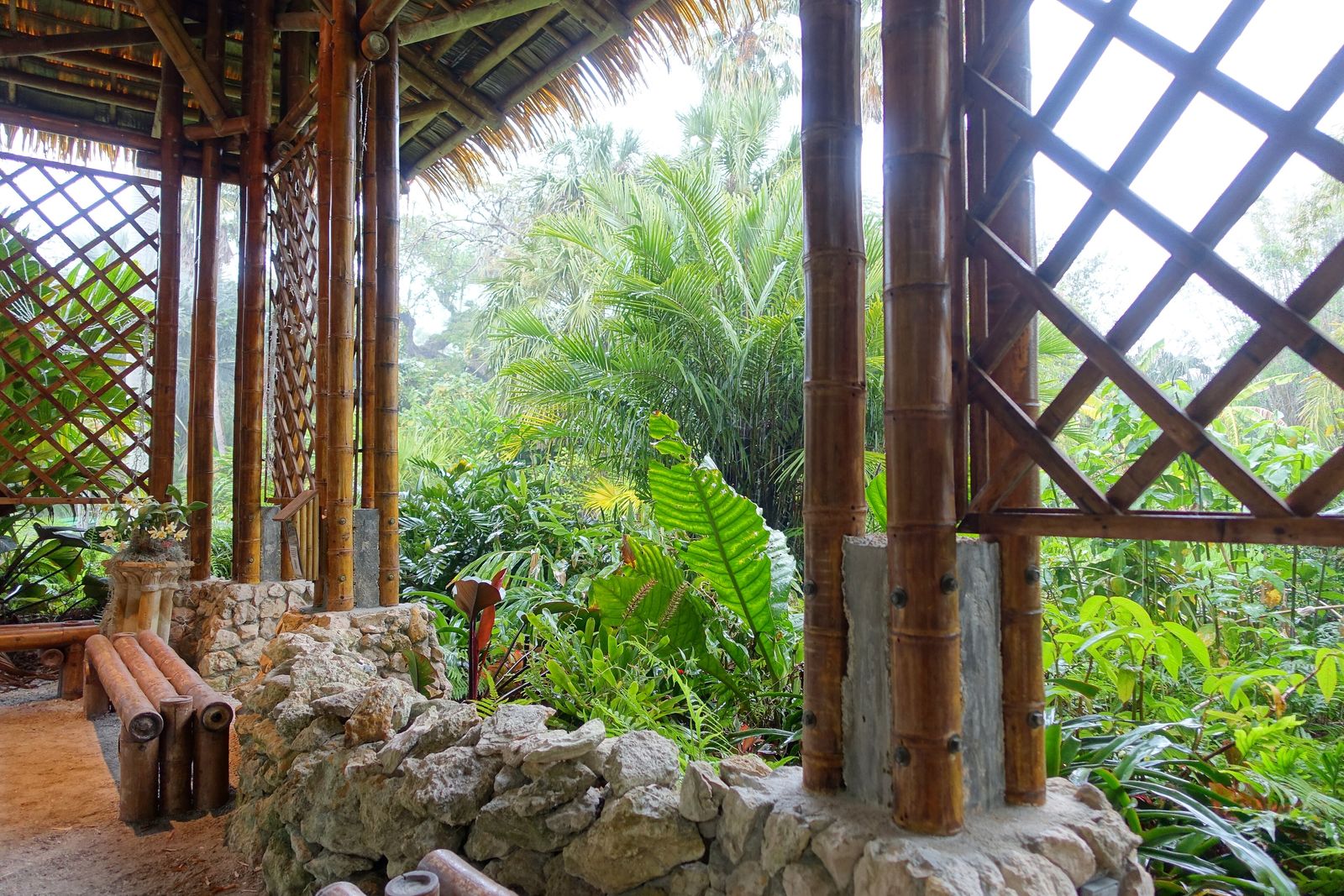
That detail in the photo above is not decorative. Keeping the base of every post off the ground and away from standing water is one of the oldest rules in bamboo construction, going back long before anyone was writing engineering papers about it, and it's still one of the clearest signs that a builder knew what they were doing.
Bali's bamboo moment
If bamboo architecture has a single place where the engineering met a design audience and the world actually noticed, it's a stretch of the Ayung River valley near Ubud, in Bali. In 2008, John and Cynthia Hardy built Green School — a campus constructed almost entirely of bamboo — on the riverbank there, and the design studio that grew out of the project, Ibuku, led by their daughter Elora Hardy, went on to build some of the most photographed bamboo buildings anywhere.
Two of Ibuku's projects did the most to put bamboo architecture on the map. Green Village, a community of individually designed bamboo houses connected to the school and its own bamboo workshop, includes Sharma Springs — six storeys tall, currently the tallest bamboo structure on the island, with a spiralling, cantilevered form that leans directly on Vélez-style jointing to stay standing. A short distance away, Bambu Indah takes the same idea and turns it into a boutique hotel: roughly twenty individual houses on a bluff above the river, some bamboo and some built from reclaimed antique wood, with a shared restaurant and pool rather than a single showpiece structure.
A bamboo house doesn't insulate you from the jungle. Most of them barely have glass in the windows. That isn't a design failure — for the good ones, it's the entire design.
Ibuku's most recent addition to the Green School campus takes the cathedral comparison literally. The Arc, completed in the early 2020s, is built from a series of intersecting bamboo arches roughly 14 metres tall spanning about 19 metres, interlinked by curved gridshell panels that give the whole structure its strength — the architects themselves have compared the ribbed lines running from the apex to the ground to the vaults of a gothic cathedral, enclosing more than 700 square metres of open, shaded space underneath. It sits alongside the Heart of School building, whose roof is shaped as three spiralling nautilus shells rising on three bamboo towers. Between the two, and the earlier work at Green Village, that one river valley has done more than anywhere else on earth to prove that bamboo could be genuinely ambitious architecture rather than a budget material.
The showpieces get the design-magazine coverage, but they also changed what was happening around them. Within a few years of Green Village going up, small operators an hour or two east — around the rice-terrace villages of Selat and Sidemen — started building their own version at a domestic scale: single, owner-built bamboo houses you can rent outright rather than a room in a compound. If you want the specific, bookable version of that story — real houses, real listings, checked against their current availability — our ranking of the best bamboo houses in the world covers that ground directly, starting with the East Bali cluster this valley set off.
Beyond Bali: where else this is happening
Bali gets the attention because it has the highest concentration of bookable bamboo houses anywhere, but the material's real engineering roots are in Colombia, where Simón Vélez and generations of guadua builders before him worked out the structural questions everyone else has since borrowed. Colombia doesn't yet have anywhere near Bali's number of bamboo houses set up for travelers, but the architectural DNA of essentially every ambitious bamboo building elsewhere in the world traces back there.
Thailand runs the full width of the bamboo price range on its own — from simple, hand-built bamboo cottages in rice country outside Chiang Mai and Pai that cost a fraction of what a hotel room would at home, up to Soneva Kiri, a private-island resort in the Gulf of Thailand where a fleet of pool villas are built largely from bamboo dressed in every resort amenity you'd expect at that price. Hawai'i has a smaller but genuine bamboo scene of its own, mostly around Maui's North Shore and the Big Island's rainforest belt, including the first permitted bamboo structure built in the United States. And in Chiapas, southern Mexico, a small off-grid project near the Palenque ruins has built its own bamboo cabins deep in the jungle, proof that none of this requires an Indonesian or Colombian address to work. If any of that has you thinking about jungle stays more broadly rather than just this one material, the full destination directory is the place to start browsing.
The honest trade-offs, and how long these houses actually last
Bamboo houses ask more of a guest than a standard villa does, and it's worth being straight about that before you book one. There's rarely air conditioning, so hot, still nights happen. Rain on a bamboo or thatch roof is loud in a way that some people find soothing and others find impossible to sleep through. Insects and the odd gecko are part of the deal in an open-air structure, not a maintenance failure. And because so many of these houses sit down a dirt road or up a hillside rather than in a town center, you're usually looking at a scooter or a driver rather than a walk to dinner.
How the bamboo was treated matters more than how it looks
Untreated bamboo is an easy target for rot and boring beetles and can fail within a handful of years. Properly cured and treated — commonly with a borax solution, sometimes smoke-cured the traditional way — bamboo can hold up for decades, and there are structures standing in Colombia and across Southeast Asia that prove it. Well-run properties are usually upfront about how their bamboo was treated if you ask directly, because it's the difference between a house that gets quietly rebuilt every few seasons and one that's a genuine long-term structure. It's also a fair proxy for whether an operator actually understands the material or is just building to a look.
Storm safety comes down to the joints, again
A properly engineered bamboo structure, jointed the way Vélez's method or its many regional variants prescribe, holds up to wind and heavy rain considerably better than the old nail-through-the-cane approach ever did — bamboo's strength-to-weight ratio actually works in its favor here, flexing under load rather than fighting it the way a rigid material would. But quality varies enormously between builders, and a bamboo structure is only as good as the person who joined it. A property's age, its reviews, and how long it's been standing through a wet season or two are reasonable things to check before you book, the same way you'd check them for any other kind of stay.
The price range is wider than people expect
Because a bamboo house can be a single family's hand-built home or a studio-designed showpiece, the price range spans almost the entire market. Small, owner-built bamboo houses in rice country can run well under a hundred dollars a night — labor and material costs are simply lower when a family builds and maintains its own house rather than running it as part of a resort. The architect-led showpieces sit at the opposite end, priced like small luxury villas because that's effectively what they are, with a design team, imported fittings and full-service staff behind the bamboo frame. Neither end is more "authentic" than the other; they're just different products built from the same plant, and it's worth knowing which one a listing actually is before you book it expecting the other.
Common questions
What's the actual difference between a bamboo house and a jungle villa with bamboo accents?
The structure itself: load-bearing walls, roof trusses and usually the floor framing have to be built from bamboo culms, not a concrete or timber building with bamboo screens, furniture or fencing added for the look. A lot of very good jungle stays fail that test, which is fine — they're just not bamboo houses in the strict sense this guide uses.
Are bamboo houses actually safe to sleep in during storms?
The well-engineered ones are. Modern jointing methods, developed largely in Colombia and refined by Simón Vélez and others, let bamboo carry real structural loads and flex under wind rather than snap. Quality still depends heavily on the individual builder, so a property's track record is a reasonable way to judge how seriously it was engineered.
Do bamboo houses have air conditioning?
Almost never, and it's usually intentional rather than a missing amenity. Bamboo houses are built to breathe through cross-ventilation and shade, and sealing one up for AC tends to defeat the point. A handful of the pricier resort-style properties run closer to standard climate control — check the specific listing rather than assuming either way.
Why is Bali associated with bamboo architecture specifically?
Because that's where the engineering met hospitality at scale. Green School, built almost entirely of bamboo in 2008, and the projects that followed from the design studio Ibuku — Green Village, Sharma Springs, Bambu Indah, The Arc — put ambitious bamboo building in front of a design-magazine audience, and small operators nearby followed with bookable houses of their own. The underlying engineering, though, traces back further to Colombia's guadua tradition.
How long does a bamboo house actually last?
It depends almost entirely on treatment. Untreated bamboo can be compromised by rot or insects within a few years. Properly cured and maintained — usually with a borax treatment — it can last decades, and some of the oldest bamboo structures in Colombia and Southeast Asia prove the material's staying power when it's handled correctly. It's a fair, direct question to ask a host before you book.
Can I build a bamboo house myself?
People do, and it's genuinely faster to build with than timber or masonry given the material's growth rate and light weight — but the joints are exactly where amateur builds tend to fail. If you're seriously considering it, study the mortar-and-steel-pin jointing methods that came out of Colombia before you start, and treat the bamboo properly before it ever goes structural.
Where to actually sleep in one
If everything above has you wanting to try it rather than just read about it, the most reliable route is still the specific-listing one. Bali's Ayung River valley and the East Bali cluster around Selat and Sidemen have the highest concentration of real, bookable bamboo houses anywhere, and our full ranking of the best bamboo houses in the world walks through the real, verified ones — whole-home rentals you book outright, plus the handful of boutique lodges worth knowing by name. If it's the broader idea of jungle architecture that appealed to you rather than this one material specifically, treehouses run a similar arc from folk tradition to serious design, and eco-lodges versus jungle Airbnbs is worth a read before you decide what kind of stay actually suits your trip. Otherwise, start with the full destination directory and go find the version of this that's actually yours.
- Wikipedia — Simón Vélez — Vélez's mortar-and-steel jointing method, career and the 2009 Prince Claus Award.
- The City Paper Bogotá — the man who went "bamboo" — background on Vélez and Colombia's guadua bamboo tradition.
- IBUKU — The Arc at Green School — dimensions, gridshell design and the cathedral-vault comparison for The Arc.
- ArchDaily — The Arc at Green School / IBUKU — structural detail on The Arc's bamboo arches and enclosed floor area.
- International Bamboo and Rattan Organization — The Arc — additional context on the building and Ibuku's design work.
- Green Village Bali — Sharma Springs, official site — floor count and construction detail for Sharma Springs.
- CNN Style — bamboo and the sustainable-building movement — bamboo's growth rate, renewability and carbon-absorption context.
- Institution of Civil Engineers — building with bamboo — bamboo's tensile and compressive strength relative to steel and concrete.
More from the Journal.
 Photo: Vitus Wahlländer, CC BY-SA 4.0
Treehouses Explained: History & Modern Design
From childhood forts to seventy-foot canopy suites — how the treehouse grew up, and what makes a great one to stay in.
Overwater & Floating Bungalows in the Jungle
The room that floats — how raft houses and overwater bungalows are built on jungle lakes and rivers, and the best places to sleep on the water.
 Photo: Dudley Miles, CC BY-SA 3.0
Eco-Lodges vs Jungle Airbnbs: Which to Book
A lodge gives you guides and dinner; an Airbnb gives you the place to yourself. An honest comparison to help you pick the right jungle stay.
 Photo: Derek Ramsey (Ram-Man), CC BY-SA 4.0
Find your own piece of the canopy.
Treehouses, bamboo houses and rainforest villas across 17 destinations — found, vetted and written up honestly.
Browse all destinations