Manaus & the Anavilhanas Archipelago Guide
Manaus doesn't look like what most people picture when they hear "gateway to the Amazon." It's a real city — more than a million people, container ships at the port, traffic on the ring road — sitting in the middle of the largest rainforest on earth, at the exact spot where two enormous rivers meet and refuse to mix. An hour or two upriver from that meeting point, the Rio Negro widens out and fills with islands: the Anavilhanas, one of the largest freshwater archipelagos anywhere, a maze of channels and flooded forest that's as close as most travelers will get to the Amazon they imagined before they arrived. This guide covers both halves of that trip — the city and the archipelago — honestly, including the parts that don't make the brochure.
What Manaus and the Anavilhanas actually are
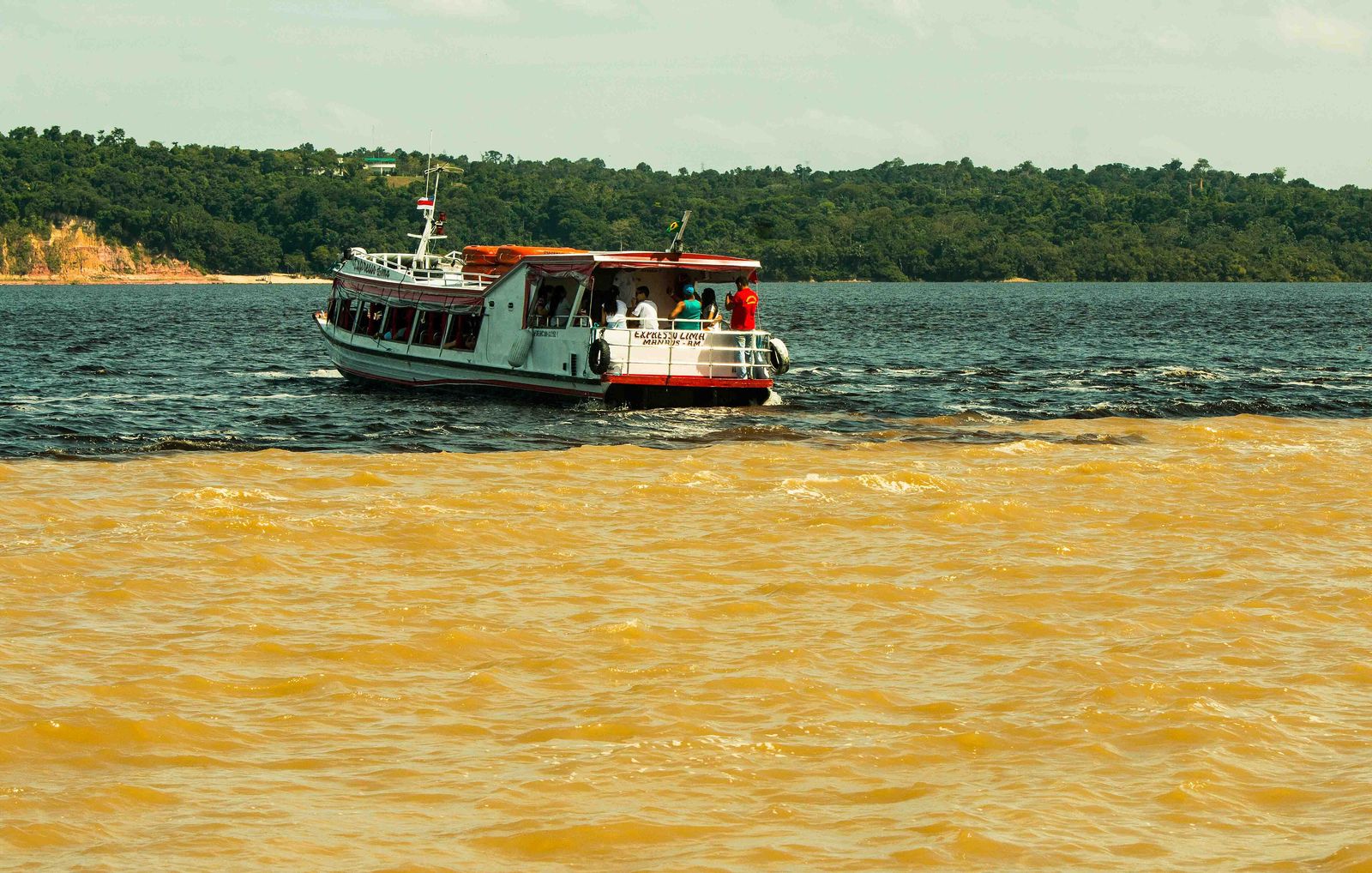
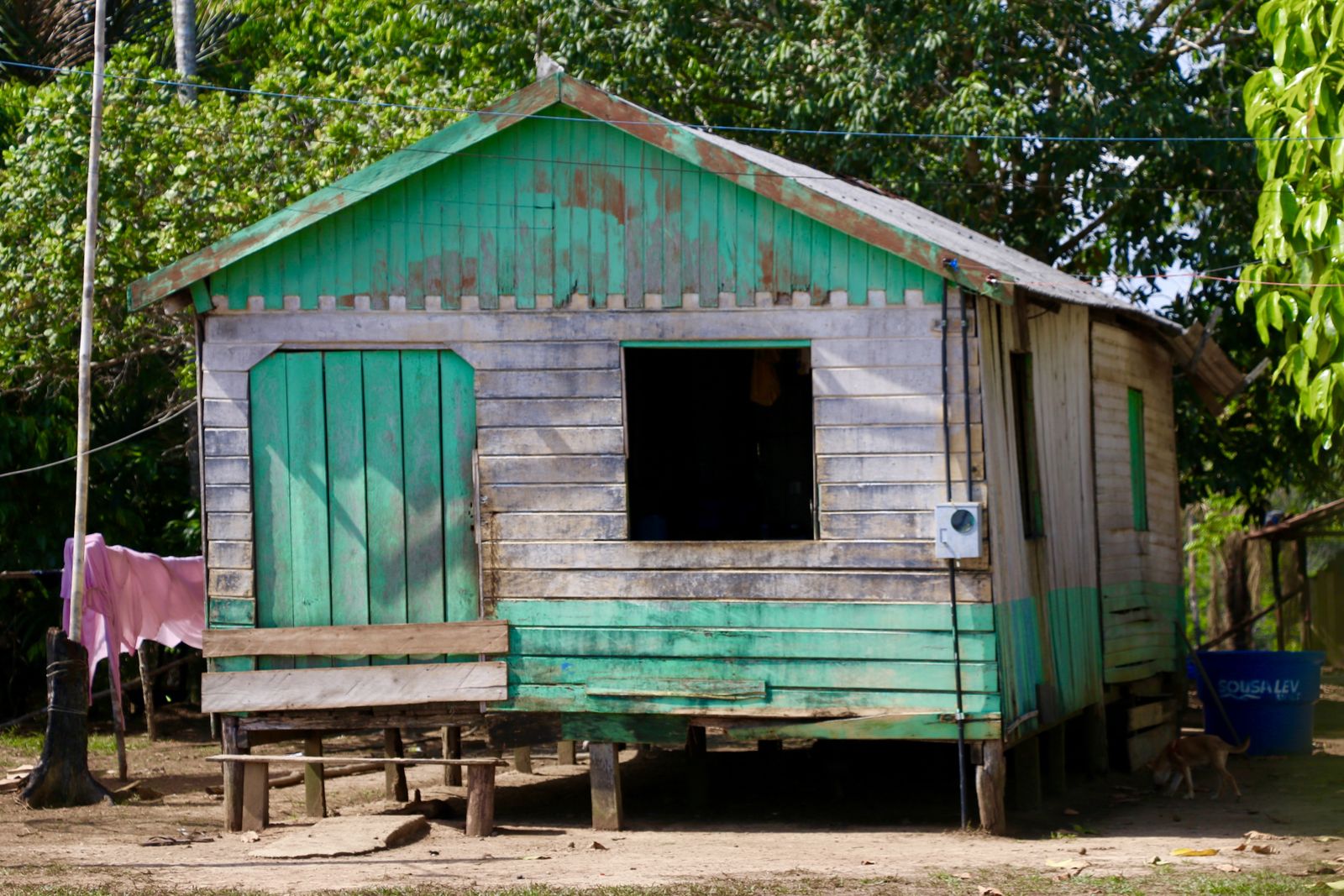
Manaus sits at the confluence of two rivers that, geographically, don't actually finish becoming one river until well downstream. The Rio Negro, running dark and slow off the sandstone highlands to the north, and the Rio Solimões, running pale and fast with sediment carried down from the Andes, meet just southeast of the city in a spot known as the Encontro das Águas — the Meeting of the Waters. Differences in temperature, speed and density keep the two currents visibly separate for kilometers before they finally blend, and downstream of that point the combined river takes the name most people know it by: the Amazon. Manaus itself grew up on the Rio Negro side of that confluence, a river port that boomed hard during the rubber economy of the late 1800s and early 1900s, went quiet for decades afterward, and rebuilt itself in the twentieth century as a manufacturing hub under Brazil's free-trade-zone policy. That history is why the city feels like a real, working metropolis dropped into the forest rather than a jungle outpost — an opera house with imported European chandeliers sits a short drive from riverside neighborhoods where houses rise on stilts against the coming flood.
North and west of the city, the Rio Negro widens into the Anavilhanas National Park, a protected stretch of river that holds one of the largest freshwater archipelagos on the planet — more than 400 islands scattered across roughly 130 kilometers of river, spanning the municipalities of Manaus and Novo Airão. It's second in scale only to another Rio Negro archipelago, the Mariuá, further upstream near Barcelos. During the wet season, when the river rises, as much as 60 percent of the park's total area goes underwater, turning much of the archipelago into flooded forest, or igapó, that you paddle straight into by canoe. During the dry season, the water drops, sandbanks and beaches emerge along the channels, and the same islands look completely different. This is the core thing to understand before you plan anything else here: Manaus is the city and the jumping-off point, and the Anavilhanas — reached mainly through the small river town of Novo Airão — is the actual wilderness experience most people are coming for. Treating them as one trip with two very different halves, rather than one undifferentiated "Amazon visit," will save you from disappointment on both ends.
If you're comparing this region against other parts of the Amazon basin, or against South America's jungle destinations more broadly, our Brazil destination page is the place to start, alongside our guides to the Amazon in Peru and Colombia if you're weighing which country's stretch of rainforest suits your trip best.
Getting there and getting around
Almost everyone arrives through Eduardo Gomes International Airport (MAO), Manaus's airport, which is well connected to Brazil's major domestic hubs — direct flights run from São Paulo, Rio de Janeiro, Brasília, Belém, Fortaleza and several other cities, typically on Latam, Gol or Azul. There's no realistic overland alternative for most travelers; Manaus is not connected by paved highway to the rest of Brazil's road network in any practical sense, which is itself a useful fact about how isolated this part of the Amazon still is. From the airport, the city center and the main hotel districts are a taxi or ride-hail trip of roughly 20 to 30 minutes depending on traffic and destination.
Getting to the Anavilhanas means getting to Novo Airão, the small river town that serves as the park's main access point. By road, it's about 190 kilometers from Manaus, and the drive along AM-352 typically takes three to four hours depending on road conditions and how many stops you make — it's a paved but two-lane route through forest and small settlements, not a highway. Most independent travelers either rent a car, hire a private driver, or book a transfer through a lodge or tour operator, since public bus service to Novo Airão is limited and not especially convenient with luggage. A slower alternative is to travel by boat directly up the Rio Negro from Manaus, which some lodges and tour operators arrange as part of a package; it takes considerably longer than the drive but puts you on the river from the start, which some travelers prefer as an introduction to the landscape.
Once you're in Novo Airão or staying at a lodge in the archipelago, the car becomes mostly irrelevant — movement happens by boat, whether that's a lodge's own launch, a hired canoe with a local guide, or an organized excursion. Within Manaus itself, taxis and ride-hailing apps cover everything; the city's public bus network exists but isn't set up for visitors juggling luggage and a tight itinerary, so most people budget for cabs during their time in town.
The best areas and where to stay
Where to base yourself depends entirely on how you're splitting time between the city and the archipelago — and most trips here genuinely do split, rather than picking one or the other.
Manaus city center and the historic district
The area around Teatro Amazonas and the old port is the most convenient base for exploring the city on foot — the opera house, the municipal market, museums and the main restaurant streets are all within walking distance or a short cab ride of each other. It's also the most urban, least jungle-adjacent stretch of the trip, which is worth knowing if you were expecting river views from your hotel window in Manaus proper; you generally won't get them here.
Ponta Negra
West of the center, along the Rio Negro waterfront, Ponta Negra is Manaus's beach and leisure district — a promenade lined with restaurants and bars, popular with locals for sunset. It's a reasonable base if you want some river frontage without leaving the city, and it's closer to the airport than the historic center, but you're still trading a genuine jungle stay for a city one.
Novo Airão and the Anavilhanas lodges
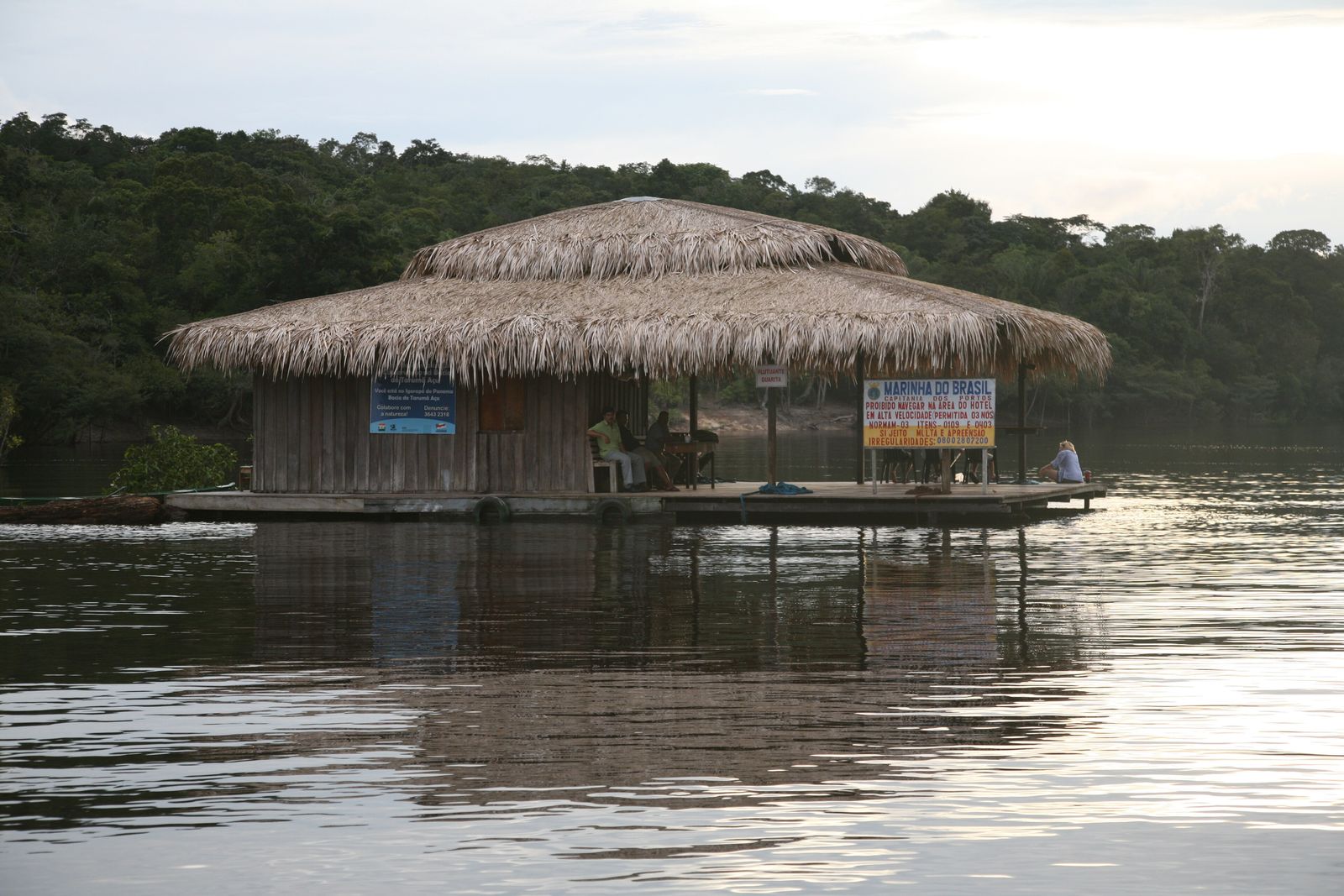
This is where the actual jungle stay happens. Novo Airão itself is a small, low-key river town with a handful of guesthouses and not much in the way of nightlife, useful mainly as a base if you're arranging your own excursions day by day. The more immersive option is one of the floating or riverside ecolodges built specifically around the archipelago — Anavilhanas Jungle Lodge, on the Rio Negro just outside Novo Airão, is a well-known example, running guided canoe trips, night wildlife outings, piranha fishing and community visits directly from the property. Staying at a lodge like this rather than commuting out from Novo Airão each day means your mornings and evenings — the best wildlife-watching hours — happen right outside your room instead of at the end of a boat transfer.
For a shortlist of vetted jungle stays across this region and the wider Amazon, start with our Brazil destination page, or browse the full directory if you're comparing the Amazon against other jungle destinations before committing to dates.
Manaus is the city and the jumping-off point. The Anavilhanas, reached through Novo Airão, is the actual wilderness most people came for. Treat this as one trip with two different halves, not one undifferentiated "Amazon visit."
The top things to do and see in Manaus
Give the city itself at least a full day before heading upriver — it's a legitimate destination on its own, not just a layover.
- Teatro Amazonas: the opera house that rubber money built, completed at the end of the 19th century with materials shipped in from across Europe — roughly 200 crystal chandeliers, Italian marble and French ironwork among them. Guided tours run through the interior most days, and if you can time a visit around a performance by the Amazonas Philharmonic, it's worth reworking your schedule for.
- The Meeting of the Waters: a boat trip out to the Encontro das Águas, where the black Rio Negro and the pale, sediment-heavy Rio Solimões run side by side for kilometers before finally blending. Half-day tours leave regularly from the city's ports and usually combine the river visit with a stop at a floating house community or a short stretch of flooded forest.
- Mercado Municipal Adolpho Lisboa: a working market on the waterfront, built in wrought iron and tile in the early 1900s in a style modeled on the great European market halls of the period. Go for the fish section alone — species you won't recognize from any other market on earth — and stay for the produce, handicrafts and riverside food stalls.
- MUSA — Museu da Amazônia: a research and education site run by INPA (Brazil's National Institute for Amazonian Research), spread across 100 hectares of the Adolpho Ducke Forest Reserve on the edge of the city. It's part garden, part living museum — orchid and bromeliad nurseries, a lake with giant Amazon water lilies, aquariums, and a 42-meter observation tower that puts you above the canopy for a rare flat view across the forest.
- Bosque da Ciência (INPA): a compact wildlife area run by the same research institute, with enclosures for rescued manatees and giant otters, and smaller animals — squirrel monkeys, sloths, anteaters — that largely roam free through the grounds. It's small enough to cover in an hour and a genuinely good primer before you head into the wild version of this ecosystem upriver.
- Ponta Negra at sunset: not a wilderness experience, but a good read on how Manaus actually lives with its river — families out for the evening, food stalls along the promenade, the water doing something different depending on the season, covered more in the caveats section below.
Good to know
MUSA and Bosque da Ciência sit close to each other on the edge of the city and pair well as a single half-day outing — a research-garden-and-wildlife morning that gives useful context before your first boat trip into the archipelago.
Into the Anavilhanas archipelago
Once you're out of Manaus and into the archipelago, the whole rhythm of the trip changes — it stops being about sights and starts being about the water and what's on it.
Canoeing the igapó
During high water, when the river has risen into the surrounding forest, guides take small canoes directly under the canopy — paddling between trunks that are normally on dry land, spotting monkeys, sloths and birds at close range from water level. This is the single most distinctive thing you can do here, and it's only possible when the river is up, which is worth building your season choice around if it's the priority.
Wildlife by boat, day and night
Daytime boat trips through the archipelago's channels turn up caimans sunning on banks, a wide range of river birds, and, with luck, freshwater river dolphins — both the pink boto and the smaller gray tucuxi share these waters. Night excursions swap birds for a different cast: caimans are far easier to spot after dark, when a guide's flashlight catches their eyeshine along the banks, and the sounds of the forest change completely once the sun is down.
Novo Airão and the wild dolphins
Novo Airão has a floating dock area where wild pink river dolphins have become accustomed to approaching boats and swimmers, drawing visitors who want a close encounter with a boto in open water. It's a genuine, unusual wildlife experience, but it's also a case where "wild" and "habituated by regular feeding" are doing a lot of work in the same sentence — more on the ethics of that in the caveats section.
Fishing and community visits
Piranha fishing is offered by most lodges as a low-stakes afternoon activity — the fish are common in these waters and the technique is simple enough for a first-timer to pick up in minutes. Several operators also run visits to riverside communities within the park, where families live much as they have for generations, adapted to a river that rises and falls by meters over the course of a year; treat these as a chance to listen rather than a photo opportunity, and go through a guide who has an actual relationship with the community rather than showing up independently.
The best day trips
Even a short visit can string together a few genuinely different stretches of this region without much backtracking.
Meeting of the Waters half-day
The simplest and most popular add-on: a half-day boat tour out of Manaus to see the Encontro das Águas up close, usually paired with a stop at a floating community or a short paddle into nearby flooded forest. Easy to book same-day through most hotels and tour desks in the city.
Full-day Anavilhanas trip from Manaus
If you don't have time to overnight in the archipelago, several operators run long full-day trips from Manaus that combine the road transfer to Novo Airão with a few hours of boat time in the park — canoeing, wildlife spotting and, depending on the season, a stop at the dolphin encounter point. It's a full day of driving and boating for a few hours of actual archipelago time, so it's very much the compressed version of the experience described above, not a substitute for staying a night or two out there if you can manage it.
Overnight or multi-night in the archipelago
The better version of the trip above, and the one this guide would steer most travelers toward if time allows: two or three nights at a lodge in or near the Anavilhanas, which turns a rushed day trip into unhurried mornings and evenings on the water, when wildlife is most active and the light is best for photos. Most lodges build their own itinerary of canoe outings, night excursions and community visits into a multi-night stay, so you're not planning each activity yourself.
Rio Negro sunset cruise
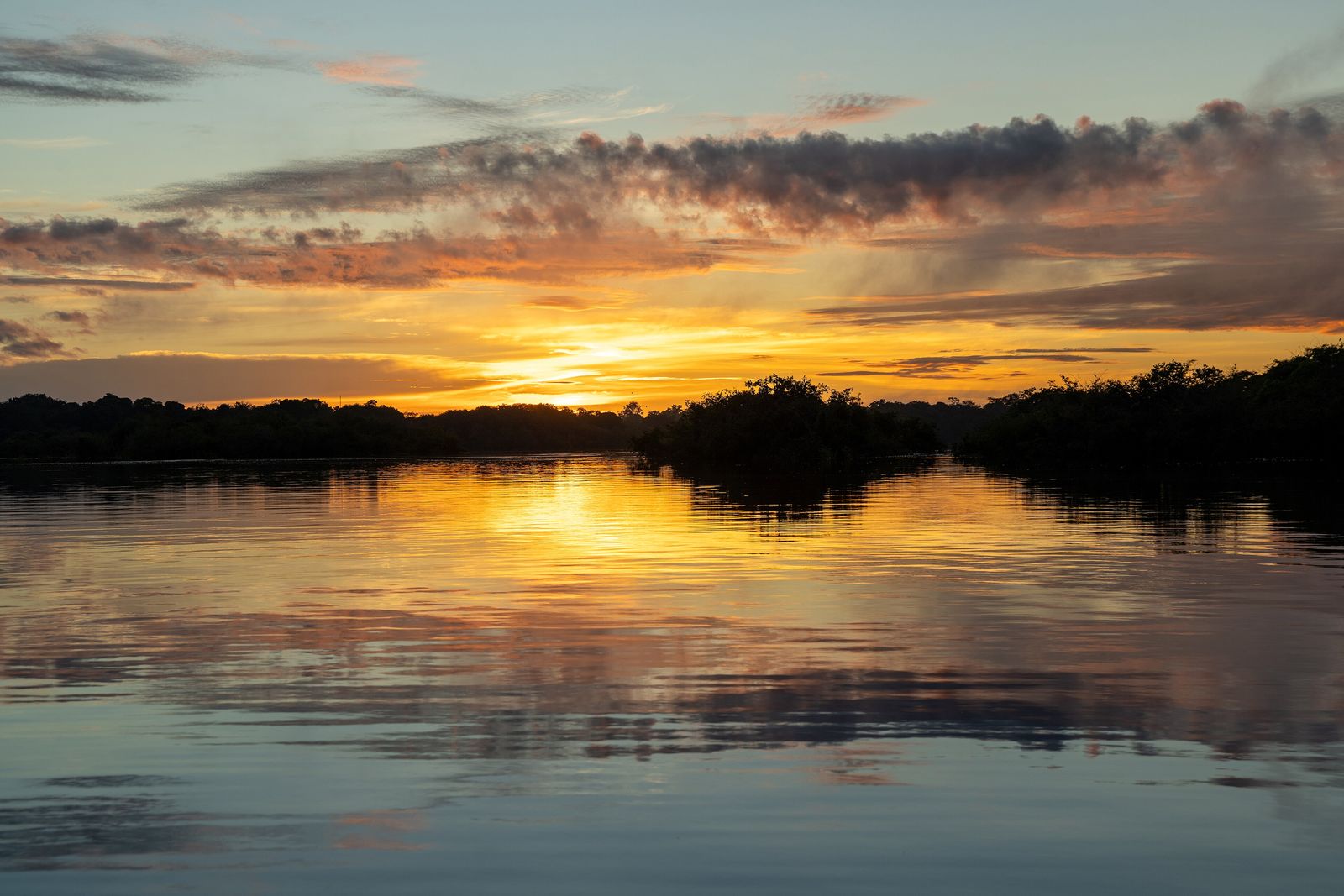
A shorter, closer-to-town option: an evening boat trip on the Rio Negro itself, timed for sunset over the water, often departing from near Ponta Negra. Lower commitment than a full archipelago trip and a good option on an arrival or departure day when a longer excursion doesn't fit the schedule.
Food and practicalities
Manaus eats like the river city it is. Regional Amazonian cuisine leans heavily on freshwater fish — tambaqui and pirarucu both show up constantly, grilled, stewed or as the centerpiece of tacacá, a traditional soup made with jambu leaf, a local green that produces a distinctive tingling, numbing sensation in the mouth worth trying at least once. Tucupi, a fermented manioc sauce, and a wide range of Amazonian fruits unfamiliar outside the region — cupuaçu, açaí in its unsweetened local form, bacuri — round out a food scene that's genuinely regional rather than a generic Brazilian menu with a river view. The Mercado Municipal and the streets around it are the easiest place to try most of this without booking a formal restaurant.
Tap water in Manaus isn't recommended for drinking; stick to bottled or filtered water throughout the trip, including at lodges. Yellow fever vaccination is recommended for travel to Amazonas state, and Brazilian entry points including Manaus airport do check certificates for travelers arriving from certain other countries — get vaccinated at least ten days before you travel if you haven't already, since the protection isn't immediate. Malaria risk exists in parts of the Amazon basin, including areas travelers pass through en route to and around the archipelago; talk to a travel clinic about prophylaxis before you go rather than deciding on the ground. Standard tropical-travel sense applies otherwise — a strong repellent with DEET or picaridin, long sleeves in the evening when insects are most active, and a decent rain layer regardless of season, since even the "dry" months see rain.
Get real travel insurance with medical evacuation coverage before this trip specifically. Manaus has reasonable hospital care for a city its size, but a serious injury or illness in a remote lodge or on the river means a boat and then a road or air transfer back to the city before real treatment is possible — not something you want to be negotiating payment for in the moment.
When to go
The Amazon here runs on a flood cycle rather than a conventional dry-and-wet split, and which season suits you depends on what you actually want to do. Roughly, the river rises from around February or March through July or August — the high-water months — and falls from around July or August back down through February or March, the low-water months. Those two halves of the year produce genuinely different trips.
High water, broadly spanning the first half of the year, is when the flooded-forest canoeing described above becomes possible — you can paddle directly under the canopy into areas that are dry land the rest of the year, and this is the classic image most people have of an Amazon excursion. Low water, broadly the second half of the year, opens up sandbanks and river beaches, including at Ponta Negra in Manaus, and makes forest hiking and trail-based wildlife walks more viable since the ground itself is accessible again rather than submerged. Neither season is objectively better — they're different trips wearing the same destination's name, and it's worth picking based on whether canoeing into flooded forest or walking actual trails and lounging on river sand matters more to you.
Rain falls year-round in the Amazon regardless of season; what changes is the river level, not really the likelihood of a downpour on any given day. Build a flexible itinerary and a decent rain layer into any trip here, whatever month you land.
Honest caveats
This is a genuinely rewarding trip, but a few things are worth knowing before you commit to it.
Manaus is not a jungle town. It's a real, fairly large Brazilian city with real city problems — traffic, heat radiating off pavement, standard urban safety precautions about which neighborhoods to walk at night. If you arrive expecting the rainforest to start at the airport curb, the first day will feel like a letdown; budget mental space for "big Amazonian city" before you get to "actual jungle."
The Ponta Negra dolphin and beach experiences deserve a second look. The wild pink dolphins at Novo Airão have become habituated to humans through regular feeding to keep them coming back to the same dock — a genuinely striking wildlife encounter, but also a textbook example of feeding altering natural animal behavior, and a practice that conservation-minded travelers may reasonably want to skip or approach with a critical eye rather than treating it as an unambiguous highlight. Ponta Negra's beach, similarly, is a seasonal river feature rather than a permanent one — it's widest during low water and can shrink dramatically or vanish under the rising river during the wettest months, so don't build a trip around beach time there without checking the season first.
The road and river transfer to Novo Airão eats a real chunk of a short trip. Three to four hours each way by road, or considerably longer by boat, means a one-night visit to the archipelago is mostly transit with a few hours of actual jungle time squeezed in the middle. If your schedule only allows a single overnight, weigh it honestly against a longer full-day trip from Manaus instead — sometimes the shorter, less romantic option is the better use of limited time.
Connectivity drops off fast once you leave the city. Manaus has ordinary urban mobile coverage; Novo Airão has patchy coverage at best, and most lodges out in the archipelago have limited or no signal and rely on generator power for part of the day. That's the point for a lot of travelers, but confirm it with your accommodation in advance if you need to stay reachable.
Heat and humidity are constant, not seasonal. Manaus sits close to the equator, and both temperature and humidity stay high year-round regardless of which water season you visit in. Pace excursions accordingly, especially anything involving a midday walk on dry ground during low water.
A suggested route
Five to seven days covers this region properly — enough for a real look at Manaus and at least two nights in the archipelago without either half feeling rushed.
- Day 1: arrive in Manaus, settle in, and spend the afternoon at Teatro Amazonas and the Mercado Municipal. Dinner in the historic center.
- Day 2: a morning at MUSA and Bosque da Ciência, then a half-day Meeting of the Waters boat tour in the afternoon.
- Day 3: transfer by road or boat to Novo Airão and check in to a lodge in the Anavilhanas; an afternoon canoe outing or wildlife boat trip once you've settled in.
- Day 4: a full day in the archipelago — canoeing the igapó if the water's high, a forest walk if it's low, and a night excursion after dinner.
- Day 5: a second morning on the water, then transfer back to Manaus in the afternoon; evening free at Ponta Negra.
- Day 6–7 (optional): a slower buffer day in Manaus for anything missed, or an extra night in the archipelago if the wildlife and pace have won you over — most travelers who add a day here wish they'd planned two.
If the Amazon is one stop on a longer South American jungle circuit, it pairs naturally with a trip to the Peruvian Amazon around Iquitos or Puerto Maldonado, or with Colombia's Amazonas region near Leticia — different countries' takes on the same river basin, each with its own access points and lodge culture.
Common questions
Is Manaus worth visiting, or should I go straight to the jungle?
Manaus is worth at least a full day on its own — Teatro Amazonas, the Mercado Municipal, MUSA and the Meeting of the Waters are real, distinctive things to see, not just a layover before the "real" trip. But the Anavilhanas archipelago is where the wilderness experience actually happens, so don't let the city eat your whole itinerary if a jungle stay is the priority.
How do I get from Manaus to the Anavilhanas archipelago?
Most travelers go by road to Novo Airão, about 190 kilometers and three to four hours by car along AM-352, then transfer by boat to a lodge or into the park itself. A slower option is to travel by boat directly up the Rio Negro from Manaus, which some lodges arrange as part of a package.
What's the difference between high water and low water season?
High water, roughly the first half of the year, floods the forest and opens up canoeing directly under the canopy — the classic Amazon image. Low water, roughly the second half of the year, exposes sandbanks and river beaches and makes trail-based hiking easier since more ground is dry. Rain falls year-round either way.
Do I need a yellow fever vaccine to visit Manaus and the Amazon?
It's recommended for travel to Amazonas state, and vaccination should happen at least ten days before you travel. Brazilian entry points, including Manaus's airport, do check certificates for arrivals from certain other countries, so carry proof if you've had the shot.
How many days should I spend in the Anavilhanas itself?
At least two nights if you can manage it. A single overnight or a full-day trip from Manaus is workable if time is tight, but so much of the archipelago's transfer time is fixed — three to four hours each way — that a longer stay dramatically improves the ratio of actual jungle time to travel time.
Is the pink river dolphin encounter at Novo Airão worth doing?
It's a genuinely rare wildlife encounter, but the dolphins there are habituated to humans through regular feeding, which is a real ethical trade-off worth weighing rather than treating as an automatic highlight. If that gives you pause, the archipelago's boat-based dolphin sightings elsewhere offer a less intervened-with alternative.
Where to go from here
Manaus and the Anavilhanas make a genuinely different kind of jungle trip from most of what's covered elsewhere on this site — a real Amazonian city paired with one of the largest river archipelagos on earth, run on a flood cycle rather than a conventional season. For the wider country context and more Brazil-based jungle stays, our Brazil destination page is the place to start, and our roundup of the best jungle Airbnbs in the world is a useful next stop if you're weighing this region against other rainforest destinations. If you're curious why river-and-canopy stays like the lodges around the Anavilhanas have become such a fast-growing category of travel in the first place, our piece on why jungle stays are booming covers the trend behind the trip. And for the full range of vetted stays across every jungle region we cover, browse the complete directory.
- Wikipedia — Anavilhanas National Park — island count, area, seasonal flooding percentage and municipal boundaries.
- Anavilhanas Jungle Lodge — Prepare Your Trip — lodge activities and location details for Novo Airão.
- Rome2Rio — Manaus to Novo Airão — road distance and driving time between Manaus and Novo Airão.
- Lonely Planet — The 9 Best Things to Do in Manaus — Teatro Amazonas, Meeting of the Waters and Ponta Negra background.
- MUSA — Museu da Amazônia (official site) — reserve size, INPA affiliation and observation tower height.
- Lonely Planet — Bosque da Ciência (INPA) — rescued manatee, giant otter and free-roaming wildlife details.
- Rainforest Cruises — Best Time of Year to Visit Manaus — high-water and low-water season timing.
- CDC Yellow Book — Brazil — yellow fever vaccination guidance for Amazonas state travel.
More from the Journal.
 Photo: Vyacheslav Argenberg, CC BY 4.0
Ubud Jungle Guide
Bali's cultural heart is ringed by river gorges and terraced forest. Where to stay in the Ubud jungle, what to do, and how to escape the crowds.
 Photo: Adimelali Bali, CC BY-SA 3.0
Sidemen, Bali: The Quiet Valley Guide
An hour from Ubud and a decade behind it — Sidemen is the rice-terrace valley under Mount Agung where Bali's best bamboo houses hide.
 Photo: Stefan Fussan, CC BY-SA 3.0
Munduk & North Bali Highlands Guide
Bali's cool, waterfall-laced highlands — coffee country, twin lakes and jungle ridges two hours from the beach crowds.
 Photo: Derek Ramsey (Ram-Man), CC BY-SA 4.0
Find your own piece of the canopy.
Treehouses, bamboo houses and rainforest villas across 17 destinations — found, vetted and written up honestly.
Browse all destinations