The Most Wish-Listed Jungle Airbnbs on Earth
Every Airbnb has a little heart icon in the corner, and some jungle stays have been tapped so many times that the number stopped meaning "I might book this someday" and started meaning something closer to a folk landmark — a place people save the way they'd bookmark a photo of the Northern Lights, half-planning a trip and half just wanting proof it exists. This is our list of those: the jungle stays that turned into a single, instantly recognizable image, the ones with a wait list measured in months instead of days, the ones you've almost certainly scrolled past on a friend's phone without knowing the name. We checked every one against its own site or a source we trust before it made the cut.
What "most wish-listed" actually means
Airbnb itself leans hard into this idea. The company periodically publishes its own rundown of the most wish-listed homes on its platform, and when Forbes went through the most recent version state by state, the finding was almost comically consistent: nature wins, and treehouses in particular dominate. Camera-shaped cabins, remodeled silos and steel-house sculptures show up too, but the throughline across nearly all fifty states is a home that puts you inside a landscape rather than beside one. That's the instinct this whole list is built around, narrowed down to the jungle.
A save isn't the same thing as a booking, and it's worth being honest about that distinction before we go further. A listing can rack up wishlist taps because the photography is extraordinary, because a single frame — a window, a bed, a pool edge — is unusually shareable, or because a travel account with a big following posted it once and the algorithm did the rest. None of that guarantees the stay itself lives up to the photo, which is exactly why we didn't just pull a raw "most saved" number and call it a list. Every property below earns its spot two ways: it has some independently verifiable claim to real, outsized popularity — a news write-up, an official "most wish-listed" credit, a Netflix appearance, a matter of public record rather than our guess — and it's also, on its own merits, a genuinely good jungle stay. We left off a few extremely photogenic listings we simply couldn't verify were still real and bookable, because a gorgeous screenshot isn't the same thing as a place you can actually reserve.
What follows is a mix. Most are whole-home rentals you book outright, the kind you'll find throughout our own destination directory. A handful are boutique lodges with multiple rooms or houses and a shared front desk — we've flagged every one of those, because "book the whole architectural fantasy to yourself" and "stay in one room of a small hotel built around the same idea" are different trips, whatever the wishlist count says.
Good to know
Several of these book out six months to a year ahead during peak season, particularly the smaller, single-unit stays in Bali and Hawai'i. If a specific date matters to you — a honeymoon, an anniversary — start watching the calendar the moment you've decided, not the week before you fly.
The window that launched a thousand screenshots
If one single image is responsible for more people discovering that "jungle Airbnb" was a category worth searching for than any other, it's a triangular pane of glass in the hills of East Bali.
Hideout is widely credited as the house that started Bali's bamboo-rental boom, and its own site doesn't undersell it: Hideout has been counted among the most wish-listed homes on Airbnb on earth. The house itself is a two-storey, almost entirely bamboo build beside a small river at the foot of Mount Agung, about ninety minutes from Ubud — open-plan downstairs with a hammock and a real kitchen, a king bed upstairs set behind a triangular window that frames the stream below like a piece of art nobody had to hang. That window is the whole story here. It's the image that got reposted, screenshotted and turned into a thousand imitation window shapes across the island's newer builds, and it did more to sell the entire idea of a jungle stay than any single marketing campaign could have. Most window and door openings have no glass at all, so the river noise, and the odd gecko, comes standard with the room. You'll want a scooter or a driver, since the nearest warung is a ride away, but Sidemen's rice terraces and the Agung water temples make an easy day trip. Rates run $100–170 a night, and it books out months ahead — see more of the island in Bali.
The triangular window of Hideout Bali did more to sell the jungle stay than any marketing campaign ever has. One frame, and you understood the whole idea.
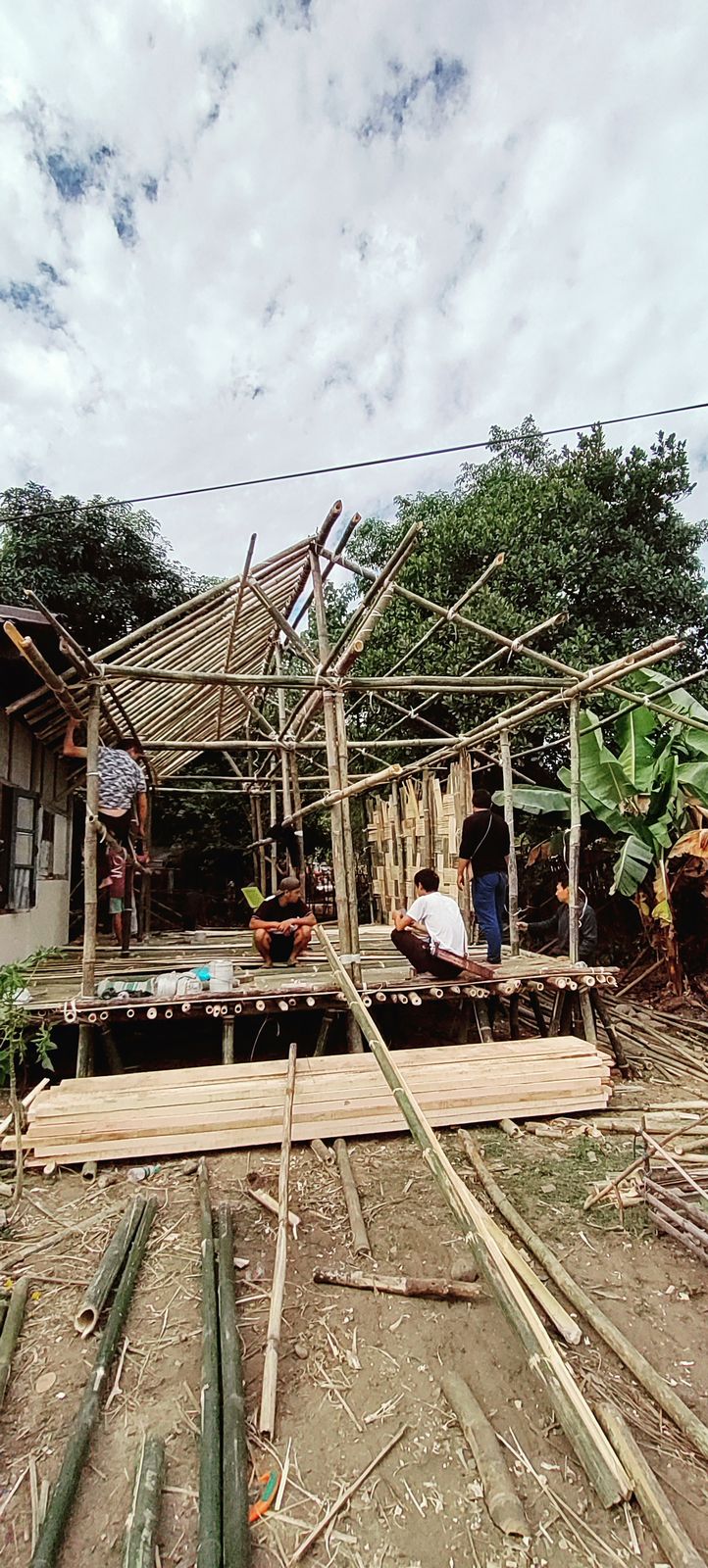
The other window everyone's seen without knowing the name attached to it. Aura House is a two-storey, two-bedroom bamboo shell above the Ayung River in Abiansemal, roughly forty minutes from both Ubud and Canggu, and its entire front elevation opens to the river gorge through a giant, egg-shaped frame — a spiral bamboo staircase and a woven roof do the rest of the architectural talking. It's smaller and far less lived-in than Hideout, and it's honestly better understood as a one- or two-night photo splurge than a base for exploring the island: expect real humidity, insects around the lights at night, and a steep walk down to the house from where you park. At $400–500 a night it's priced like the design statement it is rather than a practical rental, and that's precisely the trade the people who book it are making. See it here.
Hawai'i and Puerto Rico's most-saved treehouses
Neither of these needs a passport from the US mainland, which is likely part of why both racked up the kind of following that gets them named specifically, on the record, as the most wish-listed home in their state.
This one carries the title outright: local news outlet KHON2 reported it as the most wish-listed Airbnb in the entire state of Hawai'i. It stands about fifteen feet up in the ohia and fern jungle of the Puna district, roughly ten miles from Hawai'i Volcanoes National Park, and you reach the main living space by climbing a set of steep stairs and stepping through a trap door in the floor. Underneath hangs a covered, swinging bed where guests reliably lose entire afternoons — it's the single image that shows up in nearly every repost of this place. It's genuinely off-grid: solar panels run the lights, so turn things off when you leave or you'll drain the batteries by evening, and the shower and toilet run on rainwater catchment. The final stretch of road is bumpy red cinder, this is rural lava-zone Puna with no shops nearby, and it rains a lot — which is exactly why everything reads this green in every photo you've seen of it. It books out roughly a year ahead for good dates, so treat the calendar seriously. Full write-up at Dreamy Tropical Tree House, and more of the islands in Hawai'i.
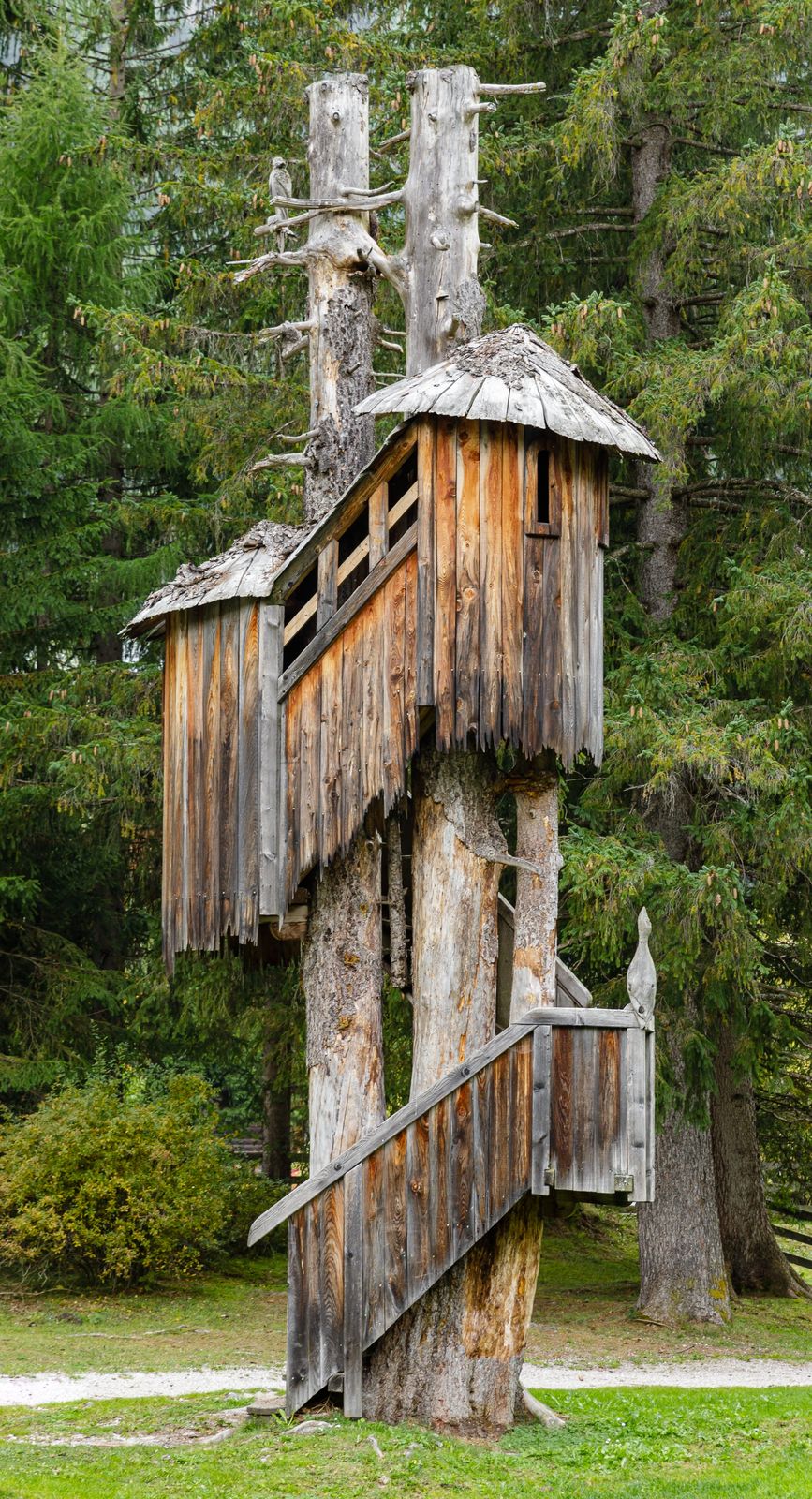
Puerto Rico's answer, and the most famous treehouse stay on the island. This small, two-storey house in the foothills of El Yunque National Forest — the only tropical rainforest in the US national forest system — is built around a living orange-mango tree that grows straight up through the middle of the structure, on a roughly 24-acre property about an hour east of San Juan. It's a tight, clever space rather than a sprawling one: a full bed up a ladder in the loft, skylights throughout, air conditioning and wifi, and a mini-fridge the host keeps stocked with drinks and snacks. The honest caveats matter — the loft ceiling is low, so anyone over about 5'8" will be stooping, and the shower fits one person at a time. None of that has stopped the place from booking out months ahead, so if it's on your list, reserve early rather than hopefully. You're minutes from El Yunque's waterfall trails and about twenty from Luquillo Beach. Full listing at El Yunque View Treehouse, and more of the island in Puerto Rico.
The architecture pilgrimage: Bali's showpiece builds
A different kind of wishlisted stay lives in this next pair — not a single frame that went viral, but a building ambitious enough that mainstream press and a streaming giant both came calling.
Sharma Springs is the cathedral of bamboo architecture: a six-storey, roughly 750-square-metre house cantilevering over the Ayung River gorge, designed by Elora Hardy's IBUKU studio, currently the tallest bamboo structure on the island. This is what happens when a wishlist-worthy design gets covered by outlets that don't normally write about vacation rentals at all — it's appeared on CBS and made the cover of New York magazine, the kind of press a single beautiful listing photo almost never earns on its own. Four en-suite bedrooms, a soaring open living room, a private plunge pool and a separate guest house sit inside a form that spirals and cantilevers in ways that wouldn't stay standing without the jointing methods Colombia's guadua bamboo builders pioneered. It's priced like the small luxury villa it is, and it's as close as most travelers will get to sleeping inside a genuine piece of contemporary architecture rather than a house that merely photographs well.
The Instagram darling of the whole East Bali bamboo scene, and the property that got the Netflix treatment when the streaming service featured it on World's Most Amazing Vacation Rentals. Camaya is a small hillside cluster of handmade bamboo houses near Selat, and Suboya is the two-bedroom flagship: a curved bamboo shell with a hanging net suspended over the living space, built to be lounged in with a view of rice terraces dropping toward Mount Agung. There's a pool, real bathrooms, and staff who cook breakfast and arrange drivers, which softens what is otherwise a genuinely rural stay — nothing here is walkable, and phone signal is patchy in spots. Sunrise from the net, coffee in hand, is the entire point of booking this one, and it's the image that made the rounds long before most viewers knew the property's name. At $290–520 a night it's the splurge version of East Bali's bamboo scene — see the full listing.
Tulum's surreal wave
No single property did more to make "jungle stay" a design-world talking point outside Bali than this one, and it did it by refusing almost every comfort a normal luxury hotel promises.
Azulik is forty-some hand-built villas rising through the jungle canopy above Tulum's Caribbean coast, made of bent wood and vine, deliberately without televisions, air conditioning or, in some villas, electricity after dark beyond candlelight. It's the most polarizing entry on this entire list for exactly that reason: Azulik sells discomfort as the luxury, and it either clicks with you the moment you see the photos or it doesn't at all — there's very little middle ground, which is a large part of why it's been shared and argued about online as much as any resort on earth. The treetop Kin Toh restaurant, a wood "nest" suspended over the canopy, is the single most photographed feature of the whole complex and worth the visit even if you're not staying overnight. It's a lodge, not a private rental, so expect resort staffing and other guests around rather than total solitude — see more of the area in the Tulum jungle.
Good to know
A "no electricity, no wifi" listing description is not marketing exaggeration at properties like Azulik and Sri Lanka's Ark Villa below. If you genuinely need to stay reachable, ask the property directly what connectivity actually exists on-site before you book, rather than assuming a generator and a router are quietly available.
The treehouse communities people write essays about
These three are less about one perfect frame and more about a whole model of jungle living that keeps getting rediscovered by a new wave of travel writers and vloggers, which is its own, slower kind of viral.
Finca Bellavista is one of the most written-about treehouse experiences on earth, and for good reason — it's a genuine treehouse village spread across roughly 600 acres of primary and secondary rainforest, with individual treehouses linked by aerial walkways and ziplines rather than roads. It's not one property to rent but a community of privately owned treehouses, many of which are available to book, alongside shared amenities: zipline tours, yoga, movie nights, food and beverage service and full property management on site. That structure is worth understanding before you go — you're staying inside a small, treetop neighborhood with other guests and residents around, which is exactly the kind of thing that makes a good magazine feature or a long YouTube walkthrough, and exactly why so much of the "treehouse community" idea other resorts have since copied traces back to this one property. See more of the country in Costa Rica.
The stay that goes viral for its entrance, not just its view. The treehouse at Tanimboca sits about twelve metres up in the canopy outside Leticia, in Colombia's slice of Amazonas near the Brazilian and Peruvian borders — and you don't climb a staircase to reach it, you go up by zipline and rope system, which is either the best or worst part of the trip depending on how you feel about heights, and exactly the kind of first-person clip that reliably gets clipped and reshared. There's a shower, a toilet and bunk beds once you're up there, but the reserve enforces a strict one-night limit in the treehouse itself; they want the platform free for the next guest, and frankly one night up a rope is plenty for most people. Bring cash — that's genuinely all they take — and arrive well before dusk. Around the treehouse stay, the reserve runs canopy tours, kayaking and night hikes worth building a day or two around. See more of the country in Colombia.
This is the one every other Amazon treehouse is quietly competing with, and the reason is a National Geographic credit few properties can claim: Treehouse Lodge has been listed among the world's unusual hotels by the magazine, which is the kind of praise every property claims and almost none actually earned. Twelve individual treehouses stand on stilts anywhere from about 35 to 75 feet above the forest floor on the Yarapa River, out past Iquitos toward the Pacaya-Samiria Reserve, one of the most biodiverse stretches of the Amazon basin. Getting there is a genuine commitment — fly into Iquitos, a city with no roads connecting it to the rest of Peru, then a transfer mixing a drive with a couple of hours by boat — and it's sold as an all-inclusive, three-day package rather than a nightly rate, covering meals, transfers and guided excursions for piranha fishing, canopy walks and pink river dolphin spotting. The trade-off: you commit to the package, the schedule and the price before you ever see the canopy. It's already in our directory — read the full write-up, or browse the rest of Peru.
Costa Rica's group-sized virals
Most wish-listed stays are built for two. These two broke that pattern, which is part of why they get saved by families and friend groups planning a trip together rather than a couple planning a honeymoon.
The Osa Peninsula is the wildest corner of Costa Rica — National Geographic called it the most biologically intense place on earth, and for once that line isn't just marketing — and this three-level, treehouse-style home sits on its own 200-plus-acre private rainforest reserve just north of Puerto Jiménez, the gateway town for Corcovado National Park. Five bedrooms spread across the levels sleep a group of eight, genuinely rare for a treehouse-style stay; most on this list max out at two or three. There's a pool, a full kitchen and ocean views out over the Golfo Dulce, along with a wildlife list that reads like a checklist for the whole park: titi monkeys, sloths, scarlet macaws, and the chance of a tapir or an ocelot if you're patient and quiet. It's a real drive to get here and the roads inland from Puerto Jiménez are rough, so budget extra time and a vehicle that can handle it. Full listing at Corcovado Treehouse.
The big, famous one on the hill above Dominical: a two-storey, open-plan treehouse looking straight down the coastline at the surf break below. You drive in through a gated neighborhood and climb a steep road to reach it, so plan on a real 4x4 rather than a rental sedan. Once you're in, the setting does the work — capuchins and howlers move through the trees around the deck, sloths turn up on the property with some regularity, and in whale season you can spot humpbacks offshore without leaving the house. There's a full kitchen, air conditioning in the sleeping areas, a pool and a couple of extra platforms scattered across the land, including a birdcage-style lookout and a sunset yoga deck. It sleeps up to eight across two bedrooms, another rare group-sized option on a list otherwise dominated by couples' stays. See it at Dominical Adventure Treehouse, or browse more of Costa Rica.
Sri Lanka and the ones going viral right now
These two are newer to the wishlist conversation than Bali's originals, which makes them worth watching — the kind of stay that shows up on a design blog this year and a "most wish-listed" roundup in a couple more.
The grown-up version of the "single dramatic frame" idea: a contemporary three-bedroom villa raised over a forty-acre estate of rubber, cinnamon and jungle near Mathugama, in the foothills of the Sinharaja rainforest. Because it's booked privately, one group at a time, the whole property is yours for the stay — valley and hill views, and an infinity pool that hangs out over the green, the exact shot that made the Ark's own site and every reshare of it. The deliberate omission is the actual selling point: no TV, no wifi, on purpose, so the entertainment is the view, the pool and whatever the estate sends past the deck. It sleeps six across three bedrooms, a natural fit for a family or two couples who genuinely want to disappear together rather than share a property with strangers. This is the closest thing on our whole list to a design-magazine treehouse that you can actually book as a normal traveler, and it's the reason to add Sri Lanka to a shortlist that usually stops at Bali and Costa Rica.
Veluvana is a small row of animal-shaped bamboo houses on the edge of Sidemen, and the Owl is the one everyone photographs: a swooping two-level build with a roofline like folded wings. Inside is one open-plan bedroom, two bathrooms despite the compact footprint, and a private plunge pool stepping straight off the deck into paddy-field views with the volcano behind. Breakfast is included, and Sidemen itself — an hour from Ubud's traffic, with weaving workshops in the village and salak farms up the road — is worth building a slow day around. It's built for two, the open design means insects are part of the deal, and evenings get cool enough to want a layer. Rates float between $150 and $280 a night — full details here.
What actually makes a stay wish-list-worthy
Once you've looked at enough of these, a few things separate the stays people genuinely can't stop saving from the ones that just have decent photography.
One frame does the selling, not the whole property
Almost every stay above is remembered for a single detail: Hideout's triangular window, Aura House's egg-shaped opening, Dreamy Tropical's swinging bed underneath the floor, Sharma Springs' spiralling six storeys. Nobody wishlists a house for its overall competence. They wishlist it for the one moment a photographer or a past guest captured that makes the whole idea click in about half a second of scrolling. If you're chasing this kind of stay yourself, look for the listing with one unmistakable image rather than twenty perfectly fine ones.
A credible, checkable claim beats a vague "viral" rumor
Notice how many of the stays above have an actual, sourceable credit attached — Hideout's own site claiming a top wish-listed ranking, KHON2's reporting naming Dreamy Tropical the most wish-listed home in Hawai'i, a Netflix episode, a National Geographic mention, a magazine cover. That's deliberate on our end: "people say this is popular" is nearly impossible to verify and easy to fake with a few coordinated posts, while a named outlet or an official platform credit is not. Treat the difference the same way when you're researching a stay yourself.
Genuine popularity comes with genuine trade-offs
Every property on this list that's earned real, sustained demand also comes with a real cost attached to that popularity: booking a year out for Dreamy Tropical, no electricity after dark at Azulik, a one-night cap at Tanimboca so the next guest gets a turn. That's not a coincidence. A stay that's easy to get into on short notice, at a normal price, in peak season, generally isn't actually in this kind of demand — however good its photos look.
Common questions
Is a "most wish-listed" home the same as the best jungle Airbnb?
Not necessarily, and it's worth separating the two ideas. This list is specifically about stays with a real, outsized following — a save count, a press credit, a viral image. For a ranking built purely on architecture, setting and honest quality regardless of how famous a place is, see our wider best jungle Airbnbs in the world guide, which overlaps with this one in places but isn't the same list.
Do I need to book these far in advance?
For the most talked-about ones, yes. Dreamy Tropical Tree House in Hawai'i and Hideout Bali both routinely book out months ahead, and if you have specific dates in mind — a birthday, an anniversary, a school holiday window — start looking as early as you can. The boutique lodges, like Finca Bellavista or Treehouse Lodge, generally have more capacity and are easier to get into on shorter notice.
Why do so many of these have a signature window or single feature?
Because a listing photo is competing for attention in a feed of thousands of other listing photos, and a single unmistakable shape — a triangle, an egg, a swinging bed — reads instantly in a way a wide shot of "a nice house in the jungle" never will. It's the same reason a good building silhouette works from a mile away and a mediocre one doesn't; the properties on this list mostly figured that out before it became a deliberate design strategy elsewhere.
Are these more expensive because they're popular?
Sometimes, but not always. This list runs from around $100 a night at Hideout Bali and Veluvana's Owl House up to genuine luxury pricing at Sharma Springs and the Ark Villa, with Tanimboca's zipline-access platform in Colombia staying startlingly cheap despite its fame. Popularity tracks more closely with a strong single image than with price.
What should I check before booking a stay I've only seen on social media?
Go to the property's own site or booking page directly rather than trusting a reshared photo or caption, confirm it's still operating and currently bookable, and read a few recent reviews for anything the marketing photos wouldn't show — road conditions, insect exposure, how far the nearest real meal actually is. Every stay on this page passed that check before it made the list; do the same before you commit to a flight.
Can I combine several of these on one trip?
Realistically, only within a region. Costa Rica alone has two stays on this list within a few hours of each other, and East Bali has four within about ninety minutes of Ubud, so a focused regional trip is entirely doable. Combining, say, Puerto Rico with Sri Lanka in a single itinerary is a very long way to travel for two stays.
The pattern, and where to go from here
Look back across all fourteen of these and the same shape keeps showing up: a place doesn't get wish-listed for being generally excellent, it gets wish-listed for being unmistakable. One window, one bed, one staircase, one entrance by zipline — something a friend can describe to you in a single sentence and you already know exactly which photo they mean. That's a genuinely different thing from a "best of" ranking built on overall quality, and it's worth keeping both ideas in your head when you're planning your own trip: the stay you save first isn't always the one you'll love most once you're actually there.
If this list has you planning rather than just scrolling, a few places to go next. For a ranking built purely on architecture and setting rather than fame, see the best jungle Airbnbs in the world. If it was specifically the treehouses that caught your eye, we've ranked those in full in the best treehouse Airbnbs in the world, and if it was the bamboo architecture, the best bamboo houses in the world covers that ground on its own. For the very top of the luxury market, several names above reappear in the best luxury jungle villas in the world, and if you're curious why this whole category has exploded the way it has, we dug into that separately in why jungle stays are booming. Otherwise, start with the full directory and go find the one that's actually yours — wishlisted or not.
- Airbnb Newsroom — most wish-listed homes across the 50 states — the general "wish-listed" trend and how nature-immersed stays dominate it.
- Forbes — Top 50 Airbnb Dream Homes — context on treehouses and cabins leading the most wish-listed rankings.
- Hideout Bali — official site — the property's own most wish-listed credit and triangular window design.
- KHON2 — the most wish-listed Airbnb in Hawai'i — reporting naming Dreamy Tropical Tree House the top wish-listed stay in the state.
- IBUKU — Sharma Springs — architecture, floor count and design credit for Sharma Springs.
- Finca Bellavista — official site — treehouse community structure, acreage and shared amenities.
- Reserva Natural Tanimboca — official site — canopy treehouse access, cash-only policy and one-night stay limit.
- Treehouse Lodge, Peru — official site — location, treehouse count and National Geographic recognition.
- Azulik — official site — architecture, amenities and the Kin Toh treetop restaurant.
- The Ark, Sri Lanka — official site — villa layout, estate size and whole-property booking model.
More from the Journal.
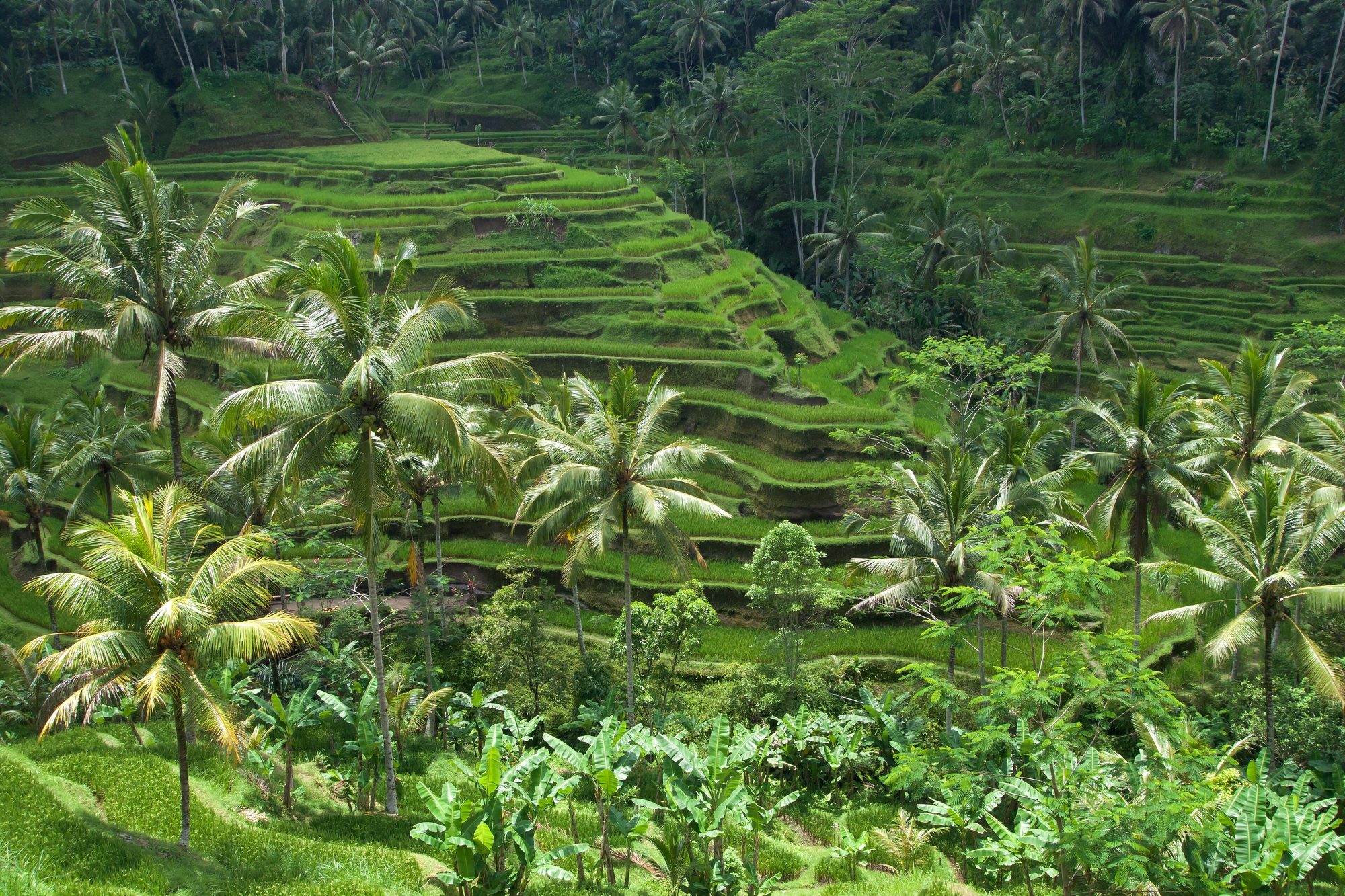 Photo: Vyacheslav Argenberg, CC BY 4.0
The Best Jungle Airbnbs in the World
Our honest, unpaid ranking of the jungle stays that changed what a night in the forest can be — from Bali's bamboo masterpieces to the floating bungalows of Thailand.
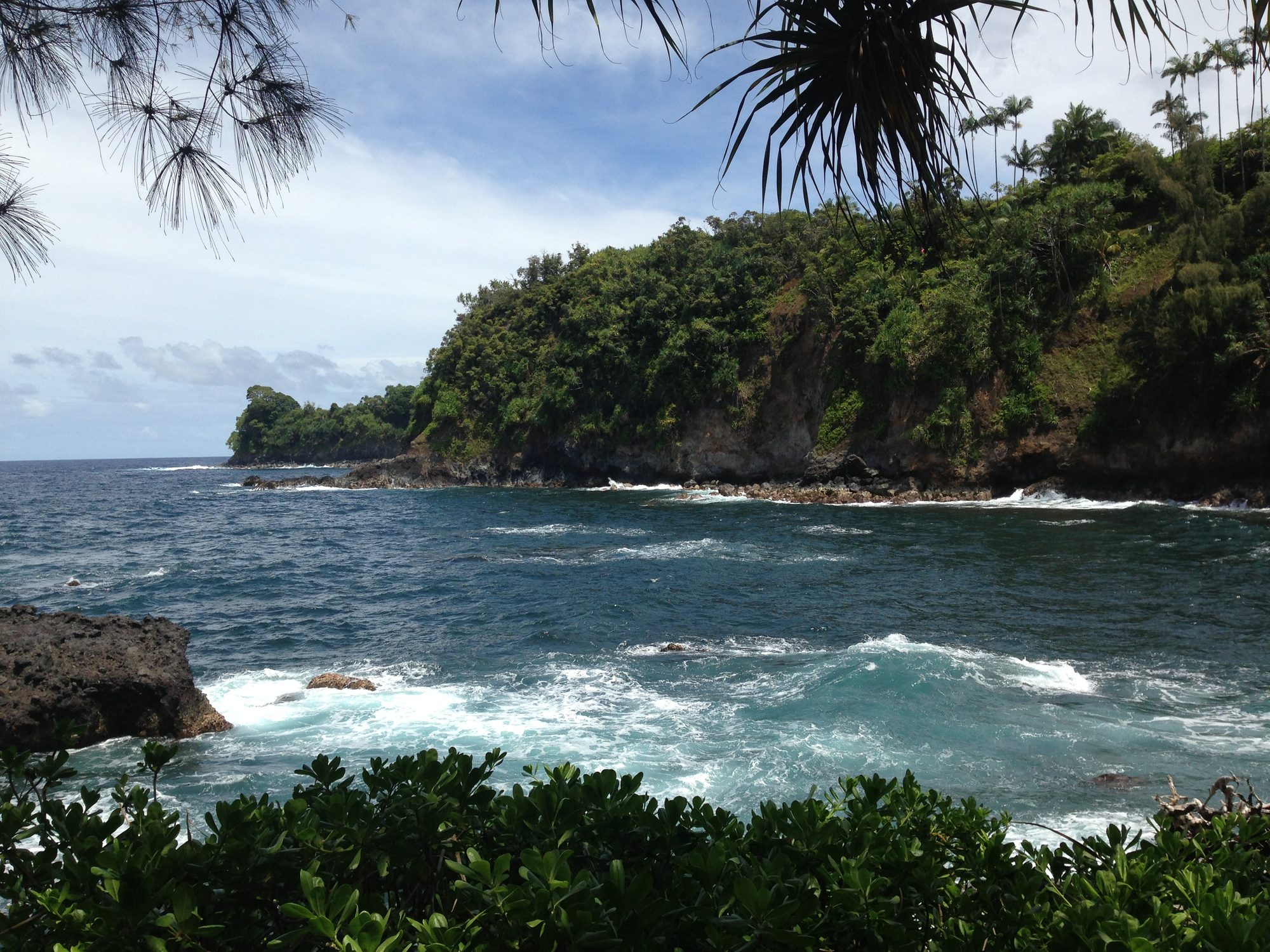 Photo: AlaskaDave, CC BY-SA 3.0
The Best Jungle Airbnbs in the USA
Real rainforest, no passport required — the best treehouses and bamboo houses across Hawai‘i, Puerto Rico and Florida.
 Photo: Bernard DUPONT from FRANCE, CC BY-SA 2.0
The Best Treehouse Airbnbs in the World
Our honest ranking of the treehouses worth crossing an ocean for — from canopy platforms in the Amazon to stilted glass boxes above the rainforest floor.
 Photo: Derek Ramsey (Ram-Man), CC BY-SA 4.0
Find your own piece of the canopy.
Treehouses, bamboo houses and rainforest villas across 17 destinations — found, vetted and written up honestly.
Browse all destinations