Iquitos & the Peruvian Amazon Guide
Iquitos holds a title that sounds like a trivia answer until you actually try to drive there: it's the largest city on earth with no road connection to the outside world. Half a million people live in this Peruvian Amazon port, and every one of them arrived, and every visitor still arrives, by plane or by boat. That isolation is the whole story of the place — it's why the city still wears the ornate, slightly worn grandeur of a rubber-boom fortune built a hundred years ago, and why it functions today as the real gateway to the deep Amazon rather than a themed approximation of one. This is a working guide to getting to Iquitos, spending a few honest days in the city itself, and using it as a launch point for the reserves, rivers and lodges that make the rest of the trip worth the trouble of getting there.
What Iquitos is, and why it looks the way it does
Iquitos sits in Peru's Loreto region, on the west bank of the Amazon River, deep enough into the northeastern lowlands that no highway has ever reached it and, realistically, none ever will. That single fact shapes almost everything about the city. There's no truck route in for building materials, no easy road corridor for the kind of sprawl that eats into forest around most tropical cities. Everything that isn't grown or built locally comes in by plane or by river boat, which keeps prices for imported goods higher than you'd expect and keeps the city's edges pressed up against genuine rainforest rather than decades of low-density suburb.
The city's look and feel come almost entirely from one boom-and-bust cycle: rubber. In the late 1800s and early 1900s, the Amazon basin's wild rubber trees made a handful of barons in Iquitos and Manaus, across the border in Brazil, extraordinarily wealthy, and they spent that money on European taste dropped into the jungle. Grand houses along the waterfront were faced with imported Portuguese and Spanish tiles, shipped upriver at enormous cost simply to prove it could be done. The most-photographed relic of that era is the Casa de Fierro, the Iron House on the Plaza de Armas — a prefabricated cast-iron building reportedly linked to Gustave Eiffel's workshop in Paris, disassembled, shipped across the Atlantic and up the Amazon, and bolted back together in the middle of the jungle. When the rubber market collapsed after Southeast Asian plantations undercut wild Amazon rubber in the early twentieth century, Iquitos's boom ended almost overnight, but the buildings stayed, and they're the reason the city center still looks like nowhere else in the Peruvian Amazon.
Today the city runs on a different economy — regional trade, oil and gas logistics, fishing, and a tourism industry built almost entirely around one resource: the fact that Iquitos sits closer to genuinely wild, accessible rainforest than almost any other city in South America. A short flight from Lima drops you into a place where you can be in a jungle lodge, on a blackwater river, or standing in a reserve larger than some countries, within a few hours of landing. That combination — real urban infrastructure a short hop from real wilderness — is what makes Iquitos different from smaller river towns elsewhere in the Peruvian Amazon or in neighboring Colombia's Amazon region.
Getting there
There are exactly two ways into Iquitos, and one of them is dramatically slower than the other. Neither involves a car for the final stretch, no matter how you start the trip.
By air
Flying is how the overwhelming majority of visitors arrive, and for good reason: it's roughly a two-hour flight from Lima's Jorge Chávez International Airport to Iquitos's Coronel FAP Francisco Secada Vignetta International Airport, with multiple daily departures on Peru's main domestic carriers, LATAM and Star Perú. There's a smaller, seasonal option too — a direct Cusco-to-Iquitos route runs a few times a week roughly from July through November, useful if you're linking an Amazon add-on to a Machu Picchu trip without routing back through Lima. There are no scheduled international flights directly into Iquitos, so every foreign visitor connects through Lima at least once.
By river
The slower, far more Amazonian way in is by boat — specifically by lancha, the two- and three-deck cargo boats that haul goods and passengers up and down the river network, with most travelers sleeping in a hammock strung on the open deck alongside locals rather than in a cabin. The main departure points are Yurimaguas, which connects by road to Tarapoto and the rest of coastal Peru and is the most common jumping-off point, along with Pucallpa, Contamana, Requena and Caballococha. Depending on the route and the boat, the trip runs anywhere from under a day to the better part of a week. It's cheap, slow, occasionally uncomfortable, and about as direct an introduction to how this part of the Amazon actually moves people and cargo as you'll get anywhere in the region.
Good to know
Iquitos does have one paved road, and it goes nowhere near the rest of Peru — it runs about 100 kilometers south to the smaller river town of Nauta, near the point where the Marañón and Ucayali rivers meet to form what's charted as the Amazon proper. It's the region's only real highway, and it's also the standard overland route to reach boat launches for Pacaya-Samiria.
The city itself
Iquitos rewards at least a day of just walking it before heading into the forest, and the obvious spine for that walk is the Malecón Tarapacá, the riverside boardwalk that runs along the Amazon's edge through the old rubber-boom district. It's the place to watch the river's genuinely startling width and traffic — cargo boats, water taxis, motorized canoes — and it's lined with the tiled mansions the rubber barons left behind, several now restaurants, hotels or municipal buildings rather than private homes.
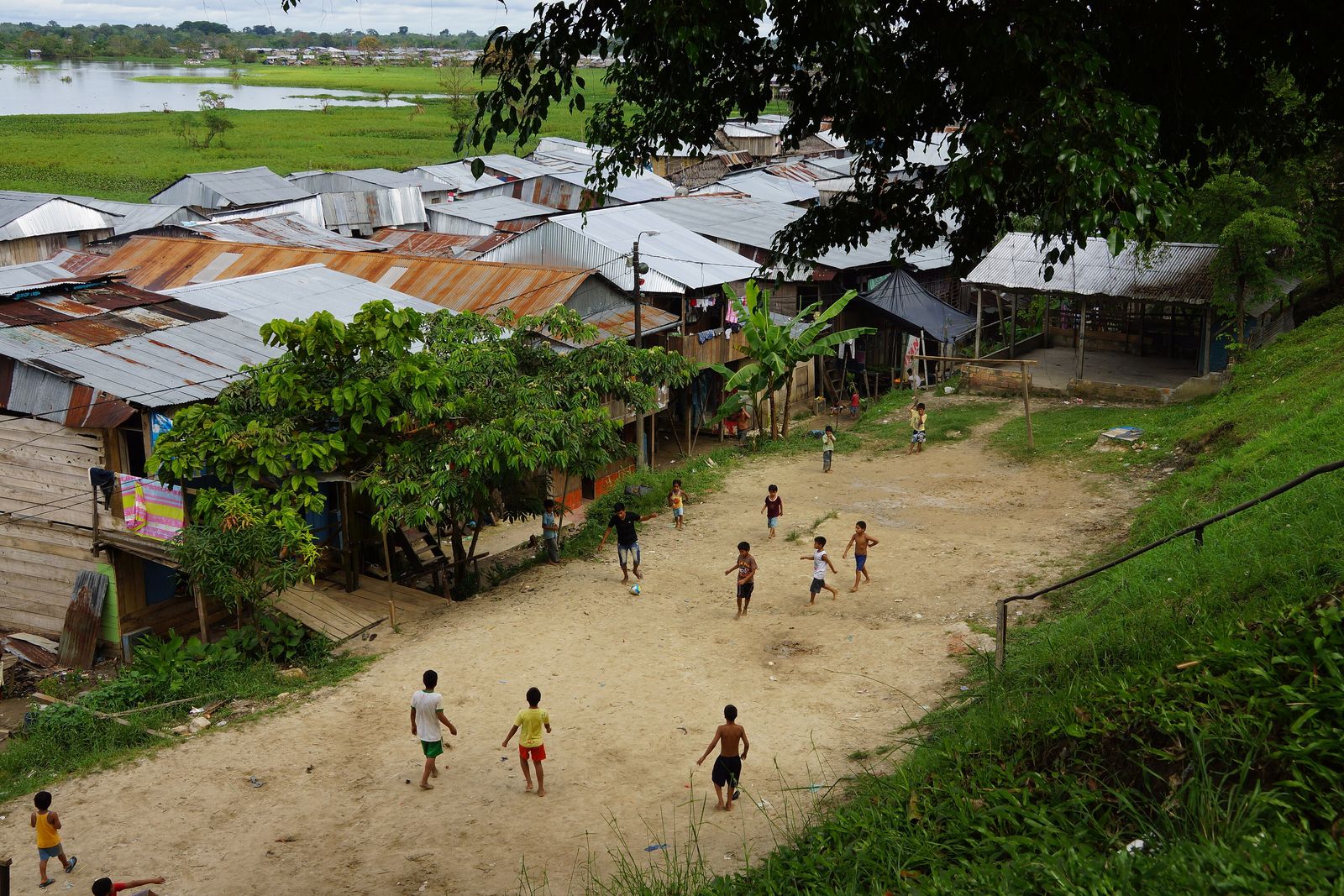
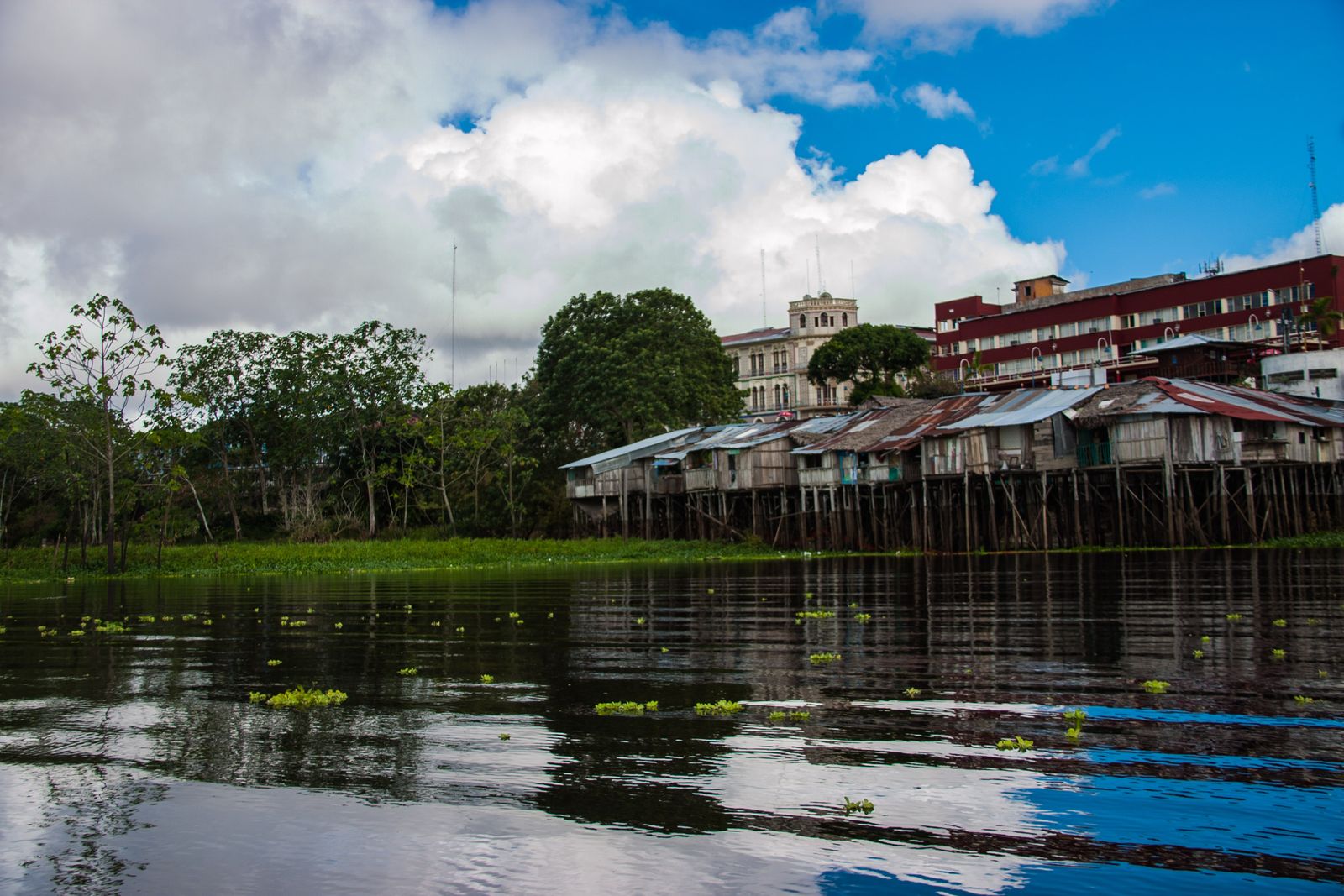
A few blocks in, the Plaza de Armas holds the Iron House alongside the city's cathedral, and it's worth a slow pass in the evening when the square fills with locals rather than tour groups. From there, most visitors make their way down to Belén, the neighborhood that's become Iquitos's signature sight for reasons that are equal parts practical and unsettling: much of it is built on stilts and rafts that rise and fall with the river's seasonal level, floating for most of the year and sitting on exposed mud during the driest months. Tens of thousands of people live in Belén, and its market is one of the most complete windows anywhere in the Amazon into what the forest and river actually produce — bushmeat and fish stalls, medicinal bark and root vendors, fruit nobody outside the region has a name for. The market is at its most alive around 7am, when boats arrive from upriver communities to sell the morning's catch and harvest, and it's genuinely easy to get turned around in the narrow lanes, so going with a local guide rather than wandering in solo is the standard, sensible advice from operators and residents alike.
Where to stay: city or jungle lodge
The first real decision on an Iquitos trip isn't which sight to see, it's where to sleep, because "Iquitos" as a destination actually splits into two genuinely different bases. Staying in the city puts you within walking distance of the Malecón, Belén and the Plaza de Armas, with the widest range of restaurants and the easiest logistics for day tours that head out and back in an afternoon — Monkey Island, the butterfly farm, a Nanay River sunset trip. It's also the only sensible base if your schedule is tight or you're arriving late and leaving early.
The alternative, and the one most seasoned Amazon travelers actually recommend if you have more than a couple of days, is basing yourself at a jungle lodge outside the city entirely — anywhere from forty-five minutes to several hours downriver or up a tributary, depending on how remote you want to go. Lodges built along the Napo, the Yanayacu, the Tahuayo and the Marañón put you asleep inside the forest rather than a short drive from it, with night walks, dawn birding and canoe trips built into the stay rather than bolted on as a day excursion. For a shortlist of vetted stays across the wider region, see our Peru destination page, or the full directory if you're still weighing the Peruvian Amazon against Brazil's or Colombia's stretch of the same forest.
Pacaya-Samiria, the reserve that makes the trip
If there's one reason to fly all the way to Iquitos rather than book a jungle lodge somewhere more convenient, it's the Pacaya-Samiria National Reserve. At roughly 2.08 million hectares — a little over 20,000 square kilometers — it's the largest protected area in Peru and the second-largest ecological reserve in the entire Amazon basin, behind only Brazil's Grão-Pará Ecological Station. The reserve sits in the flooded lowlands between the Marañón and Ucayali rivers south of Iquitos, and most of it floods seasonally, which is exactly why it holds the wildlife density it does: this is a genuine flooded-forest ecosystem, not a patch of dry-ground rainforest with a river running through it.
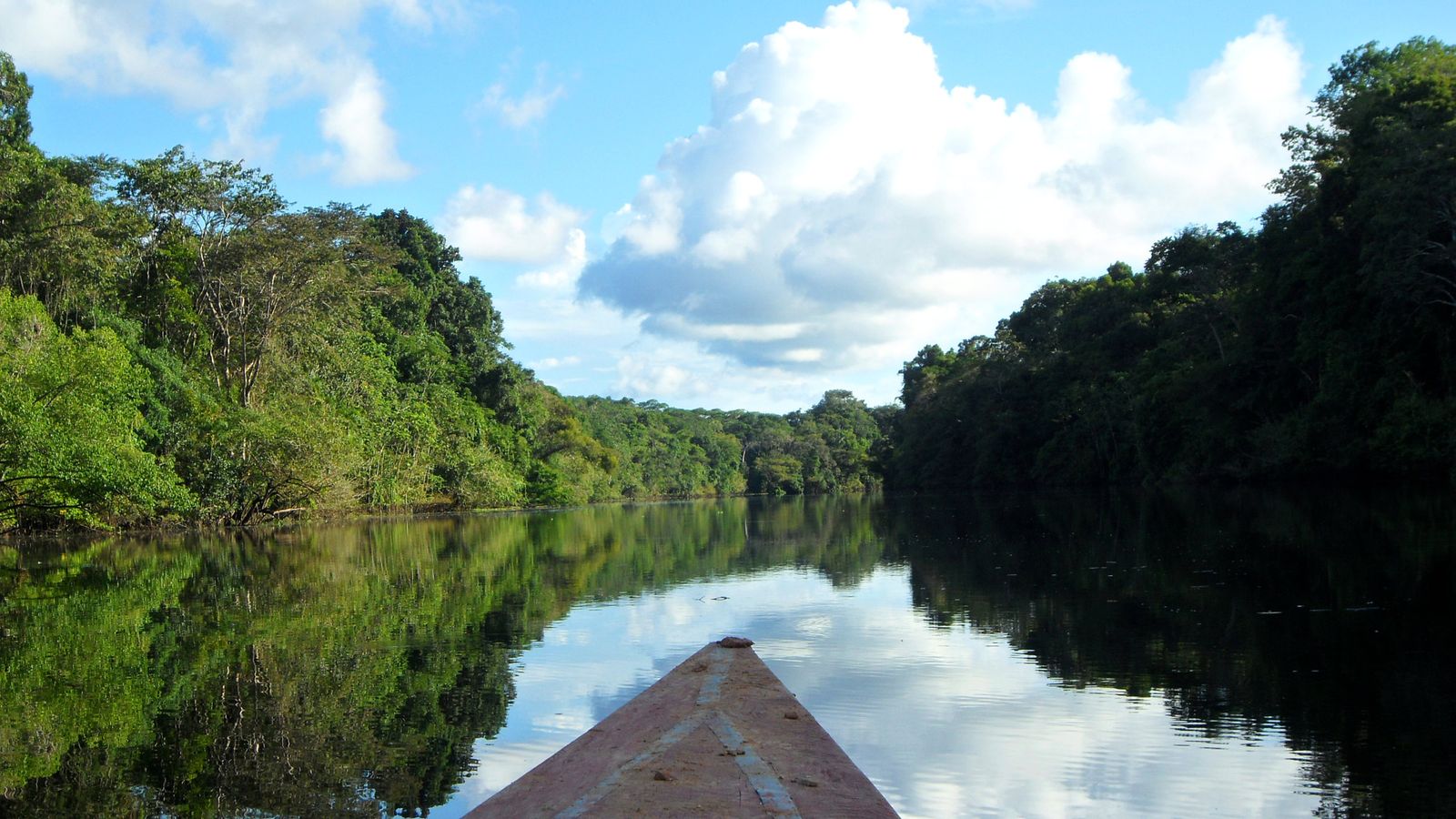
Access starts by road or boat to Nauta, then by river into the reserve itself, and the standard way to see it properly is a multi-day trip — three to five days is typical — sleeping aboard a riverboat or at a lodge in the reserve's buffer zone and pushing into the interior by smaller skiff each day. The Pacaya Samiria Amazon Lodge, on the left bank of the Marañón roughly 120 kilometers southwest of Iquitos, is one of the established operators running trips into the reserve, offering guided hikes, canoe rides, fishing and a canopy walkway on the lodge grounds itself alongside the deeper reserve excursions.
Pacaya-Samiria isn't a park you visit for an afternoon — it's a flooded forest the size of a small country, and the only way to actually see it is to commit a few days to moving through it by boat, the way everyone who lives along its edges already does.
The closer reserves and day trips
Not every worthwhile stop near Iquitos requires a multi-day commitment. A handful of sites sit close enough to the city for a half-day or full-day trip, and they're worth building into an itinerary even if Pacaya-Samiria or a remote lodge is the main event.
Allpahuayo-Mishana National Reserve
About 25 kilometers along the Iquitos-Nauta road, this reserve protects an unusual habitat for the region: varillales, forest growing on white, nutrient-poor sandy soil rather than the richer floodplain mud most of the Amazon sits on. That soil difference produces a genuinely distinct plant and animal community, including species found nowhere else, and the reserve is known among birders and mammal researchers for holding one of the highest recorded diversities of small mammals anywhere in the world.
Tamshiyacu-Tahuayo Regional Conservation Area
Established in 1991 along the Tahuayo River southeast of the city, this reserve is home to Amazonia Expeditions' Tahuayo Lodge and is regularly cited by researchers and guides as one of the more biodiverse patches of accessible rainforest in the region, with strong numbers of primates and a real chance at spotting some of the Amazon's less commonly seen mammals.
Monkey Island and Pilpintuwasi
Isla de los Monos, a roughly 450-hectare island donated by the Peruvian government in 1997, functions as a sanctuary for monkeys rescued from the illegal pet trade — orphans of poached mothers and animals confiscated from captivity, many being rehabilitated with an eye toward eventual release. It's a straightforward half-day boat trip from Iquitos and a good option with kids or anyone who wants guaranteed, close primate sightings without a multi-day reserve trip. Not far away, on the blackwater Nanay River near the village of Padre Cocha, the Pilpintuwasi Butterfly Farm combines a working butterfly breeding operation with a small rescue center for other Amazon animals — a low-key, worthwhile stop that pairs naturally with Monkey Island on the same outing.
Quistococha
A recreational lake and park just south of the city, popular with Iquitos families on weekends, with a small zoo and an aquarium built around native Amazon fish, including paiche — worth a look even if you plan to eat the same fish later that night.
Good to know
During the driest months, the blackwater Nanay River, which meets the Amazon right at Iquitos, exposes wide stretches of white sand that locals treat as river beaches — a genuinely popular, low-effort way to spend an afternoon on the water without booking a formal tour.
Into the canopy: walkways, wildlife and going deeper
Seeing the Amazon from the ground is one experience; seeing it from the canopy is another entirely, and the region around Iquitos has one of the most established canopy access points in South America. Built in the 1990s by Explorama Lodges in partnership with the Amazon Conservatory for Tropical Studies, the canopy walkway near ExplorNapo Lodge on the Sucusari River, a tributary of the Napo, is one of the longest suspended canopy walkways in the world — a string of platforms and bridges strung between towering canopy trees that puts visitors at the same height as the epiphytes, birds and monkeys that spend their whole lives up there rather than at the forest floor. Reaching it is itself part of the trip: several hours downriver from Iquitos by boat, deep enough into the Napo drainage that the forest around the lodge is noticeably less disturbed than anything within day-trip range of the city.
Closer to Iquitos, lodges like Muyuna, on the blackwater Yanayacu River roughly two hours out, and the lodges built around the Tahuayo and Marañón systems each run their own guided canoe trips and night walks rather than relying on a fixed structure like the ExplorNapo walkway, and the wildlife math is straightforward: the farther you get from Iquitos and its surrounding settlements, the better the odds on primates, larger birds and nocturnal mammals. What doesn't change much with distance is the river itself — both pink river dolphins, known locally as botos, and smaller gray river dolphins, or tucuxi, work these waters throughout the region, and spotting one or both on a sunset boat trip is one of the more reliable wildlife moments near Iquitos, no multi-day lodge stay required.
Food and practicalities
Loreto's regional cooking is distinct enough from the rest of Peru that it's worth treating as its own reason to visit. Juanes — rice studded with chicken and egg, wrapped and steamed in a bijao leaf — are the dish most associated with the region and turn up everywhere from market stalls to sit-down restaurants. Paiche, one of the largest freshwater fish in the world and once seriously overfished across the basin, now appears widely on Iquitos menus thanks to managed farming and community fishing programs, usually grilled or fried and worth ordering at least once. Local fruit juices built around camu camu and aguaje, both native Amazon fruits with a tartness and color you won't find outside the region, are the easiest way to taste the forest without a tour booked.
Currency is the Peruvian sol, and while Iquitos has ATMs and card acceptance at established hotels and restaurants, cash is still the norm at markets and smaller operators, and it thins out fast once you're at a lodge outside the city. Health preparation matters more here than in most jungle destinations on this site — yellow fever vaccination is commonly recommended for Amazon basin travel, and depending on your itinerary and season, malaria prophylaxis is worth a real conversation with a travel clinic before you go, not a decision to make on arrival. Mosquito protection generally — repellent, long sleeves at dawn and dusk, a net where your lodge doesn't already provide one — is basic Amazon trip prep, not paranoia.
Connectivity is workable in Iquitos itself, with reasonable WiFi at most hotels, and it drops off fast once you're on the river. Most lodges outside the city run on generator power for a few hours a day and offer little to no internet access by design — a fact worth telling anyone back home before you disappear for three days, the same practical habit worth carrying into remote stays anywhere in the Brazilian or Colombian Amazon as well.
When to go
The Peruvian Amazon runs on a water-level calendar rather than a simple wet-dry split, and which season suits you depends heavily on what kind of trip you're after.
- June–November (low-water, dry season): river levels drop, exposing beaches and making forest trails easier and drier underfoot, with a welcome dip in mosquito numbers. This is also when the seasonal Cusco-Iquitos flight runs, and when Monkey Island and similar land-based excursions are at their most straightforward.
- December–May (high-water, wet season): rivers rise significantly, opening up flooded-forest boat travel that simply isn't possible at low water — this is when a reserve like Pacaya-Samiria shows its flooded-forest character most fully, and when canoe access reaches deeper into the interior than trails ever could.
Neither season is objectively better; they're different trips wearing the same destination. Travelers chasing hiking trails, exposed river beaches and lower humidity should lean toward the June-through-November window, while anyone specifically drawn to the idea of paddling a canoe through flooded forest, with water where the ground normally is, should aim for the high-water months instead.
The honest caveats
Iquitos is not a difficult destination in the way a genuinely remote expedition is, but it asks more of travelers than most jungle stays covered on this site, and it's worth being straightforward about that before you book. The isolation that makes the city interesting also means there's no fallback plan if a flight is delayed or a boat is late — build slack into both ends of the trip rather than scheduling a tight connection through Lima on either side.
Heat and humidity are constant near the equator at low elevation, in a way they simply aren't at the highland destinations elsewhere in this guide's home country, like the cloud forests further south. Pace your days accordingly, especially on a multi-day river trip where shade and moving air are both in short supply for long stretches. Health prep genuinely matters here too — this is one of the few destinations on this site where a pre-trip conversation about vaccinations and antimalarial medication is standard advice rather than an overcautious extra.
It's also worth being honest about the pressures on the region itself. The Peruvian Amazon faces real, ongoing threats from illegal logging, oil and gas development and, in places, unregulated gold mining, and tourism revenue tied to reserves like Pacaya-Samiria and community-run lodges genuinely funds the conservation and ranger presence that pushes back against those pressures. Choosing an established, reputable lodge or tour operator over the cheapest option isn't just a comfort decision here — it has a real bearing on whether the forest you're visiting is still standing in the same condition a decade from now.
Common questions
Can you drive to Iquitos?
No. Iquitos is the largest city in the world with no road connection to the rest of its country's highway network. Every visitor and every resident arrives by plane or by river boat, and the city's one paved road only runs about 100 kilometers to the smaller town of Nauta.
How many days do you need in Iquitos and the surrounding Amazon?
A minimum of three to four days covers a day or two in the city itself plus a short lodge stay or day trips to sites like Monkey Island and Pilpintuwasi. If Pacaya-Samiria is on your list, add three to five more days for a proper multi-day river trip into the reserve — trying to compress it into a single day undersells what makes the reserve worth visiting in the first place.
Is it safe to visit the Belén market?
Yes, with the standard local advice: go with a guide, go early, and stick to main routes through the market. It's genuinely easy to lose your way in the narrow lanes among the stilt houses, and some sections are better avoided without a local who knows the area.
Do I need vaccinations to visit the Peruvian Amazon?
Yellow fever vaccination is commonly recommended for Amazon basin travel, and depending on your season and itinerary, malaria prophylaxis is worth discussing with a travel clinic before departure. Treat this the way you'd treat any genuinely remote tropical destination — plan it weeks ahead, not at the airport.
What's the difference between staying in Iquitos city and staying at a jungle lodge?
The city puts you close to restaurants, the Malecón and easy day trips, and it's the better base for a short or tightly scheduled visit. A jungle lodge outside the city, anywhere from under an hour to several hours away by boat, puts you inside the forest itself with night walks and dawn wildlife built into the stay — the better choice if you have more than a couple of days and want a deeper experience than a series of day tours can deliver.
Can I see pink river dolphins near Iquitos?
Yes — both pink river dolphins (botos) and gray river dolphins (tucuxi) live in the rivers around Iquitos, and spotting one on a sunset boat trip is one of the more reliable wildlife sightings in the area, achievable even on a short city-based excursion rather than a full lodge stay.
Where to go from here
Iquitos rewards travelers who respect the effort it takes to get there and build their itinerary around the water level rather than fighting it. Start with our Peru destination page for a shortlist of vetted Amazon stays, or the full directory if you're still weighing the Peruvian Amazon against Brazil's or Colombia's stretch of the same rainforest. If jungle stays as a category interest you beyond this one region, our roundup of the best jungle Airbnbs in the world and our look at why jungle stays are booming are both good next stops, and if the biodiversity angle is what pulled you in, our Osa Peninsula and Corcovado guide covers the other contender for most biodiverse patch of rainforest most travelers can actually reach.
- Wikivoyage — Iquitos — city overview, rubber-boom history, the Iron House, and general access details.
- Local Trekkers Peru — How to Get to Iquitos: The Ultimate 2026 Travel Guide — flight routes and times from Lima and Cusco, and lancha boat travel from Yurimaguas, Pucallpa and other river towns.
- Rainforest Cruises — How to Get to Iquitos, Peru — air and river access details and seasonal travel considerations.
- Peru North — Pacaya Samiria Amazon Lodge — reserve size, location on the Marañón River, and lodge activities including the canopy walkway.
- Peru North — Pacaya-Samiria National Reserve — reserve scale and its ranking among Amazon basin protected areas.
- Lonely Planet — Belén Mercado — the floating and stilt neighborhood, market timing, and local guidance on visiting safely.
- Exoticca — Monkey Island Peru — the sanctuary's founding, size, and mission rescuing monkeys from the illegal pet trade.
- Career Gappers — Iquitos Travel: Amazon Tours and Things to Do — dry and wet season timing and general practicalities for visiting the region.
More from the Journal.
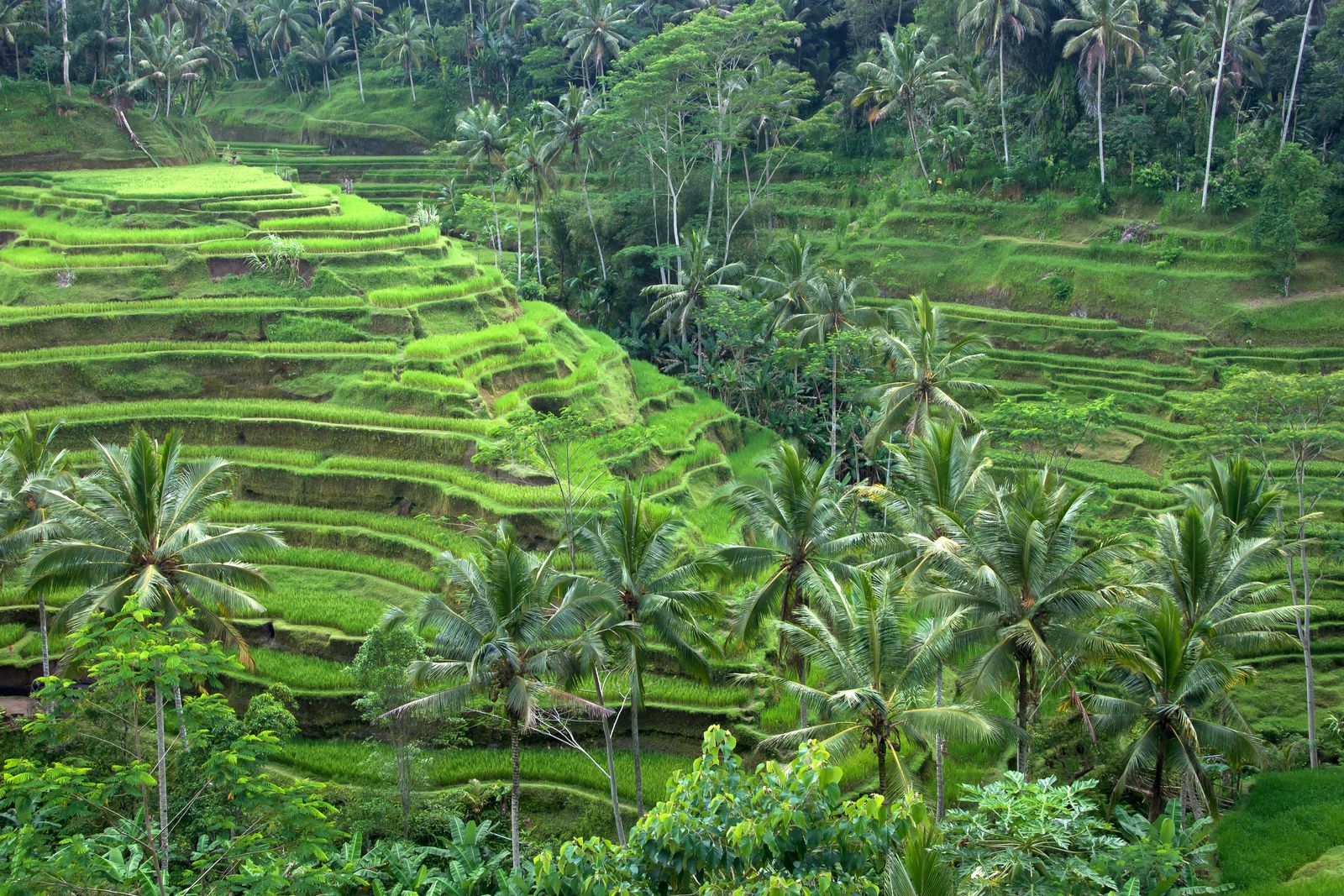 Photo: Vyacheslav Argenberg, CC BY 4.0
Ubud Jungle Guide
Bali's cultural heart is ringed by river gorges and terraced forest. Where to stay in the Ubud jungle, what to do, and how to escape the crowds.
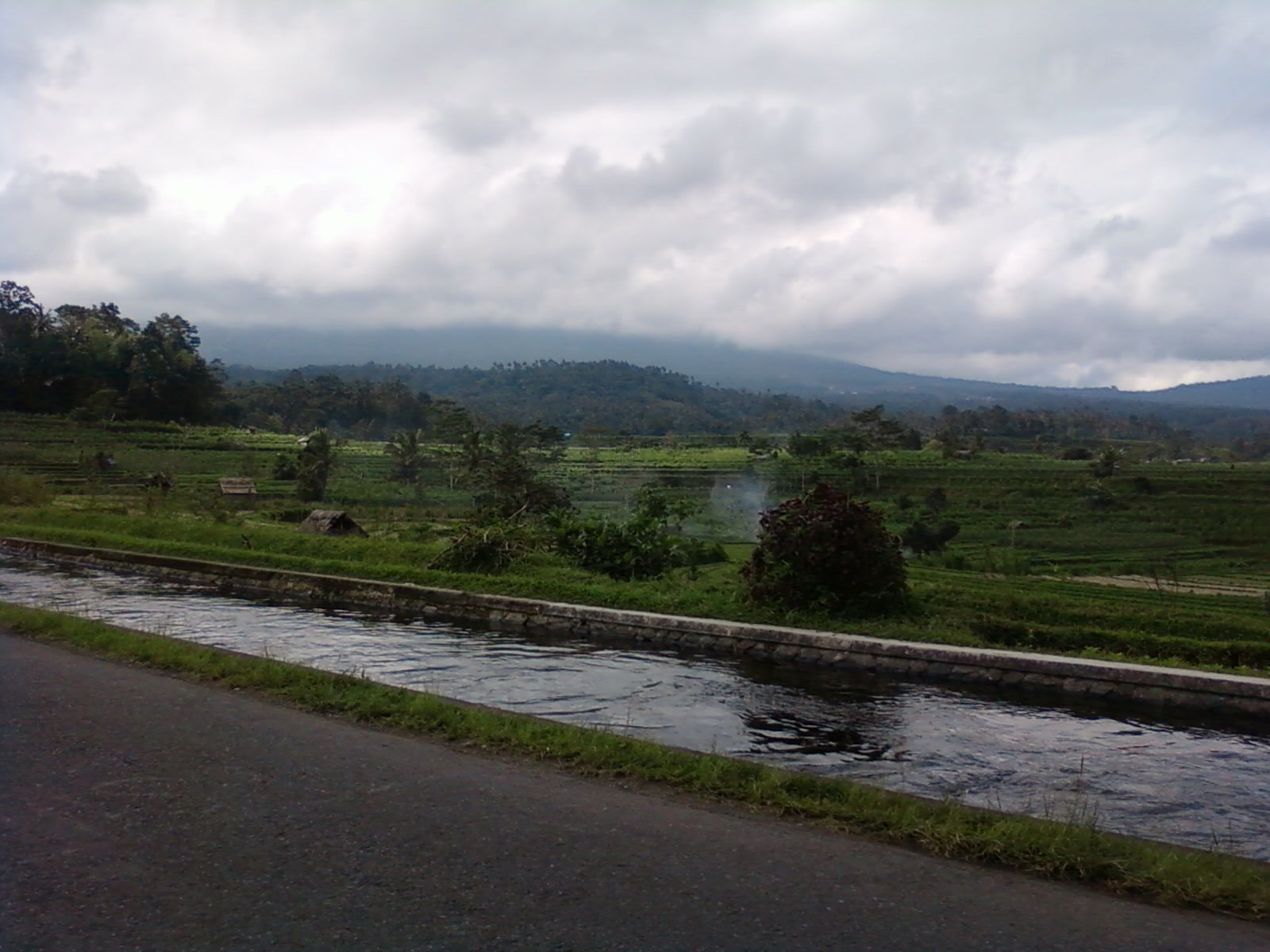 Photo: Adimelali Bali, CC BY-SA 3.0
Sidemen, Bali: The Quiet Valley Guide
An hour from Ubud and a decade behind it — Sidemen is the rice-terrace valley under Mount Agung where Bali's best bamboo houses hide.
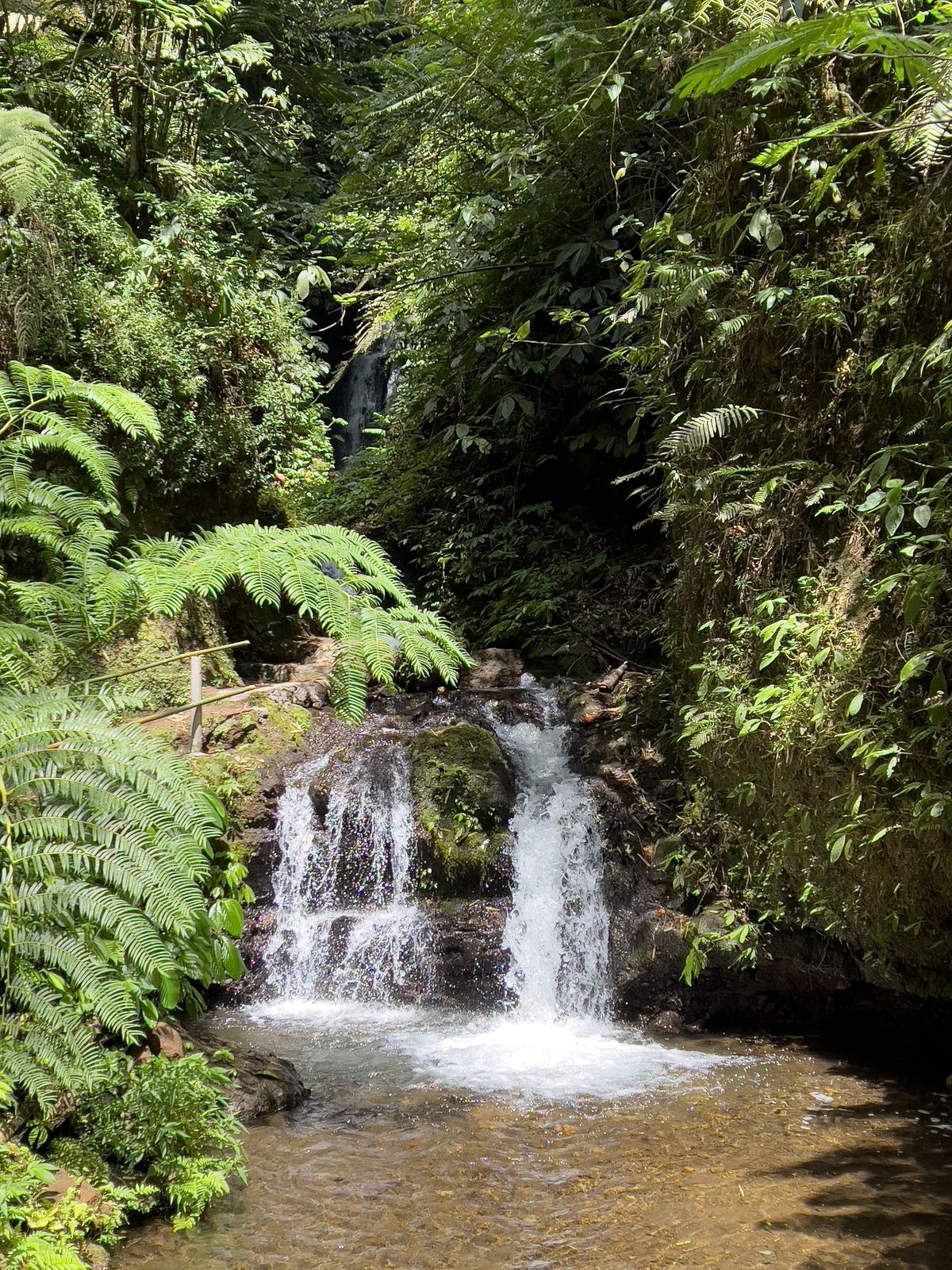 Photo: Stefan Fussan, CC BY-SA 3.0
Munduk & North Bali Highlands Guide
Bali's cool, waterfall-laced highlands — coffee country, twin lakes and jungle ridges two hours from the beach crowds.
 Photo: Derek Ramsey (Ram-Man), CC BY-SA 4.0
Find your own piece of the canopy.
Treehouses, bamboo houses and rainforest villas across 17 destinations — found, vetted and written up honestly.
Browse all destinations