Tulum Jungle & Cenote Guide
Tulum's reputation was built on the beach club strip — the string of palapa restaurants and infinity pools along the sand road south of town. But drive a few minutes inland from that strip and the story changes completely. Behind Tulum's coastline sits a flat limestone shelf riddled with cenotes, cut through by jungle roads, and dotted with Maya sites that predate the beach clubs by a thousand years. This is a guide to that side of Tulum: how to get here, where to actually sleep if jungle and water matter more to you than a DJ set, which cenotes and ruins are worth the drive, and the honest caveats — traffic, heat, patchy signal — that don't make it onto the postcards.
What Tulum's jungle side actually is
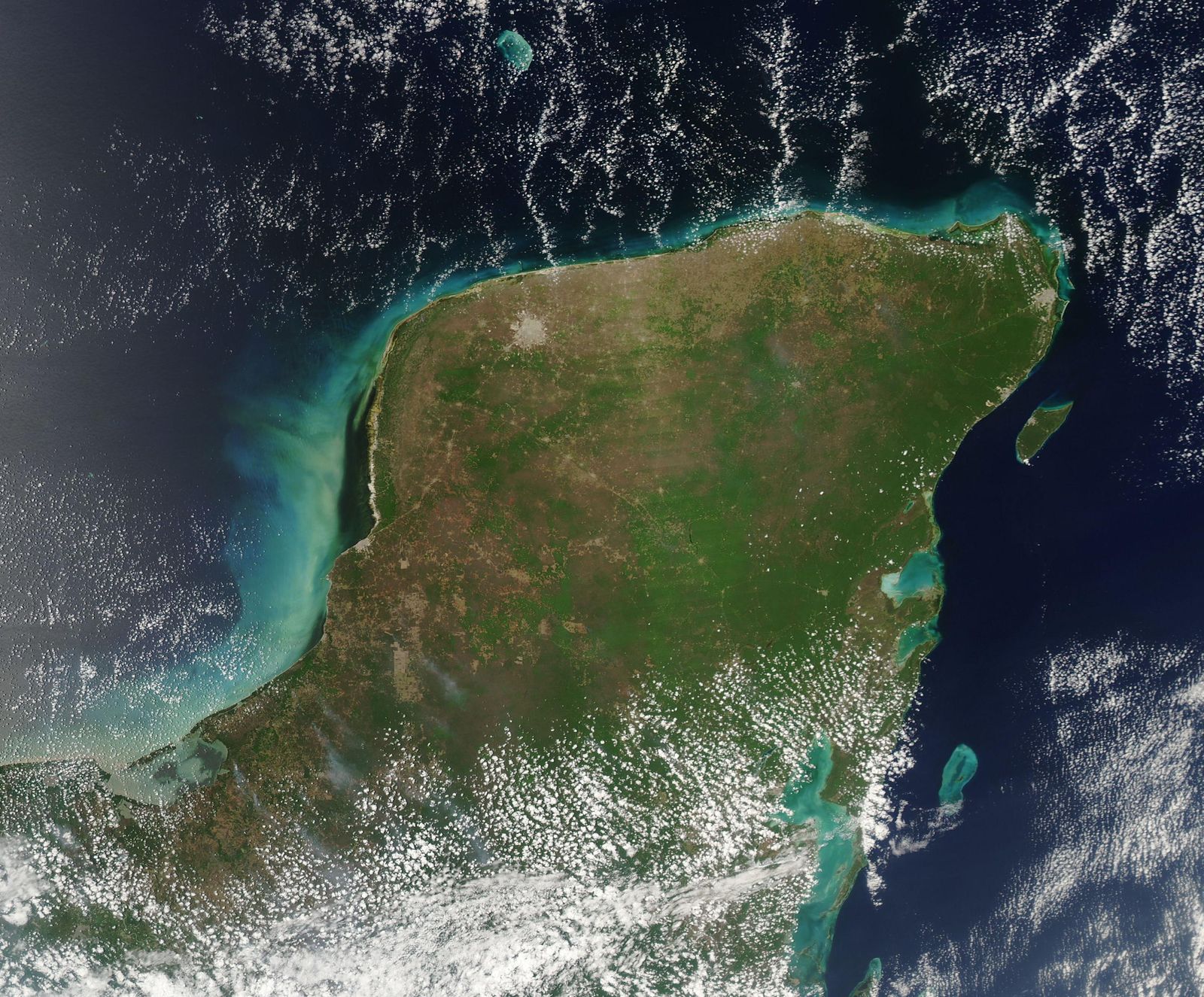
Start with the geology, because it explains almost everything else about this part of the Yucatán Peninsula. There are no surface rivers here — the whole peninsula is a slab of porous limestone with essentially no aboveground drainage. Rainwater instead sinks straight through the rock, carving out an enormous network of underground caves and passages over tens of thousands of years. Where a cave ceiling has collapsed or thinned enough to open to the sky, you get a cenote: a sinkhole filled with startlingly clear, cool fresh water, sometimes wide open to the sun, sometimes still capped by a stone roof with just a shaft of light coming through. Tulum and the towns around it sit directly on top of one of the densest concentrations of these on the planet, and that's the real jungle draw here — not dense rainforest canopy in the way you'd find in Costa Rica or Bali, but flat, scrubby jungle riddled underneath with rooms full of clear water.
The town itself splits into three distinct pieces, and mixing them up is the single most common planning mistake. Tulum Pueblo is the actual town, inland along the highway, with the market, the bus terminal, and most of the affordable food. The Zona Hotelera — the hotel zone — is the narrow sand road running along the coast south of the Tulum ruins, lined with the boutique beach hotels and beach clubs that show up on Instagram. And then there's the jungle interior west of the pueblo, around neighborhoods like Aldea Zama and La Veleta, where the tree cover thickens, the pace slows, and a newer wave of jungle-set villas and small hotels has gone up over the last several years, usually built with heavy screening, open-air common areas, and a cenote or two within a short bike ride. This guide is mostly about that third Tulum — the one that isn't on the sand.
None of this is ancient wilderness. Tulum's Maya history runs deep — the walled clifftop site above the beach was a functioning trading port when the Spanish first sailed past it in the 1500s — but the town as tourists know it is a genuinely recent phenomenon, and the jungle roads west of the highway are still being paved, subdivided, and built out in real time. That's worth knowing going in: you're visiting a place in the middle of fast change, not a static postcard. If Tulum is one stop on a broader look at Latin America's jungle regions, our Mexico destination page covers how it compares to the rest of the Maya jungle, and our Costa Rica page is the natural next stop if you want denser, wetter rainforest after the flat scrub of the Yucatán.
Getting there and getting around
Almost everyone arrives through Cancún International Airport (CUN), which sits roughly 120 kilometers north of Tulum. By car or private transfer, that's a drive of around an hour and a half in normal traffic, mostly on Highway 307, the coastal road that also serves Playa del Carmen and the rest of the Riviera Maya. Traffic through Playa del Carmen can add real time to that estimate, especially in the afternoon, so build in a buffer if you're on a tight connection.
The budget option is the ADO bus, Mexico's long-distance coach line, which runs roughly eight trips a day directly from the Cancún airport to Tulum. The buses are comfortable — air conditioning, bathrooms, power outlets — but the trip takes closer to two and a half hours including stops, and it drops you at Tulum's downtown bus terminal in the pueblo, not at a beach hotel or a jungle villa. From the bus terminal, a taxi to the hotel zone or the jungle side of town runs a modest fare and takes ten to twenty minutes; there's no ride-hailing app reliably operating in Tulum, so taxis and hotel-arranged transfers are the norm. Tulum also has its own smaller airport now serving a growing number of direct international flights, which is worth checking before defaulting to Cancún, since it can cut the ground transfer down considerably.
Once you're here, how you get around depends entirely on where you're staying. The hotel zone and the pueblo are connected by a paved, mostly flat bike path that runs for several kilometers along the coast road, and renting a bike is genuinely one of the best ways to move around if you're based near the beach — flag down traffic on the sand road is slow anyway, so a bike often beats a car. Once you head west into the jungle neighborhoods or out toward the cenotes and ruins, though, you need wheels with an engine: a rental car, a scooter, or a colectivo, the shared vans that run set routes along the highway for a few pesos and are the way most locals actually get between the pueblo, Cobá, and the villages along the way. A rental car gives the most flexibility for stringing together several cenotes or a day-trip loop in one day, and roads in this part of Quintana Roo are generally in decent shape on the main routes, rougher on the smaller jungle access roads.
The best areas and where to stay
Where you base yourself changes the character of a Tulum trip more than in most destinations, because the beach and the jungle sides genuinely feel like two different towns.
The hotel zone (Zona Hotelera)
The sand road south of the Tulum ruins is where the famous boutique hotels and beach clubs sit, most of them designed with the same driftwood-and-macramé aesthetic that made this stretch famous. It's beautiful and it's Caribbean beach first, jungle second — you get palm cover and some genuinely lush hotel grounds, but the draw here is the water at your front door, not the forest at your back. It's also the most expensive and most congested part of town; the sand road is a single lane in each direction and gets slow at peak hours.
Aldea Zama and La Veleta
West of the pueblo, these two neighborhoods are where Tulum's more recent jungle-facing development has concentrated. Aldea Zama is more built-out and closer to the highway, with a growing cluster of restaurants and shorter-term rentals; La Veleta, a bit further out, has a quieter, more residential feel with denser tree cover and easier access to some of the closer cenotes by bike. This is generally the part of Tulum where a genuine jungle stay — screened-in, canopy-shaded, away from the beach crowds — is easiest to find, and it puts you within a short drive of both the pueblo's restaurants and the cenote cluster along the Cobá road.
Tulum Pueblo
The actual town is the most practical and least photogenic base: cheaper food, the market, the bus terminal, and a genuine mix of residents and travelers rather than an all-tourist strip. It's not jungle-adjacent in the same way as La Veleta, but it's central to everything, and a lot of budget-minded travelers use it as a hub for day trips rather than trying to split time between the beach and the interior.
For a shortlist of vetted jungle-facing stays across these neighborhoods — the ones that actually deliver tree cover and a quiet setting rather than just using the word "jungle" in their listing — see our Mexico destination page, or browse the full directory if you're still comparing Tulum against other jungle regions before committing to dates.
Tulum's jungle isn't a canopy you look up into. It's a floor you drop through — into cold, startlingly clear water, thirty feet under a limestone roof that's been dissolving for ten thousand years.
The cenotes and the top things to do
The cenotes are the reason to come inland, and the cluster along the road between Tulum and Cobá — often just called the Cobá road — holds some of the most accessible and well-known in the entire region.
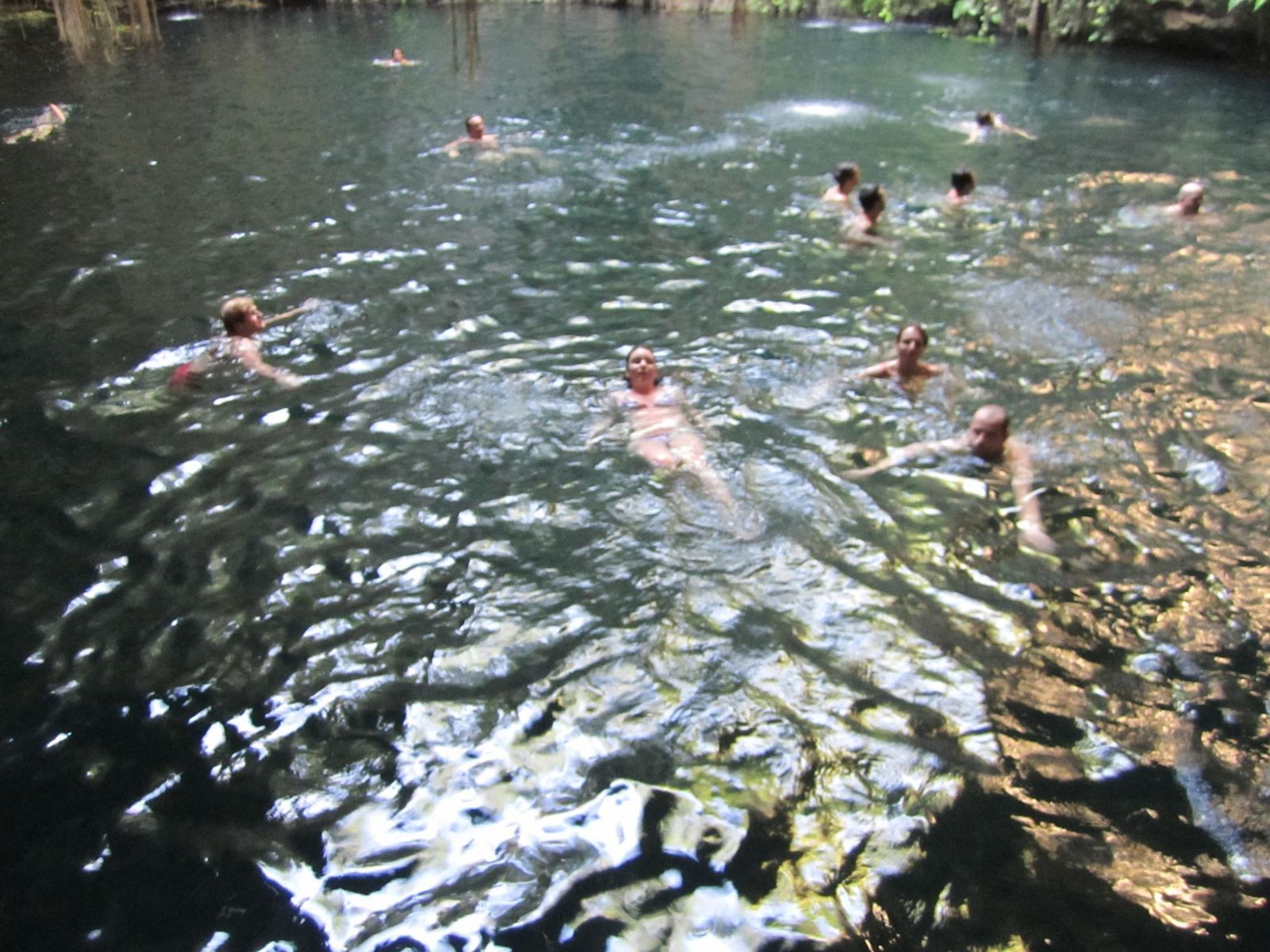
- Gran Cenote: about three kilometers west of Tulum on the Cobá road, this is one of the most photographed cenotes in the whole Riviera Maya — a partially open cavern with turquoise water, visible stalactite formations where the roof is still intact, and a resident population of freshwater turtles. It's shallow enough in sections for confident non-swimmers and open enough for good natural light, which is why it draws crowds; arrive early.
- Cenote Dos Ojos: roughly ten kilometers west of Tulum, Dos Ojos — "two eyes" — is actually a pair of connected cave pools joined by a roughly 400-meter underwater passage, and it's one of the most famous cave-diving and snorkeling sites in the world. Snorkelers can do a guided swim through the accessible sections without a dive certification; full cave exploration is for certified cave divers only, and this is not a place to freelance past the marked lines.
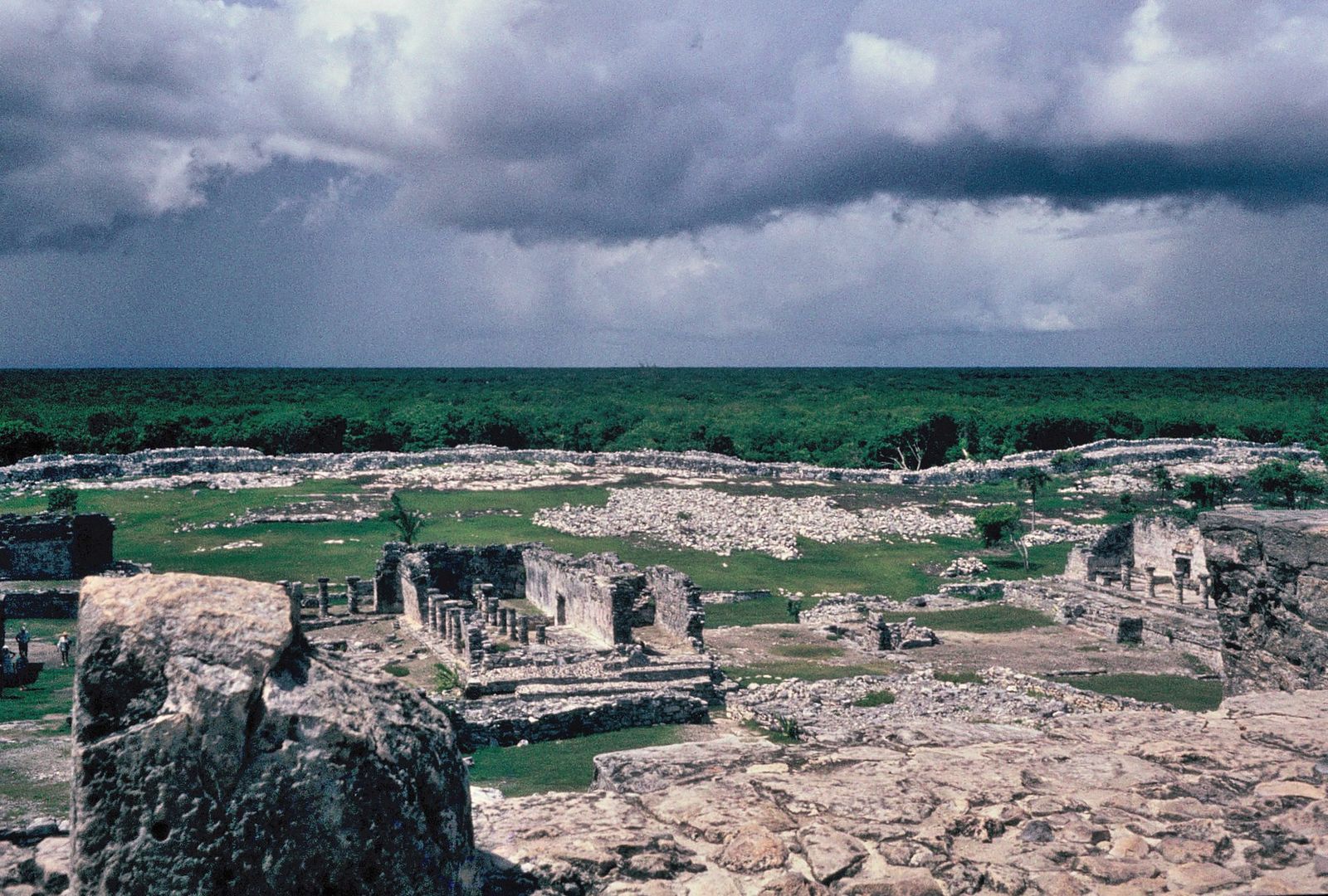
- Climb, or don't climb, the Tulum ruins: the walled Maya site perched on the cliff above the beach is the most visited archaeological site in this part of Mexico, and for good reason — it's the rare Maya ruin with a direct ocean view, built as a fortified trading port centuries before Europeans arrived. Climbing the structures themselves isn't permitted, but the walkways get you close, and it's worth doing early, both for the light and to beat the tour-bus crowds that build through the late morning.
- Snorkel or swim Casa Cenote: north of the hotel zone near Tankah Bay, this one is unusual in that it's a long, open cenote connected to the sea, so you get a genuine mix of fresh and salt water and a chance to spot small fish and the occasional manatee near the mangrove edges.
- Rent a bike and just ride the coast path: the paved bike path linking the hotel zone to the pueblo is flat, shaded in patches, and one of the simplest ways to get a feel for how the beach and the jungle sides of Tulum actually connect to each other.
Good to know
Cenote El Pit, part of the same underwater system as Dos Ojos, connects through submerged passages to the wider Sac Actún cave system — one of the longest surveyed underwater cave systems on Earth. You don't need to dive it to appreciate the scale; it's a useful fact for understanding why this region's cenotes aren't isolated pools but windows into one enormous connected cave network running under the whole peninsula.
The best day trips
Tulum's location makes it a genuinely good base for day trips in three different directions — inland to Maya ruins, south into protected wetlands, and up the coast for reef and turtle snorkeling.
Cobá
About 45 minutes and 50 kilometers inland from Tulum, Cobá is a completely different kind of ruin experience from the coastal Tulum site. The complex is spread out through dense jungle rather than concentrated in one walled compound, and most visitors rent a bicycle or hire a pedicab at the entrance to cover the ground between structures. The main draw is Nohoch Mul, one of the tallest pyramids on the whole Yucatán Peninsula; climbing it is currently permitted and the view from the top — jungle canopy running unbroken to the horizon — is one of the best in the region. Plan on a couple of hours to see the site properly, go early to beat both the heat and the tour groups, and keep an eye out along the shaded paths for spider monkeys and the birdlife that the ruins' surrounding jungle still supports.
Sian Ka'an Biosphere Reserve and Muyil
South of Tulum's hotel zone, the land opens into the Sian Ka'an Biosphere Reserve, a UNESCO-recognized protected area of wetlands, mangrove channels, and coastal lagoons that's a completely different landscape from the cenote belt to the west. The small Maya site at Muyil sits right at the reserve's edge, and a popular way to combine the two is a guided tour that pairs a walk through the Muyil ruins with a float down one of the reserve's ancient Maya canals — a slow, life-jacketed drift through mangrove channels that's as much a wildlife trip as a history one. Access into the reserve itself is more restricted than the cenotes closer to town, so this is one day trip worth booking through a licensed local operator rather than trying to freelance.
Akumal
About forty minutes north up the coast, Akumal is best known for its shallow bay where sea turtles feed on seagrass close enough to shore for snorkelers to see them reliably. It's a genuinely different half-day from the cenotes and ruins — reef and open water rather than freshwater caves — and a good add-on if you're already driving the coastal highway. Go with a licensed guide and keep a respectful distance from the turtles; the bay's popularity has made turtle etiquette a real local concern, and operators here are generally strict about it for good reason.
Food and practicalities
Tulum Pueblo has the best value food by a wide margin — taquerías and family-run comedores serving cochinita pibil, tacos al pastor, and fresh fruit juices for a few dollars, concentrated around the market and the streets just off the main highway. The hotel zone and the jungle-side neighborhoods have a denser and pricier restaurant scene built largely around the tourist trade, ranging from genuinely good to overpriced-and-styled-for-photos; asking locally rather than trusting the busiest-looking patio is usually the better strategy.
Tap water isn't safe to drink anywhere in this part of Mexico — stick to bottled or filtered water, and most hotels and better restaurants use purified water for ice as a matter of course, but it's worth asking if you're unsure. Sun protection matters more here than in a shaded rainforest destination: Tulum's coastal jungle is scrubby and lower than a true canopy forest, so there's less overhead shade than you'd expect, and the reef-safe sunscreen requirement is enforced at several cenotes and at the Tulum ruins to protect the underwater ecosystems that regular sunscreen damages.
Cell signal is generally reliable in the pueblo and hotel zone but gets patchy fast once you're on the smaller jungle roads toward the cenotes or Cobá — download offline maps before you head out for the day. And bring cash: plenty of smaller cenotes, taco stands, and colectivo drivers don't take cards, and ATMs get sparse outside the main tourist strip.
When to go
The Yucatán Peninsula runs a dry season roughly from November through April and a wetter, hotter season from May through October, with the peak of hurricane season concentrated in September and October. The dry season, especially December through March, is the most comfortable weather-wise and also the busiest and most expensive — Tulum's popularity has made high season genuinely crowded at the ruins, the best-known cenotes, and the hotel zone restaurants.
May and early June sit in a useful gap: heat and humidity are climbing, but the crowds and prices haven't hit peak yet. Late summer and early fall bring the highest heat, the most rain, and real hurricane risk, which is worth tracking if you're booking that window — storms can and do disrupt travel along this coast. Whatever season you land in, the cenotes themselves stay a fairly constant, cool temperature year-round, since they're fed by groundwater rather than surface runoff, which makes them one of the more weather-proof things to build a day around.
Honest caveats
Tulum earns its reputation, but a few things are worth knowing before you build a trip around the jungle side of it.
The hotel zone's single road gets genuinely congested. The sand road through the Zona Hotelera is one lane each way, shared by cars, taxis, bikes, and pedestrians, and it backs up hard at peak times. If you're staying there, a bike will often get you where you're going faster than a car.
Popular cenotes and ruins are crowded by mid-morning. Gran Cenote, Dos Ojos, and the Tulum ruins all draw tour buses, and the difference between an 8am visit and an 11am visit is night and day in terms of both crowds and parking. Build early starts into your plan rather than treating them as optional.
Roads and development are in flux. Tulum's jungle interior is being built out fast, which means construction noise, unpaved stretches, and a landscape that looks different year to year. It's worth checking recent reviews for any jungle-side stay rather than assuming a listing's photos reflect current surroundings.
Reef and cenote conservation rules are real, not decorative. Regular sunscreen is genuinely harmful to the reef and to cenote ecosystems, and enforcement of reef-safe-only policies has gotten stricter across the region. Pack accordingly rather than hoping to buy some at the entrance.
This isn't deep wilderness. Worth saying plainly: Tulum's jungle is a flat, scrubby coastal forest riddled with cenotes and threaded through with fast-growing development, not an untouched rainforest. If you want a denser, wetter, more classically "jungle" landscape on the same general trip, the cloud forests and lowland rainforest of Costa Rica are a genuinely different experience worth pairing with a Yucatán leg.
A suggested route
Four to six days covers Tulum's jungle side properly without feeling rushed, and it's easy to add a night in Cobá's direction or push on toward Valladolid if you have more time.
- Day 1: arrive, settle into a jungle-side stay in Aldea Zama or La Veleta, and do an easy afternoon at Gran Cenote to shake off travel before the crowds pick up the next morning.
- Day 2: the Tulum ruins first thing, then a bike ride down the coast path to get a feel for the hotel zone, finishing with an early dinner in the pueblo.
- Day 3: a full day out toward Cobá — climb Nohoch Mul, rent a bike for the site, and keep an eye out for spider monkeys along the shaded paths.
- Day 4: Cenote Dos Ojos in the morning before the tour buses arrive, then an easy afternoon back in the jungle neighborhoods.
- Day 5: a guided Sian Ka'an and Muyil trip, or a swap for Akumal if reef and turtle snorkeling appeals more than mangrove wetlands.
- Day 6 (optional): relocate for a night to Valladolid, the colonial town further inland, for a slower pace and easier striking distance to Chichén Itzá if the pyramid at Cobá left you wanting more.
If Mexico is one leg of a longer jungle trip, several JungleBnB readers pair a Yucatán stretch with Colombia's Caribbean coast or Costa Rica's Pacific side on the same itinerary — different landscapes, similar dry-season timing across much of the year.
Common questions
Is Tulum's jungle actually jungle, or is it mostly the beach clubs?
Both exist, and they're genuinely different trips. The beach clubs sit on the coastal hotel zone; the jungle side is inland, centered on the cenote belt along the Cobá road and the neighborhoods of Aldea Zama and La Veleta. It's flat, scrubby coastal jungle rather than towering rainforest, but it's riddled underneath with one of the densest cenote networks on the planet.
How far is Tulum from the Cancún airport?
About 120 kilometers, roughly an hour and a half by car in normal traffic, or closer to two and a half hours by ADO bus including stops. The bus drops you at the downtown Tulum terminal, not at your hotel, so budget a short taxi ride from there.
Do I need to be a certified diver to see the cenotes?
No. Most of the well-known cenotes, including Gran Cenote and the accessible sections of Dos Ojos, offer guided snorkeling that doesn't require certification. Full cave penetration beyond the marked lines is for certified cave divers only.
How many days do you need for Tulum's jungle side?
Four days covers the essentials — a cenote or two, the Tulum ruins, and one inland day trip to Cobá. Six days lets you add Sian Ka'an or Akumal and a slower pace without feeling like you're racing the clock.
Is Tulum too crowded to be worth visiting?
The best-known sites — Gran Cenote, Dos Ojos, and the Tulum ruins — get genuinely busy by mid-morning, especially in the December-to-March high season. Going early solves most of it, and the jungle neighborhoods and lesser-known cenotes further from the Cobá road stay noticeably quieter.
What's the best time of year to visit?
Roughly November through April is the dry season and the most comfortable weather, though also the busiest. May and early June offer a useful gap with fewer crowds before the heat and hurricane risk of late summer and early fall set in.
Where to go from here
Tulum's jungle side rewards anyone willing to drive a few minutes past the beach clubs — cenotes, a genuinely dramatic coastal ruin, and jungle-set stays that don't show up in the postcard shots. If you want a wetter, denser rainforest to pair with the Yucatán's flat cenote country, our guides to Monteverde's cloud forest and the Osa Peninsula and Corcovado cover two of Costa Rica's most different jungle landscapes. For a shortlist of vetted jungle-facing stays across Tulum and the wider Maya region, start with our Mexico destination page, or browse the full directory if you're still weighing Tulum against another jungle destination. And if you're comparing regions worldwide before committing to dates, our roundup of the best jungle Airbnbs in the world is a good next stop.
- Frommer's — Gran Cenote — location on the Cobá road, cave features and turtle population.
- Cenotes World — Cenote Dos Ojos — the twin-cavern layout, connecting passage, and diving/snorkeling access.
- Mexican Caribbean — Cenote Dos Ojos, Tulum — distance from Tulum and site description.
- Tripadvisor — Muyil / Sian Ka'an / Cenotes tour review — the Muyil ruins and Sian Ka'an lagoon-float circuit.
- Kiki Tulum — How to Get from Cancún to Tulum — driving distance and drive time from Cancún airport.
- Everything Playa del Carmen — ADO Bus from Cancún Airport to Tulum — bus schedule, travel time, fare and terminal drop-off details.
- The Custom Tour — Cobá Ruins and Tulum Ruins — distance and drive time from Tulum to Cobá, Nohoch Mul pyramid.
- Past the Potholes — Day Trip from Tulum to Cobá Ruins — site layout, biking the ruins, wildlife along the paths.
More from the Journal.
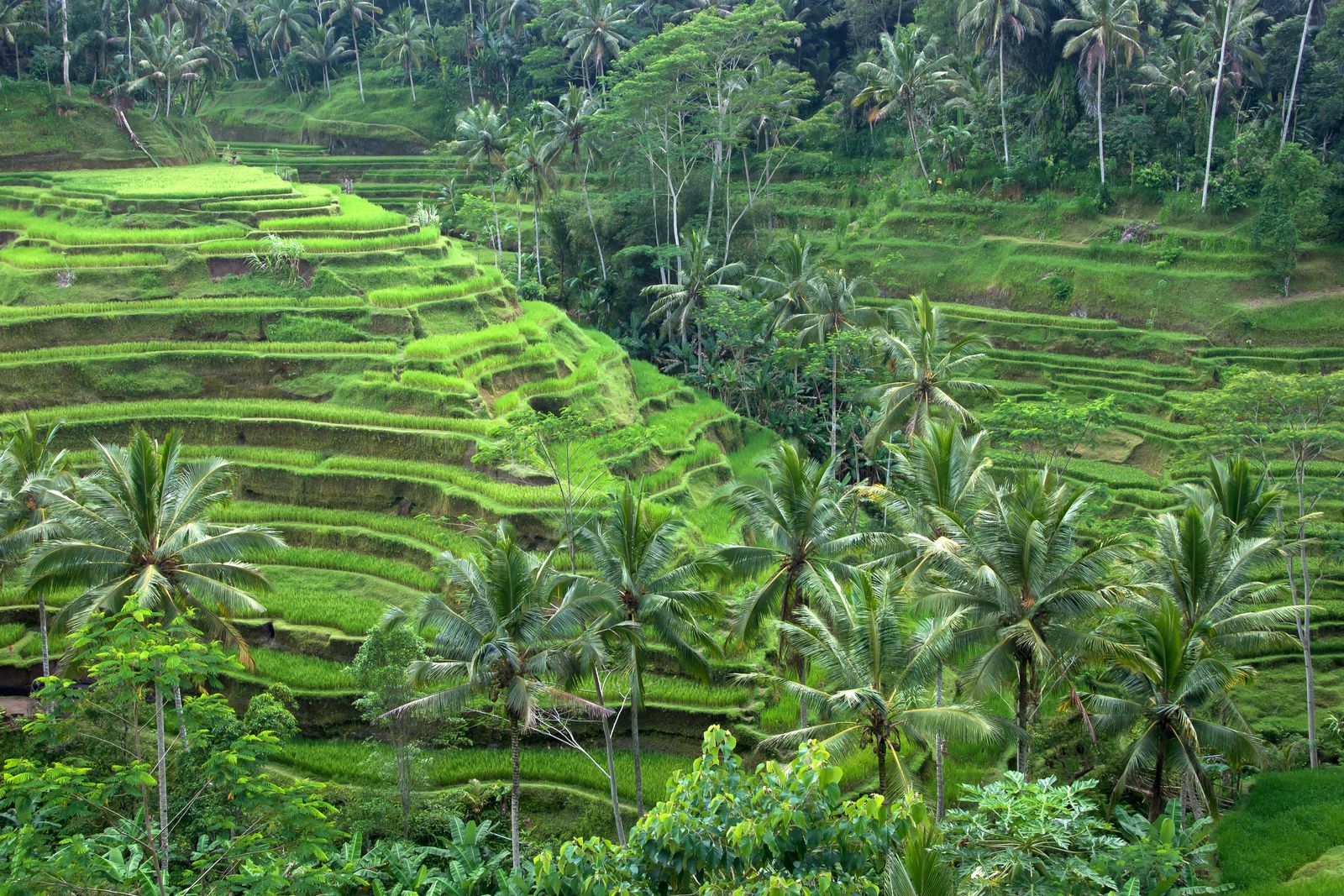 Photo: Vyacheslav Argenberg, CC BY 4.0
Ubud Jungle Guide
Bali's cultural heart is ringed by river gorges and terraced forest. Where to stay in the Ubud jungle, what to do, and how to escape the crowds.
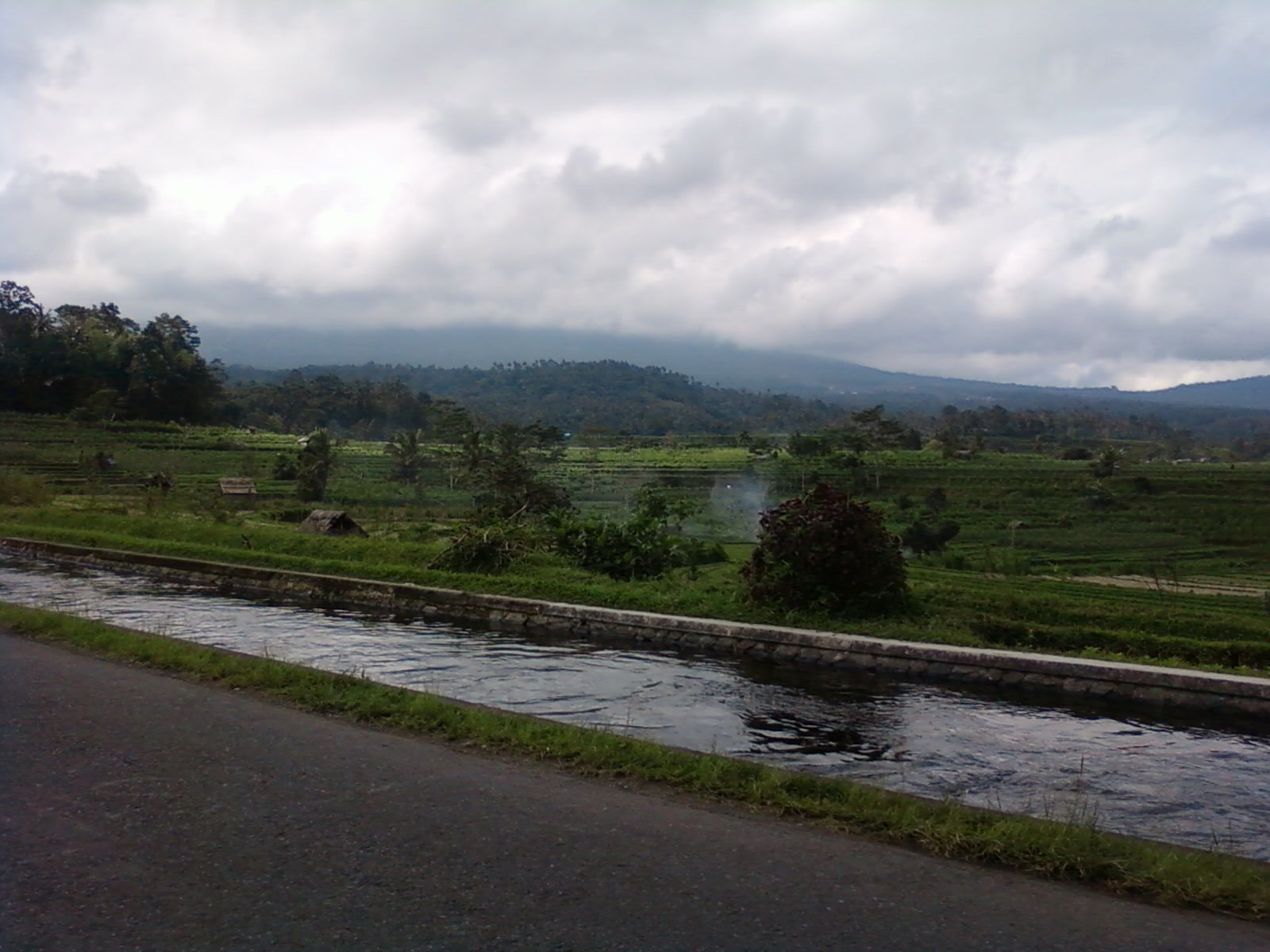 Photo: Adimelali Bali, CC BY-SA 3.0
Sidemen, Bali: The Quiet Valley Guide
An hour from Ubud and a decade behind it — Sidemen is the rice-terrace valley under Mount Agung where Bali's best bamboo houses hide.
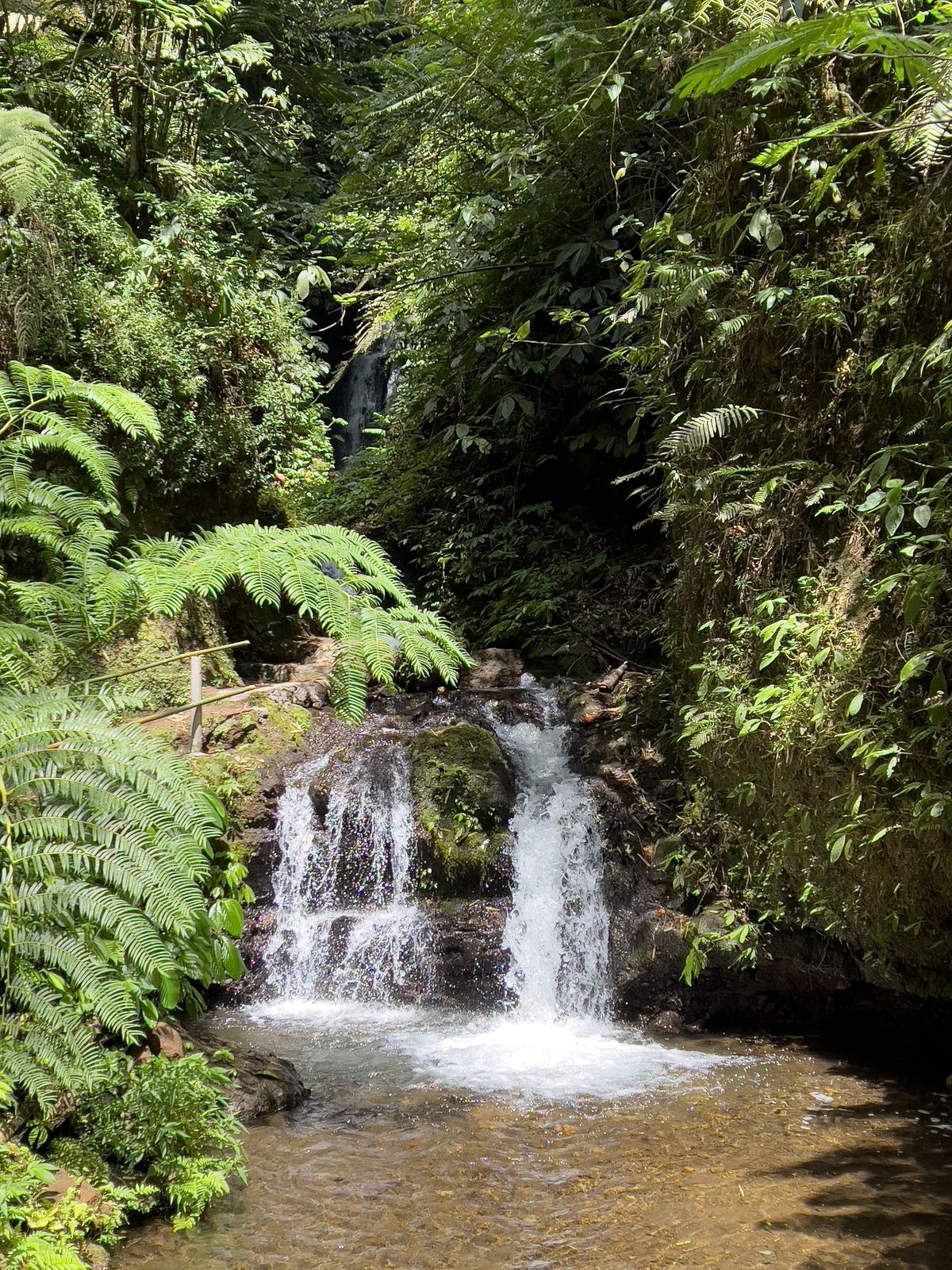 Photo: Stefan Fussan, CC BY-SA 3.0
Munduk & North Bali Highlands Guide
Bali's cool, waterfall-laced highlands — coffee country, twin lakes and jungle ridges two hours from the beach crowds.
 Photo: Derek Ramsey (Ram-Man), CC BY-SA 4.0
Find your own piece of the canopy.
Treehouses, bamboo houses and rainforest villas across 17 destinations — found, vetted and written up honestly.
Browse all destinations