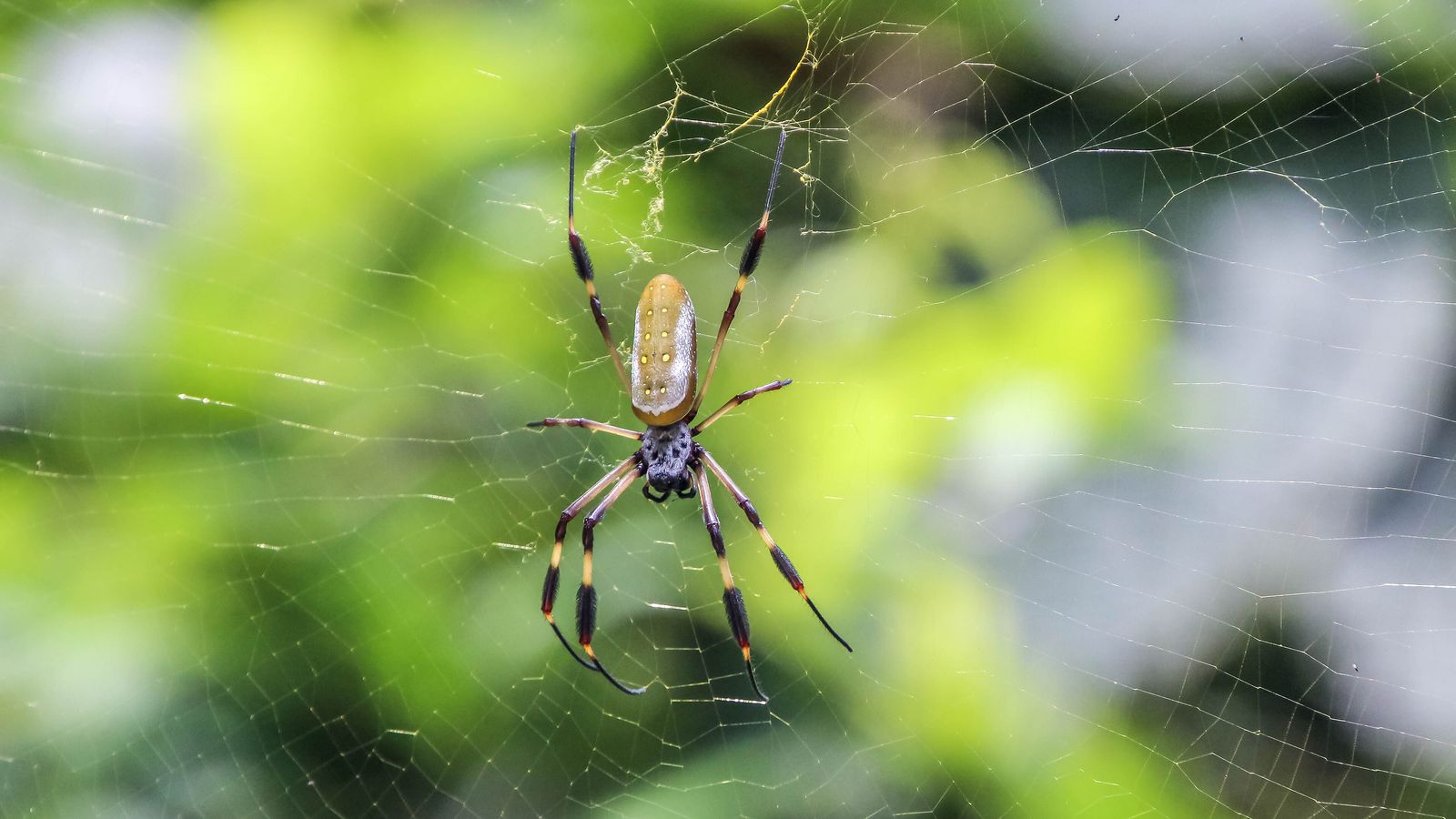
The Best Jungle Airbnbs in Latin America
Latin America has more rainforest than any other region on Earth, and most of it isn't set up for a two-night stay. The Amazon alone spans nine countries and the parts worth visiting are usually a plane, then a truck, then a boat away from the nearest airport. So this list is honest about what that means: it's heavier on boutique lodges than our usual rankings, because the deepest, realest jungle on this continent mostly isn't rented out as a private house — it's run, staffed and looked after by people who live there. We still found real whole-home options where they exist. But if you came here expecting a private Tulum villa to sit next to a floating research station on the Napo River, we'd rather tell you why that comparison doesn't quite work than pretend it does.
How we picked
We take no payment for placement, and this particular list involved throwing out more properties than most. Latin America's jungle-tourism industry has been around long enough — decades, in parts of the Peruvian and Ecuadorian Amazon — that it's thick with marketing language that outpaces what a property actually delivers. A "jungle lodge" fifteen minutes from a highway with a rainforest mural in the lobby is not what we mean, and a lot of search results will try to convince you otherwise.
To make this ranking, a stay had to clear three bars. First, it had to sit inside real, contiguous rainforest or cloud forest — not adjacent to it, not landscaped to resemble it. Second, it had to be reachable and bookable today, with a real operator behind it, not a listing that's gone quiet or a concept that never opened. Third, we wanted honest variety: whole-home rentals where they genuinely exist, small boutique lodges where that's the only responsible way to visit a place, and a spread across the four regions that define jungle travel in Latin America — Costa Rica, the Amazon basin, Colombia's Caribbean sierra, and the Yucatán Peninsula. We've flagged every entry as one or the other, because a lodge with a restaurant and eleven other guests at breakfast is a genuinely different trip from a house you have entirely to yourselves, and conflating the two does readers no favors.
Every property below has a real, working website or a listing on a reputable travel platform. Nothing here is invented. If a property looked interesting but we couldn't independently verify it was still operating, it isn't on this list — even if that meant a shorter ranking than we'd planned.
Costa Rica's treehouse belt
Costa Rica did more than any other country to build the modern idea of a "jungle stay" — the raised deck, the open-air shower, the philosophy that a wall is optional if the climate allows it. Roughly a quarter of the country is under some form of protection, and its tourism industry has had a fifty-year head start on turning that into lodges that don't feel like an afterthought.
An adults-only, mountainside eco-resort on the Osa Peninsula — the stretch of coastline National Geographic once called the most biologically intense place on Earth, a real line from a real publication, not marketing copy we're repeating uncritically. The property spreads a handful of suites, treehouses and villas across a private slice of rainforest overlooking the Pacific, and each treehouse comes with its own soaking tub on the deck, an open living area and ocean views filtered through the canopy rather than cleared for them. Rancho Pacifico was named the World's Most Romantic Retreat at the Boutique Hotel Awards, a genuine industry honor. It's adults-only, so you skip the kid-noise-by-the-pool problem that undercuts a lot of "romantic" jungle marketing elsewhere. It's also remote in the way the Osa demands — expect a bumpy transfer from the regional airstrip — but the peninsula remains one of the last places in Central America where the forest genuinely outnumbers the tourists. (Rancho Pacifico; more of Costa Rica)
The Osa Peninsula doesn't advertise itself the way Arenal or Manuel Antonio do, and that's exactly the point — it's the one part of Costa Rica where the forest still feels bigger than the tourism built around it.
The Arenal region is dense with jungle hotels chasing a view of the volcano; Chachagua's Jungle Treehouses are the ones actually built into the canopy rather than just facing it. The adults-only treehouses sit roughly twenty meters up, spanning around a hundred square meters of private space, with an elevated jacuzzi on the deck and an outdoor rain shower. A private breakfast is served in the room on the first morning, a small touch that says more about the property's actual hospitality than any brochure line would. It isn't cheap, and the stairs are worth asking about if mobility is a concern for anyone in your party, but it's one of the more thoughtfully engineered treehouse stays in a country that has built a lot of mediocre ones. (Chachagua Rainforest Hotel; more of Costa Rica)
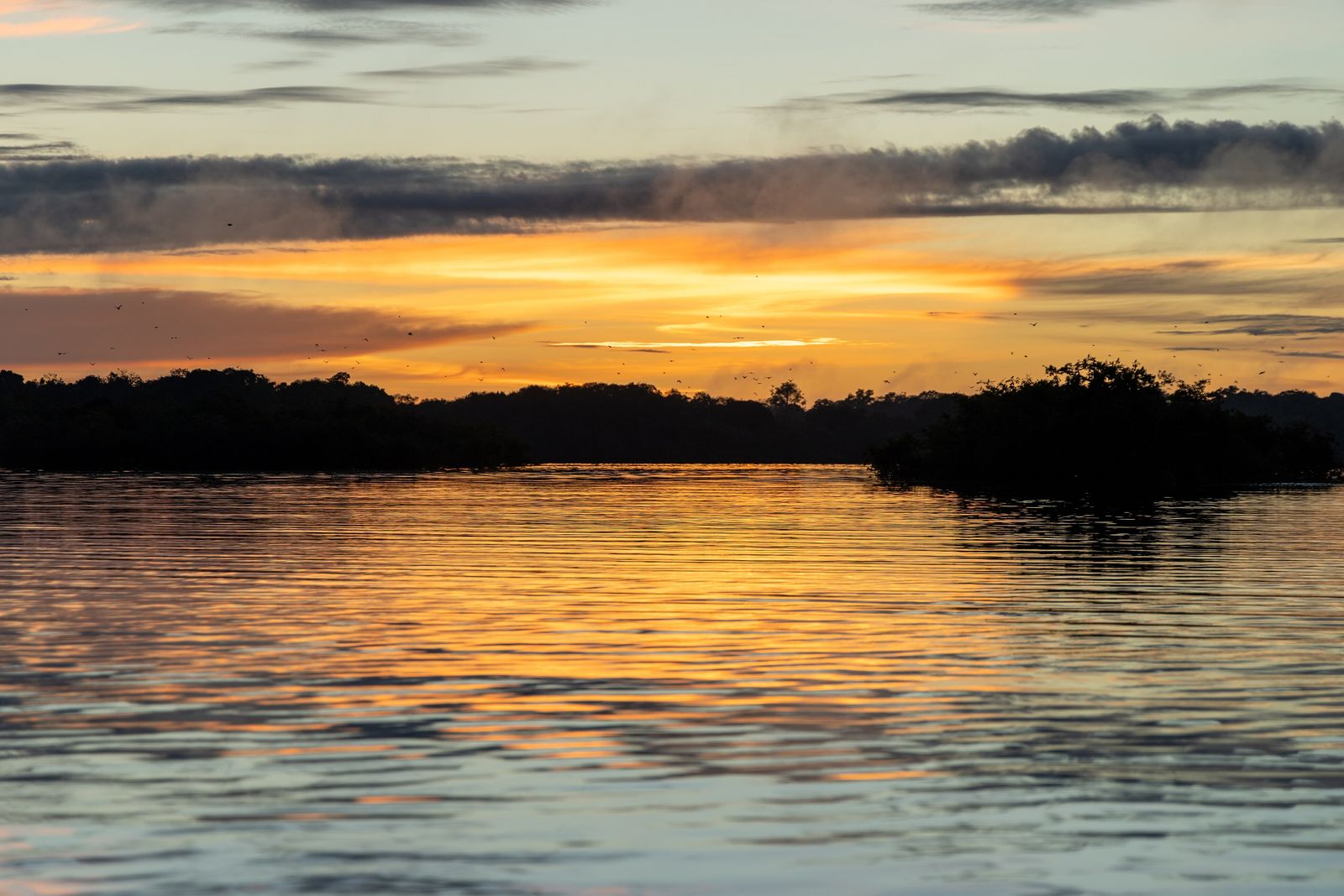
The Amazon: three countries, three kinds of lodge
The Amazon basin crosses nine countries, but the parts set up for a real visit cluster around three: Peru, Ecuador and Brazil, each with its own access point and its own style of lodge. None of these are a quick trip — every entry below involves a flight to a regional hub, then a boat, sometimes for hours — and that's not a flaw in the properties, it's the honest cost of visiting rainforest that hasn't been thinned out by a road.
Peru: Madre de Dios and the Tambopata basin
Thirty-five cabanas set along the Madre de Dios River, each with its own plunge pool — a genuinely unusual amenity this deep into the Amazon, where most lodges lean on the river itself rather than built-in water features. Inkaterra has run conservation and research programs alongside its lodges for decades, including canopy-level science on the property, so a stay here is funding actual fieldwork rather than just labeling itself eco-friendly. It's reached by a short flight to Puerto Maldonado followed by a river transfer, which puts it at the accessible end of the Peruvian Amazon without giving up the depth of forest around it. (Inkaterra; more of Peru)
A lodge built and co-owned by the Ese'eja Native Community of Infierno in partnership with Rainforest Expeditions, one of the longer-running conservation-tourism operators in the Peruvian Amazon. Reaching it means a flight into Puerto Maldonado and then a boat up the Tambopata River into the reserve itself, past one of the region's well-known macaw clay licks, where scores of parrots and macaws gather at set hours to eat mineral-rich clay. The rooms are open on one side to the forest — no glass, just a low wall and a mosquito net — which is either the best part of the stay or the part you should ask about in advance if that idea makes you nervous. What sets it apart from most lodges on this list is the ownership structure: the community that lives in the reserve runs the business, not an outside operator leasing land from it. (Rainforest Expeditions; more of Peru)
Twelve treehouses suspended up to seventy-five feet into the canopy near the Pacaya-Samiria Reserve, reachable only by a genuine river journey out of Iquitos — the largest city in the world with no road connection to the rest of its own country, which tells you something about how remote this part of the Amazon still is. There's a honeymoon suite among the treehouses if that matters to your trip, but the honest draw is simpler: no wifi to speak of, no private pool, just the forest canopy at eye level and howler monkeys doing the wake-up call instead of a phone alarm. (Treehouse Lodge; more of Peru)
Good to know
"Amazon" isn't one trip. Puerto Maldonado and the Tambopata basin sit on the drier, more accessible southern edge; Iquitos and the Pacaya-Samiria region are deeper, wetter, and involve a longer river approach. Both are the real Amazon — they're just genuinely different logistics, and a lodge's website will usually tell you honestly which one you're booking if you read past the photos.
Ecuador: the Napo and Yasuní
Sacha sits in a private reserve beside Yasuní National Park, one of the most biodiverse protected areas on the planet, and its signature feature is a canopy walkway roughly 940 feet long, rising some 94 feet above the forest floor — a genuine engineering commitment, not a viewing platform bolted onto a tree. Getting there is a flight to Coca followed by a motorized canoe ride down the Napo River, then a shorter paddle through flooded forest to reach the lodge itself, which is as much a part of the experience as the stay. It's a lodge in the full sense — meals, guided excursions, a research station on-site — rather than a private rental, but it's one of the more scientifically serious properties on this list, with its own biologist staff. (Sacha Lodge)
Owned and operated by the Kichwa Añangu community, set on an oxbow lake deep inside Yasuní National Park itself rather than beside it. The lodge funds the community directly rather than paying a lease to it, which has made it one of the more frequently cited examples of community-run ecotourism actually working as a conservation model in the region. Like Sacha, reaching it means Coca, then a long canoe transfer — this is not a lodge you tack onto a beach trip, it's the destination. Wildlife viewing here, particularly at the nearby parrot clay licks, is considered among the best in the Ecuadorian Amazon. (Napo Wildlife Center)
Brazil: the Rio Negro and the central Amazon
A design-forward lodge on the Rio Negro beside the Anavilhanas Archipelago, the world's second-largest freshwater archipelago, with curved wooden suites built using traditional Amazonian boat-building techniques rather than a generic tropical-resort template. There's no private plunge pool — the draw is swimming in the blackwater river itself, sometimes with pink river dolphins nearby — and the lookouts over the archipelago stretch further than most visitors expect the Amazon to look, since Rio Negro's blackwater channels open into water that can seem more like a flooded sea than a river. It's genuinely design-award-caliber architecture in a region that doesn't always get credit for its own creativity. (Mirante do Gavião; more of Brazil)
Eleven rustic cabins built from local materials roughly two hours from Manaus, the closest thing on this list to an easy Amazon entry point — you can fly into a real international airport and be at the lodge the same day, rather than budgeting for a multi-leg journey. The cabins have air conditioning and private bathrooms, a meaningful comfort upgrade over a lot of deep-jungle lodges, and the package typically bundles transfers, meals and daily excursions rather than pricing each piece separately. It won't have the total isolation of Sacha or Napo Wildlife Center, but for a shorter Amazon trip built around Manaus, it's a real, straightforward option rather than a compromise. (Tucan Amazon Lodge; more of Brazil)
Colombia's Sierra Nevada cabins
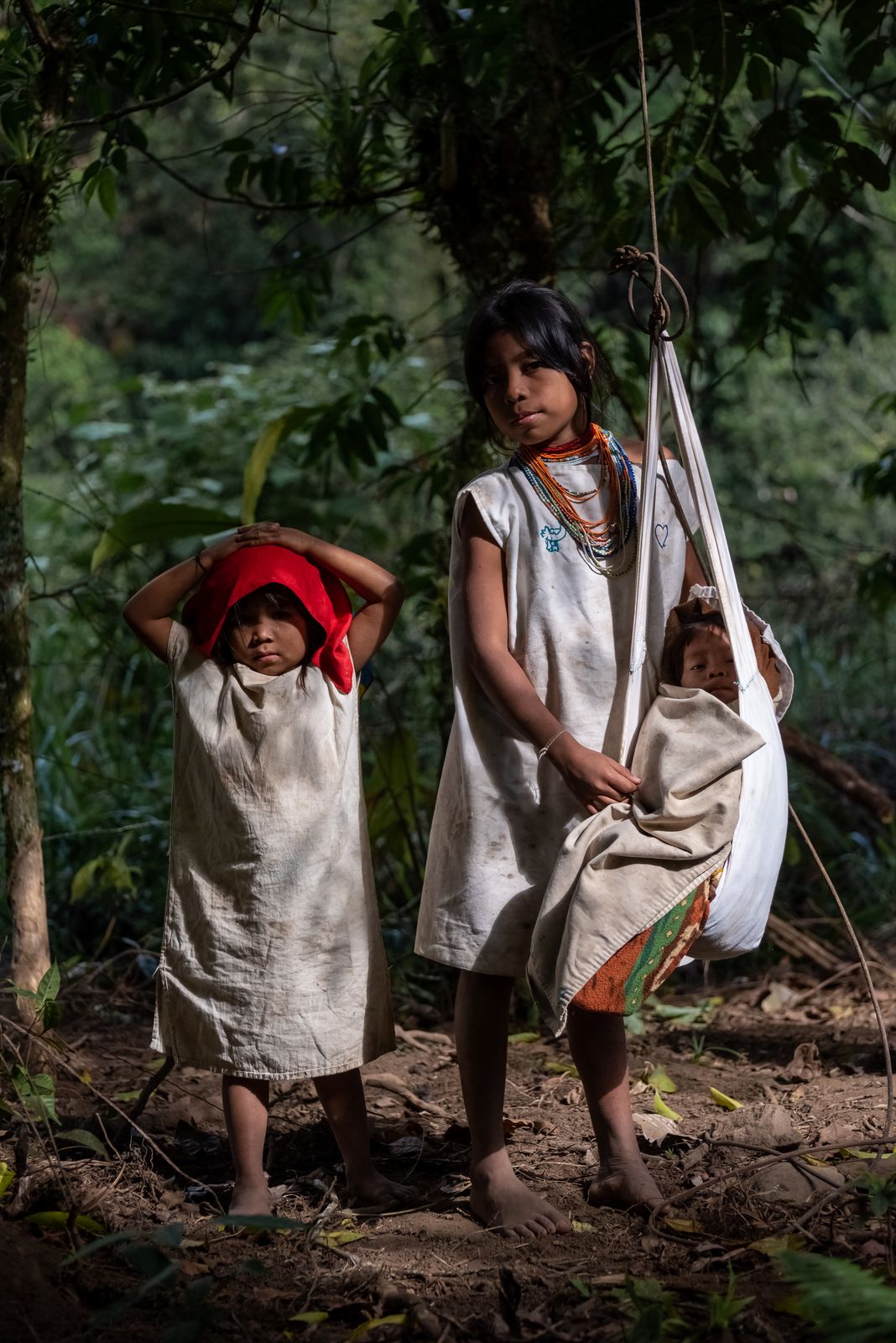
The Sierra Nevada de Santa Marta is a genuine anomaly: the world's highest coastal mountain range, rising from Caribbean beach to snow-capped peak in under fifty kilometers, and much of its interior remains under the stewardship of the Kogi, Arhuaco, Wiwa and Kankuamo peoples, who have limited outside development on ancestral land. That's a large part of why this region doesn't have the density of branded jungle lodges that Costa Rica or the Amazon basin do — access is genuinely restricted in places, by design, and that restriction is worth respecting rather than treating as a gap in the market.
A small lodge of seven private bungalows tucked between Tayrona National Park's beaches and the Sierra Nevada foothills, each with its own private dip pool overlooking jungle gardens rather than a shared deck. It's a genuinely quiet corner of the Colombian Caribbean that most travelers skip in favor of Cartagena, which is exactly why it works if you want jungle and coast without the crowds either destination usually brings. There's a spa circuit and sauna on offer if you want the extras, but the core appeal is simple: seven bungalows, seven private pools, and a national park's worth of forest at the door. (Tewimake Eco-Lodge; more of Colombia)
Beyond Tewimake, the town of Minca, further up into the sierra's foothills, has a growing scene of small family-run guesthouses and coffee-farm cabins that don't yet have the international booking infrastructure to verify individually here — several are genuinely good and worth researching directly if you're already planning a Santa Marta trip, but we'd rather point you toward Minca as a region than name a specific unverified guesthouse and hope it's still open by the time you read this.
The Yucatán jungle
The Yucatán Peninsula's forest is different in character from the Amazon or the Sierra Nevada — lower, drier, riddled with cenotes and limestone caves, and increasingly the backdrop for Tulum's design-forward hotel scene. It's also the most accessible jungle region on this entire list for a North American traveler: a direct flight into Cancún, then an hour or so by road, no boat required.
Roughly forty hand-built wood-and-vine villas rising through the jungle canopy above the Caribbean, deliberately without televisions, air conditioning or, in most villas, in-room electricity. It's a genuinely divisive property — some guests find the disconnection romantic, others find it a lot of stairs and mosquito coils for the price — and going in with clear expectations matters more here than almost anywhere else on this list. What it has that nothing else here does is Kin Toh, a restaurant suspended in the treetops that's become a destination in its own right, and a level of sculptural design commitment that photographs like nothing else in the Maya jungle. (Azulik; more of Tulum & the Maya jungle)
An adults-only hotel set back from Tulum's beach strip in a lush jungle garden, with around thirty villas each offering its own private plunge pool a few steps from the bed and an open-air shower. It has a proper on-site restaurant, a spa, and a design sensibility that leans quieter and more considered than the Instagram-bait aesthetic a lot of newer Tulum properties chase. It sits closer to "boutique hotel" than "jungle immersion" — you're minutes from restaurants and the beach, not hours into the forest — which is exactly the appeal if you want jungle atmosphere without giving up convenience for a long weekend. (Hotel Bardo; more of Tulum & the Maya jungle)
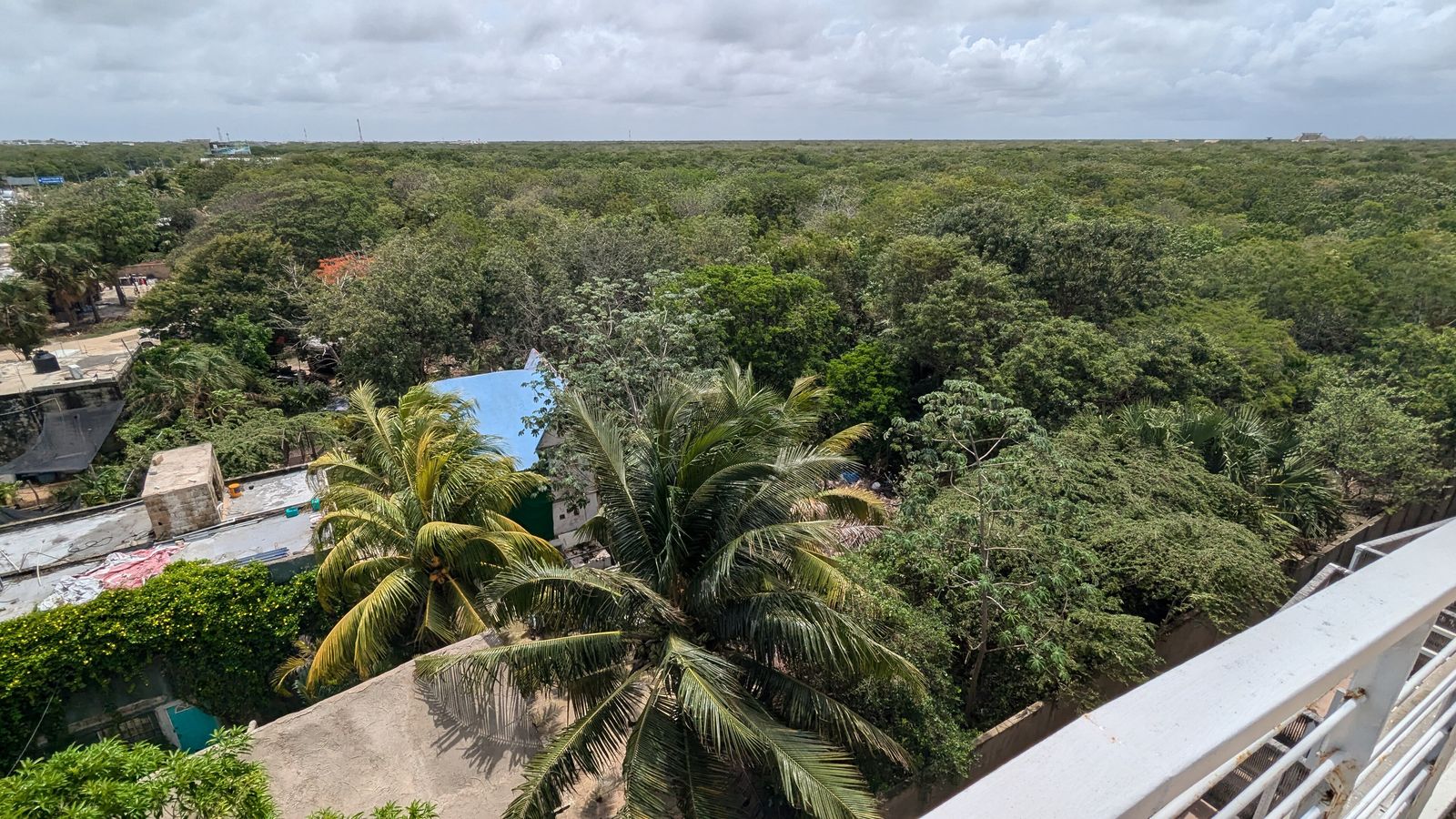
Beyond Tulum's hotel zone, the jungle interior around Tulum and toward the Sian Ka'an Biosphere Reserve has a real and growing supply of privately booked jungle houses — cenote-front homes with a plunge pool and a palapa roof, the closest thing on this list to the classic "jungle Airbnb" format that made this whole category popular. We're not naming specific listings here because individual short-term rentals turn over constantly and a name-checked property today can be delisted or renovated by the time you read this; if that's the format you want, our own Mexico destination page is built to surface exactly that kind of currently-live listing rather than a fixed, aging list.
Whole-home or boutique lodge — and why this list is lodge-heavy
Look back over the twelve picks above and the pattern is obvious: every one of them is a boutique lodge or hotel, not a private whole-home rental. That's not an oversight — it's the honest shape of jungle travel in these four specific regions, and it's worth explaining rather than glossing over.
In Bali or Sri Lanka, a single family or a small operator can build one striking house, list it themselves, and have guests self-check-in with no staff on site, because the surrounding infrastructure — roads, water, cell signal, local supply chains — already exists close by. In the deep Amazon, the Sierra Nevada's protected interior, or Costa Rica's more remote peninsulas, none of that infrastructure exists in the same way. A lodge in the Tambopata reserve needs a boat, a generator or solar system, a kitchen staff who can get food in reliably, and often a relationship with the community whose land it sits on. That's simply not a one-family whole-home operation, and treating it as one would be either dishonest or actually unsafe for guests.
Where the infrastructure does exist — Tulum's hotel zone, Costa Rica's more developed Pacific coast — whole-home jungle rentals genuinely do too, and we've pointed you toward where to find current ones rather than naming specific listings that won't stay accurate. If a private, self-catered jungle house is specifically what you're after, our best jungle Airbnbs in the world guide and best jungle Airbnbs for couples guide both cover more whole-home options, concentrated in the regions — Bali, Sri Lanka, coastal Costa Rica — where that format actually works at scale.
When to go
Every region on this list has a wetter season and a drier one, and none of them stop being jungle in the dry months — expect humidity and the occasional downpour regardless of when you book. Costa Rica's Pacific side, where Rancho Pacifico sits, runs driest roughly December through April; the Caribbean side and the Arenal region near Chachagua have a slightly different, wetter pattern most of the year. The Peruvian and Ecuadorian Amazon actually favor a different logic than "dry is better" — lower water levels from roughly June through November make some trails and lodges more walkable, while the high-water months from December through May open different boat routes and put you paddling directly among the treetops, which plenty of visitors prefer. Manaus and the central Brazilian Amazon follow a similar high-water/low-water split rather than a simple wet/dry one. Colombia's Sierra Nevada and Tayrona coast are driest from December through March and again in a shorter window around July, though microclimates in the mountains vary block by block. The Yucatán's driest, least humid stretch runs roughly November through April, ahead of the region's hurricane season later in the year. None of this is a guarantee — jungle weather is jungle weather everywhere on this list — but checking a specific lodge's own seasonal notes before locking in dates is worth the five minutes it takes.
What these stays actually cost
We're not going to hand you numbers that will be wrong within a season — rates on properties like these move constantly with demand, currency swings and time of year, and any figure we quoted today would be stale before you finished reading this sentence. What we can say honestly: almost everything on this list sits above budget jungle travel, and the deep-Amazon lodges in particular carry cost beyond the room rate itself, since a flight to a regional hub and a boat transfer are usually bundled into the package rather than optional extras. Multi-night, all-inclusive Amazon packages are the norm rather than the exception, because there's genuinely nowhere else nearby to eat. Costa Rica and the Yucatán, by contrast, sit closer to normal boutique-hotel pricing precisely because the surrounding infrastructure — restaurants, transport, competition — keeps prices more disciplined. If budget is the real constraint on this trip, our best budget jungle Airbnbs under $100 guide covers real, comfortable jungle stays at a completely different price point, mostly outside these four specific regions, and it's worth a look before assuming a Latin American jungle trip has to mean a four-figure lodge package.
- Ask what's actually included before comparing prices. An Amazon lodge quoting a nightly rate almost always means a multi-night package with meals, guides and transfers bundled in — compare the whole package, not the per-night number, against a Tulum hotel quoting room-only.
- Budget real time for the transfer, not just money. Deep-Amazon lodges routinely involve a flight plus several hours by boat each way; don't book a single night at a property that takes half a day to reach.
- Ask about connectivity if you need to work. Several lodges on this list, especially in the Amazon and at Azulik in Tulum, have deliberately limited wifi or none at all. Confirm before you book, not after you've landed.
- Check cancellation terms carefully. Small, remote lodges are far more likely to run non-refundable rates than a city hotel, because a canceled booking is much harder for them to resell on short notice.
Common questions
Is it safe to visit Amazon lodges in Peru, Ecuador and Brazil?
The lodges on this list are established operators with decades of experience hosting travelers, and the remoteness that makes the trip feel adventurous is well managed by staff who do this daily. The bigger practical risk is logistical rather than personal — flight delays, river-level changes, limited options if plans shift last minute — so build slack into your itinerary rather than a tight connection through a regional airport.
Do I need vaccinations or malaria prevention to visit these regions?
Requirements and recommendations vary by country and by exactly where you're going, and they change over time, so this is genuinely a question for a travel clinic or your doctor rather than a travel blog. Check well ahead of booking, since some vaccines need weeks to take effect.
Can I combine a Costa Rica or Yucatán jungle stay with a beach trip?
Yes, more easily than anywhere else on this list. Tulum's jungle hotels sit minutes from the Caribbean, and Costa Rica's Osa Peninsula and Pacific coast put rainforest and ocean within the same short drive. The Amazon lodges are a different kind of trip entirely — plan them as a dedicated leg, not a day trip from a beach.
Why doesn't this list include more whole-home rentals?
Because in these four specific regions — deep Amazon, the protected Sierra Nevada interior, remote Costa Rica peninsulas — the infrastructure that makes a self-catered private house realistic mostly doesn't exist, and Tulum's genuine whole-home jungle rentals turn over too fast to responsibly name a fixed list. We cover more whole-home options, where the format actually fits the place, in our broader best jungle Airbnbs in the world guide.
How far in advance should I book an Amazon lodge?
Popular lodges with limited cabins, like Napo Wildlife Center and Posada Amazonas, can book out months ahead in the June-through-August and December-through-February travel windows. If specific dates matter, book as early as the lodge allows rather than assuming a Tulum-hotel timeline of a few weeks out.
Is Wi-Fi available at these lodges?
Inconsistently, and it's worth checking rather than assuming either way. Most Costa Rica and Tulum properties have reliable wifi. Deep-Amazon lodges vary widely — some run limited satellite connections in common areas only, and Azulik in Tulum skips it in most villas by design. If you need to work during the trip, confirm the specific property's setup before booking.
What the best ones have in common
Line up the stays that actually earned their place on this list and a pattern holds across all four regions. None of them are pretending to be something they're not — a lodge calls itself a lodge, with staff and a restaurant and other guests at breakfast, rather than dressing itself up as a private escape it isn't. Almost all of them commit to one relationship fully: with a community that co-owns the land, with a conservation program that's actually funded by your stay, or with a piece of forest specific enough that the lodge couldn't be picked up and rebuilt somewhere easier to reach. And every single one sits inside working forest you can hear from the bed, not a landscaped approximation of it near a parking lot.
If this list has you thinking about other angles on the same trip, we've covered a few nearby: the best treehouse Airbnbs in the world and the best off-grid jungle cabins in the world both dig deeper into the architecture styles that show up repeatedly above, the best jungle Airbnbs with a private pool goes further on that one feature across more properties worldwide, and how to start a jungle Airbnb is worth a read if this list has you thinking about the other side of the business. If you're traveling with kids rather than planning a couples trip, the best jungle Airbnbs for families is the more useful list, and why jungle stays are booming covers the broader trend behind why this category exists at all now. For the full range of regions we track, start with the full destination directory and work from there — Latin America is the deepest jungle on the map, but it isn't the only one worth booking.
- Rancho Pacifico — adults-only Osa Peninsula lodge, treehouse and villa details, Boutique Hotel Awards recognition.
- Chachagua Rainforest Hotel — Jungle Treehouses, La Fortuna/Arenal region, Costa Rica.
- Inkaterra — Reserva Amazonica cabana and plunge-pool details, Madre de Dios River, Peru.
- Rainforest Expeditions — Posada Amazonas ownership structure and Tambopata National Reserve access, Peru.
- Treehouse Lodge, Iquitos — treehouse heights and Pacaya-Samiria access, Peru.
- Sacha Lodge — canopy walkway dimensions and Yasuní National Park location, Ecuador.
- Napo Wildlife Center — Kichwa Añangu community ownership, Yasuní National Park, Ecuador.
- Mirante do Gavião — Anavilhanas Archipelago and Rio Negro lodge details, Brazil.
- Tucan Amazon Lodge — cabin and transfer details near Manaus, Brazil.
- Tewimake Eco-Lodge — bungalow and private-pool details, Tayrona region, Colombia.
- Azulik · Hotel Bardo — Tulum jungle villa and hotel details, Mexico.
More from the Journal.
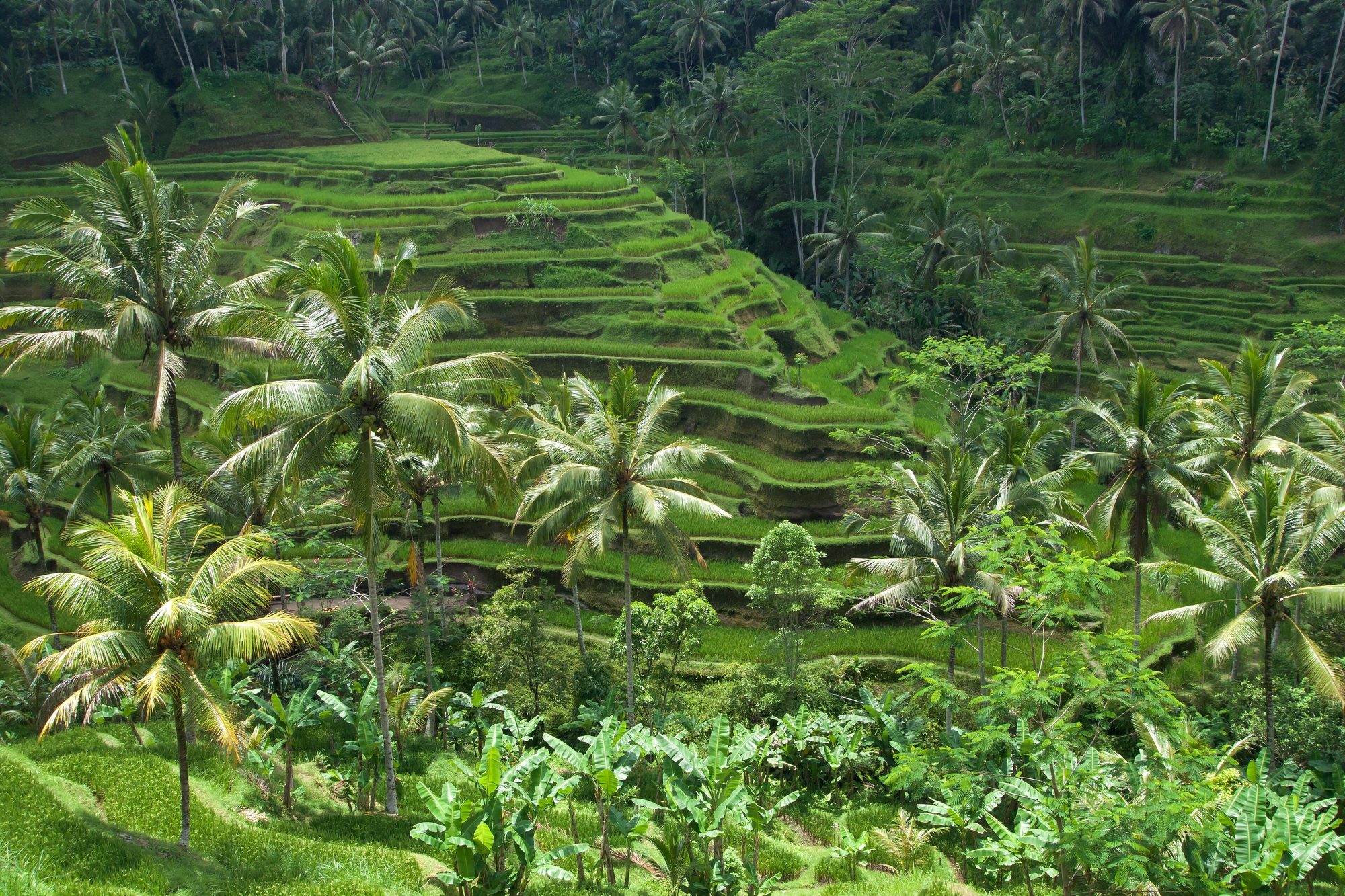 Photo: Vyacheslav Argenberg, CC BY 4.0
The Best Jungle Airbnbs in the World
Our honest, unpaid ranking of the jungle stays that changed what a night in the forest can be — from Bali's bamboo masterpieces to the floating bungalows of Thailand.
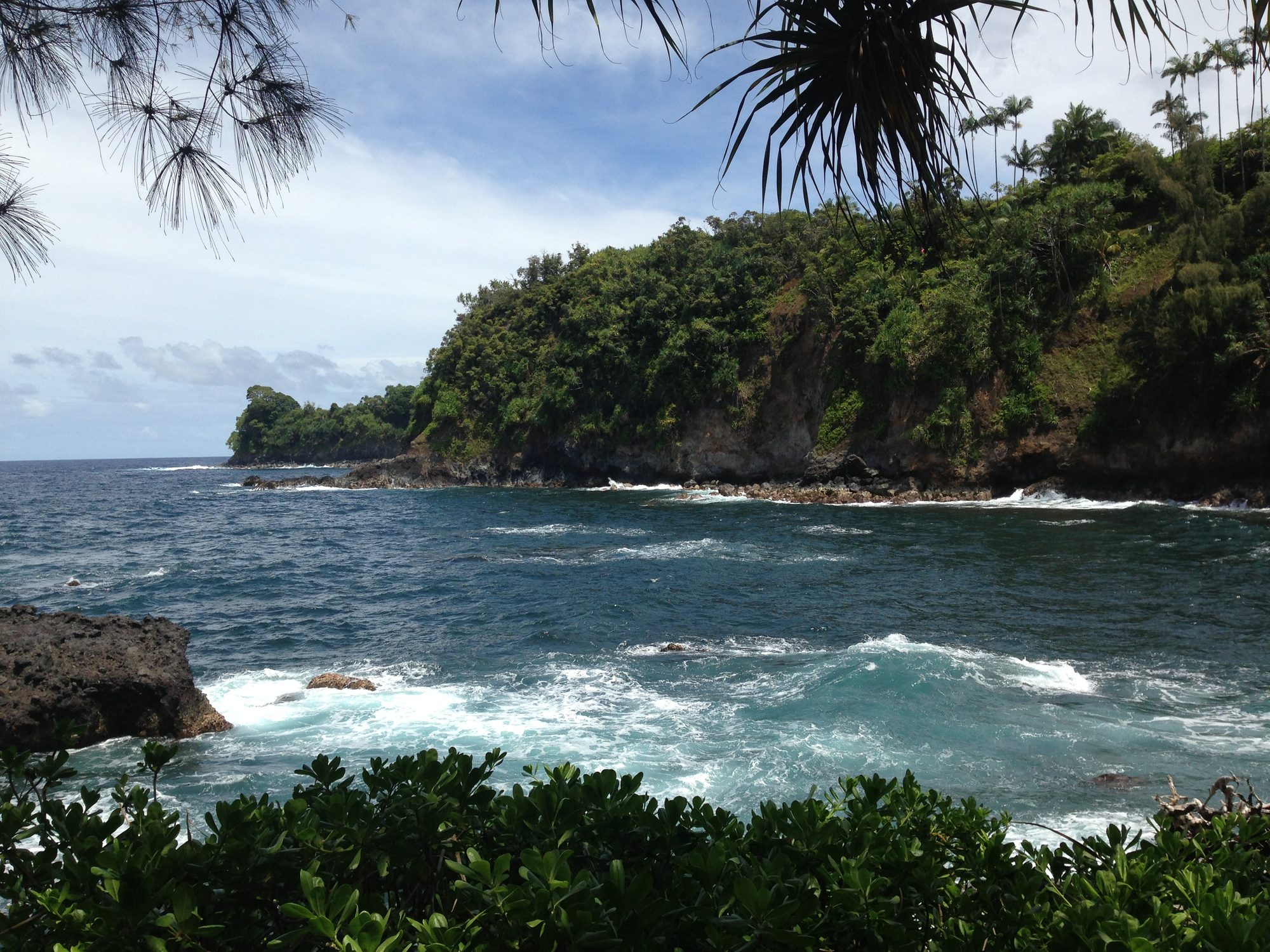 Photo: AlaskaDave, CC BY-SA 3.0
The Best Jungle Airbnbs in the USA
Real rainforest, no passport required — the best treehouses and bamboo houses across Hawai‘i, Puerto Rico and Florida.
 Photo: Bernard DUPONT from FRANCE, CC BY-SA 2.0
The Best Treehouse Airbnbs in the World
Our honest ranking of the treehouses worth crossing an ocean for — from canopy platforms in the Amazon to stilted glass boxes above the rainforest floor.
 Photo: Derek Ramsey (Ram-Man), CC BY-SA 4.0
Find your own piece of the canopy.
Treehouses, bamboo houses and rainforest villas across 17 destinations — found, vetted and written up honestly.
Browse all destinations