Ella & Sri Lanka Hill Country Guide
Ella is a small town in Sri Lanka's hill country that punches well above its size — a couple of streets of guesthouses and cafes wedged into a gap in the mountains of Uva Province, surrounded on all sides by tea. People come for a nine-arch railway bridge that trains still cross several times a day, for two short hikes that both end in views over a green valley, and for the simple fact that the air up here is cooler and the pace is slower than almost anywhere else on the island. It's not wilderness in the way a rainforest reserve is wilderness — this is working agricultural land, tea bushes planted in neat rows up impossibly steep slopes, worked by pickers who've been doing it the same way for well over a century. But it's genuinely green, genuinely quiet outside of a few pinch points, and genuinely one of the best places in Asia to slow down for a few days. This is a practical guide to Ella and the hill country around it: how to actually get there, where to base yourself, what to do with your days, the honest crowding problem, and where to stay if you want to sleep somewhere with a view instead of a wall between you and the tea.
What Ella is, and why go
Ella sits in Uva Province, in the Badulla District, at roughly 3,400 feet above sea level — high enough that the heat and humidity of the Sri Lankan coast give way to something closer to a permanent spring evening, and low enough that it never gets genuinely cold. The town itself is tiny: one main road lined with guesthouses, juice bars and the kind of open-air restaurant that hangs fairy lights over a valley view, plus a railway station that's arguably the most photographed small station in the country. What surrounds it is the reason people come. Ella occupies a low, forested gap in a ridge line, with tea estates climbing the slopes in every direction, patches of remaining forest holding the steeper ground the tea couldn't reach, and a handful of named landmarks — Ella Rock, Little Adam's Peak, the Nine Arch Bridge, Ravana Falls — all within an easy walk or a short tuk-tuk ride of the town center.
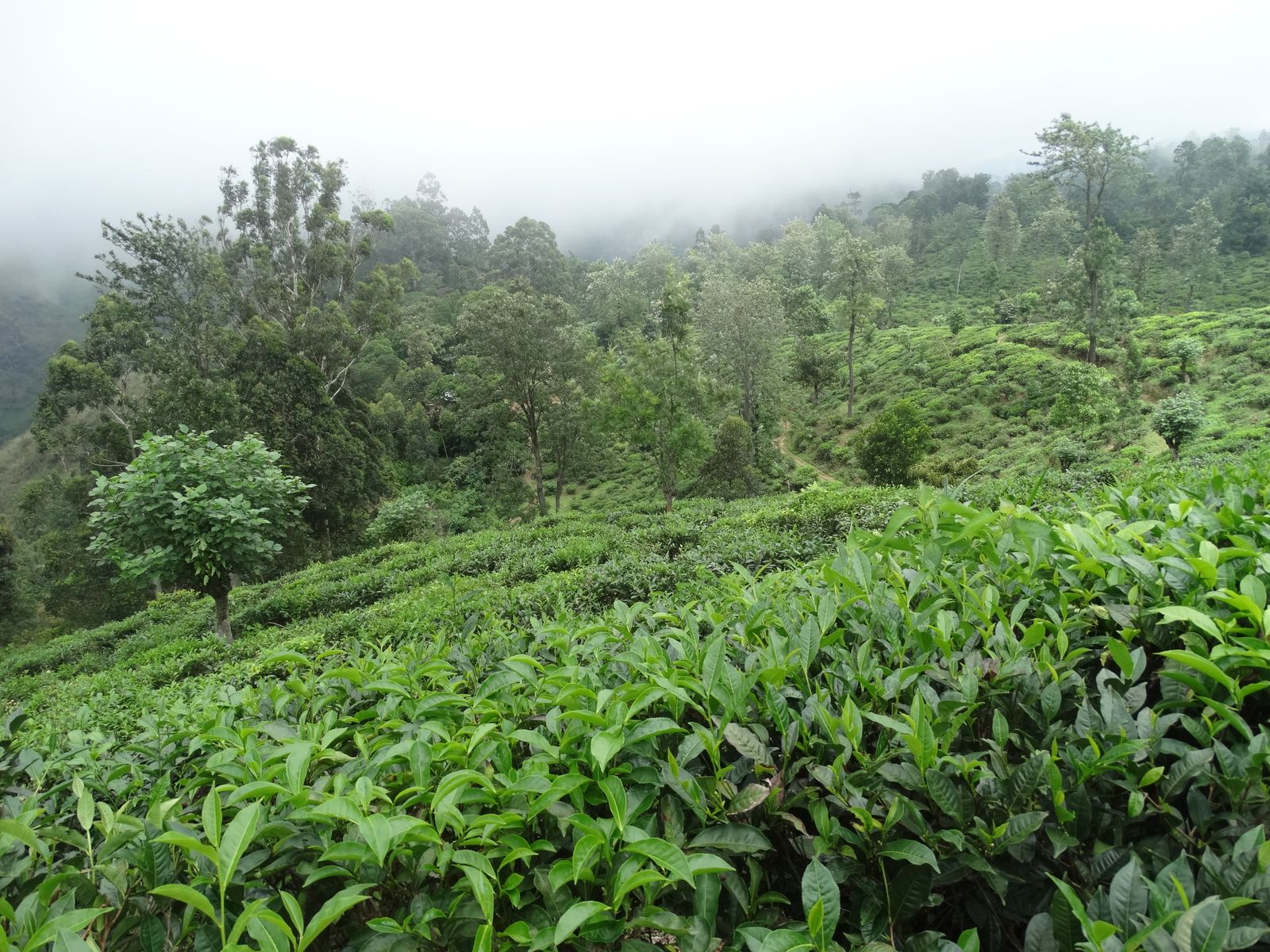
This isn't a national park and nobody markets it as one. It's a former British colonial hill station turned backpacker and now increasingly mainstream tourist town, and the tea industry that built it is still very much a working business, not a heritage display — the pickers you see moving through the bushes with baskets on their backs are doing a real job, not performing one. That combination is what makes Ella worth the detour from the coast: a landscape that looks almost engineered in its neatness, real jungle and forest patches still clinging to the ravines and rock faces, and just enough infrastructure — cafes, guesthouses, a functioning train line — to make a few days here genuinely restful rather than an expedition. It pairs naturally with a wider Sri Lanka itinerary that might also take in the cultural triangle around Sigiriya, the beaches of the south coast, or Yala National Park for wildlife, and it's a fair comparison point for other hill-and-highlands escapes covered on this site, from the Balinese highlands around Munduk to the misty valleys of Sidemen.
Getting there
Almost every visitor to Ella arrives via Colombo, and specifically via Bandaranaike International Airport (CMB) outside the capital. Ella is roughly 120 miles east of Colombo by road, and a direct drive by private car or taxi takes somewhere in the region of three and a half to four hours depending on traffic through the outskirts of Colombo and the mountain roads once you're climbing into the hills. Most travelers don't drive it in one go — Ella works well as the last or middle stop on a loop that also takes in Kandy, Nuwara Eliya, or the cultural triangle around Sigiriya and Dambulla, all of which sit roughly along the route inland from the coast.
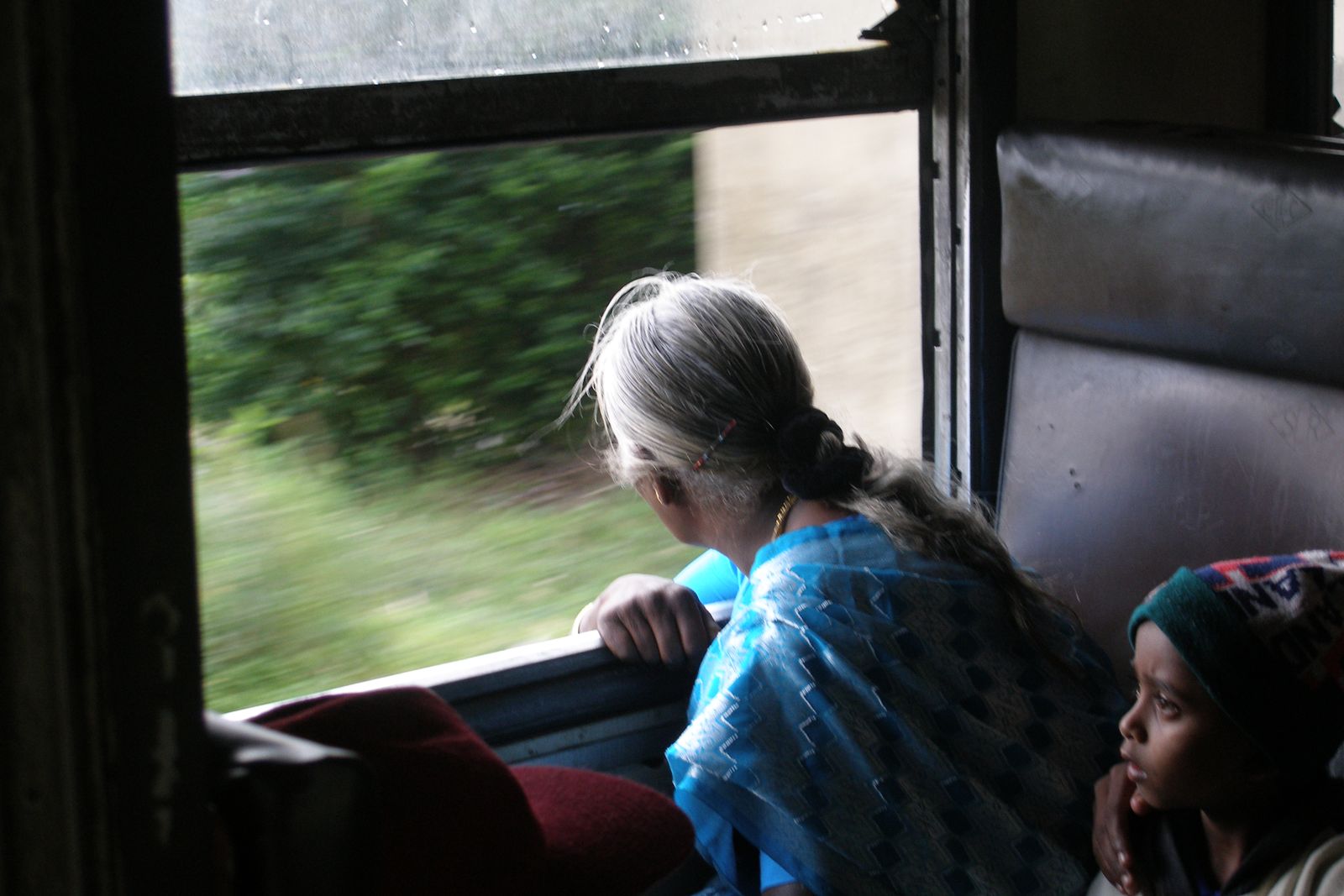
The famous way in, though, is the train. The line from Kandy through the hill country to Ella and on to the terminus at Badulla is regularly cited as one of the great scenic railway journeys anywhere, climbing steadily through tea country, tunnels and misty ridgelines, with the full Kandy–Ella run typically taking somewhere between six and eight hours depending on the service. Third class, with the windows and doors open and standing room at the doorways for photos, is genuinely the way most travelers do it and is part of the experience rather than a downgrade; reserved second-class seats exist and are worth booking ahead in peak season, since the popular daytime trains sell out well in advance. It's worth knowing, going into a 2026 trip, that Cyclone Ditwah caused serious damage to sections of the Kandy–Ella track in December 2025; a limited service crossing the Nine Arch Bridge and connecting Badulla with Ambawela resumed by the end of that month, running a reduced schedule of about two trains a day rather than the full pre-cyclone timetable. Check current timetables and track status before building an itinerary around the full Kandy–Ella run, since restoration of the complete line was still ongoing as of this writing.
There's no airport near Ella and no realistic way to fly in — a private car, a scheduled intercity bus, or the train are the options, and most people combine at least two of them, arriving overland from Kandy or Nuwara Eliya by road and doing at least one leg of the hill country by rail. Once you're in Ella itself, the town is entirely walkable, and tuk-tuks handle everything just outside walking range — the Nine Arch Bridge, Ravana Falls, and the trailheads for the two big hikes are all a short, cheap tuk-tuk ride from the main street if you'd rather not walk the approach roads.
Good to know
Ella and Nuwara Eliya are not the same stop, and first-time visitors sometimes conflate them. Nuwara Eliya, the old British hill station nicknamed "Little England," sits higher and cooler, with a more colonial townscape and its own tea estates; Ella is smaller, lower, greener and considerably more relaxed. Many hill country itineraries do both, connected by the same scenic rail line, but they're a couple of hours apart and worth treating as two distinct stops rather than a single stretch of the same town.
Where to stay in Ella
Ella's accommodation runs from simple backpacker guesthouses on the main strip to increasingly polished boutique stays out on the ridges, and the honest advice is to prioritize a view and a bit of distance from the main road over being in the absolute center of town — nothing in Ella is more than a short walk or tuk-tuk ride away regardless.
Ella Treehouse, listed in our directory, is a good example of the type of stay worth seeking out here: a small independent treehouse for two — locally known as the Ella Treehouse Pearl — plus newer A-frame cabins out toward Rawana Ella, set directly in tea-estate and jungle-edge country a short tuk-tuk ride from town, with the waterfalls, Ella Rock and the cave all within walking distance. It's priced for backpackers and couples rather than pitched as a luxury resort, and the tradeoff for the modest rate is exactly the kind of setting that's hard to book in most of Ella's more polished mid-range hotels: cool evenings, mist moving through the tea in the morning, and the sense of actually being inside the landscape rather than looking at it from a hotel balcony.
Beyond that single-property pick, the broader shape of Ella's lodging scene is worth understanding before you book. The main strip and the roads just off it hold the bulk of the town's guesthouses and small hotels, walkable to the railway station and the restaurants; a short distance further out, toward Ravana Ella and the road up to Little Adam's Peak, you'll find more of the treehouse- and cabin-style stays built specifically to put a bit of tea plantation or forest edge between you and the next room. If Ella is one stop on a longer Sri Lanka trip and you're weighing it against jungle stays elsewhere on the island, our Sri Lanka destination page lists other vetted properties around the country, including eco-lodges near Sinharaja Forest Reserve and treehouse cottages near Sigiriya, for a sense of how the hill country compares to Sri Lanka's lowland rainforest regions. For a wider view of jungle and highland stays outside Sri Lanka entirely, the full directory is worth a browse.
The Nine Arch Bridge and the hill country train
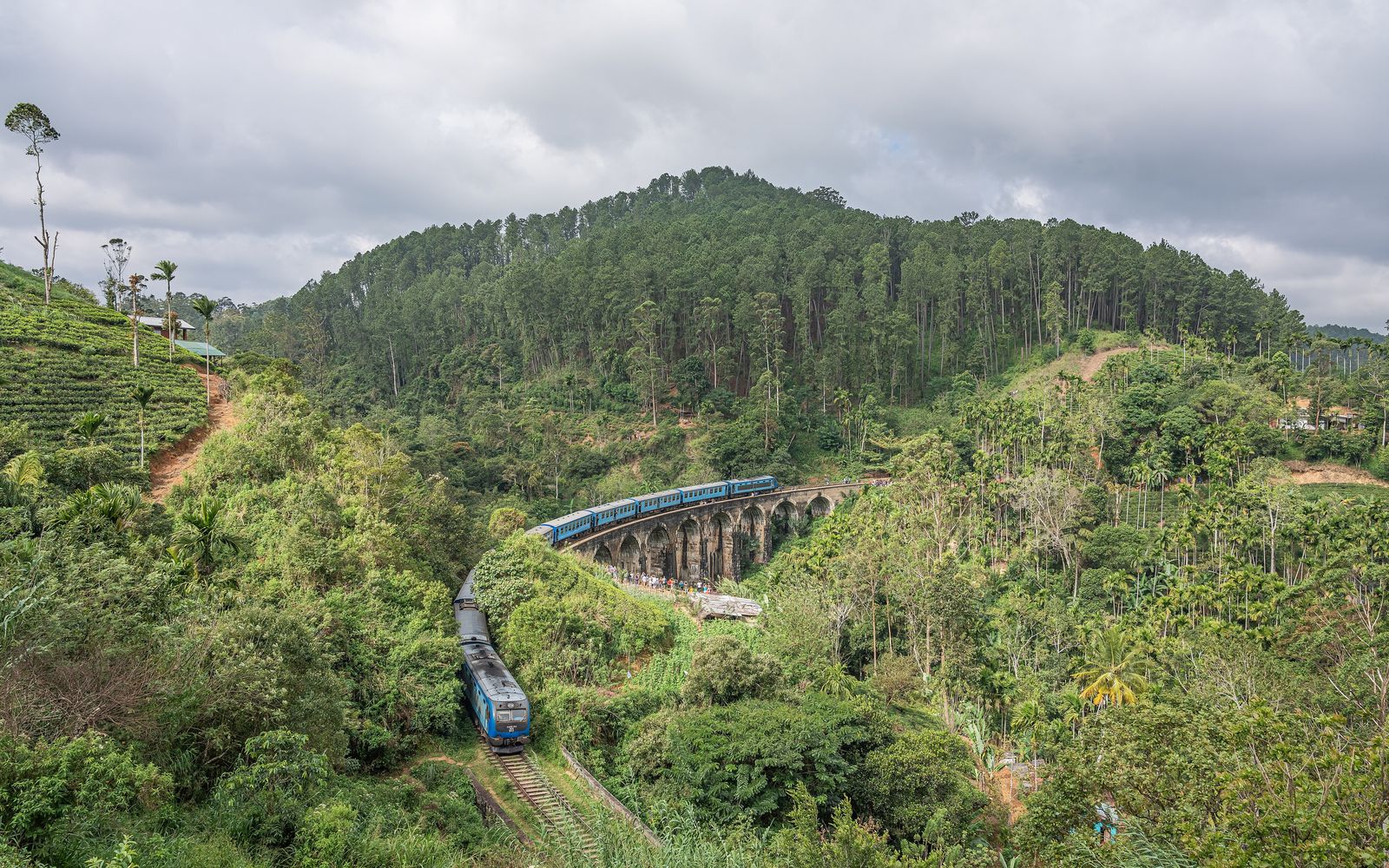
The Nine Arch Bridge is Ella's single most photographed landmark, and it earns the attention: a 30-meter-high railway viaduct built entirely of stone, brick and cement — no steel, according to the well-worn local story, because materials were delayed during the First World War and the British engineers built it out of what was on hand — arching across a forested ravine in a curve that photographs beautifully from almost any angle below it. It sits roughly two kilometers from Ella's railway station, reachable either by a road walk of about 25 to 30 minutes, a five-minute tuk-tuk ride, or a roughly 1.5-kilometer walking trail through tea plantations and a stretch of jungle that takes about half an hour and is, for most visitors, the nicer of the two approaches.
Trains cross the bridge a handful of times a day — roughly six passages in total, spaced unevenly through the schedule — and the crossing itself takes only a few seconds, so timing matters if seeing a train on the bridge is the point of the trip rather than just the structure itself. Sunrise is widely, and correctly, cited as the best time to be there: the light is better, the crowds thinner, and an early train is more likely to cross while you're still there rather than having to wait out the heat of midday for the next one. By late morning the viewing spots below and around the bridge fill in fast, and by peak season afternoon it can feel more like a photo queue than a quiet ravine — worth knowing before you plan a single trip around getting the shot.
You don't need to catch a train crossing the bridge to understand why people love this place. Stand under those nine stone arches with tea climbing the ravine on both sides and it's obvious a colonial railway engineer with a materials shortage accidentally built one of the prettiest things in Sri Lanka.
Beyond the bridge itself, the train line is worth riding rather than just photographing. Even a short leg — Ella to Demodara and back, or on to Haputale — puts you through tunnels, over smaller bridges and past tea pickers working slopes that aren't visible from any road, and it's a far better way to understand the scale of the hill country's tea industry than any single viewpoint. Buy tickets a day or two ahead where possible, particularly for reserved second-class seats on the more popular daytime services, and build in slack around any train-based day trip given the reduced post-cyclone schedule discussed above.
Little Adam's Peak and Ella Rock
Ella's two signature hikes are both short enough to fit into a single morning and both end with a real payoff, and most visitors who stay more than a night or two end up doing both.
Little Adam's Peak
Little Adam's Peak — named, not entirely modestly, after the taller and more famous Adam's Peak elsewhere in Sri Lanka — is the easier and more popular of the two, a roughly two-hour round trip starting from Ella's main street. The route follows the Ella–Passara road for about two kilometers, climbing gently through tea plantations before the marked trail branches off toward the summit, finishing with a short, well-defined climb to a series of viewpoints looking back over Ella Gap toward Ella Rock on one side and out over open tea country on the other. It's graded moderate rather than difficult and is a realistic hike for most fitness levels, which is exactly why it's also the more crowded of the two at sunrise and sunset — both popular times to be on top for the light.
Ella Rock
Ella Rock is the longer, less signposted, and generally more rewarding of the pair, also roughly two hours round trip but with route-finding that's genuinely trickier — the trail follows the active railway line for a stretch before cutting up through forest and tea to the summit, and it's easy to miss the correct turnoff without a guide or a good map loaded in advance. The reward at the top is a wider, higher view than Little Adam's Peak offers, taking in the full sweep of Ella Gap, and because the approach discourages casual walk-up traffic, it tends to be noticeably quieter even in peak season. A local guide, easily arranged through any guesthouse in town, is worth it here less for safety than to avoid the wrong-turn frustration that's a common complaint from travelers who've tried it solo.
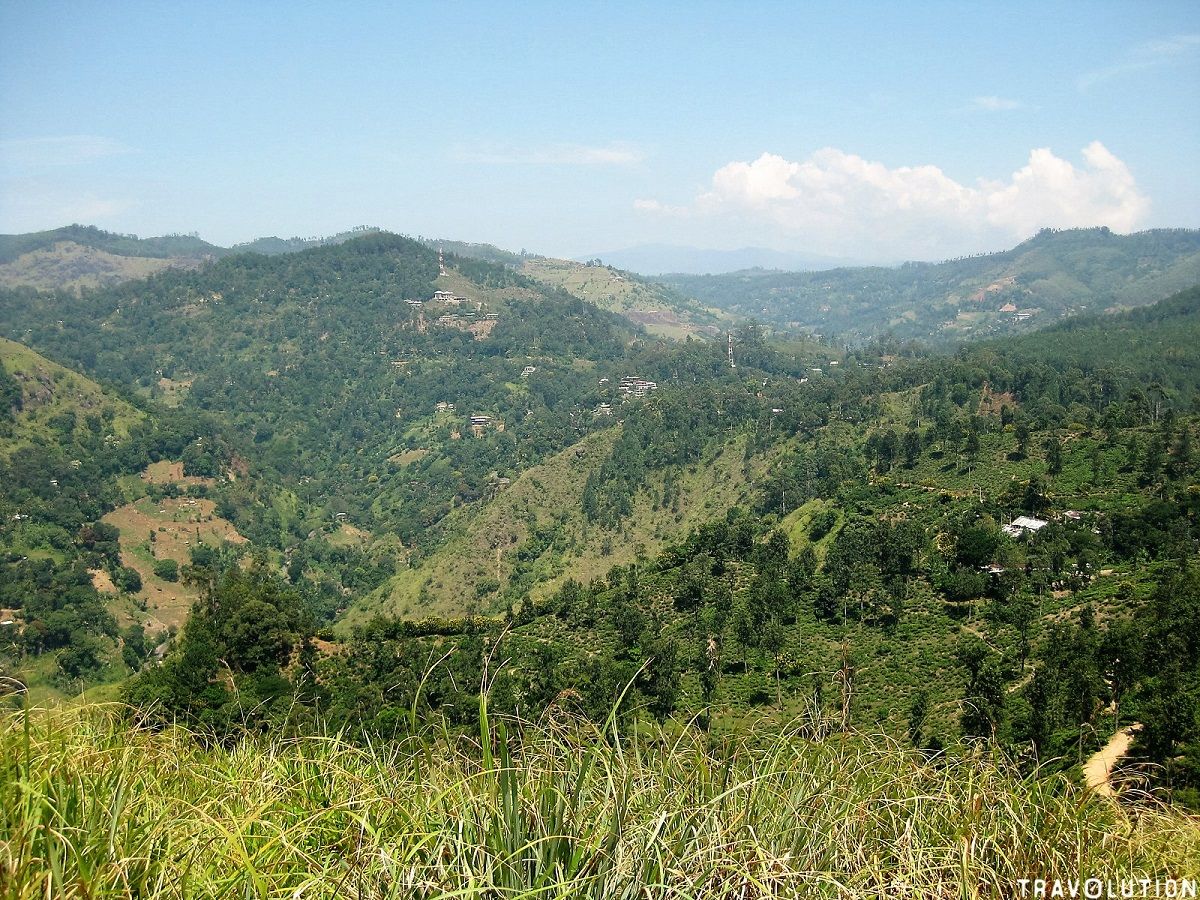
Both hikes are best started early — not just for the light, but because Ella's weather tends to cloud in by midmorning even in the dry season, and a summit view lost to mist is one of the most common small disappointments visitors report. Bring water, wear shoes with real grip rather than sandals, and expect the trails to be genuinely busy around sunrise in the December-to-March high season.
Ravana Falls and Diyaluma Falls
Water is the other constant around Ella, and two falls in particular are worth building time for. Ravana Falls sits just a few kilometers outside town on the road toward Wellawaya, easily reached by tuk-tuk, and is a modest but genuinely scenic cascade with ties in local legend to the Ramayana — it's treated as much as a small shrine and picnic spot by Sri Lankan visitors as a photo stop for foreign travelers, and it's busiest around midday when tour vehicles pass through on the main road. It runs fuller and more dramatically in the wetter months and can thin to a comparatively modest trickle in the driest stretch of the dry season, so temper expectations if you're visiting in an especially dry patch of the year.
Diyaluma Falls is the bigger draw for travelers with a full day to spare — Sri Lanka's second-highest waterfall at around 220 meters, a single long drop rather than a tiered cascade, reached via a drive of roughly an hour or so from Ella toward Koslanda. The main falls are viewable from the road and from a lower pool area, but the real reason people make the trip is the set of natural rock pools scattered along the upper tiers, reached by a separate, steeper climb — genuine infinity-pool-style swimming spots cut into the rock with the valley falling away beneath them. The climb to the upper pools is unmarked in places and has been the site of serious accidents in wet or overconfident conditions, so treat it with real caution, avoid it outright after rain, and consider a local guide if you're set on reaching the top pools rather than just viewing the falls from below.
Good to know
The upper rock pools at Diyaluma Falls look like an easy, obvious swim from photos, but the approach is a genuine scramble over wet rock with real exposure in places, and there is no formal safety infrastructure. Go early, go dry, skip it after or during rain, and don't attempt the climb alone if you're not confident on uneven, slick terrain.
Lipton's Seat, Haputale and the tea estates
If Ella's hikes and waterfalls are the town's headline attractions, Lipton's Seat is the hill country's, and it's worth the extra distance. The viewpoint sits above Haputale, roughly an hour's drive from Ella along a steep, narrow road that winds up through working tea estates, and takes its name from Sir Thomas Lipton, the tea magnate who is said to have surveyed his new plantations from this exact spot in the late 1800s, effectively the spot where the modern Ceylon tea industry got its first foothold. At close to 2,000 meters, the view on a clear morning takes in a huge stretch of tea country, the ridgelines rolling away in every direction, and — on the clearest days — a distant view of Sri Lanka's south coast, though cloud cover moves in fast, so an early start matters more here than at almost any other stop on this list.
The Dambatenne Tea Factory, on the road up to Lipton's Seat and also founded by Lipton, is worth combining with the viewpoint — it runs tours through the working factory floor showing the full process from leaf to packaged tea, and going early in the day means a better chance of seeing the machinery actually running rather than idle. Haputale itself, the town below, is a quieter, less touristed alternative base to Ella for travelers who want the same tea country setting with a fraction of the foot traffic, and it sits on the same rail line, making it an easy add-on rather than a detour.
None of the tea estates around Ella or Haputale run formal public tours in the way Dambatenne does — most of the land is simply working plantation, criss-crossed by informal paths that pickers use daily, and it's both possible and genuinely pleasant to walk through parts of it independently or with a guide from your guesthouse, provided you treat it as someone's workplace rather than a park. A tip in cash to a picker willing to explain the work, or a small purchase from one of the roadside tea stalls near Lipton's Seat, goes a long way and is generally welcomed.
Food and practicalities
Ella's main street runs almost entirely on cafes and restaurants aimed at travelers, which means an unusually wide spread for a town this size — real Sri Lankan rice-and-curry spreads, good Indian food, a fair number of places doing Western breakfasts and burgers, and a genuine specialty coffee scene that's grown up around the backpacker trade. It's worth eating at least one proper rice-and-curry meal at a local, unpretentious spot rather than sticking entirely to the view-focused restaurants along the main strip — the food is better and considerably cheaper away from the rooftop terraces, even if the view is worse.
Cash is worth carrying; ATMs exist in town but card acceptance thins out fast at smaller guesthouses, tuk-tuk drivers and roadside stalls. Mobile data coverage in Ella itself is generally reliable, though it gets patchier on the approach roads and at the more remote waterfalls and viewpoints like Lipton's Seat and Diyaluma. English is spoken comfortably throughout the town's tourism-facing businesses, and Sri Lankans in the hill country are, by wide consensus among travelers, genuinely warm and easy to deal with, though the standard tourist-town caution about agreed prices for tuk-tuks and tours before you get in still applies.
Pack for genuinely variable weather rather than tropical heat — evenings in Ella can be cool enough for a light layer, mornings on the hikes and at Lipton's Seat colder still, and a rain jacket is worth having regardless of season given how quickly cloud can roll in. Good closed-toe shoes matter more here than at a beach destination; between Ella Rock, Little Adam's Peak and the Diyaluma climb, this is a genuinely walking-and-hiking-based stop, not a lounge-by-the-pool one.
When to go
The hill country runs on its own weather pattern, distinct from the rest of Sri Lanka, and the widely cited best window is the dry season stretching from roughly January through April, with February through April in particular offering the clearest skies, the most comfortable temperatures and the best visibility for the hikes, the train and the viewpoints. Daytime temperatures in this window tend to sit in a mild range — genuinely comfortable for hiking rather than punishing — with cooler mornings and evenings that make the town's cafe culture especially pleasant after dark.
Monsoon conditions arrive later in the year, broadly from around September through December, with October and November typically the wettest stretch. Rain in this period can make the steeper trails, and especially the Diyaluma rock-pool scramble, genuinely hazardous, and low cloud can erase the views from Ella Rock, Little Adam's Peak and Lipton's Seat for days at a stretch. That said, the hill country in the wetter months is also markedly greener, quieter, and cheaper, and travelers who don't mind chasing gaps in the weather — and who treat any single day's summit view as a bonus rather than a guarantee — can still have a genuinely good trip outside the peak window.
Whichever season you land in, book train tickets and any well-known guesthouse or treehouse stay well ahead during the December-through-March peak, when both the trains and Ella's better rooms fill up fast.
The honest caveats
Ella is not a secret, and hasn't been for years. The Nine Arch Bridge in particular can feel like a photo line rather than a quiet jungle ravine by mid-morning in high season, Little Adam's Peak gets genuinely crowded at sunrise, and the main street's restaurant terraces are built, quite openly, around the view rather than around any particular culinary ambition. If your image of the hill country is an empty, undiscovered version of what's in the photos, recalibrate before you arrive — this is a well-established, heavily Instagrammed stop on the standard Sri Lanka circuit, and it shows.
The 2025 cyclone damage to the Kandy–Ella rail line is also a real, current planning issue rather than a footnote — as of this writing, service on parts of the route remains reduced from the pre-cyclone schedule, and travelers building an itinerary specifically around the classic full Kandy-to-Ella train ride should confirm current timetables rather than assuming the full historic service is running. Where the train isn't a workable option, the road route covers the same territory, just without the rail romance.
Weather is the other honest variable, and it cuts both ways. Outside the January-to-April window, cloud and rain can genuinely erase a day's plans — a summit view lost to mist, a waterfall climb closed by wet rock, a hike turned into a slog — and even inside the dry season, hill country weather can turn faster than coastal weather does. None of this changes the basic case for Ella: two good short hikes, a genuinely spectacular piece of colonial-era railway engineering, tea country that's real rather than staged for tourists, and a town small enough to see on foot in a couple of easy days. It's just not a place to expect solitude, and it's worth building slack into any itinerary that leans on the train.
Common questions
How many days do you need in Ella?
Two to three full days covers the essentials comfortably — the Nine Arch Bridge, one of the two main hikes, and either Ravana Falls or a half-day out to Lipton's Seat. Four or five days gives room to do both hikes, both major waterfalls, and a proper tea-estate day trip without rushing any of it, plus a buffer day for weather.
Do you need a guide for Ella Rock or Little Adam's Peak?
Little Adam's Peak is well-trodden and reasonably easy to navigate solo. Ella Rock's route-finding is genuinely trickier — the trail crosses an active rail line and the correct turnoff into the forest isn't well marked — so a guide, easily arranged through any guesthouse, is worth it for that hike specifically, more to avoid wrong turns and wasted time than for safety.
Is the Kandy-to-Ella train running normally right now?
Not at full pre-cyclone capacity. Cyclone Ditwah damaged sections of track in December 2025, and a reduced service — including trains crossing the Nine Arch Bridge and connecting Badulla with Ambawela — resumed on a limited schedule by the end of that month. Confirm current timetables before building a trip around the full historic Kandy–Ella run.
Can you visit Ella as a day trip from Kandy or Nuwara Eliya?
Technically yes by car, but it's not the best way to experience the place — the drive alone is a couple of hours each way from Nuwara Eliya and considerably longer from Kandy, and Ella's best moments (sunrise at the Nine Arch Bridge, an early hike before the cloud rolls in) require an overnight stay. Two nights is a realistic minimum even for a quick visit.
Are the tea plantations around Ella open to visitors?
Most of the plantation land is simply working agricultural ground rather than a formal attraction, and there's no widespread network of paid tours through it, though informal walking is common and generally tolerated if you're respectful of the pickers' work. The Dambatenne Tea Factory near Lipton's Seat, outside Haputale, is the main exception — it runs proper factory tours through the full production process.
What's the best time of day to see a train cross the Nine Arch Bridge?
Early morning, both for the light and for the crowds — trains cross roughly six times a day on an uneven schedule, and sunrise visits reliably see fewer people and better photo conditions than the midday and afternoon window, when the viewing areas around the bridge fill in fast.
Where to go from here
Ella works best as one well-planned stop on a wider Sri Lanka loop rather than the whole trip — pair it with the beaches or wildlife parks on the coast, or with the deeper rainforest of Sinharaja and the ancient sites around Sigiriya, and use our Sri Lanka destination page to browse other vetted stays around the island, including Ella Treehouse if you want to sleep right in the tea rather than looking at it from a hotel window. Browse the full directory if you're comparing Sri Lanka against other jungle and highland regions before you book. If misty highland towns and tea country are the draw more than any one country in particular, our guides to Munduk and North Bali's highlands and Sidemen's quiet valley cover Southeast Asia's other great hill-country escapes, and our piece on Khao Sok National Park is worth a read if a rail-and-jungle trip through Sri Lanka has you curious about Thailand's version of old-growth rainforest. For the bigger picture on why stays like these keep showing up on more travelers' shortlists, see why jungle stays are booming and the best jungle airbnbs in the world.
- The Common Wanderer — How To Visit Ella's Nine Arch Bridge — bridge height, distance and walking routes from Ella station, train crossing frequency and timing.
- Laure Wanders — Little Adam's Peak Hiking Guide — trailhead, route and round-trip time for Little Adam's Peak.
- Salt in our Hair — Ella, Sri Lanka: Best Things To Do — Ravana Falls, Diyaluma Falls, general Ella orientation.
- Tripadvisor — Lipton's Seat, Haputale, Uva Province — Lipton's Seat altitude, history, and drive time from Ella.
- Ella City Tour — Lipton's Seat, Haputale — Dambatenne Tea Factory details and tea country context.
- Holidify — Colombo to Ella: Distance, Car, Road, Train — Colombo–Ella distance and driving time.
- Pickyourtrail — Best Time to Visit Ella — dry season and monsoon timing for the hill country.
- Jetwing Hotels — A Complete Guide to Visiting Ella, Sri Lanka — Ella elevation, location within Uva Province, seasonal weather.
More from the Journal.
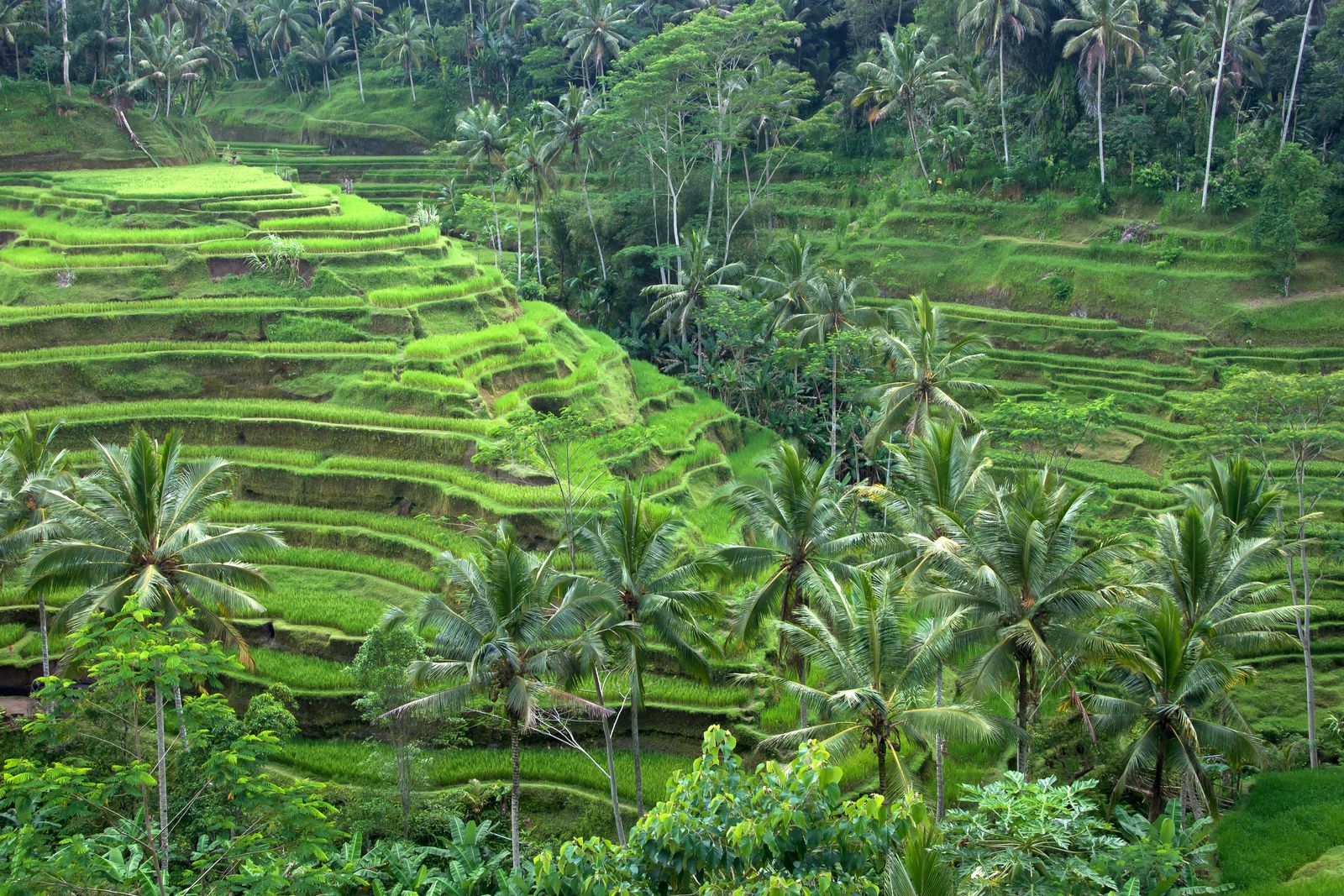 Photo: Vyacheslav Argenberg, CC BY 4.0
Ubud Jungle Guide
Bali's cultural heart is ringed by river gorges and terraced forest. Where to stay in the Ubud jungle, what to do, and how to escape the crowds.
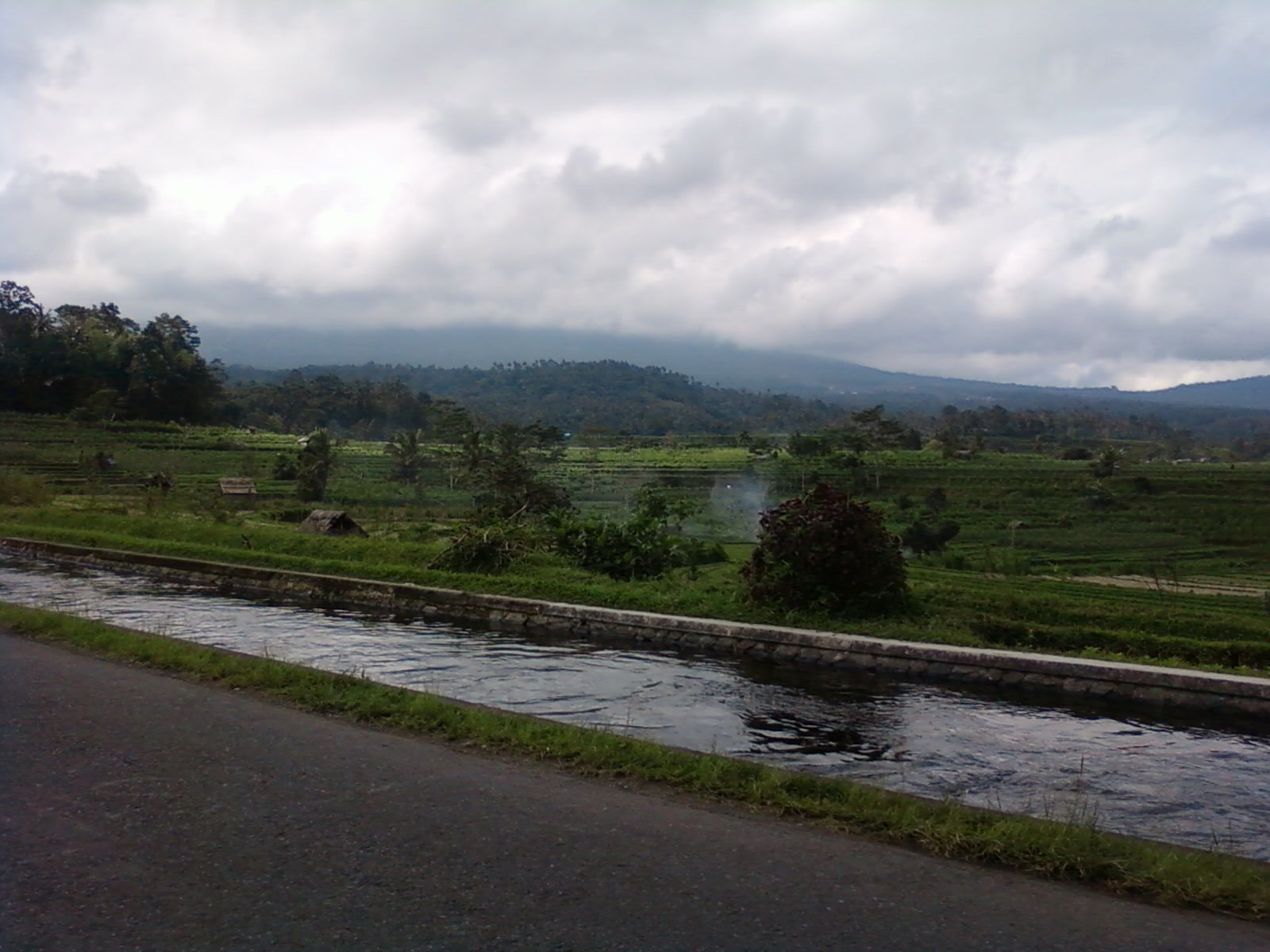 Photo: Adimelali Bali, CC BY-SA 3.0
Sidemen, Bali: The Quiet Valley Guide
An hour from Ubud and a decade behind it — Sidemen is the rice-terrace valley under Mount Agung where Bali's best bamboo houses hide.
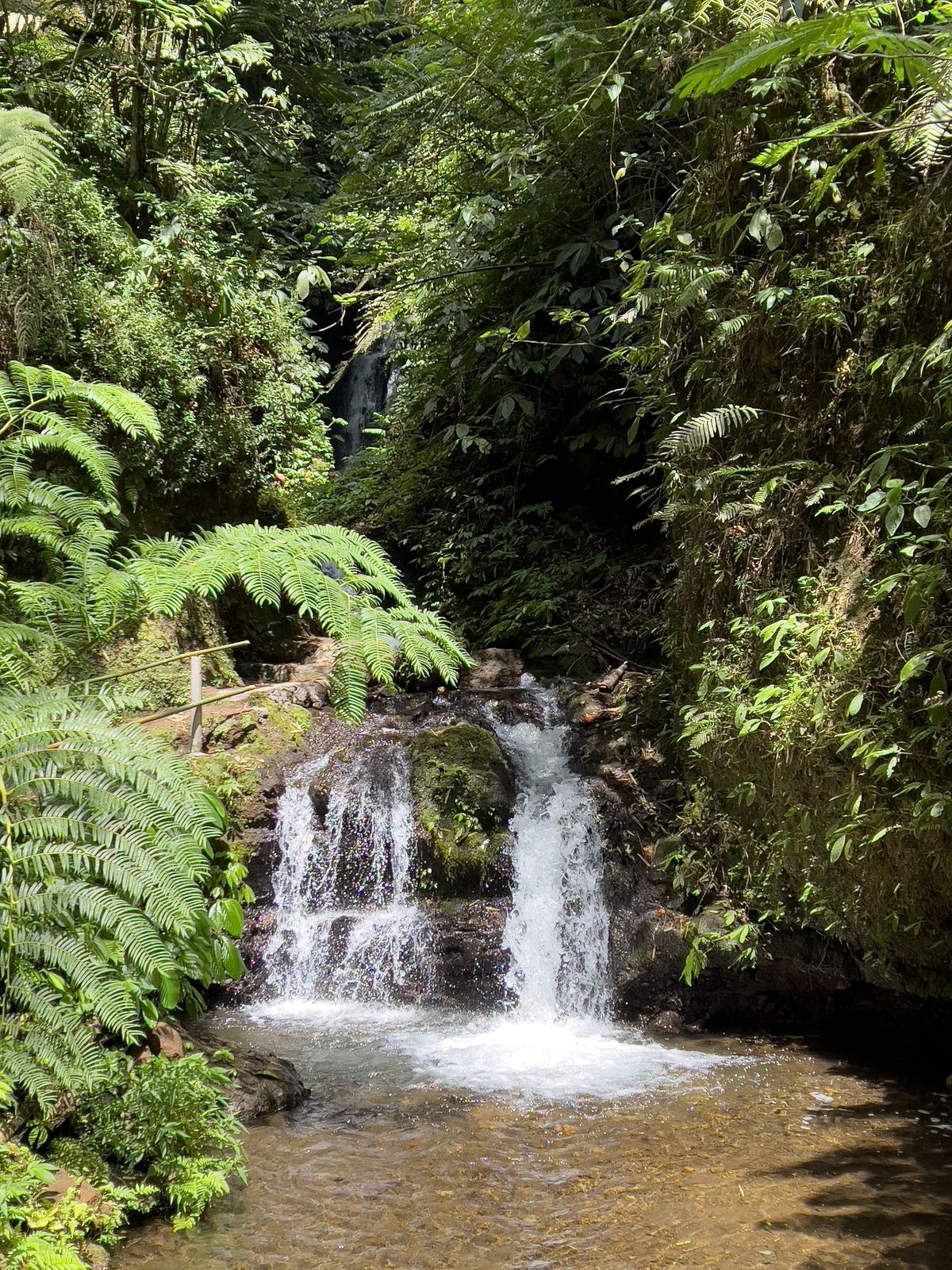 Photo: Stefan Fussan, CC BY-SA 3.0
Munduk & North Bali Highlands Guide
Bali's cool, waterfall-laced highlands — coffee country, twin lakes and jungle ridges two hours from the beach crowds.
 Photo: Derek Ramsey (Ram-Man), CC BY-SA 4.0
Find your own piece of the canopy.
Treehouses, bamboo houses and rainforest villas across 17 destinations — found, vetted and written up honestly.
Browse all destinations