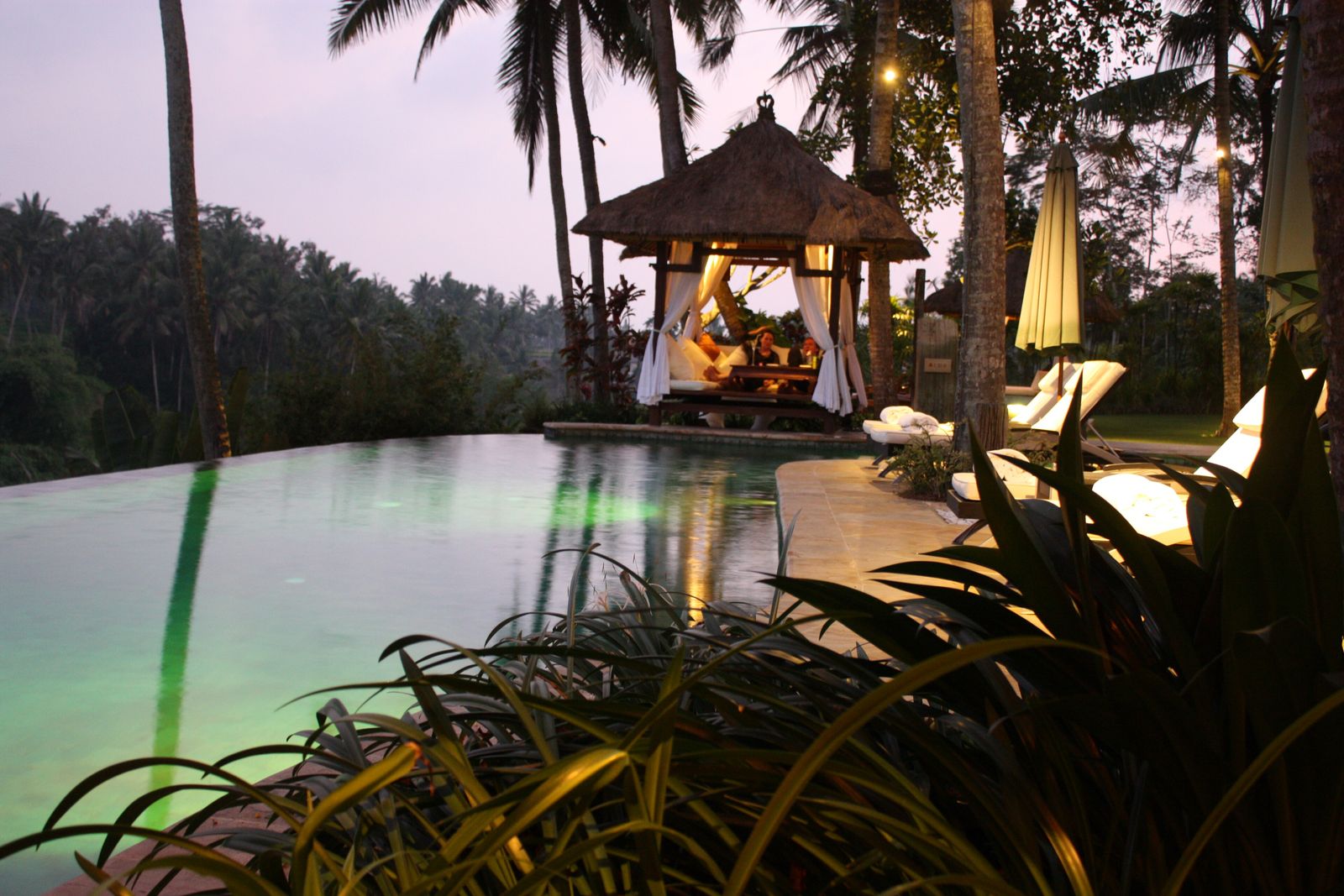
Jungle Stays With the Best Views
Most jungle stays are built around the forest generally: shade, sound, the general fact of being surrounded by green. A smaller, harder category is built around one specific view — a volcano cone framed dead-center in a wall of glass, a gorge dropping away under the foot of the bed, a canopy that goes on further than the eye can actually resolve. These are not the same design problem as a pretty jungle cabin. A view-first stay starts with the sightline and works backward: the architect stands on the site before anything is drawn, finds the one angle that matters, and then figures out how to get a bed, a bathroom and a roof into that exact spot without blocking it. Here's how that actually gets built, what it costs a guest in trade-offs most listings don't mention, and a handful of real places that pulled it off.
What makes a "view stay" its own category
Almost every jungle property markets itself on its view to some degree, so it's worth being precise about what actually separates a genuine view-first stay from a nice room with a nice window. The test is the same one architects use privately: does the view drive the floor plan, or does the floor plan happen to have a view? In a true view-first building, the bed, the tub, sometimes the whole open side of the room, are oriented and positioned specifically to put one framed sightline in front of a guest at all times, often at the expense of privacy from the opposite direction, storage space, or a conventional layout. Walls that would normally exist get removed or replaced with glass. Rooms that would normally face two directions get turned to face one. The view isn't a feature added to a good building; it's the reason the building is shaped the way it is.
That single-mindedness shows up most clearly in three recurring subjects, which is why this guide is organized around them rather than around geography. A volcano cone is dramatic enough, and different enough from ordinary forest, that builders will orient an entire lodge toward one peak and accept a difficult, exposed site to do it. A river gorge or canyon does something a flat rainforest floor can't: it gives a builder vertical drop, which means a room can look down into a landscape instead of just out across it, and that downward sightline changes how a structure gets engineered. A forest canopy, seen from above rather than from the ground, turns the jungle from a wall of green you're inside into a texture you're looking down onto, which is a completely different visual experience from a normal ground-floor jungle room and generally requires either serious height (a tower) or a serious slope (a ridge-top site) to pull off.
None of these are new ideas in architecture generally. What's specific to the jungle version is that the builder has to solve the view problem and the tropical-climate problem at the same time, in a location that's often remote, often steep, and often without a road. A view-first house on a temperate coastline can lean on double glazing and central heating to manage the resulting exposure. A view-first jungle stay usually can't, or won't, which is where a lot of the more interesting engineering in this guide actually comes from.
Where the idea comes from
The instinct to build toward a single dramatic sightline is old and not remotely limited to hospitality. Hilltop temples, cliffside monasteries and mountain viewing pavilions across multiple cultures were sited for a specific outlook centuries before anyone was selling a room. In modern residential architecture, the clearest ancestor is Frank Lloyd Wright's Fallingwater, cantilevered directly over Bear Run in rural Pennsylvania so the house sits above the waterfall rather than merely near it — a building whose entire plan exists to put a guest in a specific relationship to moving water below. That cantilever-over-a-drop logic, more than any single tropical building, is the direct architectural ancestor of the gorge-view jungle villa: take a dramatic vertical feature, and instead of viewing it from a respectful distance, put the structure out over it.
The safari lodge tradition did something similar for open sightlines rather than drops. East and Southern African camps built the habit of orienting every tent and villa toward a waterhole, a plain, or a specific mountain, treating the view as the single most valuable asset on the property and designing everything else, including guest privacy between units, around protecting it. That tradition is the direct lineage behind lodges like Rwanda's Bisate, discussed in detail below, which borrows the safari industry's obsession with one dominant sightline and applies it to a volcanic cone instead of a savanna.
The jungle canopy tower has its own, more recent and more practical origin: field biology. Long before any hotel put a platform above the trees, researchers were building canopy walkways and towers specifically to study the layer of the rainforest that's hardest to reach — the top ten or twenty meters, where most of a rainforest's light, flowering and animal activity actually happens. Ecotourism lodges borrowed the structure directly from field science once operators realized guests wanted the same access researchers had been building for themselves for decades. A modern canopy-view jungle stay is, structurally and conceptually, a research tower that also has a bed in it.
How you actually build around one view
Once a site is chosen for its view, the practical problems are almost always the same three, whatever the specific landscape. First, orientation: a single wall, usually glazed or fully open, has to face the view precisely, which constrains where doors, plumbing and structural supports can go far more than in an ordinary building where every wall does roughly the same job. Second, exposure: the wall facing the view is usually also the wall facing the weather that made the view possible in the first place — wind off a volcano's slope, spray and damp air off a gorge, direct sun with nothing between the room and the horizon. Third, structure: a lot of the most dramatic view-first buildings ask a foundation to do something unusual, whether that's a cantilever reaching out past its support the way Fallingwater does, deep stilts or piers on a slope too steep for a conventional footing, or a tower tall enough to clear the canopy entirely.
Glazing is the material choice that gets the most attention, and it's genuinely harder in the tropics than it looks in a photograph. A wall of glass facing a volcano or a canyon at midday, with no deep eave or shade structure, turns a room into a greenhouse fast — which is why the better view-first jungle buildings pair large glass or open sections with generous roof overhangs, operable panels that can be opened rather than fixed shut, or glazing oriented to catch morning or evening light rather than the full midday sun. A stay that's glazed toward the east catches a volcano or a gorge at sunrise, when the light is dramatic and the heat is manageable, and stays shaded through the hottest hours — a deliberate choice, not a coincidence, on the better-designed properties.
Siting on a slope adds its own problem: the same steep terrain that creates a usable drop for a gorge view, or clears a sightline to a volcano over the surrounding canopy, is also terrain that's expensive and difficult to build on. Foundations on a real slope usually mean individually engineered piers or stilts rather than a single flat pad, and access for construction materials, given that these sites are frequently reached only by foot or narrow track, shapes what a builder can realistically use — which is part of why so many view-first jungle buildings lean on timber, thatch, bamboo and other materials that can be carried in, rather than poured concrete that would need heavy equipment on-site.
Good to know
A view-first room usually gives something up to get its sightline, and it's rarely mentioned in the marketing. Full privacy from a neighboring unit, a second window for cross-ventilation, or simple wall space for storage often lose out to the single wall of glass or open screen doing the real work. Worth checking floor plans, not just the hero photo, before assuming a "volcano-view suite" gives you a normal room plus a bonus window.
Volcano views: sleeping in the blast shadow
A volcano is one of the few landscape features dramatic enough that lodges will build an entire property's layout around a single peak, and Rwanda's Volcanoes National Park has one of the more fully realized examples of that idea. Bisate Lodge, run by Wilderness Safaris and opened in 2017, sits inside the natural amphitheater of an eroded volcanic cone, with its six forest villas positioned specifically to frame the peaks of Mount Bisoke and Mount Karisimbi rising through the surrounding Afro-alpine forest. The Johannesburg firm Nicholas Plewman Architects designed the villas as thatched, curved, basket-like structures, drawing on the form of the King's Palace at Nyanza, with ribbed timber-and-bamboo walls and floor-to-ceiling glazing that opens the whole forest-facing side of each villa to the volcanoes beyond. The interiors, by Cape Town designer Caline Williams-Wynn with input from Rwandan fashion designer Teta Isibo, use imigongo — traditional Rwandan geometric patterns made from hardened cow dung and colored soils — which grounds the building in a specific place rather than a generic "eco-lodge" look.
What makes Bisate a genuine case study rather than just a pretty building is that the siting decision and the conservation program are the same decision. The lodge's amphitheater location was heavily degraded farmland before the project began, and Wilderness Safaris has since replanted more than 30,000 indigenous trees on the site specifically to restore the forest corridor between the lodge and the national park boundary — which means the view guests wake up to is, in a real sense, still being built, tree by tree, years after the villas themselves went up. It's a useful reminder that a volcano view isn't static scenery; the vegetation framing it is a living, managed thing that a property either invests in or lets degrade.
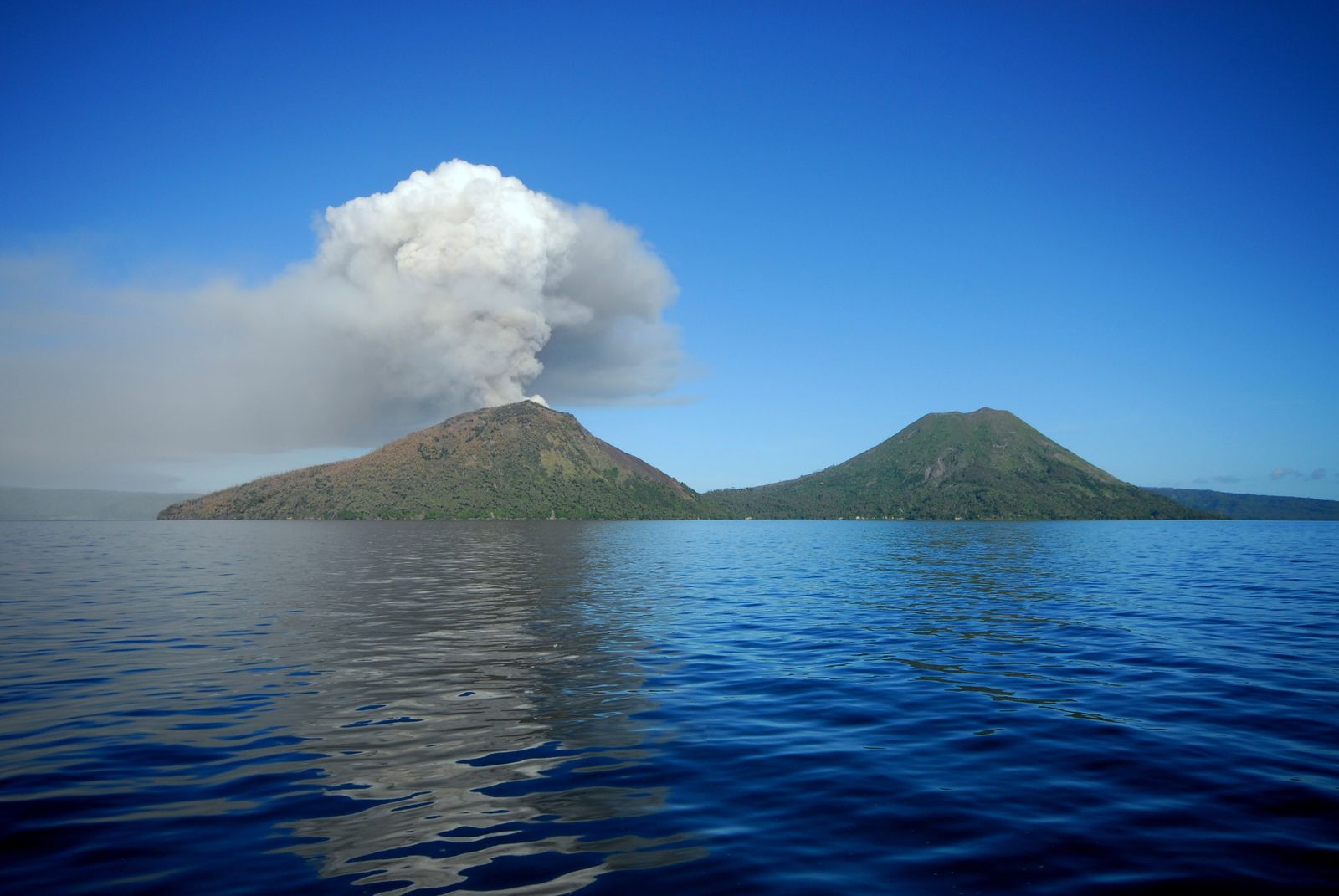
Costa Rica's Arenal Volcano region works a similar geography without the altitude of the Virunga range: a cluster of jungle and rainforest lodges around La Fortuna site their rooms specifically to catch the cone of Arenal across the forest canopy, using the same basic logic — orient the glazed or open wall toward the one peak that matters, and build everything else in service of protecting that sightline. Whether the volcano in question is active or dormant changes almost nothing about the architecture; the design problem, get a room's main wall to frame one specific cone without cooking the guests inside it, is identical either way.
Gorge and river-canyon views
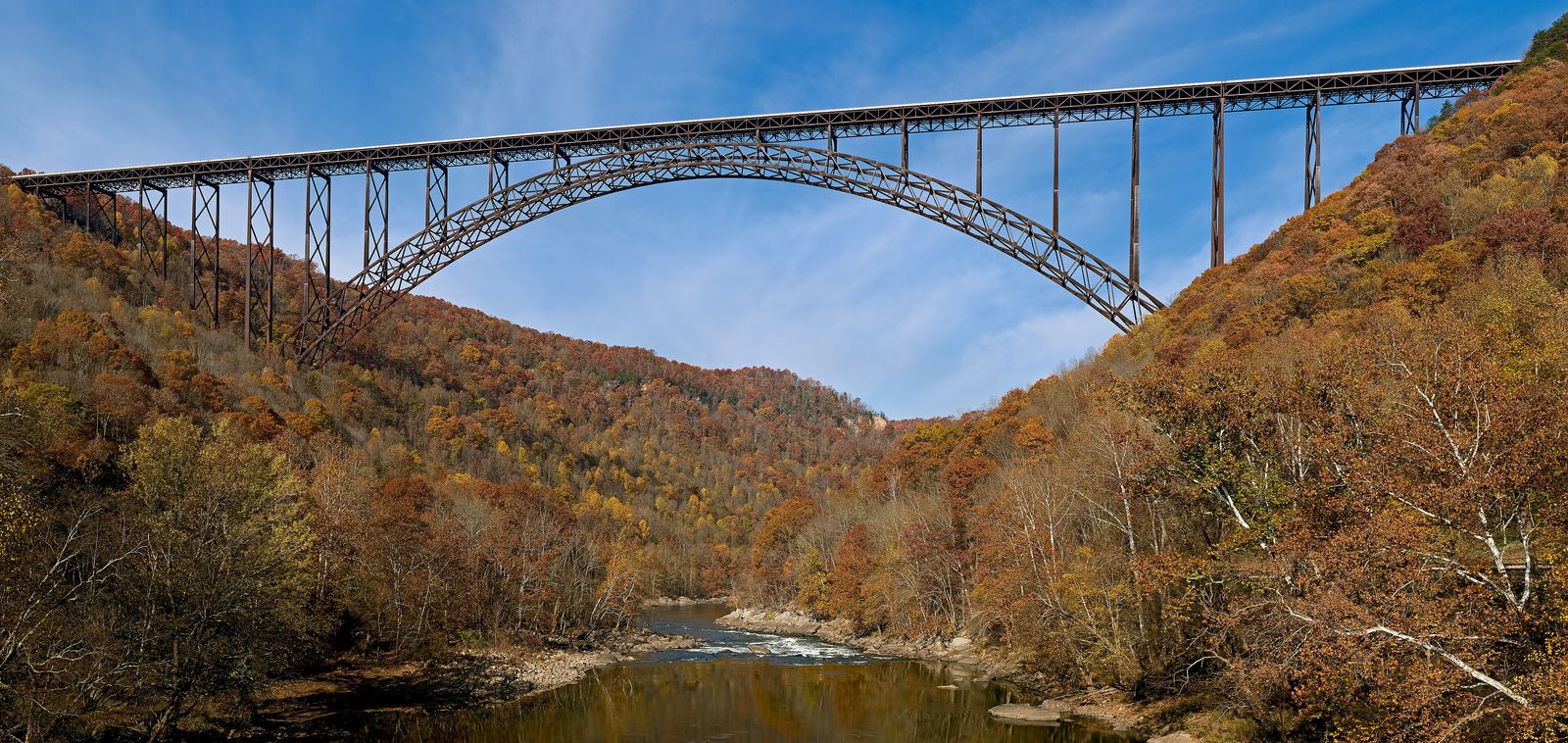
A gorge gives a builder something a flat rainforest floor can't: real vertical drop, which means a room can look down into a landscape rather than out across it. That downward sightline is a different sensation entirely from a horizon view, and it usually asks more of the structure, since a building perched on the lip of a drop is fighting a steeper slope, harder access and, often, spray or damp from moving water below.
Blancaneaux Lodge, in Belize's Cayo District, is a working example of what that actually looks like built. Francis Ford Coppola bought the abandoned property in the early 1980s after visiting Belize, used it as a family retreat for more than a decade, and eventually opened it to the public in 1993. The twenty villas and cabanas, designed by Mexican architect Manolo Mestre, are built on stilts on a forested hillside directly above Privassion Creek and a small waterfall, with soaring, hand-woven thatched ceilings that Coppola based partly on houses he'd seen in the Philippines while filming Apocalypse Now. The material palette is almost entirely local and regional: Belizean mahogany framing, fan-palm thatch, and walls of bamboo, palmetto and stucco. In 1993 the Coppolas installed a small hydro-electric plant that runs off Privassion Creek itself, powering the property from the same water the villas are built to look down on — one of the more literal examples in this guide of a building's view and its utilities coming from the same source.
The vaulted, open ceilings at Blancaneaux aren't just an aesthetic choice borrowed from Southeast Asia; they're doing real climate work. The lodge was deliberately designed without air conditioning, using the tall, open roof volume to channel cool air moving up from the creek through the buildings rather than sealing it out — the same principle behind an open A-frame gable, scaled to a much larger, more resort-like structure. Bali's Ubud region runs a similar geography at a larger scale: the Ayung River has carved a deep, jungle-walled gorge through the town that a cluster of hotels and villas has built directly along, using the same logic of cantilevered decks, glazed walls and stilted platforms angled down into the ravine rather than out across flat ground.
A gorge view doesn't ask a building to look at the jungle. It asks the building to hang over the edge of it.
Canopy views: towers, decks and the sea of green
Seen from the ground, a jungle is a wall. Seen from above the canopy, it's a texture — an unbroken, rolling surface that a bird's-eye photograph can make look almost like water. Getting a guest to that second view, rather than the first, is a straightforward engineering problem with a difficult answer: you need serious height, which in flat rainforest usually means a tower, since there's rarely a ridge or cliff around to do the job for free.
Cristalino Jungle Lodge, in a private reserve near Alta Floresta in Brazil's Mato Grosso state, roughly ninety minutes by road from the regional airport, runs two 50-meter canopy towers at different points across its reserve. Platforms at multiple levels let guests move through several distinct layers of the forest on the way up rather than jumping straight from ground floor to canopy top, and from the highest platform the view is exactly the "sea of green" description that recurs in nearly every account of the lodge: an unbroken roll of rainforest to the horizon in every direction, with almost nothing built visible in it. The reserve is home to roughly 580 recorded bird species, and National Geographic Traveller has named Cristalino one of the top 25 ecolodges in the world — recognition that's specifically tied to the combination of the tower access and the intact private forest it looks out over.
A tower is the most direct way to get a canopy view, but it's not the only one. Properties sited on a genuine ridge or a hillside above a valley of forest can get the same downward, over-the-canopy sightline from an ordinary elevated deck or terrace without building a dedicated structure for it, which is a large part of why hillside jungle lodges in regions like Costa Rica and Sri Lanka's hill country market "canopy views" without a tower on the property at all. The distinction worth knowing as a guest is that a tower view is usually a shared, communal vantage point you walk or climb to at set times, while a ridge-top terrace view is private and available from your own room around the clock — different experiences that happen to use similar language in a listing description.
Whichever route gets a guest above the treeline, the payoff is largely about timing. Rainforest canopy is at its most active, and most visually rewarding, at dawn and dusk, when birds and primates move through the upper layers and the light comes in low and gold across the treetops rather than straight down and flat. A canopy-view stay that's genuinely built around the sightline, rather than just claiming one, usually reflects that in its schedule — early breakfast on the platform, a guided dawn ascent — not just in its photographs.
What it's actually like to wake up to one
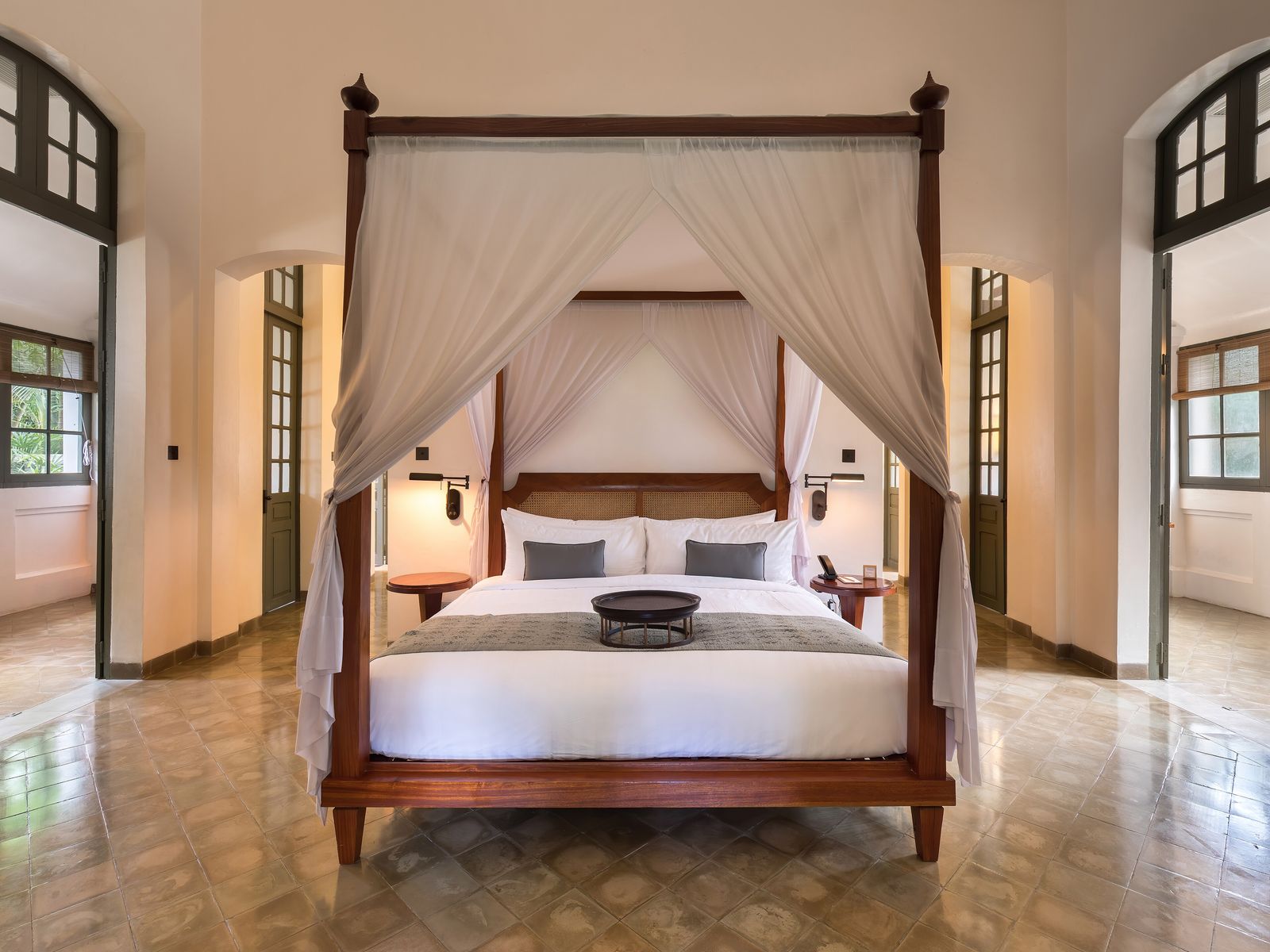
The photographs are, for once, mostly honest — a well-sited volcano, gorge or canopy view really does look close to what the listing promises, at least on a clear morning. What the photographs don't show is how much of the experience depends on weather and time of day in a way that flatter, less dramatic rooms don't have to worry about. A volcano can sit behind cloud for a full day in the wrong season; a gorge fills with mist at dawn that can take hours to burn off; a canopy view in heavy rain is mostly grey. Guests who've built a trip around one specific sightline are the ones most likely to be disappointed by ordinary tropical weather, simply because they had further to fall.
Privacy is the other adjustment worth naming plainly. A room built around one glazed or open wall facing a view is, by definition, a room with one side deliberately weakened as a barrier between the guest and the outside world. That's rarely a security problem on well-run properties with real spacing between units, but it does mean less acoustic and visual separation than a conventional hotel room offers — rain, insects, birds and the general noise of the forest are part of the room in a way they simply aren't in a sealed building, and a couple sharing a glass-walled gorge villa should expect to hear the water below all night, not just see it at sunrise.
Heat and light follow the orientation choices covered earlier, and it's worth checking which direction a specific room actually faces before booking rather than assuming "view room" means "comfortable room." A west-facing glass wall with a dramatic sunset view can also mean a room that's uncomfortably hot by late afternoon if the roof overhang and shading weren't handled well; an east-facing one usually means an easier room to sleep in and a harder one to linger in past sunrise. None of this is a reason to skip a view-first stay — it's simply the honest cost of booking a room designed around a single sightline rather than around all-around comfort, and it's worth going in with eyes open about which one a given property actually optimized for.
The honest trade-offs
Beyond weather and privacy, a few structural realities are worth naming plainly before booking a stay that markets itself primarily on its view.
The view usually costs more than the room
Because view-first construction, cantilevers, towers, extensive glazing on a difficult slope, is more expensive to build and maintain than a standard structure, these rooms are reliably priced at a premium over otherwise comparable stays on the same property, and the premium is for the sightline specifically, not for extra square footage or amenities. It's a reasonable trade to make with clear eyes, less reasonable if you assumed the higher price bought you a better bed.
Maintenance is a constant, visible fight
A wall of glass or an open screen facing a gorge or a canopy takes real weather exposure day after day, and the better properties are visibly maintaining it, re-thatching roofs, resealing timber, cleaning glass that salt spray or rain constantly reintroduces grime to. A property that's let its view-facing structure go a season or two without upkeep is usually easy to spot in recent guest photos, and worth checking before you book something described purely by its architecture.
The single best view is usually a single room, not the whole property
Most view-first lodges have one or two units that actually nail the sightline the marketing photos are built around, with the rest of the property offering a good but noticeably lesser version of the same idea. It's worth asking directly, by unit number if the property will give you one, rather than assuming every room shares the hero shot on the homepage.
Common questions
What actually separates a "view stay" from a normal jungle room with a nice window?
Whether the view drove the design. In a genuine view-first building, the floor plan, orientation and structure are built around protecting one specific sightline, often at the cost of privacy, storage or a conventional layout. A normal room with a nice window keeps a standard layout and simply happens to face something pretty.
Are volcano-view jungle stays safe to sleep in?
Lodges built near active or dormant volcanoes, including examples like Bisate Lodge near Rwanda's Virunga range, are typically sited well outside any active hazard zone and operate under the same national park and safety oversight as the surrounding protected land. It's a fair, specific question to ask a property directly rather than something to assume from the marketing photos alone.
Why do gorge-view villas so often skip air conditioning?
Many rely instead on tall, open roof volumes and cross-ventilation to channel cooler air rising off the water below, a design approach used at properties like Belize's Blancaneaux Lodge specifically to avoid sealing the building off from the view and the breeze at the same time. It works well in the right climate but is worth confirming directly if you're heat-sensitive.
Do you need to climb a tower to get a real canopy view?
Not always. Dedicated towers, like the two 50-meter structures at Brazil's Cristalino Jungle Lodge, give the most dramatic and complete above-canopy view, but hillside or ridge-top properties can offer a similar downward sightline from an ordinary terrace without any tower at all. The difference is usually whether the view is a shared, scheduled experience or a private one available from your own room.
Does the best view always cost the most?
Almost always, since the structural work involved, cantilevers, extensive glazing, elevated towers, is genuinely more expensive to build and maintain than a standard room. If a specific unit or view is the whole reason for the trip, it's worth confirming by room number rather than assuming every room on a "view property" delivers the same sightline.
What's the biggest thing photos don't show about these stays?
Weather dependency. A volcano can sit behind cloud, a gorge can fill with morning mist, and a canopy view in heavy rain is mostly grey. The dramatic hero shot on a listing is almost always the property's best morning, not its average one.
Where to actually find one
If a single sightline is what's actually pulling you toward a trip, it's worth choosing the landscape first and the property second. Brazil's Amazon region is the strongest bet for a genuine canopy-tower experience along the lines of Cristalino; Costa Rica remains the most accessible place to find volcano-facing rooms without traveling to East Africa; and Bali's Ubud area, cut through by the Ayung River gorge, has the highest concentration of gorge-and-ravine-facing jungle stays anywhere in Southeast Asia. If the framing and glazing side of this guide interested you more than any one landscape, our guide to glass houses in the jungle goes deeper into how architects handle heat and privacy in a fully glazed tropical building, and our history of treehouses covers the elevated, above-ground side of jungle design that canopy towers borrow from directly. For the specific pairing of dramatic architecture and a private plunge pool, jungle villas with infinity pools is a natural next read, and if you're weighing a fully off-grid property against a more conventional one, how off-grid jungle homes handle solar and rainwater explains what a remote, view-first lodge is usually running on behind the scenes. Beyond those, the full destination directory is the place to start browsing broadly, since the best view on a given trip is often on a property nobody's written a guide about yet.
- Wilderness Destinations — Bisate Lodge, Rwanda — siting, architecture and views of Bisate Lodge within Volcanoes National Park.
- The Spaces — Bisate Lodge is built into a volcanic cone — architectural detail on Nicholas Plewman Architects' villa design and the King's Palace inspiration.
- Wilderness — Spotlight on Bisate Lodge — reforestation program and conservation context for the lodge's site.
- Cristalino Lodge — official site — location, canopy tower structure and reserve detail for Cristalino Jungle Lodge, Brazil.
- Brazil Nature Tours — Cristalino Jungle Lodge — canopy tower height, access from Alta Floresta and biodiversity figures.
- The Family Coppola Hideaways — Blancaneaux Lodge — official property detail on siting above Privassion Creek and architecture.
- Oyster.com — Blancaneaux Lodge review — architect Manolo Mestre's design, materials and the hydro-electric plant on Privassion Creek.
- Poe Travel — Hide Away in Belize with the Family Coppola — history of Coppola's purchase and restoration of the property.
More from the Journal.
 Photo: Basile Morin, CC BY-SA 4.0
What Is a Bamboo House? Bali's Bamboo Architecture Explained
How a fast-growing grass became the most beautiful building material in the tropics — the story of bamboo architecture and where to sleep in it.
 Photo: Vitus Wahlländer, CC BY-SA 4.0
Treehouses Explained: History & Modern Design
From childhood forts to seventy-foot canopy suites — how the treehouse grew up, and what makes a great one to stay in.
Overwater & Floating Bungalows in the Jungle
The room that floats — how raft houses and overwater bungalows are built on jungle lakes and rivers, and the best places to sleep on the water.
 Photo: Derek Ramsey (Ram-Man), CC BY-SA 4.0
Find your own piece of the canopy.
Treehouses, bamboo houses and rainforest villas across 17 destinations — found, vetted and written up honestly.
Browse all destinations