Manuel Antonio Rainforest & Coast Guide
Manuel Antonio is the place people picture when they picture Costa Rica, even if they don't know the name yet: a small national park where the rainforest runs straight down a hillside and stops at a curve of Pacific beach, with sloths overhead and capuchin monkeys working the tree line. It's the most-visited park in the country, which means it's also the most crowded, the most photographed and, if you plan around that honestly, still very much worth the trip. This guide covers the park itself, the town of Quepos and the ridge above it where most people actually stay, the day trips worth the drive, and the practical stuff — tickets, timing, heat — that makes the difference between a great day and a hot, crowded one.
What Manuel Antonio actually is
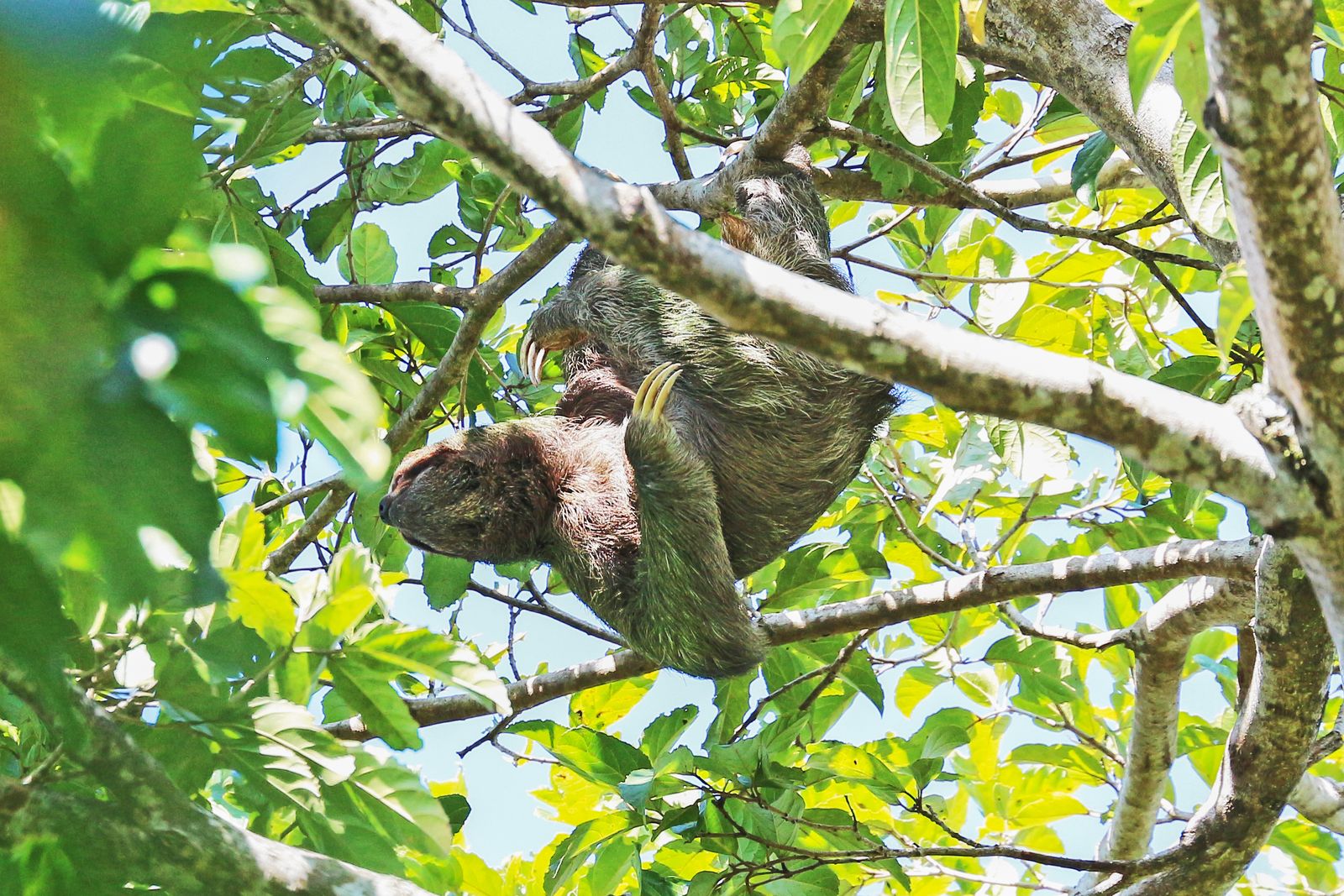
Start with the scale, because it surprises people: Manuel Antonio National Park is small. It covers roughly 1,983 hectares of land and a further stretch of protected marine area off the coast, which makes it one of the smallest national parks in Costa Rica's system — and yet it consistently ranks as the most visited. The reason is straightforward once you're standing in it. Very few places on earth let you walk twenty minutes from a parking lot through primary and secondary rainforest and come out on a genuinely beautiful, calm-water beach, with three of Costa Rica's four monkey species and both of its sloth species visible along the way if you're patient and looking up.
The park sits on Costa Rica's central Pacific coast, just south of the town of Quepos, on a small peninsula that pokes out into the ocean and creates several distinct beaches within a short walk of each other. The main trail system — a network of about 11 marked trails covering a manageable few kilometers — connects four of them: Playa Espadilla Sur, Playa Manuel Antonio, Playa Escondido and the smaller Playita. That compactness is the whole appeal. You're not trekking for hours to find wildlife; you're walking a flat, shaded path with the forest canopy overhead and the ocean visible through gaps in the trees, and animals that have grown used to foot traffic and stay active well past the point where a shier population would have retreated deeper into the bush.
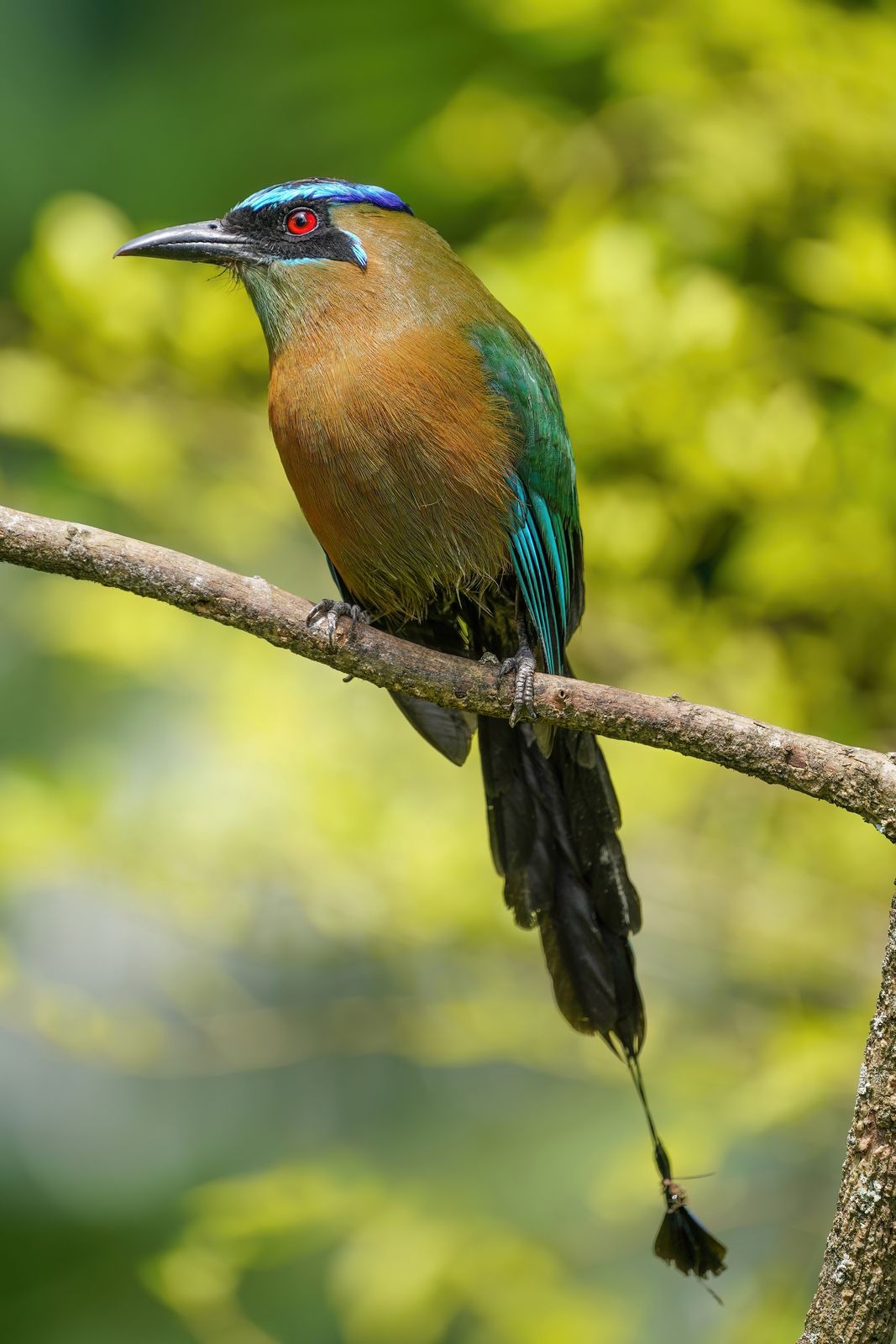
The wildlife list is real and well documented: white-faced capuchin monkeys, mantled howler monkeys and the localized, genuinely threatened Central American squirrel monkey — found in Costa Rica only along this stretch of the central and southern Pacific coast — along with both two-toed and three-toed sloths, iguanas, common basilisk lizards (the "Jesus Christ lizard," for its habit of running across water), coatis, toucans and more than 180 recorded bird species. Offshore, the park's marine boundary sees dolphins regularly and migrating humpback whales seasonally. None of that is exaggerated for the brochure; it's an unusually wildlife-dense park for its size, which is precisely why it draws the crowds this guide spends a fair amount of time helping you plan around.
Quepos itself, the working town just north of the park entrance, is worth understanding on its own terms. It grew up as a banana port in the early twentieth century, shifted to African palm oil production after a blight hit the banana plantations in the 1940s, and only became a tourism town in earnest once Manuel Antonio's beaches and wildlife started drawing visitors from the 1970s onward. That history is still visible in the harbor, the modest downtown grid and the mix of sportfishing operators, tour agencies and simple sodas — Costa Rican diners — that line the main street. It's a real town first and a tourist base second, which is part of its charm if you're coming from a more manufactured resort strip. For the wider country context, our Costa Rica destination page covers how Manuel Antonio fits alongside the cloud forests and volcanoes further inland.
Getting there and getting around
Almost everyone arrives through San José, at Juan Santamaría International Airport (SJO), and from there you have three real options: drive, bus or fly. The drive covers roughly 130 kilometers but takes considerably longer than the distance suggests — figure three to three and a half hours without stops, more with traffic or a rest break, because the route drops about 1,200 meters from the Central Valley down to the coast along a mountain highway. Most of that route runs on Route 27, a toll highway with three toll booths between San José and the Pacific coast that together add up to roughly $4, before you pick up the coastal road south to Quepos and Manuel Antonio. Renting a car gives you the most flexibility for day trips once you're there, but it also means driving that mountain descent yourself, which is manageable in daylight and in a well-maintained rental but worth respecting rather than rushing.
If you'd rather not drive, the public bus is cheap and genuinely reliable: Tracopa runs direct buses from San José to Quepos roughly a dozen times a day, with the trip taking about three and a half hours and costing around $9. Private and shared shuttle vans are the middle option — a shared shuttle seat runs roughly $55 per person, while a private van for a small group runs in the neighborhood of $200–210 total — and they'll pick you up at your hotel rather than a bus terminal, which matters if you're arriving jet-lagged or traveling with kids and luggage. For travelers short on time, a domestic flight from San José to the small Quepos airport (XQP) takes about 25 minutes in the air, followed by a short 15–20 minute taxi or bus ride into Manuel Antonio itself — a real time-saver if you're combining this stop with other parts of the country on a tight schedule.
Once you're based in the area, getting around locally is simple. Quepos to the Manuel Antonio park entrance is about a seven-kilometer stretch of road along the ridge, walkable if you're fit and the heat isn't punishing but more comfortably covered by the frequent local buses that run the route all day for a dollar or two, by taxi, or by rental car if you already have one. Within the park itself, everything is on foot — there's no vehicle access beyond the entrance area, which is part of what keeps it feeling calm despite the visitor numbers.
The best areas and where to stay
Manuel Antonio's accommodation is spread along a single stretch of road climbing the ridge between Quepos and the park entrance, plus the beach flats down near the water, and where you land on that stretch changes the trip meaningfully.
The road to the park (the ridge)
This is the classic Manuel Antonio setting and the reason the destination has the reputation it does: a winding road climbing through rainforest, with hotels and villas tucked into the hillside on both sides, many of them built specifically to catch a canopy or ocean view from a private balcony or pool deck. This is where you'll find the tree-level, jungle-canopy stays JungleBnB exists to catalog — rooms and villas positioned so the forest is the view, not a backdrop you drive past. It's also where the twisting road, steep driveways and lack of a real sidewalk mean you'll likely want a car or be comfortable calling taxis for anything beyond the closest restaurant.
Quepos town
Staying in Quepos itself trades the canopy views for convenience and a lower price point — you're close to the bus terminal, the harbor, the widest range of restaurants and the most affordable accommodation in the area. It's flatter and easier to walk around, and it's a fine base if you're planning to rent a car or rely on buses and taxis for the ridge and the park, rather than wanting rainforest right outside your window.
Playa Espadilla and the beach flats
Down near the water, close to the park's public entrance, is a more built-up strip of hotels, surf shops and beach restaurants right behind Playa Espadilla, the long public beach just outside the park boundary. It's the most walkable option for repeat visits to the park and the beach itself, and it puts you closest to the informal beach-town energy — sunset happy hours, beach volleyball, souvenir stalls — that some travelers want and others find is exactly what they came to Manuel Antonio to get away from.
Further out — Savegre and Portalón
South of the park, along the Savegre River and toward the Portalón and Rafiki Safari Lodge area, the development thins out considerably and the setting turns quieter and more rural, with a mix of riverside lodges and working farms. It's a legitimate option if the concentration of hotels closer to the park feels like too much, though it puts you a longer drive from the park entrance and from Quepos' restaurants and services.
Whichever area you land on, browse JungleBnB's Costa Rica listings before you book — the difference between a "jungle view" listing that delivers and one that's marketing copy over a parking lot is usually visible in the photos and the elevation, and it's worth the extra ten minutes to check.
The park is small enough to walk in an afternoon and dense enough with wildlife that most visitors don't want to leave.
The top things to do and see
Manuel Antonio National Park itself
The park is open daily except Tuesdays, from 7am to 4pm, with entry capped at roughly 2,500 visitors a day through timed online tickets — more on booking that in the practicalities section below. Adult entry runs $18, with reduced pricing for children. Arrive at or near opening if you want the best wildlife activity; the first two hours after the 7am gate opening are consistently when animals are most active and the trails are least crowded, before both the heat and the tour groups build through the late morning. The main trail system is flat, well maintained and covers roughly 2.4 kilometers connecting the park's four beaches, manageable in two to three hours at an easy pace even without a guide, though a licensed naturalist guide — required in some sections and strongly worth the cost everywhere else — will spot far more than an untrained eye ever will, from a sloth motionless thirty feet up to a well-camouflaged snake at trailside.
Playa Manuel Antonio and Playa Espadilla Sur
The park's two main beaches are genuinely beautiful by any standard — calm, clear water, white-to-tan sand, framed by forest right down to the tide line — and Playa Manuel Antonio in particular is sheltered enough for easy swimming and snorkeling on a calm day. Bring water shoes if you have them; the beach areas near the rocks can be sharp underfoot.
The Nature Park & Wildlife Refuge trails outside the boundary
Several private reserves and rescue-center-style attractions sit just outside the national park boundary along the same road, offering butterfly gardens, frog exhibits and rehabilitated-animal viewing for travelers who want more guaranteed sightings than a wild park can promise, or who are visiting on a Tuesday when the national park itself is closed.
Boat tours and sunset sails
Quepos's harbor runs regular catamaran and boat tours along the coastline, often timed for sunset, that combine snorkeling stops with a decent chance at dolphin sightings and, in season, migrating whales. It's a good complementary half-day to the land-based park visit rather than a substitute for it.
Sportfishing
Quepos has a long-standing reputation as one of Costa Rica's serious sportfishing towns, with a fleet running both inshore trips for roosterfish and snapper and offshore charters chasing sailfish and marlin. It's a specific-interest activity but a genuinely well-regarded one if it's already on your list.
Good to know
Never feed the monkeys, no matter how close they get. It's illegal inside the park, it's genuinely bad for their health and behavior, and it's the single biggest reason capuchins have learned to raid backpacks and beach bags. Keep food zipped away and out of sight.
The best day trips
Nauyaca Waterfalls
About an hour's drive south of Manuel Antonio, near the surf town of Dominical, Nauyaca is a pair of twin waterfalls dropping more than 45 meters into a wide, swimmable plunge pool ringed by rainforest and canyon walls. Most operators run it as a half-day trip, often on horseback or in 4x4 transport for the rougher final stretch, with time built in to swim beneath the falls. It's one of the more dramatic single-stop day trips in the region and consistently rated as such.
Damas Island mangrove tour
Just north of Quepos, the Damas Island estuary is one of Costa Rica's more biodiverse mangrove systems, and a half-day kayak or small-boat tour through its channels is a genuinely different kind of wildlife encounter from the park's forest trails — expect sloths and monkeys moving through the mangrove canopy overhead, plus herons, kingfishers, iguanas and, with some luck, caimans along the banks. It's a calmer, quieter counterpoint to the more crowded national park trails, and a good option if you've already done Manuel Antonio itself and want more nature without more foot traffic.
Rainmaker Conservation Park
Roughly 25 minutes inland from Quepos, Rainmaker is a private reserve covering more than 600 hectares of mature rainforest, known for a series of suspension bridges — some spanning up to 200 meters — strung through the canopy above a river gorge, plus waterfall pools lower down the trail. It's a legitimately different perspective on the same rainforest ecosystem: instead of walking beneath the canopy as you do in the national park, you're walking through the middle of it, at treetop height, which makes it a strong complement to a Manuel Antonio park day rather than a repeat of it.
Dominical and the southern surf coast
If you have a full day and a rental car, continuing south past Nauyaca to Dominical adds a proper surf-town stop to the itinerary — a laid-back beach break well suited to beginners and intermediates, with a much more local, unpolished feel than Manuel Antonio's more built-up strip. It pairs naturally with the waterfall trip above, since both sit along the same coastal road south.
Food and practicalities
National park tickets must be bought online in advance through Costa Rica's national park system rather than at the gate — cash isn't accepted at the entrance, and same-day walk-up capacity is limited by the daily visitor cap, so buying ahead isn't optional if you have a specific date in mind. Book through an authorized vendor or your hotel if you'd rather not navigate the government portal yourself; either way, do it a few days ahead in high season. A licensed guide isn't required for every trail but is genuinely worth the money here — expect roughly $20–30 per person for a small-group guided walk, on top of the entry fee, and budget two and a half to three hours for a proper guided visit rather than rushing the main loop in ninety minutes.
Food in and around Manuel Antonio ranges from simple sodas serving casado plates — rice, beans, plantain, salad and a protein for a few dollars — up through a genuinely strong run of mid-range and higher-end restaurants along the ridge road, many of them leaning into fresh Pacific seafood and the ocean or canopy views that come with the territory. Quepos town has the widest range of casual, affordable options and the best concentration of places locals actually eat.
Tap water is generally considered safe to drink in most of Costa Rica, including this region, though travelers with sensitive stomachs sometimes prefer bottled water out of caution rather than necessity. Costa Rica uses the colón, but US dollars are accepted almost everywhere in tourist areas, including many hotels and tour operators pricing directly in dollars — it's worth carrying some local currency for small purchases and tips, where dollar change can be inconsistent. Costa Rica doesn't require a visa for most Western travelers for stays under 90 days, but check current requirements for your nationality before you fly, and make sure you have proof of onward travel, which immigration does sometimes ask to see.
Travel insurance is worth having here as it is anywhere with rainforest hiking, ocean swimming and mountain driving in the same trip. Costa Rica's healthcare system is generally well regarded by regional standards, but a serious injury or illness can still mean a costly private clinic visit or an evacuation from a more remote stretch of coast, and it's the kind of thing you want sorted before a trip, not during one.
When to go
Costa Rica's Pacific coast runs on a dry season and a green season rather than four distinct ones. Dry season — roughly December through April — brings the most consistently sunny days and the least rain, and it's correspondingly the busiest and most expensive stretch of the year, with December through February drawing the heaviest crowds of all. If you can manage it, the shoulder months of late November and April to early May often deliver a strong compromise: mostly dry weather with noticeably thinner crowds and better prices than peak season.
The green season, roughly May through November, brings more frequent rain, but rarely as a constant washout — afternoon showers are typical, often clearing by evening, with mornings staying reliably clear for a park visit if you're out early. September and October are the wettest months on this coast and worth planning around carefully if a dry beach day matters to your trip; some tour operators and smaller hotels scale back or close briefly during this stretch. In exchange, the green season brings dramatically lower prices, thinner crowds at the park entrance, and a rainforest that's visibly, vividly greener than it is by the end of the dry months.
Honest caveats
Manuel Antonio earns its popularity, but a few things are worth knowing before you build a trip around it.
It's genuinely crowded, and the daily cap doesn't fully fix that. As the country's single most-visited national park, Manuel Antonio draws heavy trail traffic even within its capped daily visitor numbers, particularly from mid-morning through early afternoon and especially in the December–April high season. The fix is the same one that works everywhere crowds are predictable: be at the gate at 7am, and you'll have a genuinely different, quieter experience than someone arriving at 11.
The ridge road is narrow, steep and busy. The main road connecting Quepos to the park entrance climbs and winds through the hotel district with limited shoulder space, heavy tour-van and taxi traffic, and pedestrians walking the same stretch in the heat. It's manageable, but it rewards caution rather than a rental car driven the way you'd drive at home.
Heat and humidity are a real factor, not a footnote. This is lowland tropical coast, and midday temperatures combined with high humidity make the later hours on the park trails genuinely draining, especially for anyone not acclimated. Early starts aren't just about wildlife and crowds — they're the more comfortable way to do the walk, period.
It's a small park, not a wilderness expedition. Manuel Antonio's compact size and well-worn trails are exactly what make it accessible and wildlife-dense, but travelers expecting an untouched, empty rainforest experience should recalibrate — this is a heavily visited protected area, not a remote backcountry trek. If deep, quieter rainforest is what you're after, Costa Rica's better answer is further south, and our Osa Peninsula and Corcovado guide covers that alternative in detail.
A suggested route
Two to three days is enough to see Manuel Antonio properly without feeling rushed; add a day for the Nauyaca or Rainmaker trip if either appeals, or stretch it into a longer central-Pacific loop.
- Day 1: arrive, settle into your ridge or beach-area stay, and spend the afternoon easing in — a walk on Playa Espadilla outside the park boundary, or a sunset dinner with a canopy or ocean view.
- Day 2: the national park itself, at the 7am opening, with a licensed guide for the main trail loop and a couple of hours on Playa Manuel Antonio or Espadilla Sur afterward before the afternoon heat sets in.
- Day 3: choose one — the Damas Island mangrove kayak tour for a calmer wildlife morning, or the Rainmaker canopy bridges for a treetop-level rainforest walk, both well inside a half-day round trip.
- Day 4 (optional): a full-day trip south to Nauyaca Waterfalls and Dominical, combining the twin-falls swim with a look at the southern surf coast before heading back.
If Manuel Antonio is one stop on a longer Costa Rica itinerary, it pairs naturally with the cooler cloud forest at Monteverde or the volcano country around La Fortuna and Arenal — both a few hours' drive north and different enough in climate and landscape to round out a trip rather than repeat it.
Common questions
How many days do you need in Manuel Antonio?
Two full days covers the essentials — a proper morning in the national park plus a beach afternoon, and one day trip to Nauyaca, Damas Island or Rainmaker. Three or four days lets you add a second day trip and some real downtime without rushing.
Do I need to book national park tickets in advance?
Yes. Tickets are sold online through the national park system with a daily visitor cap of roughly 2,500 people, and cash isn't accepted at the gate. Book at least a few days ahead, earlier in high season, either directly or through your hotel or a tour operator.
Is Manuel Antonio too crowded to be worth visiting?
It's genuinely the most-visited park in Costa Rica, and that shows on the main trails from mid-morning on. Arriving at the 7am opening is the reliable fix — you'll get better wildlife activity and noticeably thinner crowds than visitors who show up after 10am.
What's the best month to visit?
Late November through April is the dry season and the most reliably sunny stretch, with December through February the busiest and most expensive. Late November and April into early May often strike the best balance of good weather and thinner crowds; September and October are the wettest months and worth planning around.
What wildlife will I actually see?
Sightings aren't guaranteed, but Manuel Antonio's density of habituated wildlife makes it one of the more reliable parks in the country for it — white-faced capuchin monkeys and two- and three-toed sloths are commonly spotted along the main trails, with mantled howler monkeys and the more localized Central American squirrel monkey seen regularly as well, plus iguanas, basilisk lizards, coatis and a long list of birds.
Is the park closed any day of the week?
Yes — Manuel Antonio National Park is closed every Tuesday. Plan around it, or use a Tuesday for one of the day trips or the private wildlife reserves outside the park boundary instead.
Where to go from here
Manuel Antonio is Costa Rica's most accessible rainforest-meets-coast experience, and for a lot of travelers it's reason enough on its own to build a trip around — a small, wildlife-dense park backed by a real working town, with canopy-view stays stacked up the ridge between them. If you want more rainforest with fewer people, our guides to Osa Peninsula and Corcovado and Monteverde cover two very different alternatives further south and inland. For a shortlist of vetted jungle-view stays around Manuel Antonio and across the rest of the country, start with our Costa Rica destination page, or browse the full directory if you're weighing Costa Rica against another coastal jungle destination like Puerto Rico or Hawai'i. And if you're still building out a wider jungle-stay shortlist before you commit to dates, our roundup of the best jungle Airbnbs in the world is a good next stop.
- Earth Trekkers — Manuel Antonio National Park: Complete Guide — park hours, entry fee, visitor cap and trail overview.
- My Tan Feet — The Complete Guide to Manuel Antonio National Park — trail count, beach network and wildlife details.
- Adventure Tours Costa Rica — Manuel Antonio National Park Guide & Rules — ticketing process, visitor rules and wildlife list.
- James Kaiser — San Jose to Manuel Antonio: Best Travel Options — driving route, Route 27 tolls and drive time.
- Pura Vida Traveling — How to Get to Manuel Antonio or Quepos from San Jose — bus, shuttle and flight options and pricing.
- Earth Trekkers — 18 Best Things to Do in Manuel Antonio (+ Day Trips) — Nauyaca Waterfalls, Damas Island and Rainmaker day-trip details.
- The Costa Rica Tour Site — Damas Island Mangrove Kayak Tour — Damas Island estuary wildlife and tour format.
- Paradise Catchers — Our Favorite Tours from Manuel Antonio, Costa Rica — Rainmaker Conservation Park size, bridges and location.
More from the Journal.
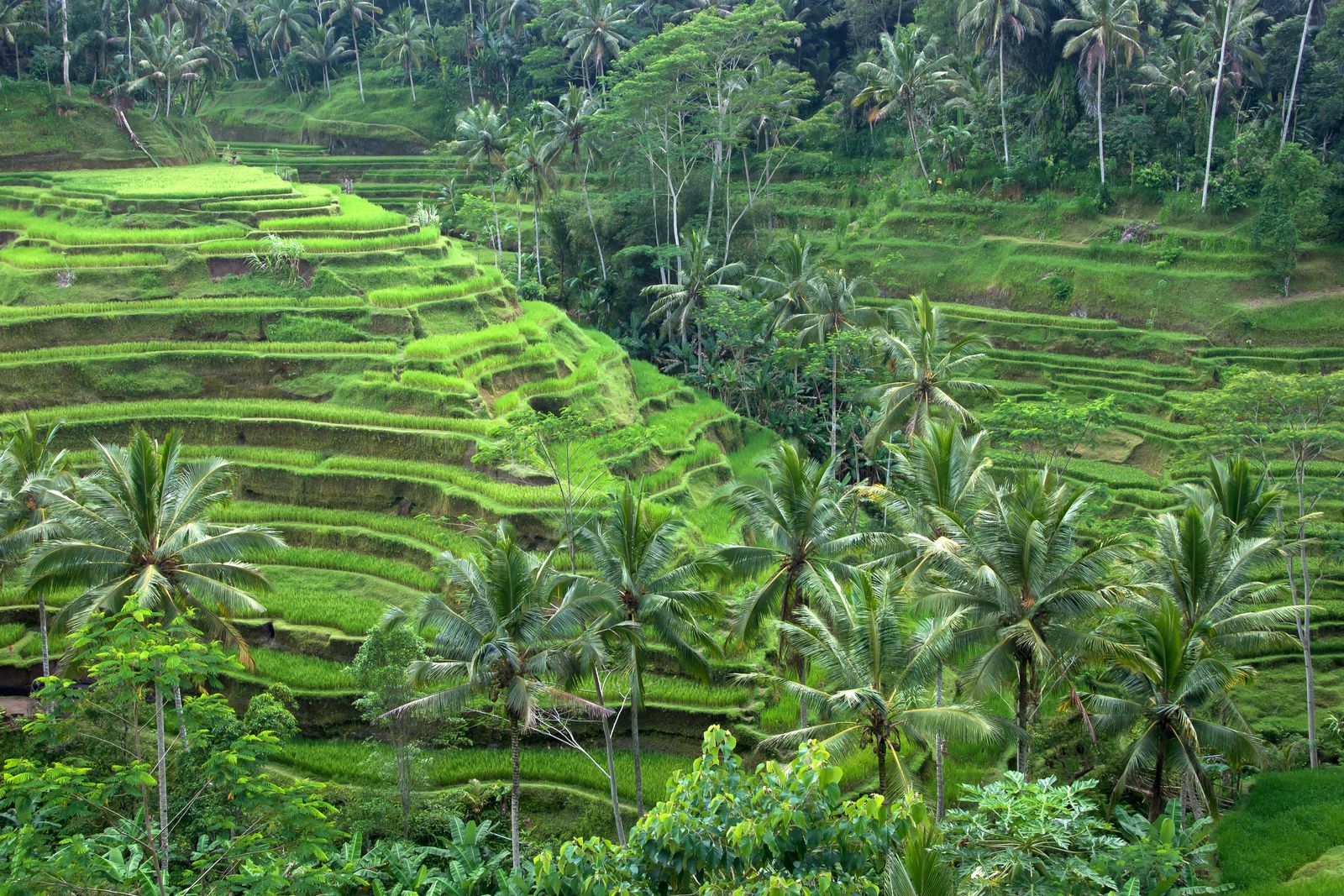 Photo: Vyacheslav Argenberg, CC BY 4.0
Ubud Jungle Guide
Bali's cultural heart is ringed by river gorges and terraced forest. Where to stay in the Ubud jungle, what to do, and how to escape the crowds.
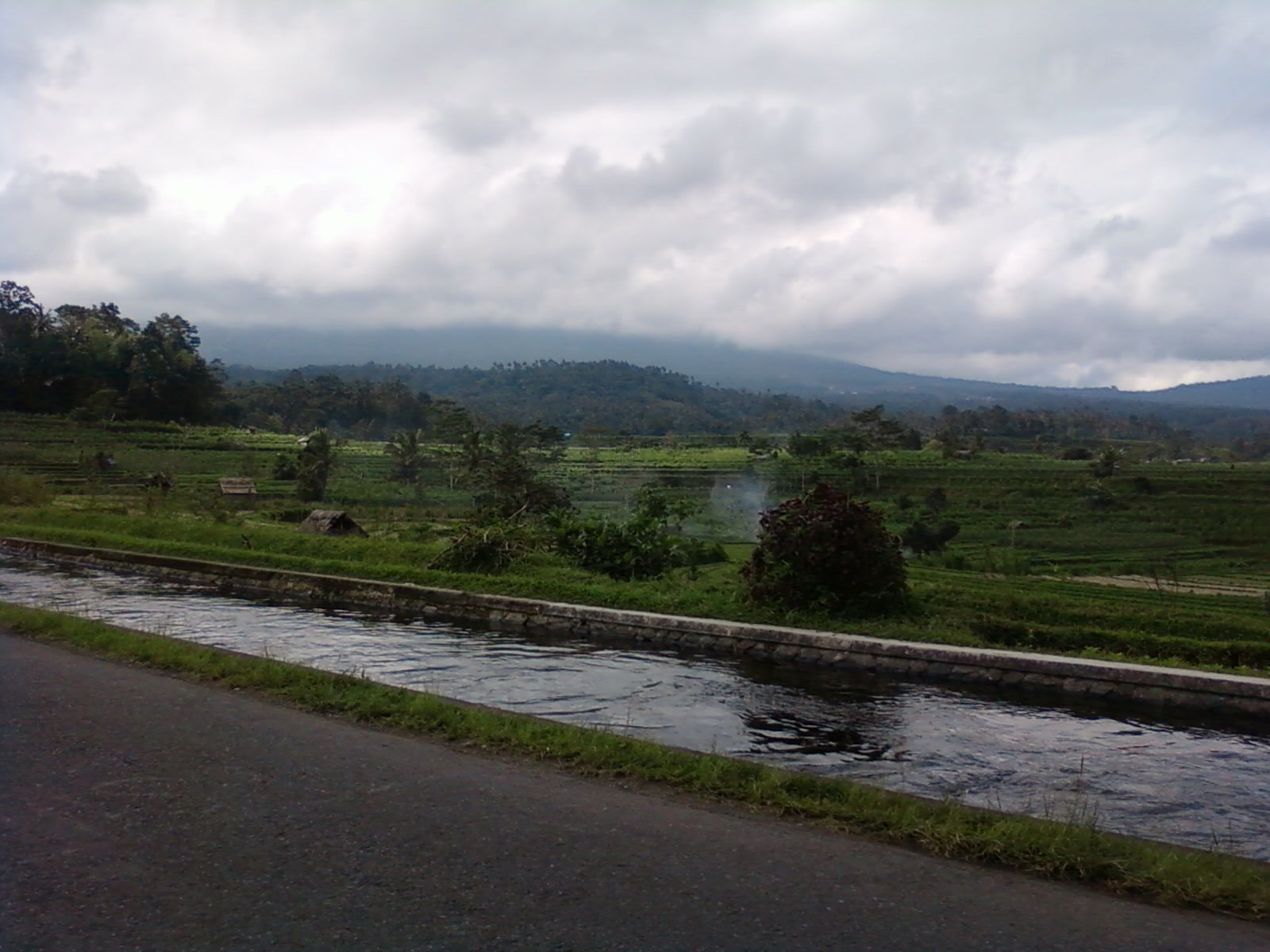 Photo: Adimelali Bali, CC BY-SA 3.0
Sidemen, Bali: The Quiet Valley Guide
An hour from Ubud and a decade behind it — Sidemen is the rice-terrace valley under Mount Agung where Bali's best bamboo houses hide.
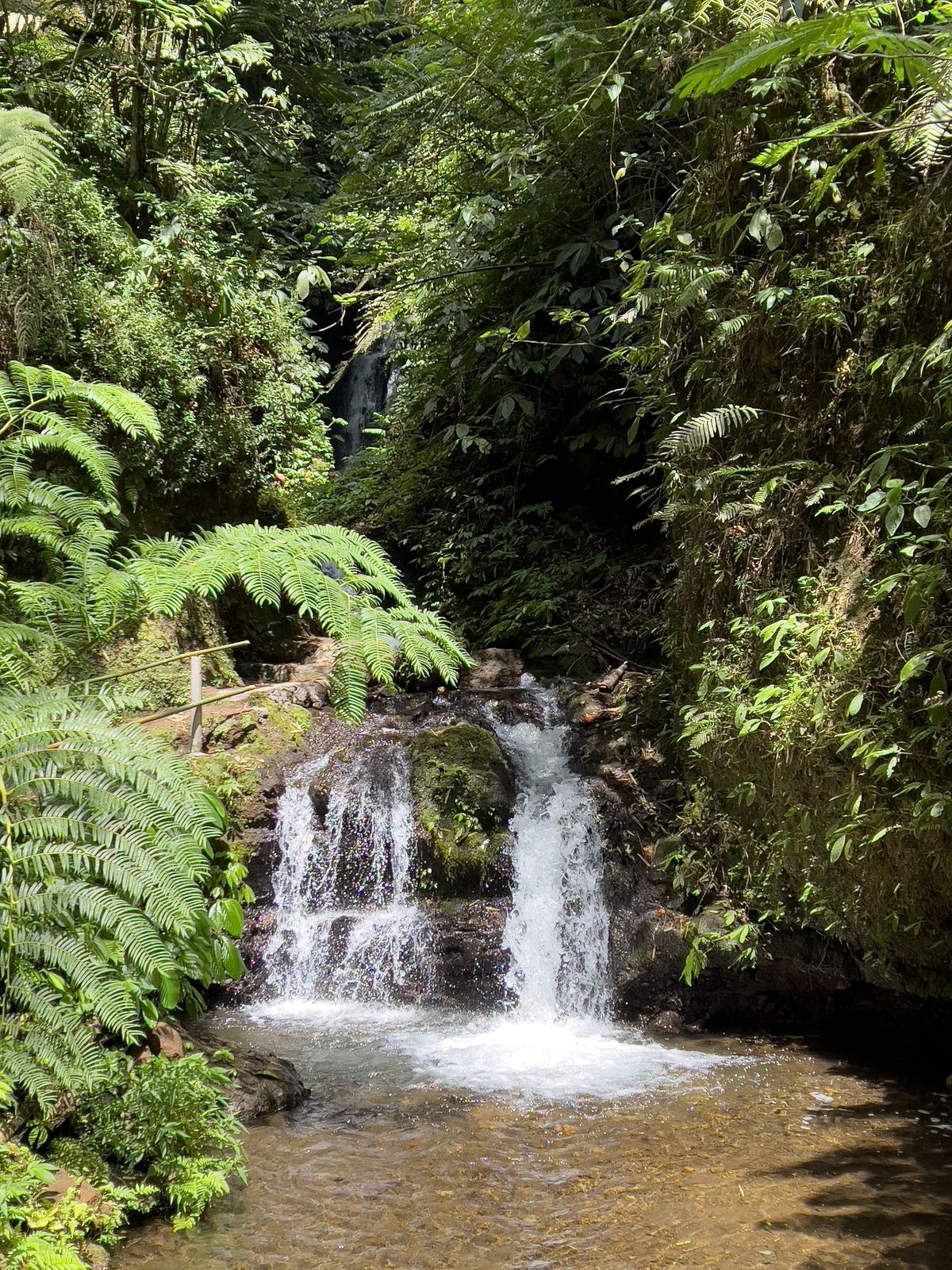 Photo: Stefan Fussan, CC BY-SA 3.0
Munduk & North Bali Highlands Guide
Bali's cool, waterfall-laced highlands — coffee country, twin lakes and jungle ridges two hours from the beach crowds.
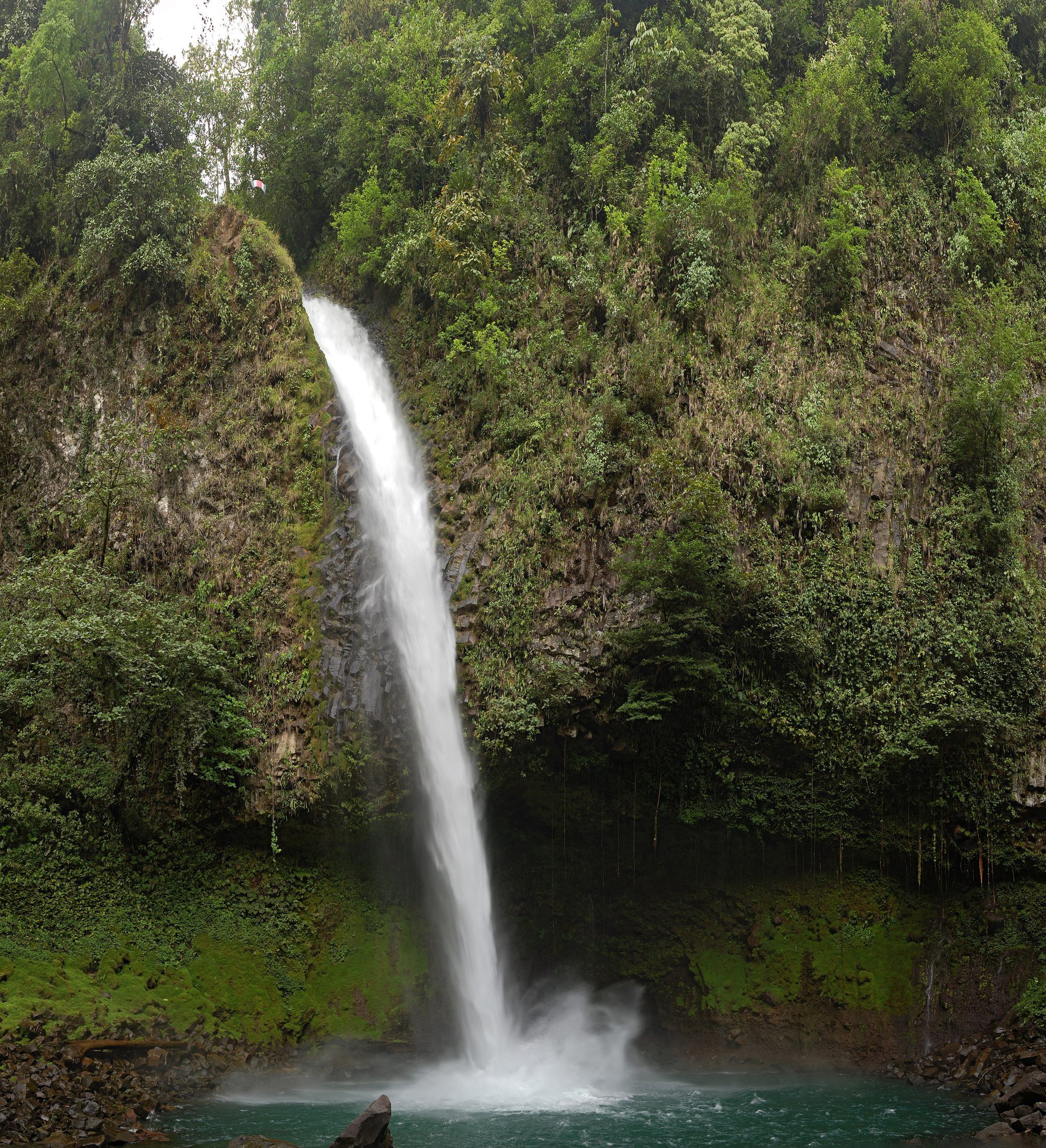 Photo: Derek Ramsey (Ram-Man), CC BY-SA 4.0
Find your own piece of the canopy.
Treehouses, bamboo houses and rainforest villas across 17 destinations — found, vetted and written up honestly.
Browse all destinations